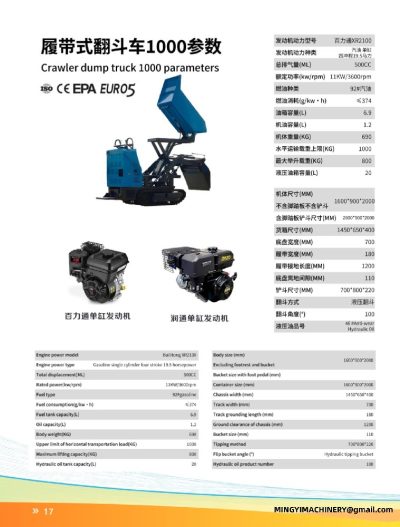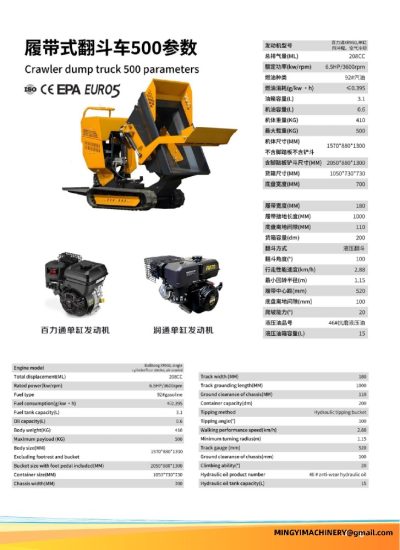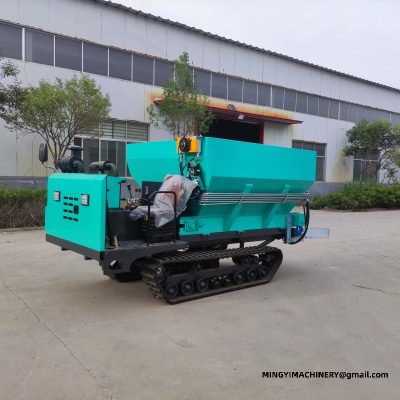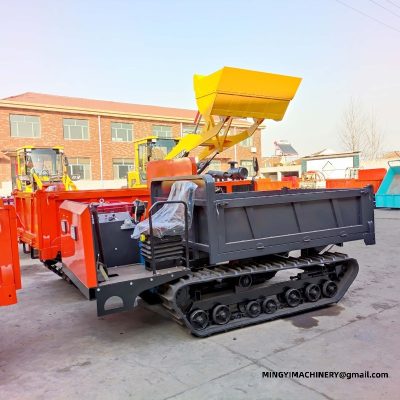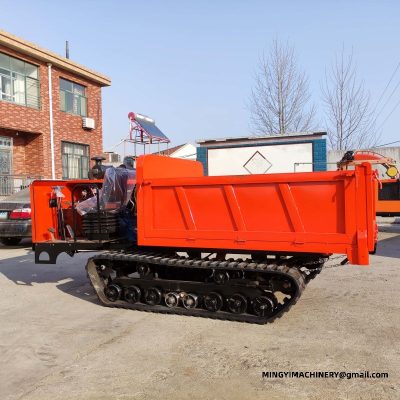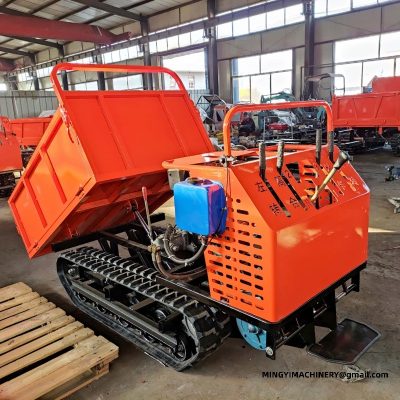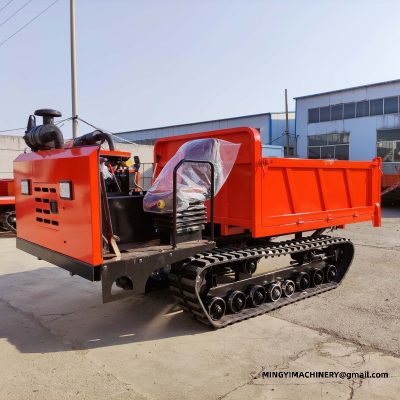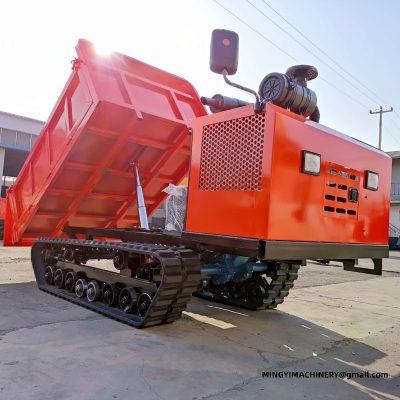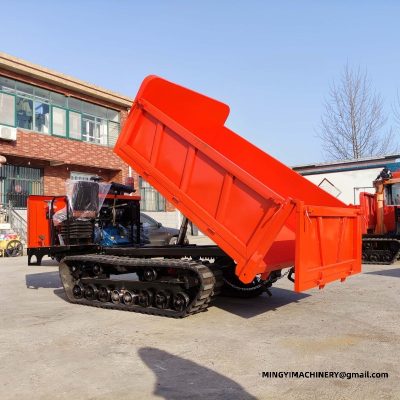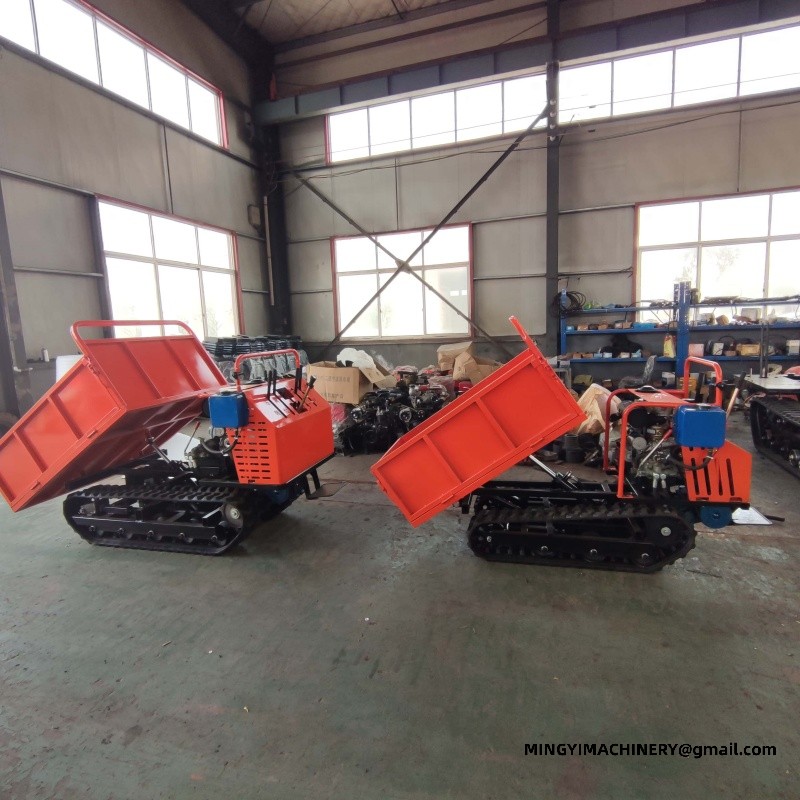
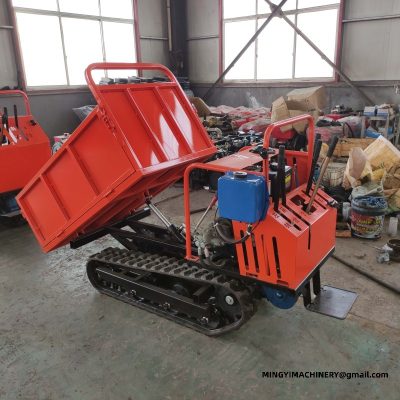
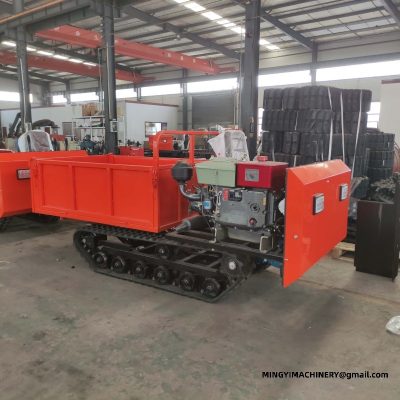
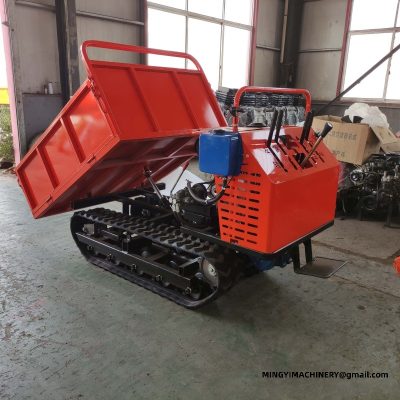
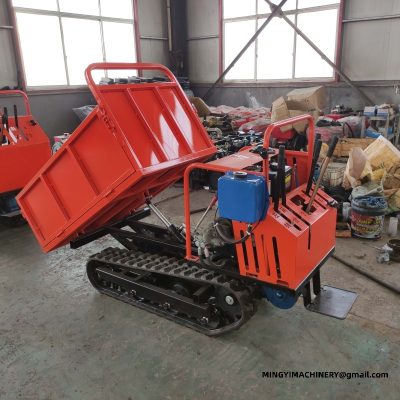
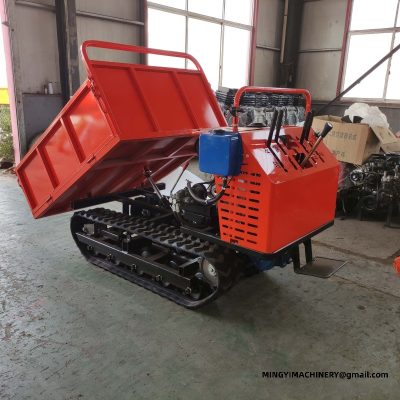
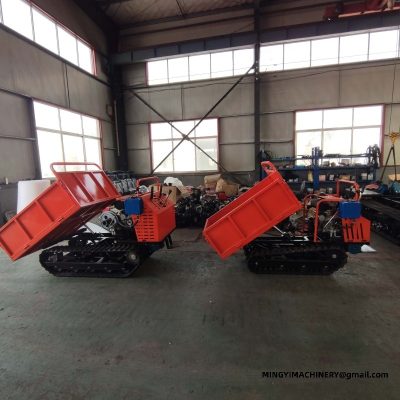
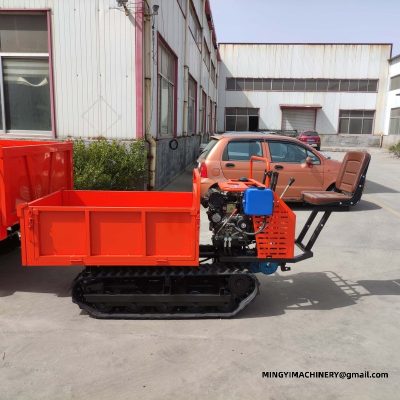
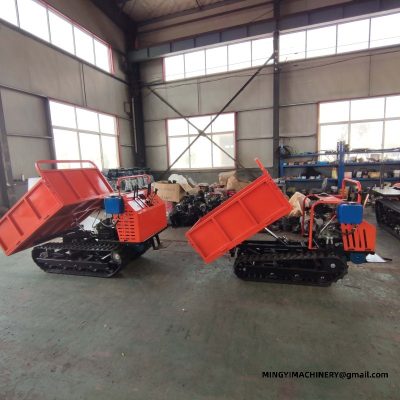
The range covered here includes the carrier in the configurations that are built and shipped. Rather than repeat a specification table on its own, the sections below explain what each figure means in use and where the trade-offs sit.
Cold weather and low temperature work with rubber track transporter
Cold changes how a machine starts and how it warms up. Allowing this class of machine to reach operating temperature before loading it, and using the correct grade of oil and fuel for the season, prevents most cold-start problems. Low temperatures also make materials behave differently. Ground that is frozen hard in the morning can be soft by midday, and planning the sequence around that is easier than fighting it with the unit in daily use.
Gradient, stability and control on rubber track transporter
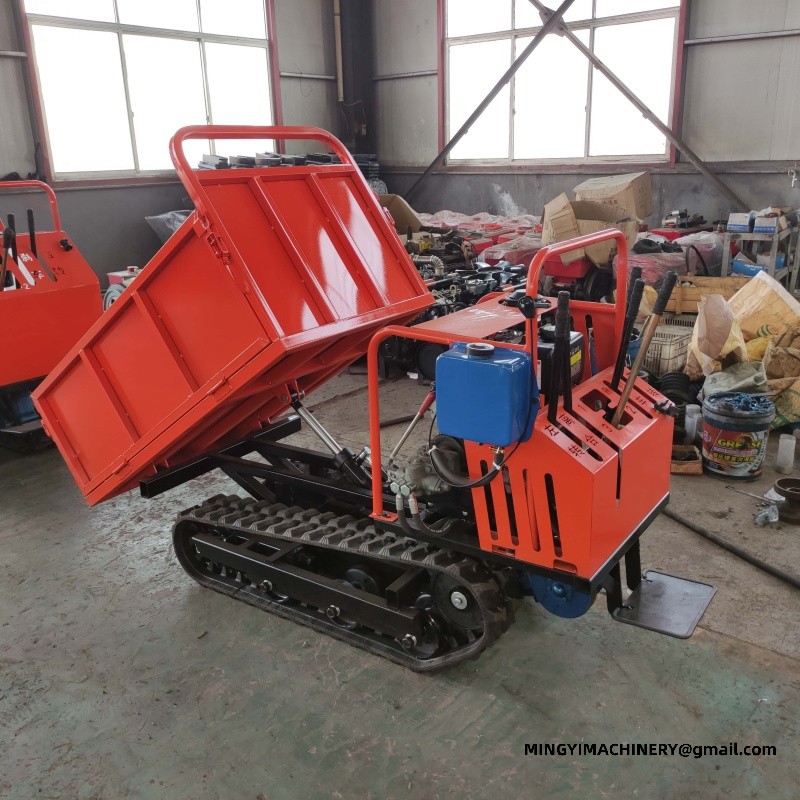
Gradient is where a crawler carrier earns its place. A machine of this size with a low range climbs loaded where a wheeled machine would need a second run, and that decides whether a track is usable at all. Descending loaded is the harder half. Engine braking and brakes in good order on the equipment on site are what make a loaded descent routine, and the route should be planned before the load is taken on.
Daily checks and maintenance on rubber track transporter
Most failures start as something small that a walk-around would have caught. Fluid levels, belt tension, tyre or track condition and any fresh leak are the items worth two minutes at the start of each shift on the machine itself. A simple log helps. Recording hours, fuel and any adjustment made to the model in question gives the workshop a history, and that history is what turns an intermittent fault into a one-visit repair instead of three.
Customisation and build options for rubber track transporter
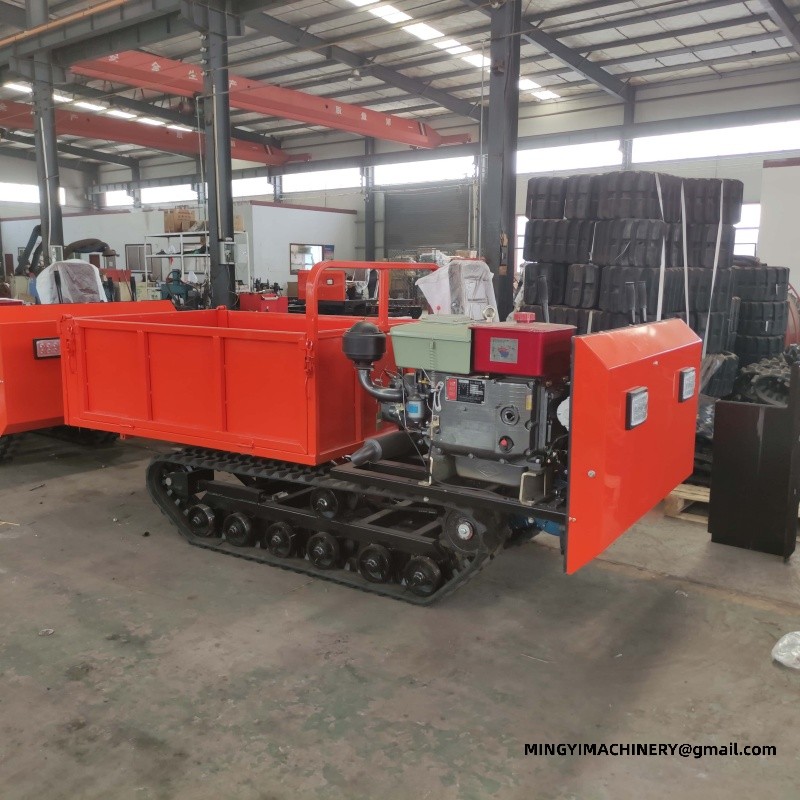
Fleet buyers often want consistency rather than variety. Specifying the machine in that duty so that several units share controls, filters and service points reduces training time and keeps the parts shelf small. Customisation should still be limited to what the work needs. Each addition to the unit on the job is another item to maintain, so the useful question is not what can be added but what the job list actually requires.
Dust, mud and abrasive conditions around rubber track transporter
Abrasive conditions shorten service intervals. Air filters, seals and any exposed sliding surface on a machine built for the work need attention more often in dusty or muddy work, and the extra checks prevent far more wear than the time they take. Cleaning is maintenance, not appearance. Washing the cooling surfaces and clearing packed material from the equipment in service keeps temperatures where they should be and makes the next inspection quicker and more useful. Sealed points and guarded areas deserve a look in these conditions. The carrier working in abrasive dust benefits from checked boots, intact guards and clean breathers, all of which are quick to verify.
Operator technique and familiarisation
Machine output varies more between operators than between brands. Smooth, planned movements put less load on the structure and use less fuel, and that difference is visible on the hour meter and in the service bills for this class of machine. Familiarisation should cover the limits as well as the controls. Knowing where the unit in daily use loses stability, how it behaves at full reach, and what the warning lights mean prevents the incidents that are put down to bad luck. A short handover pays for itself. Operators who understand why a machine of this size is set up the way it is will report a change in behaviour early, which is usually the point where a repair is simplest.
Ordering, lead time and delivery of rubber track transporter
Lead time is part of the specification. Confirming build time, shipping method and what is included before ordering the equipment on site prevents the common gap between when the machine is needed and when it can arrive. The order should state the configuration in writing. Engine, attachments, colour, documents and any market requirement are clearer on the build sheet for the machine itself than in a conversation after delivery.
Working hours and duty cycle of rubber track transporter
Seasonal work changes the maintenance calendar. Machines that work hard for two months and stand for ten need preparation before storage and a check before returning to work, and both are simpler than the repairs they prevent.
Engine and power options for the model in question
Engine size is chosen from the load and the gradient. The machine in that duty that works a flat yard needs less than one climbing a loaded track, and specifying from the route keeps fuel use sensible. Larger engines suit continuous loaded work. Specifying more output on the unit on the job is justified when the gradient or the payload is fixed and the alternative is a slower cycle.
Fitting a machine built for the work into the wider site plan
Machine productivity depends on what happens around it. Deliveries, other trades and the sequence of work decide how much of the shift the equipment in service spends actually working rather than waiting. Access and storage are worth settling early. Where the carrier will be parked, refuelled and serviced on site affects the working day more than most specification details, and it takes nothing to plan.
Specifying this class of machine against the job list
The specification should be written from the job backwards. Listing the loads, the ground and the hours first, then matching the unit in daily use to that list, avoids buying capacity the work never uses and avoids discovering a shortfall in the first week. Buyers who specify a machine of this size on paper before enquiring get specifications that can be compared. Without that list, two suppliers will propose two different machines and the simpler one is usually the smaller one, not the better value.
Safe working practice around the equipment on site
Most incidents around machinery come from the space rather than the machine. Exclusion zones, a clear signal person and a check on what is behind the machine itself before it moves cover the large majority of the risk on a working site.
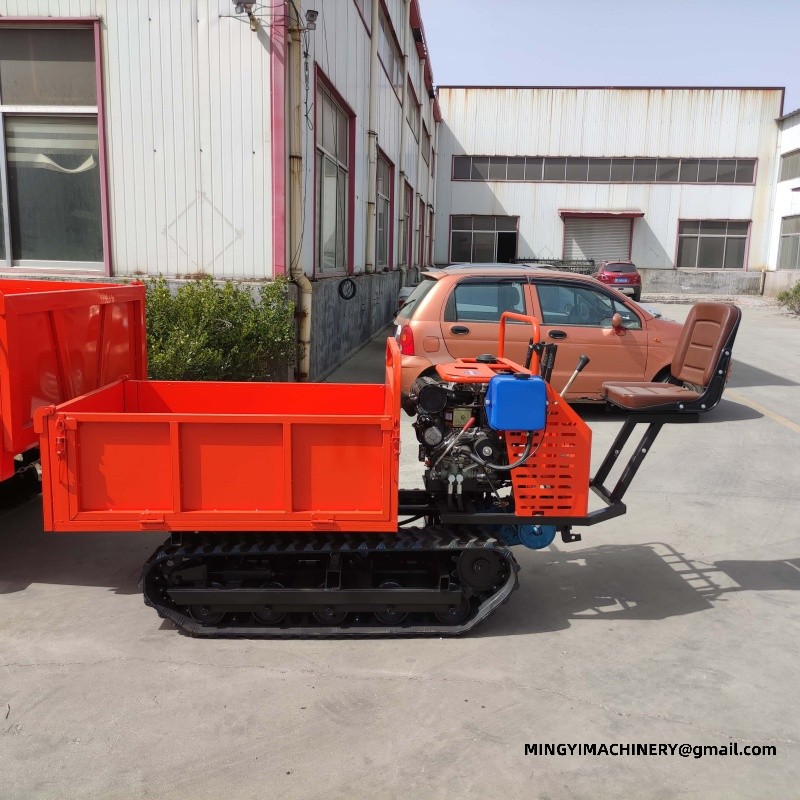
Transporting the model in question to and between sites
Shipping dimensions matter as much on export orders as they do locally. Confirming the packed size of the machine in that duty before booking avoids re-booking freight after the machine is built.
Lighting and low light operation of the unit on the job
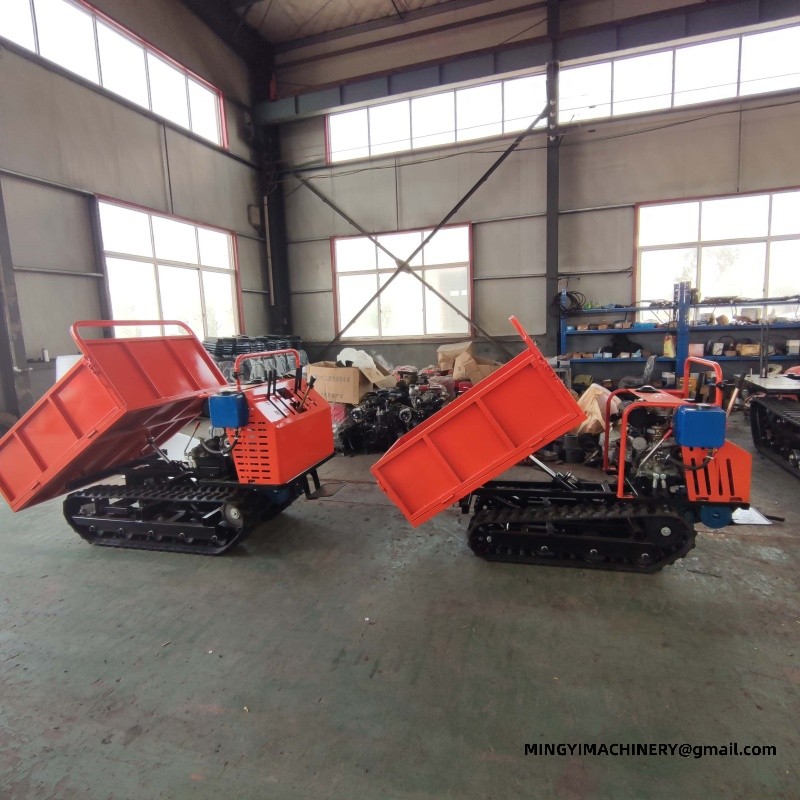
Working after daylight changes the risk. Lighting coverage on the machine built for the work and across the working area, plus high-visibility clothing for anyone on foot, are the items that make low-light work practical. Planning helps more than extra lamps. Positioning the equipment in service so that the work is lit from the machine side, and keeping the route clear, does more for safety than adding light to a badly planned task.
Typical duties and working sites for the carrier
Farm and estate work uses the machine differently again. Feed, muck, aggregate and firewood across fields and tracks is the seasonal mix that this class of machine handles without damaging the ground.
Upgrading and reconfiguring the unit in daily use
Reconfiguration can extend the useful life of a machine. A machine of this size that no longer suits the current work may suit it again with a different attachment, guarding or control arrangement.
Track undercarriage and soft ground with the equipment on site
The undercarriage is the reason to choose tracks. The machine itself on tracks spreads its weight and keeps moving on ground where a wheeled carrier would rut and stop, and that is the whole case for the machine.
Payload and loading the model in question
Loading method affects the machine. Material dropped from height into the machine in that duty shocks the frame and the body, while material placed evenly spreads the load and keeps the undercarriage working.
Matching the unit on the job to ground conditions
The working surface should be surveyed before the equipment in service is specified. A machine that is stable on compacted gravel can be unusable on the same site after rain, and the difference shows up as lost days rather than as a fault. Traction and flotation are two separate questions. A machine built for the work may have the power for a slope and still not have the grip, so the surface, not the engine rating, is usually what limits the working day.
Canopy, cab and operator protection on the carrier
A canopy or enclosed cab changes where the machine can work. In rain or heavy sun, the unit in daily use with a roof keeps the operator working, and on a seasonal job that is worth more than it appears. Branch and overhead protection matter in forestry and orchard work. Guarding around the seat of a machine of this size is what lets the machine work under trees without a constant risk to the operator. Keeping the controls simple helps seasonal operators. This class of machine that a competent driver can learn in an hour suits a farm or a contractor better than one that needs a long familiarisation.
Reference data for the equipment on site
The engines and payloads below are the options offered on this crawler carrier. Output and payload are confirmed together with the route, because the gradient and the ground decide what the machine can carry before the engine rating matters.
| Output | Engine | Rated payload | Rated power |
|---|---|---|---|
| 25 hp | Engine 25 hp | 650 kg / 750 kg | — |
| 10 hp | 186 engine 10 hp | 650 kg / 750 kg | — |
| 8 hp | 178 engine 8 hp | 650 kg / 750 kg | — |
| 106.08 hp | 4102 turbo 78 kw*1.36=106.08 hp | 650 kg / 750 kg | 78 k W |
| 58 hp | 490 engine 58 hp | 650 kg / 750 kg | — |
| 85 hp | 4102 engine 85 hp | 650 kg / 750 kg | — |
| 12 hp | 192 engine 12 hp | 650 kg / 750 kg | — |
Options offered on the machine itself
| Item | Note |
|---|---|
| Track undercarriage | Rubber or steel track undercarriage is selected against the ground. |
| Crane option | A 0.5 t or 1 t crane can be fitted for self-loading. |
| Canopy option | Simple canopy, semi enclosed canopy or fully enclosed cab. |
A second operator for the model in question
Different operators suit different work. The person who is quickest with the machine in that duty on open ground is not always the one who is safest in a confined space, and having both available is a genuine advantage.
Fuel, oil and fluid quality for the unit on the job
The specification for oil is written for a reason. Using the grade and the change interval set for a machine built for the work keeps the engine and the hydraulic system inside the range they were designed for.
Documents that travel with the equipment in service
The machine is only half of what arrives. The parts book, the service schedule and the declarations that come with the carrier are what let the owner register, insure and maintain it without a second round of emails.
Planning the season around this class of machine
Seasonal work rewards a machine that can change duty. Through the year the unit in daily use may move from one task to another, and the attachment list should be chosen for the whole year rather than for the first job.
Pre-delivery inspection before a machine of this size leaves the shop
The last hour before packing is the best time to find a fault. Running the equipment on site through its full working cycle, checking for leaks under load and confirming that the controls match the specification avoids a conversation across time zones later.
Cold weather and winter care for the machine itself
Starting is only the first problem. Until the model in question reaches working temperature the hydraulic response is slower and the seals are stiffer, and warming the machine before asking for full output avoids unnecessary strain.
Handover and getting familiar with the machine in that duty
A good handover covers the awkward cases, not just the easy ones. Starting the unit on the job on a slope, turning in a confined space and recovering from soft ground are the situations an operator should meet first with someone beside them.
Every line above comes from the build sheet for a machine built for the work, and the final configuration is confirmed against the working conditions and the destination before production.
E-mail:sales@mingycn.com
LINE(ID):mingyicn
Related pages
mini tracked carrier · all terrain tracked transport vehicle · construction site dumper for construction site haulage · Crawler Transportvehicle