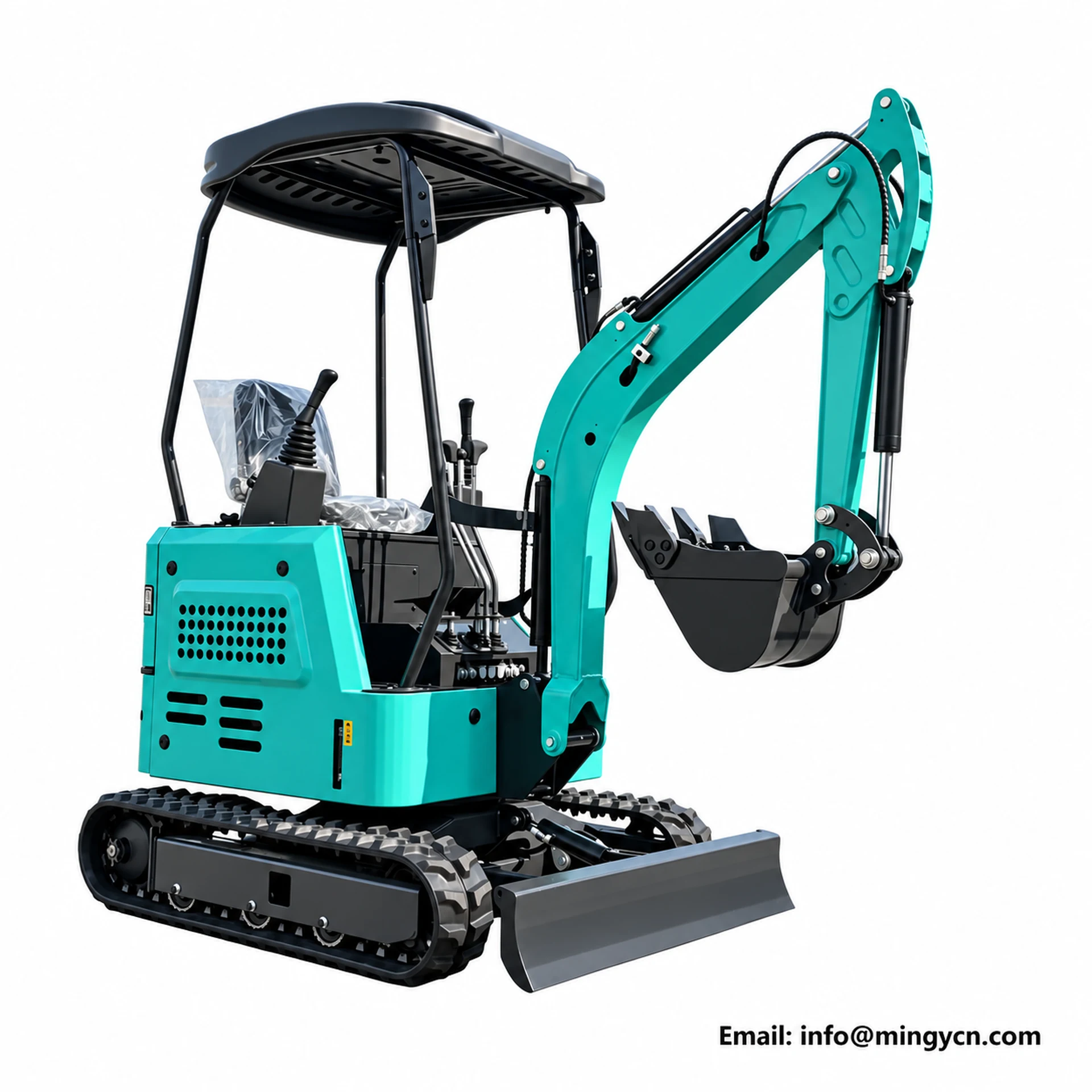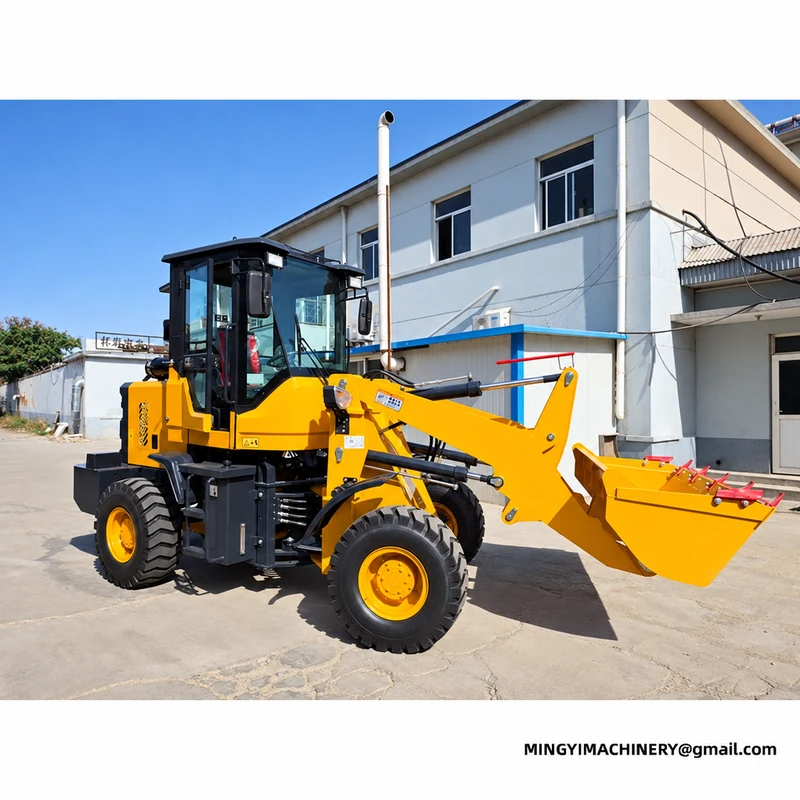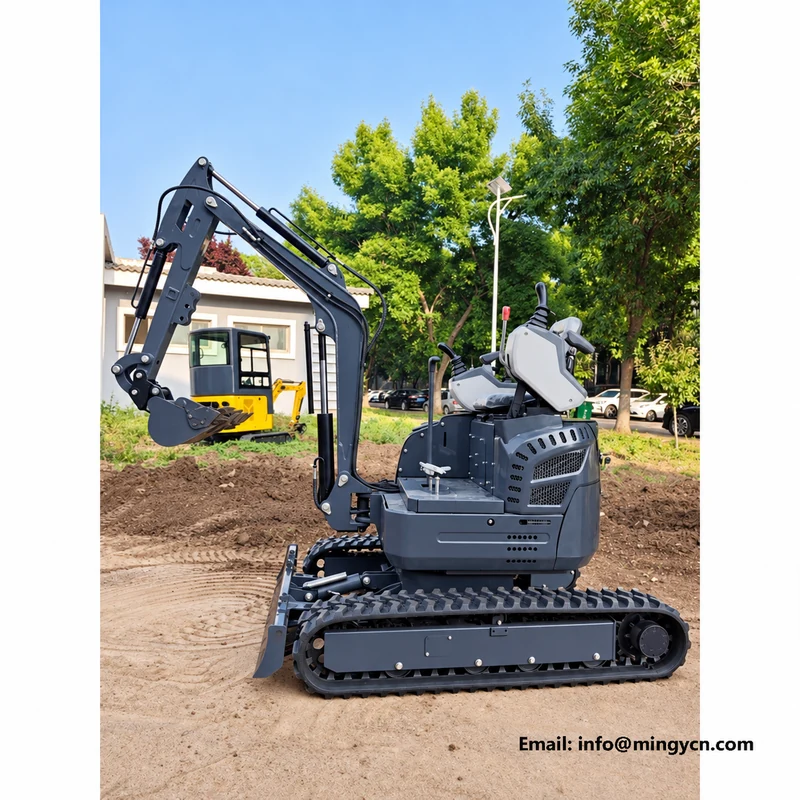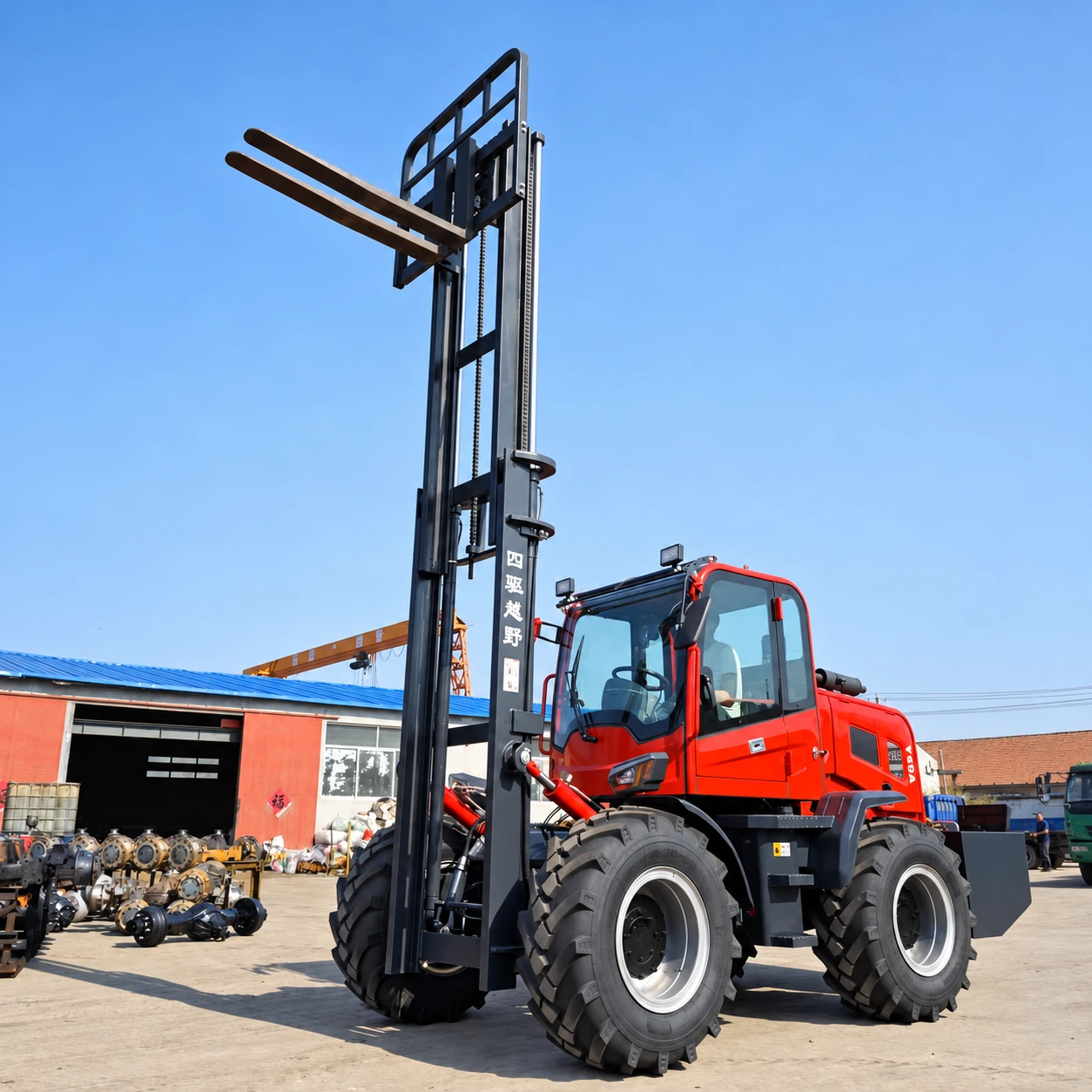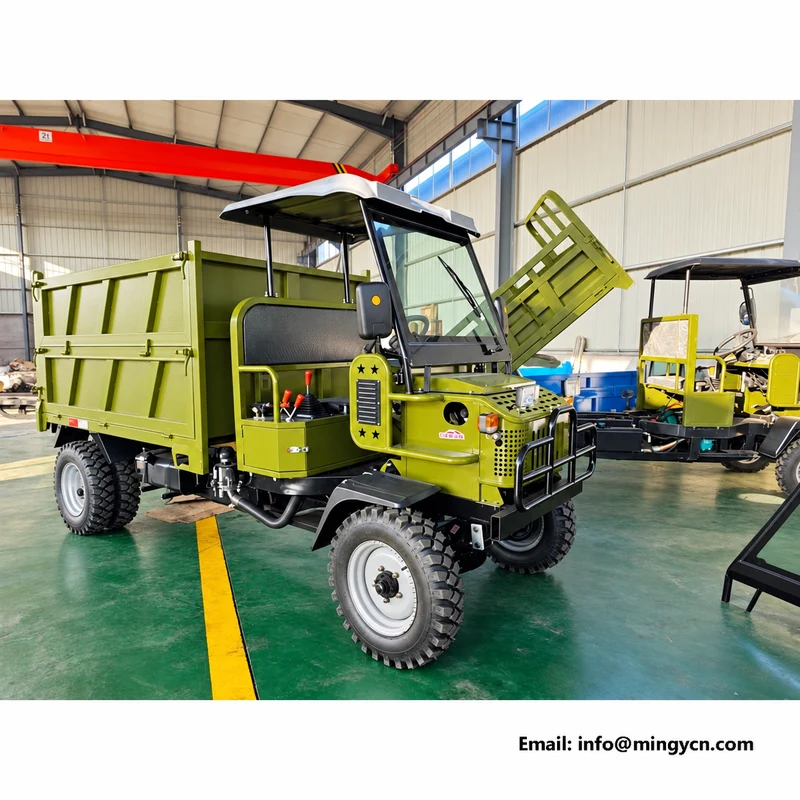
How to Choose a Site Dumper for Rough Ground
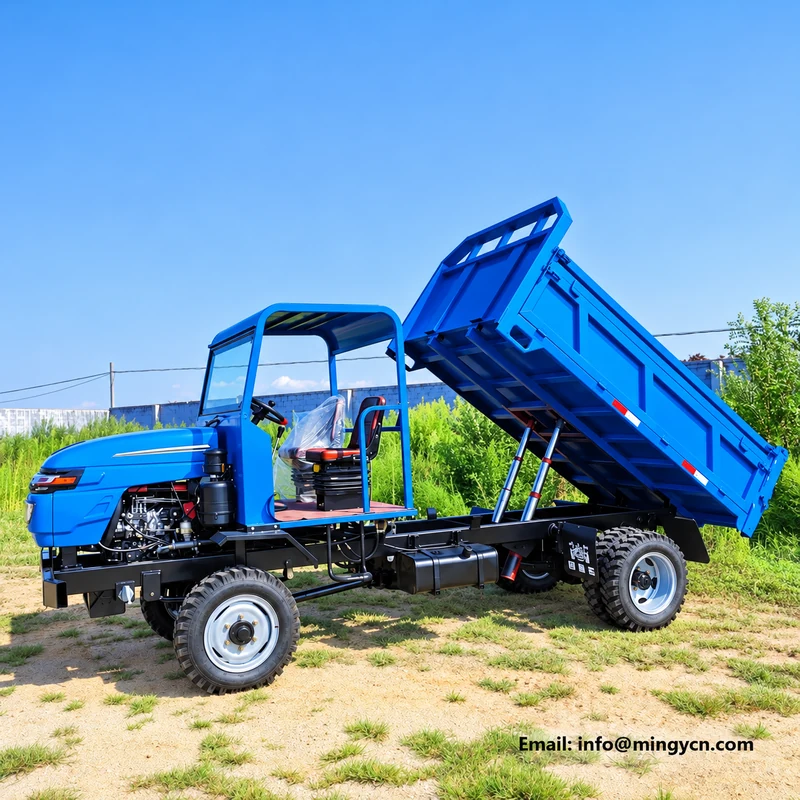
Choosing a site dumper: payload by weight rather than skip volume, drive configuration, loaded gradient and braking.
Practical machinery buying guides from a working factory
Choosing a site dumper: payload by weight rather than skip volume, drive configuration, loaded gradient and braking.
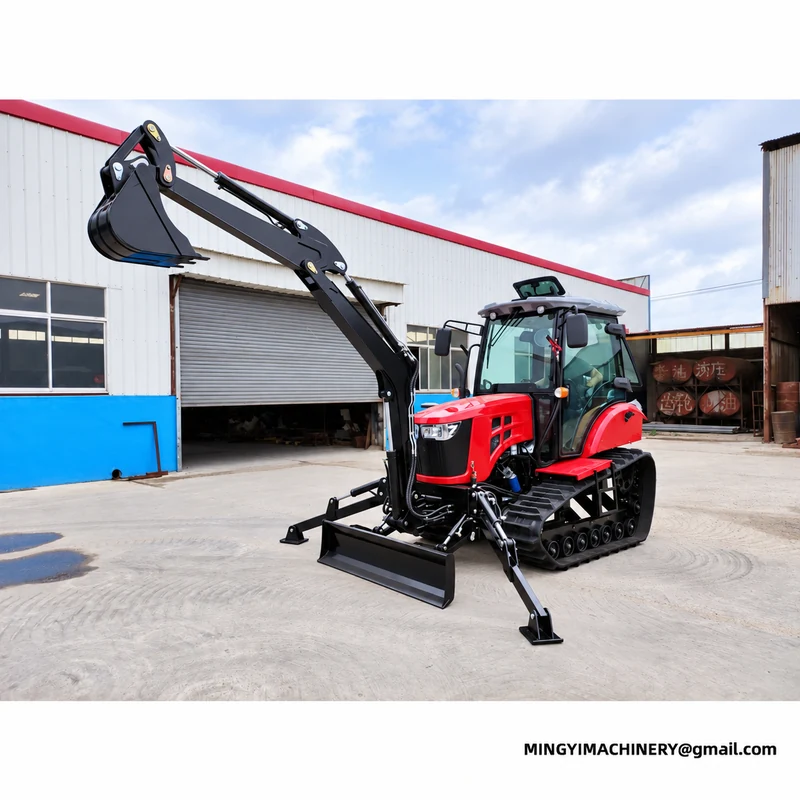
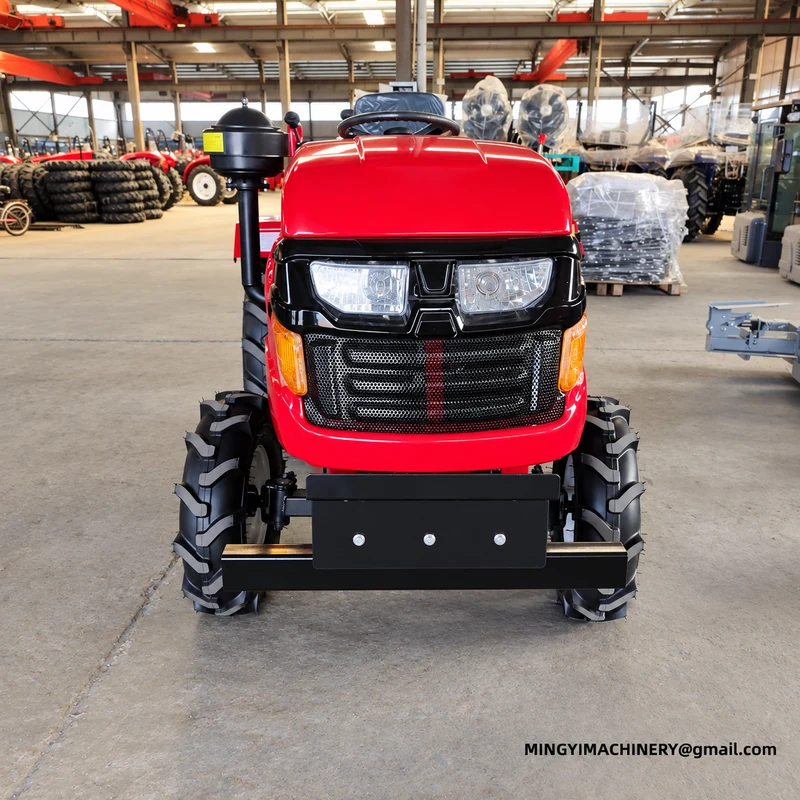
Choosing a wheel tractor: match the implement list first, then power, weight and ballast, two or four wheel drive, transmission, linkage and remotes.
The four hydraulic numbers that decide whether an attachment works: flow, pressure, circuit type and relief setting.
Tracks or tyres? Decide by ground pressure, travel distance, surface damage, slope work and undercarriage wear, with a selection table for excavators.
A used machine looks like a shortcut. It is on the ground, it starts, and somebody else has already absorbed the first years of depreciation.
Compact machinery is bought for work, not for attention, so maintenance usually loses each day to something more urgent.
When you buy machinery from another country, the machine is built, tested, dismantled for loading, shipped for weeks, then reassembled in your yard.
How to choose excavator attachments: the four carrier numbers that decide tool performance, couplers, bucket types, augers, breakers, vegetation tools.
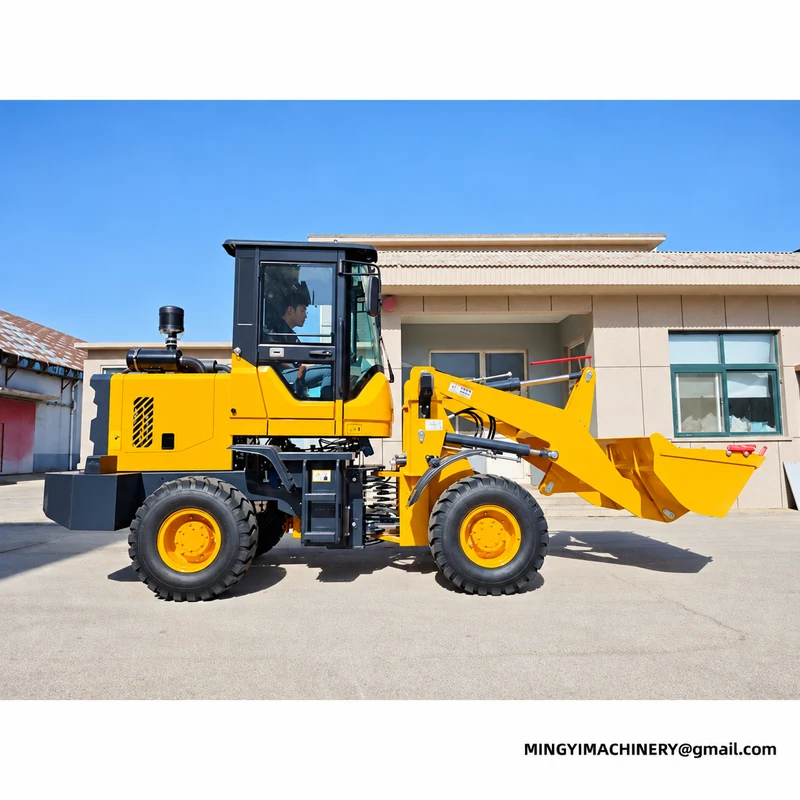
Selecting a wheel loader: start from material density, compare articulated versus skid-steer, choose boom and bucket types, match tyres to ground.
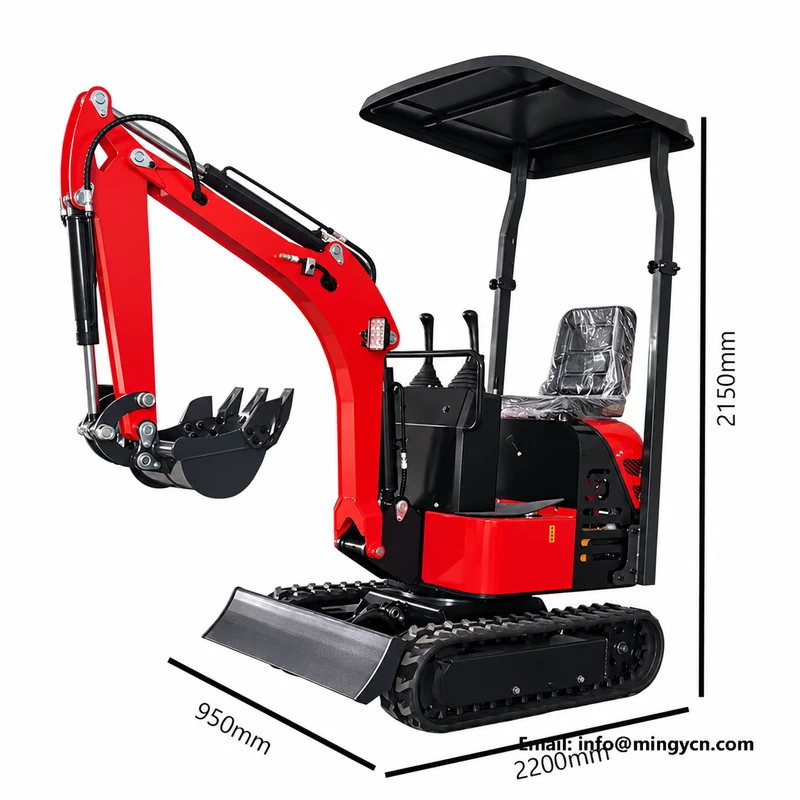
Choose excavator size by job rather than by catalog class: the six jobs that set machine size, three practical size bands, usable dig depth.
The purchase conversation usually concentrates on the machine: engine, tracks, dig depth, attachments.
Buying machinery from a Chinese factory is no longer exotic; it is how most of the world's compact equipment reaches its users.
Selecting machinery for orchards and vineyards: row widths, crawler tillers, compact excavators, 4WD transport and rough terrain forklifts.
When a buyer needs one machine that both digs and loads, the shortlist usually ends with two names: the mini excavator and the backhoe loader.
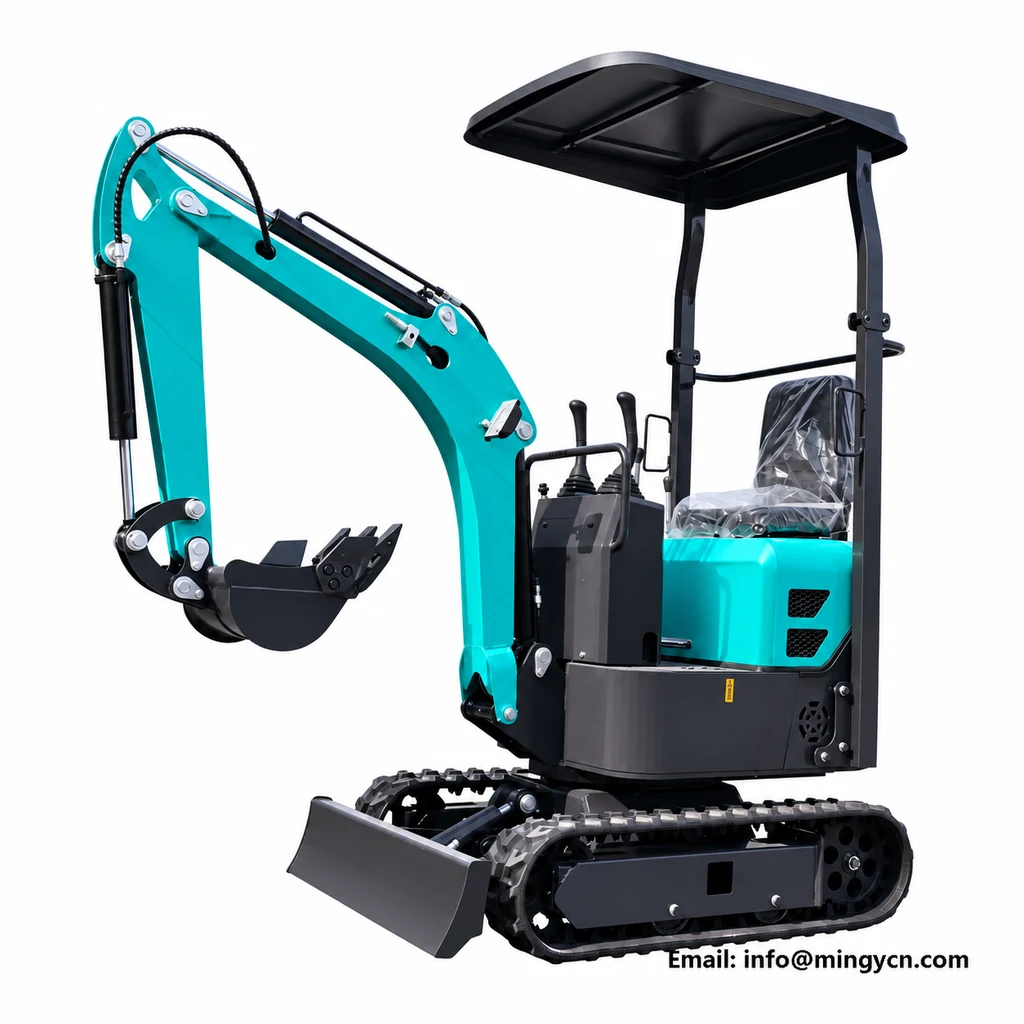
A mini excavator is often the first machine a small contractor, farm, or landscaping business buys, and it is also one of the easiest machines to buy badly.