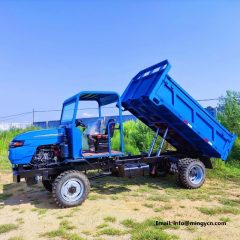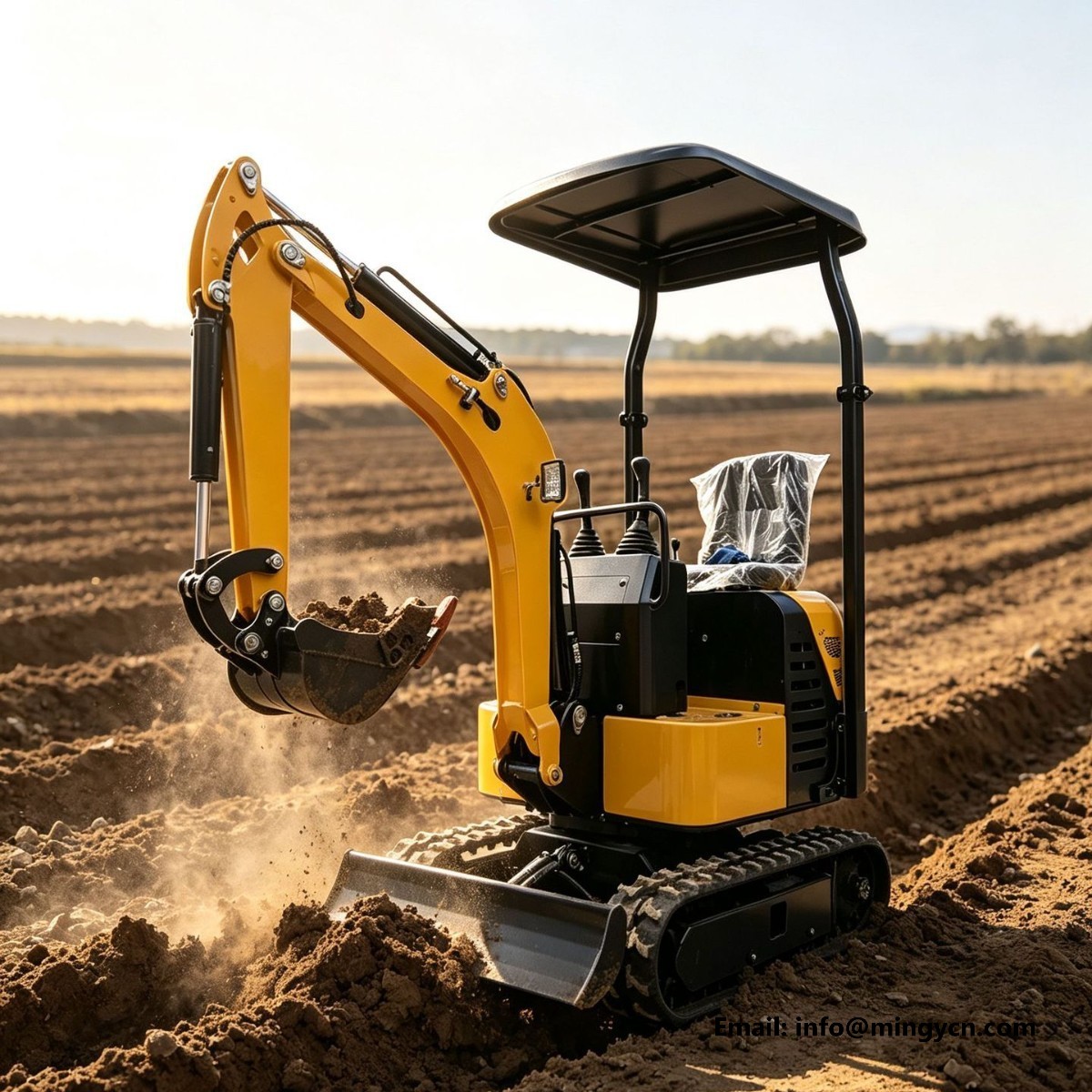
A used machine looks like a shortcut. It is on the ground, it starts, and somebody else has already absorbed the first years of depreciation. Sometimes that is exactly what happens. Sometimes a buyer inherits a machine whose hydraulic pump is two hundred hours from failure, whose undercarriage is worn past the point of adjustment, and whose history exists only as a story. This guide is about telling those two machines apart before money changes hands, and about recognising the cases where a new machine is the better answer even when a used one looks tempting.
Why Buyers Look at Used Machines First
Three reasons come up repeatedly. Availability: a used machine is here now, while a built-to-order machine has a production and shipping window. Scope: a machine that will work two months a year does not always justify a new one. And familiarity: a buyer who has run a certain model wants another of the same rather than learning a new cab. All three are legitimate. None of them removes the need to inspect, because the failure modes of a used machine are concentrated in exactly the parts that are hardest to see in a photograph.
What Hour Readings Actually Tell You
An hour meter is the starting point, not the answer. Hours measure engine running time, not workload. A machine that idled for a third of its life has aged differently from one that dug in abrasive soil at full throttle for the same number of hours. Ask what the machine did, not only how long it ran.
The patterns worth knowing: very low hours on an old machine can mean long storage, which brings its own problems — dried seals, stale fuel, flat-spotted tyres, corrosion in the fuel system. Very high hours on a well-maintained machine with records is usually the safer buy of the two. And a meter that does not match the wear you can see with your hands is a reason to walk away rather than negotiate, because you cannot fix a history you cannot trust.
| Reading | What it usually means | How to treat it |
|---|---|---|
| Low hours, old machine | Long storage or light, occasional use | Inspect seals, fuel system, tyres, battery, and all rubber |
| High hours, steady use | Worn but exercised; consumables kept fresh | Weight service records more heavily than the number |
| Hours inconsistent with visible wear | Meter replaced, or machine worked far harder than the number suggests | Assume the worse case and verify by component condition |
| No records at all | Unknown maintenance discipline | Treat the machine as if nothing has been done, then inspect accordingly |
Structure First: The Walkaround That Finds the Expensive Problems
Before starting the engine, walk the machine slowly with the panels open. You are looking for things that cannot be fixed by a service: cracked welds, fresh paint over old damage, mismatched panels, and filler. Check the boom and dipper for cracks at weld toes and around pin bosses. Look along the frame for ripples that suggest a bend. Check that the counterweight has not been hit, because a rear impact often travels into the swing bearing and the main frame.
Non-destructive testing is worth doing on a used excavator boom and on any lifting structure. Dye penetrant or magnetic particle inspection on the high-stress welds is inexpensive relative to the machine and finds cracks that the eye misses. If a seller refuses this, treat the refusal as the answer.
Starting It Cold
Always arrange to start a used machine cold. A warmed engine hides hard starting, low compression, and weak batteries. Ask the seller not to run it before you arrive, then verify: does it start without excessive cranking, does it settle to a smooth idle, does it produce anything other than a brief puff of smoke, and does the exhaust smell of raw fuel or burning oil.
Once warm, check blow-by at the oil filler or breather with the engine at operating temperature. A steady light haze is normal on a high-hour engine; a pulsing stream that pushes your hand away indicates worn rings or a pressurising problem. Listen for knock under load and watch the temperature gauge while working the machine, not while idling.
Hydraulics: Where the Money Goes
Hydraulic components dominate the repair bills on used compact machinery. The pump, the swing motor, the travel motors, and the cylinders are all expensive and all testable. A practical sequence:
Run every function to the end of its stroke and hold it against the relief. The engine should pull down slightly but not stall, and the relief should sound consistent rather than chattering. Cycle the functions repeatedly and watch for a change in speed as the oil warms; a function that is fast cold and slow hot points to internal leakage in a pump, motor, or valve. Check cylinder rods for scoring and pitting, because a damaged rod destroys seals and the rod itself is the part that hurts to replace. Look for weeping at hose ends and block joints, and check whether weeping has been cleaned up recently.
If you can, measure the case drain flow on the pump or have a mechanic do it. It is the single most honest test of pump condition and it takes minutes with the right fittings.
Undercarriage: The Wear You Can Measure
On tracked machines, the undercarriage is a large fraction of the machine's remaining value and it wears invisibly until it is catastrophic. Measure rather than guess. Check track chain pitch extension, bushing and roller wear, sprocket tooth profile, idler and roller condition, and track shoe height. Compare against the manufacturer's wear limits rather than against another used machine.
On tyred machines, look past tread depth. Check sidewall cracking and cuts, uneven wear that indicates alignment or steering problems, bead damage from running under-inflated, and whether tyres are mismatched across an axle. On articulated machines, check the centre joint for play with the machine running and the steering held; movement there is a structural issue rather than an adjustment.
Documents and History
Paperwork tells you how the machine was treated. Ask for the service log, the parts invoices, the operator's manual, the emissions or compliance documents for your market, and any inspection reports. A file with dates, hours, and part numbers is worth more than any claim about how the machine was used.
Confirm identity too: serial number on the machine matches the documents, and the serial plate has not been replaced. For imported machines, confirm that the paperwork supports registration and use in your country before you commit, not after.
Who You Are Buying From Matters
Different sellers carry different risks. A fleet operator selling surplus usually has records and a reason to be honest. A dealer may offer a short warranty and a workshop, and will often have reconditioned wear items. A private seller may have the best-maintained machine in the market or the least information about it. An auction removes inspection time and usually removes recourse, which is why auction machines should be bought on the strictest budget and with the assumption that something will need attention.
When a New Machine Is the Better Answer
There are cases where used is the wrong call. If the machine is the only one on a job and downtime stops the site, a new machine with a warranty is worth the difference. If you need a configuration the used market does not offer — a specific hydraulic circuit, an emissions standard, an attachment package — you will end up paying to modify a used machine anyway. If your local support for the brand is thin, adding an unknown maintenance history on top of that is a poor combination.
If you are importing, remember that the inspection you do before shipping is the only one you get. Everything described in the pre-delivery inspection guide applies twice over to a used machine, and the spare parts guide matters more, because wear parts for an older model may no longer be stocked locally.
Work the Machine Longer Than Feels Polite
Most used-machine inspections last twenty minutes. That is long enough to hear the engine and not long enough to find the problems that only appear once the oil is hot and the machine has been worked. Ask for an hour, and use it. Dig, slew, travel, and load in the material the machine will actually handle, not in loose stockpile. Watch the temperature gauge through the whole period rather than at the end. Then stop, leave the engine idling for five minutes, and look at the ground: fresh drips that were not there at the start are the most useful thing a used machine can tell you.
Listen for changes rather than for faults. A whine that grows with temperature, a function that slows as the oil thins, a track that clicks only when turning under load — each of these is a diagnosis in itself, and none of them shows up in a short demonstration. If a seller will not allow a long working test, that constraint is part of the answer.
The First Hundred Hours After Purchase
Buying a used machine is the start of catching up on its history, not the end of worrying about it. In the first weeks, change all filters and fluids unless you have documented proof they were done recently, because you do not know what is in the sump. Take baseline measurements — track wear, hydraulic performance, oil consumption — so that future changes mean something. Address the small leaks while they are small. Keep a written record from day one so that the machine has the history it did not have when you bought it.
The daily discipline described in the maintenance guide matters more on a used machine than a new one, and the parts relationship you set up in the spare parts guide should start before you need it rather than after.
Common Mistakes
Buying on photographs. Machines are sold on how they look, and the parts that fail are the parts you cannot see in a photo. Assuming hours equal condition. Overlooking the undercarriage because the engine sounds good. Accepting a fresh service as proof of maintenance, when it may be cosmetic preparation for sale. And skipping the cold start, which is the easiest test in the list and the most often missed.
Used Machine Inspection Checklist
| Area | Check | Fail signal |
|---|---|---|
| Identity | Serial plate matches documents; no replaced plates | Mismatch or fresh plate |
| Hours | Reading consistent with visible wear and with records | Inconsistent, or no records |
| Structure | Welds, boom, dipper, frame, counterweight | Cracks, ripples, fresh paint over damage |
| Engine (cold) | Starts cleanly, settles, no knock, normal blow-by | Hard start, pulsing blow-by, smoke under load |
| Hydraulics | All functions to relief; speed cold vs hot; rod condition | Slow when hot, chattering relief, scored rods |
| Undercarriage | Measured against wear limits (tracks) or tyre condition | Past limits, uneven wear, joint play |
| Cab and controls | Every switch, gauge, seat, wiper, door, and glass | Dead gauges, inoperative safety items |
| Records | Service log, parts invoices, compliance documents | Nothing verifiable |
| Support | Parts availability for this model locally | Obsolete wear items |
A used machine bought well is a genuine advantage. Bought on optimism, it becomes the most expensive machine you own. The difference is an inspection done properly, on a cold engine, with measurements rather than impressions. If you want a second opinion on a machine you are considering, or a new machine specified to the same work instead, contact us with the jobs it has to do and the ground it has to work on.