Buying machinery from a Chinese factory is no longer exotic; it is how most of the world's compact equipment reaches its users. What separates a smooth order from a frustrating one is not luck, and it is usually not the factory. It is the buyer knowing what happens between the deposit and the delivery, and what to agree in writing at each stage. This guide lays out the full sequence: supplier selection, configuration, production, inspection, container loading, shipping terms, documents, customs, and the checks that prevent expensive surprises.
Factory or Trading Company: Know Who You Are Talking To
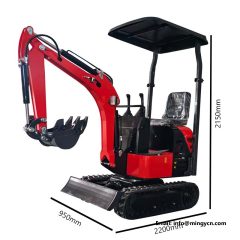
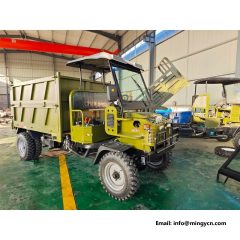
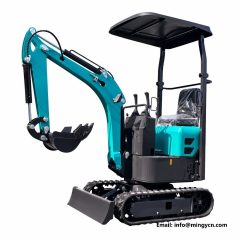
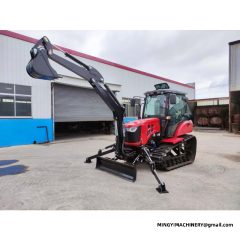
Both routes can work, and both can fail, but they fail differently. A factory controls its own production schedule, can show you assembly processes directly, and answers technical questions from the people doing the work. A trading company compares multiple factories, handles export paperwork fluently, and may be stronger in communication, but every technical answer passes through an intermediary. Factories that publish their own build and assembly processes, such as the mini excavator factory in China and China wheel loader factory pages, let you evaluate depth without visiting in person.
Either way, the practical test is the same: ask a technical question that matters to your use case, such as hydraulic flow for a specific attachment, and see whether the answer comes back specific and consistent, or vague and contradicting itself two messages later.
Configuration: The Last Cheap Moment to Change Your Mind
The configuration sheet is the single most important document in the whole transaction, because every later dispute is resolved against it. It should name the machine model, the engine family and rating, track type and width, canopy or cab, attachment set with pin sizes, hydraulic options, color, tool kit contents, spare parts kit contents, and the packing arrangement for shipment. Anything not written on that sheet is a conversation, not a commitment.
If you are still choosing between machine types at this stage, the mini excavator selection guide and the mini excavator versus backhoe comparison cover the decision from the jobs backward, and the orchard and vineyard guide does the same for row-crop constraints. Configuration errors made before the deposit are free; the same errors after production begins waste steel and time.
What Happens After You Place the Order
A typical export order moves through six stages. Knowing them keeps your expectations aligned with the factory's reality:
- Configuration confirmation. Engine, tracks, canopy or cab, attachments, color, and any custom width or body options are locked in writing. This is the last cheap moment to change your mind.
- Material and component staging. The factory pulls steel, engines, hydraulics, and undercarriage parts for your machine specifically.
- Assembly. Fabrication, welding, machining, and buildup of the chassis and upper structure. How a production line handles this at scale is shown on the 12 model small excavator assembly page.
- Testing. Running-in, hydraulic pressure checks, function tests of every circuit and attachment, and usually a documented test period on the machine.
- Finishing and packing. Cleaning, touch-up paint, rust protection, and dismantling or blocking for container transport.
- Loading and documentation. Container stuffing, blocking and bracing, photos, and the export document set.
Ask which of these stages the factory will evidence with photos or video, and when. Good factories expect this question; vague answers to it are a signal worth weighing.
Payment Structure and Communication Cadence
Export machinery is conventionally paid in stages: a deposit that commits the factory to buy materials, and a balance against shipping documents that keeps both sides honest through the production window. The exact split varies with order size and relationship history; what matters more than the split is what each payment releases. Agree in writing that the balance is released only against the inspection evidence and document set you specified, not merely against a photograph of a machine on a truck.
Communication works best on a fixed rhythm rather than constant messaging. A brief update at each production stage, with photos, is worth more than daily chatter. Ask your contact to name the stages at which you will hear from them, and hold them to that cadence. Factories that volunteer progress reports before being asked are telling you something about how the next five years of parts conversations will go.
Inspection Before Shipment
You cannot be at the factory, so inspection happens through three channels, used together:
- Factory self-inspection evidence: test videos of every function, photos of welds and paint, and the machine's configuration sheet with serial numbers.
- Live video walkaround: a scheduled call where an operator starts the machine, cycles every function, and shows the details you care about while you watch.
- Third-party inspection: an independent inspector visits before loading and checks against an agreed checklist. For a first order of significant scale this is inexpensive relative to what it protects.
Build your checklist from your configuration sheet, not from a generic template. If you ordered rubber tracks and a specific engine, those are line items, and so are the attachment hydraulic circuits and the tool kit that should ship with the machine.
How Machines Travel: Container Planning
Compact machinery is engineered for container shipping in a way that larger equipment is not. Smaller excavators can sometimes share a container with attachments and parts; larger machines are commonly split into upper and lower sections, blocked, and reassembled at destination with hand tools. Mixed orders, such as an excavator plus a loader or a batch of different machines for a dealer, are planned as a single loading scheme so that nothing ships half-configured. The wheel loader supplier container planning page shows how one factory documents this process.
Three things to confirm about loading:
- What is dismantled, and what tools and fittings you will need for reassembly.
- How it is blocked, so that weeks of ocean motion do not shift the load against the container wall.
- What ships loose, such as buckets and attachments, and how each piece is marked and listed.
Consolidating a Mixed Order
Buyers who need more than one machine, and dealers assembling their first container, benefit from planning the load as a set rather than as separate purchases. A mixed order is inspected once, shipped once, documented once, and arrives with every machine's reassembly hardware matched to its own configuration sheet. The factory plans the dismantle states so the machines nest efficiently: an excavator sharing space with a loader or a batch of compact units, each blocked against the same container geometry. There is a parts advantage as well, because a consolidated parts kit for several machines travels as one marked package instead of several small parcels that arrive on different weeks. Buyers considering this route should raise it at the configuration stage, not after the individual orders exist, because the loading scheme influences how each machine is finished and packed.
Shipping Terms in Plain Language
The two terms you will most commonly be offered are FOB and CIF. Under FOB, the factory delivers the machine, loaded and cleared for export, at the origin port, and you arrange and pay for ocean freight and insurance through your own forwarder. Under CIF, the factory arranges freight and insurance to your named destination port, at a markup or at arranged rates. Neither is automatically better; FOB gives you control and visibility over the freight leg, while CIF is simpler if you do not yet have a forwarder relationship. If this is your first import, ask your customs broker which they prefer to work with before deciding.
Insurance During Transit
Machines are blocked well and rarely damaged in transit, but the ocean is the ocean, and insurance converts an uninsured catastrophe into a claim process. Under CIF, cargo insurance is included to the named port; under FOB, insurance is your responsibility from the moment the machine crosses the ship's rail. First-time importers often discover this gap only after an incident, so confirm the insured value, the covered risks, and the claims procedure in writing before the vessel sails. Photograph the container interior at loading and at unloading; those two photo sets are what a claim is decided on.
The Document Set
A complete export shipment arrives with a predictable set of papers. Missing or inconsistent documents are the most common cause of customs delay, so check every item against the others before the vessel sails:
| Document | What it must match |
|---|---|
| Commercial invoice | Machine description, quantities, and values consistent with the order |
| Packing list | Every case, crate, and loose item actually in the container |
| Bill of lading | Shipper, consignee, and container numbers matching the booking |
| Certificate of origin | Required by many destinations for duty treatment |
| Operation and parts manuals | The exact machine and engine variants you ordered |
Keep the engine model and serial numbers from the configuration sheet; they are what your parts orders will reference for the life of the machine, as explained in the spare parts guide.
Customs and Delivery at Your End
Import duties and documentation requirements differ by country, by machine type, and sometimes by engine emission tier. Your customs broker, not the factory, is the authority on your side of the water; engage one before you place the order, because their input can change the configuration you choose. After release, arrange inland transport that can actually unload the machine: a container that arrives with no way to lift or tilt it out converts a good order into a stuck one.
Plan the arrival window as carefully as the production window. Know which port, which discharge days, how long free storage lasts before demurrage begins, and who physically receives the machine when it lands. A well-run import ends with the machine reassembled, fluids checked, and running within days of arrival, not parked at a depot waiting for decisions.
When Things Go Wrong: Claims and Disputes
Occasionally something arrives damaged or incomplete. The sequence that protects you is always the same: photograph everything at unloading before moving any piece, note exceptions on the delivery documents, notify the factory and the insurer in writing within the notice periods, and keep the damaged items and packaging for inspection. Disputes about quality rather than damage are handled against the configuration sheet and the inspection evidence, which is why both were documented so carefully earlier in this guide. Buyers who followed the paper trail almost always reach a reasonable settlement; buyers who relied on goodwill usually relearn the value of paperwork.
Red Flags Worth Taking Seriously
- Pressure to skip written confirmation of the configuration sheet.
- Refusal to provide running-test video before shipment.
- Sudden substitutions of engine or hydraulic components after the deposit.
- Documents that disagree with each other on model names, quantities, or values.
- No named person responsible for after-sales once payment is complete.
None of these are automatically fatal, but each one is a reason to slow down and re-confirm in writing before money moves.
After Arrival: The First Week Sets the Tone
Reassemble, refill, and run the machine gently through its first hours while everything is still under the factory's attention window. Record serial numbers, photograph the delivered configuration, confirm the tool kit against the packing list, and file the document set with your machine's records. Send the factory your first-week observations, including anything that does not look right; responsible exporters would much rather hear about a hose weep in week one than discover a seized fitting in month six. For the parts and documentation side of that first week, follow the after-sales support and spare parts guide, and for choosing the machine itself in the first place, start with the mini excavator selection guide. Questions on a specific order reach the factory directly through the contact page.