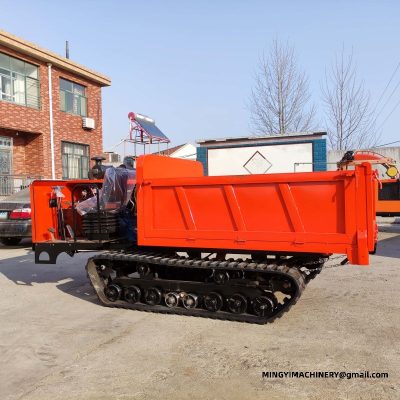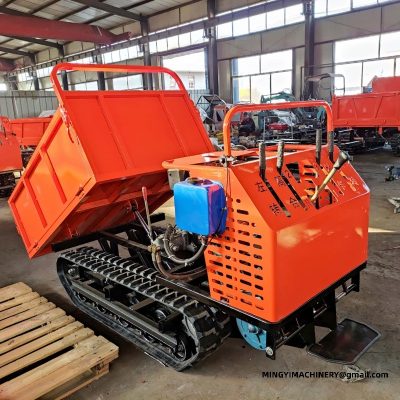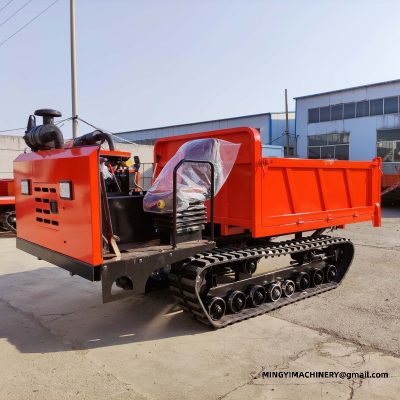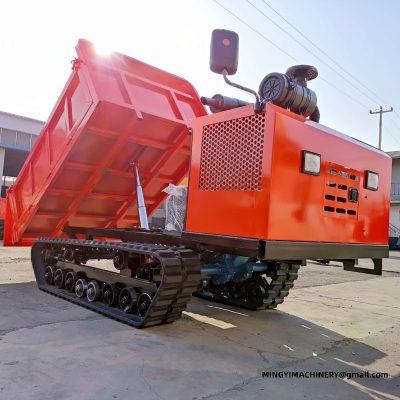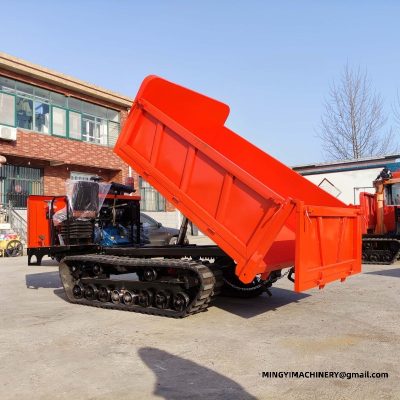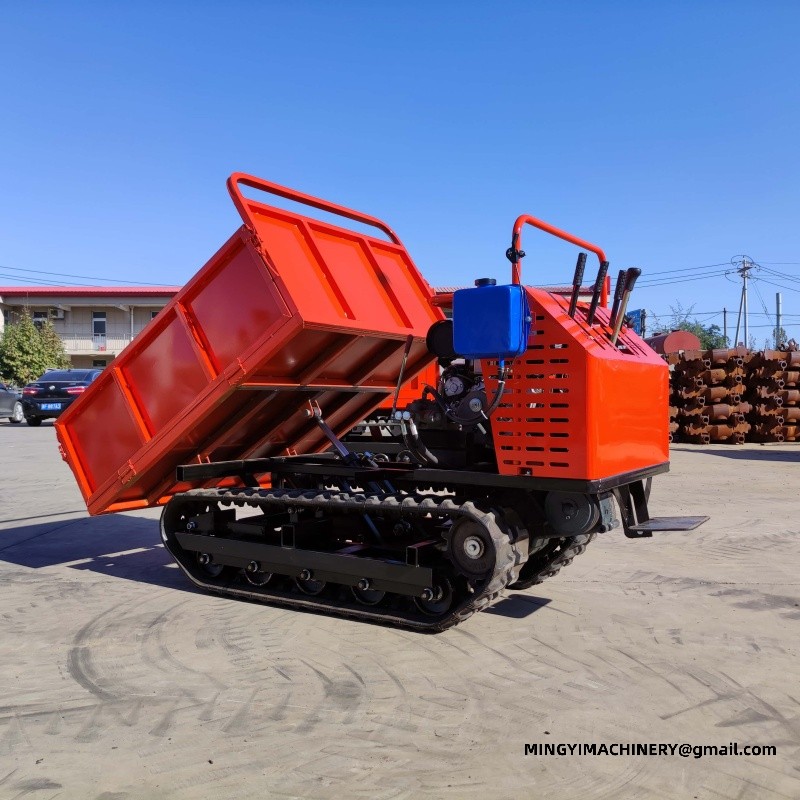
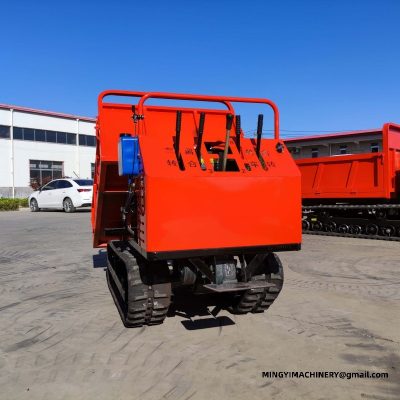
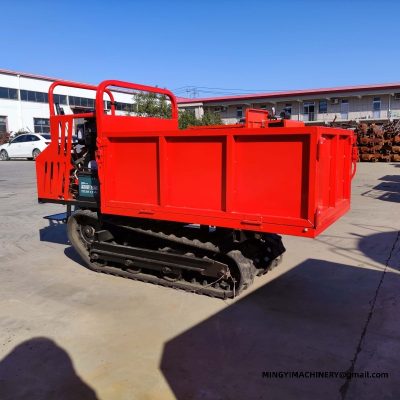
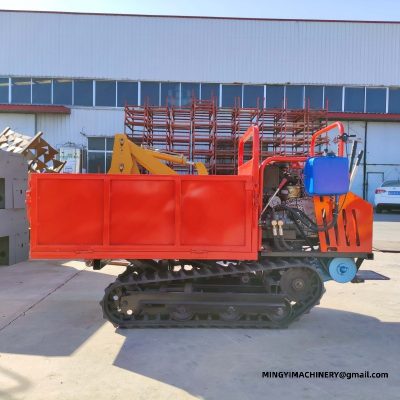
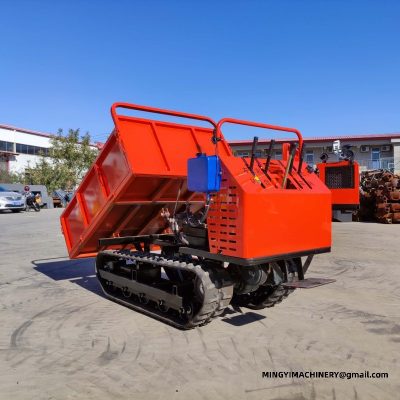
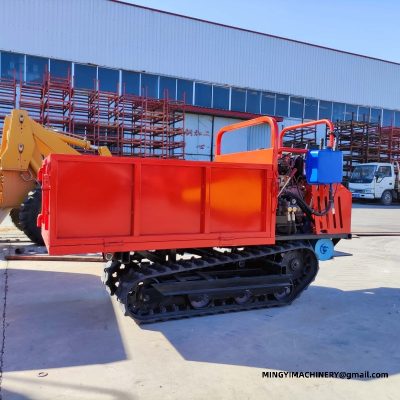
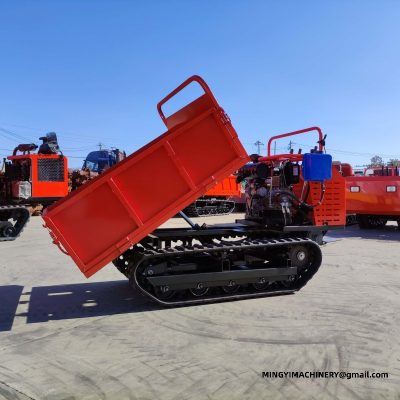
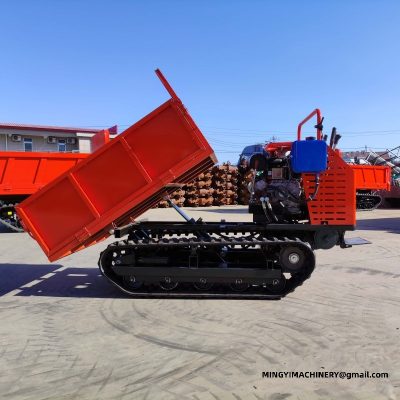
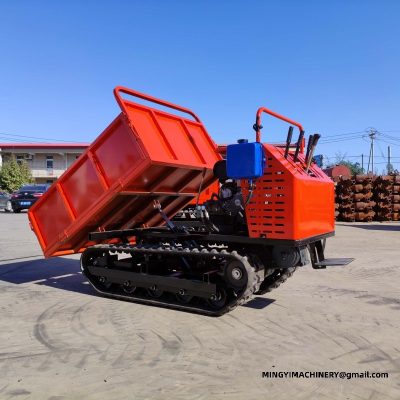
This page covers the carrier for buyers who already know the job and now need the machine. It sets out what the build includes, what can be changed, what the operator should expect in the first weeks and what the service schedule looks like.
Canopy, cab and operator protection on micro tracked dumper
Branch and overhead protection matter in forestry and orchard work. Guarding around the seat of the unit in daily use is what lets the machine work under trees without a constant risk to the operator. Keeping the controls simple helps seasonal operators. This class of machine that a competent driver can learn in an hour suits a farm or a contractor better than one that needs a long familiarisation.
Payload and loading a micro tracked dumper
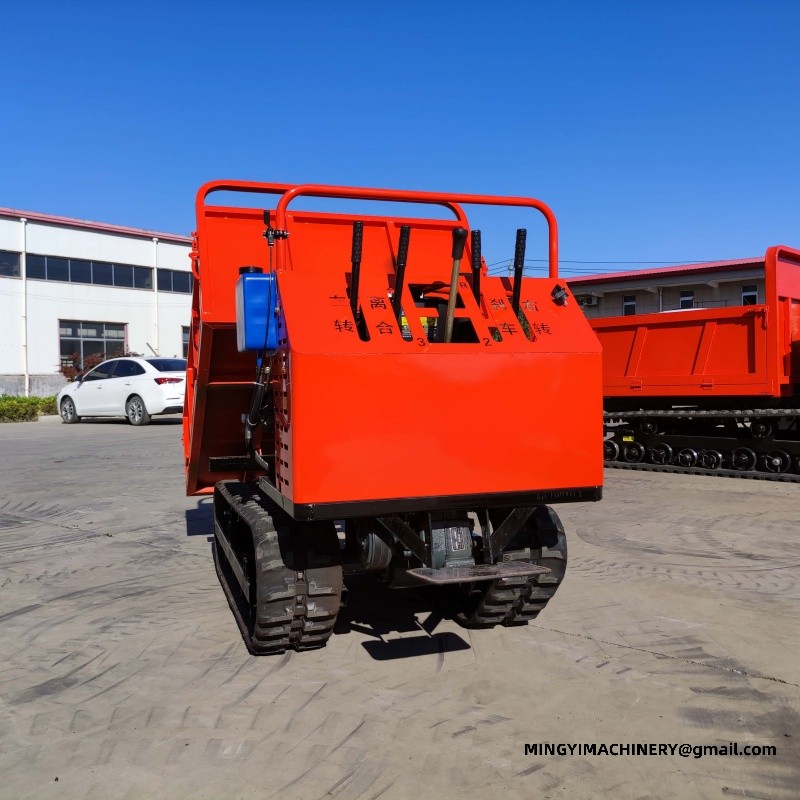
Payload is the number that matters on a short haul. Specifying the machine itself against the material and the number of trips per day gives a realistic figure, because a body that looks half full can already be at its limit with stone. Loading method affects the machine. Material dropped from height into a machine of this size shocks the frame and the body, while material placed evenly spreads the load and keeps the undercarriage working. The honest payload depends on the route. The equipment on site crossing level ground carries differently from one crossing ruts and gradients, and the conservative figure is the one that finishes the day.
Gradient, stability and control on micro tracked dumper
Descending loaded is the harder half. Engine braking and brakes in good order on the model in question are what make a loaded descent routine, and the route should be planned before the load is taken on.
Track undercarriage and soft ground with micro tracked dumper
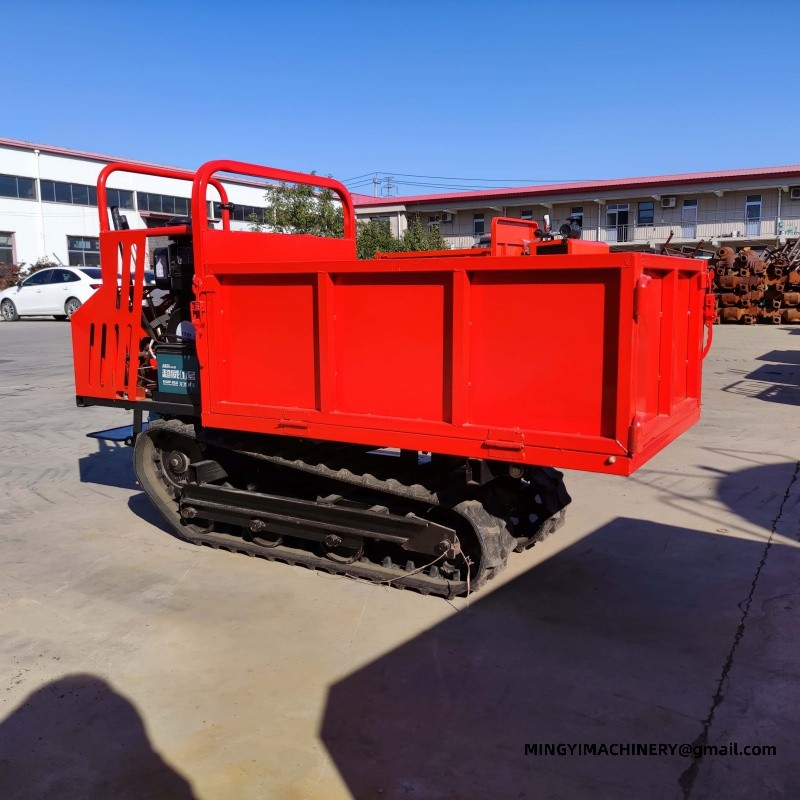
Cleaning and tension are the daily tasks. Packed mud in the track frame of the machine in that duty raises rolling resistance and wear, and slack tracks damage rollers and sprockets long before they come off.
Daily care and wear items on micro tracked dumper
The undercarriage is the lengthy wear item. Cleaning, tension and honest inspection on the unit on the job are what decide whether it lasts several seasons or needs replacing early.
Resale value and replacement planning
Replacement timing is a planning decision. Knowing the intended working life of a machine built for the work lets an owner sell while the machine still has value rather than after a major repair becomes due.
Storage and downtime care for micro tracked dumper
A periodic start is better than none. Running the equipment in service to operating temperature during a long layoff keeps seals and the charging system in better condition than leaving it untouched until the next job.
Matching micro tracked dumper to ground conditions
Traction and flotation are two separate questions. The carrier may have the power for a slope and still not have the grip, so the surface, not the engine rating, is usually what limits the working day.
Operator technique and familiarisation
Familiarisation should cover the limits as well as the controls. Knowing where this class of machine loses stability, how it behaves at full reach, and what the warning lights mean prevents the incidents that are put down to bad luck.
Cold weather and low temperature work with the unit in daily use
Batteries and fluids are the parts that notice the cold first. A machine of this size kept on a maintainer through a freezing spell starts on the first turn, while one left standing is the usual cause of a lost morning. Low temperatures also make materials behave differently. Ground that is frozen hard in the morning can be soft by midday, and planning the sequence around that is easier than fighting it with the equipment on site.
Dust, mud and abrasive conditions around the machine itself
Abrasive conditions shorten service intervals. Air filters, seals and any exposed sliding surface on the model in question need attention more often in dusty or muddy work, and the extra checks prevent far more wear than the time they take. Sealed points and guarded areas deserve a look in these conditions. The machine in that duty working in abrasive dust benefits from checked boots, intact guards and clean breathers, all of which are quick to verify.
Fuel use and running demands of the unit on the job
Fuel is usually the largest controllable running demand. Operating style, correct tyre or track condition and a clean air supply all move consumption on a machine built for the work by more than most buyers expect. Consumption is best measured over a full week rather than judged per hour. Idle time, repositioning and waiting for other trades are often the largest share of the fuel the equipment in service burns on a site.
Engine and power options behind the carrier
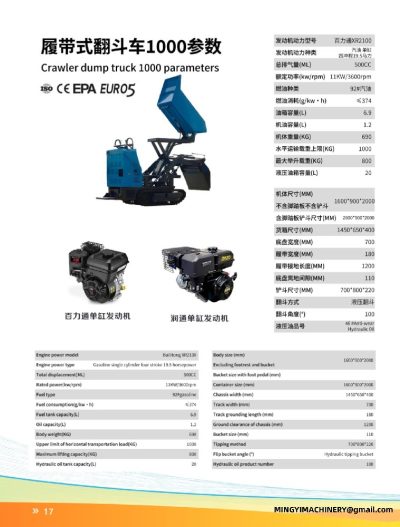
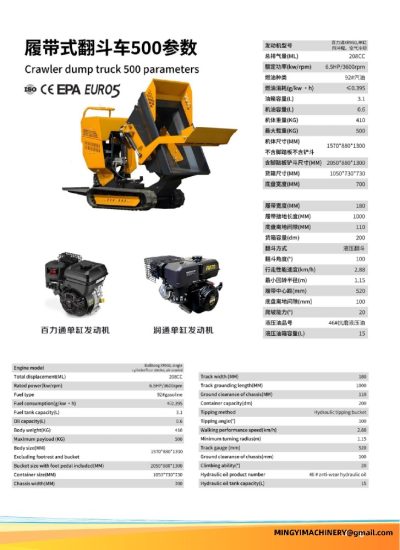
Power unit choice is usually a parts question, not a performance one. Two buyers can order the same the unit in daily use and sensibly choose different engines, because the right answer depends on which brand the local workshop already supports. Emissions documentation is part of engine selection for some destinations. Confirming which units can be supplied and documented for the destination country is worth doing at enquiry stage rather than after the build sheet is signed. Matching the engine to the duty matters more than the peak rating. This class of machine that spends its day at part load benefits from a different setup than one that works at full output, and the difference shows in fuel use over a season.
Transporting a machine of this size to and between sites
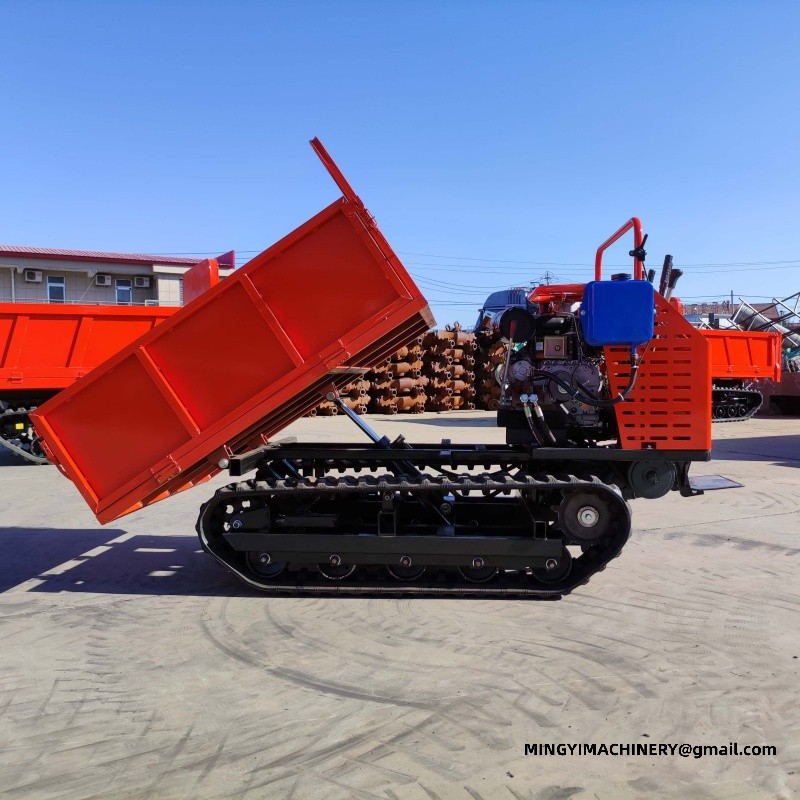
Moving the machine is part of owning it. Overall length, width and height decide which trailer or container the equipment on site fits, and a machine that needs a permit or an abnormal load escort is a machine with a delivery delay built in. Shipping dimensions matter as much on export orders as they do locally. Confirming the packed size of the machine itself before booking avoids re-booking freight after the machine is built.
Handover and documentation for the model in question
Handover should include the documents as well as the keys. Parts list, service schedule and the operator notes for the machine in that duty are what the workshop needs in month six, and they are much harder to obtain later. A short familiarisation session prevents the early faults. Most first-month problems on the unit on the job come from unfamiliarity with controls, limits or checks rather than from the machine itself.
Lighting and low light operation of a machine built for the work
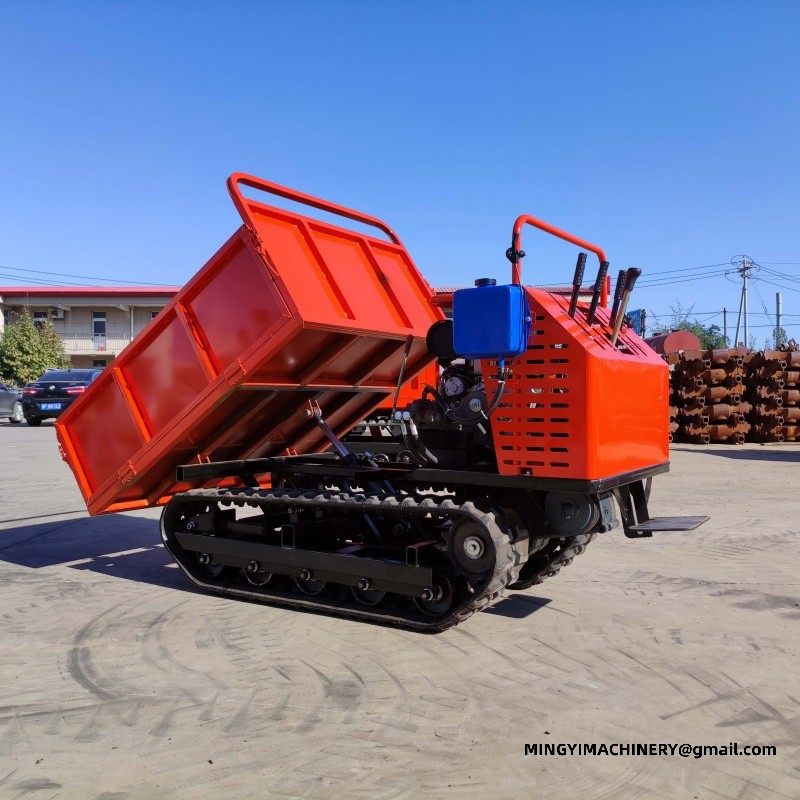
Working after daylight changes the risk. Lighting coverage on the carrier and across the working area, plus high-visibility clothing for anyone on foot, are the items that make low-light work practical. Visibility from the seat is different at night. Reflections, shadows and glare all hide detail, so the equipment in service used after dark benefits from clean lenses, working wipers and a slower working pace. Planning helps more than extra lamps. Positioning the this class of machine so that the work is lit from the machine side, and keeping the route clear, does more for safety than adding light to a badly planned task.
Specifying the unit in daily use against the job list
The specification should be written from the job backwards. Listing the loads, the ground and the hours first, then matching a machine of this size to that list, avoids buying capacity the work never uses and avoids discovering a shortfall in the first week.
Warranty, commissioning and early checks
Commissioning is the point where most avoidable issues are found. Checking levels, fasteners and function on the equipment on site before it goes to work takes an hour and prevents a claim conversation later. Warranty terms are clearer when they are read before purchase. Knowing what is covered, what counts as a wearing item and what documentation is required makes a claim on the machine itself straightforward rather than contested. Early faults are usually simple. The model in question that behaves differently in its first few hours is more often mis-set than defective, and a call to the supplier at that point usually resolves it the same day.
Load, ballast and stability on the machine in that duty
Stability follows the load and its position. Knowing the rated capacity of the unit on the job at the working radius, rather than at its best case, is what keeps handling predictable and the machine upright. Ballast and attachment weight change the machine. Adding a heavy tool to a machine built for the work moves the centre of gravity, and the counterweight or configuration should be matched to the tool rather than assumed.
Working hours and duty cycle of the equipment in service
Hour planning helps at resale as well. The carrier with a recorded service history and a sensible hour count is easier to sell than one with the same hours and no records, whatever its condition.
Reference data for this class of machine
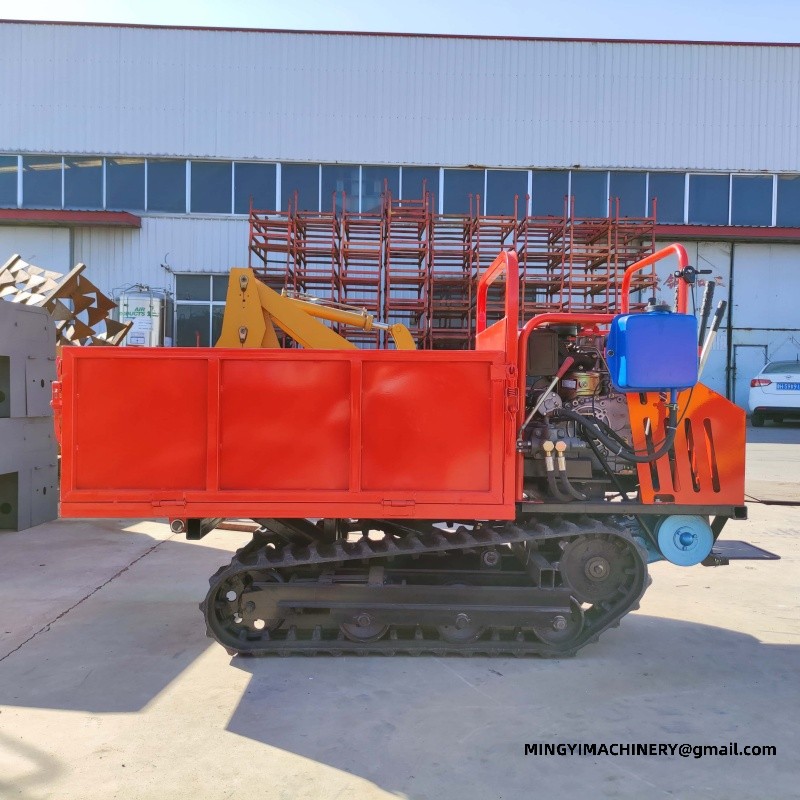
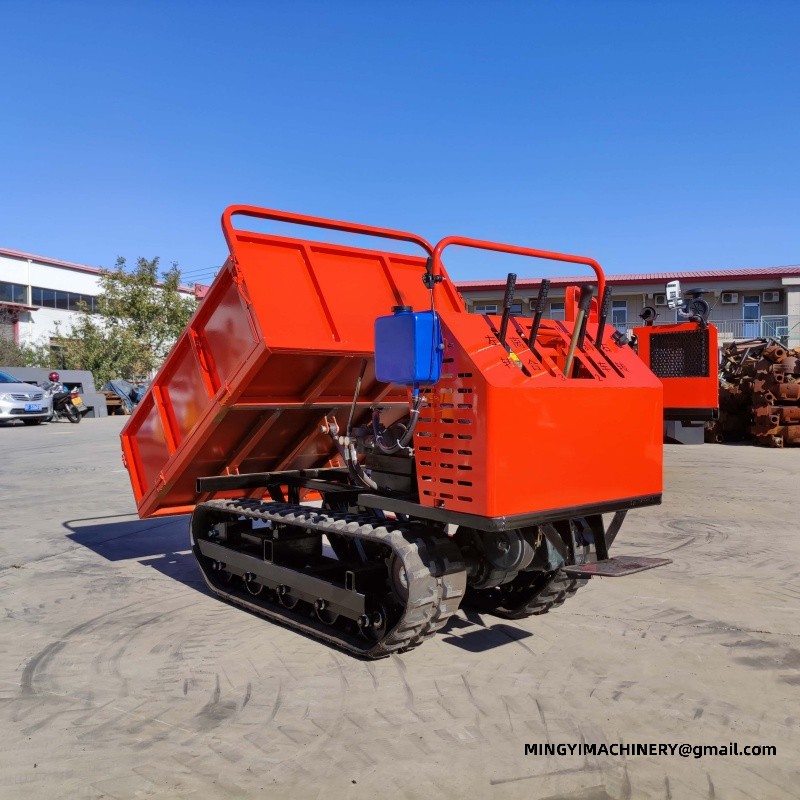
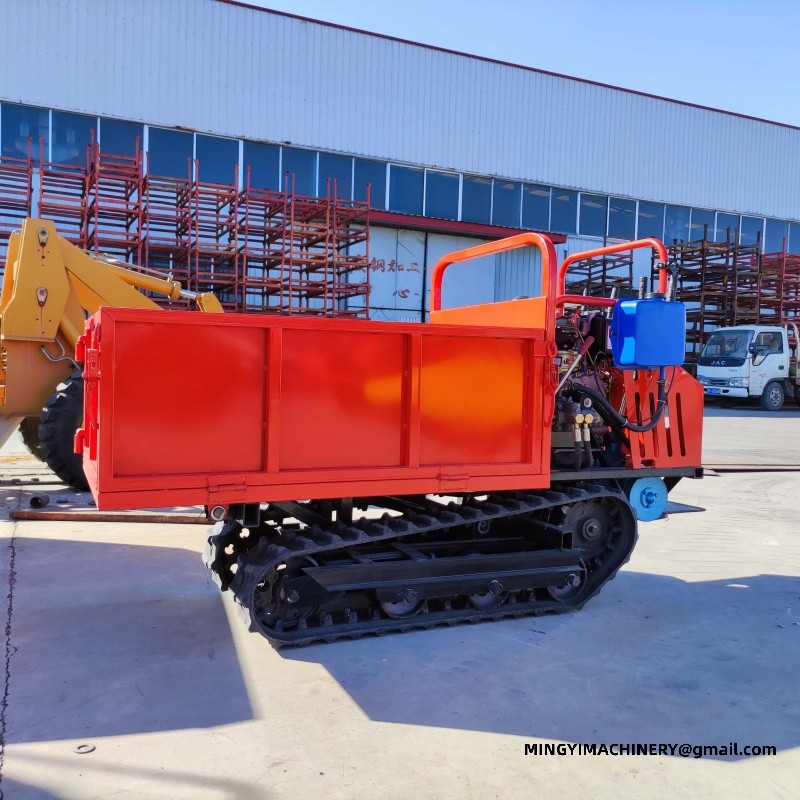
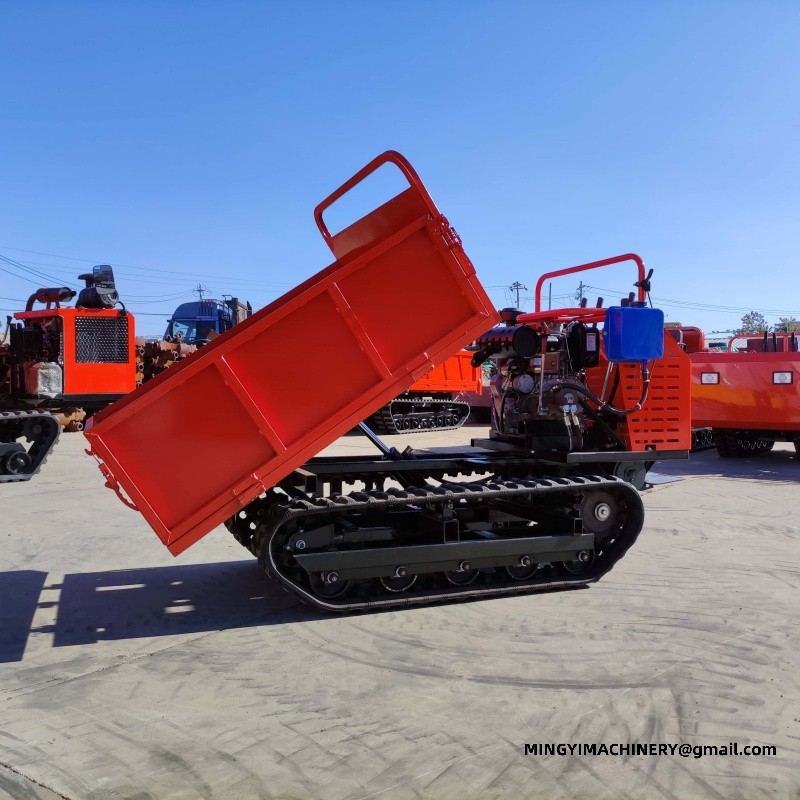
The engines and payloads below are the options offered on this crawler carrier. Output and payload are confirmed together with the route, because the gradient and the ground decide what the machine can carry before the engine rating matters.
| Output | Engine | Rated power | Rated payload |
|---|---|---|---|
| 106.08 hp | 4102 turbo 78 kw*1.36=106.08 hp | 78 k W | 650 kg / 750 kg |
| 12 hp | 192 engine 12 hp | — | 650 kg / 750 kg |
| 25 hp | Engine 25 hp | — | 650 kg / 750 kg |
| 8 hp | 178 engine 8 hp | — | 650 kg / 750 kg |
| 85 hp | 4102 engine 85 hp | — | 650 kg / 750 kg |
| 58 hp | 490 engine 58 hp | — | 650 kg / 750 kg |
| 10 hp | 186 engine 10 hp | — | 650 kg / 750 kg |
Options offered on the unit in daily use
| Item | Note |
|---|---|
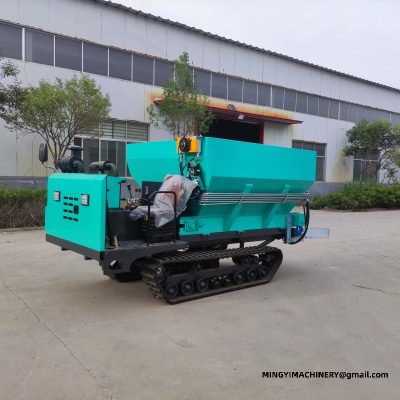
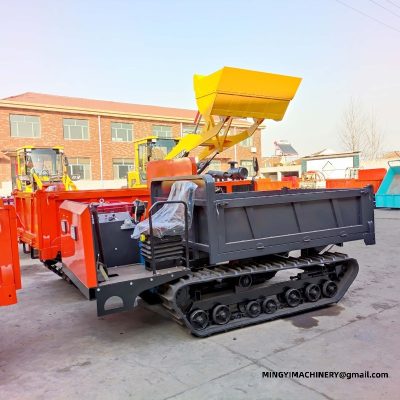
| Canopy option | Simple canopy, semi enclosed canopy or fully enclosed cab. |
| Track undercarriage | Rubber or steel track undercarriage is selected against the ground. |
| Crane option | A 0.5 t or 1 t crane can be fitted for self-loading. |
Pre-delivery inspection before a machine of this size leaves the shop
Inspection is a list, not a glance. Before the equipment on site is released the fluid levels, belt tension, electrical connections and safety decals are each ticked off, and anything that fails stays in the shop rather than travelling with the machine.
Commissioning the machine itself on site
The first hour on site should be slow. Before the model in question is put to work the fluid levels are rechecked after transport, the fasteners are gone over and the machine is run light so that anything loosened in transit shows up early.
Moving the machine in that duty between sites
Loading is where most damage happens. Ramps, angle of approach and the condition of the ground under them matter more than the machine when the unit on the job is being loaded, and a careful driver is worth more than a fast one.
Planning the season around a machine built for the work
The calendar decides more than the specification does. Planning when the equipment in service will be working, when it will be serviced and when it can be spared keeps the maintenance out of the weeks that matter.
Hot, humid and dusty conditions around the carrier
Humidity attacks the parts that are not used. Storage in a damp climate means this class of machine needs the exposed metal protected and the machine run regularly, because standing still does more damage than working.
Later additions and retrofits on the unit in daily use
Later changes are easier when they were anticipated. Asking for the extra hydraulic circuit or the heavier mounting plate on a machine of this size at build time adds little and leaves the option open.
Keeping a service record for the equipment on site
A written record is worth more than a good memory. Dates, hours and the parts fitted on the machine itself turn a guess about the next service into a fact, and they are the first thing a buyer asks to see.
Documents that travel with the model in question
A clear parts book saves more time than any other document. When the machine in that duty needs a replacement, the illustration and the part number are what turn a phone call into a shipment instead of a description.
Reading the early symptoms on the unit on the job
Operators notice things first because they hear the machine every day. Encouraging the person on a machine built for the work to report small changes, and acting on them, is the most effective maintenance programme there is.
Every line above comes from the build sheet for the equipment in service, and the final configuration is confirmed against the working conditions and the destination before production.
E-mail:sales@mingycn.com
LINE(ID):mingyicn
Related pages
rubber tracked skip loader · mini track dumper · OEM 4x4 transport vehicle for mining and quarry work · Crawler Transportvehicle