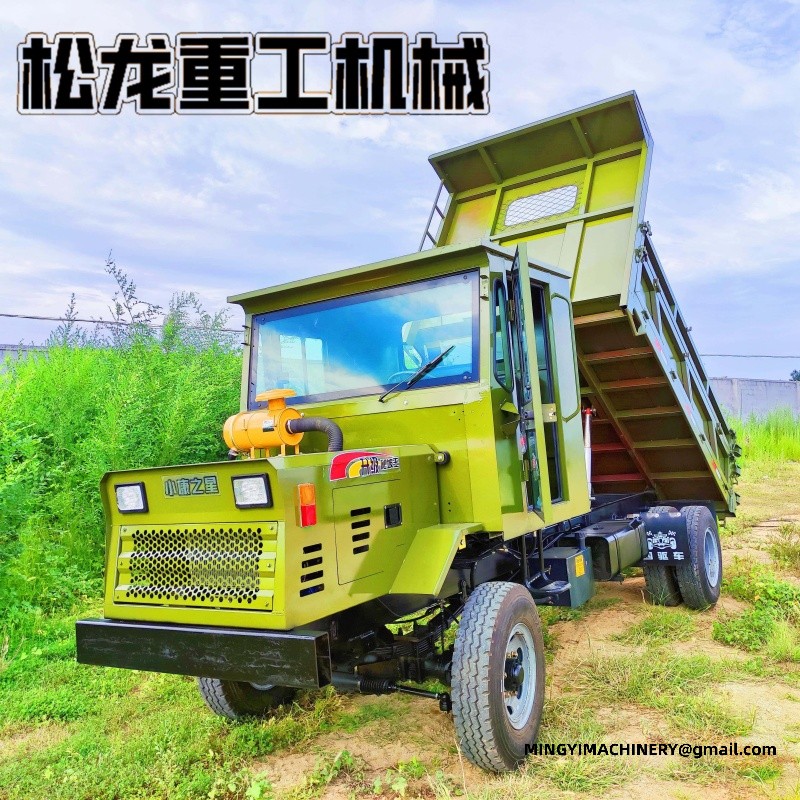
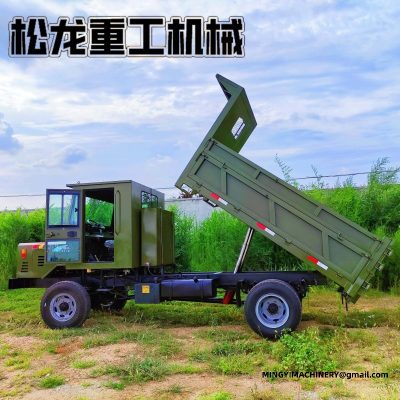
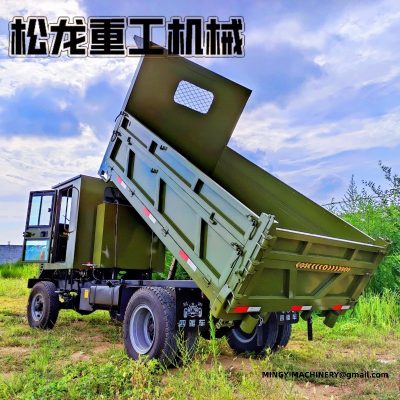
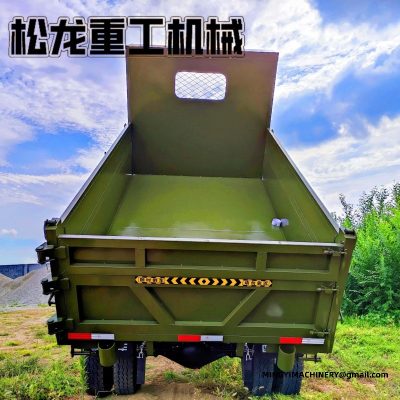
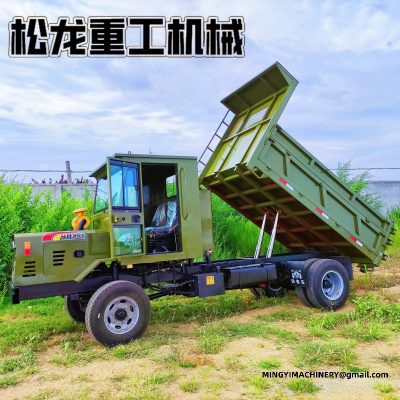
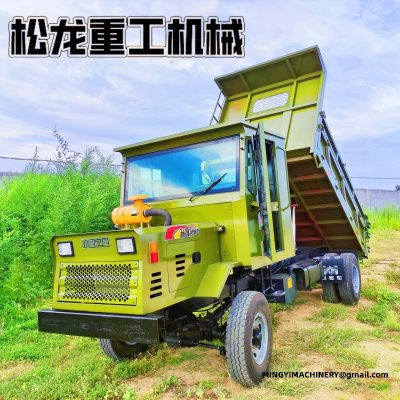
Dealing with the factory that builds the machine rather than with a dealer changes what can be asked for. The configuration is settled before production instead of being chosen from what happens to be in stock, and the answers about parts and support come from the people who specified the components. This page sets out what that is worth, the four configurations built here, and the sequence a factory order follows from the first description of the job to the machine being crated.
What a factory can do that a yard cannot
A yard sells what it has. A factory can build what is described, which matters when the ground, the route or the duty falls outside the ordinary. Three things follow from that. The build sheet can be matched to a job rather than to a stock list. Details such as the tailgate arrangement, the bonnet shape or the engine rating can be settled before production instead of accepted afterwards. And when a component has to be identified years later, the answer exists as a record rather than as a memory.
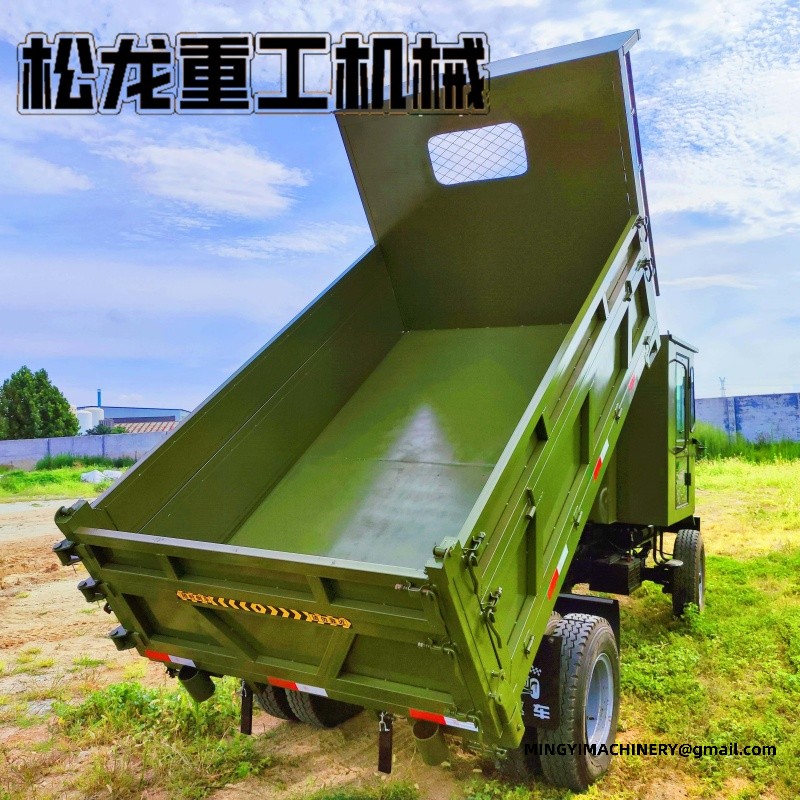
The obligation runs the other way too: a factory can only build what is described. The buyer who gives the ground, the haul, the material and the hours gets a configuration that can be checked against something, and the buyer who gives nothing gets a guess with a specification attached.
The four configurations
The range covers a single-cylinder 28 hp on the 7.Upgraded, a single-cylinder 32 hp on the 10.Upgraded, a two-cylinder 38 hp on the 13.Upgraded and a four-cylinder 490 on the 17.Luxury. The single-cylinder machines suit short runs, firm ground and a machine that shares the work with other equipment. The two-cylinder suits a full day of mixed work, and the 490 is the one where the haul is longer, the gradient is real, or the machine runs loaded for most of the shift.
Three of four carry a front axle clutch
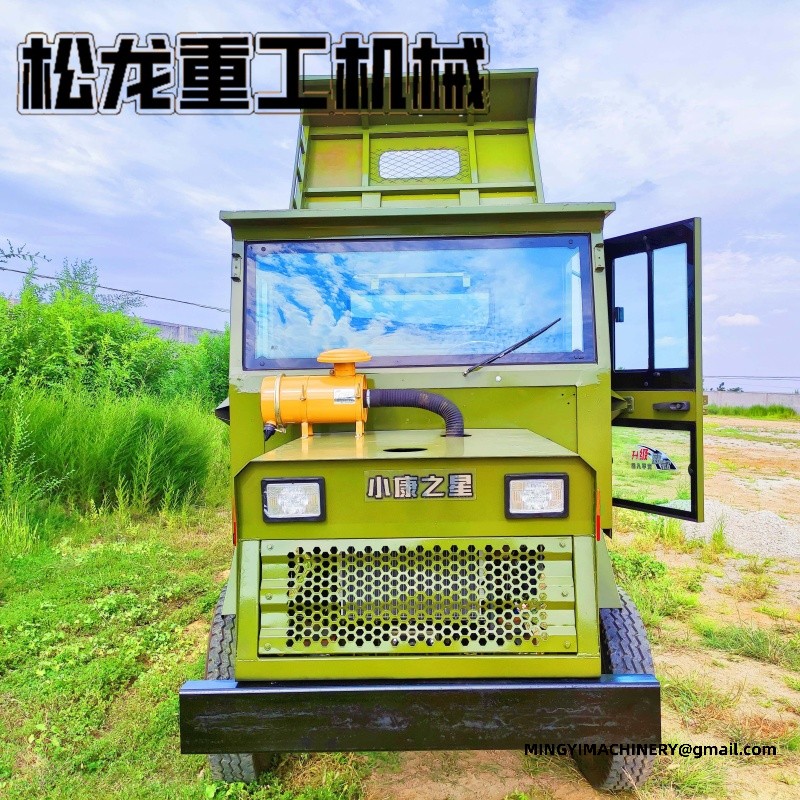
The 10.Upgraded, the 13.Upgraded and the 7.Upgraded all have a front axle clutch, which lets the driver disengage the front axle when the ground does not need drive at both ends. That tells a buyer something about the duty the configuration is built for: a route that alternates between a firm track and a soft section, where leaving the front axle engaged all day would wear tyres and driveline for nothing. The 17.Luxury instead uses a part-time gearbox selectable between two- and four-wheel drive.
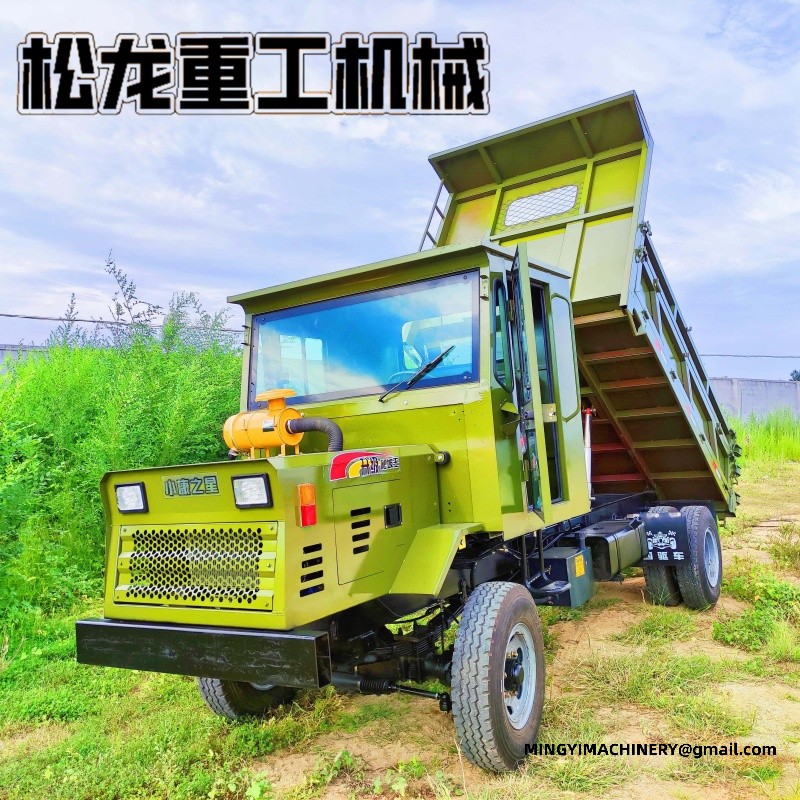
All four leave with a fully enclosed cab
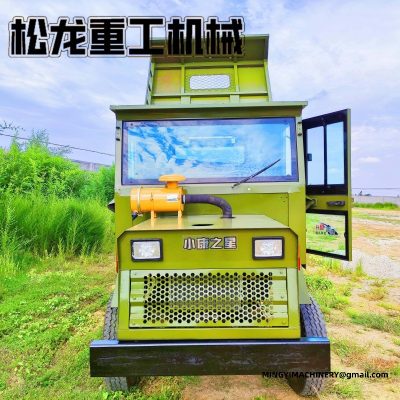
Every configuration here is built with a fully enclosed cab, which is unusual and worth knowing. It means the cab is not the decision it would be elsewhere in the range, and the buyer choosing between these four can decide on the engine, the drive and the body instead. All four also carry hydraulic power steering, a two-person comfort seat and twin-battery electric start, so the working position is the same whichever configuration is on site.
Frame, body, axles and brakes
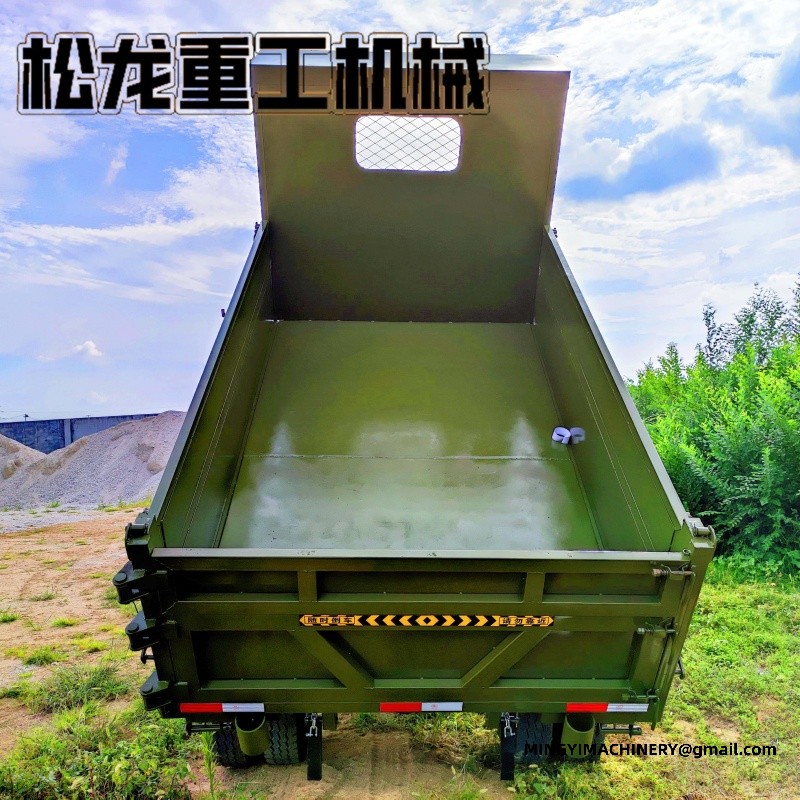
Three of the four sit on the reinforced 60 x 140 mm square tube frame with a rear body 2.2 m long by 1.5 m wide and 0.45 m high, a front axle 212 and a rear axle 130. The 17.Luxury uses the same frame section but carries a body of the same length and depth at 1.8 m wide, with a reinforced 130 front axle and a reinforced ISUZU-pattern rear axle. Oil brakes are fitted to three of the four; the 17.Luxury uses air cut-off brakes. Every configuration has a tailgate with a self-dumping function.
Tyres and the 1.8 m body
The 10.Upgraded, the 13.Upgraded and the 7.Upgraded run four 700-16 mountain tyres and the 17.Luxury runs six. Six contact patches spread the weight across more ground, which is what keeps a loaded machine moving on soft fill and what limits the damage it does to a surface that has already been prepared. The wider 1.8 m body on the 17.Luxury suits a load that is bulky rather than dense, and it is the configuration to look at where the machine carries bagged or bundled material as well as loose fill.
Tailgate, rams and getting the load out
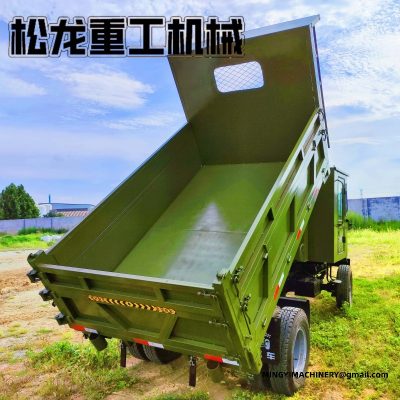
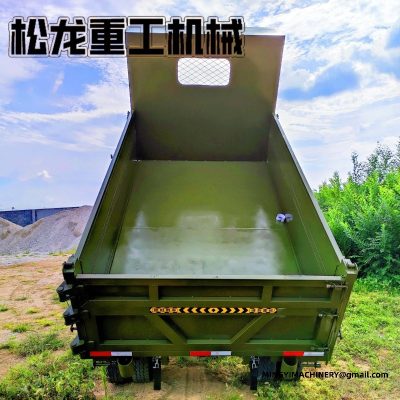
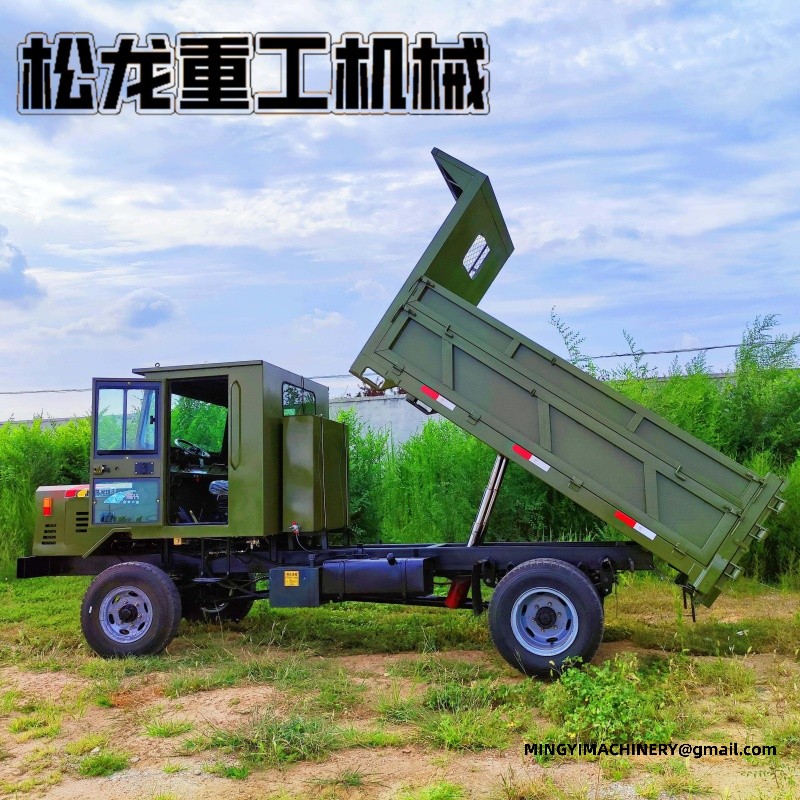
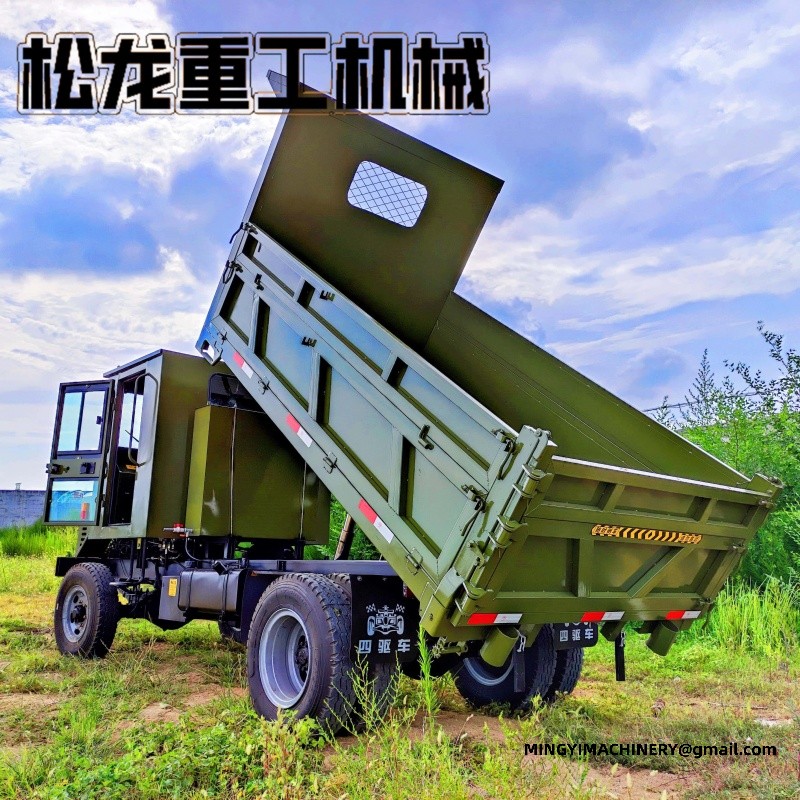
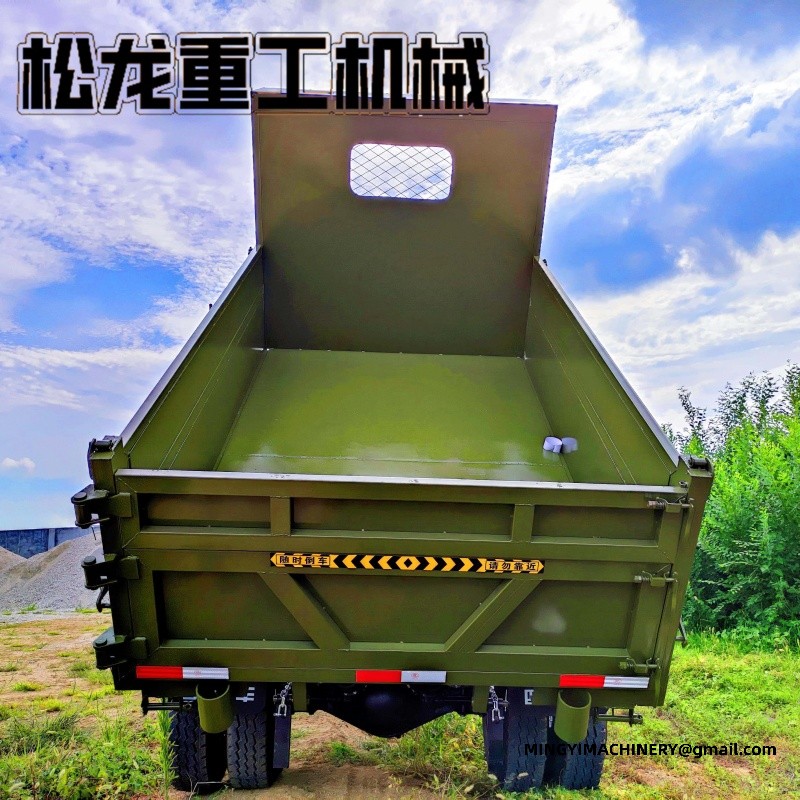
The body is lifted by twin hydraulic rams on every configuration, which is what allows a load that has shifted to one side to be lifted without twisting the body. Every configuration has a tailgate with a self-dumping function, and the 17.Luxury adds a side-opening rear body tailgate, which lets the driver place material along an edge or into a trench rather than leaving a heap that has to be moved a second time. Heavy-duty leaf springs are also specified on the 17.Luxury.
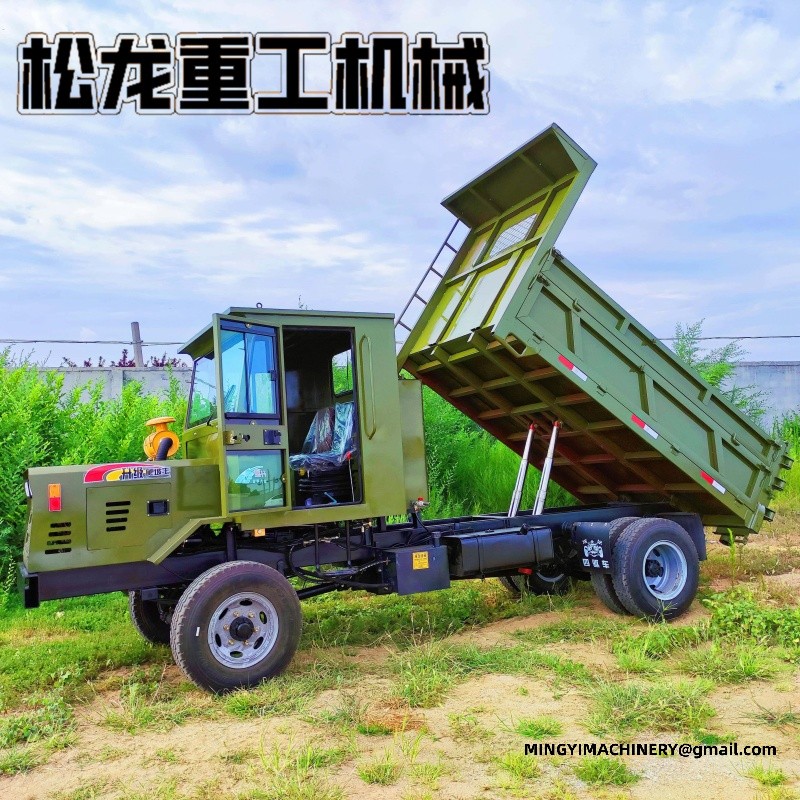
Bonnet shape is the remaining difference: the 13.Upgraded and the 17.Luxury keep the round-nose bonnet and the 10.Upgraded and the 7.Upgraded use the square-nose. That is the panel a driver sights over when positioning the machine, and fleets running several machines usually prefer one shape so that a driver moving between them is not relearning the sight lines.
How a factory order runs
The sequence is worth knowing before the first enquiry. The job is described — ground, haul, material, hours — and the factory proposes a configuration. The buyer checks it against the route rather than against a stock list. The sheet is confirmed, production starts, and the machine is run and checked before it is crated. Any of those steps can be revisited before production and none of them can be revisited cheaply afterwards, which is the argument for being specific early.
What the build sheet should record
The sheet that travels with the machine matters more than most buyers expect. It should record the configuration as delivered: engine, gearbox, axles, brakes, tyres, body dimensions, cab and tailgate arrangement. That record is what a workshop needs when a part is replaced several years later, what an insurer or a buyer asks for at resale, and what settles an argument about what was ordered. Asking for it before shipment rather than after is the whole of the effort involved.
Support from the people who built it
The practical advantage of a factory relationship shows up when something is wrong. Most faults are found rather than fixed, and a walk-around on video with the panels open usually identifies the cause without waiting for a visit, which avoids shipping a part that turns out not to be needed. The questions worth asking before ordering are which wear items travel with the machine and how a non-stocked item is sent afterwards, because those are the answers that matter in the second year rather than the first.
Engines and the length of the day
Engine rating on this range is best chosen from the hours rather than from the load. A machine that works two hours a day on a short run does not need the four-cylinder, and a machine that works a full shift loaded does. The single-cylinder 28 hp and 32 hp units suit intermittent work and a machine that shares the job with other equipment. The two-cylinder 38 hp suits a full day of mixed work, where the route changes and the load is not always the same. The four-cylinder 490 is the one for a machine whose day is mostly spent loaded.
Ground, gradient and the crawler gear
High and low range with a crawler gear is fitted to all four, and on this range the crawler gear is used more than buyers expect. Positioning under a loader, working along an edge and crossing a soft section are all low-speed jobs, and doing them in a low range keeps the machine under control without riding the brakes. On a gradient the practice is to plan the descent before the load goes in: choose the gear on the way up and let the engine and the crawler gear do the work on the way down.
Daily checks on this range
Because the four configurations share a frame, a body and most of the driveline, the daily checks are the same whichever one is on site. At the start of each shift: the body and ram mountings, the hydraulic hoses where they run past the body, tyre condition and pressures, brake response and fluid levels, and the tailgate latch. Air filtration needs more frequent attention in dust, and the body floor should be cleaned out rather than left carrying a skin of material.
Shipping, papers and the check before crating
Export orders add steps a domestic buyer never sees. Packed dimensions, securing points and any dismantling required are settled before the machine leaves the factory, and the commercial invoice, the packing list and any certificate the destination requires are agreed at order stage, because papers that arrive incomplete hold a consignment at the port longer than the voyage took. Before crating, each machine is run: the engine is brought to temperature, the tipping circuit is cycled under load, the brakes are tested with a load, and every function is checked against the build sheet.
Which configuration to start from
The decision turns on the haul and what the machine carries. Short runs on firm ground with a route that alternates between firm and soft point at the 10.Upgraded, the 13.Upgraded or the 7.Upgraded, all of which carry the front axle clutch, and the engine rating then follows the length of the day. A longer haul, a bulkier load or a machine that works loaded for most of the shift points at the 17.Luxury, with its wider body, six tyres and air cut-off brakes.
| # | 10.Upgraded | 13.Upgraded | 17.Luxury | 7.Upgraded |
|---|---|---|---|---|
| 1 | Single-cylinder diesel engine, 32 hp | Two-cylinder diesel engine, 38 hp | Four-cylinder 490 diesel engine | Single-cylinder diesel engine, 28 hp |
| 2 | Full-time gearbox with four-wheel drive | Full-time gearbox with four-wheel drive | Part-time gearbox, selectable 2WD/4WD | Full-time gearbox with four-wheel drive |
| 3 | High/low range with crawler gear | High/low range with crawler gear | High/low range with crawler gear | High/low range with crawler gear |
| 4 | Front axle clutch | Front axle clutch | Fully enclosed cab | Front axle clutch |
| 5 | Fully enclosed cab | Fully enclosed cab | Six 700-16 mountain tyres | Fully enclosed cab |
| 6 | Oil brakes | Oil brakes | Reinforced 130 front axle | Oil brakes |
| 7 | Four 700-16 mountain tyres | Four 700-16 mountain tyres | Reinforced ISUZU-pattern rear axle | Four 700-16 mountain tyres |
| 8 | Front axle 212 | Front axle 212 | Air cut-off brakes | Front axle 212 |
| 9 | Rear axle 130 | Rear axle 130 | Reinforced 60 x 140 mm square tube frame | Rear axle 130 |
| 10 | Reinforced 60 x 140 mm square tube frame | Reinforced 60 x 140 mm square tube frame | Rear body 2.2 m long x 1.8 m wide x 0.45 m high | Reinforced 60 x 140 mm square tube frame |
| 11 | Rear body 2.2 m long x 1.5 m wide x 0.45 m high | Rear body 2.2 m long x 1.5 m wide x 0.45 m high | Tailgate with self-dumping function | Rear body 2.2 m long x 1.5 m wide x 0.45 m high |
| 12 | Tailgate with self-dumping function | Tailgate with self-dumping function | Side-opening rear body tailgate | Tailgate with self-dumping function |
| 13 | Hydraulic power steering | Hydraulic power steering | Hydraulic power steering | Hydraulic power steering |
| 14 | Twin hydraulic rams | Twin hydraulic rams | Twin hydraulic rams | Twin hydraulic rams |
| 15 | Two-person comfort seat | Two-person comfort seat | Two-person comfort seat | Two-person comfort seat |
| 16 | Twin-battery electric start | Twin-battery electric start | Heavy-duty leaf springs | Twin-battery electric start |
| 17 | Square-nose bonnet | Round-nose bonnet | Twin-battery electric start | Square-nose bonnet |
| 18 | — | — | Round-nose bonnet | — |
For a specification discussion or a build sheet for this 4x4 dumper, contact sales@mingycn.com or reach us on LINE (ID: mingyicn).









