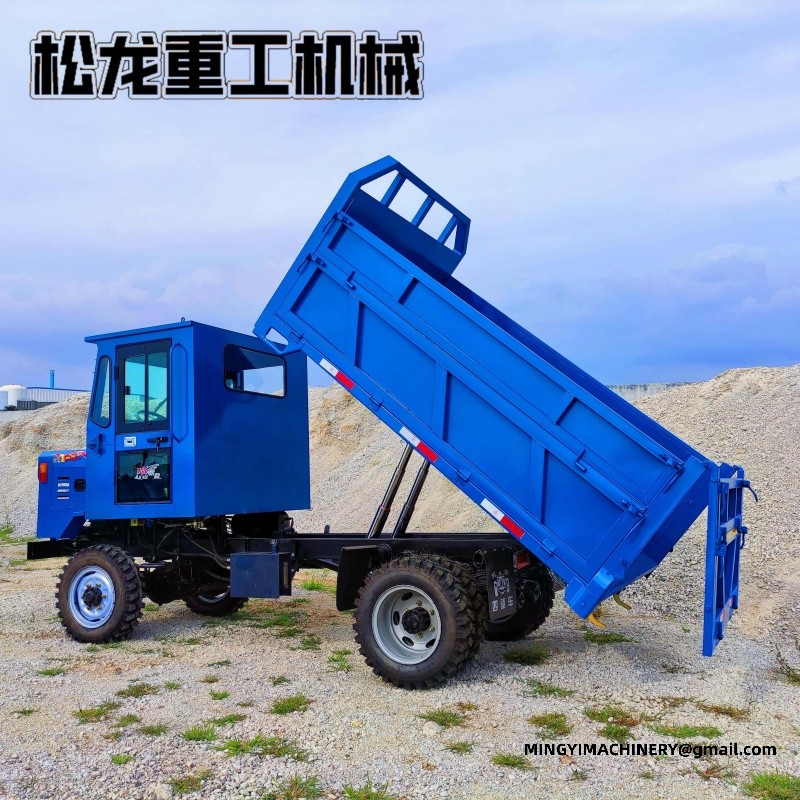
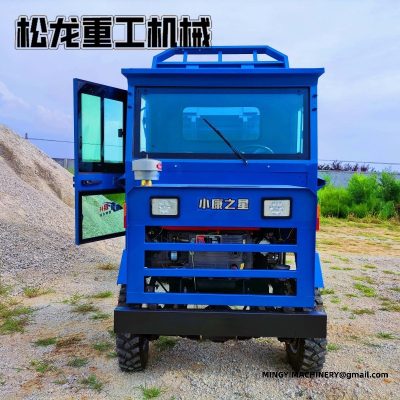
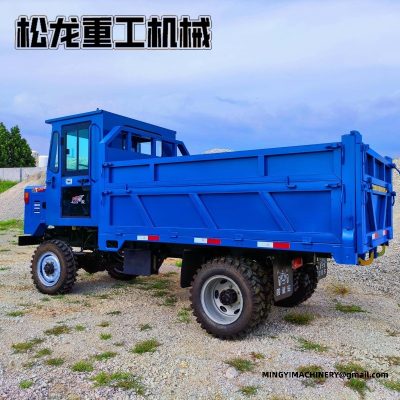
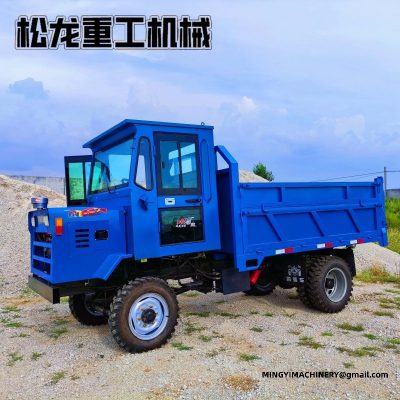
This page covers the dumper for buyers who already know the job and now need the machine. It sets out what the build includes, what can be changed, what the operator should expect in the first weeks and what the service schedule looks like.
Cold weather and low temperature work with Articulated Dump Truck with hydraulic tipping body
Batteries and fluids are the parts that notice the cold first. This class of machine kept on a maintainer through a freezing spell starts on the first turn, while one left standing is the usual cause of a lost morning. Low temperatures also make materials behave differently. Ground that is frozen hard in the morning can be soft by midday, and planning the sequence around that is easier than fighting it with the unit in daily use.
Working hours and duty cycle of Articulated Dump Truck with hydraulic tipping body
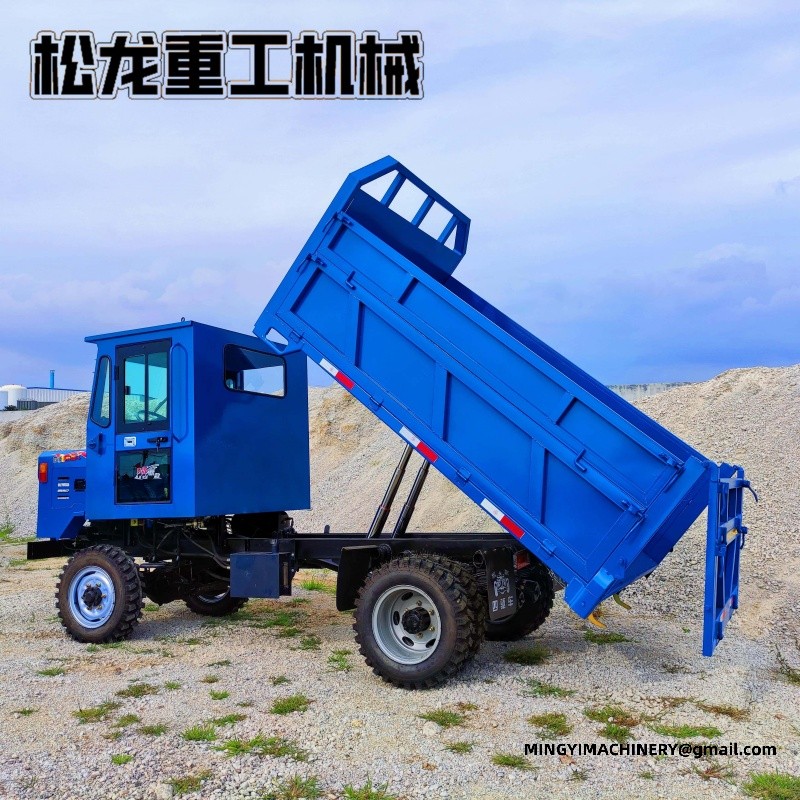
Duty cycle is the honest measure of a machine. A machine of this size working a few hours a week has different needs from one working two shifts, and the cooling, filtration and service intervals should follow the hours rather than the calendar. Hour planning helps at resale as well. The equipment on site with a recorded service history and a sensible hour count is easier to sell than one with the same hours and no records, whatever its condition.
Payload and how a Articulated Dump Truck with hydraulic tipping body is loaded
Payload is limited by the axles and the frame before it is limited by the body volume. Specifying the machine itself against the material density gives a realistic figure, because a body that looks half full can already be at its limit with rock.
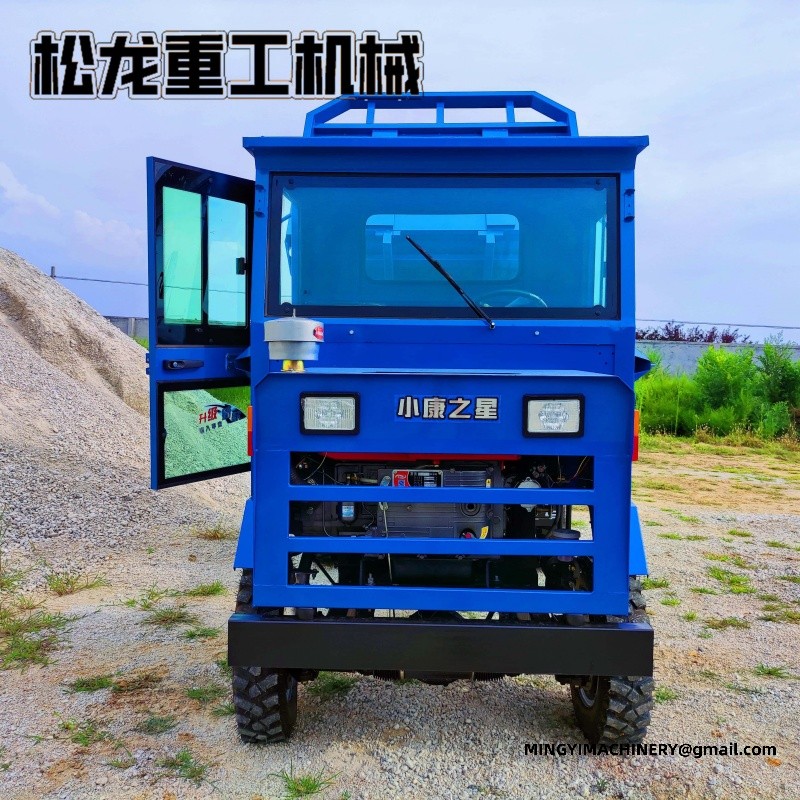
Transporting Articulated Dump Truck with hydraulic tipping body to and between sites
Moving the machine is part of owning it. Overall length, width and height decide which trailer or container the model in question fits, and a machine that needs a permit or an abnormal load escort is a machine with a delivery delay built in. Owners who work across several sites should check the transport dimensions before ordering. The machine in that duty that fits a standard trailer can be moved by any operator with a suitable vehicle, while an over-width machine narrows that choice and complicates every move. Shipping dimensions matter as much on export orders as they do locally. Confirming the packed size of the unit on the job before booking avoids re-booking freight after the machine is built.
Customisation and build options for Articulated Dump Truck with hydraulic tipping body
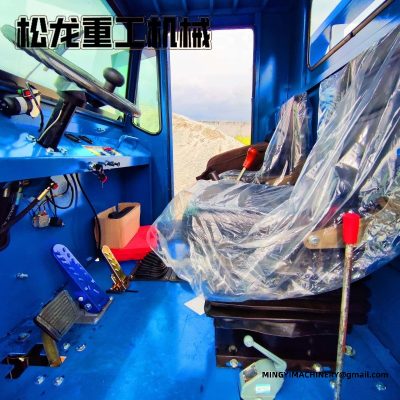
Build options are where a standard machine becomes the right machine. Colour, guarding, lighting, seating and hydraulic provisions can usually be set at build time on a machine built for the work, and are far simpler then than as a retrofit.
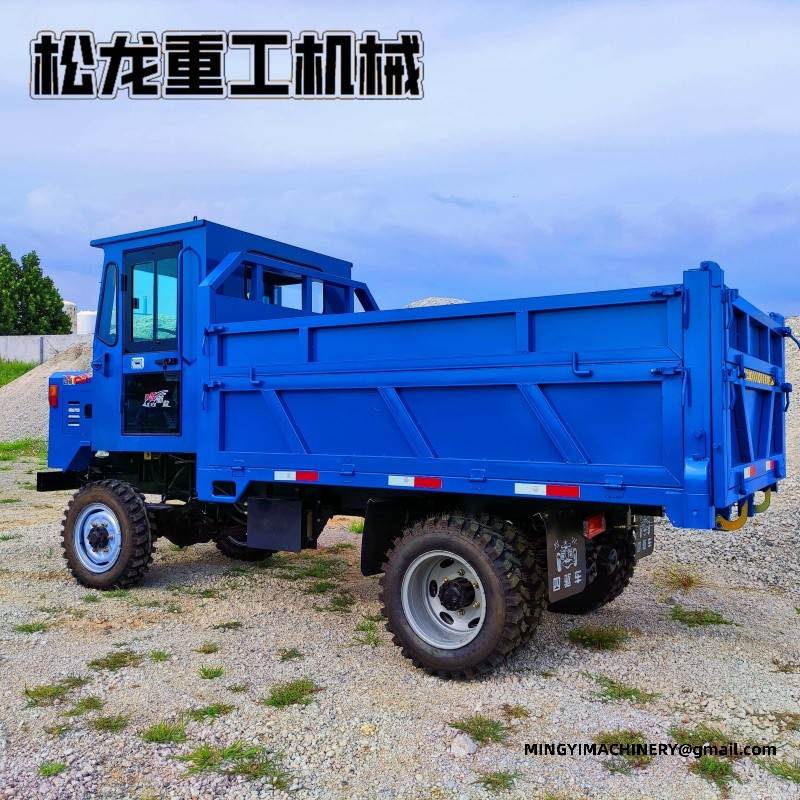
Attachments and working tools for Articulated Dump Truck with hydraulic tipping body
The base machine is only as useful as the tool on the end of it. Matching the attachment to the task - rather than to what arrived with the machine - is what lets one the dumper cover several jobs across a week. Attachment decisions are best made before delivery. Specifying hydraulics and couplers at build time is simpler than adding them later, and it avoids the downtime of a workshop visit in the first month. Most owners find that the second attachment changes how often the machine is used. The equipment in service that was bought for one task often becomes the general machine on site once a second tool is available.
Fuel use and running demands of Articulated Dump Truck with hydraulic tipping body
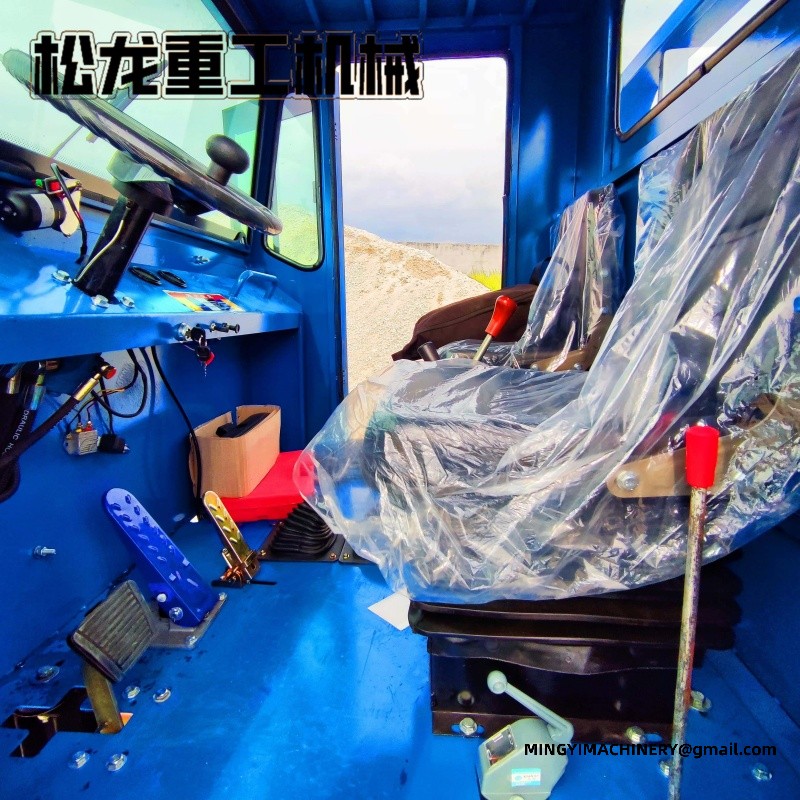
Consumption is best measured over a full week rather than judged per hour. Idle time, repositioning and waiting for other trades are often the largest share of the fuel this class of machine burns on a site. Planning the work to reduce empty movement is free. Fewer repositioning cycles on the unit in daily use means less fuel, less wear on the undercarriage or tyres and more of the shift spent on productive work.
Storage and downtime care for Articulated Dump Truck with hydraulic tipping body
Before-storage preparation prevents most return-to-work faults. Draining or treating fuel, protecting exposed rods and relieving pressure where the maker specifies it are the items worth an hour when a machine of this size is parked. A periodic start is better than none. Running the equipment on site to operating temperature during a long layoff keeps seals and the charging system in better condition than leaving it untouched until the next job.
Soft ground, paddy fields and mud with the machine itself
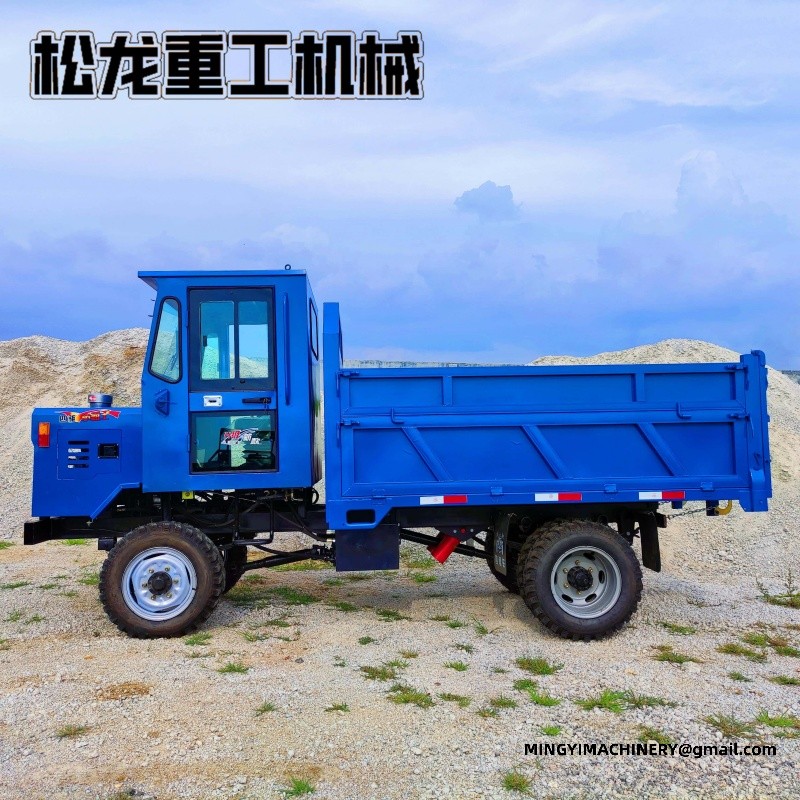
Recovering a stuck vehicle takes longer than preventing it. Planning the route, avoiding the worst ground and knowing where the model in question will turn is what keeps a soft-ground job productive.
Farm and estate use of the machine in that duty
Farm work is seasonal and varied. The unit on the job that hauls feed in one month and muck or aggregate in the next earns its place by being usable across the year rather than by being optimised for one task. Ground on farms is often soft and often shared with livestock. A machine built for the work working there needs to cross pasture without rutting it badly, and tyre and weight choices follow from that.
Ordering, lead time and delivery of the equipment in service
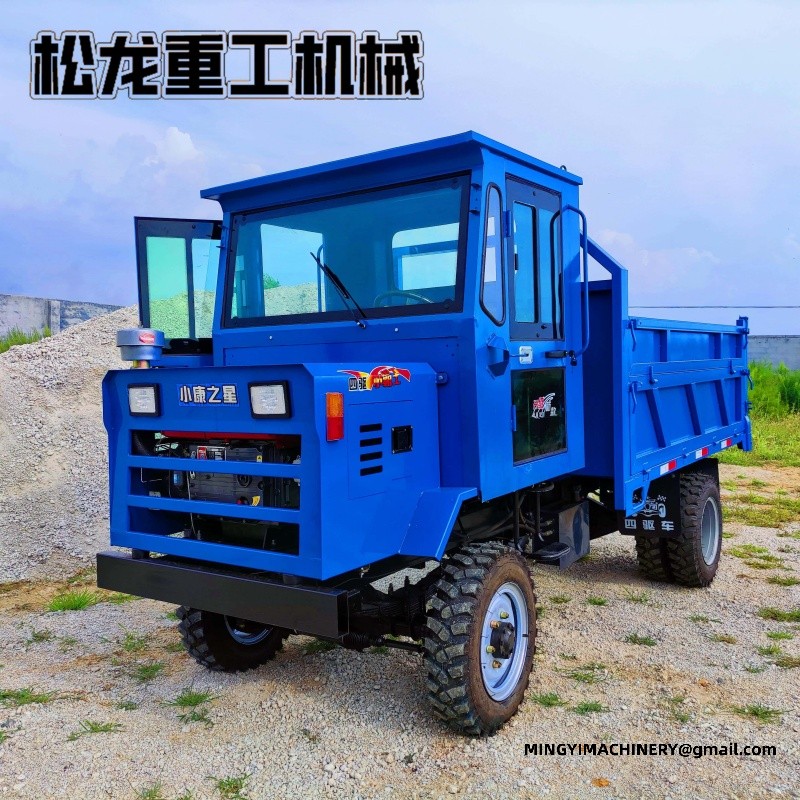
The order should state the configuration in writing. Engine, attachments, colour, documents and any market requirement are clearer on the build sheet for the dumper than in a conversation after delivery. Delivery planning includes the receiving end. Knowing whether this class of machine will be craned, driven or forked off, and whether the site can accept it, is settled before dispatch rather than on the day.
Handover and documentation for the unit in daily use
Handover should include the documents as well as the keys. Parts list, service schedule and the operator notes for a machine of this size are what the workshop needs in month six, and they are much harder to obtain later. A short familiarisation session prevents the early faults. Most first-month problems on the equipment on site come from unfamiliarity with controls, limits or checks rather than from the machine itself. Keeping the manuals where they can be reached matters. The machine itself whose documents stay with the machine gets serviced on schedule; one whose paperwork was filed elsewhere tends to run on memory instead.
Operator technique and familiarisation
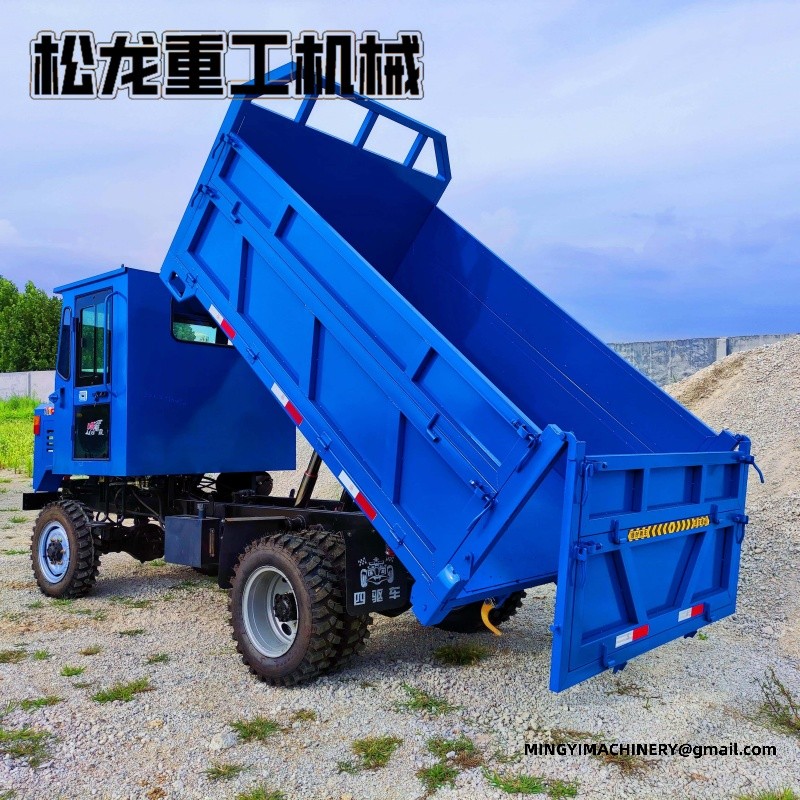
A short handover pays for itself. Operators who understand why the model in question is set up the way it is will report a change in behaviour early, which is usually the point where a repair is simplest.
Dust, mud and abrasive conditions around the machine in that duty
Abrasive conditions shorten service intervals. Air filters, seals and any exposed sliding surface on the unit on the job need attention more often in dusty or muddy work, and the extra checks prevent far more wear than the time they take. Cleaning is maintenance, not appearance. Washing the cooling surfaces and clearing packed material from a machine built for the work keeps temperatures where they should be and makes the next inspection quicker and more useful.
Configuration data for the equipment in service
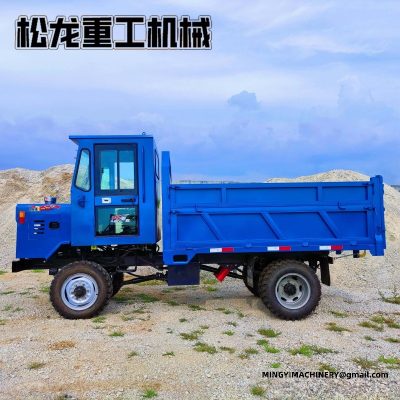
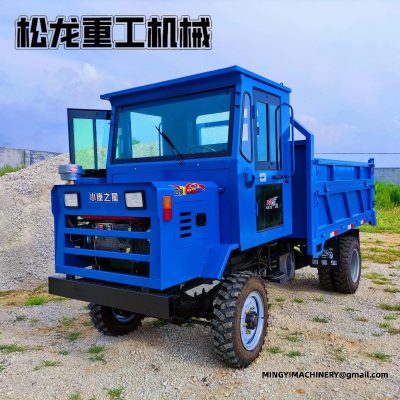
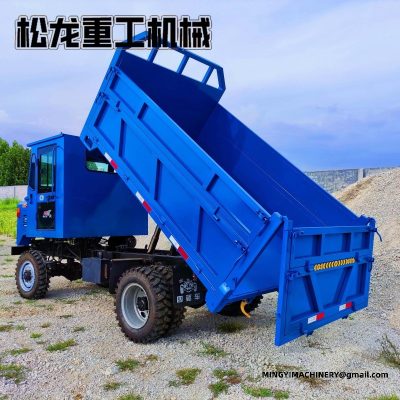
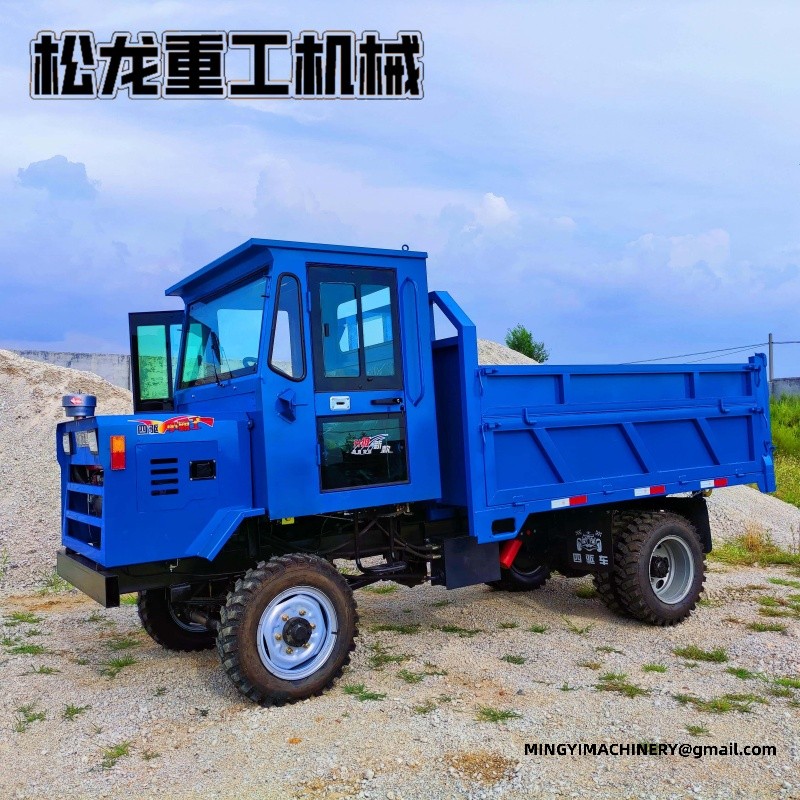
The configurations below are the build sheets most often matched to the dumper. Engine, gearbox, axles, frame and body dimensions are confirmed together, because the body size and the axle rating have to suit the load before the engine rating matters.
| # | 12.Standard | 13.Upgraded | 24.Luxury | 7.Upgraded |
|---|---|---|---|---|
| 1 | Two-cylinder diesel engine, 38 hp | Two-cylinder diesel engine, 38 hp | Four-cylinder 4108 turbocharged diesel engine | Single-cylinder diesel engine, 28 hp |
| 2 | Full-time gearbox with four-wheel drive | Full-time gearbox with four-wheel drive | Model 145 part-time gearbox, selectable 2WD/4WD | Full-time gearbox with four-wheel drive |
| 3 | High/low range with crawler gear | High/low range with crawler gear | High/low range with crawler gear | High/low range with crawler gear |
| 4 | Simple cab | Front axle clutch | Fully enclosed cab | Front axle clutch |
| 5 | Oil brakes | Fully enclosed cab | Six 825R16 steel-belted radial tyres | Fully enclosed cab |
| 6 | Four 700-16 mountain tyres | Oil brakes | Reinforced ISUZU-pattern front axle | Oil brakes |
| 7 | Front axle 212 | Four 700-16 mountain tyres | Reinforced 1080 rear axle | Four 700-16 mountain tyres |
| 8 | Rear axle 130 | Front axle 212 | Air cut-off brakes | Front axle 212 |
| 9 | Reinforced 60 x 140 mm square tube frame | Rear axle 130 | Reinforced 80 x 180 mm square tube frame | Rear axle 130 |
| 10 | Rear body 2.2 m long x 1.5 m wide x 0.45 m high | Reinforced 60 x 140 mm square tube frame | Rear body 3.0 m long x 2.2 m wide x 0.45 m high | Reinforced 60 x 140 mm square tube frame |
| 11 | Tailgate with self-dumping function | Rear body 2.2 m long x 1.5 m wide x 0.45 m high | Tailgate with self-dumping function | Rear body 2.2 m long x 1.5 m wide x 0.45 m high |
| 12 | Hydraulic power steering | Tailgate with self-dumping function | Side-opening rear body tailgate with cab ladder | Tailgate with self-dumping function |
| 13 | Twin hydraulic rams | Hydraulic power steering | Hydraulic power steering | Hydraulic power steering |
| 14 | Two-person comfort seat | Twin hydraulic rams | Twin hydraulic rams | Twin hydraulic rams |
| 15 | Twin-battery electric start | Two-person comfort seat | Two-person comfort seat | Two-person comfort seat |
| 16 | Round-nose bonnet | Twin-battery electric start | Heavy-duty leaf springs | Twin-battery electric start |
| 17 | — | Round-nose bonnet | Twin-battery electric start | Square-nose bonnet |
| 18 | — | — | Square-nose bonnet | — |
Packing, loading and shipment of this class of machine
Export packing is part of the machine, not an afterthought. The unit in daily use is blocked and braced inside the container so that it arrives in the same condition it left, and the load plan is decided by the dimensions rather than by what fits loosely.
Cold weather and winter care for a machine of this size
Starting is only the first problem. Until the equipment on site reaches working temperature the hydraulic response is slower and the seals are stiffer, and warming the machine before asking for full output avoids unnecessary strain.
A second operator for the machine itself
Shared machines need shared habits. Two operators on the model in question should do the same daily checks in the same order, because the check that one person skips is the check that eventually matters.
Wear items and spares worth holding for the machine in that duty
Wear items are predictable once the machine has settled in. After the first service interval the pattern on the unit on the job is visible, and the parts that were replaced become the parts that are kept.
Later additions and retrofits on a machine built for the work
An added function should pay for itself quickly. Whether the equipment in service gains a different bucket, a hydraulic service or a protection package, the test is the number of days a year it is actually used.
Fuel, oil and fluid quality for the dumper
Fluid quality is a storage problem before it is a machine problem. Water and sediment in a drum will find the injection system of this class of machine eventually, and a settling period is nothing compared with a pump.
Every line above is a build item rather than an optional extra, and the final sheet for the unit in daily use is confirmed against the destination, the ground and the load before production.
E-mail:sales@mingycn.com
LINE(ID):mingyicn
Heat and hydraulic temperature in Articulated Dump Truck with hydraulic tipping body
Oil that runs hotter than the design range loses its film strength, and the first symptom is usually slower, softer movement rather than a leak.
Continuous high-flow work in high ambient temperature is where a duty cycle helps, because a short pause every hour cools the system more than a long stop at midday.
Hoses age faster next to hot manifolds, so routing and clearance are checked at the same time as the oil level.
Planning utilisation for Articulated Dump Truck with hydraulic tipping body
Utilisation is decided in the planning office as much as on site, through the number of machines, the haul route and the order of the work.
Keeping one machine as the planned spare is simpler than scheduling around an unplanned stop in the middle of a programme.
Related pages
4WD Site Dumper with hydraulic tipping body - site duty guide · All Terrain Transport Vehicle with hydraulic tipping body - export packing and shipping · Front Tipping Dumper Factory China: FC10 and the Range · Four Wheel Drive Transport Vehicle









