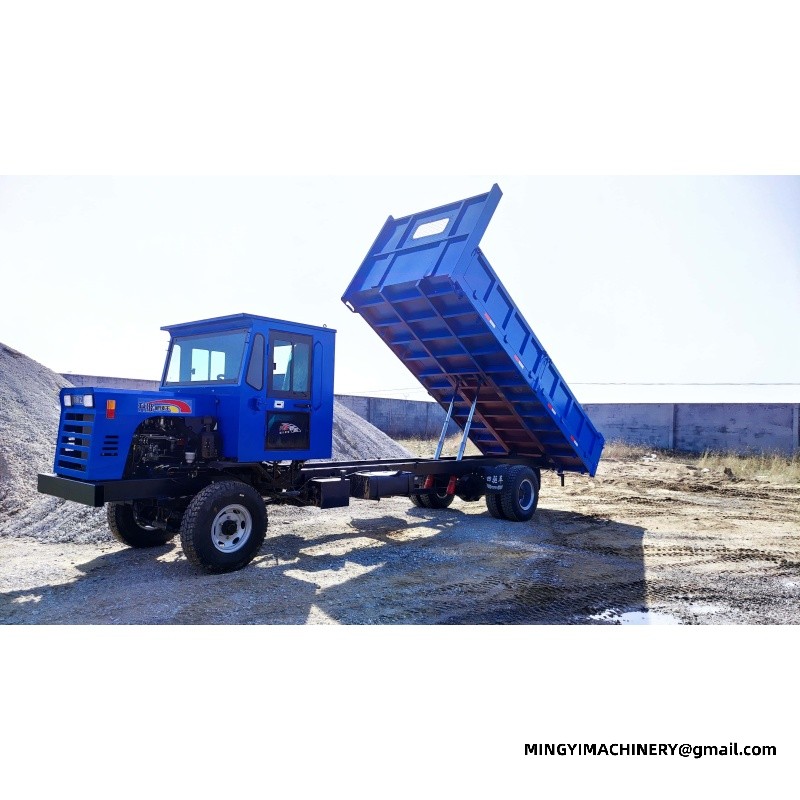
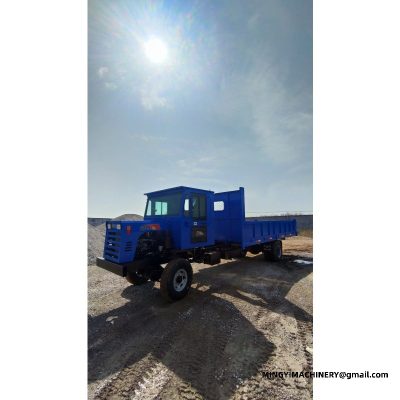
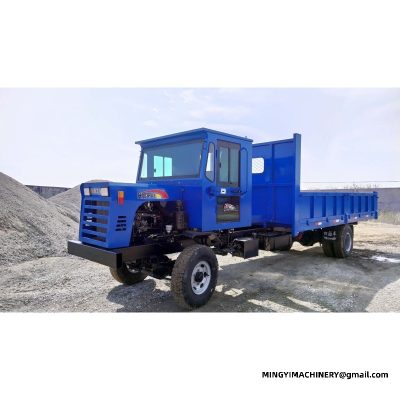
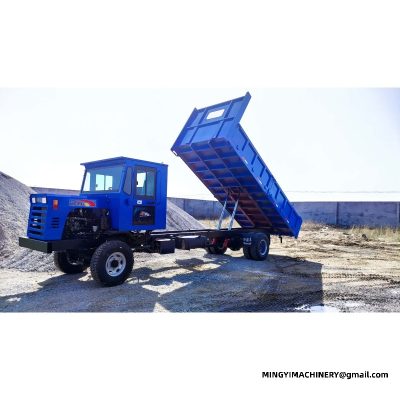
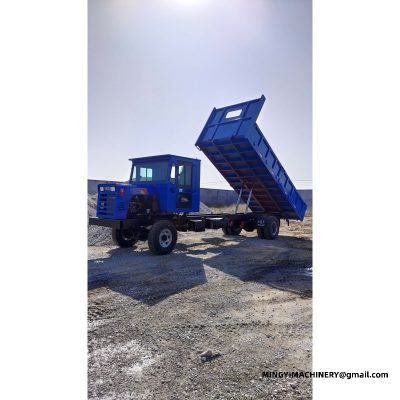
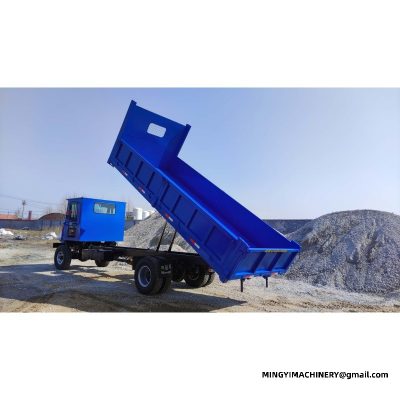
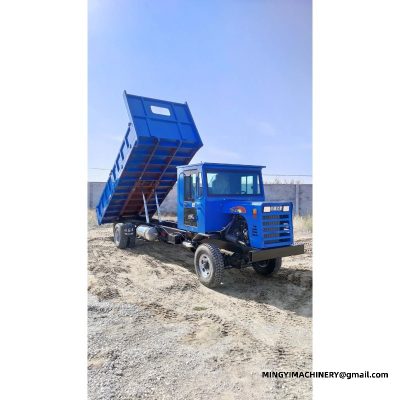
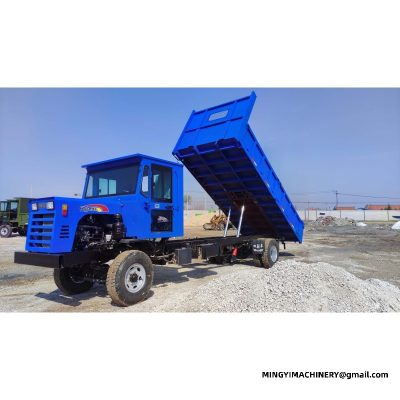
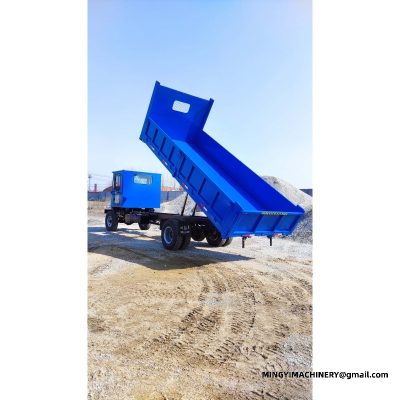
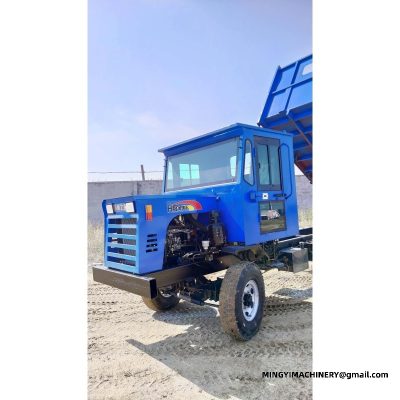
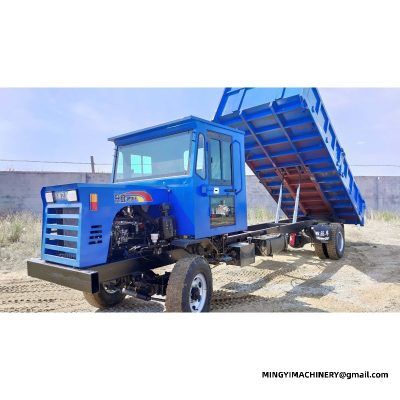
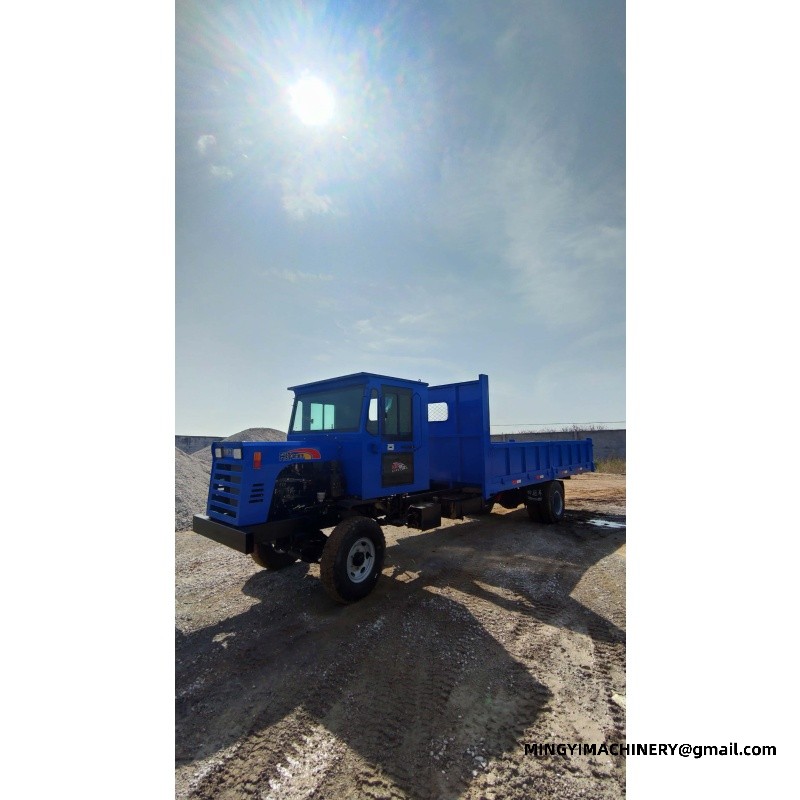
Model MY-4x4-8T
An all terrain transporter is chosen for what it can carry across ground that has not been prepared. The four configurations here differ in the way that matters most to that job: each carries a different body width, from 1.5 m to 2.1 m, on two different frame sections, with two engine choices and two tyre sizes. This page sets out what each combination suits, what the differences mean on a difficult route, and the questions worth settling before an order is placed.
Four body widths, four different jobs
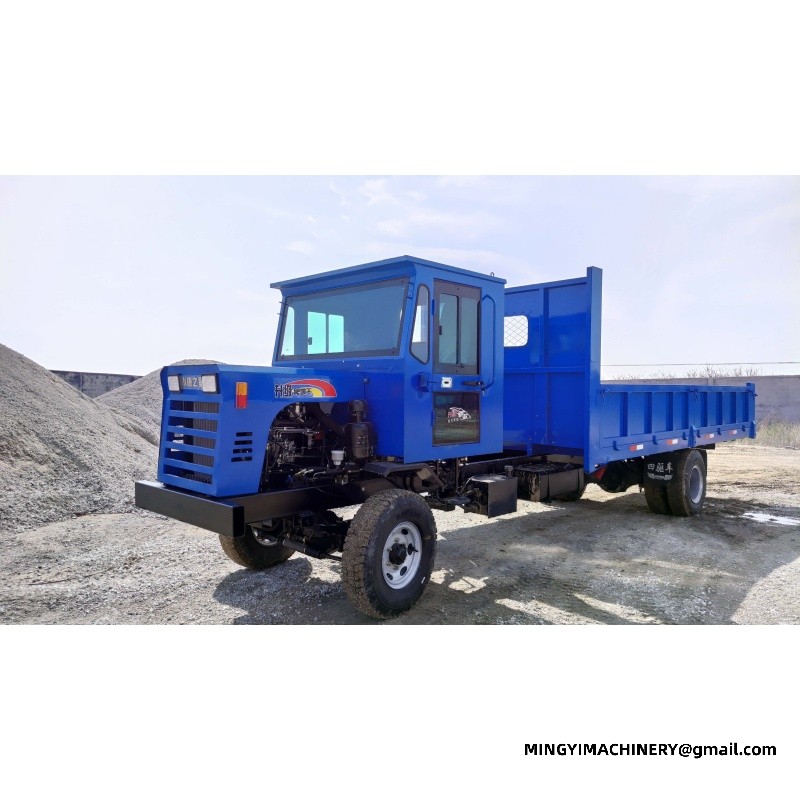
Body width is the decision that separates these machines. The 14.Luxury carries a body 2.2 m long by 1.5 m wide and 0.45 m high, the 17.Luxury the same length and depth at 1.8 m wide, the 18.Standard the same length at 2.1 m wide, and the 19.Upgraded a body 3.0 m long by 2.1 m wide and 0.45 m high. Two of the four sit on the reinforced 60 x 140 mm square tube frame and two on the reinforced 80 x 180 mm frame. Width decides what the machine can carry, and length decides how much of it.
What each width carries
The 1.5 m body on the 14.Luxury is the one for a narrow route: a hedge-lined track, a gate with a fixed width, or a site where the machine has to pass between obstacles. The 1.8 m body on the 17.Luxury is the middle option and the one that suits mixed work. The 2.1 m bodies on the 18.Standard and the 19.Upgraded carry bulky loads — bagged material, bundled items and anything that is wide rather than dense — and the 19.Upgraded adds the length for volume. Buyers who measure the narrowest point on the route first tend to get this right.
Engines: two ratings across the range
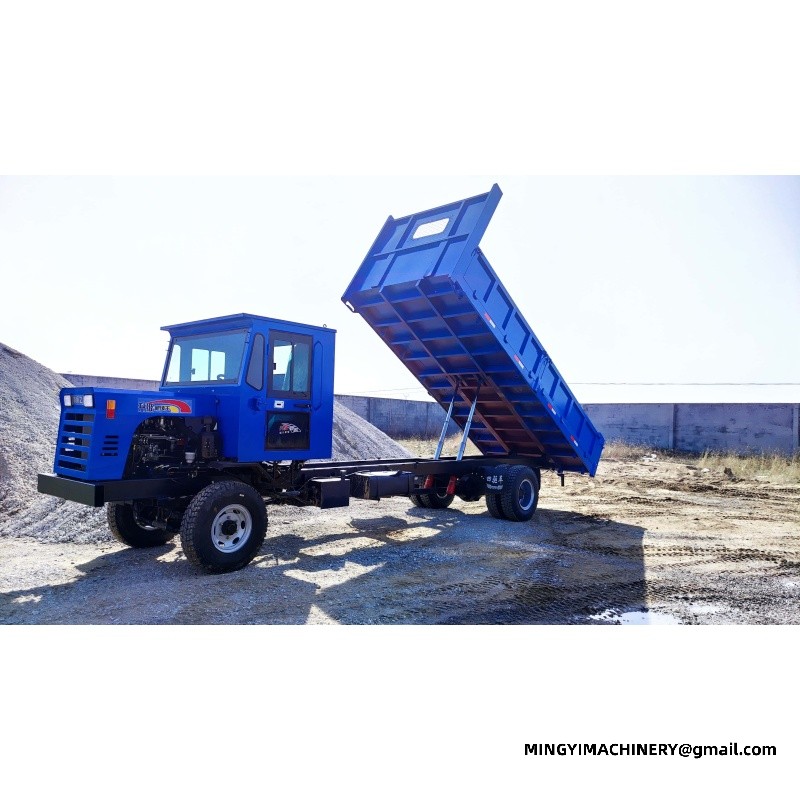
Two engines appear across the four configurations: a two-cylinder 38 hp on the 14.Luxury and a four-cylinder 490 on the 17.Luxury, against the four-cylinder 4102 turbocharged engine on the 18.Standard and the 19.Upgraded. The two-cylinder and the 490 suit a machine whose route is difficult rather than long, because the limit on difficult ground is what the surface will carry rather than what the engine will pull. The turbocharged 4102 is the one where the route is long as well as rough, or where the machine works a full day loaded.
Drive arrangements
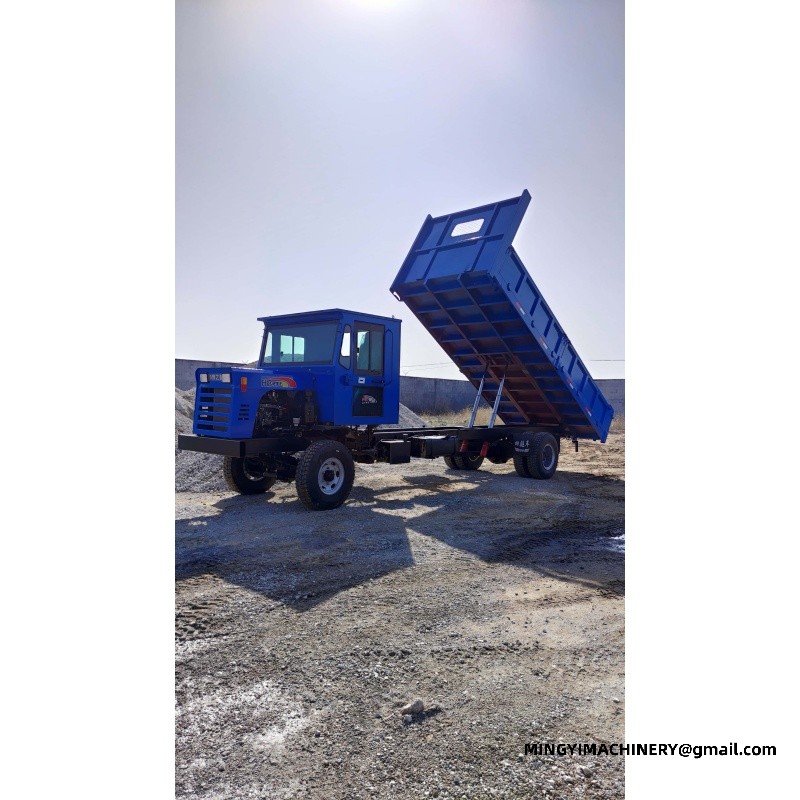
The 14.Luxury and the 17.Luxury use a part-time gearbox selectable between two- and four-wheel drive, and the 18.Standard and the 19.Upgraded use the Model 140 part-time gearbox with four-wheel drive. All four carry high and low range with a crawler gear. Selectable drive suits a route that alternates between a firm track and a soft section, since running in two-wheel drive on the firm part saves tyre and driveline wear. Where the ground is difficult from end to end, drive at both ends is used all day and the choice is less important.
Axles and braking
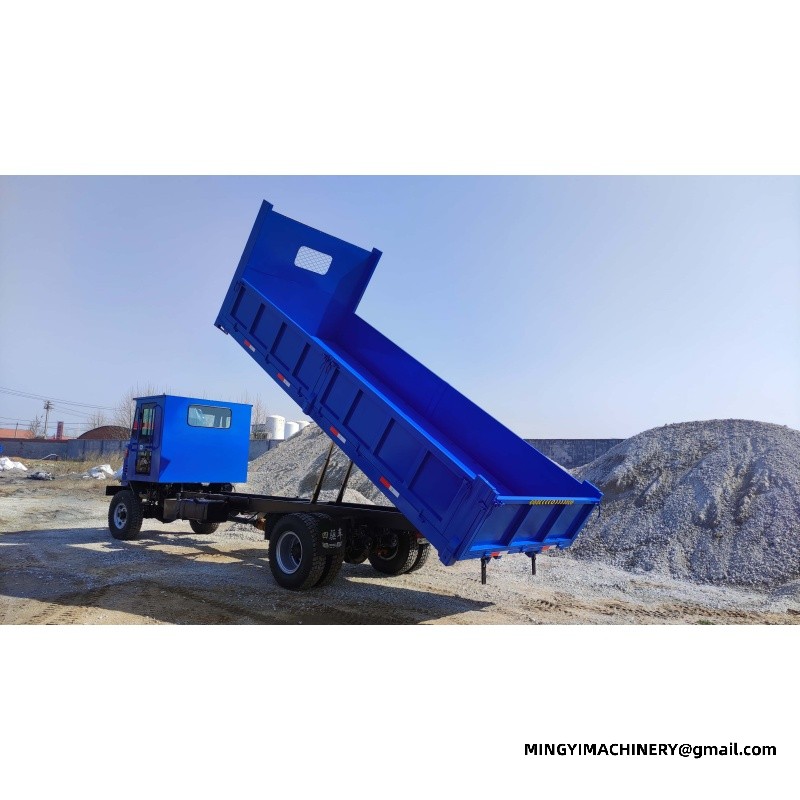
Axle specification follows the frame. The 14.Luxury runs a Model 212 front axle and a reinforced 130 rear axle, the 17.Luxury a reinforced 130 front axle with a reinforced ISUZU-pattern rear axle, and the 18.Standard and the 19.Upgraded reinforced ISUZU-pattern front axles with a reinforced 1061 rear axle. Air cut-off brakes are fitted to the 14.Luxury, the 17.Luxury and the 19.Upgraded; the 18.Standard uses oil brakes. On a rough route with a loaded body, the holding system is what the driver relies on during the descent rather than during the climb.
Tyres: two sizes and what each suits
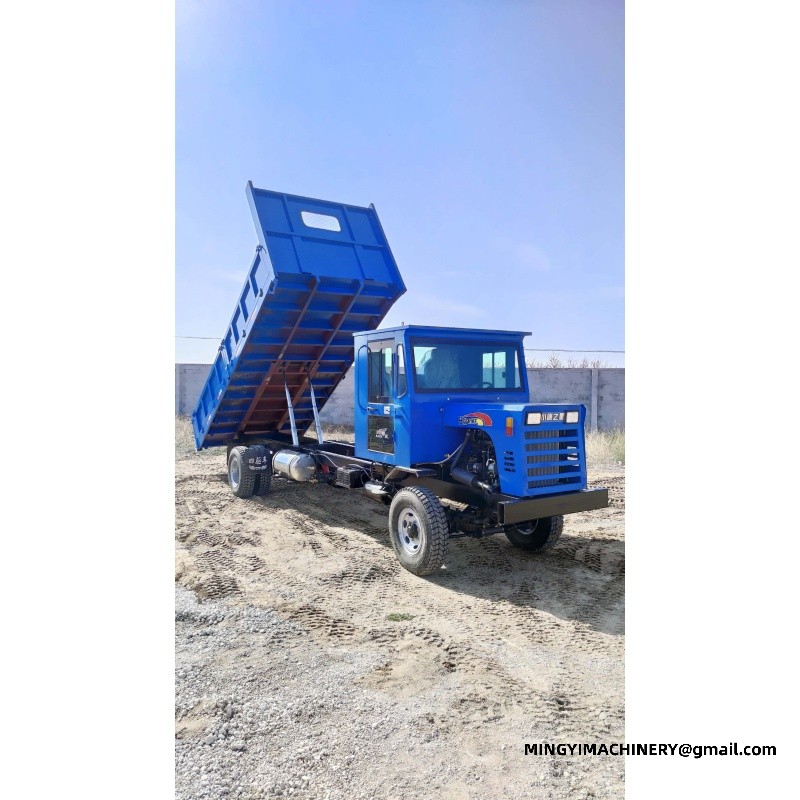
Three of the four run six 700-16 mountain tyres; the 19.Upgraded runs six 750R16 steel-belted radial tyres. The mountain pattern clears mud and loose fill and cuts through a wet surface to whatever is firm beneath it, which is what an unmade track needs. The larger radial on the 19.Upgraded suits a machine that covers distance on a graded route and carries the bigger body, where the wider footprint helps and the surface is less likely to pack the tread. Tyre life follows the route rather than the load.
Cab, seat and the working day
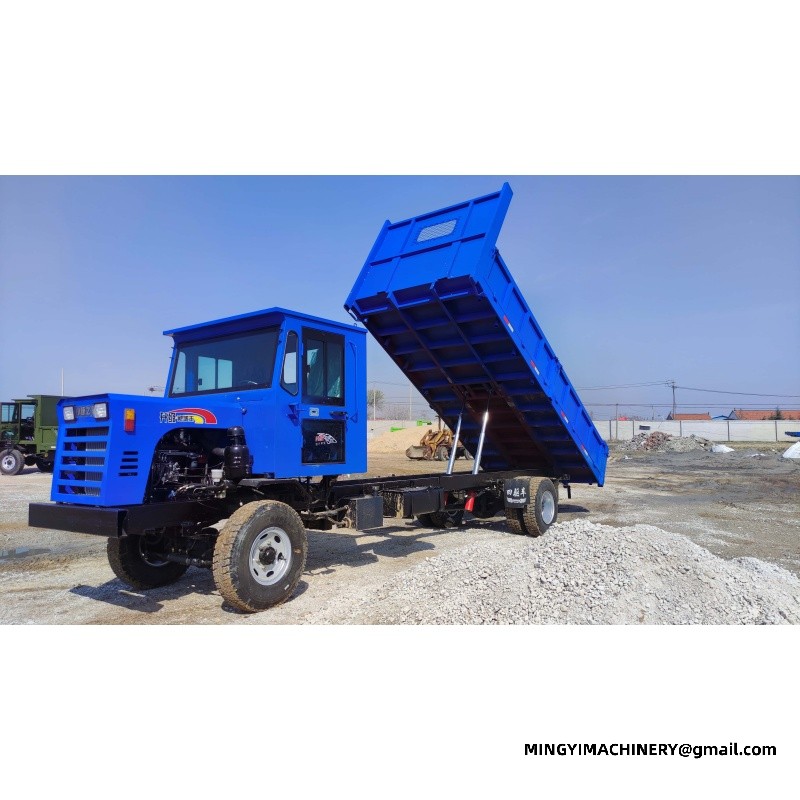
The 17.Luxury and the 19.Upgraded have a fully enclosed cab, the 14.Luxury an enclosed cab and the 18.Standard a simple cab. All four carry hydraulic power steering, a two-person comfort seat and twin-battery electric start. On a machine that works away from the yard, the cab is worth thinking about in terms of the day rather than the weather alone: a driver who has been out since first light and expects to finish in the dark works better with an enclosure than without one.
The tailgate and getting the load out
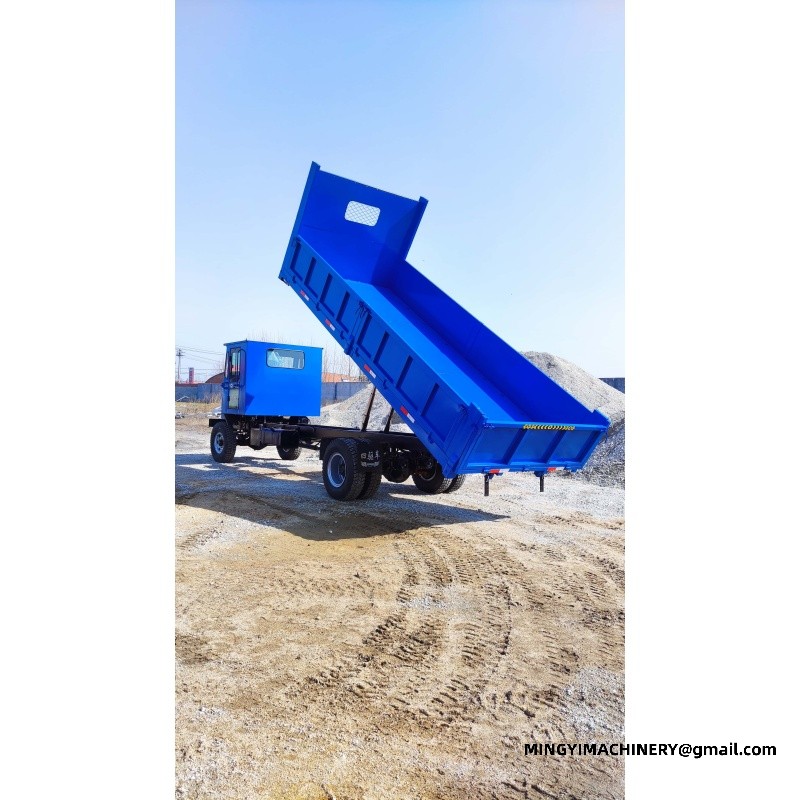
The 14.Luxury, the 17.Luxury and the 19.Upgraded have a side-opening rear body tailgate, and the 19.Upgraded pairs it with a cab ladder; the 18.Standard has the self-dumping tailgate fitted across the range. A side-opening tailgate lets the driver place material along an edge or into a trench rather than leaving a heap, and the ladder makes looking into the body a job that gets done. Every configuration uses twin hydraulic rams, which is what allows a load that has shifted to one side to be lifted without twisting the body.
Suspension and bonnet
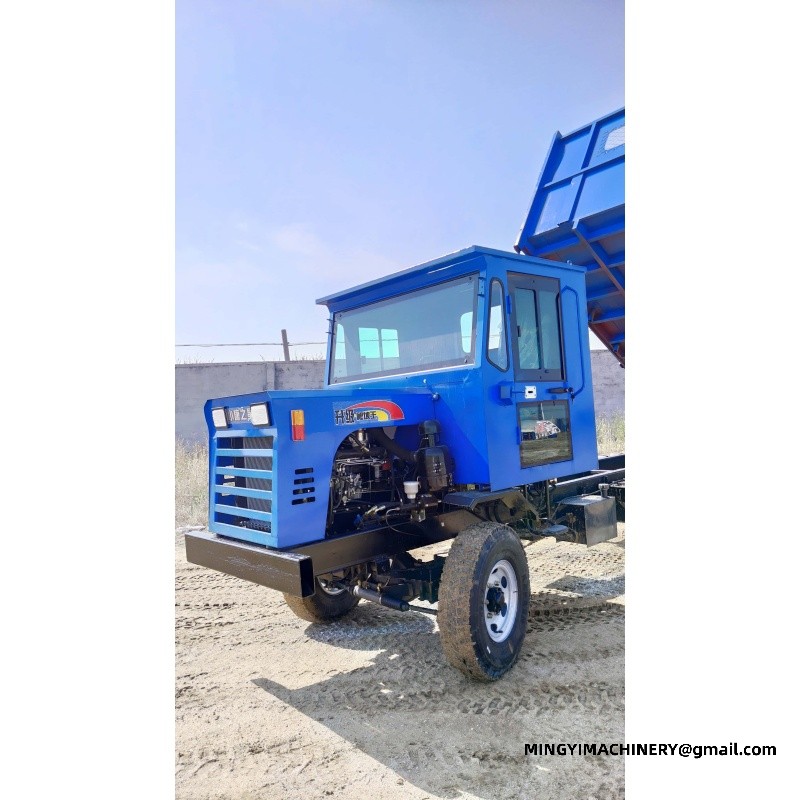
The 14.Luxury and the 17.Luxury specify heavy-duty leaf springs and the 19.Upgraded thickened heavy-duty leaf springs, which is what absorbs the repeated impact of a loaded body landing after a rough crossing rather than a steady weight. Bonnet shape splits as well: the 14.Luxury and the 17.Luxury keep the round-nose bonnet and the 18.Standard and the 19.Upgraded use the square-nose, which is the panel a driver sights over when placing the machine on uneven ground.
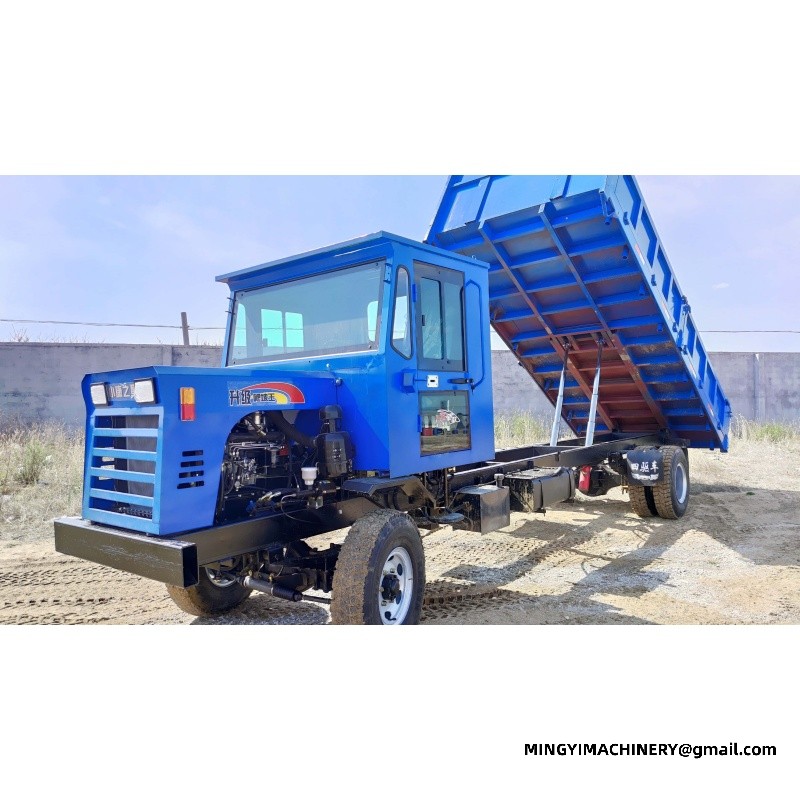
Crossing difficult ground
The technique on soft or loose ground is to cross it rather than attack it. Keep the machine moving, use low range rather than wheelspin, and plan the route so that a loaded machine is never required to restart on the worst section. Six tyres rather than four buys margin, and a machine that has stopped on soft ground is considerably harder to recover than one that is still moving at walking pace. Where a route floods, walking the crossing first is worth more than any specification.
Steep sections and the loaded descent
On steep ground the descent deserves the planning. Choose the gear on the way up, keep the machine in low range on the way down, and let the engine do the work rather than the brakes. A loaded machine should never be relying on its brakes alone on a loose surface. Where a steep section is used every day, grading it is worth more than changing the machine, and it is usually the difference between a route that works after rain and one that is closed until it dries.
Loading and securing on an unmade route
A load on a rough route moves, and the wider bodies make that easier to manage rather than harder: material spread across a wider floor sits lower and shifts less than the same load heaped in a narrow one. Anything bagged or bundled should be secured before the machine leaves, because a load that has slid is harder to tip out than one that has not. Where the machine is loaded by another machine, the body should be matched to the bucket rather than chosen for the route.
Daily checks after a hard route
A machine working difficult ground needs the walk-around more than one on a smooth site. At the start of each shift: the body and ram mountings, the hydraulic hoses where they run past the body, tyre condition and pressures, brake response and fluid levels, and the tailgate latch. Air filtration needs more frequent attention in dust, and after a water crossing the brakes should be checked before the machine is loaded again. Those checks are what keep a remote machine working rather than stranded.
Parts, service and one driveline across a fleet
The engine brand and the axle pattern decide how easily a machine is supported, and components the local network already carries are serviced from stock rather than ordered in. Buyers who expect to add a second machine should settle the driveline on the first order, because one engine brand and one axle pattern means one parts shelf and a driver who can move between machines without relearning the controls. Remote diagnosis shortens most faults, since a walk-around on video with the panels open usually identifies the cause without waiting for a visit.
Packing, papers and pre-shipment checks
For export orders, packed dimensions, securing points and any dismantling required are settled before the machine leaves the factory, and the commercial invoice, the packing list and any certificate the destination requires are agreed at order stage, because papers that arrive incomplete delay clearance longer than the voyage takes. Before crating, each machine is run: the engine is brought to temperature, the tipping circuit is cycled under load, the brakes are tested with a load, and every function is checked against the build sheet that travels with it.
Which configuration to start from
Measure the route first. A narrow track points at the 14.Luxury with the 1.5 m body; a mixed route with no width limit points at the 17.Luxury and its 1.8 m body. Where the load is bulky rather than dense, the 2.1 m bodies on the 18.Standard and the 19.Upgraded are the ones to look at, and where volume matters as well as width, the 19.Upgraded adds the 3.0 m length and the larger radial tyres to suit a graded route.
| # | 14.Luxury | 17.Luxury | 18.Standard | 19.Upgraded |
|---|---|---|---|---|
| 1 | Two-cylinder diesel engine, 38 hp | Four-cylinder 490 diesel engine | Four-cylinder 4102 turbocharged diesel engine | Four-cylinder 4102 turbocharged diesel engine |
| 2 | Part-time gearbox, selectable 2WD/4WD | Part-time gearbox, selectable 2WD/4WD | Model 140 part-time gearbox with four-wheel drive | Model 140 part-time gearbox with four-wheel drive |
| 3 | High/low range with crawler gear | High/low range with crawler gear | High/low range with crawler gear | High/low range with crawler gear |
| 4 | Enclosed cab | Fully enclosed cab | Simple cab | Fully enclosed cab |
| 5 | Six 700-16 mountain tyres | Six 700-16 mountain tyres | Oil brakes | Six 750R16 steel-belted radial tyres |
| 6 | Model 212 front axle | Reinforced 130 front axle | Six 700-16 mountain tyres | Reinforced ISUZU-pattern front axle |
| 7 | Reinforced 130 rear axle | Reinforced ISUZU-pattern rear axle | Reinforced ISUZU-pattern front axle | Reinforced 1061 rear axle |
| 8 | Air cut-off brakes | Air cut-off brakes | Reinforced 1061 rear axle | Air cut-off brakes |
| 9 | Reinforced 60 x 140 mm square tube frame | Reinforced 60 x 140 mm square tube frame | Reinforced 80 x 180 mm square tube frame | Reinforced 80 x 180 mm square tube frame |
| 10 | Rear body 2.2 m long x 1.5 m wide x 0.45 m high | Rear body 2.2 m long x 1.8 m wide x 0.45 m high | Rear body 2.2 m long x 2.1 m wide x 0.45 m high | Rear body 3.0 m long x 2.1 m wide x 0.45 m high |
| 11 | Tailgate with self-dumping function | Tailgate with self-dumping function | Tailgate with self-dumping function | Tailgate with self-dumping function |
| 12 | Side-opening rear body tailgate | Side-opening rear body tailgate | Hydraulic power steering | Side-opening rear body tailgate with cab ladder |
| 13 | Hydraulic power steering | Hydraulic power steering | Twin hydraulic rams | Hydraulic power steering |
| 14 | Twin hydraulic rams | Twin hydraulic rams | Two-person comfort seat | Twin hydraulic rams |
| 15 | Heavy-duty leaf springs | Two-person comfort seat | Twin-battery electric start | Two-person comfort seat |
| 16 | Two-person comfort seat | Heavy-duty leaf springs | Square-nose bonnet | Thickened heavy-duty leaf springs |
| 17 | Twin-battery electric start | Twin-battery electric start | — | Twin-battery electric start |
| 18 | Round-nose bonnet | Round-nose bonnet | — | Square-nose bonnet |
For a specification discussion or a build sheet for this all terrain transporter, contact sales@mingycn.com or reach us on LINE (ID: mingyicn).









