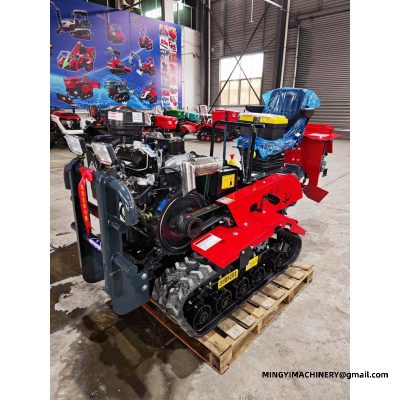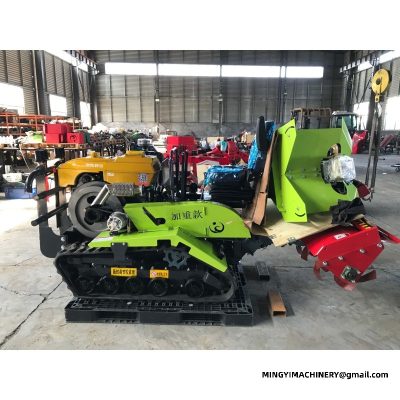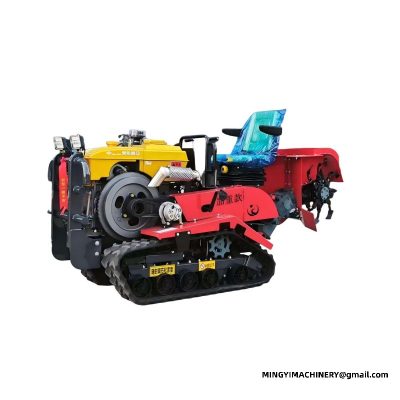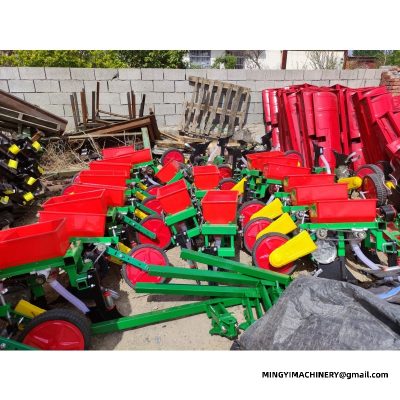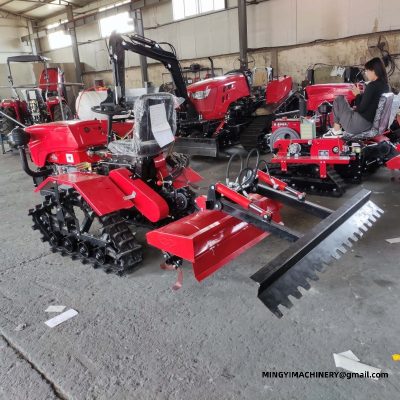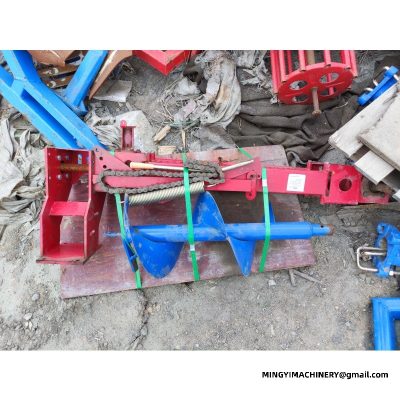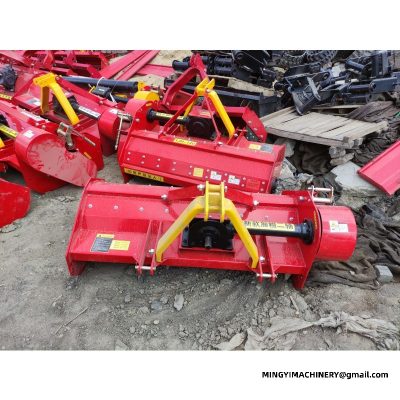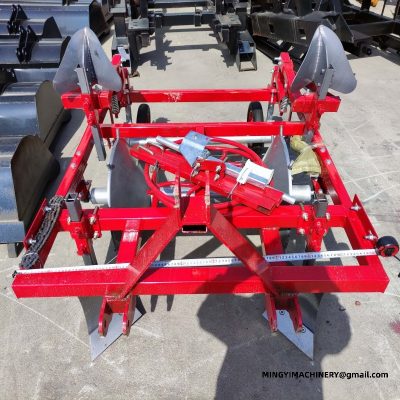
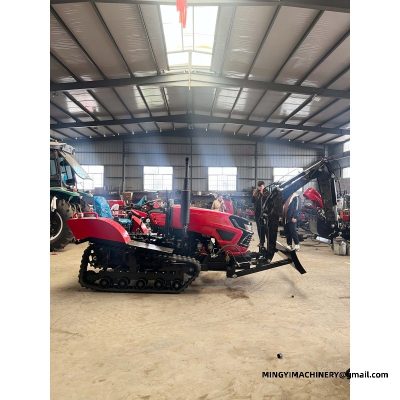
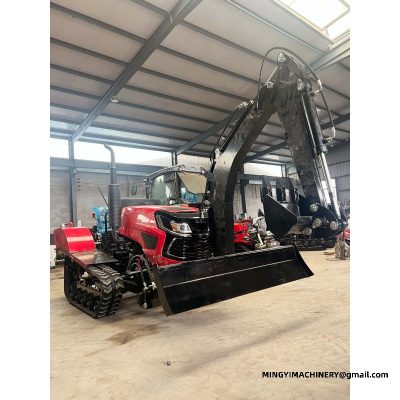
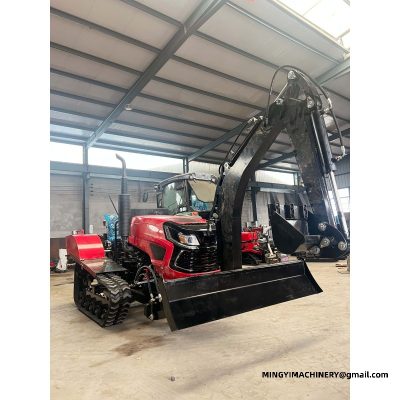
There is a version of the tiller for almost every site, and the differences are practical rather than cosmetic. What follows is organised the way a specification is actually settled: the job first, then the ground, then the machine, then the paperwork.
Cold weather and low temperature work with crawler rotary tiller
Cold changes how a machine starts and how it warms up. Allowing this class of machine to reach operating temperature before loading it, and using the correct grade of oil and fuel for the season, prevents most cold-start problems.
PTO drive, gearbox and implements for crawler rotary tiller
The implement is driven from the rear PTO, so the gearbox rating matters. Matching the gearbox of a machine of this size to the widest implement the farm will run avoids a machine that is fine on a tiller and short on a trencher. Implement width should follow the power. The unit in daily use with an implement wider than it can drive will labour, burn more fuel and leave an uneven tilth, and the correct width is the one that holds a steady engine speed.
Daily checks and maintenance on crawler rotary tiller
Service intervals exist because wear is predictable. Following the maker schedule on the equipment on site takes far less time than repairing the damage that follows a missed oil change or a filter left in place past its life. A simple log helps. Recording hours, fuel and any adjustment made to the machine itself gives the workshop a history, and that history is what turns an intermittent fault into a one-visit repair instead of three.
Customisation and build options for crawler rotary tiller
Build options are where a standard machine becomes the right machine. Colour, guarding, lighting, seating and hydraulic provisions can usually be set at build time on the model in question, and are far simpler then than as a retrofit.
Dust, mud and abrasive conditions around crawler rotary tiller
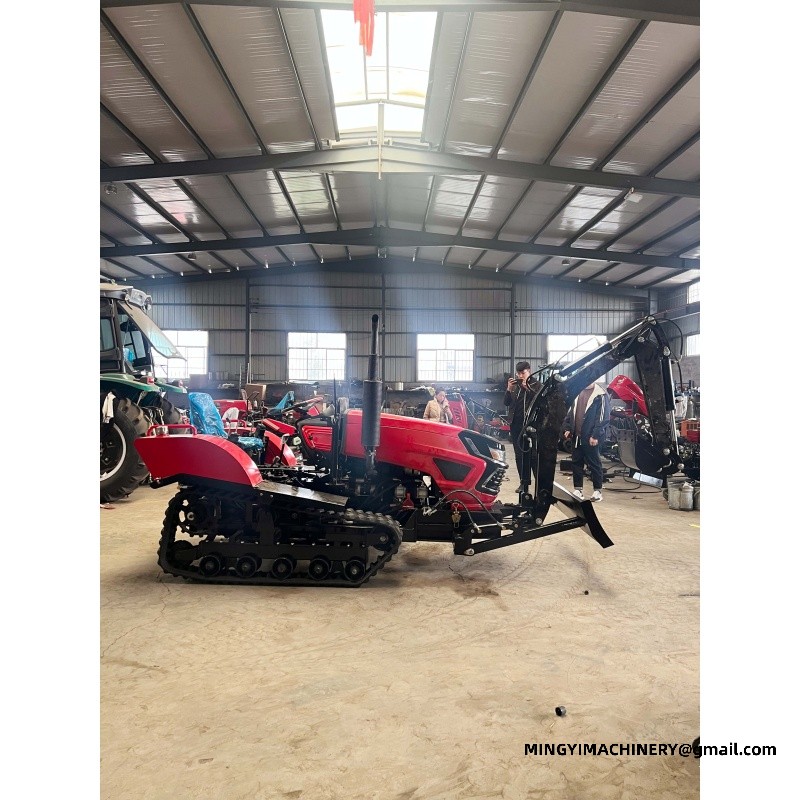
Abrasive conditions shorten service intervals. Air filters, seals and any exposed sliding surface on the machine in that duty need attention more often in dusty or muddy work, and the extra checks prevent far more wear than the time they take.
Operator technique and familiarisation
Machine output varies more between operators than between brands. Smooth, planned movements put less load on the structure and use less fuel, and that difference is visible on the hour meter and in the service bills for the unit on the job. Familiarisation should cover the limits as well as the controls. Knowing where a machine built for the work loses stability, how it behaves at full reach, and what the warning lights mean prevents the incidents that are put down to bad luck.
Ordering, lead time and delivery of crawler rotary tiller
Lead time is part of the specification. Confirming build time, shipping method and what is included before ordering the equipment in service prevents the common gap between when the machine is needed and when it can arrive.
Working hours and duty cycle of crawler rotary tiller
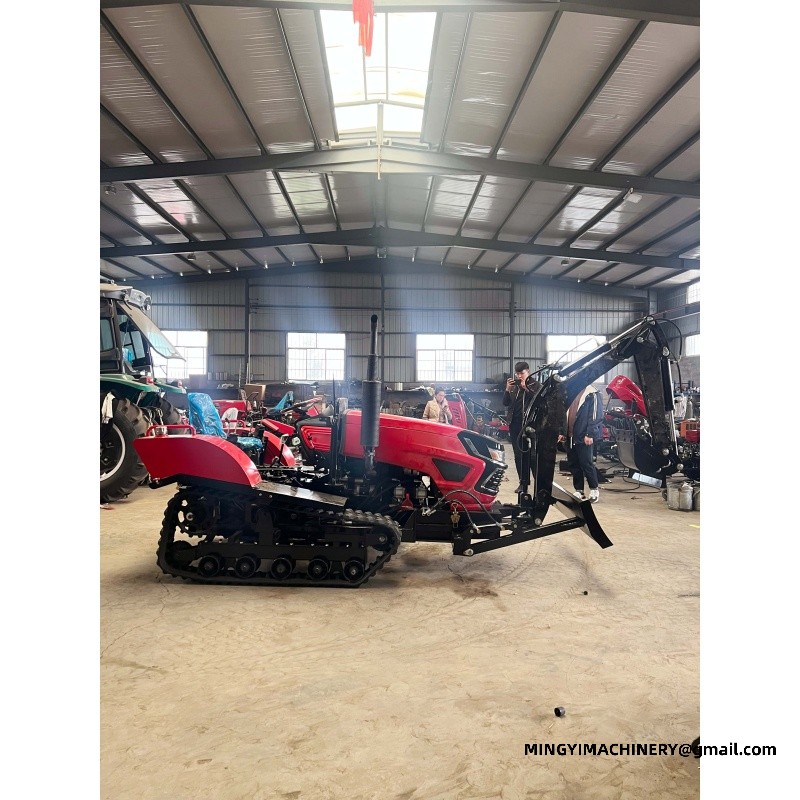
Duty cycle is the honest measure of a machine. The tiller working a few hours a week has different needs from one working two shifts, and the cooling, filtration and service intervals should follow the hours rather than the calendar. Seasonal work changes the maintenance calendar. Machines that work hard for two months and stand for ten need preparation before storage and a check before returning to work, and both are simpler than the repairs they prevent.
Orchard, vineyard and row crop use of this class of machine
Turning room at the headland matters in short rows. The unit in daily use that turns inside its own length covers more of a small plot per hour than a larger machine that has to reverse out of every row.
Fitting a machine of this size into the wider site plan
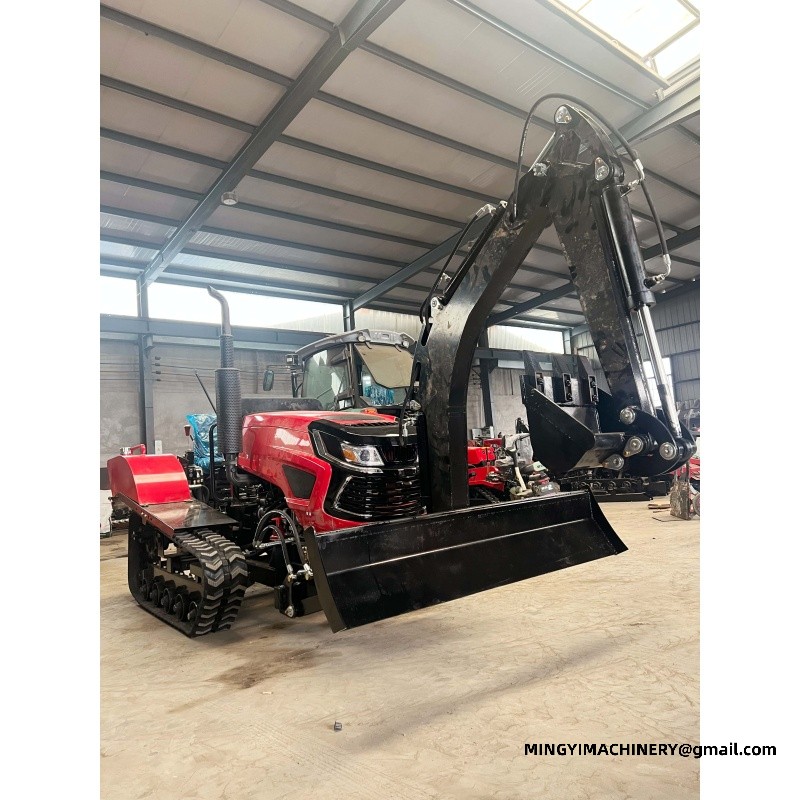
Machine productivity depends on what happens around it. Deliveries, other trades and the sequence of work decide how much of the shift the equipment on site spends actually working rather than waiting. Sequencing avoids rework. Doing the work in the order that suits the ground and the following trades keeps the machine itself productive and prevents finishing a task that then has to be opened up again.
Specifying the model in question against the job list
The specification should be written from the job backwards. Listing the loads, the ground and the hours first, then matching the machine in that duty to that list, avoids buying capacity the work never uses and avoids discovering a shortfall in the first week. Buyers who specify the unit on the job on paper before enquiring get specifications that can be compared. Without that list, two suppliers will propose two different machines and the simpler one is usually the smaller one, not the better value.
Safe working practice around a machine built for the work
Most incidents around machinery come from the space rather than the machine. Exclusion zones, a clear signal person and a check on what is behind the tiller before it moves cover the large majority of the risk on a working site. Personal protective equipment and a stop rule are simple controls. Agreeing before work starts that anyone can stop the job is the single measure that most often prevents a serious incident near the equipment in service.
Transporting this class of machine to and between sites
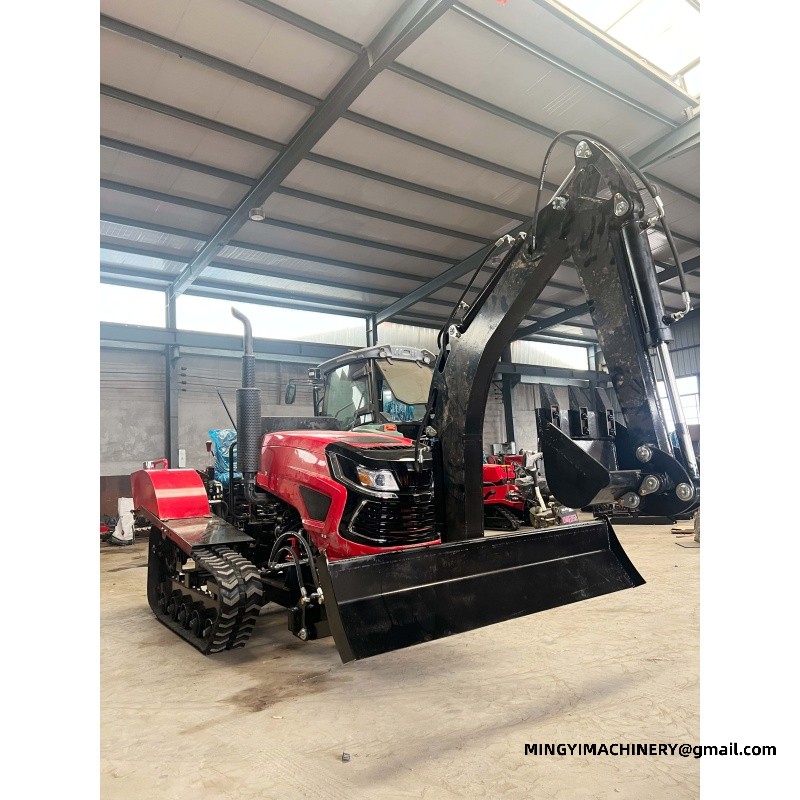
Moving the machine is part of owning it. Overall length, width and height decide which trailer or container the unit in daily use fits, and a machine that needs a permit or an abnormal load escort is a machine with a delivery delay built in. Owners who work across several sites should check the transport dimensions before ordering. A machine of this size that fits a standard trailer can be moved by any operator with a suitable vehicle, while an over-width machine narrows that choice and complicates every move. Shipping dimensions matter as much on export orders as they do locally. Confirming the packed size of the equipment on site before booking avoids re-booking freight after the machine is built.
Lighting and low light operation of the machine itself
Working after daylight changes the risk. Lighting coverage on the machine in that duty and across the working area, plus high-visibility clothing for anyone on foot, are the items that make low-light work practical. Visibility from the seat is different at night. Reflections, shadows and glare all hide detail, so the model in question used after dark benefits from clean lenses, working wipers and a slower working pace. Planning helps more than extra lamps. Positioning the unit on the job so that the work is lit from the machine side, and keeping the route clear, does more for safety than adding light to a badly planned task.
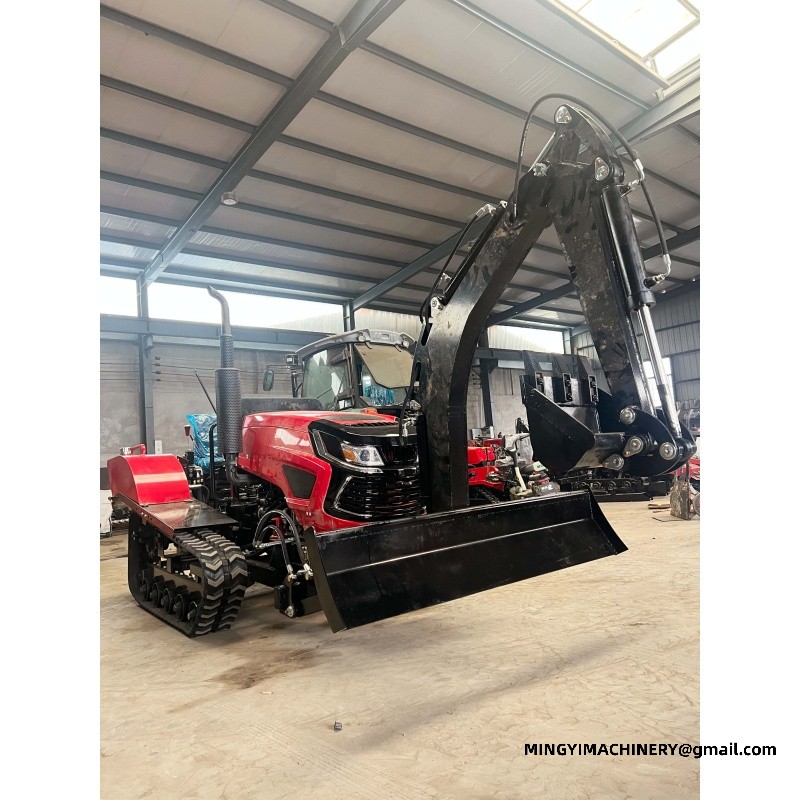
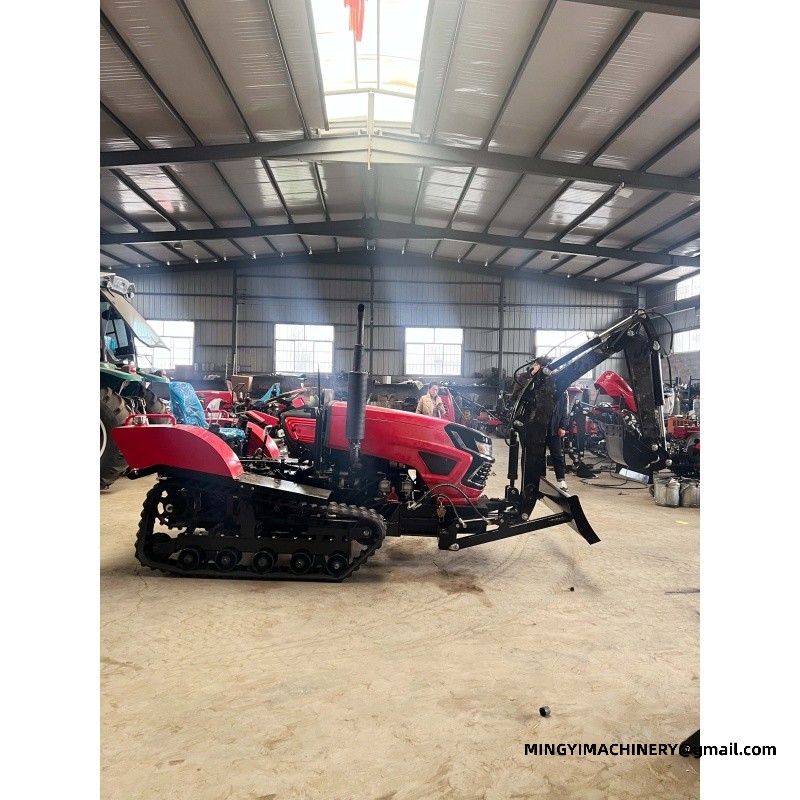
Track undercarriage and ground pressure on a machine built for the work
The track is what makes the machine usable on soft ground. A wider track spreads the weight of this class of machine over more area and lowers ground pressure, which is the difference between working after rain and waiting for the field to dry. Track tension and wear matter more than most owners expect. The equipment in service run with slack tracks wears the sprockets and rollers, and the effort of that neglect is a full undercarriage rather than an adjustment. Cleaning the undercarriage is part of the job. Mud and straw packed into the track frame of the tiller increases rolling resistance and accelerates wear, and a few minutes at the end of the day prevents it.
Upgrading and reconfiguring the unit in daily use
Upgrades should be checked against the base machine. Hydraulic capacity, mounting interface and stability all limit what can reasonably be added to a machine of this size, and confirming those limits avoids an unsatisfactory result.
Soil conditions and how the equipment on site works the ground
Tillage quality starts with the soil, not the machine. Dry, friable ground breaks up in one pass, while the same the machine itself on heavy wet clay needs a second pass and a lower gear, so the ground survey belongs before the working width is chosen. The working pass should follow the field. Running the model in question along the contour on a slope and across the previous pass on the flat gives a more even tilth than following the same line every season.
Paddy field and wet land work with the machine in that duty
Standing water hides the ground underneath. Working the unit on the job in a paddy means accepting slower progress and planning the turns, because the places where the machine sinks are the places where the soil has already been disturbed. Wet and dry field versions exist for a reason. A machine built for the work built only for dry land will struggle in a paddy, while one built for both gives up a little on each and is usually the better choice for a mixed farm.
Reference data for the equipment in service
The models below cover the tiller range. Power, working condition, engine series and track width are confirmed together, because the field the machine works in decides the track and the engine before the working width matters.
| Model | Working condition | Engine series | Induction | Track width |
|---|---|---|---|---|
| 50 hp dry field crawler rotary tiller | dry field | 490 series | — | — |
| 80 hp wet and dry field crawler rotary tiller | wet and dry field | 495 series | turbocharged | — |
| 70/75 hp wet and dry field crawler rotary tiller | wet and dry field | 490 series | turbocharged | — |
| 100 hp wet and dry field crawler rotary tiller | wet and dry field | — | — | 350 mm |
| 70/75 hp dry field crawler rotary tiller | dry field | 490 series | turbocharged | — |
| 60 hp dry field crawler rotary tiller | dry field | 495 series | — | — |
| 80 hp wet and dry field crawler rotary tiller | wet and dry field | 495 series | turbocharged | — |
| 120 hp paddy field crawler rotary tiller | paddy field | — | — | 350 mm |
Implements and options for this class of machine
| Item | Note |
|---|---|
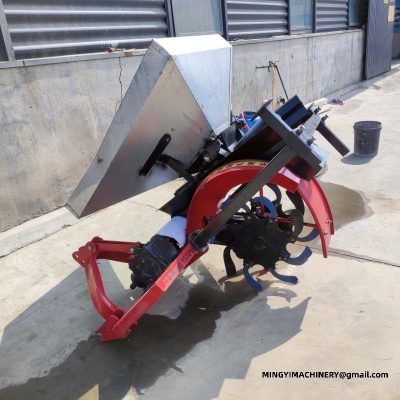
| rotary tiller , 1.6 m working width , 125 gearbox | — |
| 1.8 m rotary tillagefertilisingcombined machine | working width 1.8 m |
| engineering bucket | — |
| simple canopy | — |
| rotary tiller , 1.3 m working width , 125 gearbox | — |
| offset trencher | — |
| sprayer | — |
| 1.5 m straw returning | working width 1.5 m |
Documents that travel with the unit in daily use
Documentation should match the machine that was actually built. The sheet supplied with a machine of this size records the configuration as delivered, because the generic catalogue description is not what the customer needs when ordering a part.
A second operator for the equipment on site
Training is simpler than repair. An hour spent with a new operator on the machine itself, covering the limits and the awkward cases, is the least lengthy hour in the whole ownership.
Planning the season around the model in question
Workload is rarely even across the year, and the machine should be specified for the busy weeks. The machine in that duty sized only for the average month will be the limiting factor exactly when the work is worth the most.
Cold weather and winter care for the unit on the job
Starting is only the first problem. Until a machine built for the work reaches working temperature the hydraulic response is slower and the seals are stiffer, and warming the machine before asking for full output avoids unnecessary strain.
Handover and getting familiar with the equipment in service
Familiarisation is not the same as reading the manual. Sitting on the tiller, working through the controls at low speed and learning where the machine balances takes an hour, and that hour is what keeps the first week uneventful.
Pre-delivery inspection before this class of machine leaves the shop
What the customer sees on arrival is decided before departure. The walk-around given to the unit in daily use covers the same points the operator will check on day one, so there are no surprises when the crate is opened at the destination.
Fuel, oil and fluid quality for a machine of this size
Contamination is easier to prevent than to cure. Keeping the filler caps sealed, the funnels clean and the containers closed around the equipment on site is unglamorous work that shows up as reliability later.
Packing, loading and shipment of the machine itself
Container loading is a planning exercise. The overall dimensions and the operating weight of the model in question decide whether it ships whole, partly disassembled or with the attachment removed, and that decision is made before the booking.
Every line above comes from the build sheet for the machine in that duty, and the final configuration is confirmed against the working conditions and the destination before production.
E-mail:sales@mingycn.com
LINE(ID):mingyicn
Related pages
tracked farming tractor · hillside farming tractor · heavy duty diesel tricycle · Crawler Type Rotary Tiller