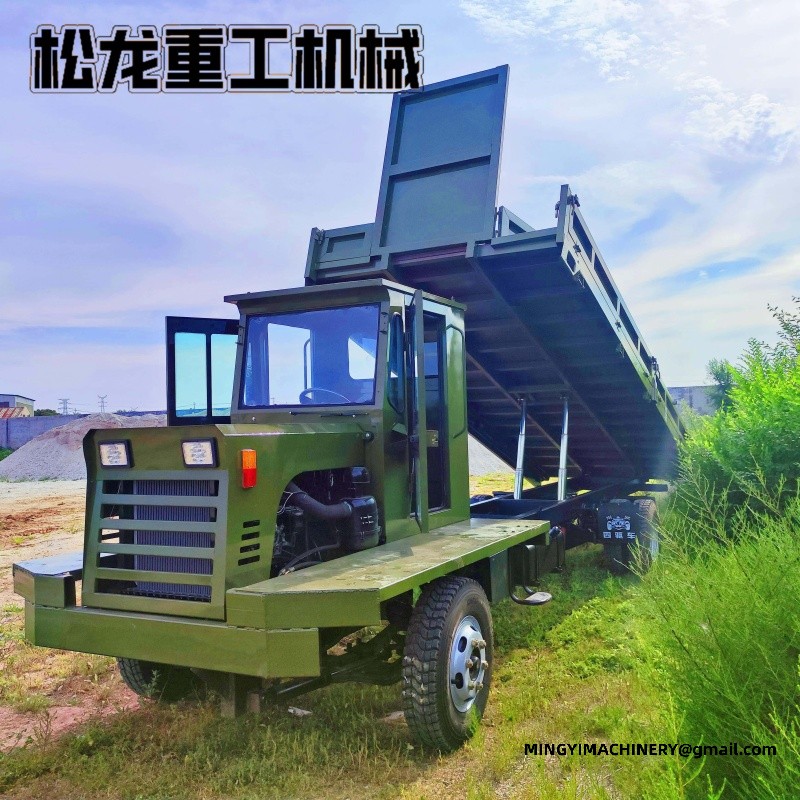
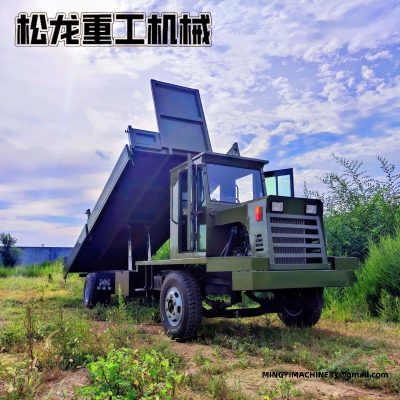
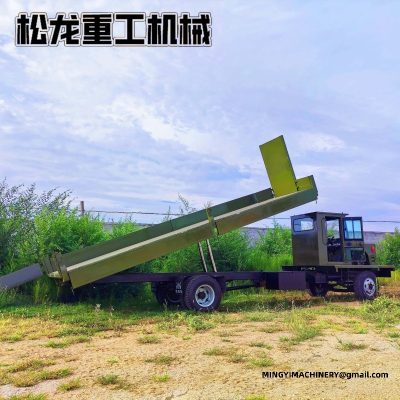
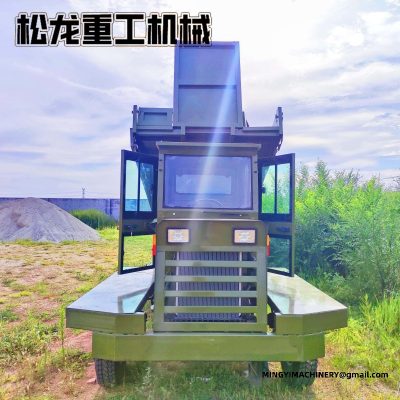
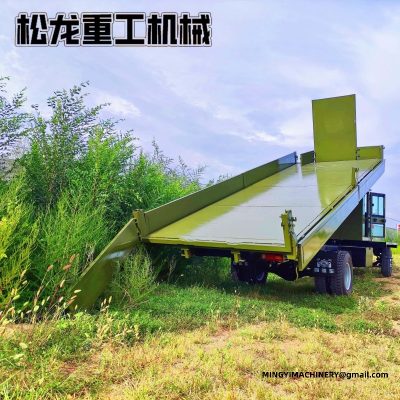
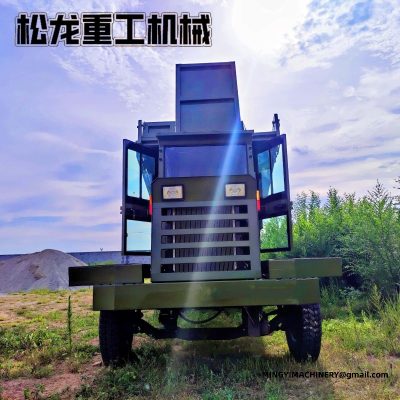
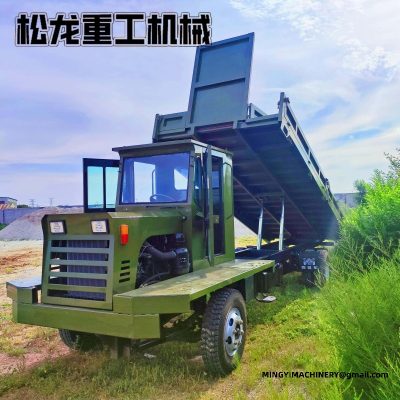
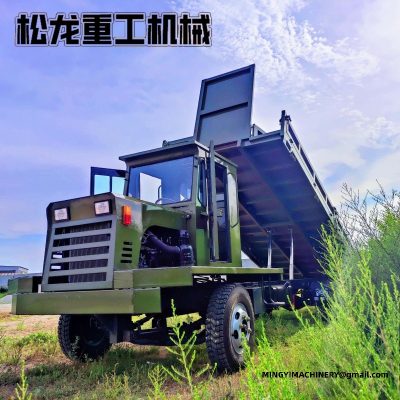
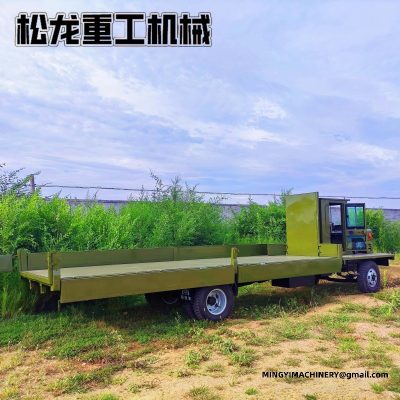
Choosing the dumper usually comes down to a handful of decisions made early: size, power, the ground it will work on and the attachments it has to carry. The notes below follow that order, because each one narrows the next.
Transporting 4WD transport vehicle to and between sites
Moving the machine is part of owning it. Overall length, width and height decide which trailer or container this class of machine fits, and a machine that needs a permit or an abnormal load escort is a machine with a delivery delay built in.
Lighting and low light operation of 4WD transport vehicle
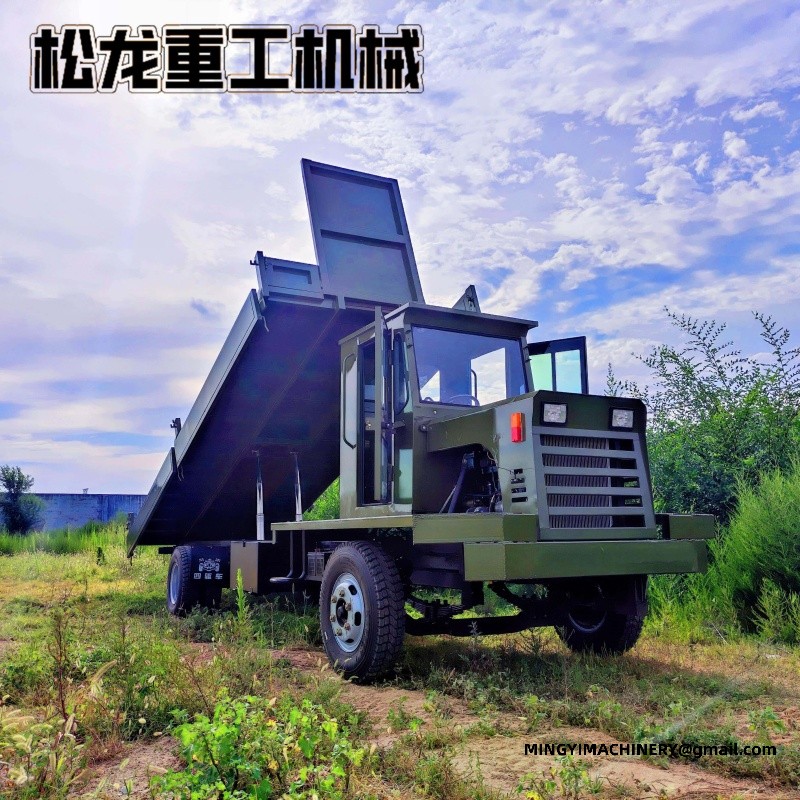
Working after daylight changes the risk. Lighting coverage on the unit in daily use and across the working area, plus high-visibility clothing for anyone on foot, are the items that make low-light work practical.
Fitting 4WD transport vehicle into the wider site plan
Machine productivity depends on what happens around it. Deliveries, other trades and the sequence of work decide how much of the shift a machine of this size spends actually working rather than waiting. Access and storage are worth settling early. Where the equipment on site will be parked, refuelled and serviced on site affects the working day more than most specification details, and it takes nothing to plan. Sequencing avoids rework. Doing the work in the order that suits the ground and the following trades keeps the machine itself productive and prevents finishing a task that then has to be opened up again.
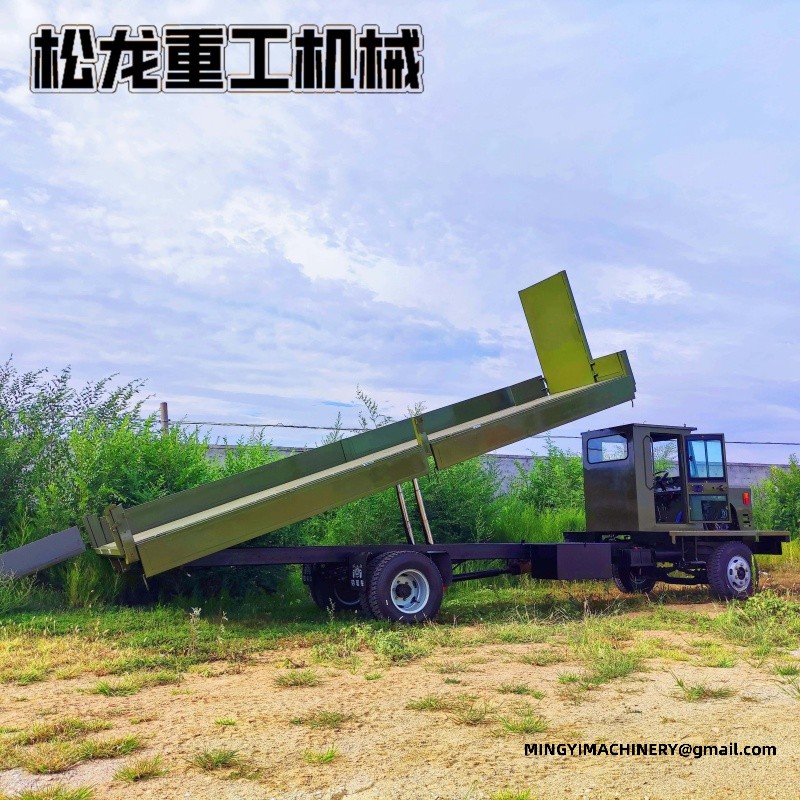
Crane and grab attachments on 4WD transport vehicle
Adding a crane changes the vehicle specification. Hydraulic capacity, frame strength and braking all need to suit the attachment, and it is simpler to specify them at build than to add them later.
Soft ground, paddy fields and mud with 4WD transport vehicle
Four-wheel drive is only part of soft ground capability. Tyre choice, ground clearance and weight distribution decide whether the model in question keeps moving in a paddy field or a marsh, and all three are specified rather than assumed.
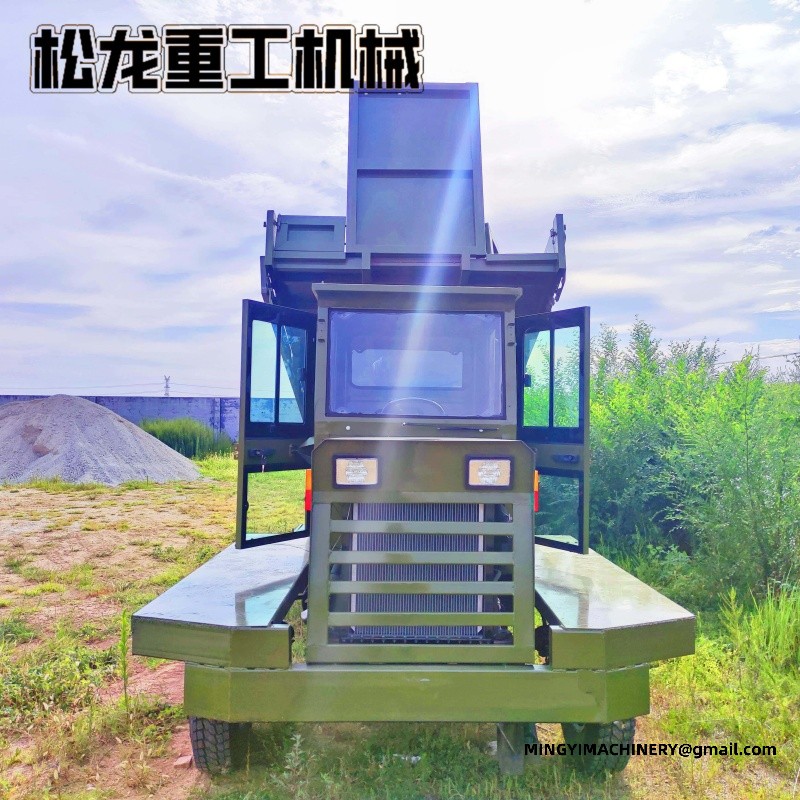
Safe working practice around 4WD transport vehicle
Most incidents around machinery come from the space rather than the machine. Exclusion zones, a clear signal person and a check on what is behind the unit on the job before it moves cover the large majority of the risk on a working site. Personal protective equipment and a stop rule are simple controls. Agreeing before work starts that anyone can stop the job is the single measure that most often prevents a serious incident near the machine in that duty.
Mixer drum bodies and concrete haulage 4WD transport vehicle
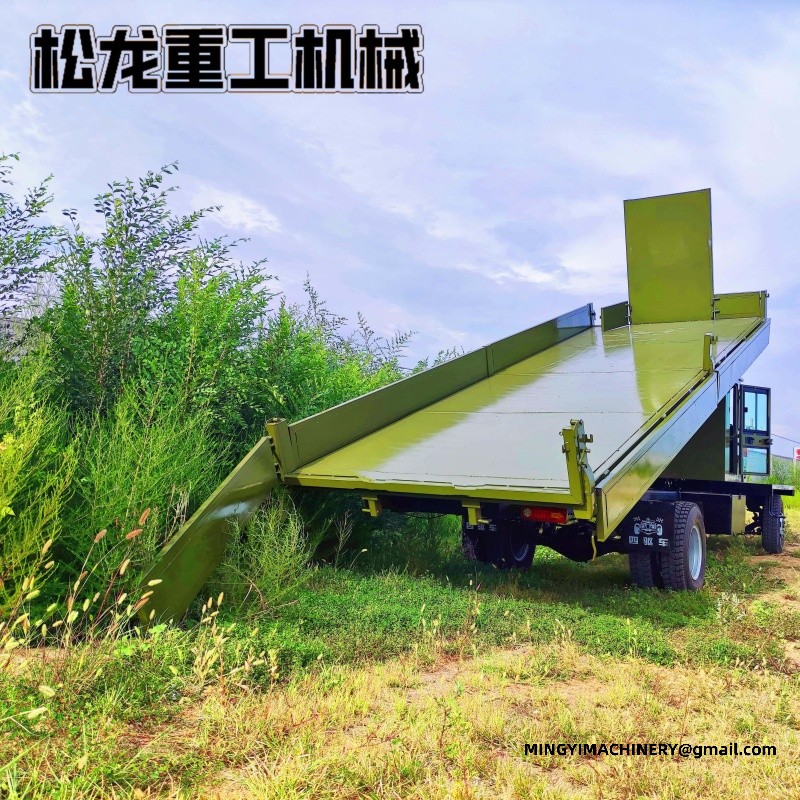
Carrying concrete changes the duty entirely. A machine built for the work with a mixer drum is working against the clock, and the specification follows the delivery distance and the site access rather than the load alone. Drum bodies need power and stability. The equipment in service set up for concrete has to carry the drum, the load and the water, and the frame and brakes should be specified for that combined weight. Cleaning and discharge are part of the job. The dumper used for concrete is judged on how quickly it can discharge and wash out, because that turnaround is what the site is paying for.
Farm and estate use of 4WD transport vehicle
Farm work is seasonal and varied. This class of machine that hauls feed in one month and muck or aggregate in the next earns its place by being usable across the year rather than by being optimised for one task. Ground on farms is often soft and often shared with livestock. The unit in daily use working there needs to cross pasture without rutting it badly, and tyre and weight choices follow from that. Farm users also value simplicity. A machine of this size that can be serviced in the yard with common tools and common parts suits a farm better than one that needs a dealer visit for routine work.
Resale value and replacement planning
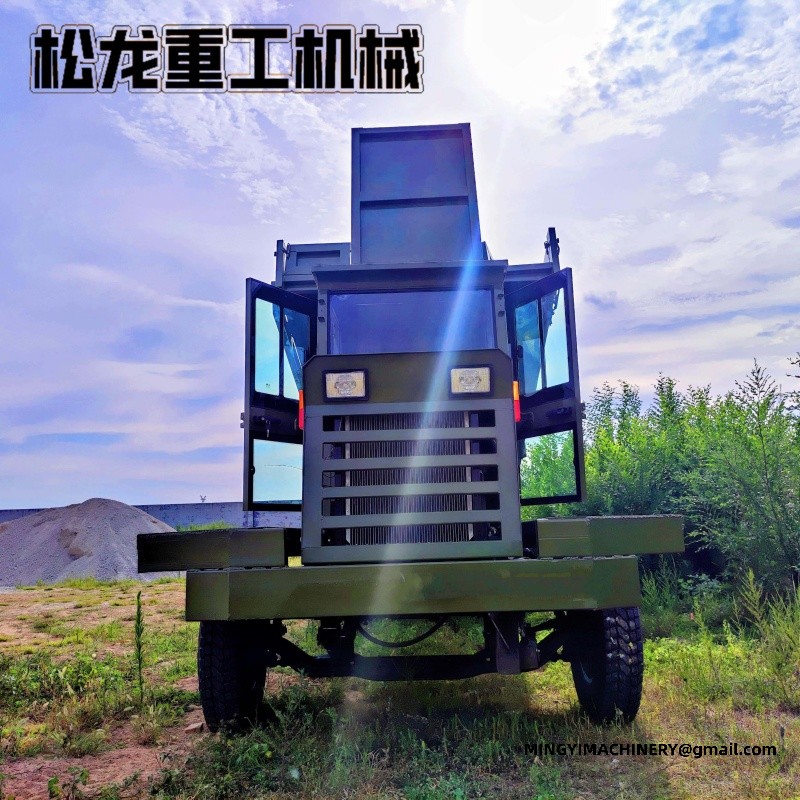
Resale starts at purchase. Specification choices, service records and the condition of wearing parts are what a buyer looks at, and the equipment on site that has been maintained on schedule is worth more than one that merely looks clean. Records are part of the asset. Keeping the service history and the hour records with the machine itself makes it easier to sell, easier to insure and easier to justify the replacement machine internally.
Cold weather and low temperature work with the model in question
Cold changes how a machine starts and how it warms up. Allowing the machine in that duty to reach operating temperature before loading it, and using the correct grade of oil and fuel for the season, prevents most cold-start problems. Batteries and fluids are the parts that notice the cold first. The unit on the job kept on a maintainer through a freezing spell starts on the first turn, while one left standing is the usual cause of a lost morning.
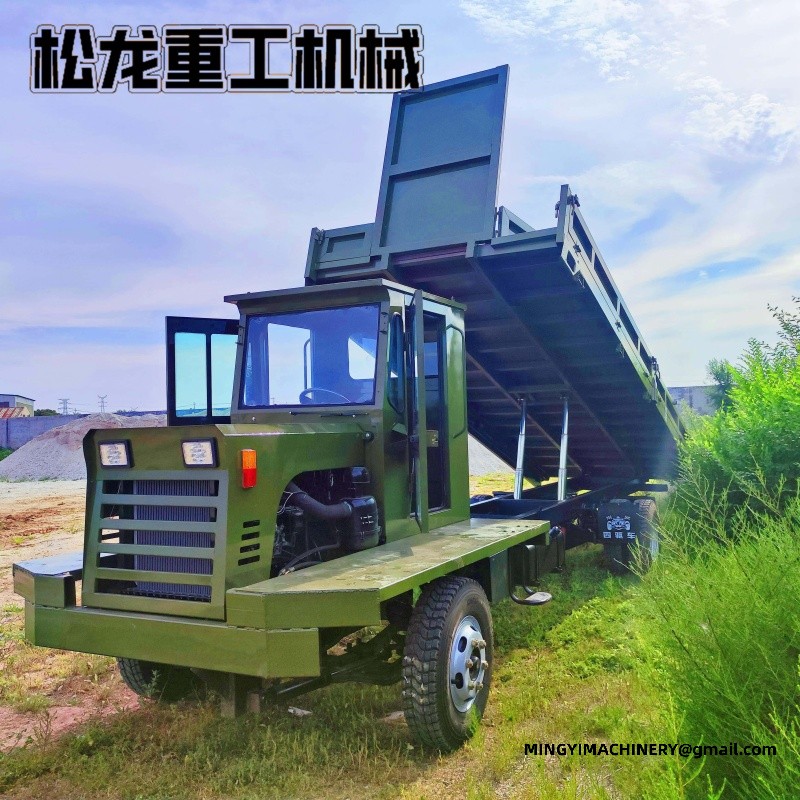
Parts, service and support for a machine built for the work
Parts availability usually decides the engine and the brand. A machine built around components the local network already carries is serviced from stock, which is the difference between a day lost and a week lost.
Storage and downtime care for the equipment in service
Standing still is hard on machinery. The dumper left for weeks benefits from a clean, dry, covered space, a charged battery and a fuel system prepared for the layoff, and all three effort very little.
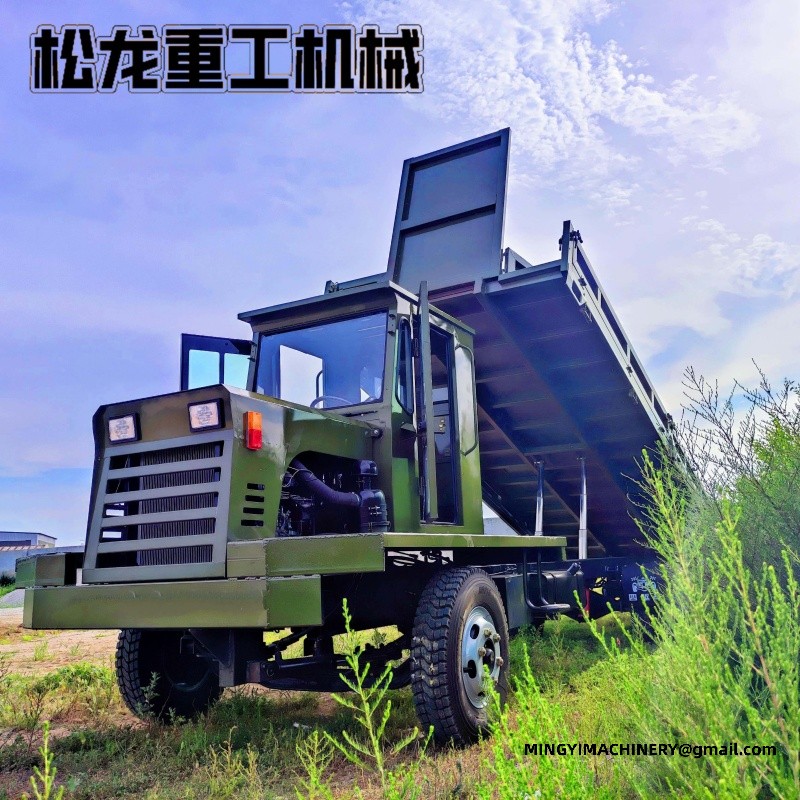
Ordering, lead time and delivery of this class of machine
Lead time is part of the specification. Confirming build time, shipping method and what is included before ordering the unit in daily use prevents the common gap between when the machine is needed and when it can arrive. The order should state the configuration in writing. Engine, attachments, colour, documents and any market requirement are clearer on the build sheet for a machine of this size than in a conversation after delivery.
Attachments and working tools for the equipment on site
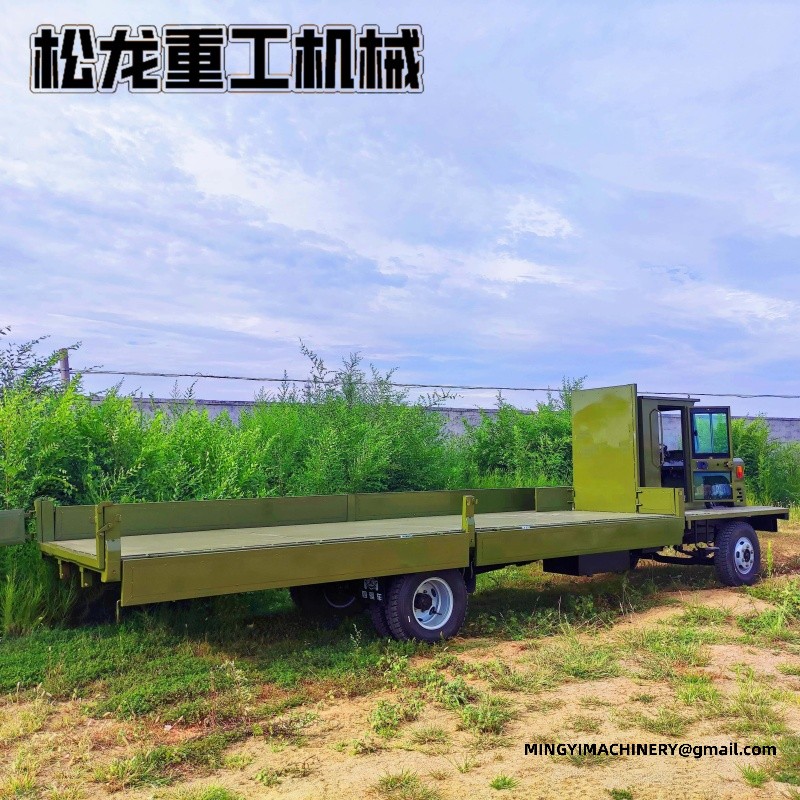
The base machine is only as useful as the tool on the end of it. Matching the attachment to the task - rather than to what arrived with the machine - is what lets one the machine itself cover several jobs across a week.
Upgrading and reconfiguring the model in question
Reconfiguration can extend the useful life of a machine. The machine in that duty that no longer suits the current work may suit it again with a different attachment, guarding or control arrangement. Upgrades should be checked against the base machine. Hydraulic capacity, mounting interface and stability all limit what can reasonably be added to the unit on the job, and confirming those limits avoids an unsatisfactory result. The decision is economic as well as technical. Comparing the work of reconfiguring a machine built for the work against a different machine is a short calculation that usually gives a clear answer.
Load, ballast and stability on the equipment in service
Stability follows the load and its position. Knowing the rated capacity of the dumper at the working radius, rather than at its best case, is what keeps handling predictable and the machine upright.
Fuel use and running demands of this class of machine
Fuel is usually the largest controllable running demand. Operating style, correct tyre or track condition and a clean air supply all move consumption on the unit in daily use by more than most buyers expect. Planning the work to reduce empty movement is free. Fewer repositioning cycles on a machine of this size means less fuel, less wear on the undercarriage or tyres and more of the shift spent on productive work.
Configuration data for the equipment on site
The configurations below are the build sheets most often matched to the machine itself. Engine, gearbox, axles, frame and body dimensions are confirmed together, because the body size and the axle rating have to suit the load before the engine rating matters.
| # | 13.Upgraded | 14.Luxury | 5.Luxury | 8.Luxury |
|---|---|---|---|---|
| 1 | Two-cylinder diesel engine, 38 hp | Two-cylinder diesel engine, 38 hp | Single-cylinder diesel engine, 25 hp | Single-cylinder diesel engine, 28 hp |
| 2 | Full-time gearbox with four-wheel drive | Part-time gearbox, selectable 2WD/4WD | Part-time gearbox with four-wheel drive | Part-time gearbox, selectable 2WD/4WD |
| 3 | High/low range with crawler gear | High/low range with crawler gear | High/low range with crawler gear | High/low range with crawler gear |
| 4 | Front axle clutch | Enclosed cab | Enclosed cab | Enclosed cab |
| 5 | Fully enclosed cab | Six 700-16 mountain tyres | Six 700-16 mountain tyres | Six 700-16 mountain tyres |
| 6 | Oil brakes | Model 212 front axle | Model 212 front axle | Model 212 front axle |
| 7 | Four 700-16 mountain tyres | Reinforced 130 rear axle | Model 130 rear axle | Model 130 rear axle |
| 8 | Front axle 212 | Air cut-off brakes | Air cut-off brakes | Air cut-off brakes |
| 9 | Rear axle 130 | Reinforced 60 x 140 mm square tube frame | Reinforced 60 x 140 mm square tube frame | Reinforced 60 x 140 mm square tube frame |
| 10 | Reinforced 60 x 140 mm square tube frame | Rear body 2.2 m long x 1.5 m wide x 0.45 m high | Rear body 2.2 m long x 1.5 m wide x 0.45 m high | Rear body 2.2 m long x 1.5 m wide x 0.45 m high |
| 11 | Rear body 2.2 m long x 1.5 m wide x 0.45 m high | Tailgate with self-dumping function | Tailgate with self-dumping function | Tailgate with self-dumping function |
| 12 | Tailgate with self-dumping function | Side-opening rear body tailgate | Side-opening rear body tailgate | Side-opening rear body tailgate |
| 13 | Hydraulic power steering | Hydraulic power steering | Hydraulic power steering | Hydraulic power steering |
| 14 | Twin hydraulic rams | Twin hydraulic rams | Twin hydraulic rams | Twin hydraulic rams |
| 15 | Two-person comfort seat | Heavy-duty leaf springs | Two-person comfort seat | Two-person comfort seat |
| 16 | Twin-battery electric start | Two-person comfort seat | Heavy-duty leaf springs | Heavy-duty leaf springs |
| 17 | Round-nose bonnet | Twin-battery electric start | Twin-battery electric start | Twin-battery electric start |
| 18 | — | Round-nose bonnet | Square-nose bonnet | Square-nose bonnet |
Planning the season around the model in question
Downtime is simplest when it is planned. Booking the service for the machine in that duty in the quiet part of the season takes nothing from the schedule, while the same work in the busy weeks gives up a day of output every time.
Later additions and retrofits on the unit on the job
An added function should pay for itself quickly. Whether a machine built for the work gains a different bucket, a hydraulic service or a protection package, the test is the number of days a year it is actually used.
Fuel, oil and fluid quality for the equipment in service
Most engine trouble starts with what went into the tank. Clean fuel, stored properly and filtered before it reaches the dumper, prevents more downtime than any other single habit an owner can adopt.
Storage and long idle periods for this class of machine
Rubber, seals and hoses age whether the machine works or not. Keeping the unit in daily use out of direct sun and off damp ground slows that, and running it briefly at intervals keeps everything moving.
A second operator for a machine of this size
Shared machines need shared habits. Two operators on the equipment on site should do the same daily checks in the same order, because the check that one person skips is the check that eventually matters.
Wear items and spares worth holding for the machine itself
A spares list should follow the duty cycle. The model in question working every day in abrasive dust consumes filters and cutting edges far faster than the same machine used once a week, and the shelf should be stocked for the harder case.
Reading the early symptoms on the machine in that duty
Temperature and pressure are the two things worth watching. The unit on the job that runs hotter than it used to, or whose pressure has drifted, is reporting a problem that is still simple to fix.
Hot, humid and dusty conditions around a machine built for the work
Dust is the enemy of every rotating joint. Keeping the radiator and the air intake of the equipment in service clean, and cleaning them before they are blocked rather than after, is what separates a machine that lasts from one that overheats.
Handover and getting familiar with the dumper
The first day with a new machine sets the pattern for the next five years. Handover for this class of machine covers the control layout, the daily check points and the limits the operator needs to know before the first real load is lifted or carried.
Every line above is a build item rather than an optional extra, and the final sheet for the unit in daily use is confirmed against the destination, the ground and the load before production.
E-mail:sales@mingycn.com
LINE(ID):mingyicn
Related pages
agricultural 4x4 dumper · construction site dumper for farm and estate work · Site Dumper Manufacturer: Maintenance That Keeps It Working · Four Wheel Drive Transport Vehicle









