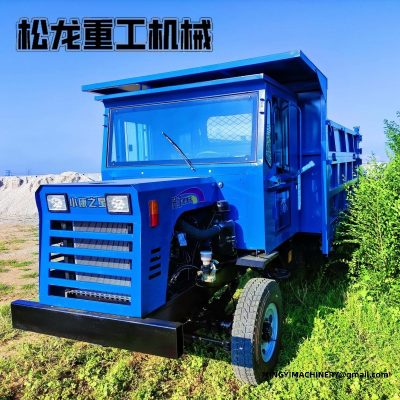
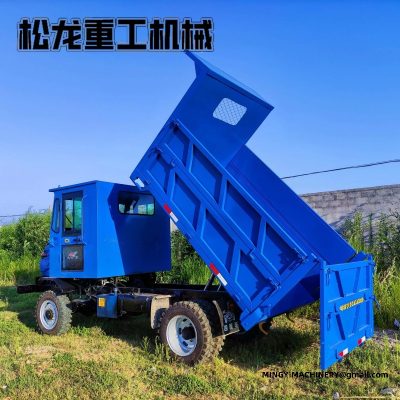
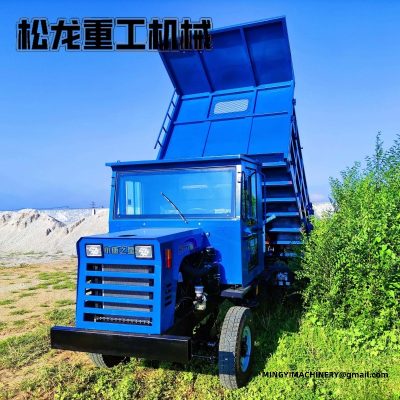
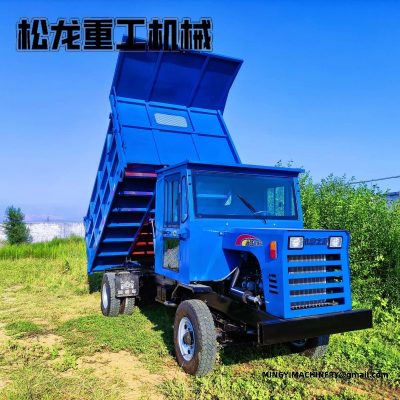
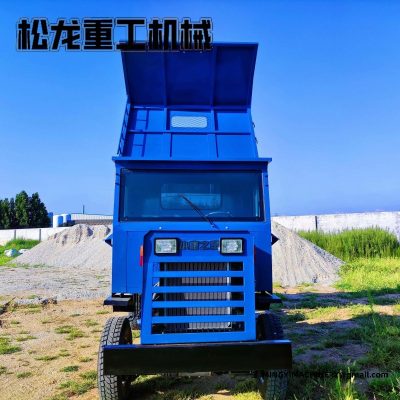
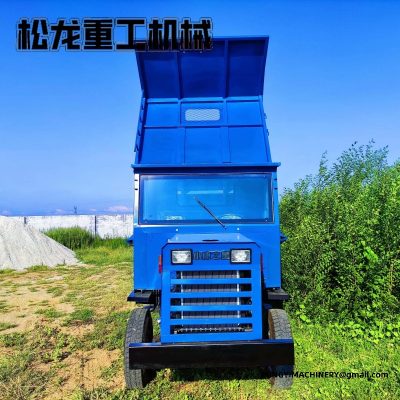
Buyers comparing the dumper are usually weighing the same few things, among them working range, the width of the access, the surface it runs on and how quickly it can be serviced. This page takes each in turn and leaves the numbers together at the end.
Fuel use and running demands of 4WD Agricultural Transport Vehicle
Fuel is usually the largest controllable running demand. Operating style, correct tyre or track condition and a clean air supply all move consumption on this class of machine by more than most buyers expect. Consumption is best measured over a full week rather than judged per hour. Idle time, repositioning and waiting for other trades are often the largest share of the fuel the unit in daily use burns on a site.
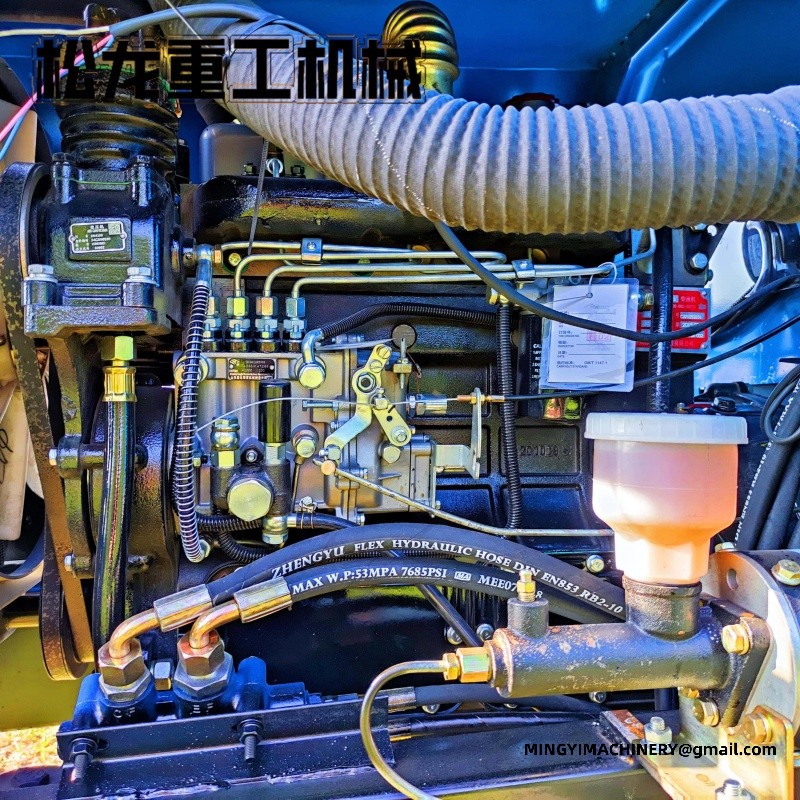
Dust, mud and abrasive conditions around 4WD Agricultural Transport Vehicle
Cleaning is maintenance, not appearance. Washing the cooling surfaces and clearing packed material from a machine of this size keeps temperatures where they should be and makes the next inspection quicker and more useful.
Farm and estate use of 4WD Agricultural Transport Vehicle
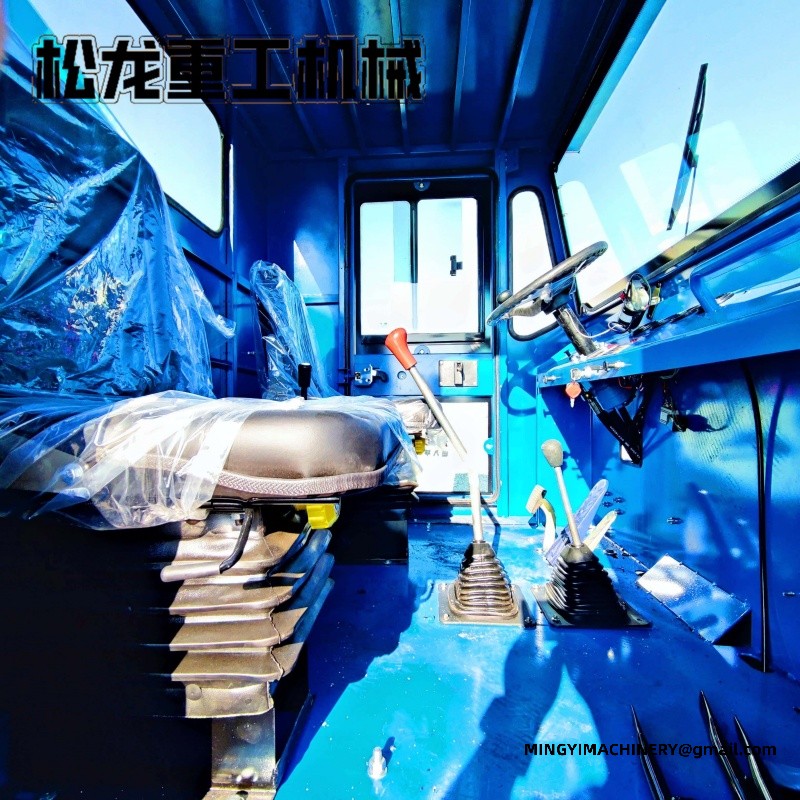
Farm work is seasonal and varied. The equipment on site that hauls feed in one month and muck or aggregate in the next earns its place by being usable across the year rather than by being optimised for one task. Farm users also value simplicity. The machine itself that can be serviced in the yard with common tools and common parts suits a farm better than one that needs a dealer visit for routine work.
Cold weather and low temperature work with 4WD Agricultural Transport Vehicle
Cold changes how a machine starts and how it warms up. Allowing the model in question to reach operating temperature before loading it, and using the correct grade of oil and fuel for the season, prevents most cold-start problems.
Resale value and replacement planning
Resale starts at purchase. Specification choices, service records and the condition of wearing parts are what a buyer looks at, and the machine in that duty that has been maintained on schedule is worth more than one that merely looks clean.
Payload and how a 4WD Agricultural Transport Vehicle is loaded
Payload is limited by the axles and the frame before it is limited by the body volume. Specifying the unit on the job against the material density gives a realistic figure, because a body that looks half full can already be at its limit with rock. Loading method affects the machine as much as the load does. Material dropped from height into a machine built for the work shocks the frame and the body floor, while material placed evenly spreads the load and extends body life.
Running 4WD Agricultural Transport Vehicle in a mixed fleet
Fleet value comes from interchangeability. Operators who can step between machines without retraining, and a workshop that stocks one set of filters, keep utilisation higher than a fleet of individually optimised units. Utilisation matters more than the purchase decision over a few years. The equipment in service that sits idle ties up the same yard space standing still as one that earns, so the buying decision should follow the hours the machine will realistically work. Standardising where possible simplifies everything downstream. When several units of the dumper share a service schedule and a parts list, the fleet becomes easier to plan and easier to sell on at replacement time.
Export packing and shipping of 4WD Agricultural Transport Vehicle
Export orders add steps that domestic buyers never see. Packed dimensions, securing points, documentation and any dismantling required are all settled before this class of machine leaves the factory, and each one affects the freight booking. Documentation should be agreed at order stage. The commercial invoice, packing list and any certificate required at destination are part of shipping the unit in daily use, and missing papers delay clearance longer than the voyage takes.
Operator technique and familiarisation
Machine output varies more between operators than between brands. Smooth, planned movements put less load on the structure and use less fuel, and that difference is visible on the hour meter and in the service bills for a machine of this size. Familiarisation should cover the limits as well as the controls. Knowing where the equipment on site loses stability, how it behaves at full reach, and what the warning lights mean prevents the incidents that are put down to bad luck. A short handover pays for itself. Operators who understand why the machine itself is set up the way it is will report a change in behaviour early, which is usually the point where a repair is simplest.
Soft ground, paddy fields and mud with the model in question
Recovering a stuck vehicle takes longer than preventing it. Planning the route, avoiding the worst ground and knowing where the machine in that duty will turn is what keeps a soft-ground job productive.
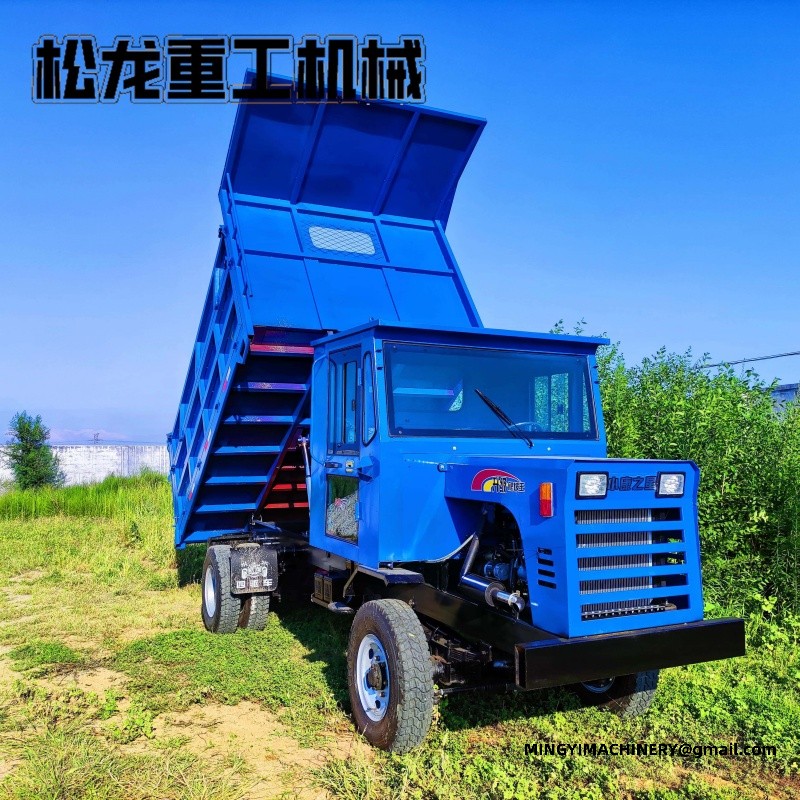
Working hours and duty cycle of the unit on the job
Duty cycle is the honest measure of a machine. A machine built for the work working a few hours a week has different needs from one working two shifts, and the cooling, filtration and service intervals should follow the hours rather than the calendar. Seasonal work changes the maintenance calendar. Machines that work hard for two months and stand for ten need preparation before storage and a check before returning to work, and both are simpler than the repairs they prevent. Hour planning helps at resale as well. The equipment in service with a recorded service history and a sensible hour count is easier to sell than one with the same hours and no records, whatever its condition.
Handover and documentation for the dumper
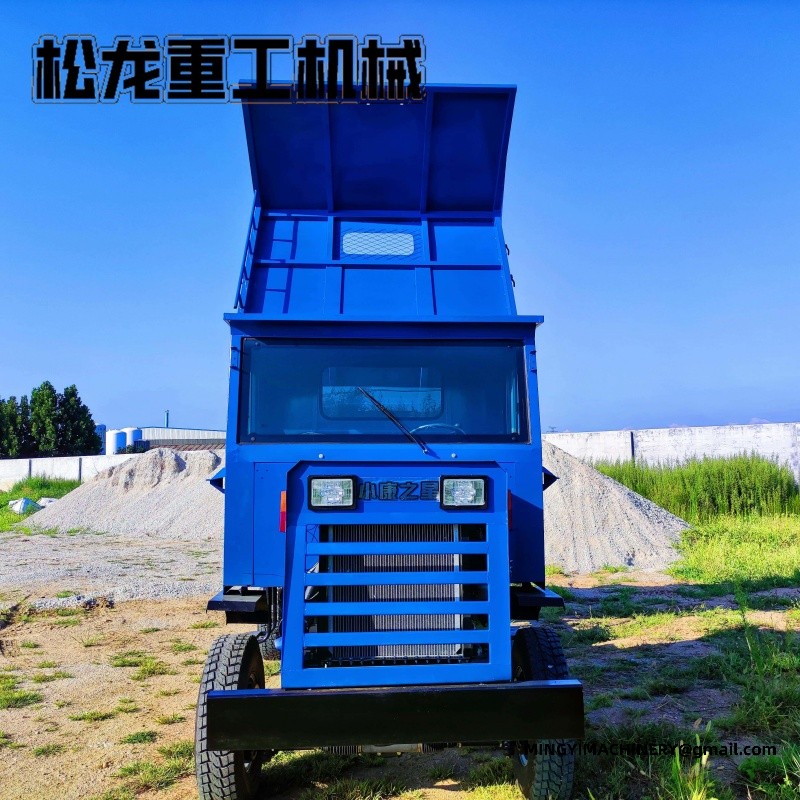
Handover should include the documents as well as the keys. Parts list, service schedule and the operator notes for this class of machine are what the workshop needs in month six, and they are much harder to obtain later. A short familiarisation session prevents the early faults. Most first-month problems on the unit in daily use come from unfamiliarity with controls, limits or checks rather than from the machine itself. Keeping the manuals where they can be reached matters. A machine of this size whose documents stay with the machine gets serviced on schedule; one whose paperwork was filed elsewhere tends to run on memory instead.
Parts, service and support for the equipment on site
Parts availability usually decides the engine and the brand. A machine built around components the local network already carries is serviced from stock, which is the difference between a day lost and a week lost. Remote diagnosis shortens most faults. A walk-around on video with the panels open often identifies the cause on the machine itself without waiting for a visit, and avoids shipping a part that turns out not to be needed.
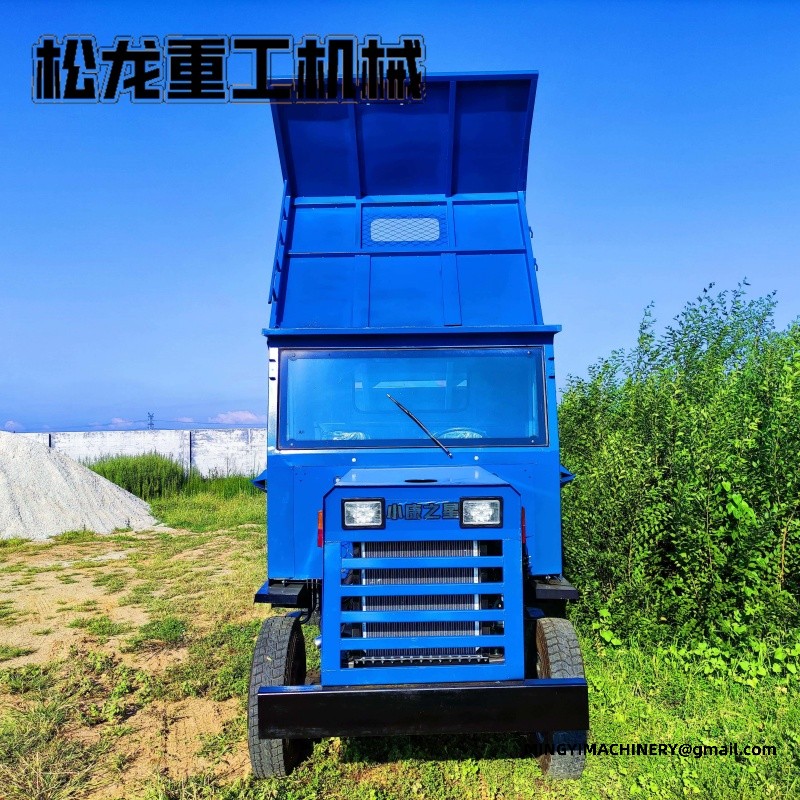
Wear items and life of the model in question
Certain parts are designed to be consumed. Knowing which items on the machine in that duty are wearing parts, and roughly how long they last in the duty the machine sees, turns replacement into a plan rather than a breakdown.
Load, ballast and stability on the unit on the job
Stability follows the load and its position. Knowing the rated capacity of a machine built for the work at the working radius, rather than at its best case, is what keeps handling predictable and the machine upright. Carrying and travelling with a load needs its own plan. Speed, gradient and surface all matter more once the equipment in service is loaded, and the safe combination is the conservative one.
Configuration data for the dumper
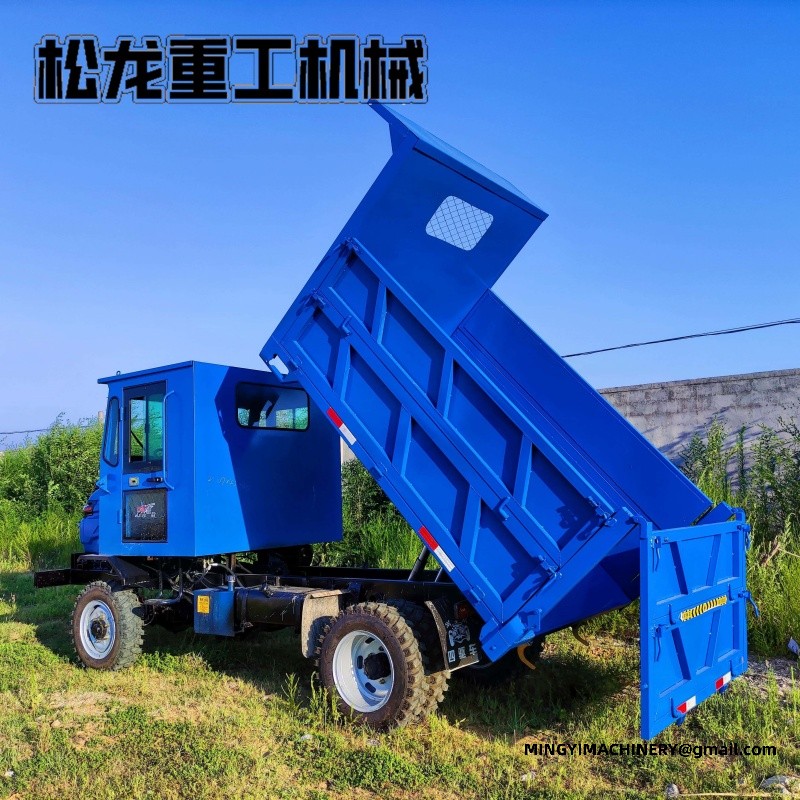
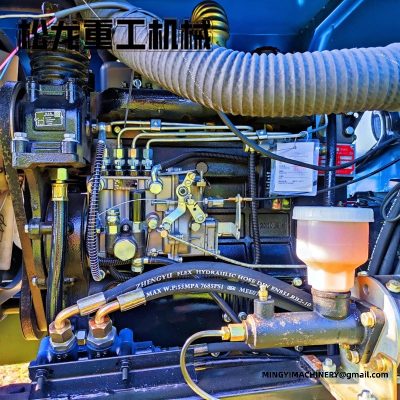
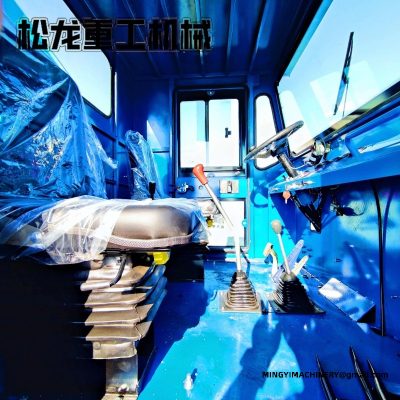
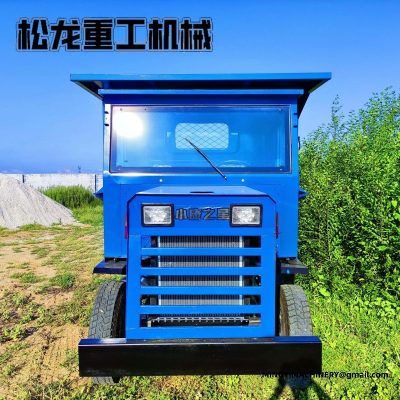
The configurations below are the build sheets most often matched to this class of machine. Engine, gearbox, axles, frame and body dimensions are confirmed together, because the body size and the axle rating have to suit the load before the engine rating matters.
| # | 10.Upgraded | 3.Standard | 4.Upgraded | 7.Upgraded |
|---|---|---|---|---|
| 1 | Single-cylinder diesel engine, 32 hp | Single-cylinder diesel engine, 25 hp | Single-cylinder diesel engine, 25 hp | Single-cylinder diesel engine, 28 hp |
| 2 | Full-time gearbox with four-wheel drive | Full-time gearbox with four-wheel drive | Full-time gearbox with four-wheel drive | Full-time gearbox with four-wheel drive |
| 3 | High/low range with crawler gear | High/low range with crawler gear | High/low range with crawler gear | High/low range with crawler gear |
| 4 | Front axle clutch | Simple cab | Front axle clutch | Front axle clutch |
| 5 | Fully enclosed cab | Oil brakes | Fully enclosed cab | Fully enclosed cab |
| 6 | Oil brakes | Four 700-16 mountain tyres | Oil brakes | Oil brakes |
| 7 | Four 700-16 mountain tyres | Front axle 212 | Four 700-16 mountain tyres | Four 700-16 mountain tyres |
| 8 | Front axle 212 | Rear axle 130 | Front axle 212 | Front axle 212 |
| 9 | Rear axle 130 | Reinforced 60 x 140 mm square tube frame | Rear axle 130 | Rear axle 130 |
| 10 | Reinforced 60 x 140 mm square tube frame | Rear body 2.2 m long x 1.5 m wide x 0.45 m high | Reinforced 60 x 140 mm square tube frame | Reinforced 60 x 140 mm square tube frame |
| 11 | Rear body 2.2 m long x 1.5 m wide x 0.45 m high | Tailgate with self-dumping function | Rear body 2.2 m long x 1.5 m wide x 0.45 m high | Rear body 2.2 m long x 1.5 m wide x 0.45 m high |
| 12 | Tailgate with self-dumping function | Hydraulic power steering | Tailgate with self-dumping function | Tailgate with self-dumping function |
| 13 | Hydraulic power steering | Twin hydraulic rams | Hydraulic power steering | Hydraulic power steering |
| 14 | Twin hydraulic rams | Two-person comfort seat | Twin hydraulic rams | Twin hydraulic rams |
| 15 | Two-person comfort seat | Twin-battery electric start | Two-person comfort seat | Two-person comfort seat |
| 16 | Twin-battery electric start | Square-nose bonnet | Twin-battery electric start | Twin-battery electric start |
| 17 | Square-nose bonnet | — | Square-nose bonnet | Square-nose bonnet |
Fuel, oil and fluid quality for the unit in daily use
Most engine trouble starts with what went into the tank. Clean fuel, stored properly and filtered before it reaches a machine of this size, prevents more downtime than any other single habit an owner can adopt.
Commissioning the equipment on site on site
The machine should be introduced to the site as well as the operator. Walking the route the machine itself will take, noting the soft spots and the turns, prevents the kind of first-day incident that has nothing to do with the machine.
Pre-delivery inspection before the model in question leaves the shop
A machine should be inspected while it is still on our floor rather than after it lands. For the machine in that duty that means the engine is run to temperature, the hydraulics are cycled through full travel, and every function is checked against the build sheet before the crate is closed.
Packing, loading and shipment of the unit on the job
Container loading is a planning exercise. The overall dimensions and the operating weight of a machine built for the work decide whether it ships whole, partly disassembled or with the attachment removed, and that decision is made before the booking.
Moving the equipment in service between sites
Travel time is not working time, and it should be planned as its own item. The hours spent moving the dumper between jobs are hours not worked, and a trailer that matches the machine reduces them every single trip.
Keeping a service record for this class of machine
The record should follow the machine, not the owner. When the unit in daily use changes hands the service history travels with it, and a complete folder is often the difference between a quick sale and a long one.
Wear items and spares worth holding for a machine of this size
A spares list should follow the duty cycle. The equipment on site working every day in abrasive dust consumes filters and cutting edges far faster than the same machine used once a week, and the shelf should be stocked for the harder case.
Later additions and retrofits on the machine itself
Later changes are easier when they were anticipated. Asking for the extra hydraulic circuit or the heavier mounting plate on the model in question at build time adds little and leaves the option open.
Every line above is a build item rather than an optional extra, and the final sheet for the machine in that duty is confirmed against the destination, the ground and the load before production.
E-mail:sales@mingycn.com
LINE(ID):mingyicn
Related pages
4x4 Forestry Log Carrier · 4WD Water Tank Vehicle · Mini Site Dumper: Turning Radius and Ground Clearance · Four Wheel Drive Transport Vehicle









