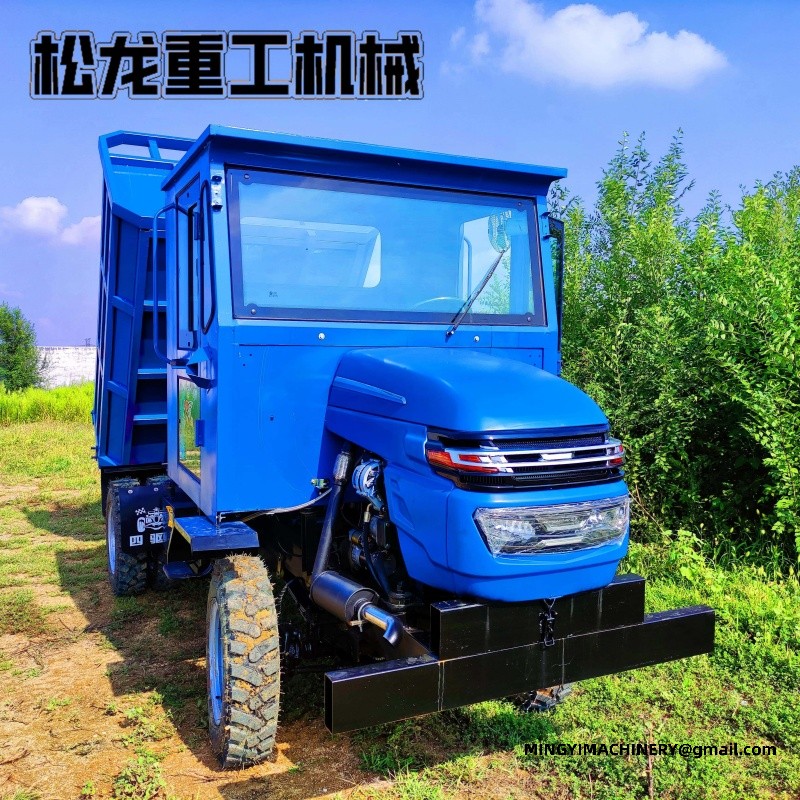
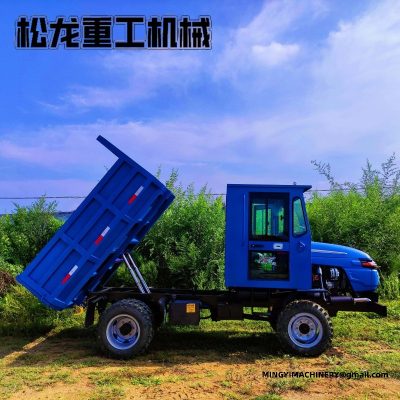
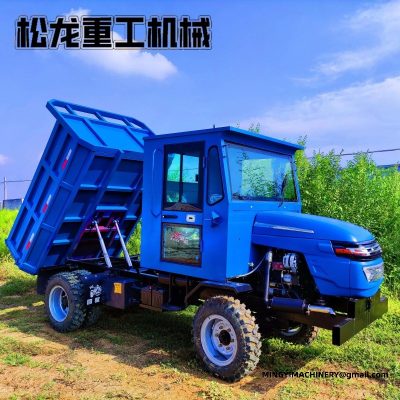
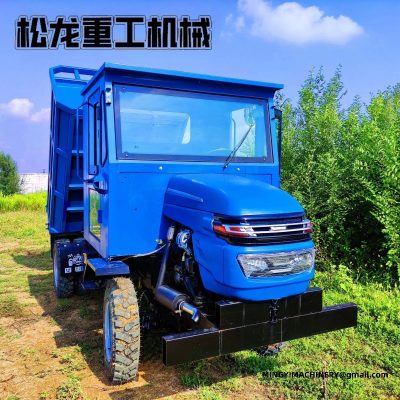
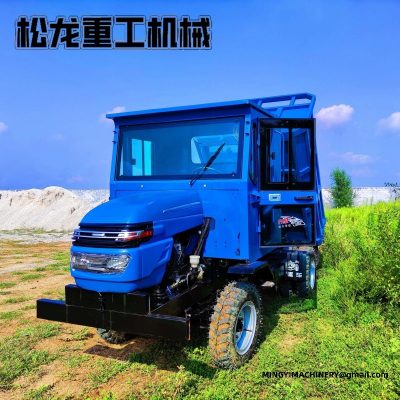
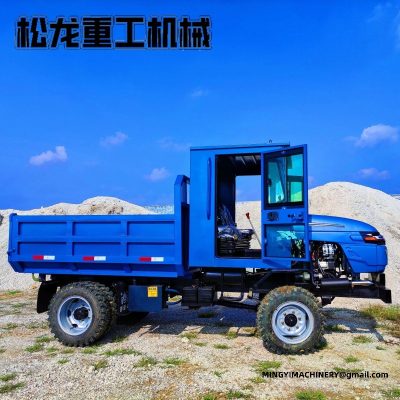
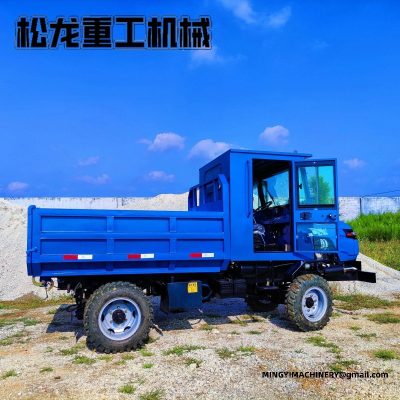
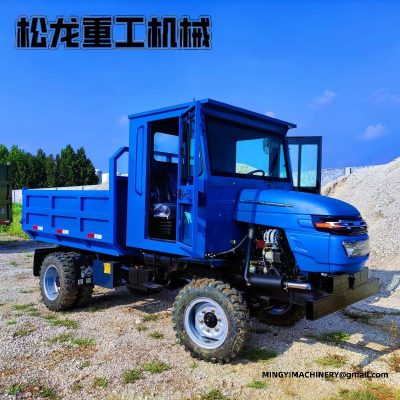
Buyers comparing the dumper are usually weighing the same few things, among them working range, the width of the access, the surface it runs on and how quickly it can be serviced. This page takes each in turn and leaves the numbers together at the end.
Upgrading and reconfiguring 4WD cargo carrier for mining and quarry work
Upgrades should be checked against the base machine. Hydraulic capacity, mounting interface and stability all limit what can reasonably be added to this class of machine, and confirming those limits avoids an unsatisfactory result. The decision is economic as well as technical. Comparing the work of reconfiguring the unit in daily use against a different machine is a short calculation that usually gives a clear answer.
Specifying 4WD cargo carrier for mining and quarry work against the job list
The specification should be written from the job backwards. Listing the loads, the ground and the hours first, then matching a machine of this size to that list, avoids buying capacity the work never uses and avoids discovering a shortfall in the first week. Buyers who specify the equipment on site on paper before enquiring get specifications that can be compared. Without that list, two suppliers will propose two different machines and the simpler one is usually the smaller one, not the better value.
Crane and grab attachments on 4WD cargo carrier for mining and quarry work
A crane or grab turns a haul vehicle into a loading machine. The machine itself fitted with a hydraulic crane loads itself, which removes a second machine from the job and is often the whole reason for specifying one. Stability governs what the crane can do. Outriggers, ground condition and load radius decide the safe figure on the model in question, and those are checked before the lift rather than discovered during it.
Load, ballast and stability on 4WD cargo carrier for mining and quarry work
Stability follows the load and its position. Knowing the rated capacity of the machine in that duty at the working radius, rather than at its best case, is what keeps handling predictable and the machine upright. Ballast and attachment weight change the machine. Adding a heavy tool to the unit on the job moves the centre of gravity, and the counterweight or configuration should be matched to the tool rather than assumed. Carrying and travelling with a load needs its own plan. Speed, gradient and surface all matter more once a machine built for the work is loaded, and the safe combination is the conservative one.
Payload and how a 4WD cargo carrier for mining and quarry work is loaded
The honest payload figure comes from the duty. The equipment in service working a smooth haul road carries differently from one crossing ruts and gradients, and the conservative number is the one that keeps the machine working.
Quarry, tunnel and mining duty for 4WD cargo carrier for mining and quarry work
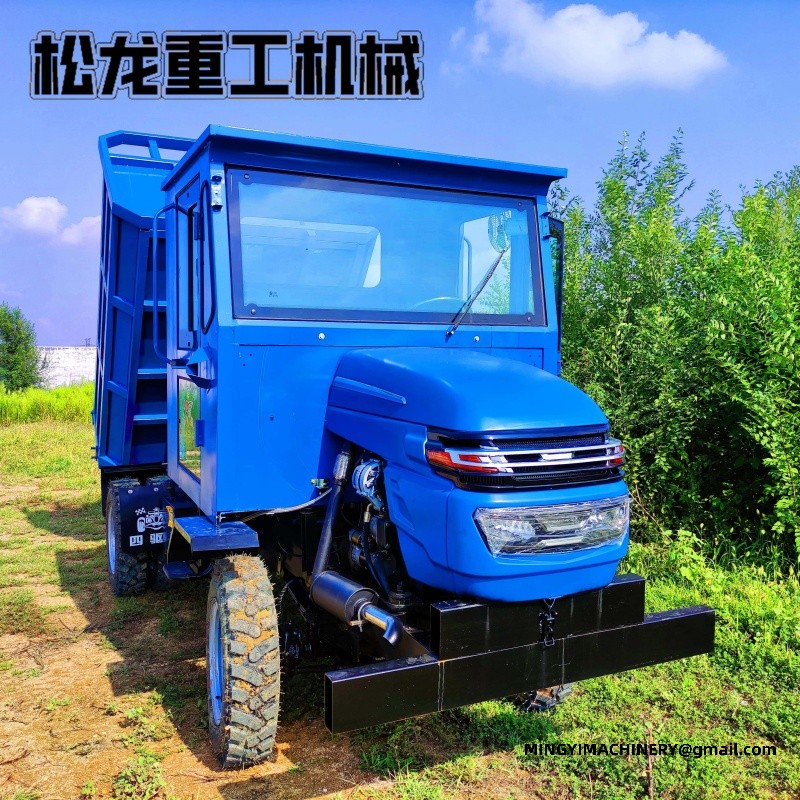
Haul cycles in a quarry are short and repetitive. The dumper specified for that pattern benefits from a body that dumps cleanly and quickly, because the time saved per cycle is the whole allowance.
Water tank and dust control bodies on 4WD cargo carrier for mining and quarry work
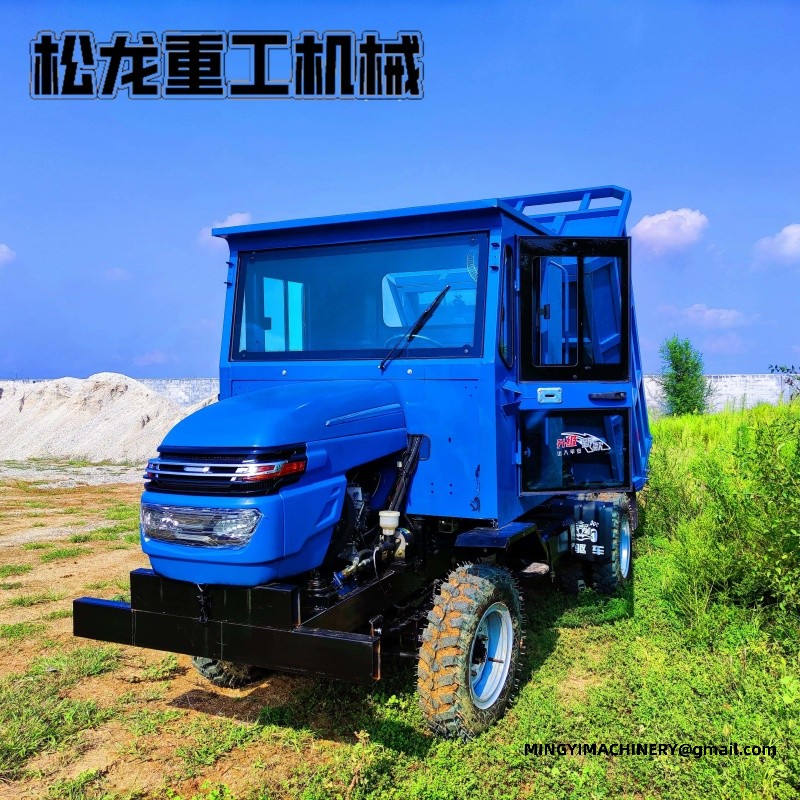
Water is heavy and it moves. Baffles and sensible speeds matter on this class of machine with a tank body, and the specification should reflect the ground the vehicle will cross rather than only the volume needed. Dust control work is repetitive and time-critical. The unit in daily use with the right tank and spray arrangement covers more ground per shift, which is usually the point of the exercise.
Export packing and shipping of 4WD cargo carrier for mining and quarry work
Export orders add steps that domestic buyers never see. Packed dimensions, securing points, documentation and any dismantling required are all settled before a machine of this size leaves the factory, and each one affects the freight booking. Container loading is a planning exercise. Confirming how the equipment on site is packed and how many units fit a container is what turns a per-unit freight estimate into a delivered figure the buyer can actually plan against. Documentation should be agreed at order stage. The commercial invoice, packing list and any certificate required at destination are part of shipping the machine itself, and missing papers delay clearance longer than the voyage takes.
Daily checks and maintenance on the model in question
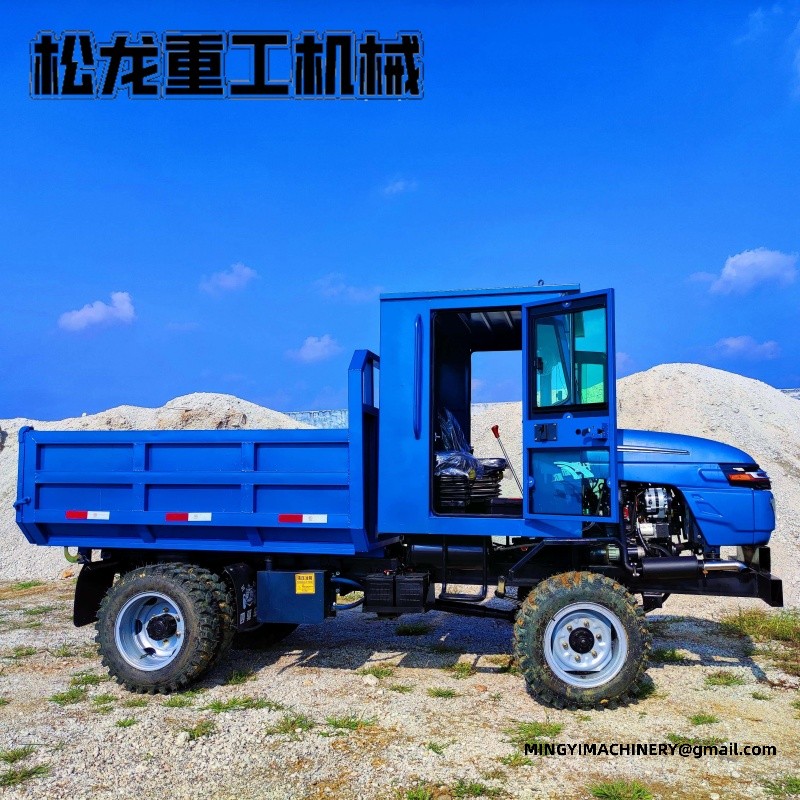
Service intervals exist because wear is predictable. Following the maker schedule on the machine in that duty takes far less time than repairing the damage that follows a missed oil change or a filter left in place past its life. A simple log helps. Recording hours, fuel and any adjustment made to the unit on the job gives the workshop a history, and that history is what turns an intermittent fault into a one-visit repair instead of three.
Attachments and working tools for a machine built for the work
Most owners find that the second attachment changes how often the machine is used. The equipment in service that was bought for one task often becomes the general machine on site once a second tool is available.
Safe working practice around the dumper
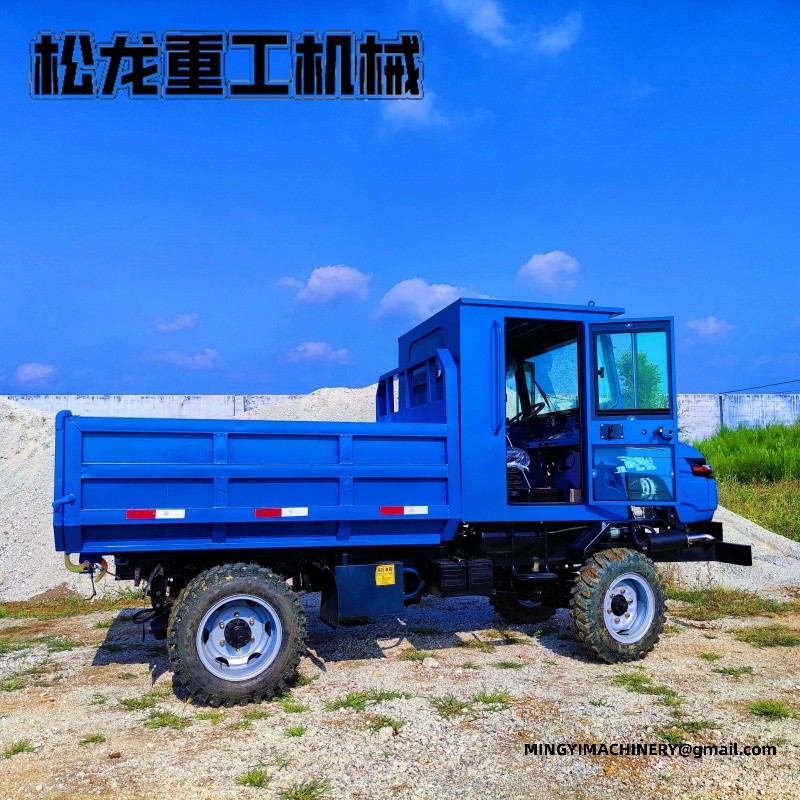
Most incidents around machinery come from the space rather than the machine. Exclusion zones, a clear signal person and a check on what is behind the machine of this size before it moves cover the large majority of the risk on a working site. Slopes and edges deserve a separate check. This class of machine that is stable on level ground behaves differently across a gradient, and the safe working angle is a number worth knowing rather than estimating. Personal protective equipment and a stop rule are simple controls. Agreeing before work starts that anyone can stop the job is the single measure that most often prevents a serious incident near the unit in daily use.
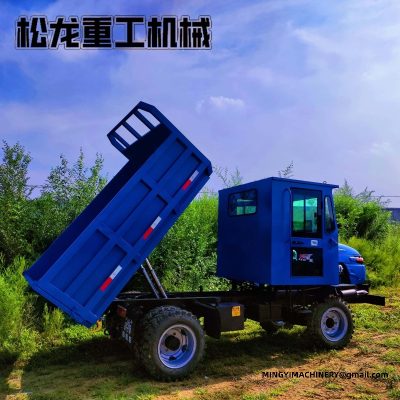
Tipping body and unloading on the equipment on site
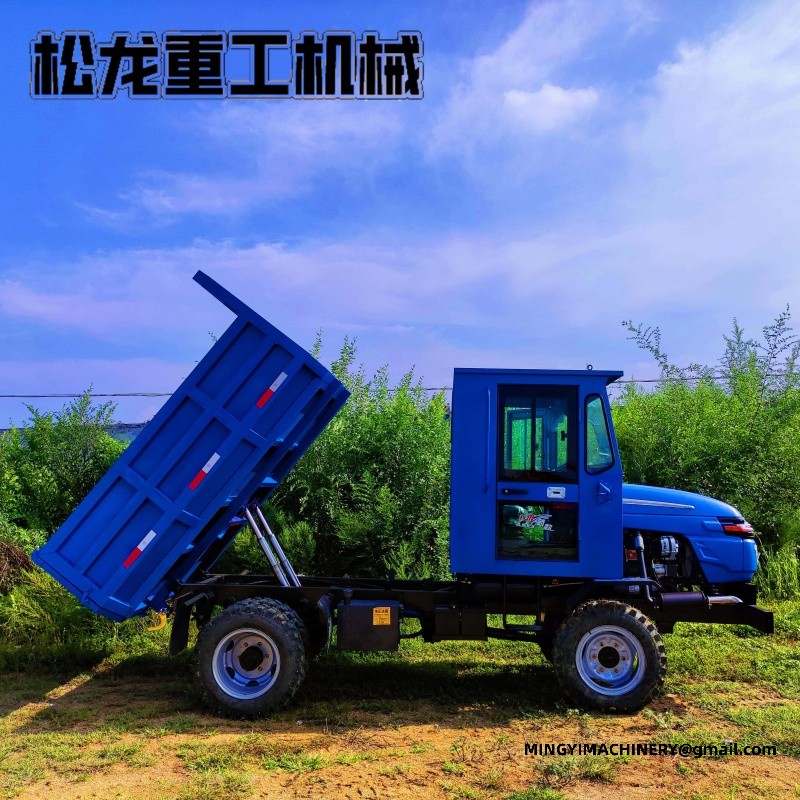
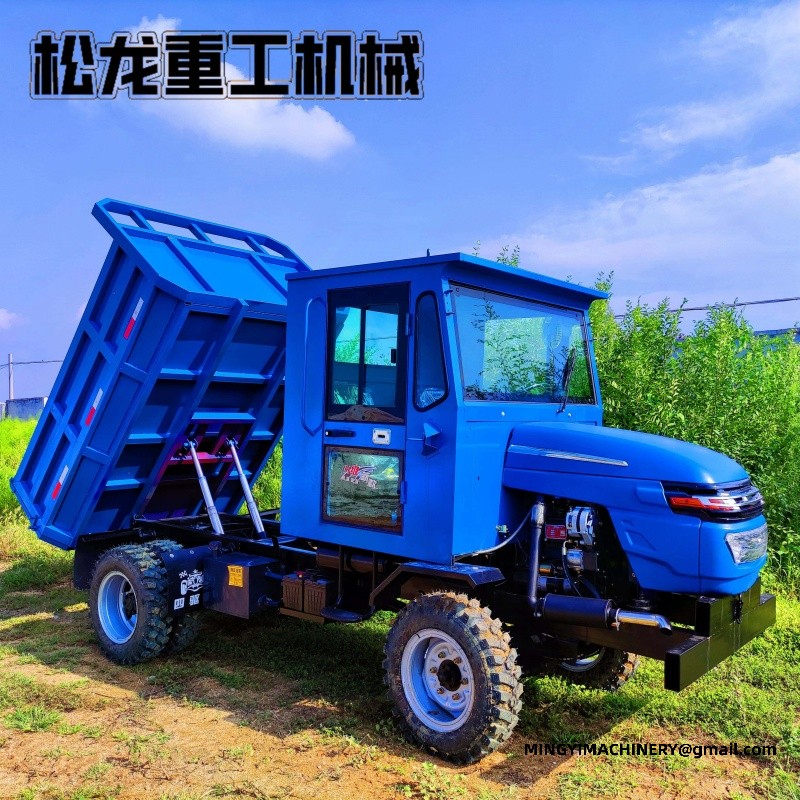
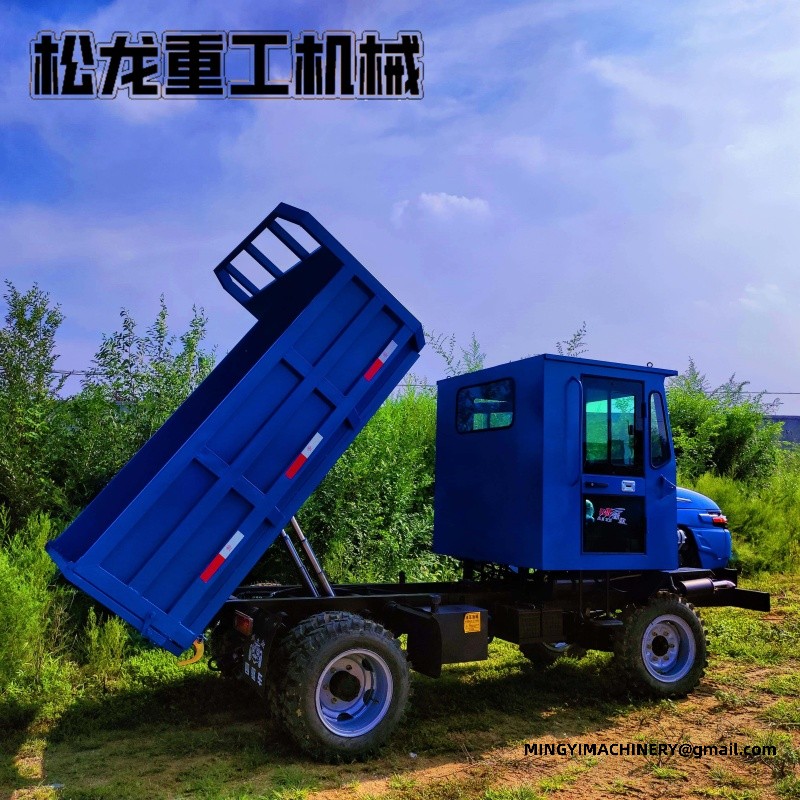
The tipping body is the part that does the work. The machine itself specified with twin hydraulic rams and a tailgate that opens under load unloads in one pass, which matters more on a short haul than top speed does. Body size is a compromise with access. A larger body on the model in question carries more per trip but needs more room to turn and tip, so the useful question is how many trips the route allows rather than how much it holds.
Fuel use and running demands of the machine in that duty
Planning the work to reduce empty movement is free. Fewer repositioning cycles on the unit on the job means less fuel, less wear on the undercarriage or tyres and more of the shift spent on productive work.
Configuration data for a machine built for the work
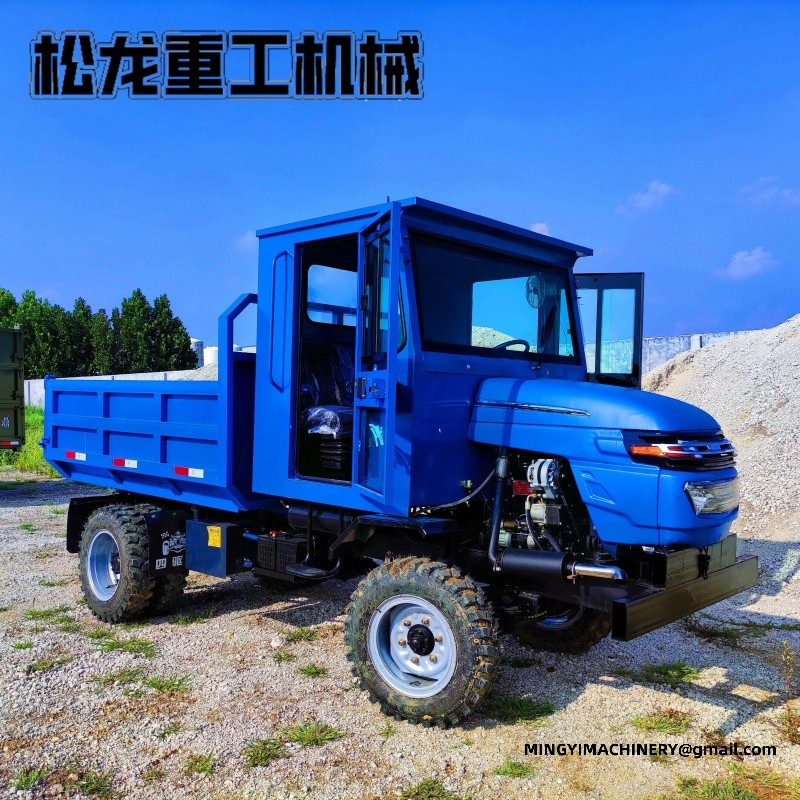
The configurations below are the build sheets most often matched to the equipment in service. Engine, gearbox, axles, frame and body dimensions are confirmed together, because the body size and the axle rating have to suit the load before the engine rating matters.
| # | 18.Standard | 23.Upgraded | 24.Luxury | 5.Luxury |
|---|---|---|---|---|
| 1 | Four-cylinder 4102 turbocharged diesel engine | Four-cylinder 4108 turbocharged diesel engine | Four-cylinder 4108 turbocharged diesel engine | Single-cylinder diesel engine, 25 hp |
| 2 | Model 140 part-time gearbox with four-wheel drive | Model 140 part-time gearbox, selectable 2WD/4WD | Model 145 part-time gearbox, selectable 2WD/4WD | Part-time gearbox with four-wheel drive |
| 3 | High/low range with crawler gear | High/low range with crawler gear | High/low range with crawler gear | High/low range with crawler gear |
| 4 | Simple cab | Simple cab | Fully enclosed cab | Enclosed cab |
| 5 | Oil brakes | Six 825R16 steel-belted radial tyres | Six 825R16 steel-belted radial tyres | Six 700-16 mountain tyres |
| 6 | Six 700-16 mountain tyres | Reinforced ISUZU-pattern front axle | Reinforced ISUZU-pattern front axle | Model 212 front axle |
| 7 | Reinforced ISUZU-pattern front axle | Reinforced 1080 rear axle | Reinforced 1080 rear axle | Model 130 rear axle |
| 8 | Reinforced 1061 rear axle | Air cut-off brakes | Air cut-off brakes | Air cut-off brakes |
| 9 | Reinforced 80 x 180 mm square tube frame | Reinforced 80 x 180 mm square tube frame | Reinforced 80 x 180 mm square tube frame | Reinforced 60 x 140 mm square tube frame |
| 10 | Rear body 2.2 m long x 2.1 m wide x 0.45 m high | Rear body 3.0 m long x 2.2 m wide x 0.45 m high | Rear body 3.0 m long x 2.2 m wide x 0.45 m high | Rear body 2.2 m long x 1.5 m wide x 0.45 m high |
| 11 | Tailgate with self-dumping function | Tailgate with self-dumping function | Tailgate with self-dumping function | Tailgate with self-dumping function |
| 12 | Hydraulic power steering | Hydraulic power steering | Side-opening rear body tailgate with cab ladder | Side-opening rear body tailgate |
| 13 | Twin hydraulic rams | Twin hydraulic rams | Hydraulic power steering | Hydraulic power steering |
| 14 | Two-person comfort seat | Two-person comfort seat | Twin hydraulic rams | Twin hydraulic rams |
| 15 | Twin-battery electric start | Heavy-duty leaf springs | Two-person comfort seat | Two-person comfort seat |
| 16 | Square-nose bonnet | Twin-battery electric start | Heavy-duty leaf springs | Heavy-duty leaf springs |
| 17 | — | Square-nose bonnet | Twin-battery electric start | Twin-battery electric start |
| 18 | — | — | Square-nose bonnet | Square-nose bonnet |
Planning the season around the dumper
Seasonal work rewards a machine that can change duty. Through the year this class of machine may move from one task to another, and the attachment list should be chosen for the whole year rather than for the first job.
A second operator for the unit in daily use
Different operators suit different work. The person who is quickest with a machine of this size on open ground is not always the one who is safest in a confined space, and having both available is a genuine advantage.
Reading the early symptoms on the equipment on site
Temperature and pressure are the two things worth watching. The machine itself that runs hotter than it used to, or whose pressure has drifted, is reporting a problem that is still simple to fix.
Commissioning the model in question on site
Transport shakes things loose. A short check of the machine in that duty after the crate is opened, covering the same points the pre-delivery inspection covered, is the most useful insurance available on delivery day.
Later additions and retrofits on the unit on the job
Later changes are easier when they were anticipated. Asking for the extra hydraulic circuit or the heavier mounting plate on a machine built for the work at build time adds little and leaves the option open.
Keeping a service record for the equipment in service
Patterns show up in the record before they show up in the machine. Rising oil consumption or a filter that keeps blocking on the dumper is obvious on paper long before it becomes a failure on site.
Storage and long idle periods for this class of machine
Rubber, seals and hoses age whether the machine works or not. Keeping the unit in daily use out of direct sun and off damp ground slows that, and running it briefly at intervals keeps everything moving.
Every line above is a build item rather than an optional extra, and the final sheet for a machine of this size is confirmed against the destination, the ground and the load before production.
E-mail:sales@mingycn.com
LINE(ID):mingyicn
Water, mud and recovery planning for 4WD cargo carrier for mining and quarry work
Water is the enemy of bearings, electrical connectors and anything that is supposed to be sealed, and it rarely announces where it got in.
Greasing before and after wet work pushes water out of the pins, and it is the single habit most worth keeping through a muddy season.
Planning the exit route before entering soft ground takes less time than planning the recovery afterwards.
Working alongside other plant with 4WD cargo carrier for mining and quarry work
Most site incidents between machines are about sequencing rather than about skill, meaning who is in the arc, who is loading whom and who moves next.
Exclusion zones drawn on the ground work better than zones described in a meeting, and they are re-drawn when the job phase changes.
Where two machines share a bench or a stockpile, the newer operator is paired with the experienced one for the first shift.
Heat and hydraulic temperature in 4WD cargo carrier for mining and quarry work
Cooling cores blocked with dust or seed husks are the common cause in summer, and cleaning them from the inside out works better than washing the face of the radiator.
Related pages
off road transport vehicle for mining and quarry work · 4x4 dumper for farm and estate work · Front Tipping Dumper Manufacturer | China Factory: FC10 Spec · Four Wheel Drive Transport Vehicle









