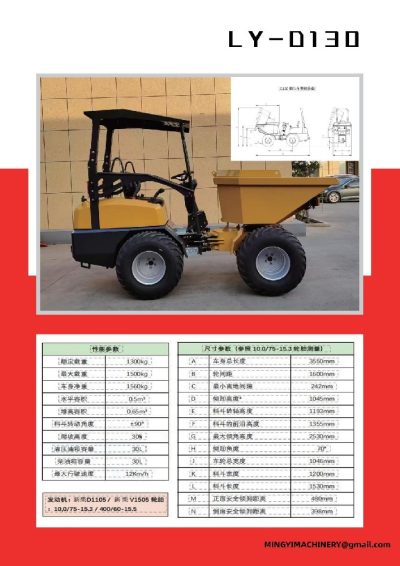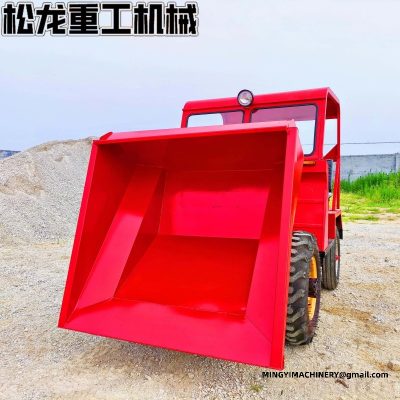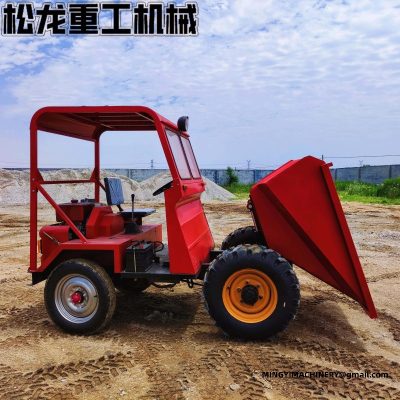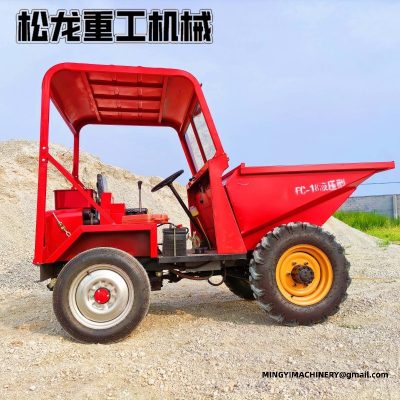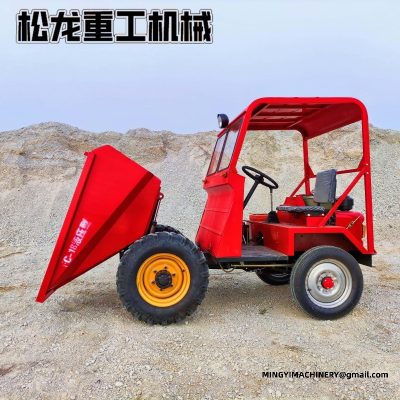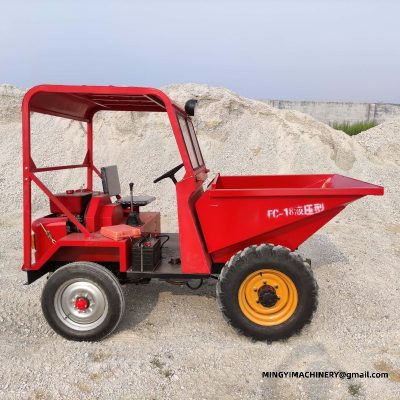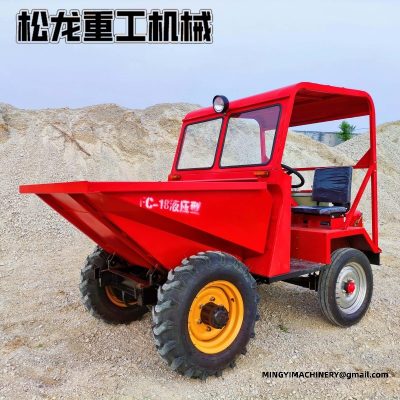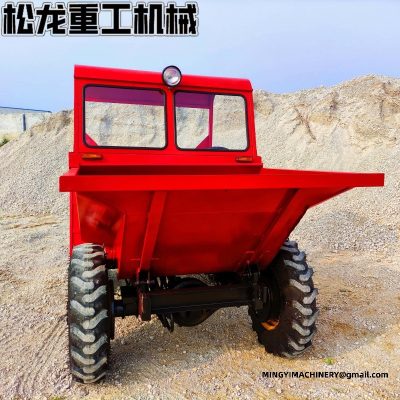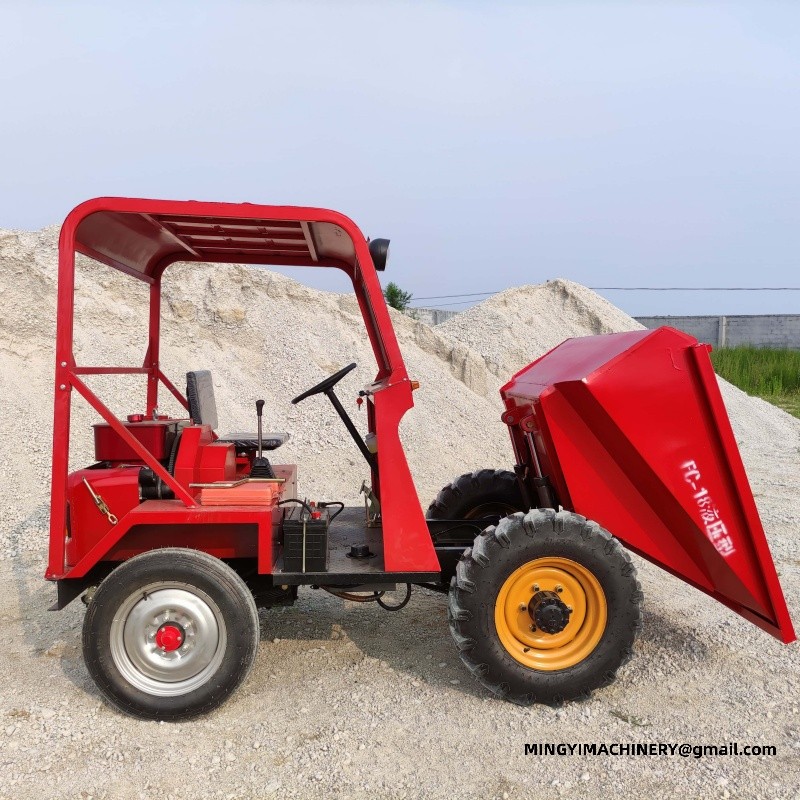
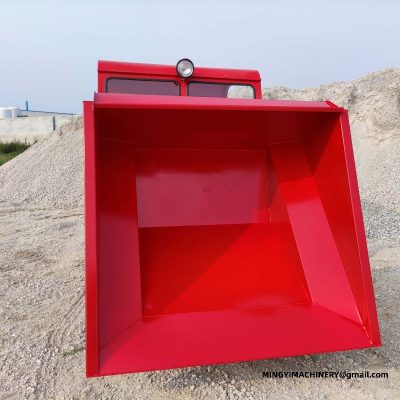
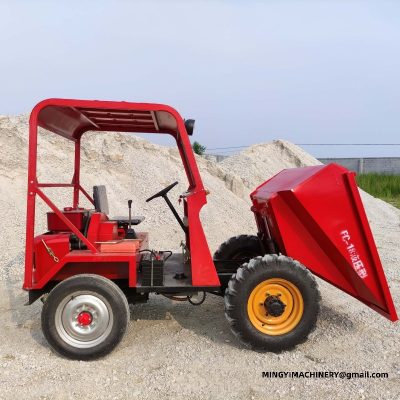
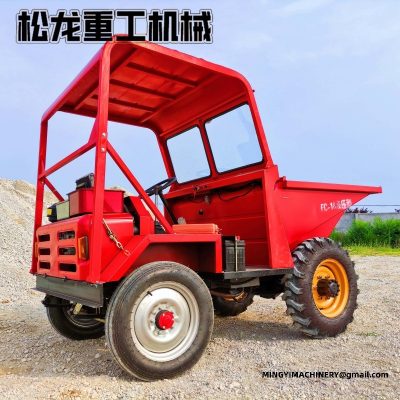
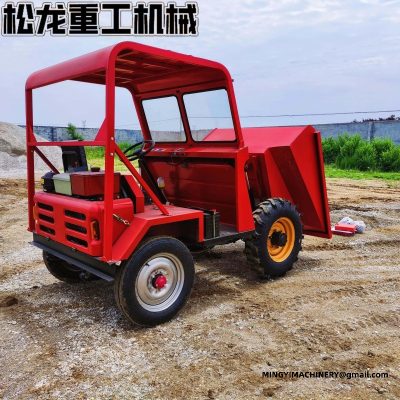
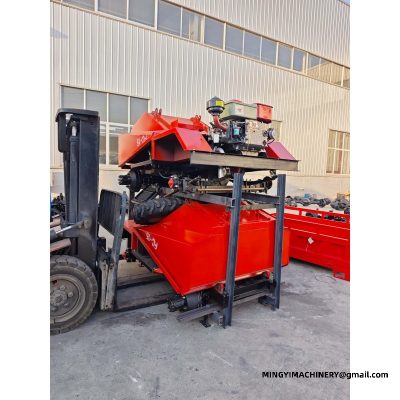
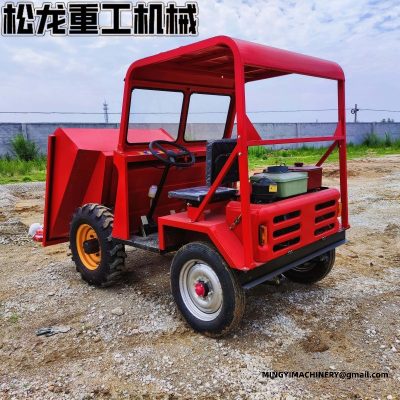
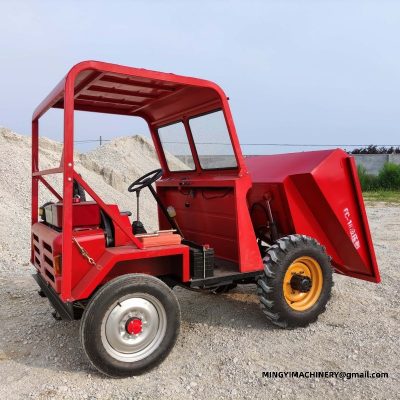
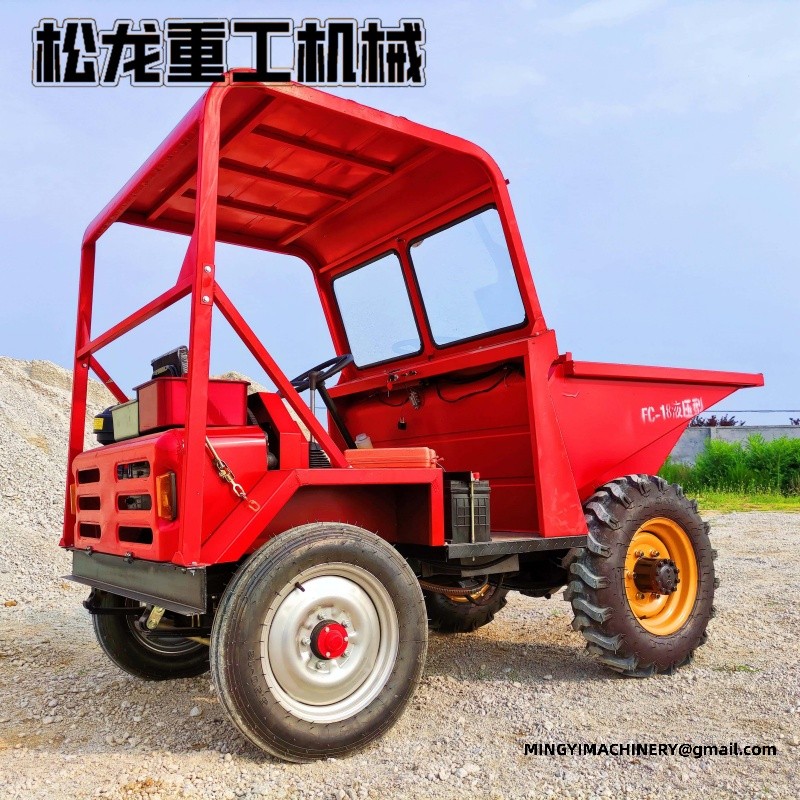
The FC10 is the entry machine in a range that runs up to the front tipping dumper manufacturer China models, so it is worth being precise about what the entry machine is. It is a two-wheel-drive front tipper rated at 1,000 kg with a 0.5 m³ box, a CG25M diesel, 21% gradeability and 200 mm of clearance — specified for firm ground and short cycles on a water conservancy project.
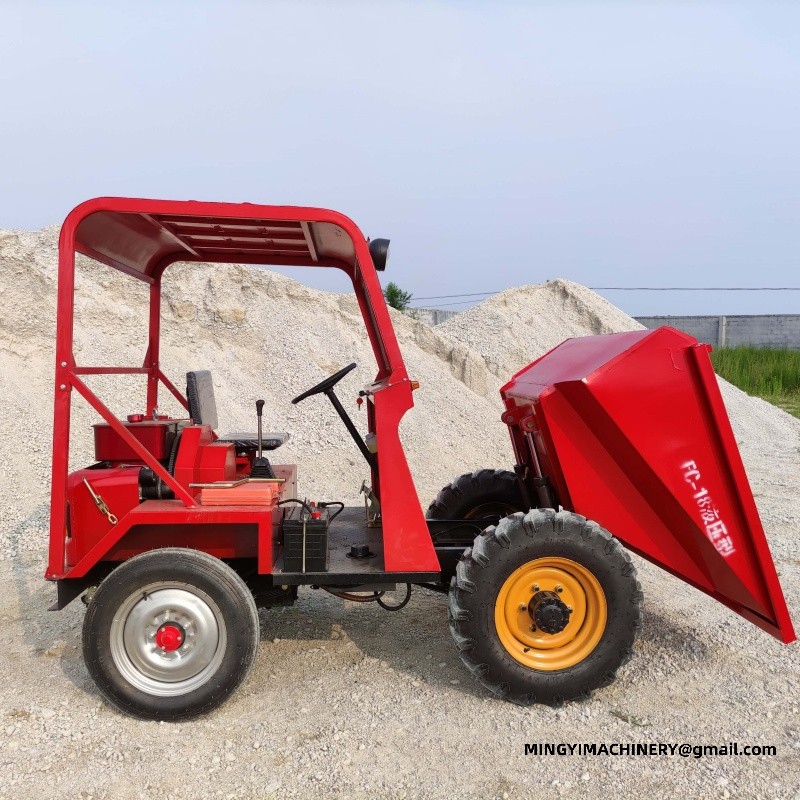
Rear-mounted diesel, front-axle drive, rear-axle steering: the FC10's layout is a set of connected decisions. The engine at the rear counterweights the box ahead of the front axle, so the machine carries 1,000 kg without needing a slab of ballast, and the 1,230 mm wheelbase keeps the whole thing 2,700 x 1,600 x 2,000 overall.
Water conservancy project work punishes a badly balanced machine on every ramp. With the weight spread between a driven front axle and a steering rear axle, the FC10 keeps traction while loaded and keeps steering while empty — the two conditions that catch out machines which put all their weight at one end.
Specifying the FC10 is unusually straightforward because the table is complete: load 1,000 kg, box 0.5 m³, discharge 390 mm, turning radius 4,500 mm, clearance 200 mm, gradeability 21%, engine CG25M at 17.3 kW.
Check each against the site in the order they will constrain you: route width against 2,700 x 1,600 x 2,000 and 1,500 mm, the ramp against 21%, the worst ground against 200 mm, and the receiving point against 390 mm. A machine that passes all four on a water conservancy project is the machine for the job.
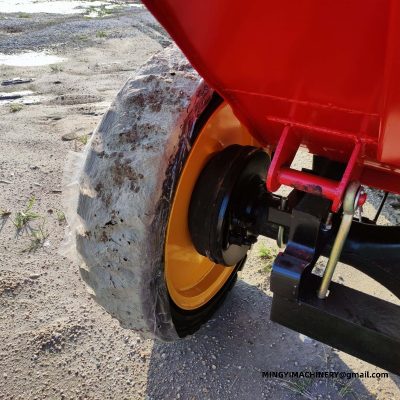
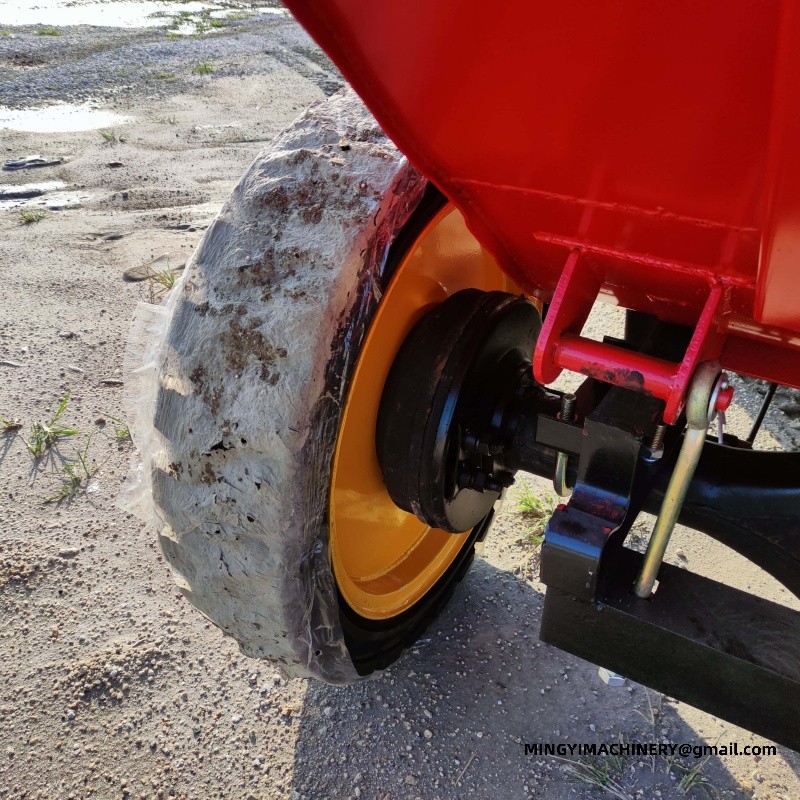
A front tipper lives on its hydraulics and its pivots, and both are checked in a walk-round. on a water conservancy project carrying material along the bund, the box tips and returns hundreds of times a day, so the pins, hoses and cylinders deserve a glance each shift — as do the tyres, which take the weight of 1,000 kg over 1,500 mm of track.
The CG25M diesel needs oil and filter attention on the hours, and the battery behind the 12 V DC electric motor needs keeping charged on machines that stop and start frequently. None of that is specialised work, which is the point of a machine specified for sites rather than for workshops.
| Published build data — FC10 front tipper (1,000 kg class) | |
|---|---|
| Rated load | 1,000 kg |
| Rated bucket capacity | 0.5 m³ |
| Discharge height | 390 mm |
| Maximum gradeability | 21% |
| Bucket width | 1,580 mm |
| Travel speed, 1st gear | 6.8 km/h |
| Travel speed, 2nd gear | 22 km/h |
| Travel speed, reverse | 7.5 km/h |
| Minimum turning radius | 4,500 mm |
| Overall dimensions (L x W x H) | 2,700 x 1,600 x 2,000 |
| Track | 1,500 mm |
| Wheelbase | 1,230 mm |
| Minimum ground clearance | 200 mm |
| Diesel engine model | CG25M |
| Rated engine power | 17.3 kW |
| Rated engine speed | 2,200 r/min |
| Starting method | 12 V DC electric motor |
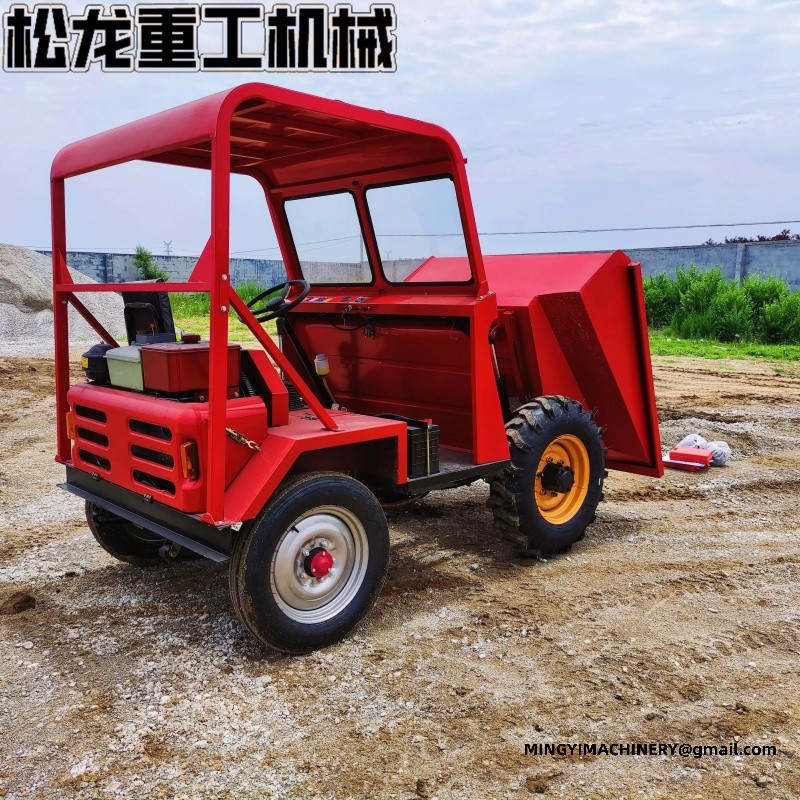
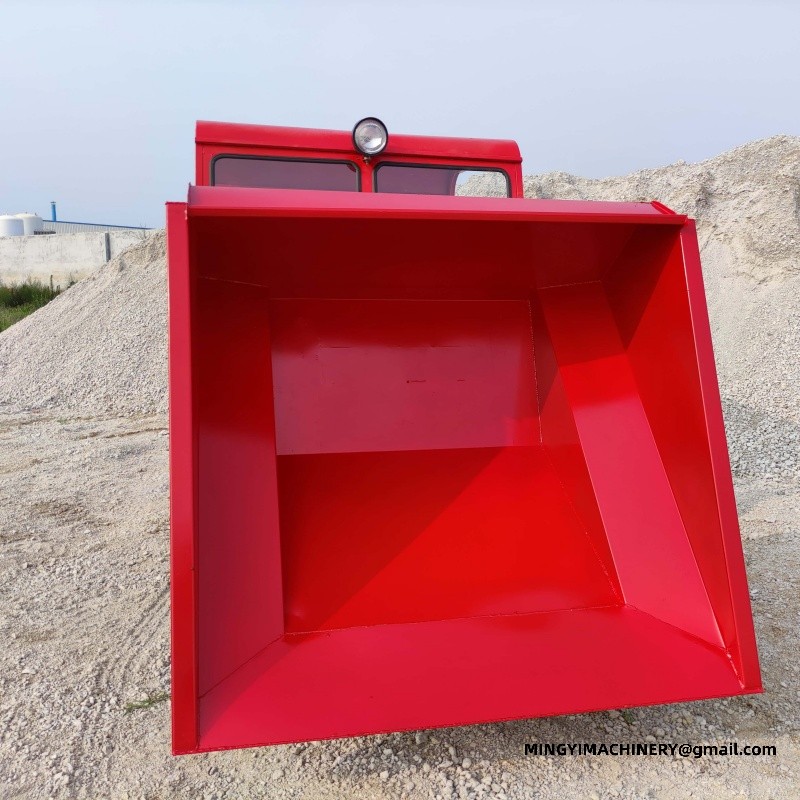
The box tips forward, over the front axle, and discharges at 390 mm. That layout means the machine approaches its discharge point nose-first, dumps, and drives away forwards — no reversing manoeuvre, no swing. On a water conservancy project, that is the difference between a cycle that flows and one that queues.
Return is hydraulic as well, with a dedicated return device on the FC10, so the box comes back down under control rather than by gravity alone. On a site where the discharge point is a heap of sand and gravel rather than a pit, a controlled return keeps the box from slamming and keeps the machine settled for the next load.
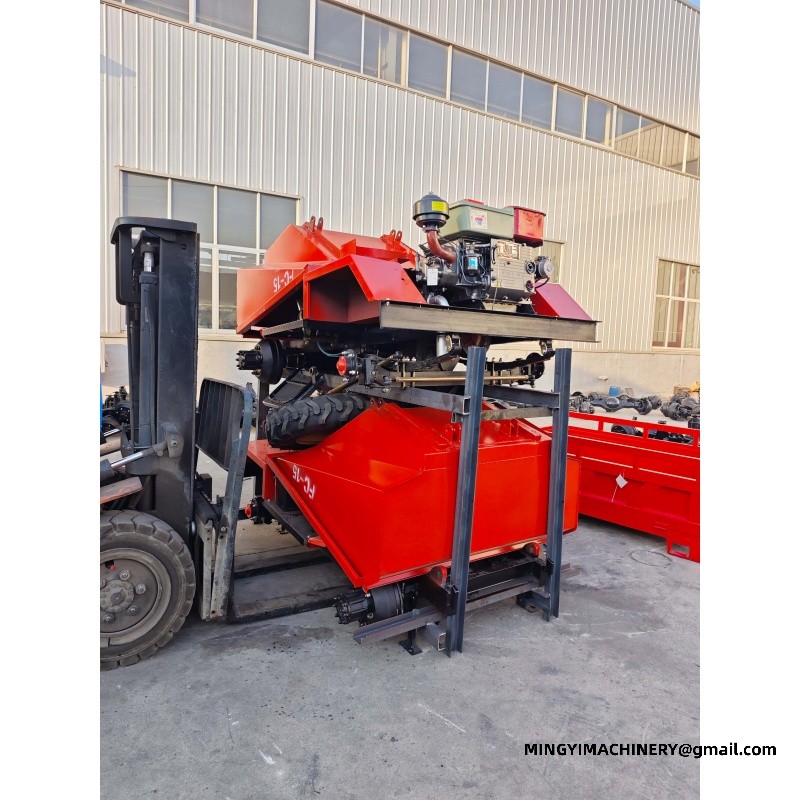
The right way to judge a tipper is effort per tonne moved. 1,000 kg per trip against a haul of a known length gives a fuel figure per tonne that a specification sheet cannot give you. Everything that reduces wasted trips improves that number.
Which is why the small things matter: keeping the route clear, loading the box properly the first time rather than nearly filling it twice, and not sending the machine out half-loaded. A tipper earning its keep is a tipper whose trips are all full trips.
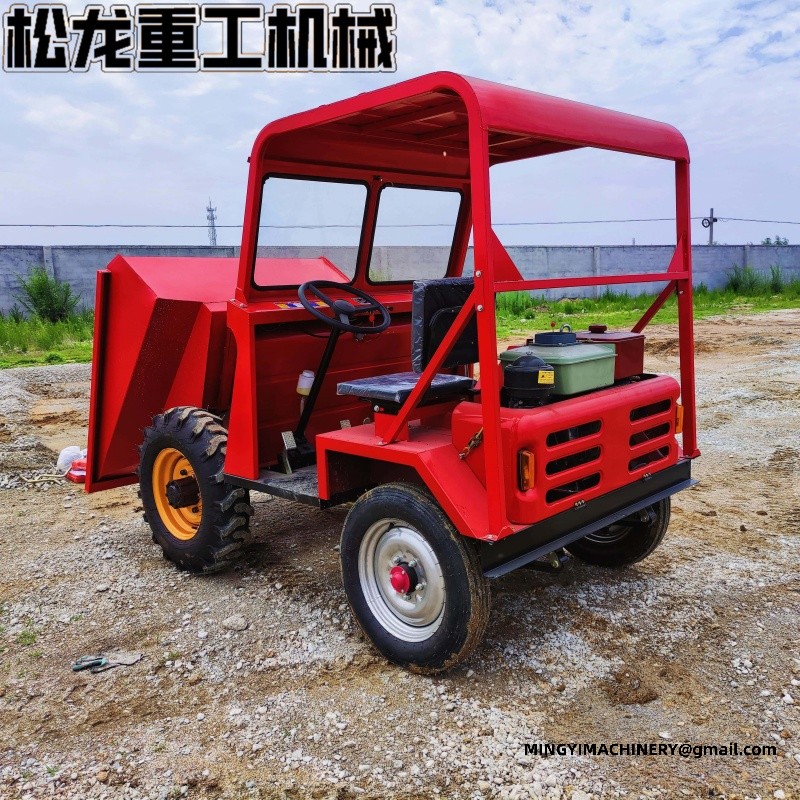
Starting on the FC10 is 12 V DC electric motor, which on a machine worked in short cycles is a genuine productivity figure. on a water conservancy project carrying material along the bund, the engine is stopped and started throughout the day, and a key start keeps that from being the slowest part of the job.
The CG25M diesel at 17.3 kW and 2,200 r/min is sized for the 1,000 kg duty cycle rather than for maximum output, and the rear mounting puts the everyday service points — oil, filters, battery — where they can be reached without climbing over the load.
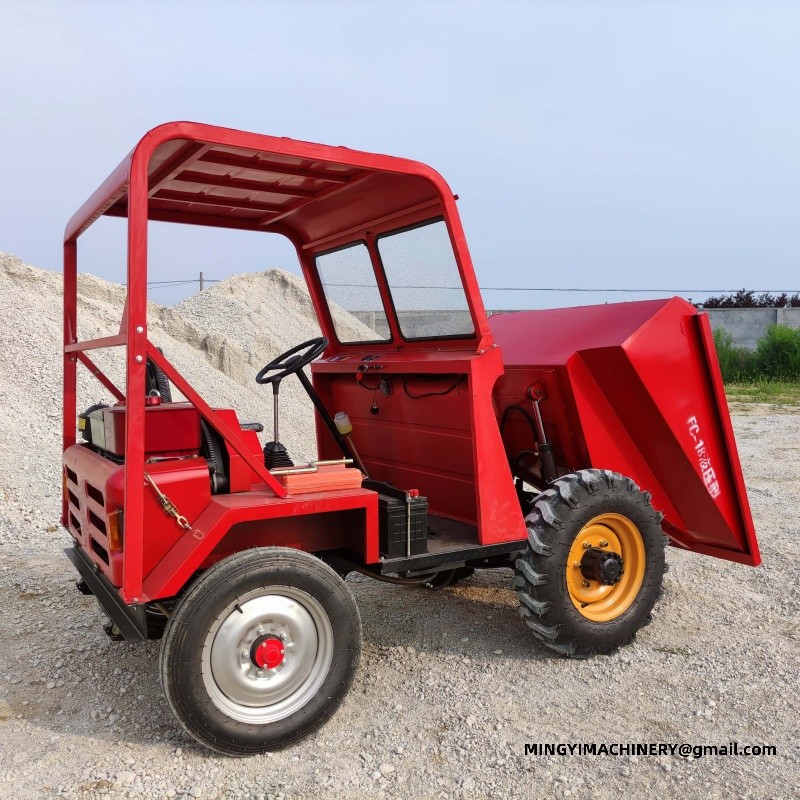
The FC10 is the published reference in the range, and above it sit the FC15/FC18/FC20/FC25/FC30 — four-wheel-drive hydraulic tippers with electric start, lighting, signal lamps and an optional canopy. Those models are built for duties beyond what the 1,000 kg FC10 is specified for, on a water conservancy project.
What separates them from the FC10 is drive and equipment: four-wheel drive where the FC10 drives its front axle, and factory-fitted lighting and signals where the FC10 is a daylight site machine. The right choice is decided by the ground and the hours on a water conservancy project carrying material along the bund, not by the largest number in a model designation.
A 1,580 mm box on a 2,700 x 1,600 x 2,000 machine can be loaded three ways: from a heap by hand, from a heap by machine, or from a hopper. On a water conservancy project, all three happen on the same site in the same week, and the box is proportioned to suit all of them.
0.5 m³ is small enough to fill by hand from a pile of sand and gravel and large enough that filling it mechanically is not wasted effort. That range is deliberate: the machine is bought by sites that cannot guarantee a loading method, so it works with whichever is available.
Wheelbarrows, tractor-and-trailer and full-size dump trucks all move material; the front tipper wins where the route is short, confined or rough. on a water conservancy project carrying material along the bund, the 2,700 x 1,600 x 2,000 machine with 4,500 mm of turning radius and 200 mm of clearance goes where the alternatives cannot, and tips forward without a ramp.
The 1,000 kg and 0.5 m³ figures are the honest middle of that argument: large enough that sand and gravel moves in useful quantities, small enough that the machine fits the site. Machines that try to be both usually end up too big for the route and too small for the load.
On a 2,700 x 1,600 x 2,000 machine the operator sits high relative to the load and close to the box, with the tipping area directly ahead. Front tipping means the discharge point is always in view, which is why a forward-tipping layout is preferred on a water conservancy project where the operator is working close to other people and plant.
The published comfort features are practical rather than decorative: a return device that brings the box down under control, and seating designed for a machine worked in short cycles. Comfort is a productivity figure on a tipper, because the operator is getting on and off it all day on a water conservancy project.
Ask for the specification sheet for the exact build you are buying, not for the model name. The FC10 figures published here describe the standard machine: 17.3 kW at 2,200 r/min, 0.5 m³ and 1,000 kg, with 12 V DC electric motor.
Ask also what is optional. On the wider FC15-FC30 four-wheel-drive machines the lighting, signal and cab options are listed explicitly; knowing which of them are fitted is the difference between a machine that suits your job and one that nearly does.
What is the rear axle arrangement on a front tipping dumper manufacturer China?
The rear axle steers and swings, while the front axle drives — a front-axle drive with rear-axle steering (two-wheel drive). The swinging rear axle is what keeps all wheels in contact on uneven ground on a water conservancy project.
How much does load distribution matter on a front tipping dumper manufacturer China?
Considerably. 1,000 kg of load sits ahead of the front axle, which is why the driven wheels are at the front and the engine is at the rear to counterweight it. The 1,230 mm wheelbase keeps that arrangement manageable on ramps.
What tyre pressures suit a front tipping dumper manufacturer China?
Correct pressures for the load: 1,000 kg across a 1,500 mm track and 1,230 mm wheelbase. On soft ground, correct pressures are what keep the contact patch wide and the machine moving, which is why the figure is worth checking weekly.
How much does a front tipping dumper manufacturer China weigh when loaded?
1,000 kg of load plus the machine itself, spread across a 1,500 mm track and a 1,230 mm wheelbase. The published load figure is the one to work from: the machine is balanced by the rear-mounted engine so that the rated load needs no ballast.
What should I keep in stock for a front tipping dumper manufacturer China?
Hydraulic hoses and seals for the tipping circuit, filters, a spare wheel or tyre set, and grease. The specification table with 1,000 kg, CG25M and 0.5 m³ covers everything a parts enquiry needs.
What kind of route suits a front tipping dumper manufacturer China?
Short distances with tight corners, firm but uneven ground and no room to reverse: the conditions on a water conservancy project. Runs measured in tens of metres are where a machine of this size makes sense, and where 4,500 mm of turning radius pays for itself.
What are the overall dimensions of a front tipping dumper manufacturer China?
2,700 x 1,600 x 2,000 overall, with a 1,500 mm track and a 1,230 mm wheelbase. The size is what lets it work through openings and along routes that larger site plant cannot enter on a water conservancy project.
How fast does a front tipping dumper manufacturer China travel?
Three published speeds: 6.8 km/h in first, 22 km/h in second and 7.5 km/h in reverse. First is the working gear, second is for the empty return and repositioning, and reverse is geared close to first because it is part of the cycle.
Full specifications for the FC10 and for the four-wheel-drive models above it are available on request, along with the optional equipment list: electric start, lighting, signal lamps and canopy.
Documents that travel with Front Tipping Dumper Manufacturer | China Factory: FC10 Spec
A clear parts book saves more time than any other document. When Front Tipping Dumper Manufacturer | China Factory: FC10 Spec needs a replacement, the illustration and the part number are what turn a phone call into a shipment instead of a description.
A second operator for Front Tipping Dumper Manufacturer | China Factory: FC10 Spec
Training is simpler than repair. An hour spent with a new operator on Front Tipping Dumper Manufacturer | China Factory: FC10 Spec, covering the limits and the awkward cases, is the least lengthy hour in the whole ownership.
Later additions and retrofits on Front Tipping Dumper Manufacturer | China Factory: FC10 Spec
Retrofitting is limited by the base machine. Before anything is added to Front Tipping Dumper Manufacturer | China Factory: FC10 Spec the hydraulic flow, the mounting interface and the stability allowance have to be checked, because those limits are what decide what is sensible.
Pre-delivery inspection before Front Tipping Dumper Manufacturer | China Factory: FC10 Spec leaves the shop
What the customer sees on arrival is decided before departure. The walk-around given to Front Tipping Dumper Manufacturer | China Factory: FC10 Spec covers the same points the operator will check on day one, so there are no surprises when the crate is opened at the destination.
Contact MINGYI Machinery for the current front tipper range, the four-wheel-drive models above the FC10, and a formal specification for your market. E-mail: sales@mingycn.com | LINE (ID): mingyicn
Front Tipping Dumper Manufacturer: Reading the Spec Table · Front Tipping Dumper Factory China: Two-Wheel or Four-Wheel · 4x4 Off Road Dumper for construction site haulage · Front Tipper Truck