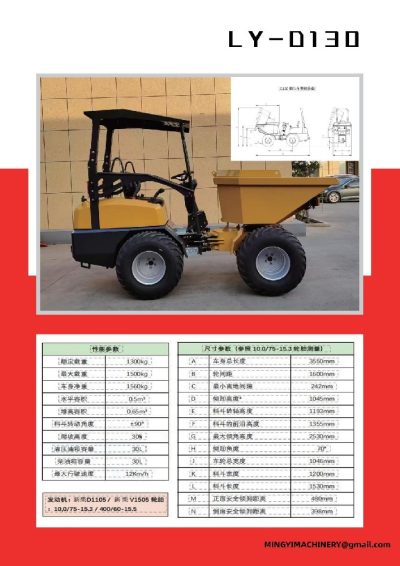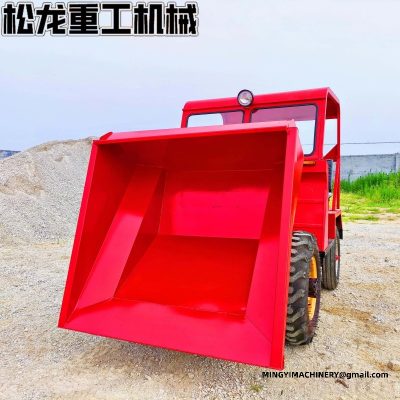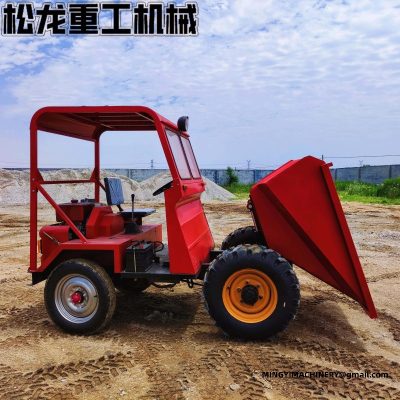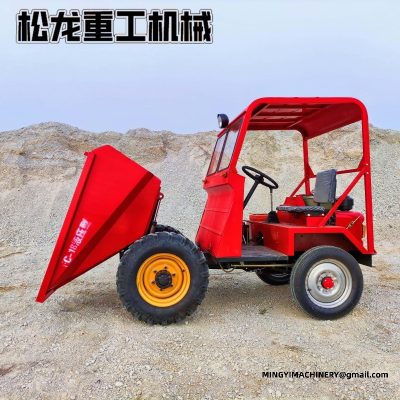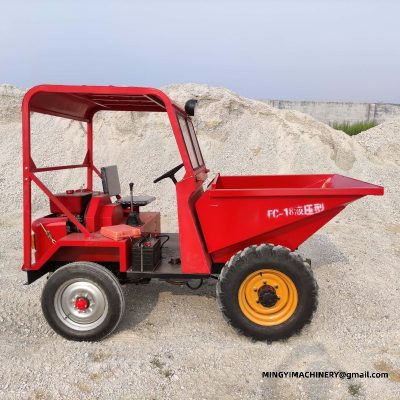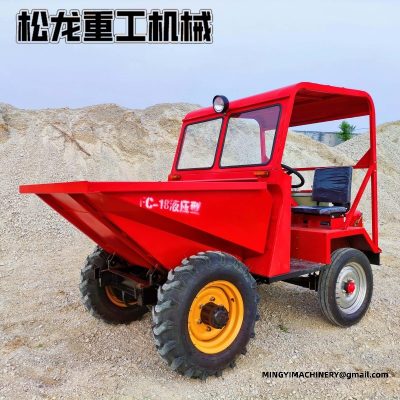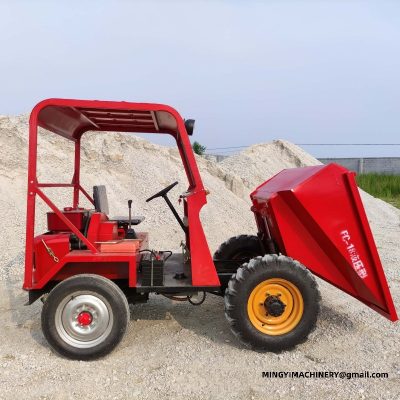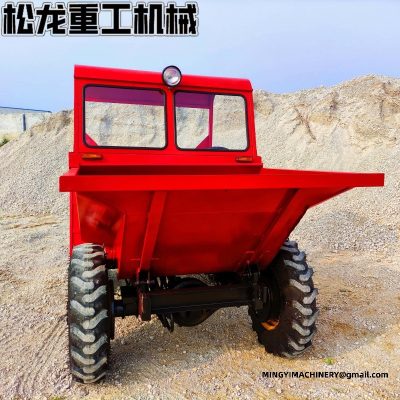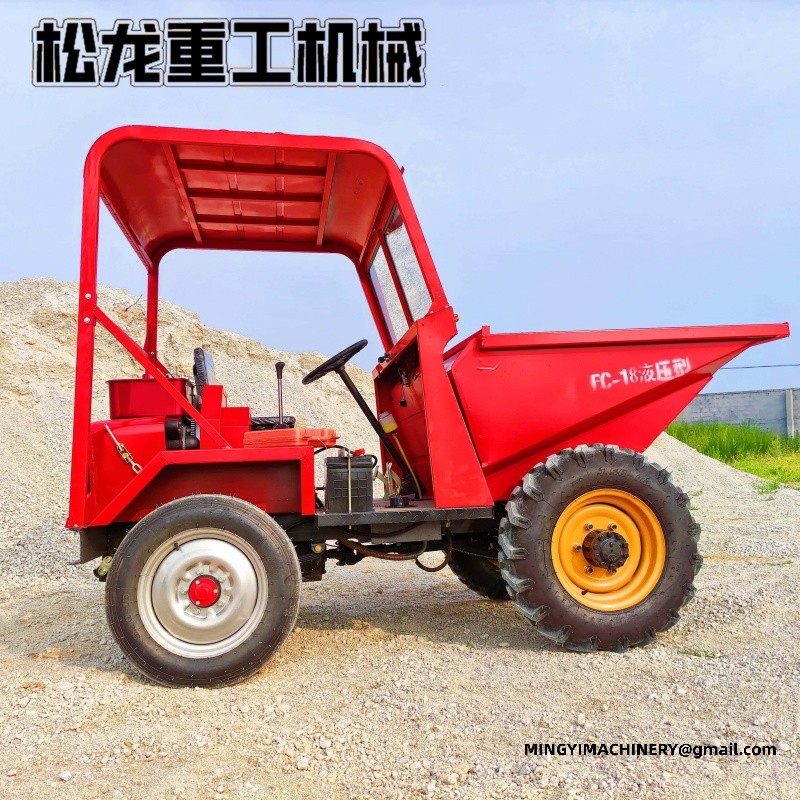
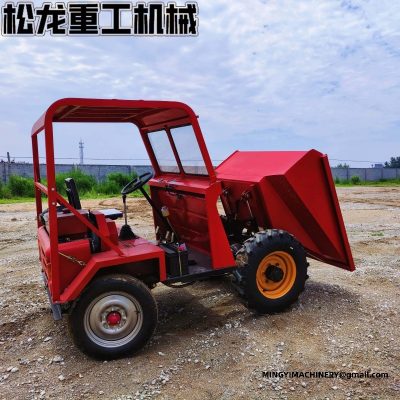
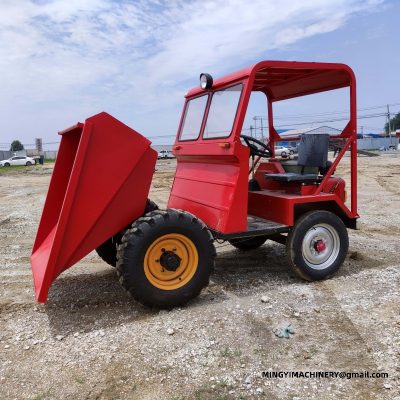
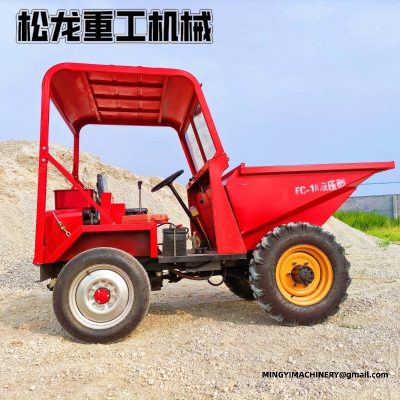
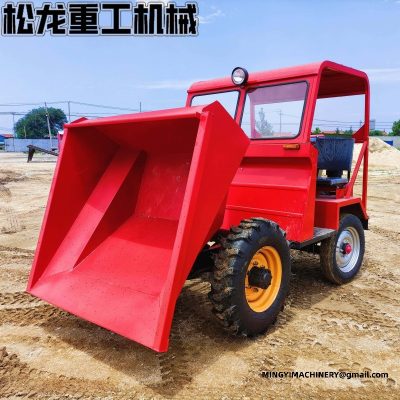
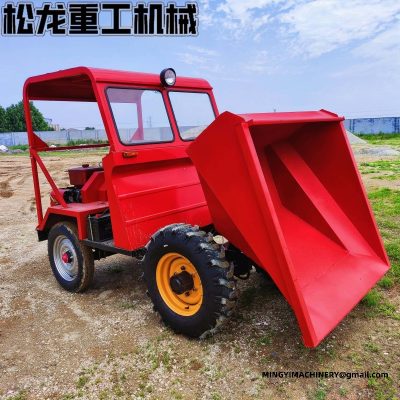
The case for a mini dumper supplier rests on three numbers that are usually left off a brochure: turning radius, ground clearance and gradeability. Together they describe where the machine can go rather than what it can carry, and where a mini dumper supplier works, that is what gets decided first. Here they are 4,500 mm, 200 mm and 21% respectively.
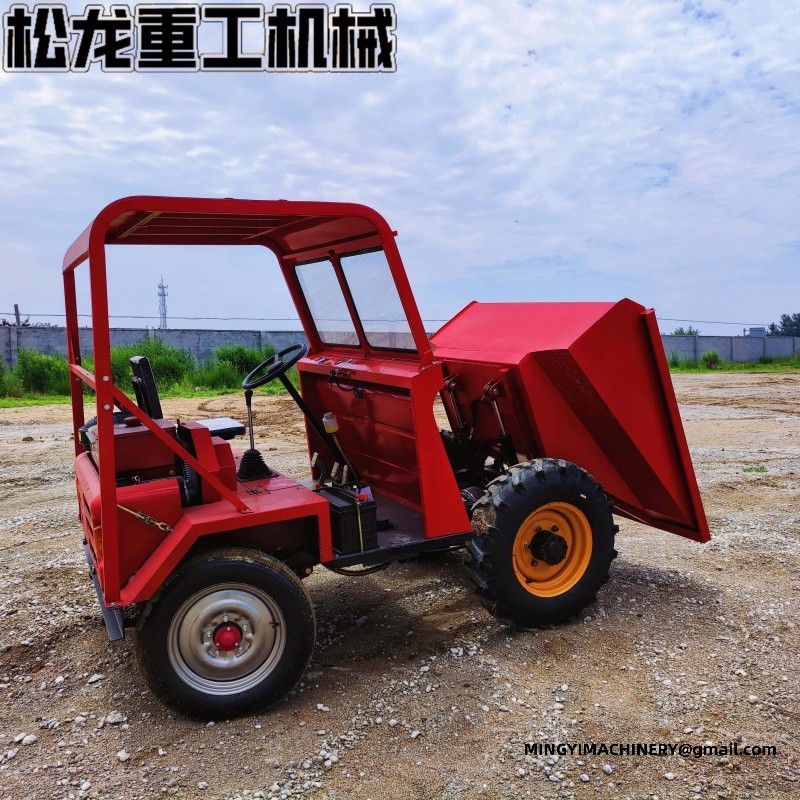
On a 2,700 x 1,600 x 2,000 machine the operator sits high relative to the load and close to the box, with the tipping area directly ahead. Front tipping means the discharge point is always in view, which is why a forward-tipping layout is preferred in a factory yard where the operator is working close to other people and plant.
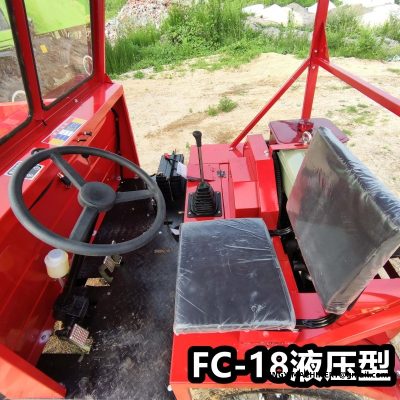
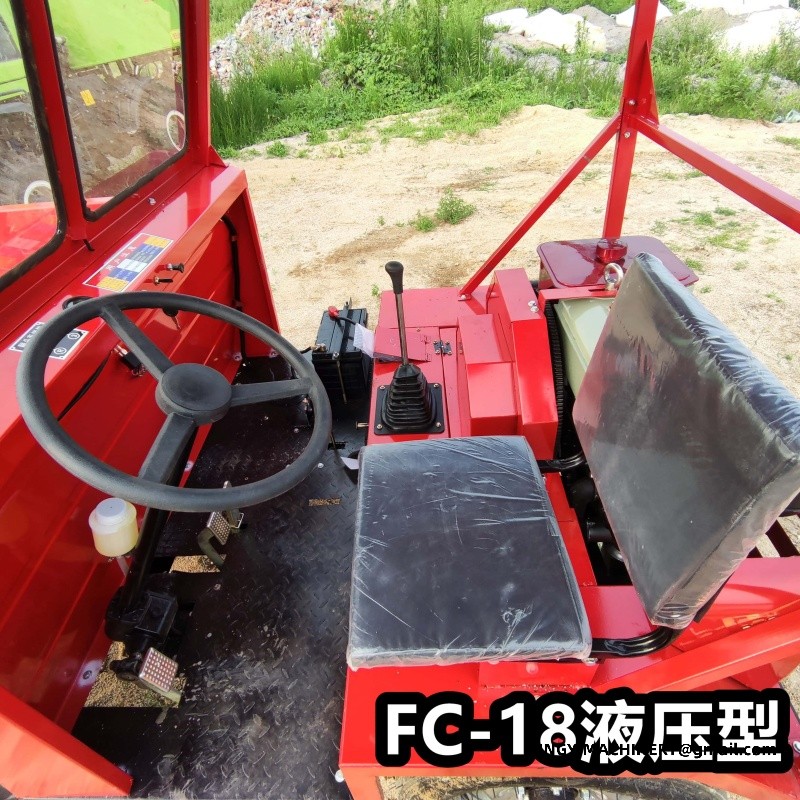
The published comfort features are practical rather than decorative: a return device that brings the box down under control, and seating designed for a machine worked in short cycles. Comfort is a productivity figure on a tipper, because the operator is getting on and off it all day in a factory yard.
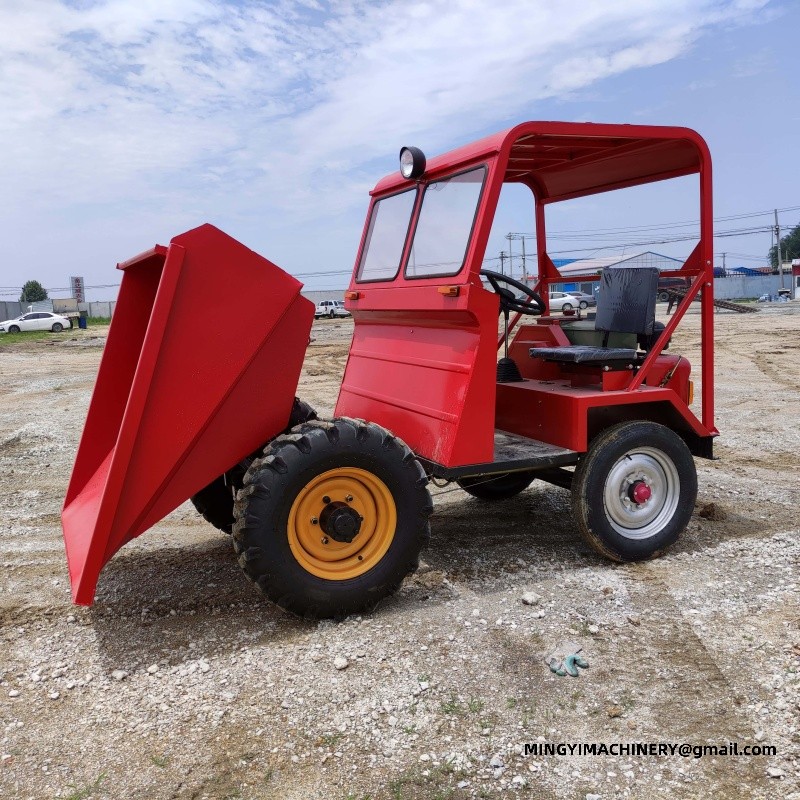
Specifying the FC10 is unusually straightforward because the table is complete: load 1,000 kg, box 0.5 m³, discharge 390 mm, turning radius 4,500 mm, clearance 200 mm, gradeability 21%, engine CG25M at 17.3 kW.
Check each against the site in the order they will constrain you: route width against 2,700 x 1,600 x 2,000 and 1,500 mm, the ramp against 21%, the worst ground against 200 mm, and the receiving point against 390 mm. A machine that passes all four in a factory yard is the machine for the job.
Steering at the rear takes a shift or two to get used to and then feels natural: the rear of the machine cuts inside the front's path, which is why the 4,500 mm turning radius is achievable on a 1,230 mm wheelbase. in a factory yard shifting material between bays, that radius is usually the difference between working through a gateway and having to reverse every pass.
Because the front axle drives and the rear steers, the driven wheels stay on the load path while the steering wheels follow. On loose or soft ground in a factory yard shifting material between bays that is the better arrangement: traction where the weight is, steering where the weight is not.
| Published build data — FC10 front tipper (1,000 kg class) | |
|---|---|
| Rated load | 1,000 kg |
| Rated bucket capacity | 0.5 m³ |
| Discharge height | 390 mm |
| Maximum gradeability | 21% |
| Bucket width | 1,580 mm |
| Travel speed, 1st gear | 6.8 km/h |
| Travel speed, 2nd gear | 22 km/h |
| Travel speed, reverse | 7.5 km/h |
| Minimum turning radius | 4,500 mm |
| Overall dimensions (L x W x H) | 2,700 x 1,600 x 2,000 |
| Track | 1,500 mm |
| Wheelbase | 1,230 mm |
| Minimum ground clearance | 200 mm |
| Diesel engine model | CG25M |
| Rated engine power | 17.3 kW |
| Rated engine speed | 2,200 r/min |
| Starting method | 12 V DC electric motor |
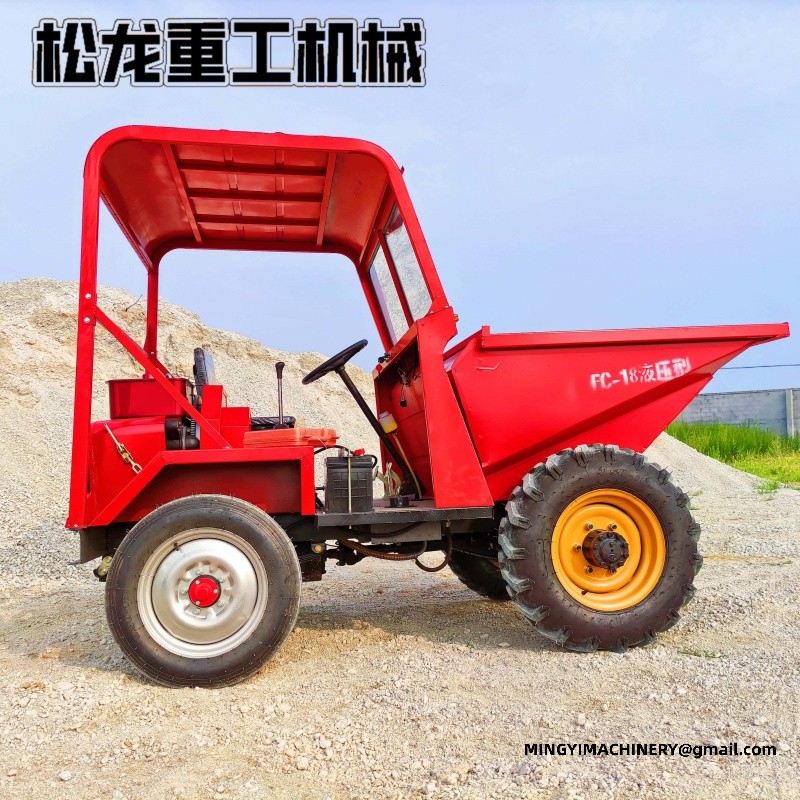
There is a size of job below which a large machine takes more than it earns. Access in a factory yard is usually the reason: a tipper at 2,700 x 1,600 x 2,000 with a 4,500 mm turning radius reaches the pour or the face that a bigger machine cannot approach.
The honest comparison is not tipper against tipper but tipper against wheelbarrow and shovel. At 1,000 kg per trip, one operator and one FC10 replace a small crew and remove the hardest part of the work. That is the job the machine was designed for.
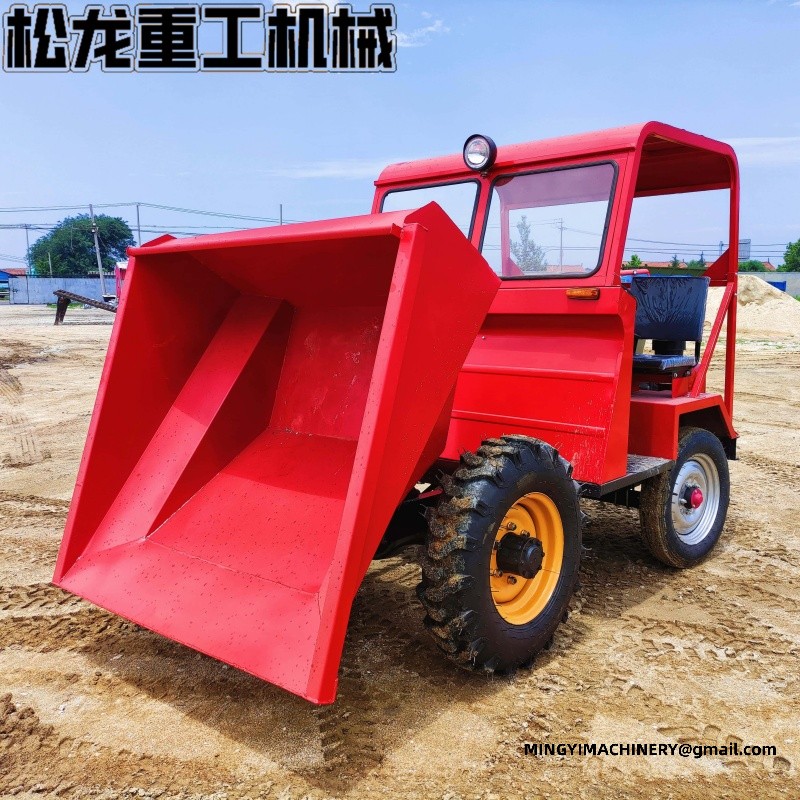
The FC10 is a front-axle drive with rear-axle steering (two-wheel drive) machine, and that is the correct specification for firm ground and short cycles in a factory yard. The FC15/FC18/FC20/FC25/FC30 models are four-wheel-drive hydraulic tippers for work where traction rather than payload is the limit.
The decision is ground-driven. Where the route is firm and the grades are within 21%, two-wheel drive keeps the machine simpler and its maintenance lighter. Where the ground is soft, wet or broken, four-wheel drive earns its complexity — and the family exists so that the choice can be made rather than compromised on.
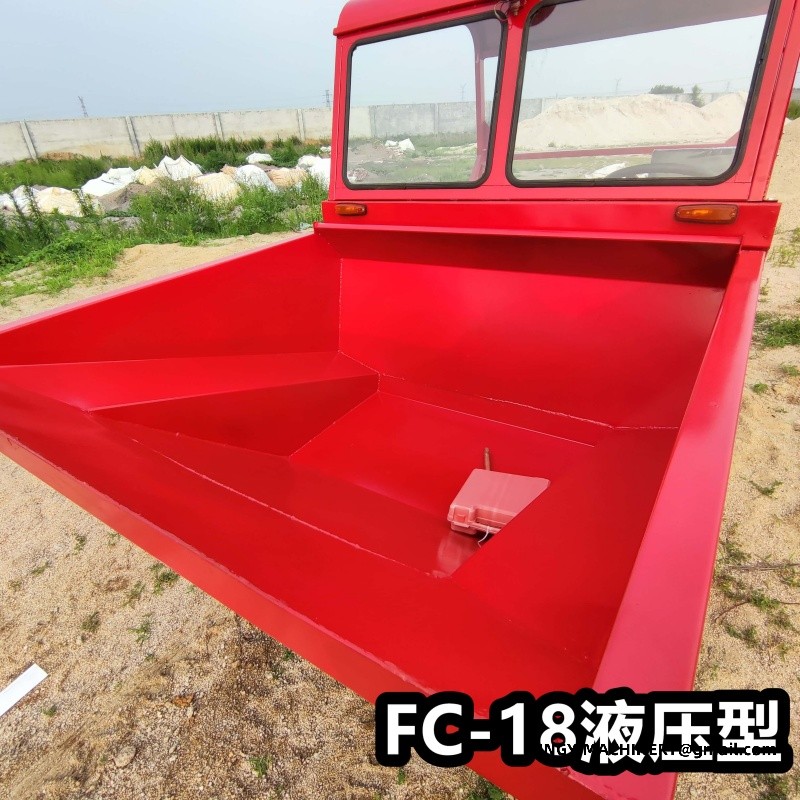
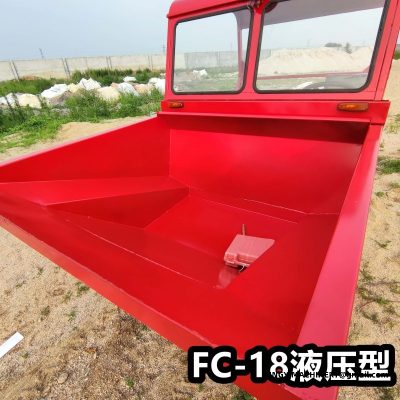
The box is 1,580 mm wide on a machine 2,700 x 1,600 x 2,000 overall, and that proportion is deliberate. A wide box loads from a heap without the operator having to square up precisely, which matters in a factory yard, where the loading point is a pile rather than a hopper.
Width also affects how the load sits. A 1,580 mm box spreading 1,000 kg across its floor keeps the centre of gravity low and central, which is what keeps the machine stable on the ground it is specified for. Narrow, tall boxes look efficient and handle badly when the load shifts — and loads of ore do shift.
The FC10 reverses at 7.5 km/h, which is slow enough that a banksman walking beside it can keep up. That is deliberate on a machine used in a factory yard, where the route behind is often occupied by people who cannot hear it coming over the general noise.
Ask any site that runs small tippers and the same three controls come back: a speed limit for reversing, a rule that the person on the ground has the right of way, and nobody standing inside the turning circle. At 4,500 mm, the FC10 turns inside a space narrower than most expectations, which reduces but does not remove the need for those rules.
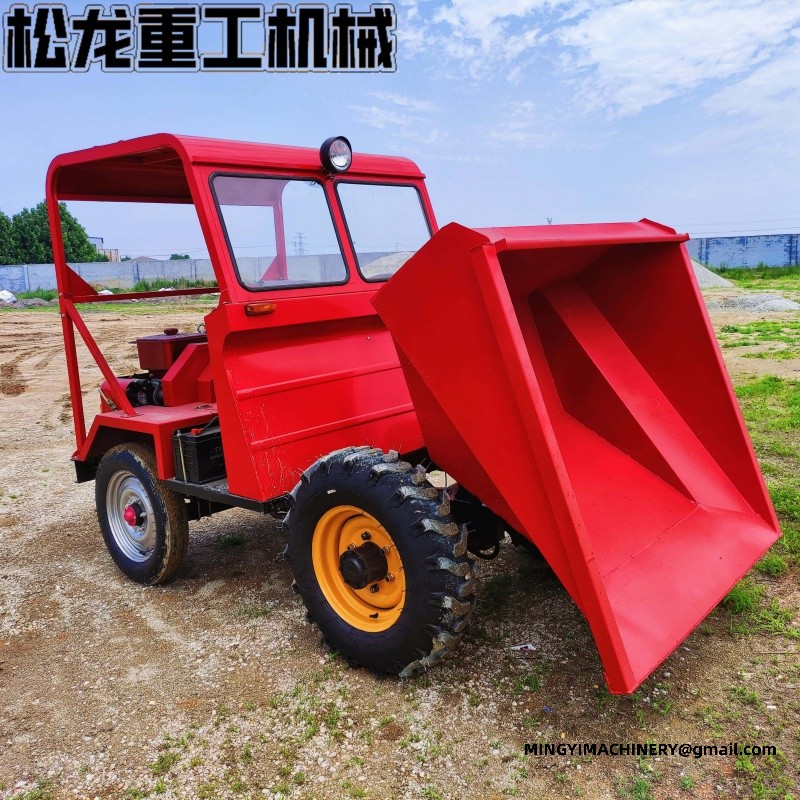
The published application list covers concrete, sand and gravel, earthwork, coal, ore and fertiliser — short-distance movement of loose material, in a factory yard shifting material between bays. What those have in common is that they load by shovel or grab, discharge by tipping and do not need a sealed body.
The 0.5 m³ box with a 1,580 mm width suits all of them for different reasons: width for loading from a heap, volume for light material, the 1,000 kg rating for the dense ones. A machine that publishes its limits honestly can be matched to the material rather than hoped into it.
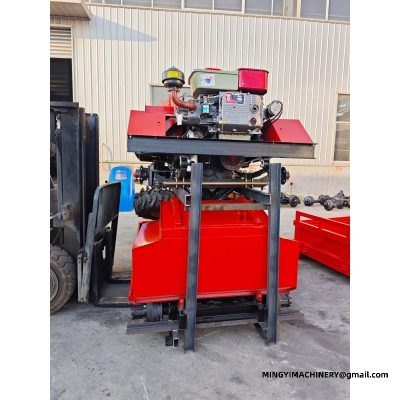
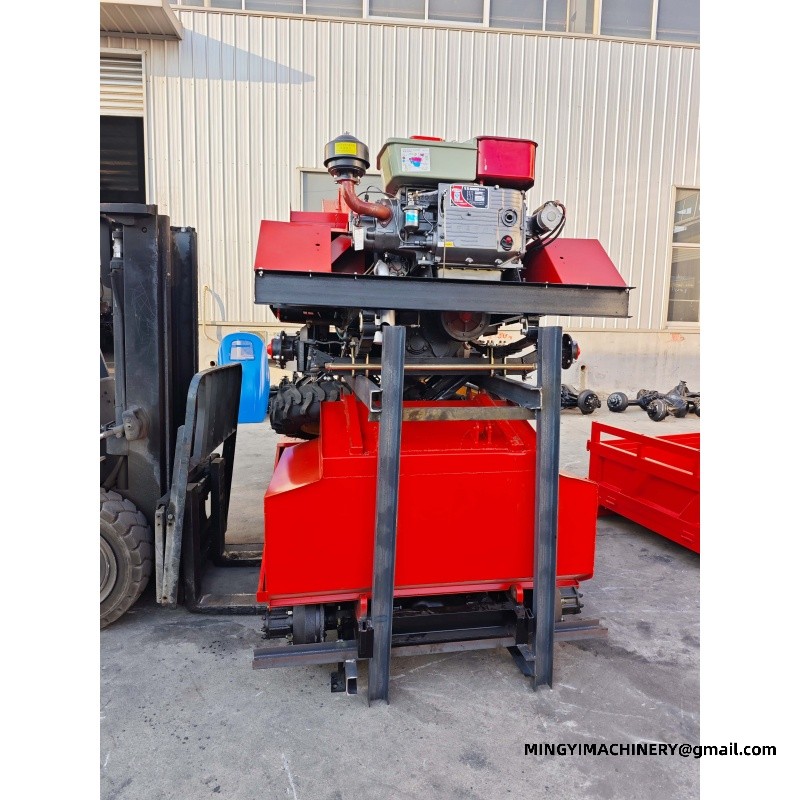
17.3 kW at 2,200 r/min is the honest way to specification a small diesel: power at rated speed, from the CG25M. What matters in a factory yard is whether the machine holds speed on a ramp with a full box, and that is a torque-and-gearing question the whole drivetrain answers together.
A 1,000 kg tipper does not need a large engine; it needs one sized so the hydraulics for tipping and the drive for hauling do not fight each other. The published pairing — CG25M, 17.3 kW, 21% — describes a machine matched for its duty rather than one specified for a brochure.
A 4,500 mm turning radius on a 1,230 mm wheelbase is the figure that decides where the machine can work. Gateways, corridors between scaffolding and the working rooms inside a building are everyday obstacles in a factory yard, and a tight radius is what turns them from obstacles into routes.
Overall size is 2,700 x 1,600 x 2,000 — short, and narrow enough to pass where larger site plant cannot. Rear-axle steering makes the geometry work: the machine pivots inside its own footprint instead of swinging a long nose across the turn, which is what keeps a 1,000 kg tipper usable indoors and in confined yards.
Keep the specification, the service record and the tyre details together with the machine. When the tipper is resold, or when a site asks for evidence of maintenance, that folder is the difference between a quick answer and a slow one.
It also pays on the maintenance side. A machine that has been worked in a factory yard for years accumulates a history, and knowing what has been replaced tells the next mechanic where to look. The FC10 is simple enough that this history is short, which is exactly the point of owning one.
What is the rated load of a mini dumper supplier and what does it include?
1,000 kg rated load, with a 0.5 m³ box. The rating covers the material in the box and assumes the machine is working within its published limits in a factory yard.
How wide is the mini dumper supplier and will it pass through my gateway?
2,700 x 1,600 x 2,000 overall with a 1,500 mm track. Measure the narrowest fixed point on your route rather than the average, because one tight gateway decides whether the machine can be used at all in a factory yard.
What is the engine power rating of a mini dumper supplier?
17.3 kW at 2,200 r/min from the CG25M, mounted at the rear. The rating is matched to a 1,000 kg machine rather than chosen for a headline figure.
How do I know a mini dumper supplier is the right size rather than too small?
Work out the daily tonnage and divide by 1,000 kg per trip. If the number of cycles is practical within the routes available, the machine is right. Where the runs are long rather than short, no machine of this class is the answer.
What is the working envelope of a mini dumper supplier?
Grades to 21%, ground clearance of 200 mm, a turning radius of 4,500 mm and overall dimensions of 2,700 x 1,600 x 2,000. Inside that envelope the machine is predictable on the firm ground its two-wheel-drive layout is specified for in a factory yard.
What engine does the mini dumper supplier use?
A CG25M diesel rated at 17.3 kW at 2,200 r/min, mounted at the rear to counterweight the load in the box ahead of the front axle. Starting is by 12 V DC electric motor.
What maintenance does a mini dumper supplier need?
Daily: oil and coolant levels, tyre pressures and a walk-round. Then grease the tipping pivots and check the hydraulic hoses and cylinder, because the box cycles hundreds of times a day in a factory yard.
What materials can a mini dumper supplier move?
The published application list covers concrete, sand and gravel, earthwork, coal, ore and fertiliser — short-distance movement of loose material. The 0.5 m³ box handles all of them, with the load limit deciding which one governs.
Where the route fits the FC10, the two-wheel-drive machine is the simpler and simpler answer; where the ground does not, the four-wheel-drive models in the family are the step up. Deciding which case applies is most of the purchase.
Hot, humid and dusty conditions around Mini Dumper Supplier: What the FC10 Table Publishes
Tropical operation is a specification question as much as a maintenance one. The cooling capacity, the sealing and the corrosion protection fitted to Mini Dumper Supplier: What the FC10 Table Publishes are what make the difference once the ambient temperature rises.
Moving Mini Dumper Supplier: What the FC10 Table Publishes between sites
Loading is where most damage happens. Ramps, angle of approach and the condition of the ground under them matter more than the machine when Mini Dumper Supplier: What the FC10 Table Publishes is being loaded, and a careful driver is worth more than a fast one.
A second operator for Mini Dumper Supplier: What the FC10 Table Publishes
Shared machines need shared habits. Two operators on Mini Dumper Supplier: What the FC10 Table Publishes should do the same daily checks in the same order, because the check that one person skips is the check that eventually matters.
Reading the early symptoms on Mini Dumper Supplier: What the FC10 Table Publishes
Temperature and pressure are the two things worth watching. A Mini Dumper Supplier: What the FC10 Table Publishes that runs hotter than it used to, or whose pressure has drifted, is reporting a problem that is still simple to fix.
Planning the season around Mini Dumper Supplier: What the FC10 Table Publishes
Workload is rarely even across the year, and the machine should be specified for the busy weeks. A Mini Dumper Supplier: What the FC10 Table Publishes sized only for the average month will be the limiting factor exactly when the work is worth the most.
Contact MINGYI Machinery for the current front tipper range, the four-wheel-drive models above the FC10, and a formal specification for your market. E-mail: sales@mingycn.com | LINE (ID): mingyicn
Construction Site Dumper: Ramps, Grades and Swinging Axles · Small Dumper Machine: Engine, Starting and Daily Checks · 4x4 Forestry Transport Vehicle with hydraulic tipping body · Front Tipper Truck