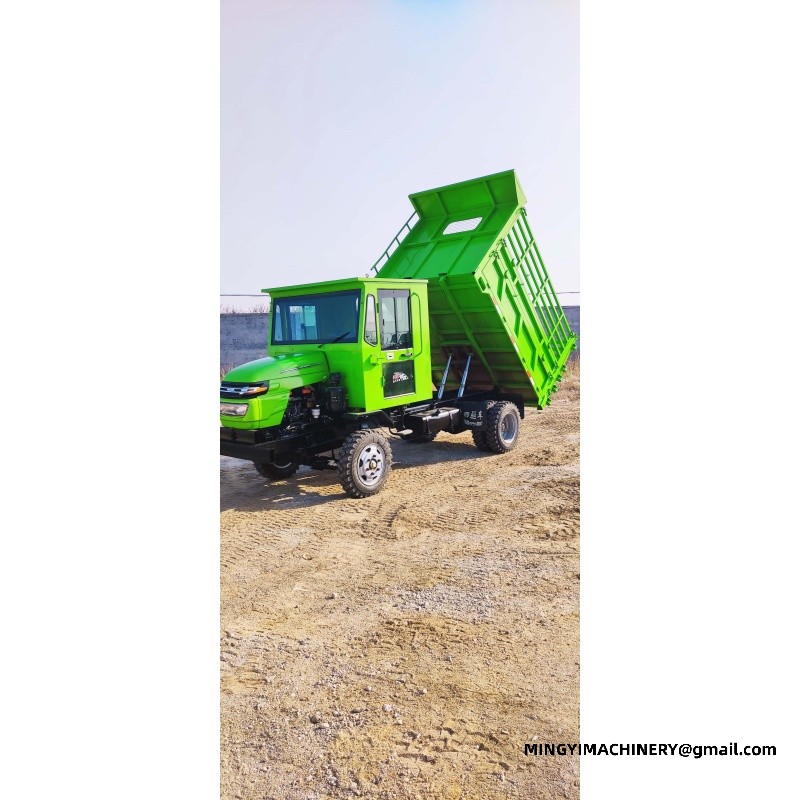
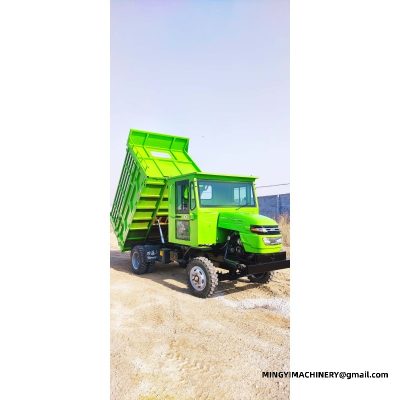
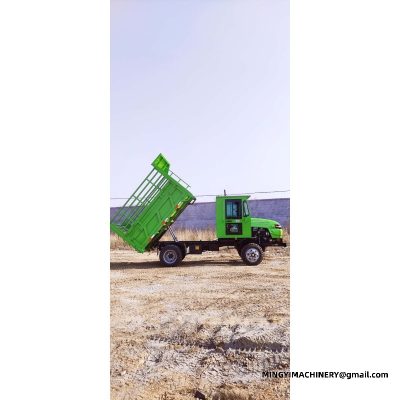
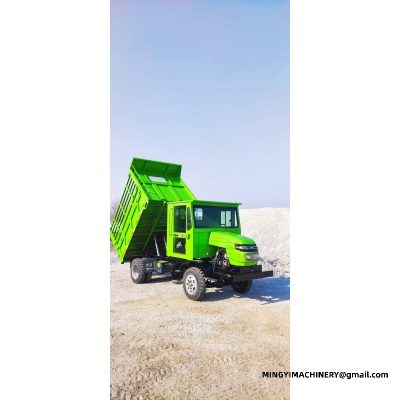
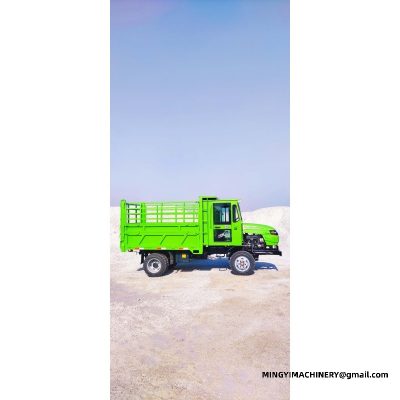
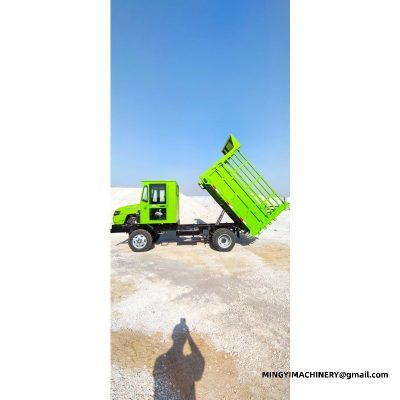
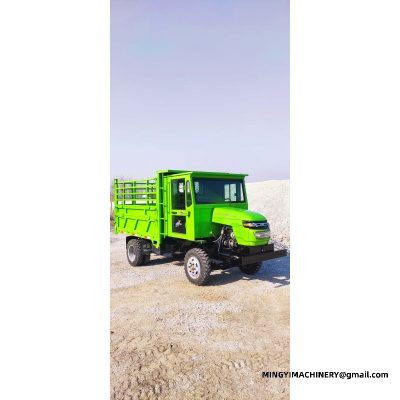
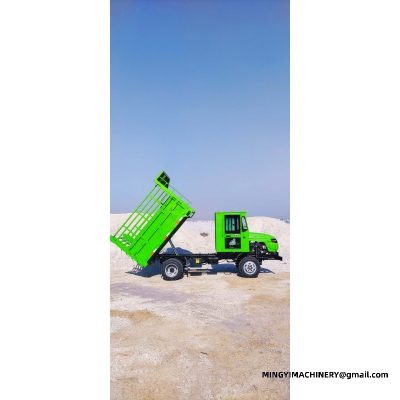
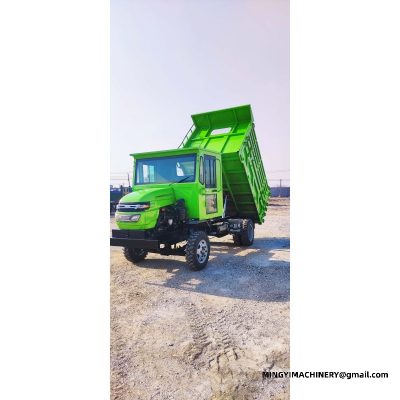
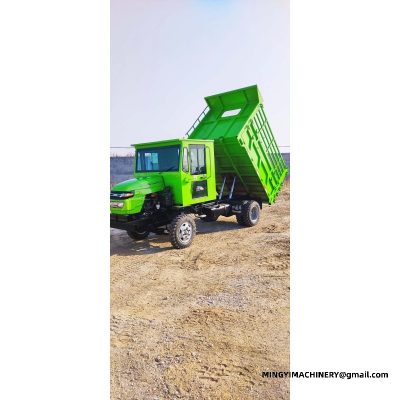
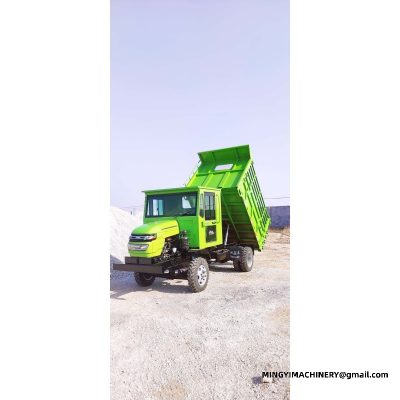
Model MY-4x4-4T · 4 t payload · 58 hp engine
Reading about the dumper is easier when the page follows the life of the machine. What follows moves from selection through delivery, first weeks of work, routine care and the point at which the unit is replaced or sold on.
Daily checks and maintenance on small articulated dump truck
Most failures start as something small that a walk-around would have caught. Fluid levels, belt tension, tyre or track condition and any fresh leak are the items worth two minutes at the start of each shift on this class of machine.
Soft ground, paddy fields and mud with small articulated dump truck
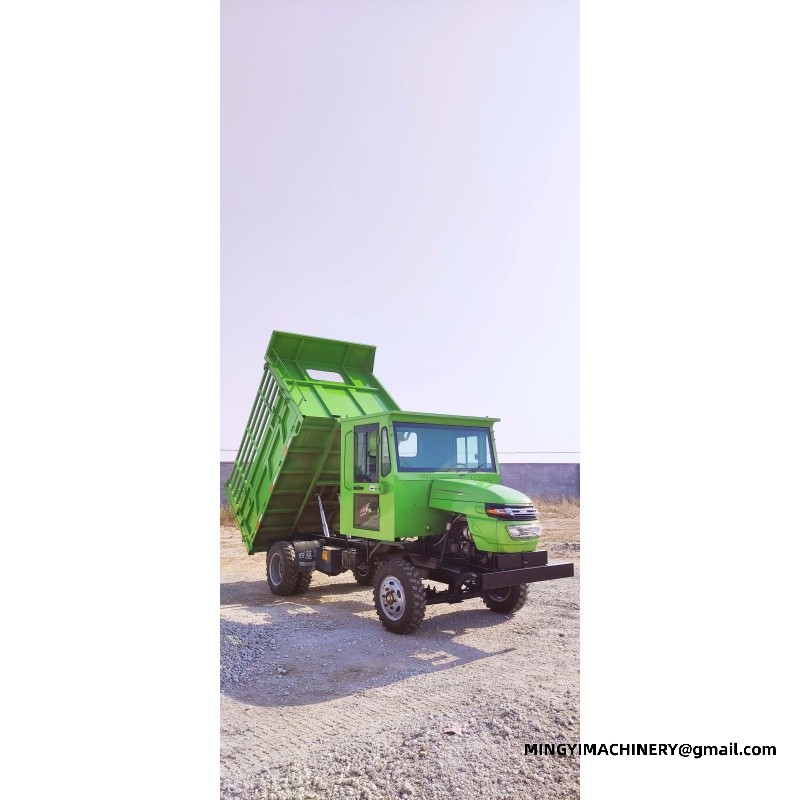
Four-wheel drive is only part of soft ground capability. Tyre choice, ground clearance and weight distribution decide whether the unit in daily use keeps moving in a paddy field or a marsh, and all three are specified rather than assumed.
Fitting small articulated dump truck into the wider site plan
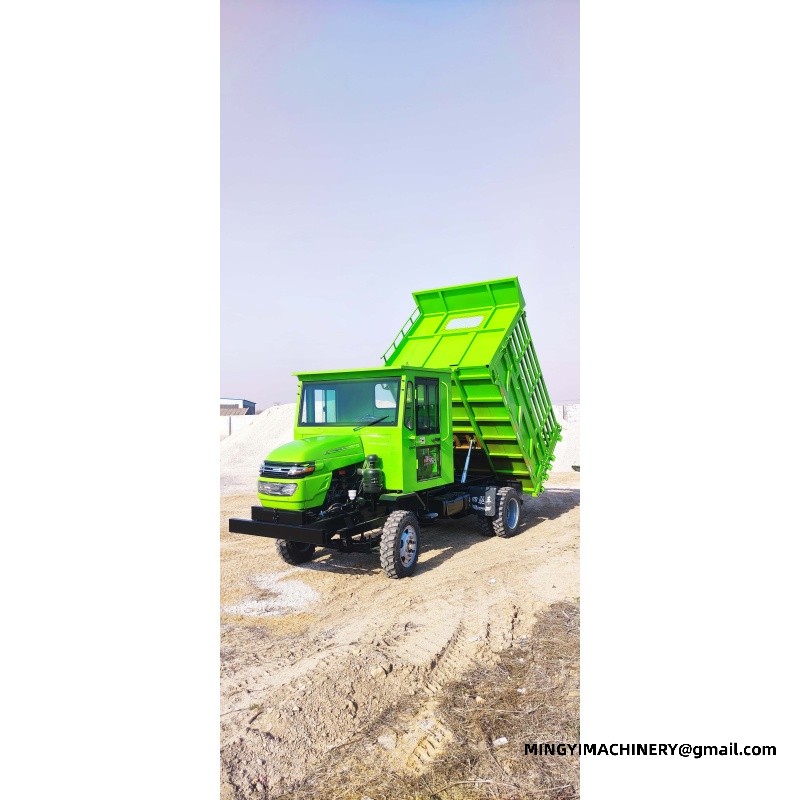
Machine productivity depends on what happens around it. Deliveries, other trades and the sequence of work decide how much of the shift a machine of this size spends actually working rather than waiting. Access and storage are worth settling early. Where the equipment on site will be parked, refuelled and serviced on site affects the working day more than most specification details, and it takes nothing to plan. Sequencing avoids rework. Doing the work in the order that suits the ground and the following trades keeps the machine itself productive and prevents finishing a task that then has to be opened up again.
Dust, mud and abrasive conditions around small articulated dump truck
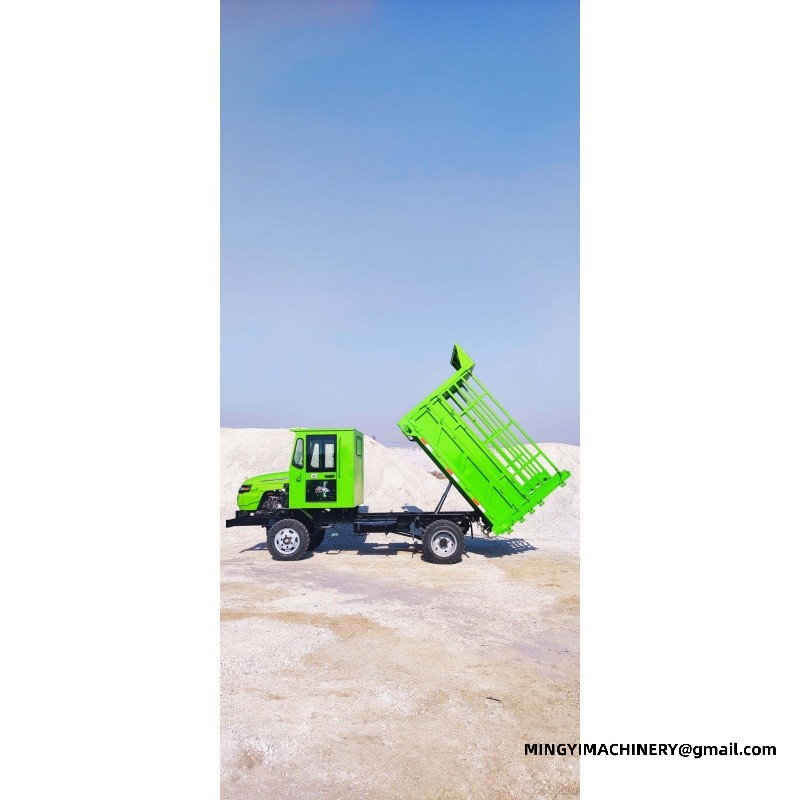
Cleaning is maintenance, not appearance. Washing the cooling surfaces and clearing packed material from the model in question keeps temperatures where they should be and makes the next inspection quicker and more useful. Sealed points and guarded areas deserve a look in these conditions. The machine in that duty working in abrasive dust benefits from checked boots, intact guards and clean breathers, all of which are quick to verify.
Running small articulated dump truck in a mixed fleet
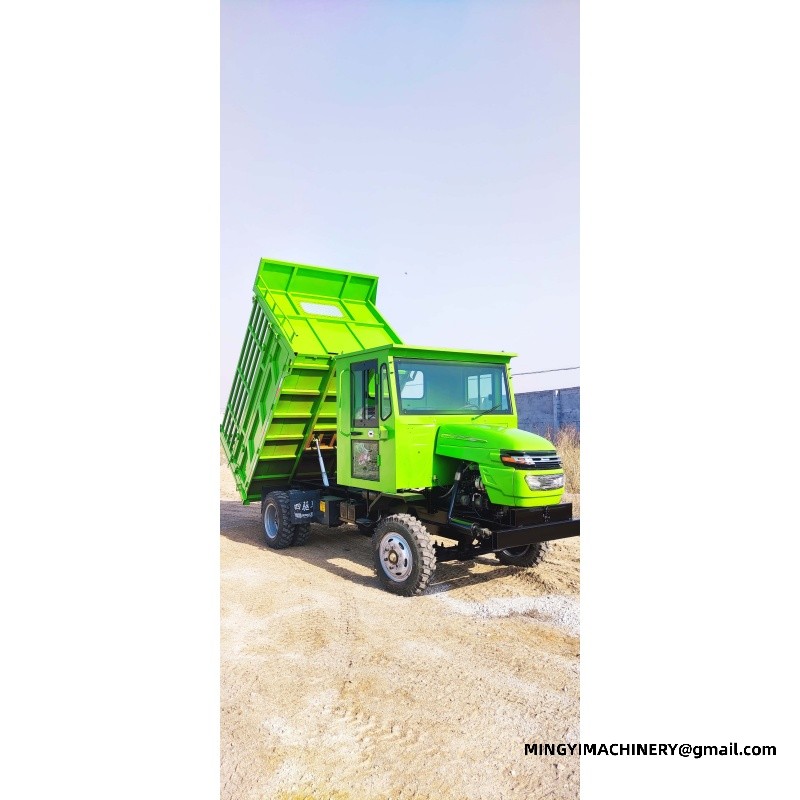
Utilisation matters more than the purchase decision over a few years. The unit on the job that sits idle ties up the same yard space standing still as one that earns, so the buying decision should follow the hours the machine will realistically work. Standardising where possible simplifies everything downstream. When several units of a machine built for the work share a service schedule and a parts list, the fleet becomes easier to plan and easier to sell on at replacement time.
Ordering, lead time and delivery of small articulated dump truck
The order should state the configuration in writing. Engine, attachments, colour, documents and any market requirement are clearer on the build sheet for the equipment in service than in a conversation after delivery. Delivery planning includes the receiving end. Knowing whether the dumper will be craned, driven or forked off, and whether the site can accept it, is settled before dispatch rather than on the day.
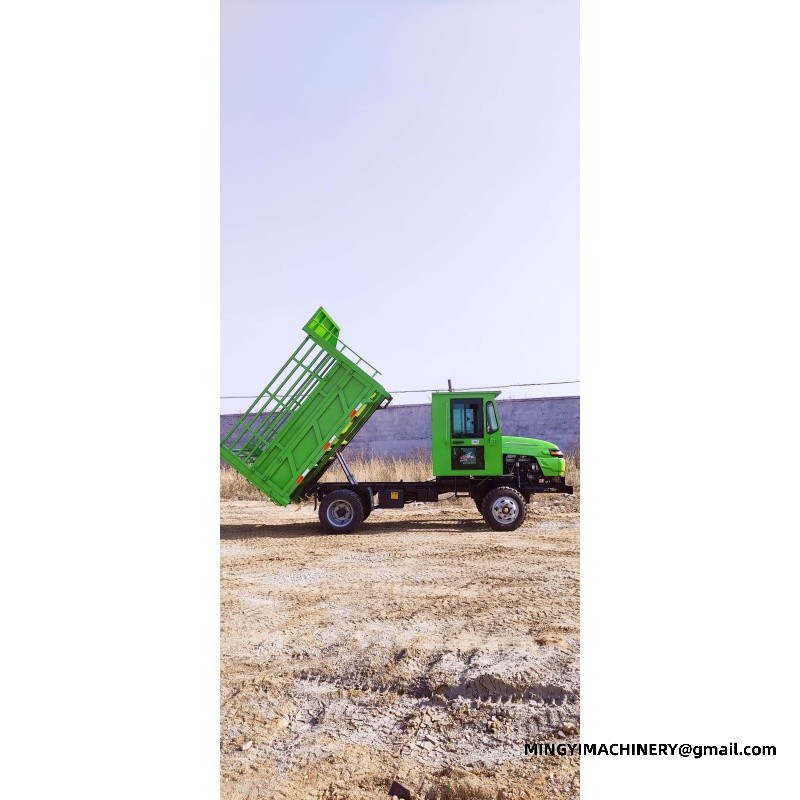
Gradient and climbing ability of small articulated dump truck
Gradient is where a haul vehicle earns its keep. This class of machine with a crawler gear and a low range climbs loaded where a road vehicle would need a second attempt, and that difference decides whether a track is usable at all. Descending matters as much as climbing. A loaded A machine of this size on a steep gradient needs engine braking and brakes in good order, and the safe practice is to plan the descent before the load rather than during it. Ground and gradient together set the limit. Loose surface on a slope reduces what the unit in daily use can pull regardless of engine power, so the surface survey belongs before the specification.
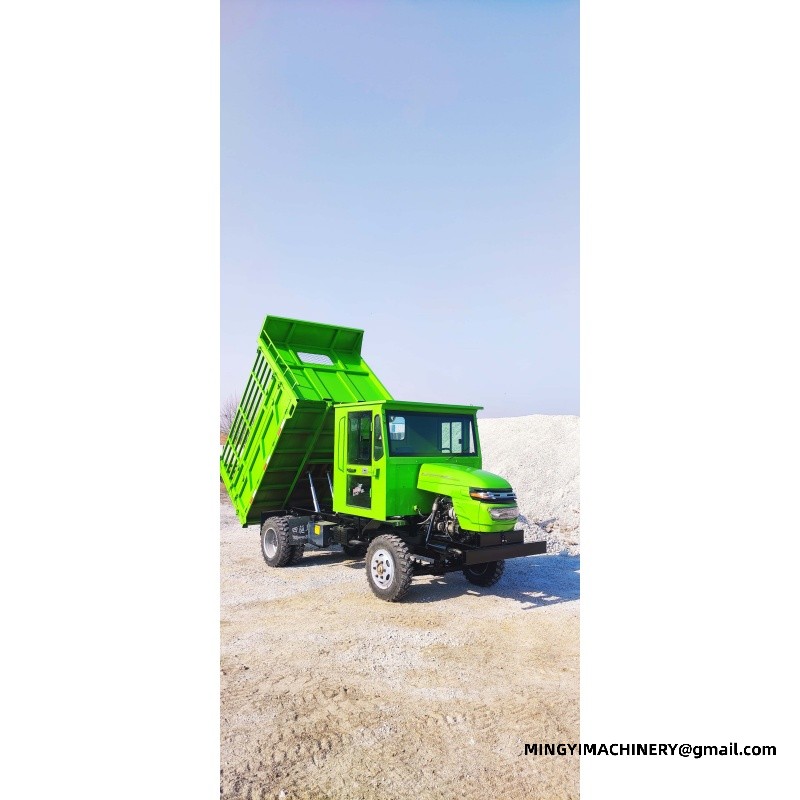
Handover and documentation for small articulated dump truck
Handover should include the documents as well as the keys. Parts list, service schedule and the operator notes for the equipment on site are what the workshop needs in month six, and they are much harder to obtain later. A short familiarisation session prevents the early faults. Most first-month problems on the machine itself come from unfamiliarity with controls, limits or checks rather than from the machine itself.
Lighting and low light operation of the model in question
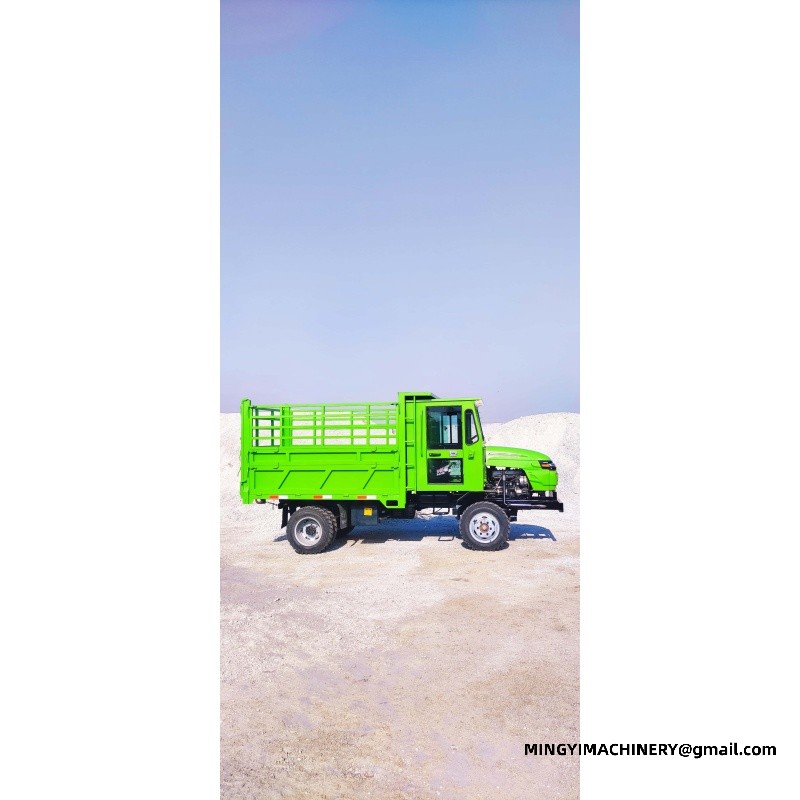
Working after daylight changes the risk. Lighting coverage on the machine in that duty and across the working area, plus high-visibility clothing for anyone on foot, are the items that make low-light work practical.
Storage and downtime care for the unit on the job
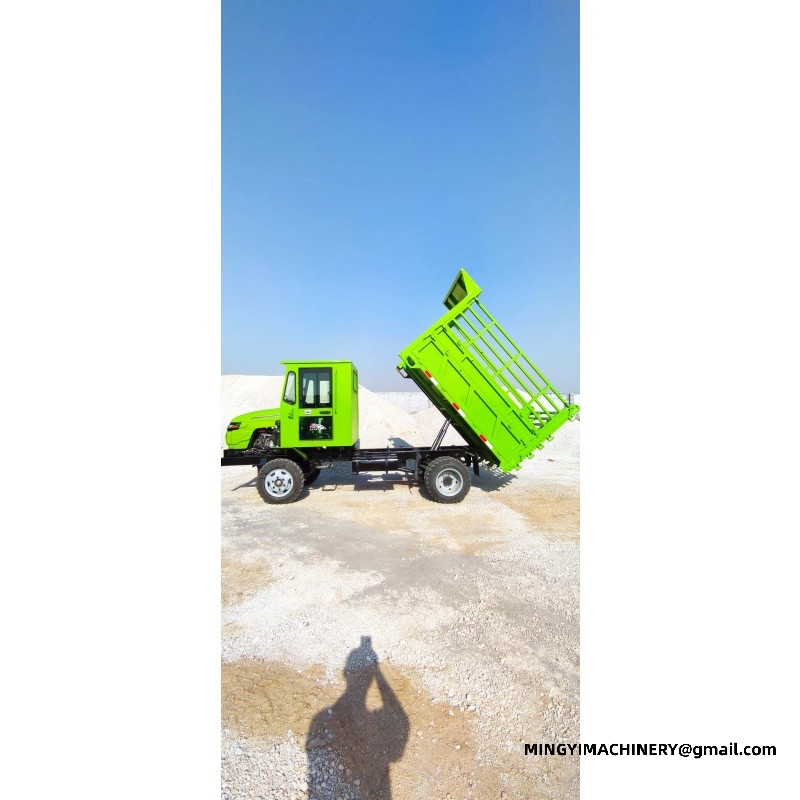
Standing still is hard on machinery. A machine built for the work left for weeks benefits from a clean, dry, covered space, a charged battery and a fuel system prepared for the layoff, and all three effort very little.
Warranty, commissioning and early checks
Warranty terms are clearer when they are read before purchase. Knowing what is covered, what counts as a wearing item and what documentation is required makes a claim on the equipment in service straightforward rather than contested.
Operator technique and familiarisation
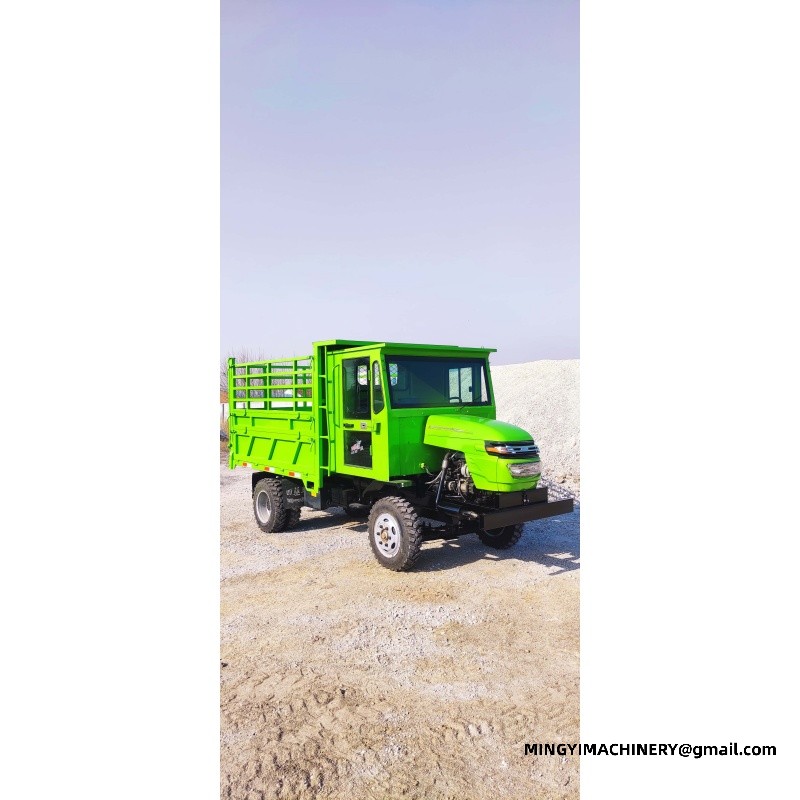
A short handover pays for itself. Operators who understand why the dumper is set up the way it is will report a change in behaviour early, which is usually the point where a repair is simplest.
Attachments and working tools for this class of machine
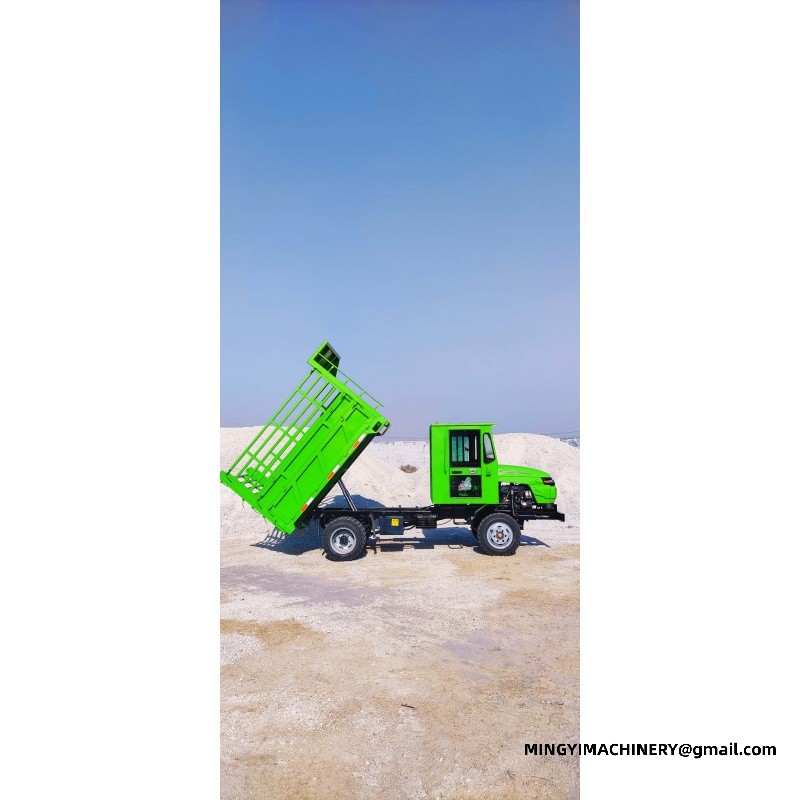
The base machine is only as useful as the tool on the end of it. Matching the attachment to the task - rather than to what arrived with the machine - is what lets one a machine of this size cover several jobs across a week. Attachment decisions are best made before delivery. Specifying hydraulics and couplers at build time is simpler than adding them later, and it avoids the downtime of a workshop visit in the first month. Most owners find that the second attachment changes how often the machine is used. The unit in daily use that was bought for one task often becomes the general machine on site once a second tool is available.
Resale value and replacement planning
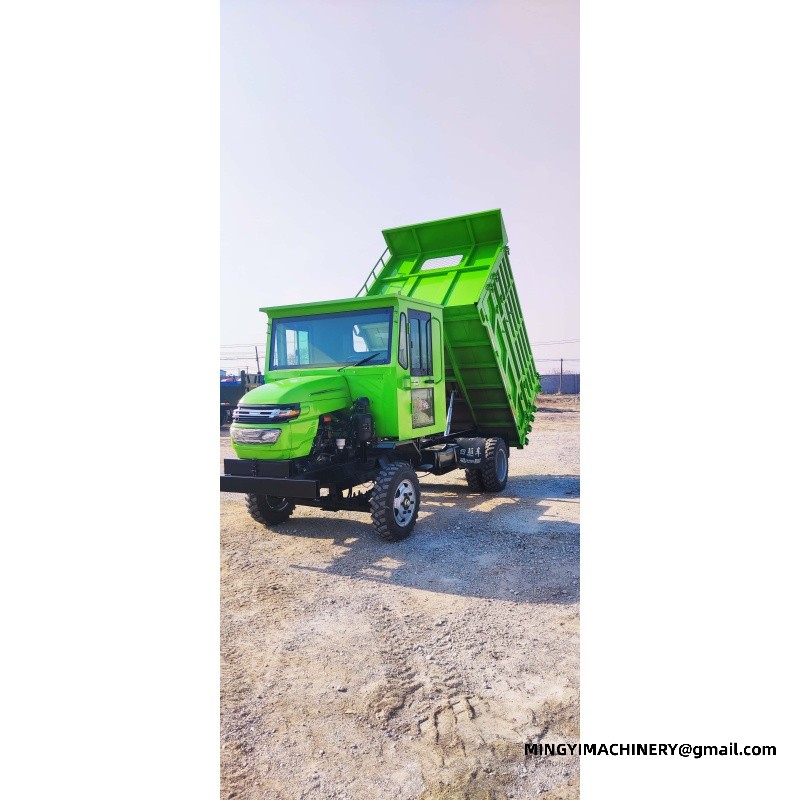
Resale starts at purchase. Specification choices, service records and the condition of wearing parts are what a buyer looks at, and the equipment on site that has been maintained on schedule is worth more than one that merely looks clean. Records are part of the asset. Keeping the service history and the hour records with the machine itself makes it easier to sell, easier to insure and easier to justify the replacement machine internally.
Safe working practice around the model in question
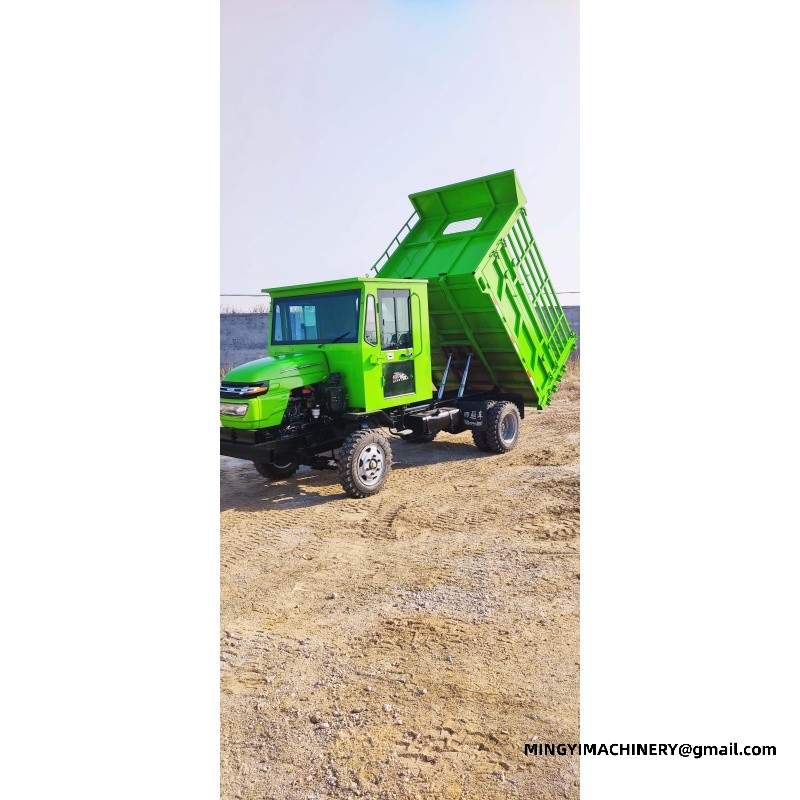
Most incidents around machinery come from the space rather than the machine. Exclusion zones, a clear signal person and a check on what is behind the unit on the job before it moves cover the large majority of the risk on a working site. Personal protective equipment and a stop rule are simple controls. Agreeing before work starts that anyone can stop the job is the single measure that most often prevents a serious incident near the machine in that duty.
Configuration data for a machine built for the work
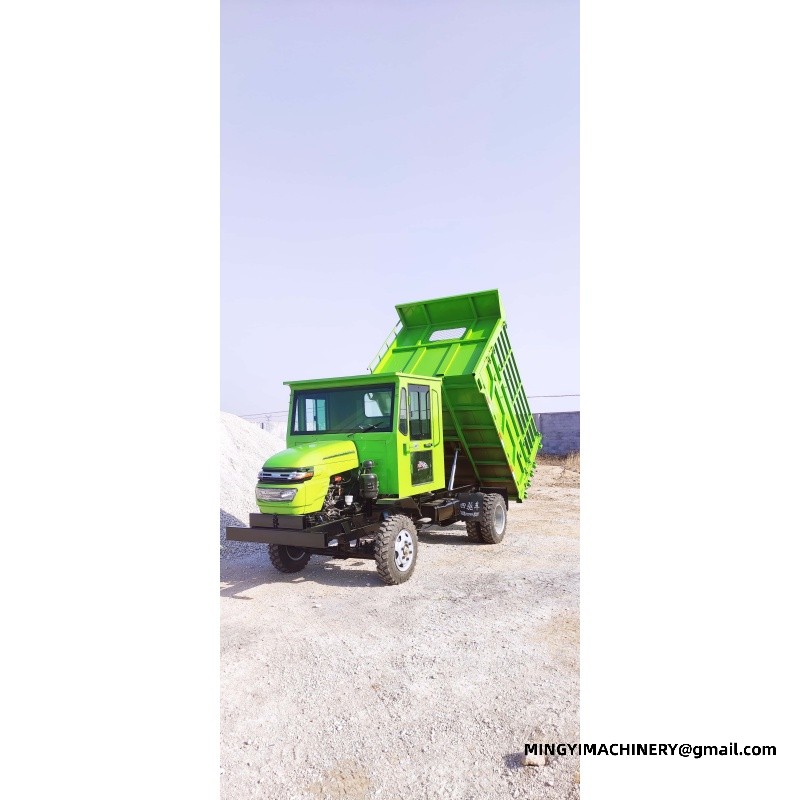
The configurations below are the build sheets most often matched to the equipment in service. Engine, gearbox, axles, frame and body dimensions are confirmed together, because the body size and the axle rating have to suit the load before the engine rating matters.
| # | 14.Luxury | 18.Standard | 21.Upgraded | 24.Luxury |
|---|---|---|---|---|
| 1 | Two-cylinder diesel engine, 38 hp | Four-cylinder 4102 turbocharged diesel engine | Four-cylinder 4105 turbocharged diesel engine | Four-cylinder 4108 turbocharged diesel engine |
| 2 | Part-time gearbox, selectable 2WD/4WD | Model 140 part-time gearbox with four-wheel drive | Model 140 part-time gearbox with four-wheel drive | Model 145 part-time gearbox, selectable 2WD/4WD |
| 3 | High/low range with crawler gear | High/low range with crawler gear | High/low range with crawler gear | High/low range with crawler gear |
| 4 | Enclosed cab | Simple cab | Simple cab | Fully enclosed cab |
| 5 | Six 700-16 mountain tyres | Oil brakes | Six 825R16 steel-belted radial tyres | Six 825R16 steel-belted radial tyres |
| 6 | Model 212 front axle | Six 700-16 mountain tyres | Reinforced ISUZU-pattern front axle | Reinforced ISUZU-pattern front axle |
| 7 | Reinforced 130 rear axle | Reinforced ISUZU-pattern front axle | Reinforced 1080 rear axle with air cut-off brake | Reinforced 1080 rear axle |
| 8 | Air cut-off brakes | Reinforced 1061 rear axle | Air cut-off brakes | Air cut-off brakes |
| 9 | Reinforced 60 x 140 mm square tube frame | Reinforced 80 x 180 mm square tube frame | Reinforced 80 x 180 mm square tube frame | Reinforced 80 x 180 mm square tube frame |
| 10 | Rear body 2.2 m long x 1.5 m wide x 0.45 m high | Rear body 2.2 m long x 2.1 m wide x 0.45 m high | Rear body 3.0 m long x 2.2 m wide x 0.45 m high | Rear body 3.0 m long x 2.2 m wide x 0.45 m high |
| 11 | Tailgate with self-dumping function | Tailgate with self-dumping function | Tailgate with self-dumping function | Tailgate with self-dumping function |
| 12 | Side-opening rear body tailgate | Hydraulic power steering | Hydraulic power steering | Side-opening rear body tailgate with cab ladder |
| 13 | Hydraulic power steering | Twin hydraulic rams | Twin hydraulic rams | Hydraulic power steering |
| 14 | Twin hydraulic rams | Two-person comfort seat | Two-person comfort seat | Twin hydraulic rams |
| 15 | Heavy-duty leaf springs | Twin-battery electric start | Heavy-duty leaf springs | Two-person comfort seat |
| 16 | Two-person comfort seat | Square-nose bonnet | Twin-battery electric start | Heavy-duty leaf springs |
| 17 | Twin-battery electric start | — | Square-nose bonnet | Twin-battery electric start |
| 18 | Round-nose bonnet | — | — | Square-nose bonnet |
Planning the season around the dumper
Workload is rarely even across the year, and the machine should be specified for the busy weeks. This class of machine sized only for the average month will be the limiting factor exactly when the work is worth the most.
Moving the unit in daily use between sites
Loading is where most damage happens. Ramps, angle of approach and the condition of the ground under them matter more than the machine when a machine of this size is being loaded, and a careful driver is worth more than a fast one.
Wear items and spares worth holding for the equipment on site
The parts that stop a machine are rarely the parts that are hardest to find. Filters, belts, seals and the ground engaging tools on the machine itself are easy to hold and slow to replace, which is why they belong on the shelf rather than on an order.
Later additions and retrofits on the model in question
Most additions are easier to plan than to add. Hydraulic services, mounting brackets and electrical capacity on the machine in that duty are build items, and deciding them at the specification stage is far easier than doing it later.
Storage and long idle periods for the unit on the job
Rubber, seals and hoses age whether the machine works or not. Keeping a machine built for the work out of direct sun and off damp ground slows that, and running it briefly at intervals keeps everything moving.
Commissioning the equipment in service on site
The machine should be introduced to the site as well as the operator. Walking the route the dumper will take, noting the soft spots and the turns, prevents the kind of first-day incident that has nothing to do with the machine.
Cold weather and winter care for this class of machine
Winter is hard on rubber and on seals as much as on the engine. Parking the unit in daily use under cover, keeping the tracks or tyres off standing water and checking the hoses for cracking are all part of the season.
Reading the early symptoms on a machine of this size
The symptom is usually not at the fault. A hydraulic function that has become sluggish on the equipment on site may point to a filter, a relief setting or a pump, and starting with the simple checks avoids the wrong guess.
Hot, humid and dusty conditions around the machine itself
Dust is the enemy of every rotating joint. Keeping the radiator and the air intake of the model in question clean, and cleaning them before they are blocked rather than after, is what separates a machine that lasts from one that overheats.
Every line above is a build item rather than an optional extra, and the final sheet for the machine in that duty is confirmed against the destination, the ground and the load before production.
E-mail:sales@mingycn.com
LINE(ID):mingyicn
Related pages
off road cargo transporter · construction dumper 4x4 · Front Tipping Dumper Manufacturer: The FC10 Build · Four Wheel Drive Transport Vehicle









