Two buyers can order the dumper for the same nominal job and receive different machines, because the ground and the access decide more than the workload does. The sections below explain which questions separate the two cases.
Crane and grab attachments on 4WD construction vehicle
A crane or grab turns a haul vehicle into a loading machine. This class of machine fitted with a hydraulic crane loads itself, which removes a second machine from the job and is often the whole reason for specifying one. Stability governs what the crane can do. Outriggers, ground condition and load radius decide the safe figure on the unit in daily use, and those are checked before the lift rather than discovered during it.
Lighting and low light operation of 4WD construction vehicle
Working after daylight changes the risk. Lighting coverage on the equipment on site and across the working area, plus high-visibility clothing for anyone on foot, are the items that make low-light work practical. Visibility from the seat is different at night. Reflections, shadows and glare all hide detail, so a machine of this size used after dark benefits from clean lenses, working wipers and a slower working pace.
Attachments and working tools for 4WD construction vehicle
Most owners find that the second attachment changes how often the machine is used. The machine itself that was bought for one task often becomes the general machine on site once a second tool is available.
Payload and how a 4WD construction vehicle is loaded
The honest payload figure comes from the duty. The model in question working a smooth haul road carries differently from one crossing ruts and gradients, and the conservative number is the one that keeps the machine working.
Customisation and build options for 4WD construction vehicle
Fleet buyers often want consistency rather than variety. Specifying the machine in that duty so that several units share controls, filters and service points reduces training time and keeps the parts shelf small. Customisation should still be limited to what the work needs. Each addition to the unit on the job is another item to maintain, so the useful question is not what can be added but what the job list actually requires.
Matching 4WD construction vehicle to ground conditions
Ground decides more of the outcome than power does. Soft, wet or loose surfaces call for a wider footprint and lower ground pressure, while hard standing allows a narrower machine that turns in less space and travels faster between tasks. The working surface should be surveyed before the equipment in service is specified. A machine that is stable on compacted gravel can be unusable on the same site after rain, and the difference shows up as lost days rather than as a fault. Traction and flotation are two separate questions. A machine built for the work may have the power for a slope and still not have the grip, so the surface, not the engine rating, is usually what limits the working day.
Forestry and timber work with 4WD construction vehicle
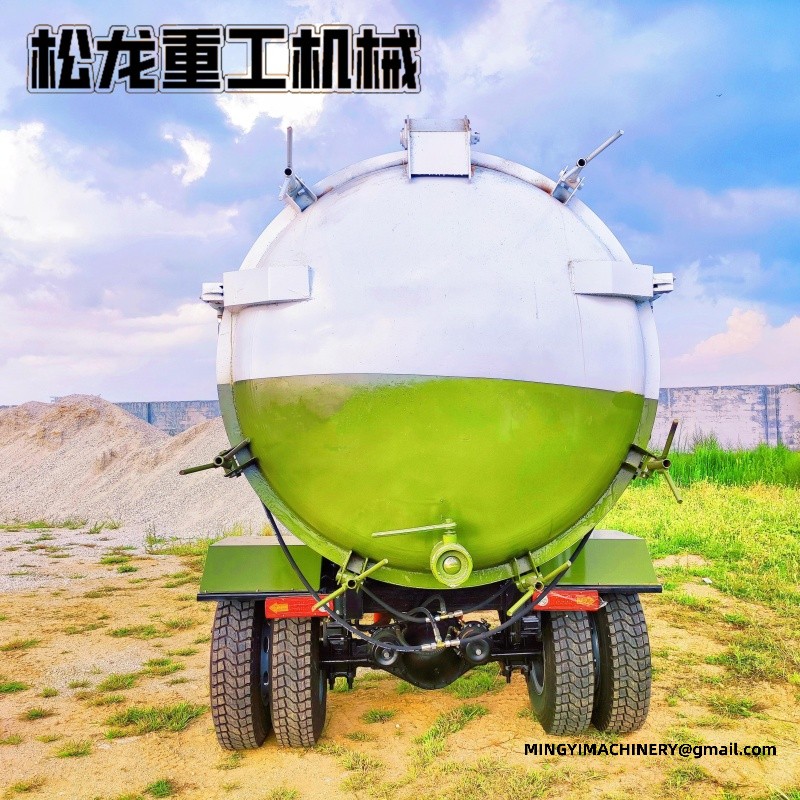
Protection matters in timber work. Guarding, lighting and a cab that keeps branches out are the items that keep the dumper working through a season rather than being repaired through it.
Engine and power options behind 4WD construction vehicle
Power unit choice is usually a parts question, not a performance one. Two buyers can order the same the unit in daily use and sensibly choose different engines, because the right answer depends on which brand the local workshop already supports. Emissions documentation is part of engine selection for some destinations. Confirming which units can be supplied and documented for the destination country is worth doing at enquiry stage rather than after the build sheet is signed. Matching the engine to the duty matters more than the peak rating. This class of machine that spends its day at part load benefits from a different setup than one that works at full output, and the difference shows in fuel use over a season.
Wear items and life of a machine of this size
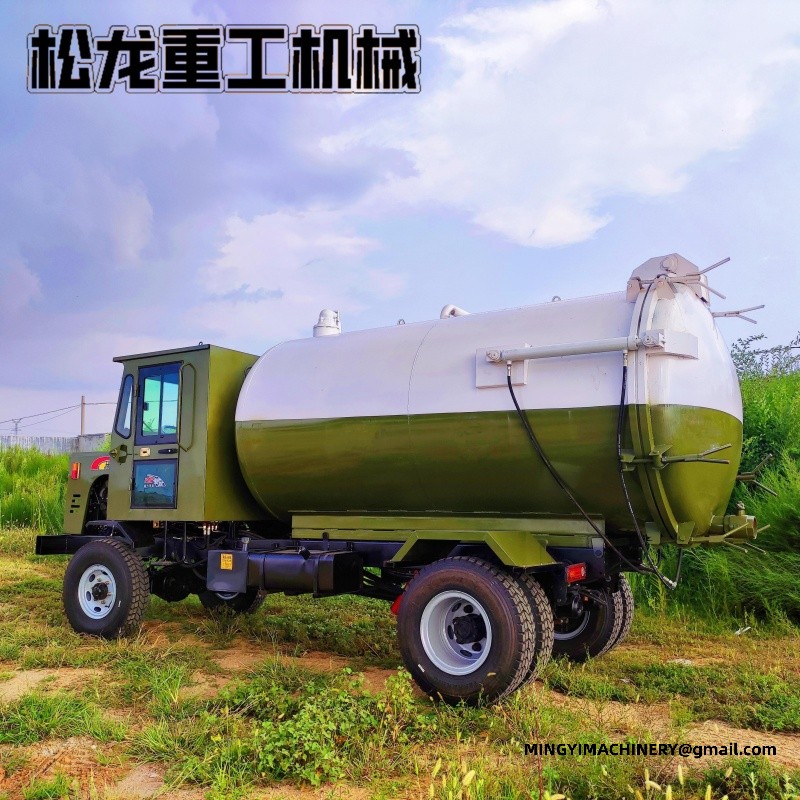
Certain parts are designed to be consumed. Knowing which items on the equipment on site are wearing parts, and roughly how long they last in the duty the machine sees, turns replacement into a plan rather than a breakdown. Wear rate follows conditions far more than hours. The machine itself working on abrasive ground or in mud will consume undercarriage or tyre life much faster than the same machine on clean ground. Replacing wear items early is usually simpler. Worn components on the model in question load the parts they run against, so a worn part left too long often becomes a major repair.
Soft ground, paddy fields and mud with the machine in that duty
Soft ground punishes the wrong tyre. Mountain pattern tyres on the unit on the job clear mud that a road pattern would pack with, and the difference is measured in whether the machine finishes the day. Recovering a stuck vehicle takes longer than preventing it. Planning the route, avoiding the worst ground and knowing where the a machine built for the work will turn is what keeps a soft-ground job productive.
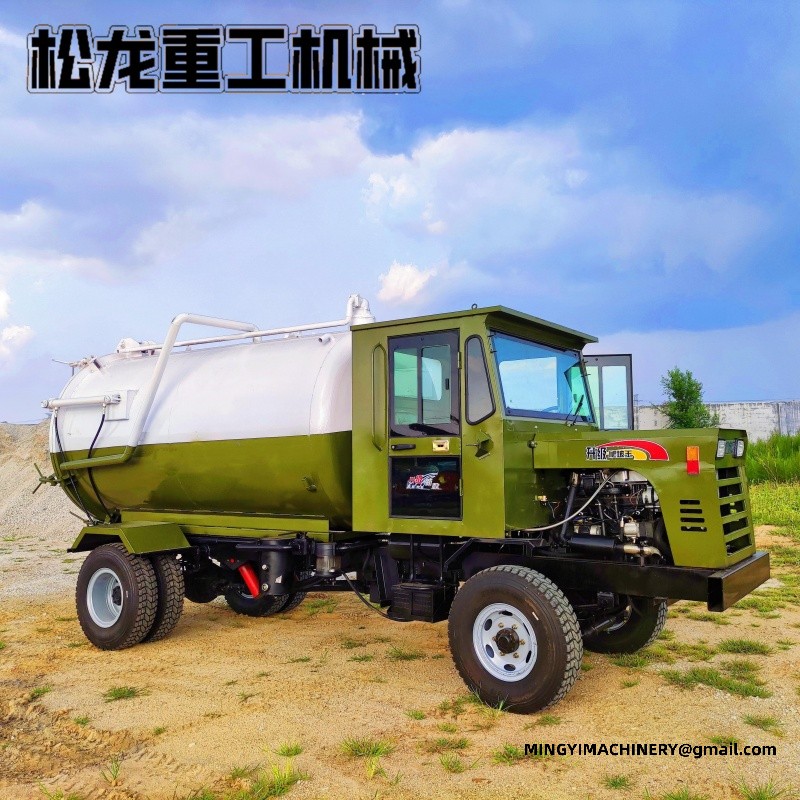
Water tank and dust control bodies on the equipment in service
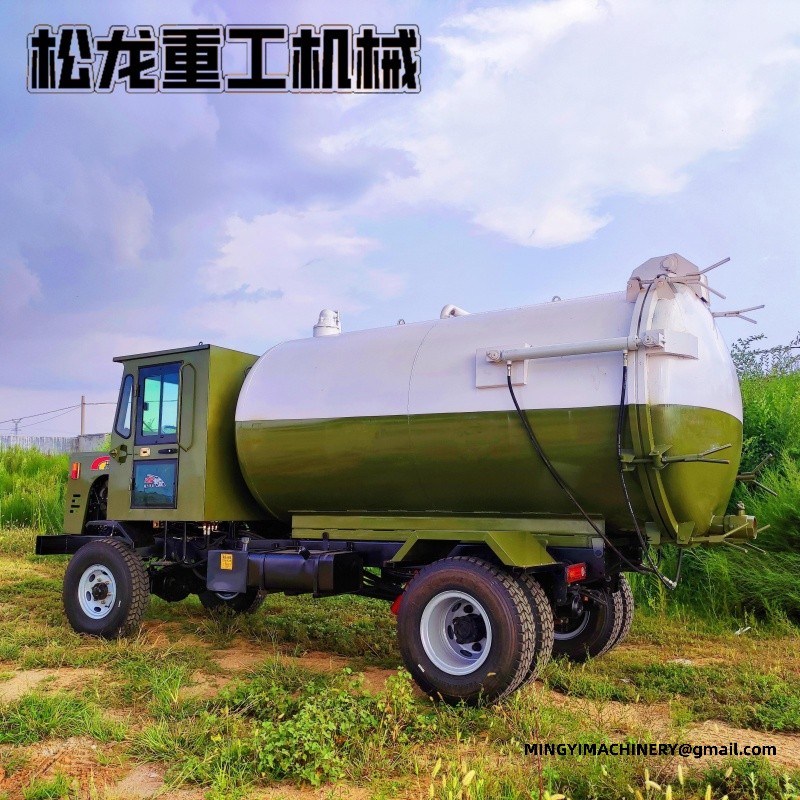
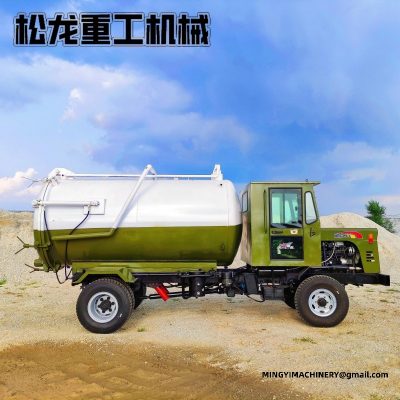
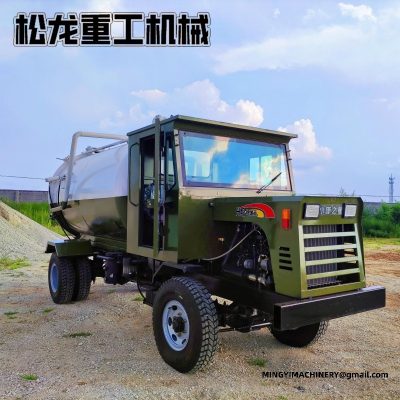
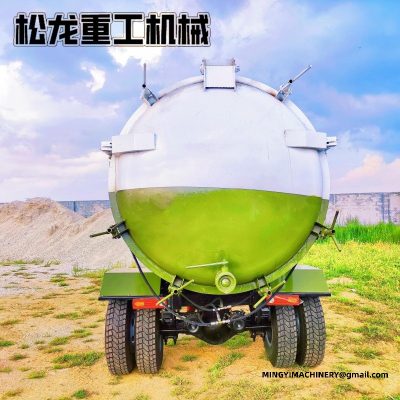
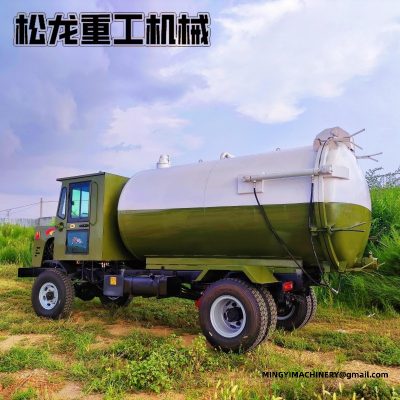
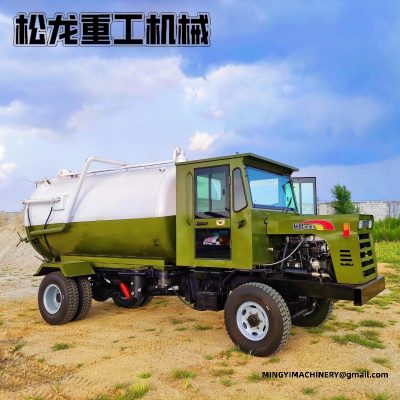
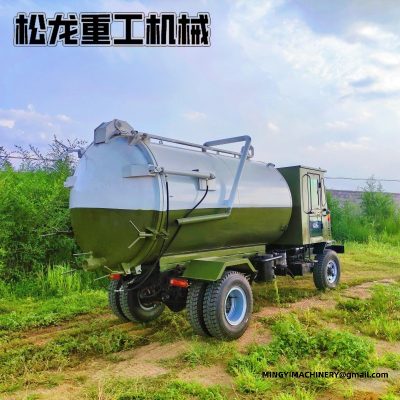
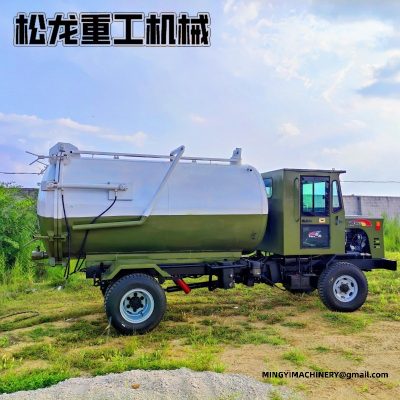
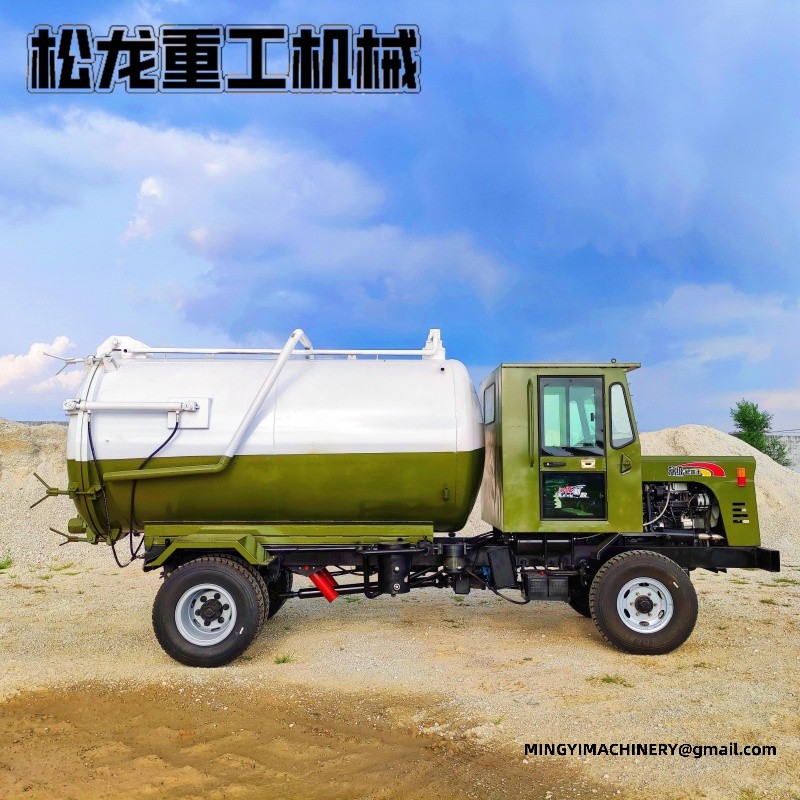
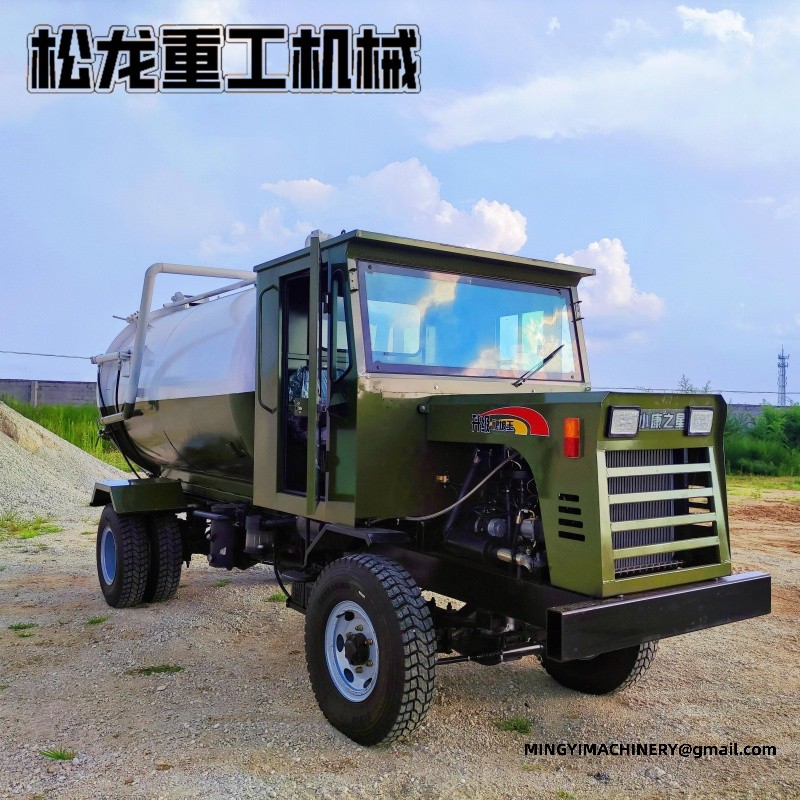
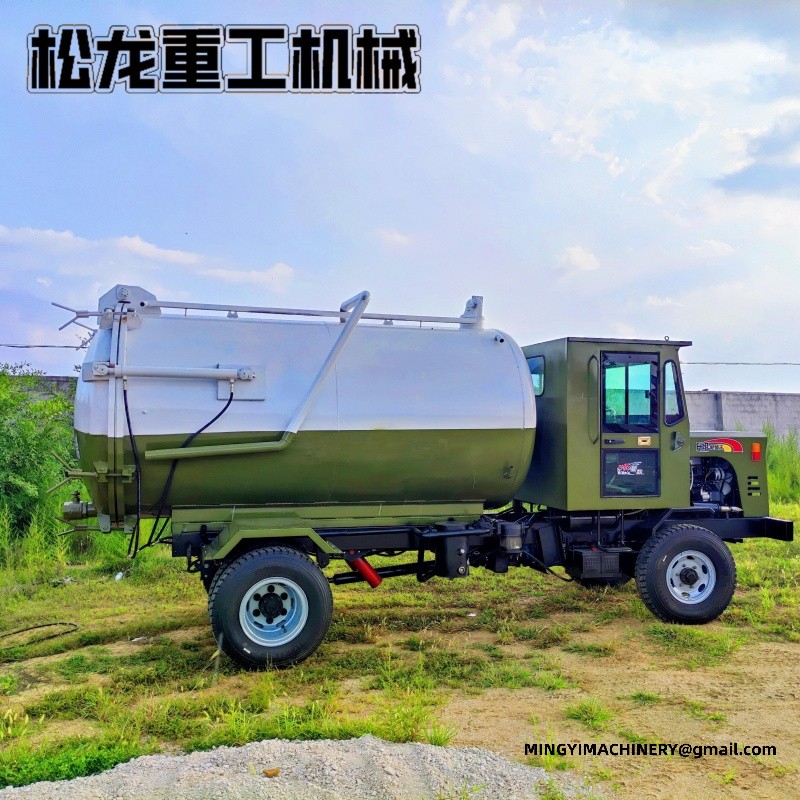
Water is heavy and it moves. Baffles and sensible speeds matter on the dumper with a tank body, and the specification should reflect the ground the vehicle will cross rather than only the volume needed. Dust control work is repetitive and time-critical. This class of machine with the right tank and spray arrangement covers more ground per shift, which is usually the point of the exercise.
Storage and downtime care for the unit in daily use
Standing still is hard on machinery. A machine of this size left for weeks benefits from a clean, dry, covered space, a charged battery and a fuel system prepared for the layoff, and all three effort very little. Before-storage preparation prevents most return-to-work faults. Draining or treating fuel, protecting exposed rods and relieving pressure where the maker specifies it are the items worth an hour when the equipment on site is parked. A periodic start is better than none. Running the machine itself to operating temperature during a long layoff keeps seals and the charging system in better condition than leaving it untouched until the next job.
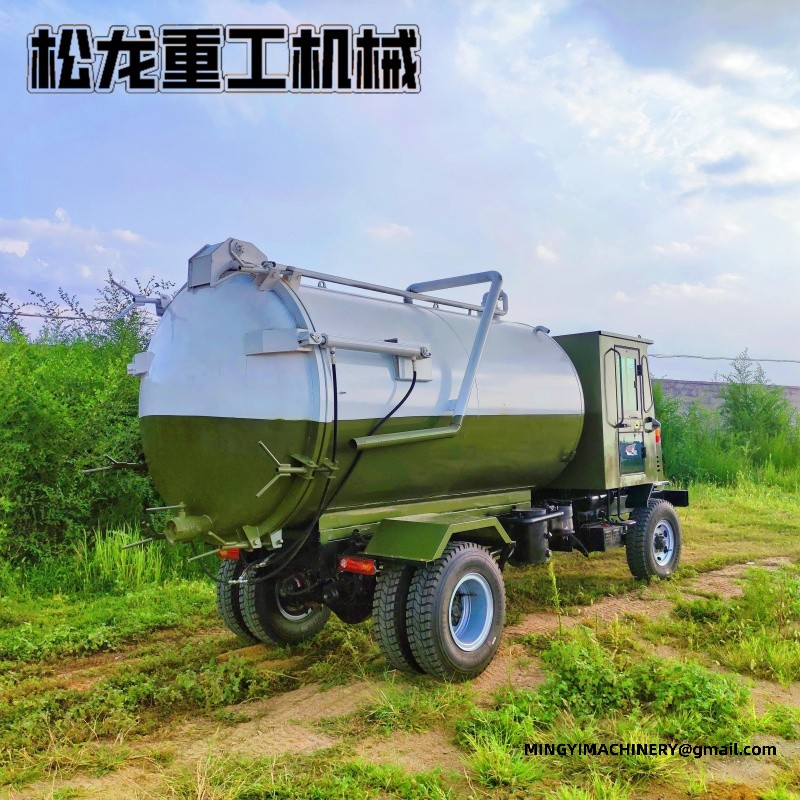
Fuel use and running demands of the model in question
Fuel is usually the largest controllable running demand. Operating style, correct tyre or track condition and a clean air supply all move consumption on the machine in that duty by more than most buyers expect. Consumption is best measured over a full week rather than judged per hour. Idle time, repositioning and waiting for other trades are often the largest share of the fuel the unit on the job burns on a site. Planning the work to reduce empty movement is free. Fewer repositioning cycles on a machine built for the work means less fuel, less wear on the undercarriage or tyres and more of the shift spent on productive work.
Warranty, commissioning and early checks
Early faults are usually simple. The equipment in service that behaves differently in its first few hours is more often mis-set than defective, and a call to the supplier at that point usually resolves it the same day.
Specifying the dumper against the job list
The specification should be written from the job backwards. Listing the loads, the ground and the hours first, then matching this class of machine to that list, avoids buying capacity the work never uses and avoids discovering a shortfall in the first week. Buyers who specify the unit in daily use on paper before enquiring get specifications that can be compared. Without that list, two suppliers will propose two different machines and the simpler one is usually the smaller one, not the better value.
Configuration data for a machine of this size
The configurations below are the build sheets most often matched to the equipment on site. Engine, gearbox, axles, frame and body dimensions are confirmed together, because the body size and the axle rating have to suit the load before the engine rating matters.
| # | 19.Upgraded | 24.Luxury | 3.Standard | 9.Standard |
|---|---|---|---|---|
| 1 | Four-cylinder 4102 turbocharged diesel engine | Four-cylinder 4108 turbocharged diesel engine | Single-cylinder diesel engine, 25 hp | Single-cylinder diesel engine, 32 hp |
| 2 | Model 140 part-time gearbox with four-wheel drive | Model 145 part-time gearbox, selectable 2WD/4WD | Full-time gearbox with four-wheel drive | Full-time gearbox with four-wheel drive |
| 3 | High/low range with crawler gear | High/low range with crawler gear | High/low range with crawler gear | High/low range with crawler gear |
| 4 | Fully enclosed cab | Fully enclosed cab | Simple cab | Simple cab |
| 5 | Six 750R16 steel-belted radial tyres | Six 825R16 steel-belted radial tyres | Oil brakes | Oil brakes |
| 6 | Reinforced ISUZU-pattern front axle | Reinforced ISUZU-pattern front axle | Four 700-16 mountain tyres | Four 700-16 mountain tyres |
| 7 | Reinforced 1061 rear axle | Reinforced 1080 rear axle | Front axle 212 | Front axle 212 |
| 8 | Air cut-off brakes | Air cut-off brakes | Rear axle 130 | Rear axle 130 |
| 9 | Reinforced 80 x 180 mm square tube frame | Reinforced 80 x 180 mm square tube frame | Reinforced 60 x 140 mm square tube frame | Reinforced 60 x 140 mm square tube frame |
| 10 | Rear body 3.0 m long x 2.1 m wide x 0.45 m high | Rear body 3.0 m long x 2.2 m wide x 0.45 m high | Rear body 2.2 m long x 1.5 m wide x 0.45 m high | Rear body 2.2 m long x 1.5 m wide x 0.45 m high |
| 11 | Tailgate with self-dumping function | Tailgate with self-dumping function | Tailgate with self-dumping function | Tailgate with self-dumping function |
| 12 | Side-opening rear body tailgate with cab ladder | Side-opening rear body tailgate with cab ladder | Hydraulic power steering | Hydraulic power steering |
| 13 | Hydraulic power steering | Hydraulic power steering | Twin hydraulic rams | Twin hydraulic rams |
| 14 | Twin hydraulic rams | Twin hydraulic rams | Two-person comfort seat | Two-person comfort seat |
| 15 | Two-person comfort seat | Two-person comfort seat | Twin-battery electric start | Twin-battery electric start |
| 16 | Thickened heavy-duty leaf springs | Heavy-duty leaf springs | Square-nose bonnet | Square-nose bonnet |
| 17 | Twin-battery electric start | Twin-battery electric start | — | — |
| 18 | Square-nose bonnet | Square-nose bonnet | — | — |
Packing, loading and shipment of the machine itself
Export packing is part of the machine, not an afterthought. The model in question is blocked and braced inside the container so that it arrives in the same condition it left, and the load plan is decided by the dimensions rather than by what fits loosely.
Storage and long idle periods for the machine in that duty
The battery and the fuel are the first things to suffer in storage. Preparing the unit on the job properly at the start of the idle period avoids the flat battery and the contaminated tank that greet an unprepared machine.
Cold weather and winter care for a machine built for the work
Starting is only the first problem. Until the equipment in service reaches working temperature the hydraulic response is slower and the seals are stiffer, and warming the machine before asking for full output avoids unnecessary strain.
A second operator for the dumper
A machine that only one person can use is a single point of failure. Training a second operator on this class of machine takes a day and removes the dependency that otherwise governs holidays, illness and busy weeks.
Pre-delivery inspection before the unit in daily use leaves the shop
Inspection is a list, not a glance. Before a machine of this size is released the fluid levels, belt tension, electrical connections and safety decals are each ticked off, and anything that fails stays in the shop rather than travelling with the machine.
Keeping a service record for the equipment on site
Service history also protects the warranty position. Evidence that the machine itself was maintained at the specified intervals and with the specified fluids settles questions that would otherwise be argued.
Later additions and retrofits on the model in question
Retrofitting is limited by the base machine. Before anything is added to the machine in that duty the hydraulic flow, the mounting interface and the stability allowance have to be checked, because those limits are what decide what is sensible.
Fuel, oil and fluid quality for the unit on the job
Most engine trouble starts with what went into the tank. Clean fuel, stored properly and filtered before it reaches a machine built for the work, prevents more downtime than any other single habit an owner can adopt.
Wear items and spares worth holding for the equipment in service
Holding spares is about downtime rather than the shelf itself. The question for the dumper is not how large the part is but how long the machine sits while it is found, and a small shelf answers that better than a fast courier.
Every line above is a build item rather than an optional extra, and the final sheet for this class of machine is confirmed against the destination, the ground and the load before production.
E-mail:sales@mingycn.com
LINE(ID):mingyicn
Related pages
2 ton 4x4 dumper · 3 ton off road dumper · Mini Dumper Supplier: What the FC10 Table Publishes · Four Wheel Drive Transport Vehicle









