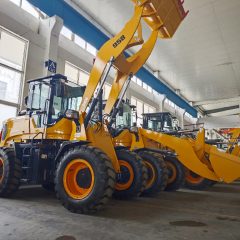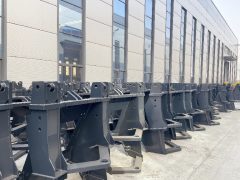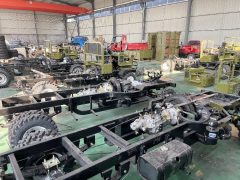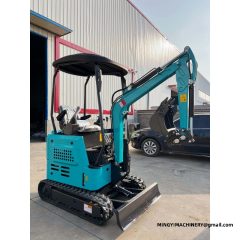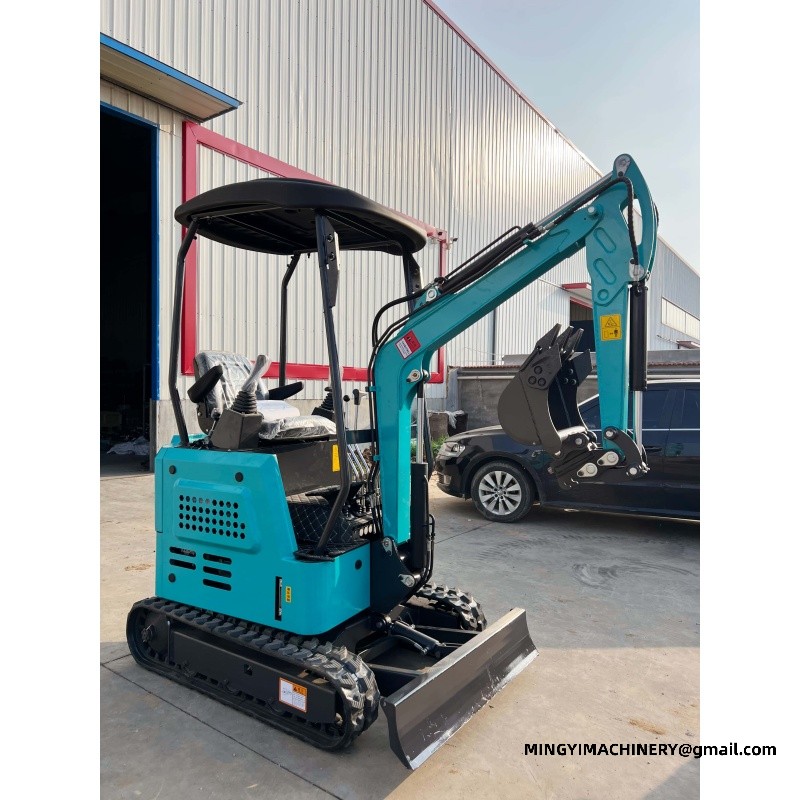
Most machine orders are not a matter of picking a model from a catalogue. A dealer wants units that match the colours already on his forecourt. A contractor wants the machine to carry the same livery as the rest of his fleet. An equipment rental company wants a colour that makes its own machines recognisable at a glance on a shared site. This article explains what we can change on a mini excavator before it leaves the factory, and shows real units built in different colours and configurations for different buyers.
Paint colour is a specification item, not a decoration
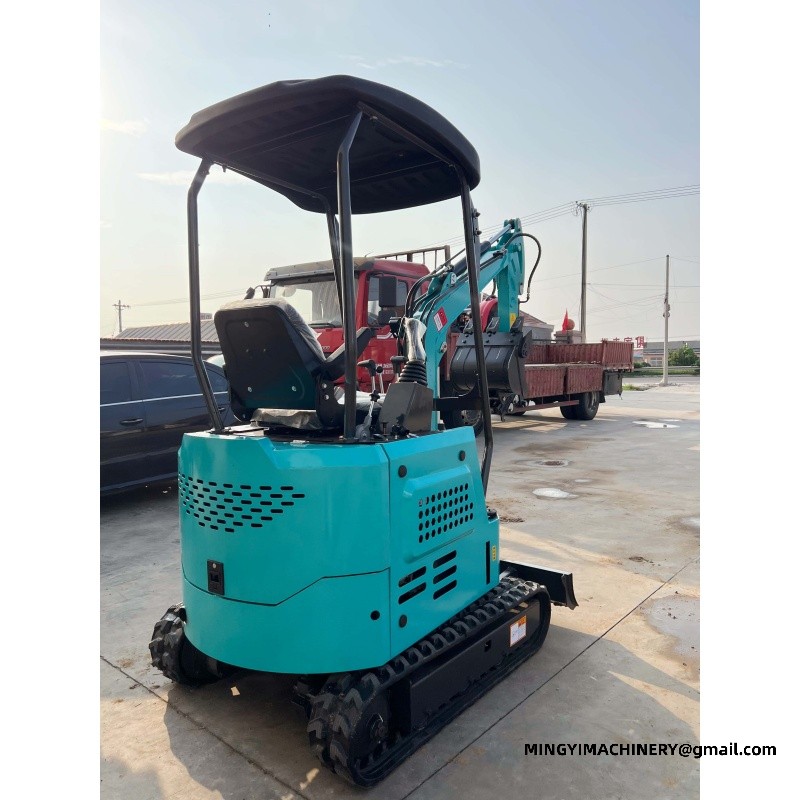
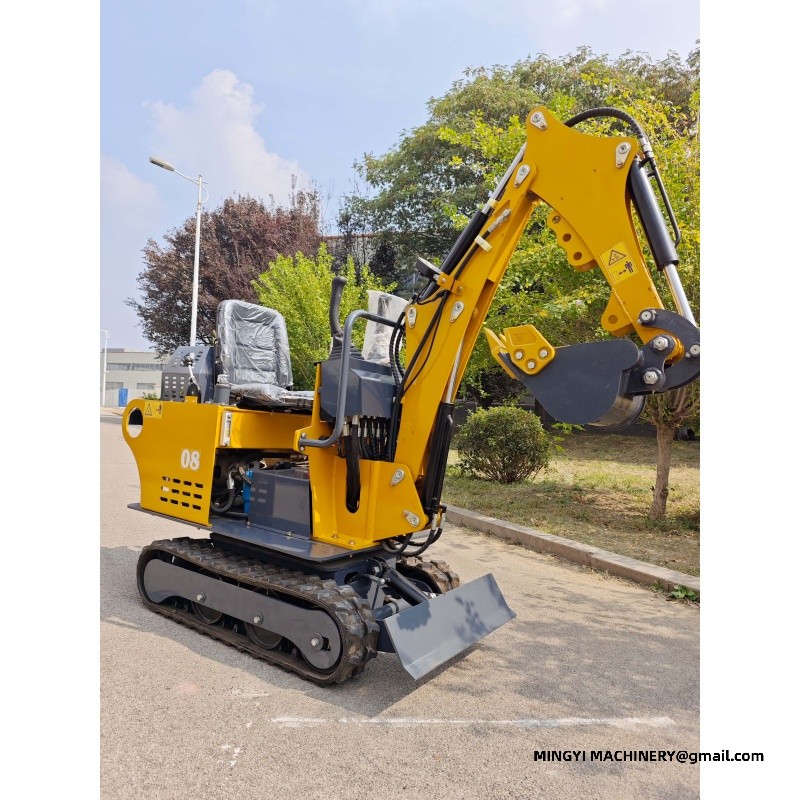
When colour is treated as an afterthought, a buyer ends up with machines that do not match anything else in the yard. When it is treated as a specification item, the colour is agreed in writing before production, matched to a sample or a code, and confirmed on a pre-shipment photograph. The three machines shown below left the factory in three different colours for three different customers. The machine itself is the same; only the paint and the decals differ.
Three colours, one model
The colour a buyer chooses usually falls into one of three patterns. Dealers pick a colour that separates them from the dealer in the next town. Contractors match an existing fleet so that insurance photographs and asset registers stay consistent. Rental companies pick something bright enough to be identified from a distance and unusual enough not to be confused with the competition. All three are legitimate reasons, and all three are settled at the quotation stage rather than after the machine is built.
Canopy or cab: the configuration that changes the working day
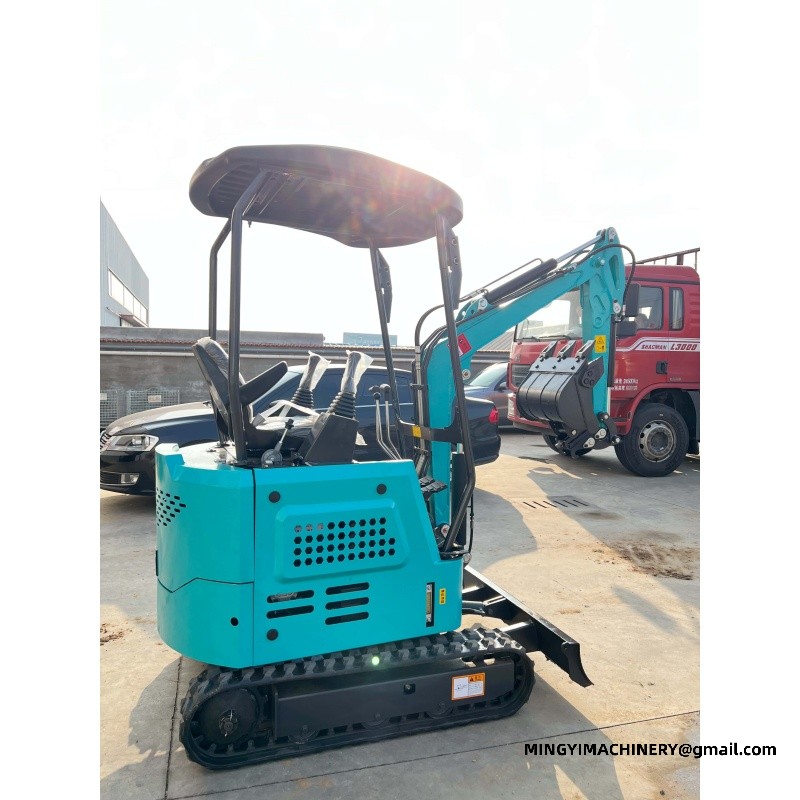
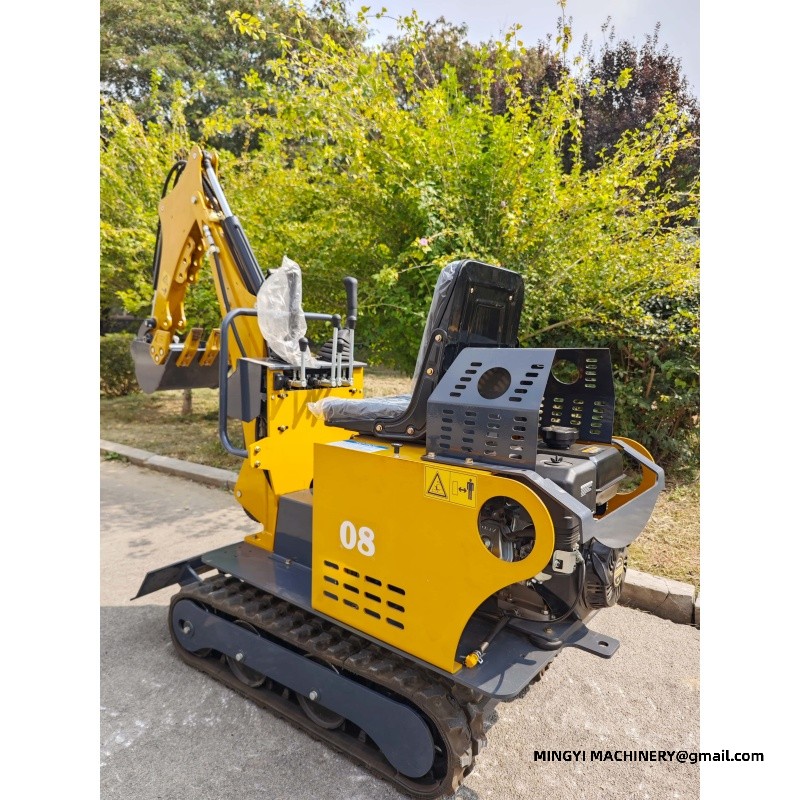
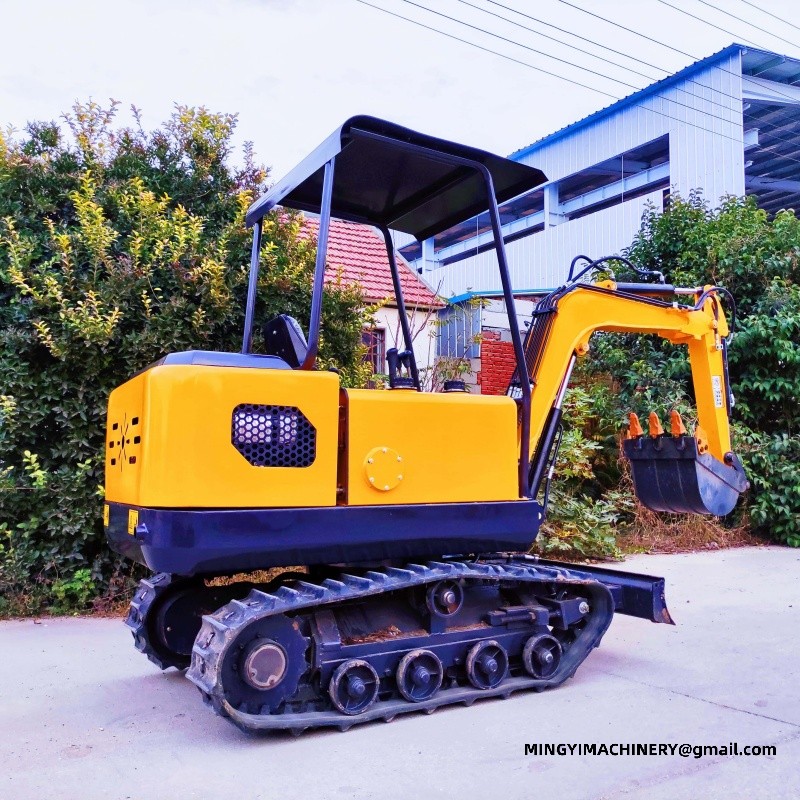
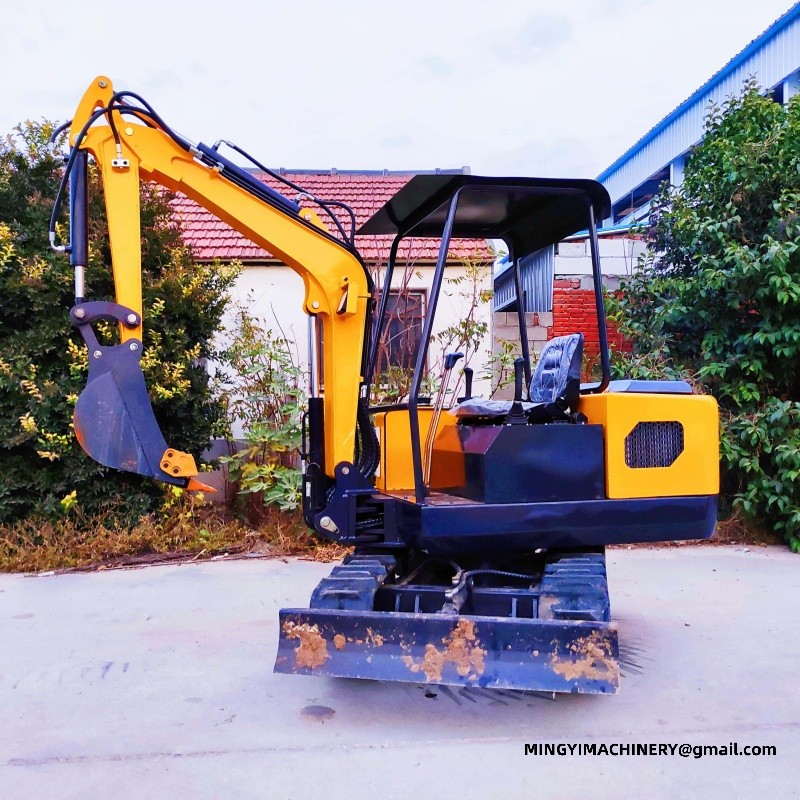
The second decision that buyers make at the quotation stage is whether the operator sits under an open canopy or inside a glazed cab. A canopy keeps the machine low, keeps the operator in contact with the site, and costs less. A cab protects the operator from rain, dust and cold, and makes a full shift possible in weather that would otherwise stop work. The units below were built with cabs for buyers working in conditions where an open station was not practical.
Attachments decided at the same time as the colour
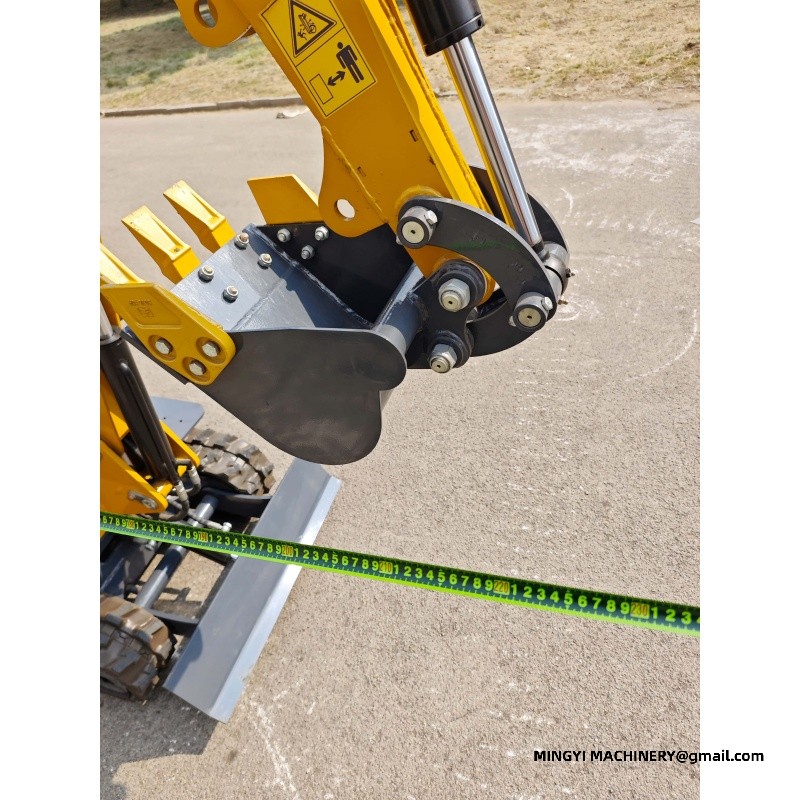
A hydraulic thumb turns the bucket into a grabbing tool and is the single most useful addition on a small excavator working with stone, timber or demolition debris. A dozer blade lets the machine grade and backfill without a second pass. A quick coupler makes both of them practical to change in the field. Because these items affect the hydraulic circuit, they are best specified with the machine rather than added afterwards.
What we need from a buyer to build a custom unit
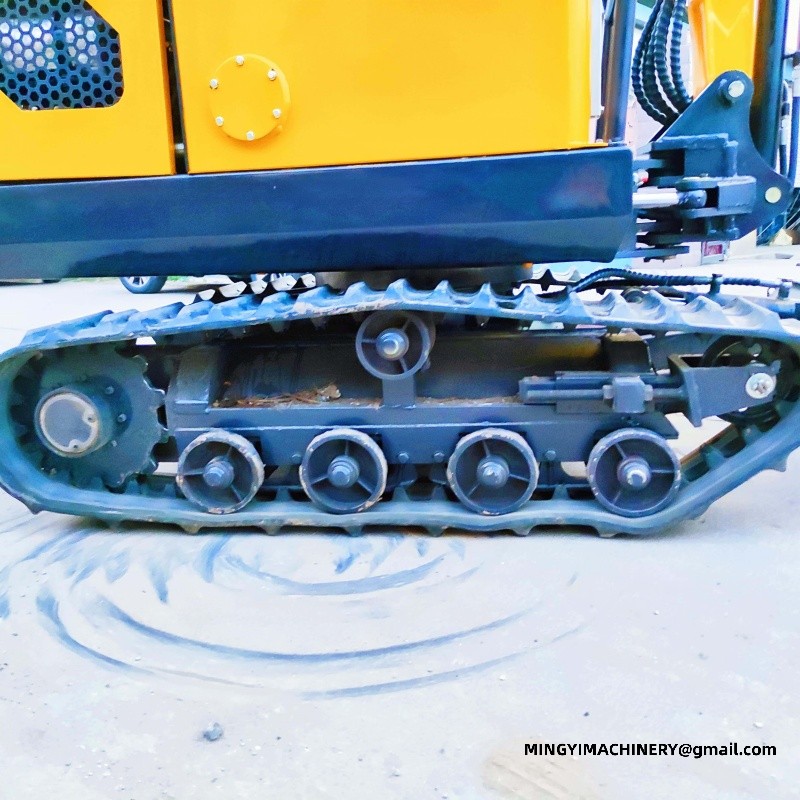
Four things settle a custom order. First, the colour: a sample, a RAL or Pantone reference, or a photograph of an existing machine. Second, the operator station: canopy or cab, and whether the cab needs a heater. Third, the attachment set: bucket width, thumb, blade, quick coupler. Fourth, the engine and emission standard for the destination market. With those four confirmed, production can be scheduled and a pre-shipment photograph sent for approval before the machine is crated.
Request a custom build
Send the colour reference, the operator station, the attachment list and the destination country, and we will confirm the configuration and lead time.
Email: sales@mingycn.com | LINE (ID): mingyicn
A note on colour and delivery photographs
Screens vary, and a colour approved on a phone can look different in daylight on a finished machine. For buyers who need an exact match, we recommend approving against a physical sample or a painted panel rather than a screen image. Before dispatch we photograph the finished unit in daylight and send the images for approval, so that any mismatch is caught while the machine is still at the factory rather than after it has crossed an ocean.