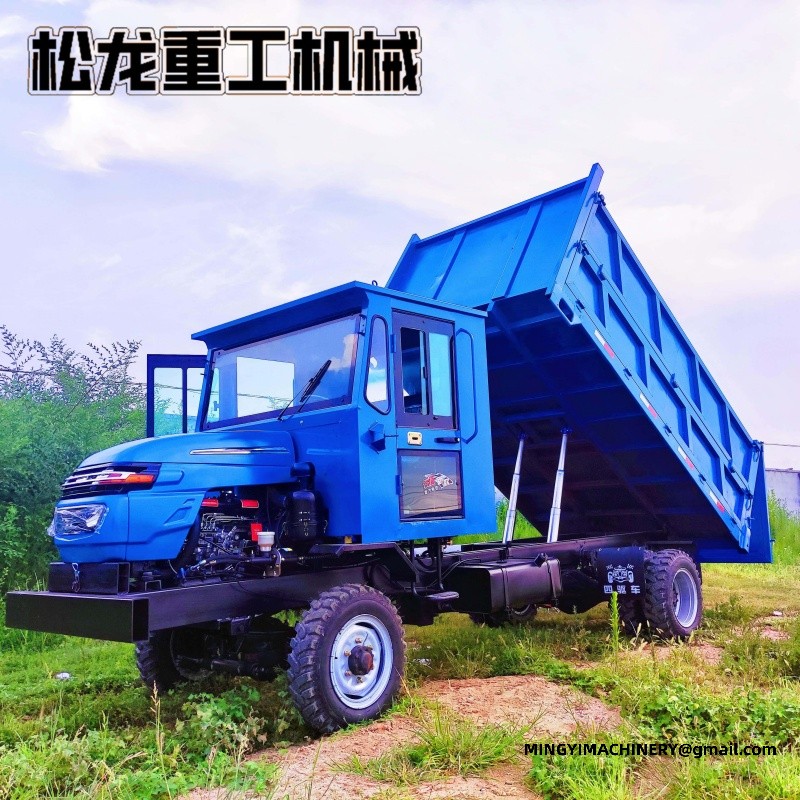
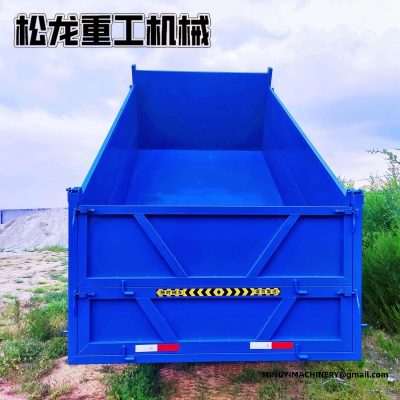
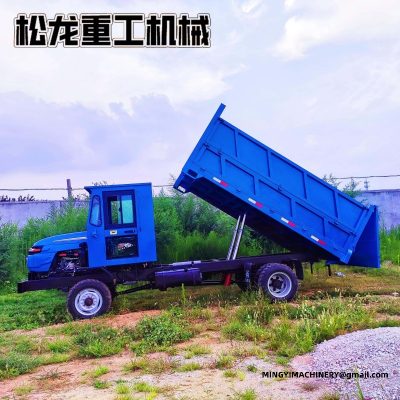
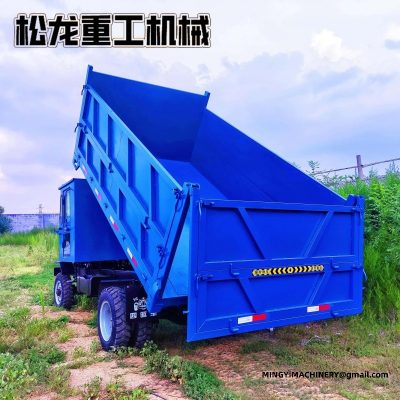
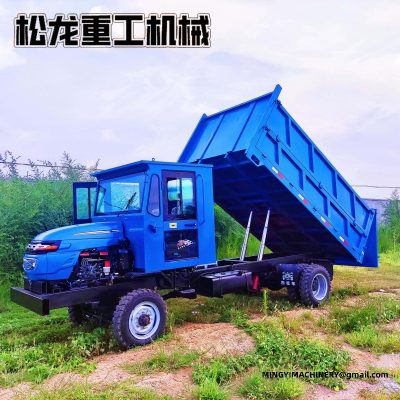
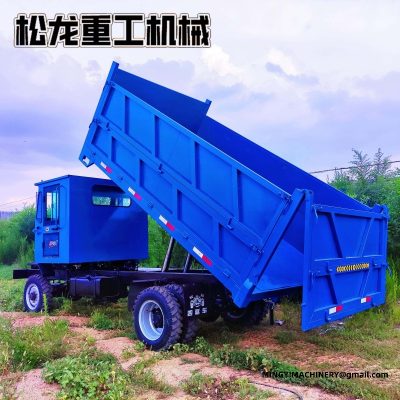
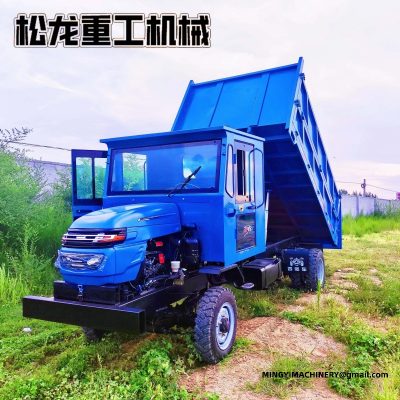
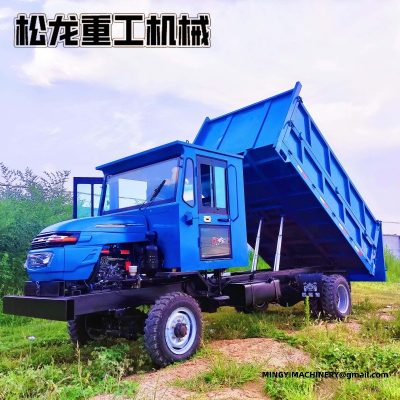
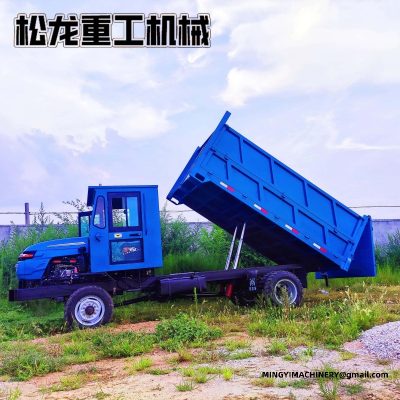
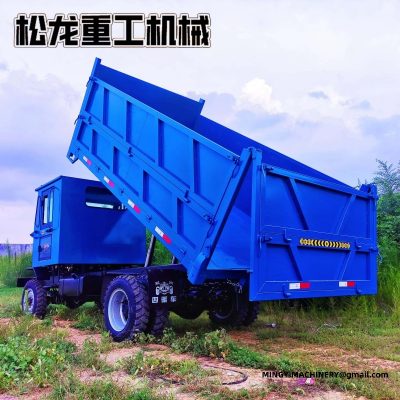
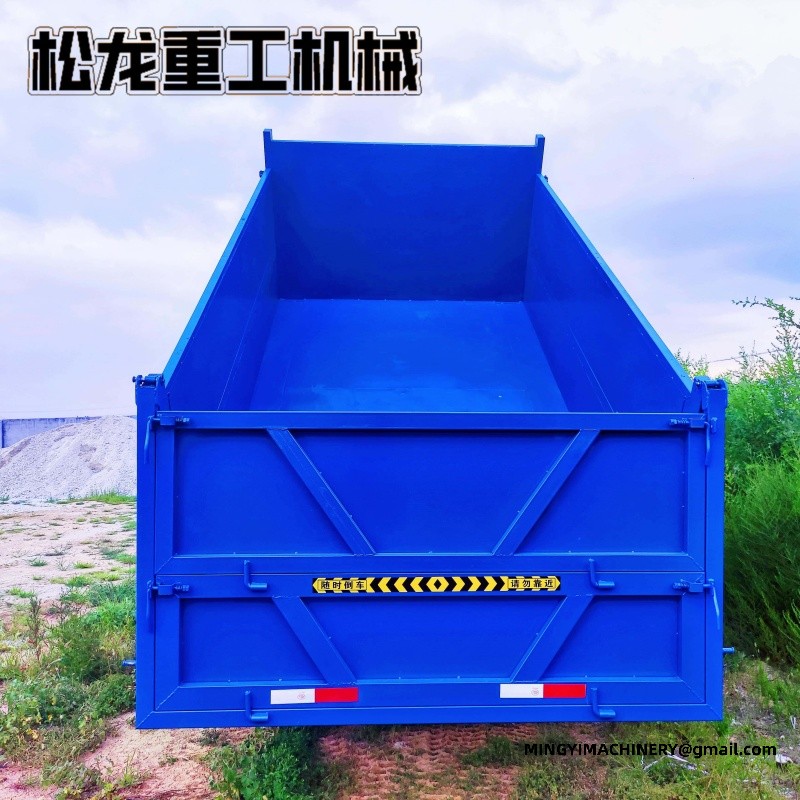
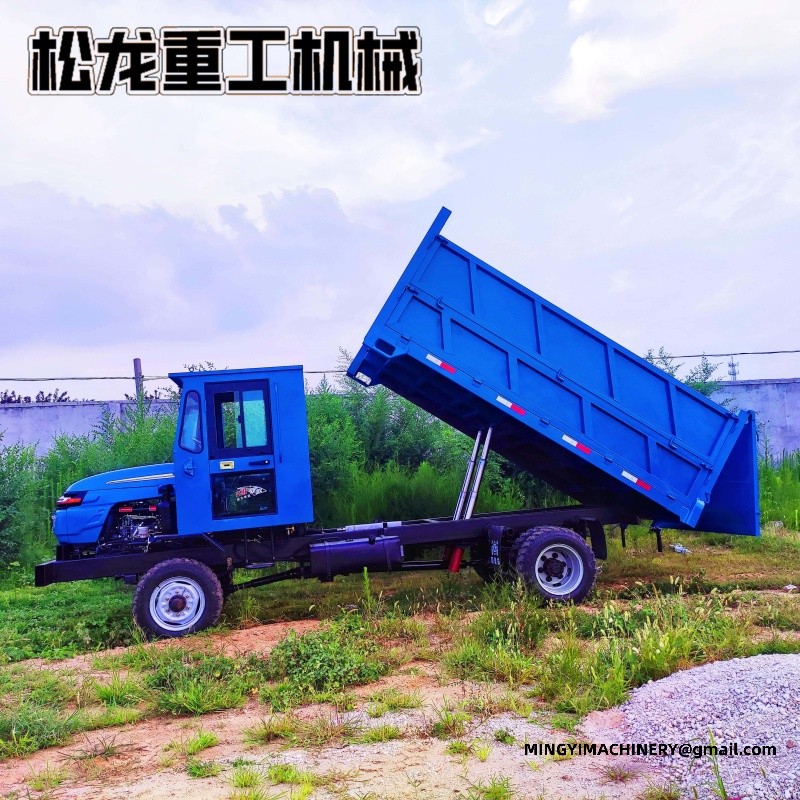
Model MY-4x4-4T · 4 t payload · 72 hp engine
Choosing the dumper usually comes down to a handful of decisions made early: size, power, the ground it will work on and the attachments it has to carry. The notes below follow that order, because each one narrows the next.
Gradient and climbing ability of all terrain dump truck with hydraulic tipping body - operator notes
Gradient is where a haul vehicle earns its keep. This class of machine with a crawler gear and a low range climbs loaded where a road vehicle would need a second attempt, and that difference decides whether a track is usable at all. Ground and gradient together set the limit. Loose surface on a slope reduces what the unit in daily use can pull regardless of engine power, so the surface survey belongs before the specification.
Wear items and life of all terrain dump truck with hydraulic tipping body - operator notes
Certain parts are designed to be consumed. Knowing which items on a machine of this size are wearing parts, and roughly how long they last in the duty the machine sees, turns replacement into a plan rather than a breakdown. Wear rate follows conditions far more than hours. The equipment on site working on abrasive ground or in mud will consume undercarriage or tyre life much faster than the same machine on clean ground.
Specifying all terrain dump truck with hydraulic tipping body - operator notes against the job list
Buyers who specify the machine itself on paper before enquiring get specifications that can be compared. Without that list, two suppliers will propose two different machines and the simpler one is usually the smaller one, not the better value.
Soft ground, paddy fields and mud with all terrain dump truck with hydraulic tipping body - operator notes
Four-wheel drive is only part of soft ground capability. Tyre choice, ground clearance and weight distribution decide whether the model in question keeps moving in a paddy field or a marsh, and all three are specified rather than assumed. Soft ground punishes the wrong tyre. Mountain pattern tyres on the machine in that duty clear mud that a road pattern would pack with, and the difference is measured in whether the machine finishes the day.
Transporting all terrain dump truck with hydraulic tipping body - operator notes to and between sites
Shipping dimensions matter as much on export orders as they do locally. Confirming the packed size of the unit on the job before booking avoids re-booking freight after the machine is built.
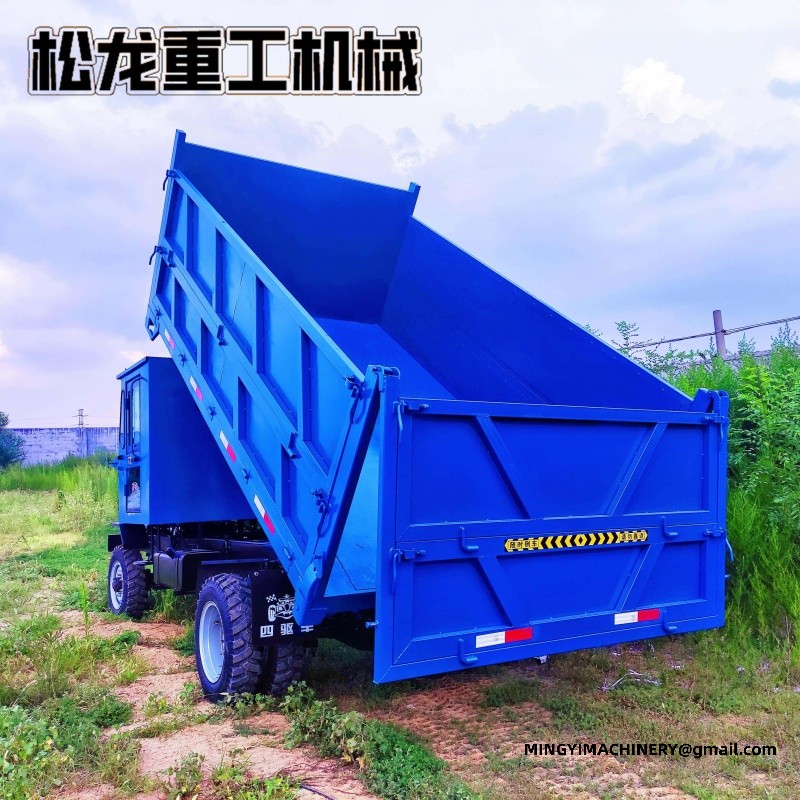
Safe working practice around all terrain dump truck with hydraulic tipping body - operator notes
Most incidents around machinery come from the space rather than the machine. Exclusion zones, a clear signal person and a check on what is behind the machine built for the work before it moves cover the large majority of the risk on a working site.
Resale value and replacement planning
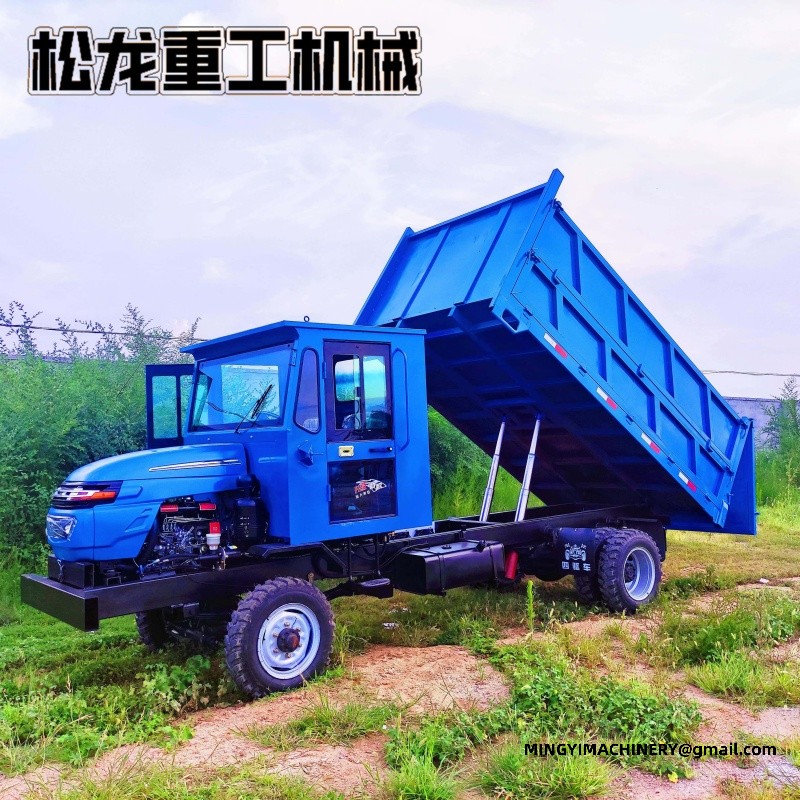
Records are part of the asset. Keeping the service history and the hour records with the equipment in service makes it easier to sell, easier to insure and easier to justify the replacement machine internally.
Ordering, lead time and delivery of all terrain dump truck with hydraulic tipping body - operator notes
Lead time is part of the specification. Confirming build time, shipping method and what is included before ordering the dumper prevents the common gap between when the machine is needed and when it can arrive. Delivery planning includes the receiving end. Knowing whether this class of machine will be craned, driven or forked off, and whether the site can accept it, is settled before dispatch rather than on the day.
Fitting the unit in daily use into the wider site plan
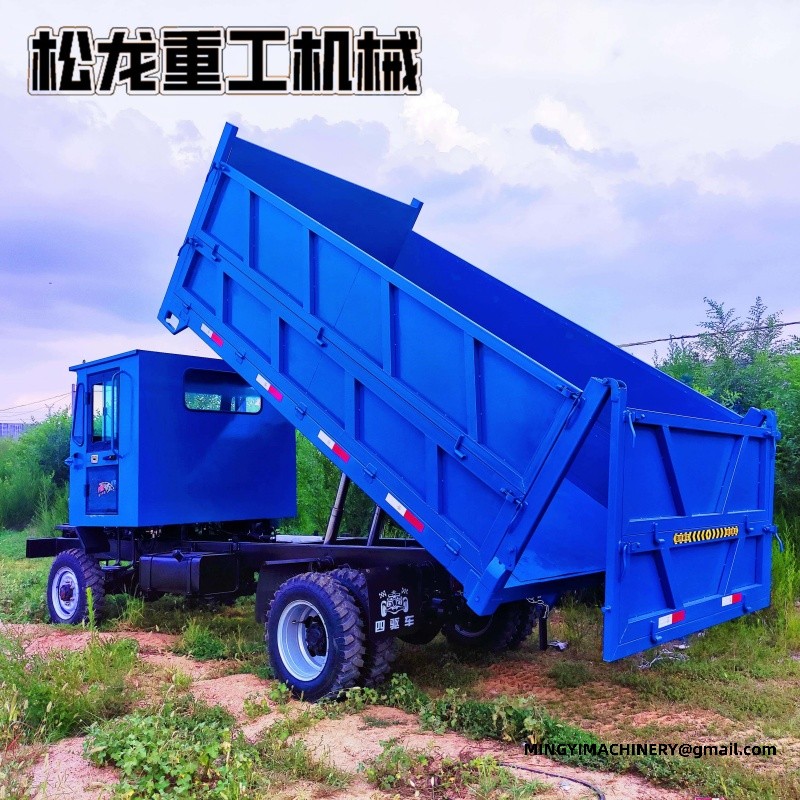
Access and storage are worth settling early. Where a machine of this size will be parked, refuelled and serviced on site affects the working day more than most specification details, and it takes nothing to plan.
Parts, service and support for the equipment on site
Parts availability usually decides the engine and the brand. A machine built around components the local network already carries is serviced from stock, which is the difference between a day lost and a week lost.
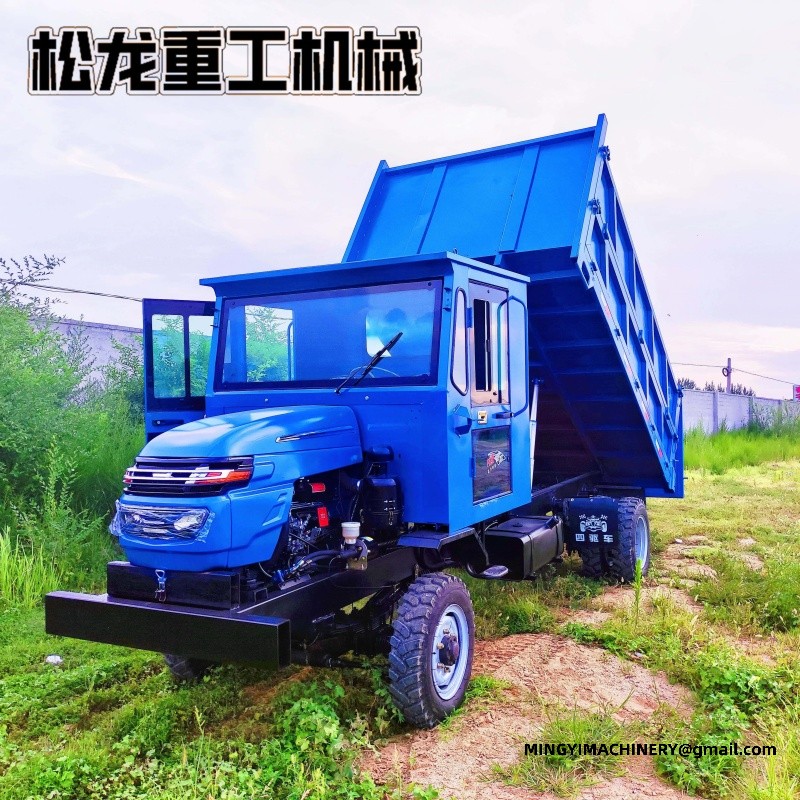
Crane and grab attachments on the machine itself
A crane or grab turns a haul vehicle into a loading machine. The model in question fitted with a hydraulic crane loads itself, which removes a second machine from the job and is often the whole reason for specifying one. Stability governs what the crane can do. Outriggers, ground condition and load radius decide the safe figure on the machine in that duty, and those are checked before the lift rather than discovered during it. Adding a crane changes the vehicle specification. Hydraulic capacity, frame strength and braking all need to suit the attachment, and it is simpler to specify them at build than to add them later.
Lighting and low light operation of the unit on the job
Visibility from the seat is different at night. Reflections, shadows and glare all hide detail, so a machine built for the work used after dark benefits from clean lenses, working wipers and a slower working pace.
Warranty, commissioning and early checks
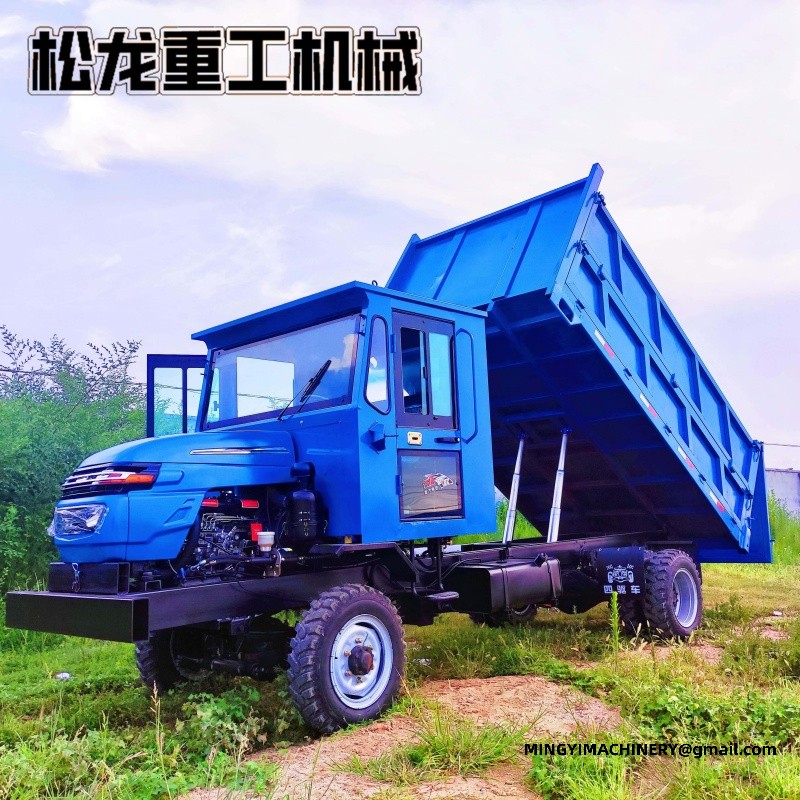
Commissioning is the point where most avoidable issues are found. Checking levels, fasteners and function on the equipment in service before it goes to work takes an hour and prevents a claim conversation later. Warranty terms are clearer when they are read before purchase. Knowing what is covered, what counts as a wearing item and what documentation is required makes a claim on the dumper straightforward rather than contested. Early faults are usually simple. This class of machine that behaves differently in its first few hours is more often mis-set than defective, and a call to the supplier at that point usually resolves it the same day.
Payload and how the unit in daily use is loaded
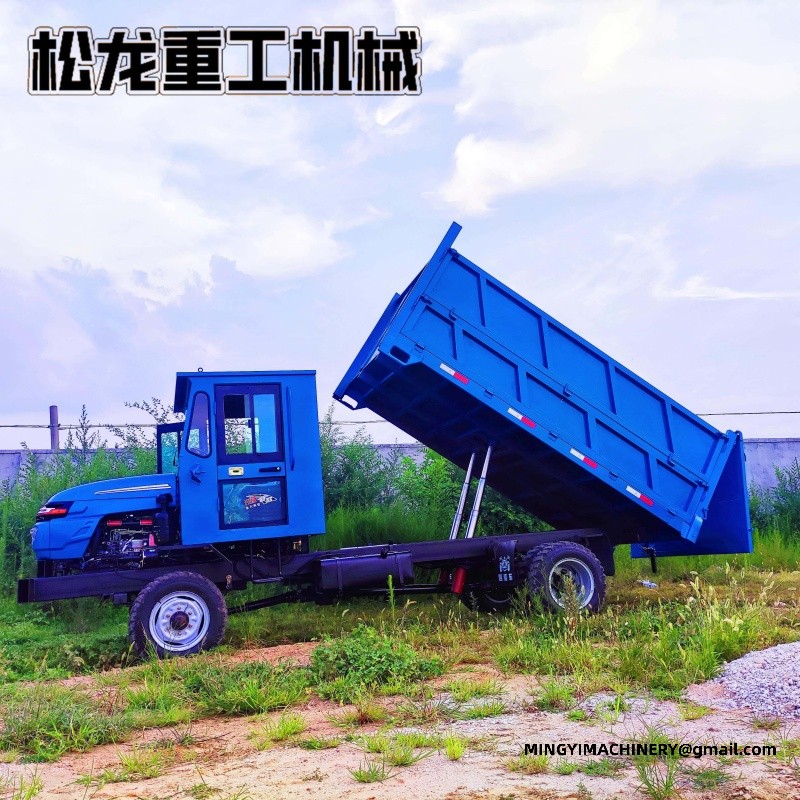
Loading method affects the machine as much as the load does. Material dropped from height into a machine of this size shocks the frame and the body floor, while material placed evenly spreads the load and extends body life.
Attachments and working tools for the equipment on site
The base machine is only as useful as the tool on the end of it. Matching the attachment to the task - rather than to what arrived with the machine - is what lets one the model in question cover several jobs across a week. Most owners find that the second attachment changes how often the machine is used. The machine itself that was bought for one task often becomes the general machine on site once a second tool is available.
Configuration data for the machine in that duty
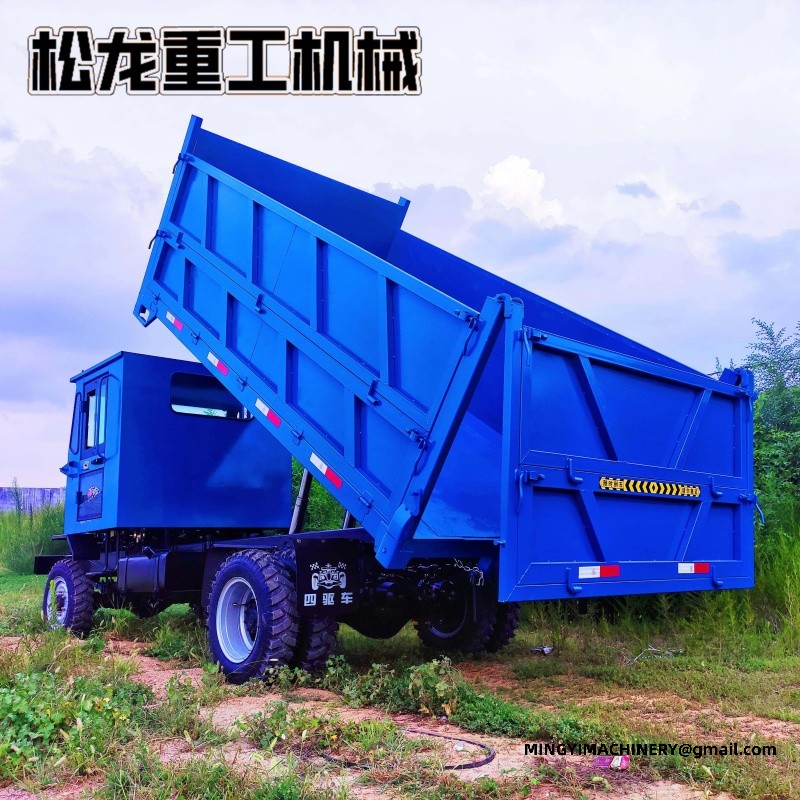
The configurations below are the build sheets most often matched to the unit on the job. Engine, gearbox, axles, frame and body dimensions are confirmed together, because the body size and the axle rating have to suit the load before the engine rating matters.
| # | 10.Upgraded | 13.Upgraded | 19.Upgraded | 7.Upgraded |
|---|---|---|---|---|
| 1 | Single-cylinder diesel engine, 32 hp | Two-cylinder diesel engine, 38 hp | Four-cylinder 4102 turbocharged diesel engine | Single-cylinder diesel engine, 28 hp |
| 2 | Full-time gearbox with four-wheel drive | Full-time gearbox with four-wheel drive | Model 140 part-time gearbox with four-wheel drive | Full-time gearbox with four-wheel drive |
| 3 | High/low range with crawler gear | High/low range with crawler gear | High/low range with crawler gear | High/low range with crawler gear |
| 4 | Front axle clutch | Front axle clutch | Fully enclosed cab | Front axle clutch |
| 5 | Fully enclosed cab | Fully enclosed cab | Six 750R16 steel-belted radial tyres | Fully enclosed cab |
| 6 | Oil brakes | Oil brakes | Reinforced ISUZU-pattern front axle | Oil brakes |
| 7 | Four 700-16 mountain tyres | Four 700-16 mountain tyres | Reinforced 1061 rear axle | Four 700-16 mountain tyres |
| 8 | Front axle 212 | Front axle 212 | Air cut-off brakes | Front axle 212 |
| 9 | Rear axle 130 | Rear axle 130 | Reinforced 80 x 180 mm square tube frame | Rear axle 130 |
| 10 | Reinforced 60 x 140 mm square tube frame | Reinforced 60 x 140 mm square tube frame | Rear body 3.0 m long x 2.1 m wide x 0.45 m high | Reinforced 60 x 140 mm square tube frame |
| 11 | Rear body 2.2 m long x 1.5 m wide x 0.45 m high | Rear body 2.2 m long x 1.5 m wide x 0.45 m high | Tailgate with self-dumping function | Rear body 2.2 m long x 1.5 m wide x 0.45 m high |
| 12 | Tailgate with self-dumping function | Tailgate with self-dumping function | Side-opening rear body tailgate with cab ladder | Tailgate with self-dumping function |
| 13 | Hydraulic power steering | Hydraulic power steering | Hydraulic power steering | Hydraulic power steering |
| 14 | Twin hydraulic rams | Twin hydraulic rams | Twin hydraulic rams | Twin hydraulic rams |
| 15 | Two-person comfort seat | Two-person comfort seat | Two-person comfort seat | Two-person comfort seat |
| 16 | Twin-battery electric start | Twin-battery electric start | Thickened heavy-duty leaf springs | Twin-battery electric start |
| 17 | Square-nose bonnet | Round-nose bonnet | Twin-battery electric start | Square-nose bonnet |
| 18 | — | — | Square-nose bonnet | — |
Cold weather and winter care for a machine built for the work
A cold start is easier when the machine is prepared the night before. The routine that keeps the equipment in service working through winter is mostly a matter of fuel, battery and patience in the first ten minutes of the day.
Pre-delivery inspection before the dumper leaves the shop
The last hour before packing is the best time to find a fault. Running this class of machine through its full working cycle, checking for leaks under load and confirming that the controls match the specification avoids a conversation across time zones later.
Packing, loading and shipment of the unit in daily use
Container loading is a planning exercise. The overall dimensions and the operating weight of a machine of this size decide whether it ships whole, partly disassembled or with the attachment removed, and that decision is made before the booking.
Commissioning the equipment on site on site
The machine should be introduced to the site as well as the operator. Walking the route the machine itself will take, noting the soft spots and the turns, prevents the kind of first-day incident that has nothing to do with the machine.
Moving the model in question between sites
Securing the load is not optional. Lashing the machine in that duty at the points intended for it, checking the tension before the vehicle moves and rechecking after the first kilometres is standard practice rather than extra care.
Documents that travel with the unit on the job
Keeping the documents together is part of ownership. The manual, the service record and the build sheet for a machine built for the work belong in one folder, and the machine is easier to sell later when that folder is complete.
Later additions and retrofits on the equipment in service
Retrofitting is limited by the base machine. Before anything is added to the dumper the hydraulic flow, the mounting interface and the stability allowance have to be checked, because those limits are what decide what is sensible.
Every line above is a build item rather than an optional extra, and the final sheet for this class of machine is confirmed against the destination, the ground and the load before production.
E-mail:sales@mingycn.com
LINE(ID):mingyicn
Wear limits and replacement points on all terrain dump truck with hydraulic tipping body - operator notes
Every wearing part has a measurable point where it should come off rather than be watched, and that point is published by the manufacturer.
Track sag, tyre tread, cutting edges and bucket teeth all have stated limits, and the figures in the manual are the ones to work from.
Keeping a record of hours at each change makes the next machine easier to plan for, and it helps whoever buys the machine later.
Lifting, tie-down and transport securing of all terrain dump truck with hydraulic tipping body - operator notes
Tie-down chains go to the designated lashing points and are tensioned after the first hour of travel, then again after the first long stop.
A route survey and a height check prevent the most common delivery-day problems.
Photographs taken before loading are the simplest record if a claim is ever made.
Water, mud and recovery planning for all terrain dump truck with hydraulic tipping body - operator notes
Water is the enemy of bearings, electrical connectors and anything that is supposed to be sealed, and it rarely announces where it got in.
Related pages
custom 4x4 dumper manufacturer with hydraulic tipping body · 4x4 dump truck for mining with hydraulic tipping body · Mini Dumper for Material Transport: Load and Route · Four Wheel Drive Transport Vehicle









