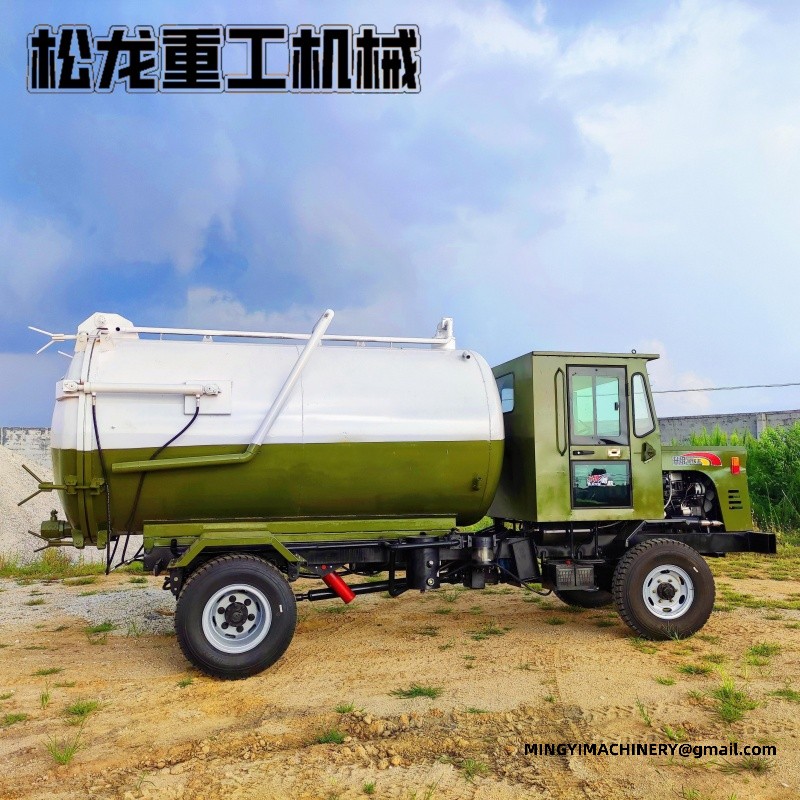
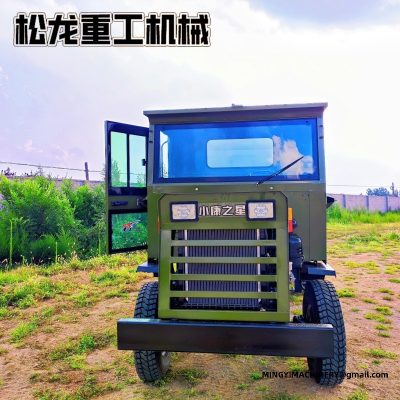
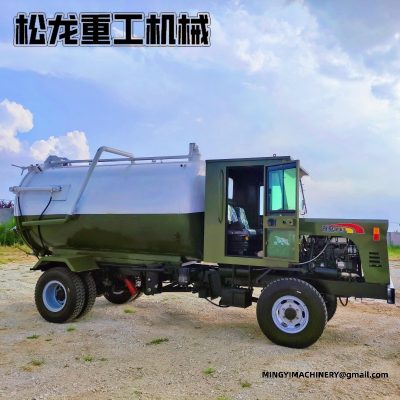
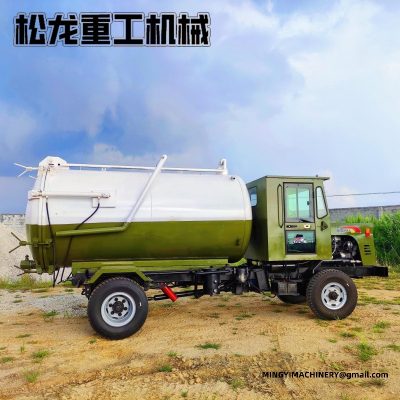
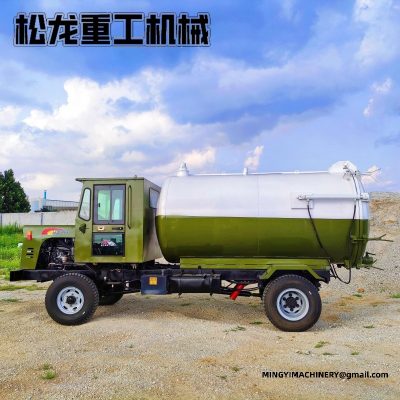
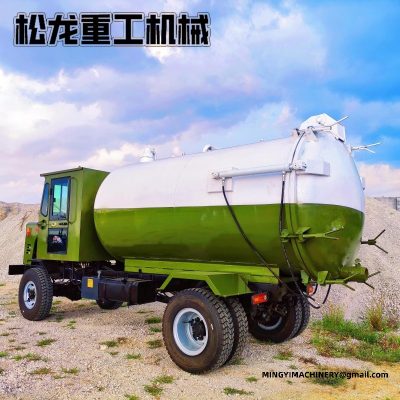
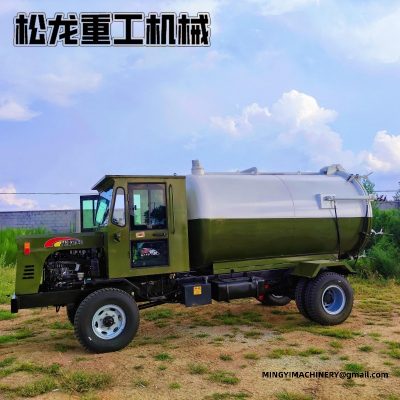
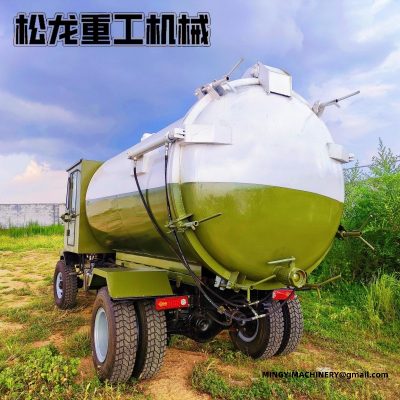
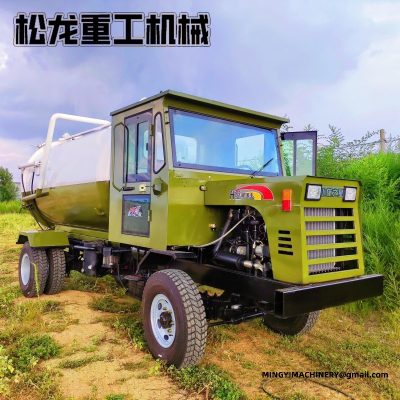
Model MY-4x4-6T · 103 hp engine
The dumper is built for the work that fills the calendar rather than the work that looks impressive. This page sets out what the machine does, where it fits and what to settle before ordering, so the specification can be matched to the job instead of guessed at.
Attachments and working tools for mechanical transmission dumper
The base machine is only as useful as the tool on the end of it. Matching the attachment to the task - rather than to what arrived with the machine - is what lets one this class of machine cover several jobs across a week. Attachment decisions are best made before delivery. Specifying hydraulics and couplers at build time is simpler than adding them later, and it avoids the downtime of a workshop visit in the first month.
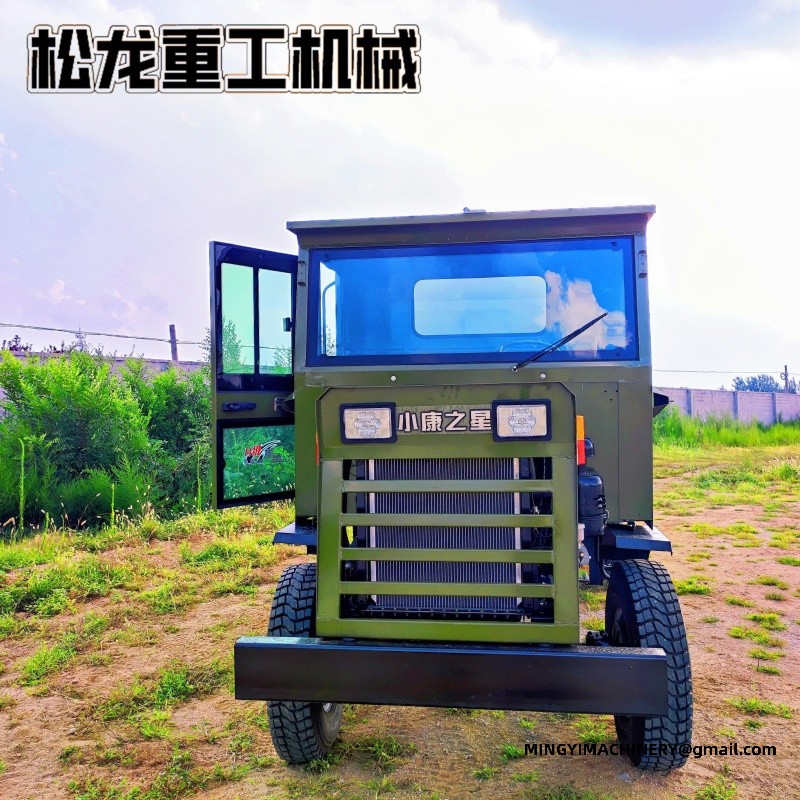
Payload and how a mechanical transmission dumper is loaded
Payload is limited by the axles and the frame before it is limited by the body volume. Specifying the unit in daily use against the material density gives a realistic figure, because a body that looks half full can already be at its limit with rock. Loading method affects the machine as much as the load does. Material dropped from height into a machine of this size shocks the frame and the body floor, while material placed evenly spreads the load and extends body life.
Ordering, lead time and delivery of mechanical transmission dumper
Lead time is part of the specification. Confirming build time, shipping method and what is included before ordering the equipment on site prevents the common gap between when the machine is needed and when it can arrive.
Upgrading and reconfiguring mechanical transmission dumper
Reconfiguration can extend the useful life of a machine. The machine itself that no longer suits the current work may suit it again with a different attachment, guarding or control arrangement. Upgrades should be checked against the base machine. Hydraulic capacity, mounting interface and stability all limit what can reasonably be added to the model in question, and confirming those limits avoids an unsatisfactory result.
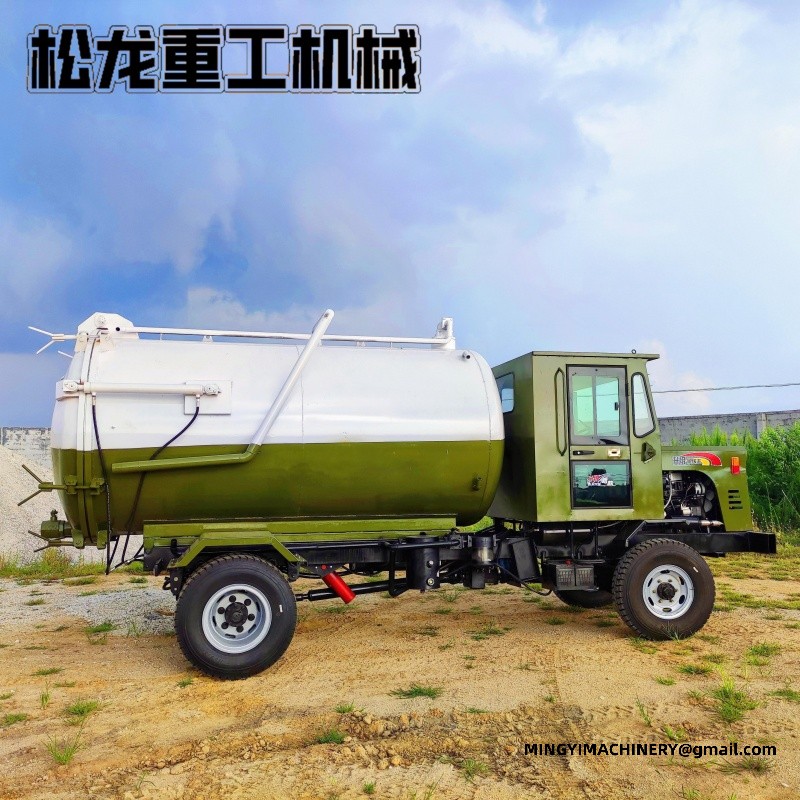
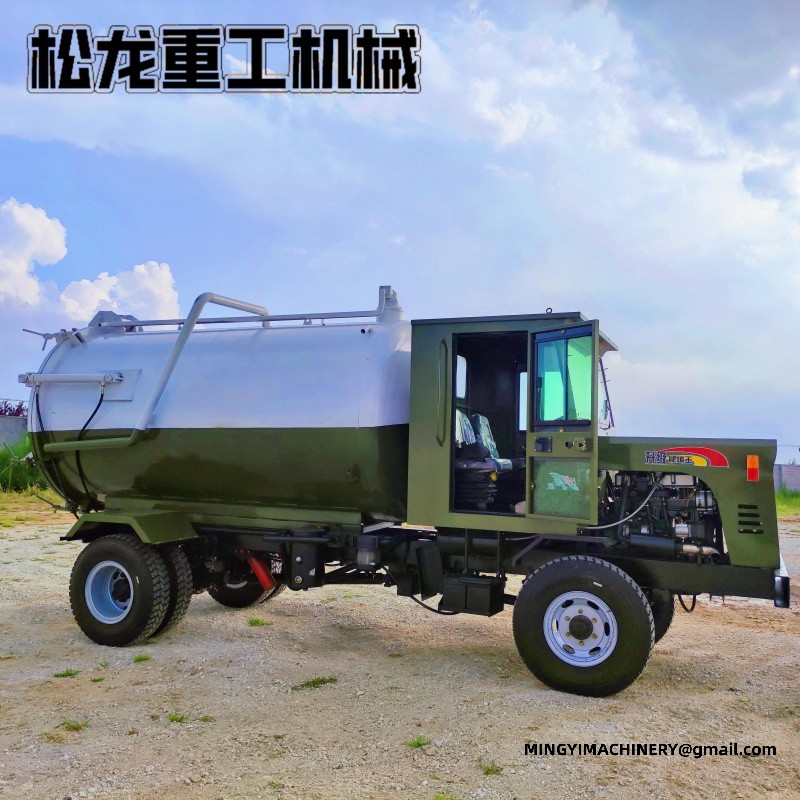
Water tank and dust control bodies on mechanical transmission dumper
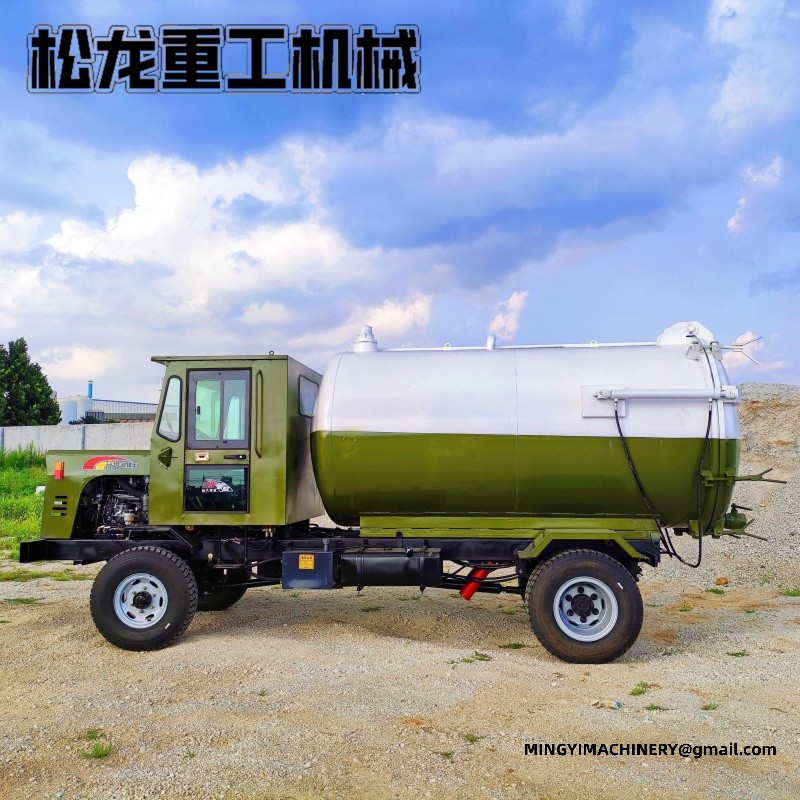
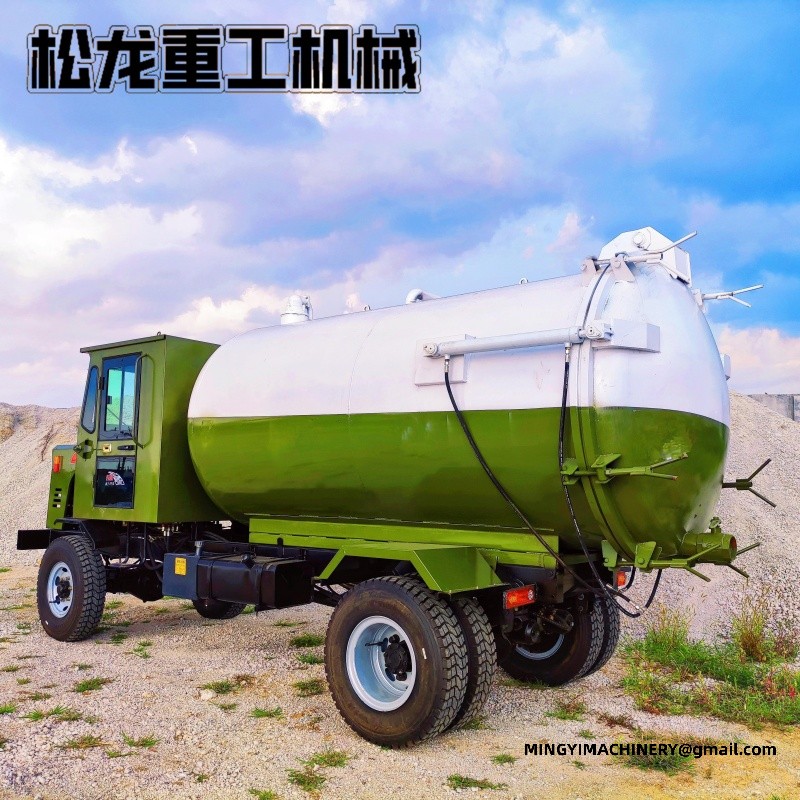
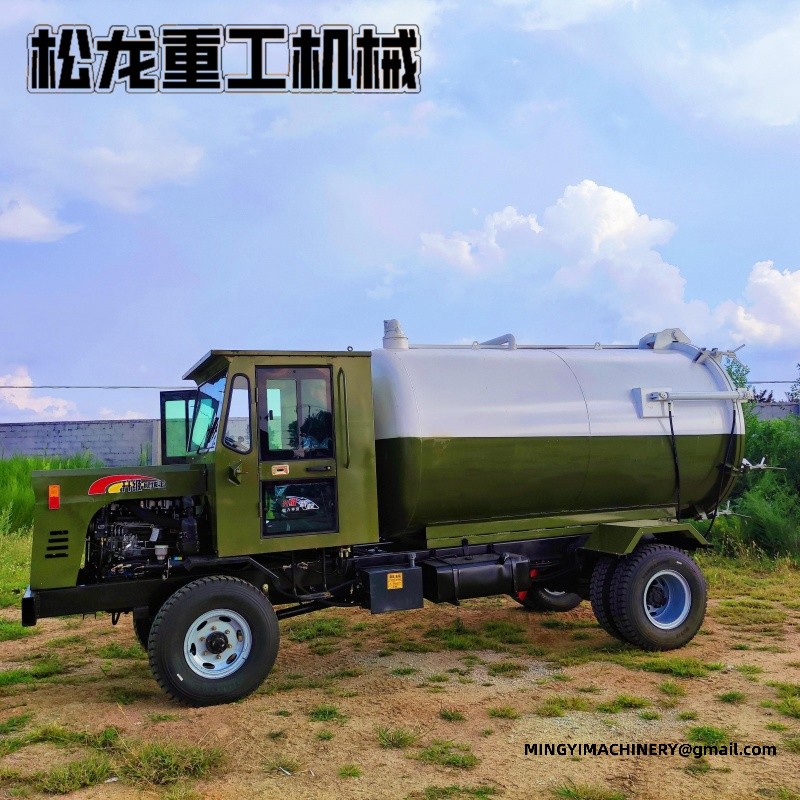
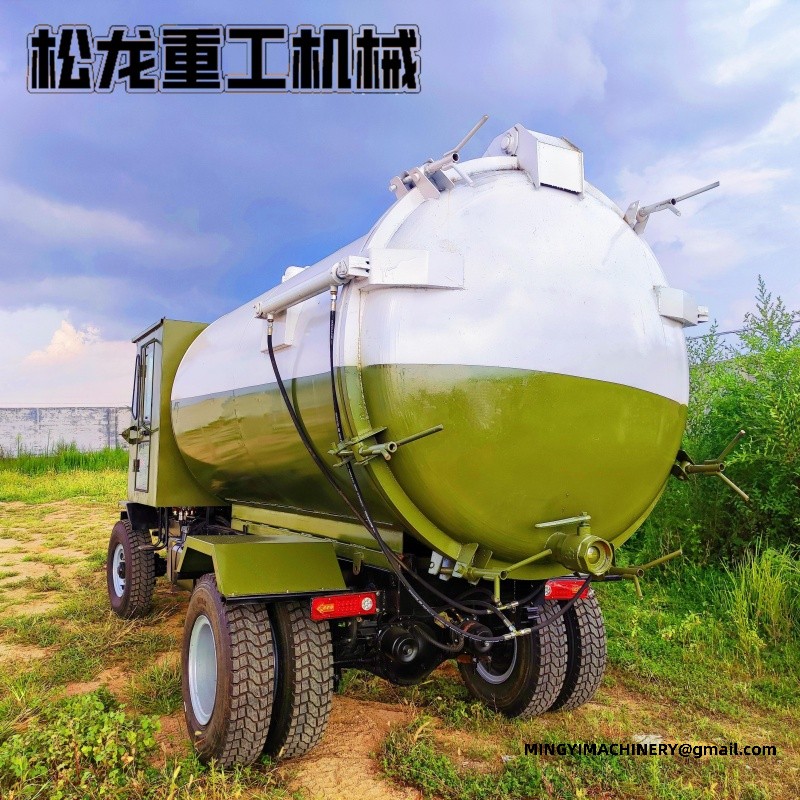
A water tank turns the vehicle into a different machine. The machine in that duty carrying water for dust control or irrigation is specified around tank size, baffles and the route, because a part-filled tank behaves very differently on a slope. Water is heavy and it moves. Baffles and sensible speeds matter on the unit on the job with a tank body, and the specification should reflect the ground the vehicle will cross rather than only the volume needed. Dust control work is repetitive and time-critical. A machine built for the work with the right tank and spray arrangement covers more ground per shift, which is usually the point of the exercise.
Fuel use and running demands of mechanical transmission dumper
Fuel is usually the largest controllable running demand. Operating style, correct tyre or track condition and a clean air supply all move consumption on the equipment in service by more than most buyers expect. Consumption is best measured over a full week rather than judged per hour. Idle time, repositioning and waiting for other trades are often the largest share of the fuel the dumper burns on a site.
Forestry and timber work with mechanical transmission dumper
Access tracks in forestry are narrow, soft and often steep. This class of machine chosen for that work is chosen for the track, and the body, cab and tyre specification follow from the route rather than from the load alone.
Dust, mud and abrasive conditions around mechanical transmission dumper
Cleaning is maintenance, not appearance. Washing the cooling surfaces and clearing packed material from the unit in daily use keeps temperatures where they should be and makes the next inspection quicker and more useful.
Lighting and low light operation of a machine of this size
Working after daylight changes the risk. Lighting coverage on the machine itself and across the working area, plus high-visibility clothing for anyone on foot, are the items that make low-light work practical. Visibility from the seat is different at night. Reflections, shadows and glare all hide detail, so the equipment on site used after dark benefits from clean lenses, working wipers and a slower working pace. Planning helps more than extra lamps. Positioning the model in question so that the work is lit from the machine side, and keeping the route clear, does more for safety than adding light to a badly planned task.
Mixer drum bodies and concrete haulage the machine in that duty
Carrying concrete changes the duty entirely. The unit on the job with a mixer drum is working against the clock, and the specification follows the delivery distance and the site access rather than the load alone. Drum bodies need power and stability. A machine built for the work set up for concrete has to carry the drum, the load and the water, and the frame and brakes should be specified for that combined weight.
Parts, service and support for the equipment in service
Parts availability usually decides the engine and the brand. A machine built around components the local network already carries is serviced from stock, which is the difference between a day lost and a week lost. Remote diagnosis shortens most faults. A walk-around on video with the panels open often identifies the cause on the dumper without waiting for a visit, and avoids shipping a part that turns out not to be needed.
Engine and power options behind this class of machine
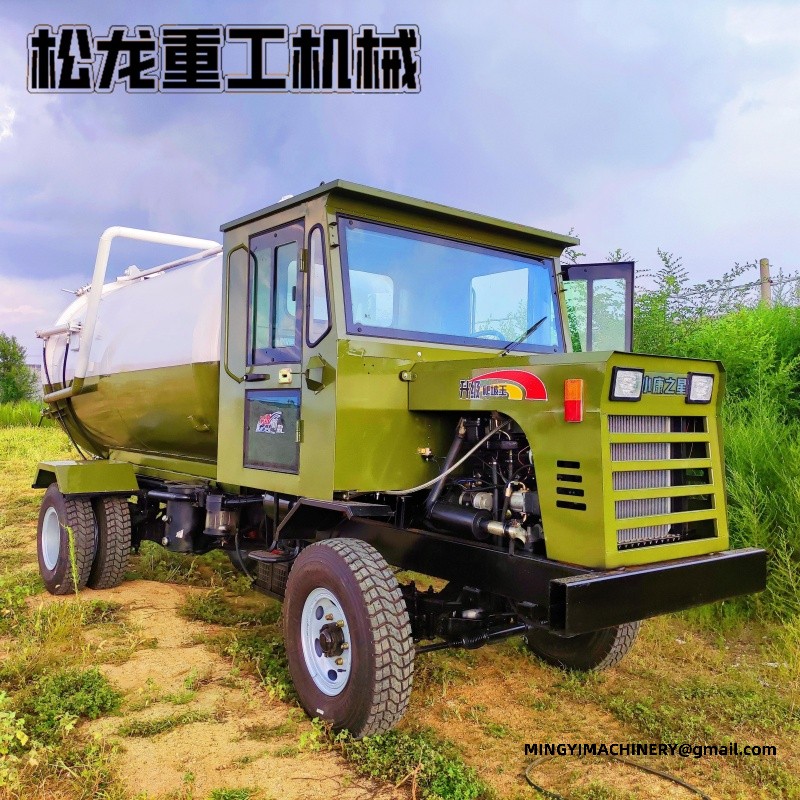
Power unit choice is usually a parts question, not a performance one. Two buyers can order the same the unit in daily use and sensibly choose different engines, because the right answer depends on which brand the local workshop already supports. Emissions documentation is part of engine selection for some destinations. Confirming which units can be supplied and documented for the destination country is worth doing at enquiry stage rather than after the build sheet is signed.
Daily checks and maintenance on a machine of this size
Most failures start as something small that a walk-around would have caught. Fluid levels, belt tension, tyre or track condition and any fresh leak are the items worth two minutes at the start of each shift on the equipment on site. Service intervals exist because wear is predictable. Following the maker schedule on the machine itself takes far less time than repairing the damage that follows a missed oil change or a filter left in place past its life. A simple log helps. Recording hours, fuel and any adjustment made to the model in question gives the workshop a history, and that history is what turns an intermittent fault into a one-visit repair instead of three.
Warranty, commissioning and early checks
Warranty terms are clearer when they are read before purchase. Knowing what is covered, what counts as a wearing item and what documentation is required makes a claim on the machine in that duty straightforward rather than contested. Early faults are usually simple. The unit on the job that behaves differently in its first few hours is more often mis-set than defective, and a call to the supplier at that point usually resolves it the same day.
Configuration data for a machine built for the work
The configurations below are the build sheets most often matched to the equipment in service. Engine, gearbox, axles, frame and body dimensions are confirmed together, because the body size and the axle rating have to suit the load before the engine rating matters.
| # | 10.Upgraded | 20.Luxury | 21.Upgraded | 5.Luxury |
|---|---|---|---|---|
| 1 | Single-cylinder diesel engine, 32 hp | Four-cylinder 4102 turbocharged diesel engine | Four-cylinder 4105 turbocharged diesel engine | Single-cylinder diesel engine, 25 hp |
| 2 | Full-time gearbox with four-wheel drive | Model 140 part-time gearbox with four-wheel drive | Model 140 part-time gearbox with four-wheel drive | Part-time gearbox with four-wheel drive |
| 3 | High/low range with crawler gear | High/low range with crawler gear | High/low range with crawler gear | High/low range with crawler gear |
| 4 | Front axle clutch | Fully enclosed cab | Simple cab | Enclosed cab |
| 5 | Fully enclosed cab | Six 825R16 steel-belted radial tyres | Six 825R16 steel-belted radial tyres | Six 700-16 mountain tyres |
| 6 | Oil brakes | Reinforced ISUZU-pattern front axle | Reinforced ISUZU-pattern front axle | Model 212 front axle |
| 7 | Four 700-16 mountain tyres | Reinforced 1080 rear axle | Reinforced 1080 rear axle with air cut-off brake | Model 130 rear axle |
| 8 | Front axle 212 | Air cut-off brakes | Air cut-off brakes | Air cut-off brakes |
| 9 | Rear axle 130 | Reinforced 80 x 180 mm square tube frame | Reinforced 80 x 180 mm square tube frame | Reinforced 60 x 140 mm square tube frame |
| 10 | Reinforced 60 x 140 mm square tube frame | Rear body 3.0 m long x 2.2 m wide x 0.45 m high | Rear body 3.0 m long x 2.2 m wide x 0.45 m high | Rear body 2.2 m long x 1.5 m wide x 0.45 m high |
| 11 | Rear body 2.2 m long x 1.5 m wide x 0.45 m high | Tailgate with self-dumping function | Tailgate with self-dumping function | Tailgate with self-dumping function |
| 12 | Tailgate with self-dumping function | Side-opening rear body tailgate with cab ladder | Hydraulic power steering | Side-opening rear body tailgate |
| 13 | Hydraulic power steering | Hydraulic power steering | Twin hydraulic rams | Hydraulic power steering |
| 14 | Twin hydraulic rams | Twin hydraulic rams | Two-person comfort seat | Twin hydraulic rams |
| 15 | Two-person comfort seat | Two-person comfort seat | Heavy-duty leaf springs | Two-person comfort seat |
| 16 | Twin-battery electric start | Heavy-duty thickened leaf springs | Twin-battery electric start | Heavy-duty leaf springs |
| 17 | Square-nose bonnet | Twin-battery electric start | Square-nose bonnet | Twin-battery electric start |
| 18 | — | Square-nose bonnet | — | Square-nose bonnet |
| 19 | — | Four-cylinder 4105 turbocharged | — | — |
| 20 | — | Four-cylinder 4108 turbocharged | — | — |
| 21 | — | Single-cylinder engine, 25 hp | — | — |
| 22 | — | Single-cylinder engine, 28 hp | — | — |
| 23 | — | Single-cylinder engine, 32 hp | — | — |
| 24 | — | Two-cylinder engine, 38 hp | — | — |
| 25 | — | Four-cylinder 490 engine | — | — |
| 26 | — | Four-cylinder 4102 turbocharged engine | — | — |
Cold weather and winter care for the dumper
Cold exposes weak batteries, thick oil and water in the fuel. Preparing this class of machine for winter means the right grade of oil, a battery in good condition and fuel that will not wax in the tank overnight.
Keeping a service record for the unit in daily use
The record should follow the machine, not the owner. When a machine of this size changes hands the service history travels with it, and a complete folder is often the difference between a quick sale and a long one.
Wear items and spares worth holding for the equipment on site
The parts that stop a machine are rarely the parts that are hardest to find. Filters, belts, seals and the ground engaging tools on the machine itself are easy to hold and slow to replace, which is why they belong on the shelf rather than on an order.
Moving the model in question between sites
A machine that works on one site still has to reach the next. The overall dimensions and the operating weight of the machine in that duty decide what trailer or truck is needed, and that decision belongs before the job is booked.
Packing, loading and shipment of the unit on the job
How a machine travels decides how it starts on arrival. Securing a machine built for the work against movement, protecting the exposed cylinders and keeping the battery and fluids in the right state for the voyage all belong to the packing list.
A second operator for the equipment in service
Training is simpler than repair. An hour spent with a new operator on the dumper, covering the limits and the awkward cases, is the least lengthy hour in the whole ownership.
Documents that travel with this class of machine
The machine is only half of what arrives. The parts book, the service schedule and the declarations that come with the unit in daily use are what let the owner register, insure and maintain it without a second round of emails.
Storage and long idle periods for a machine of this size
Rubber, seals and hoses age whether the machine works or not. Keeping the equipment on site out of direct sun and off damp ground slows that, and running it briefly at intervals keeps everything moving.
Every line above is a build item rather than an optional extra, and the final sheet for the machine itself is confirmed against the destination, the ground and the load before production.
E-mail:sales@mingycn.com
LINE(ID):mingyicn
Related pages
4WD construction vehicle · 2 ton 4x4 dumper · Site Dumper Manufacturer: Maintenance That Keeps It Working · Four Wheel Drive Transport Vehicle









