LW390 0.06m3 Compact Wheel Loader for Yard, Farm and Site Work
This page documents the LW390 compact wheel loader as it is built for small earthmoving, yard and farm work. It covers the drivetrain, the rated load, the working envelope and the checks an owner should make in the first weeks, using the factory specification rather than a general description.
A rated load of 300 kg and a bucket of 0.06 cubic metres place this machine in the compact class, where the useful measure is not the headline figure but how much can be carried with the arms raised on uneven ground. The operating mass of 874 kg keeps ground pressure low enough for finished yards, while the 2600 mm length with the standard bucket lets the machine turn inside a narrow site. It is a loader for repeated short cycles: loading, carrying a short distance, dumping and returning.
The works sheet lists bucket roll-back at maximum height as 120 degrees for this particular implement. Inspectors compare the shipped unit with the bucket capacity figure of 0.06 m3.
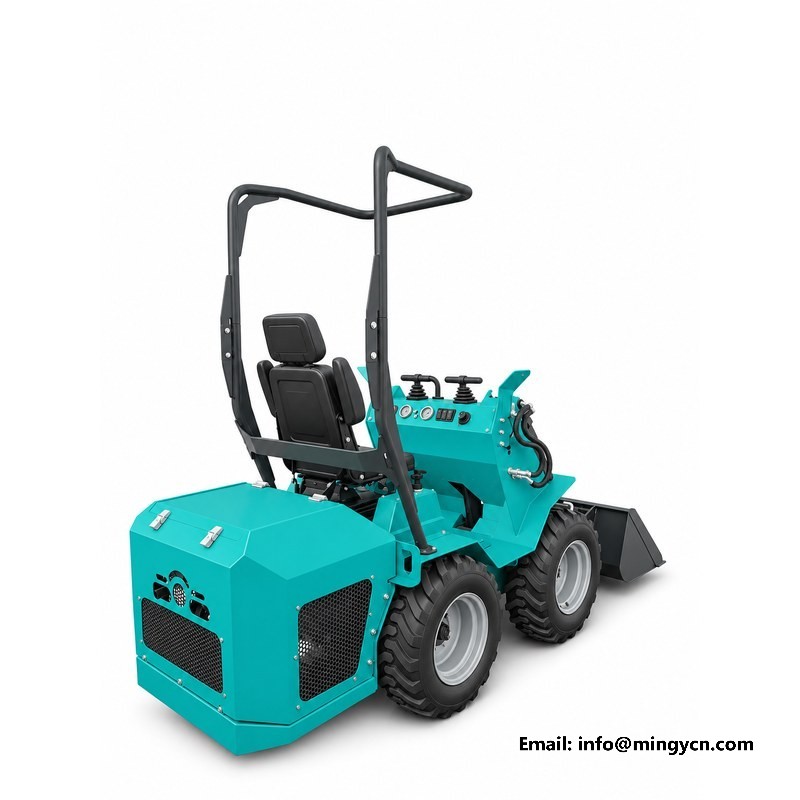
The sheet lists several single-cylinder engine options, including the Rato R4200, the Briggs & Stratton XR2100 and a 192-series diesel alternative, with rated outputs in the 13.5 HP to 10.2 kW band and rated speeds between 2500 and 3600 rpm depending on the unit. All are naturally aspirated single-cylinder engines of 420 cc. The choice affects the speed of the working cycle and the noise character more than the lifting geometry, so the engine is selected against the duty cycle and the emission requirement of the destination market rather than against the loader frame.
bucket capacity is specified as 0.06 m3 on the unit photographed here. The recorded value of operating mass is 874 kg, taken from the assembled tool.
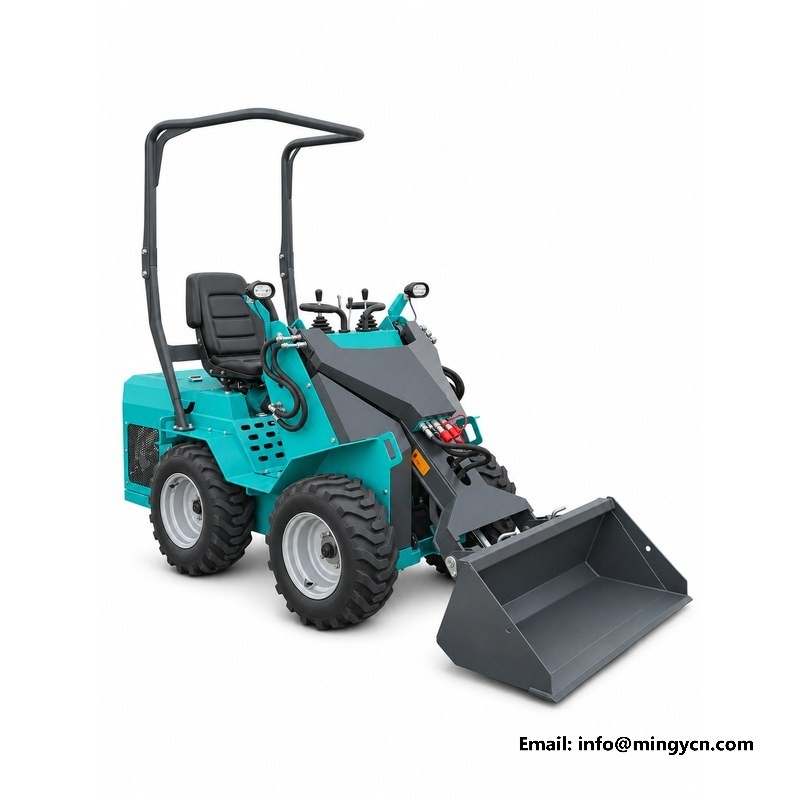
The factory sheet distinguishes a 300 kg rated load from a 400 kg maximum load. Rated load is the figure used for repeated work with the machine on normal ground and the load carried in the bucket; the higher figure is a limit rather than a working target. Because the machine weighs only 874 kg, the position of the load ahead of the front axle matters as much as its mass, and a loaded bucket held high on a slope asks far more of the machine than the same bucket carried low and level.
For maximum height with bucket level the data sheet states 2220 mm; the same entry is read again at handover. length without attachment: 2130 mm. That line travels with the inspection record.
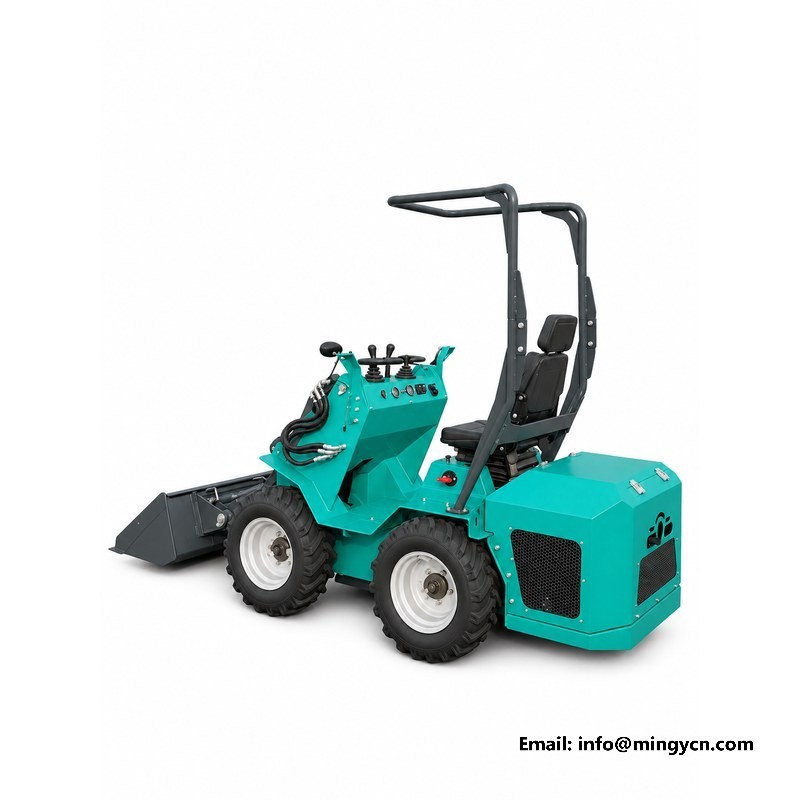
Maximum operating height is 2560 mm, height to the bucket pin 1970 mm and dump height 1650 mm, with a dump reach of 650 mm. Those four figures decide which truck, hopper or trench the machine can serve. The bucket rolls back 20 degrees at ground level and 120 degrees at full height, and the maximum dump angle at height is 139 degrees, which is what lets a sticky load leave the bucket without the operator shaking the arms.
The recorded value of rated power is 13.5 hp / 13.5 hp / 13.5 hp / 10.2 kw, taken from the assembled tool. Before dispatch, the rated speed entry is confirmed as 3600 / 3600 / 3000 / 2500 rpm.
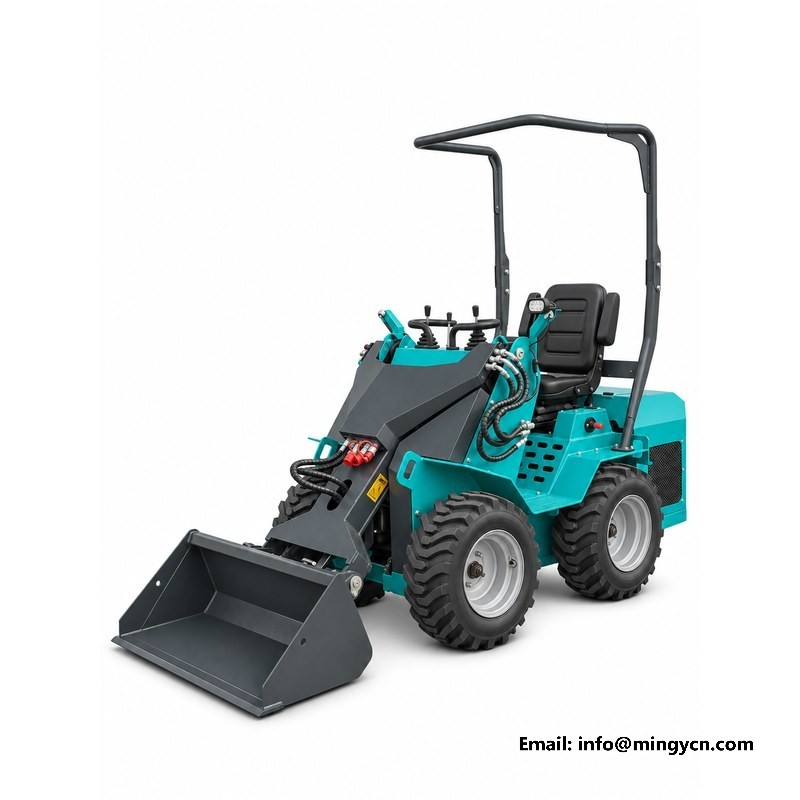
Working system pressure is 17 to 21 bar and the three-function cycle is listed at 9 seconds. In practice the cycle is read as a combined lift, tilt and lower time under load, not as three separate movements. A 5 litre fuel tank and a 0-6 km/h travel speed keep the machine in its intended role: short shuttle work on one site rather than road travel between sites.
displacement: 420 cc. That line travels with the inspection record. Inspectors compare the shipped unit with the emission standard figure of eu stage v and epa compliant.
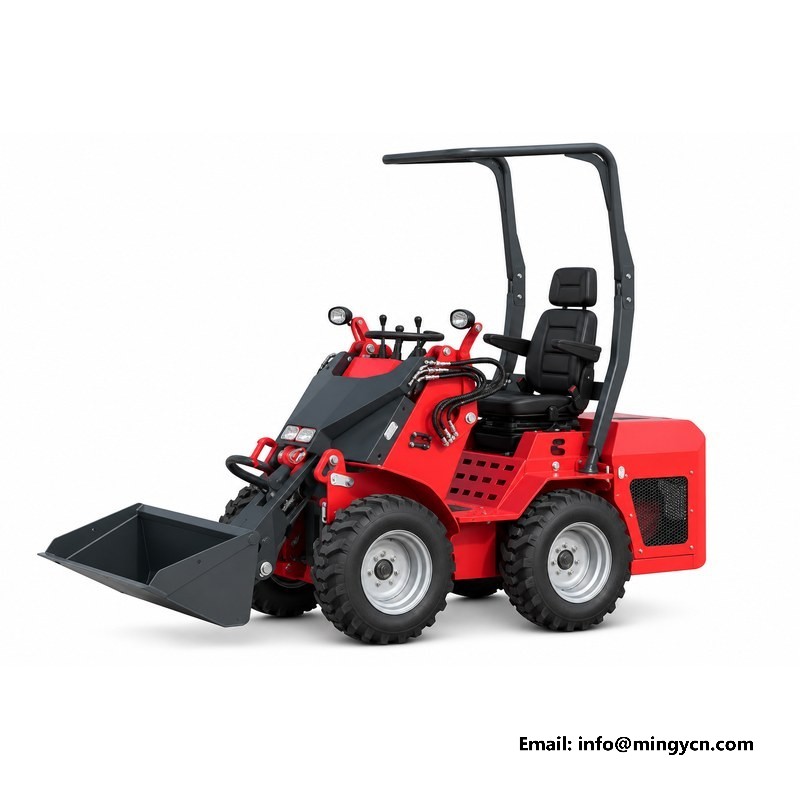
Overall height is 1950 mm and maximum height with the bucket held level is 2220 mm, so doorway and canopy clearance is checked before delivery. Length without an attachment is 2130 mm. Tyres are 23*8.5-12, a compact size that suits hard yards and firm ground; on soft or wet ground the operator works with smaller loads and avoids sharp turns with the bucket raised.
model is specified as lw390 on the unit photographed here. engine appears in the build record as rato r4200 / briggs & stratton xr2100 / kop 192 / alternative single-cylinder diesel, which a buyer can verify on arrival.
The first weeks reveal anything that was not seated at assembly. Wheel nuts, bucket pins, hose ends and the engine mount bolts are checked at the start of each day; hydraulic oil level is read with the arms lowered; and the bucket cutting edge is examined for uneven wear, which usually means the machine has been working on a slope with the load on one side. Greasing points are short and few, which is the advantage of a machine this size.
Before dispatch, the dump height entry is confirmed as 1650 mm. Anyone reading the identification plate will find dump reach given as 650 mm.
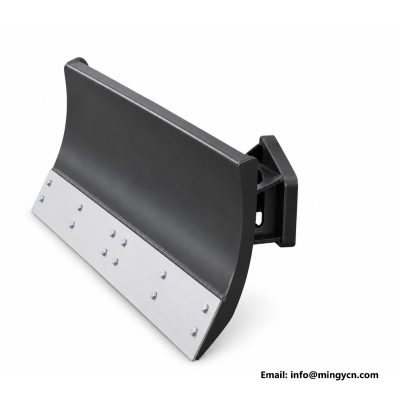
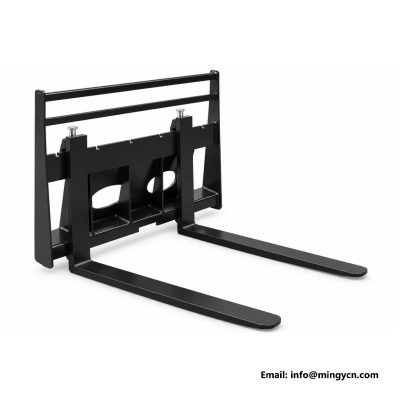
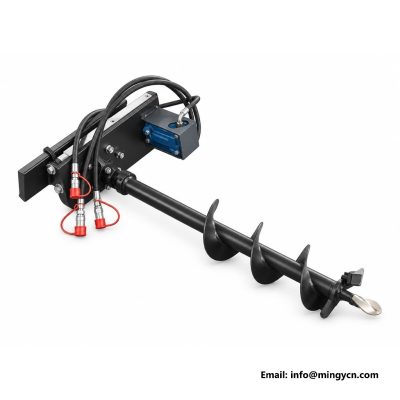
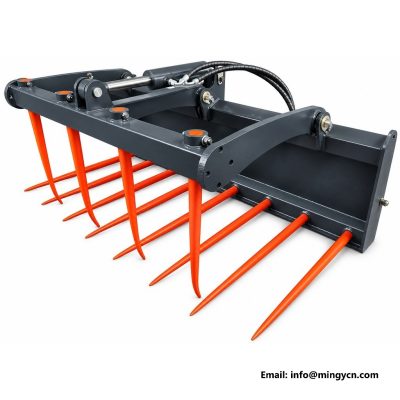
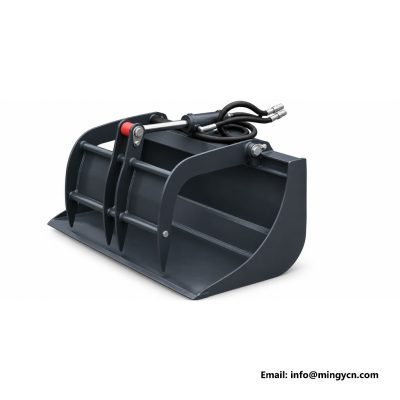
A 300 kg rated machine works best with tools matched to that figure. Pallet forks, a small general-purpose bucket, a light grapple and a narrow auger drive all suit the frame, while wide high-flow tools do not. The quick-attach plate is checked for full wedge engagement before every changeover, and attachment mass is counted as part of the load.
aspiration appears in the build record as naturally aspirated, which a buyer can verify on arrival. The recorded value of displacement is 420 cc, taken from the assembled tool.
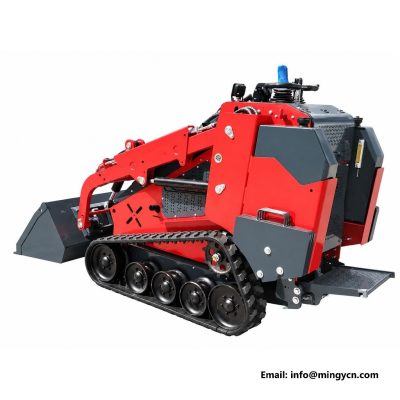
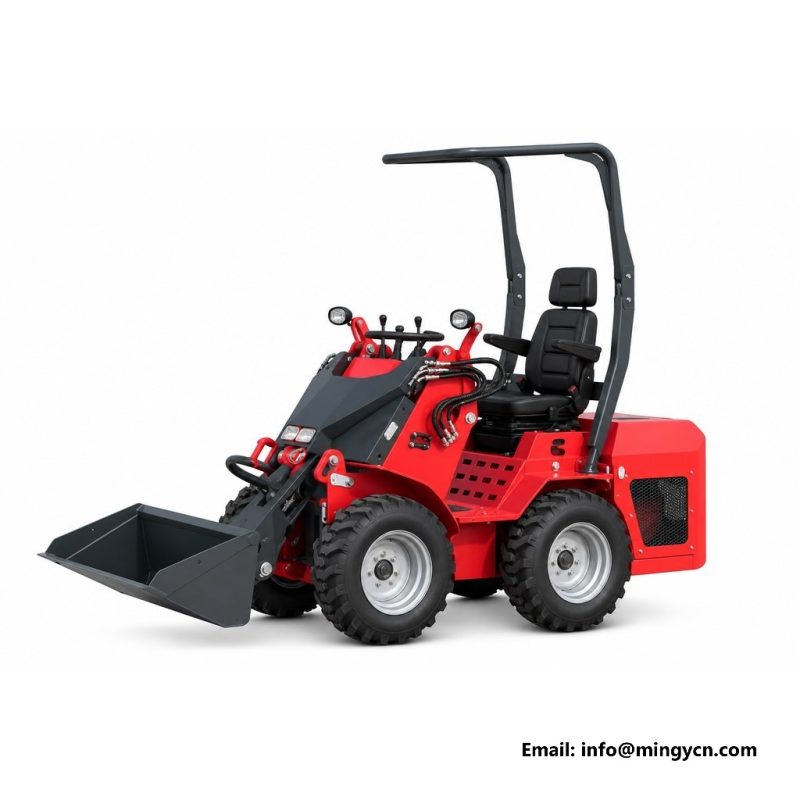
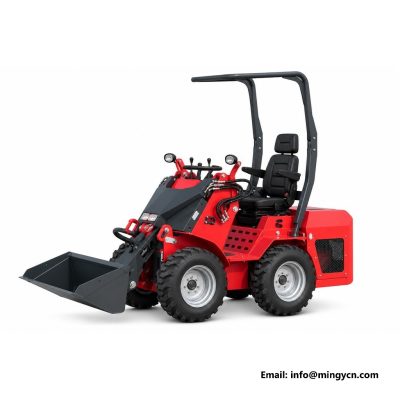
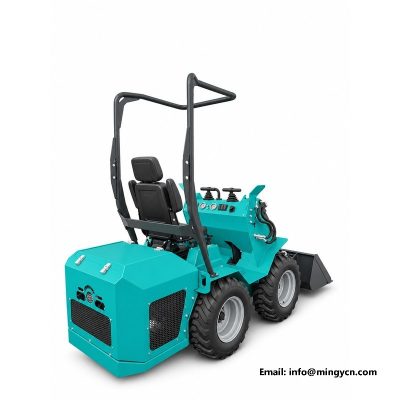
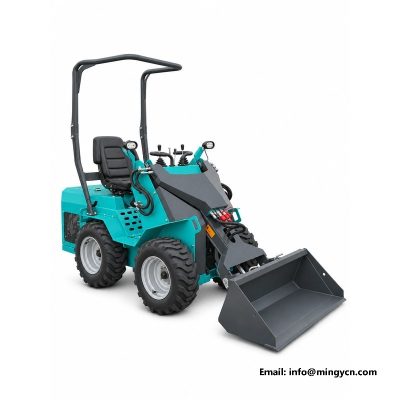
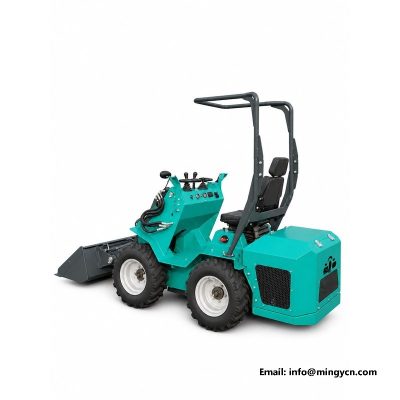
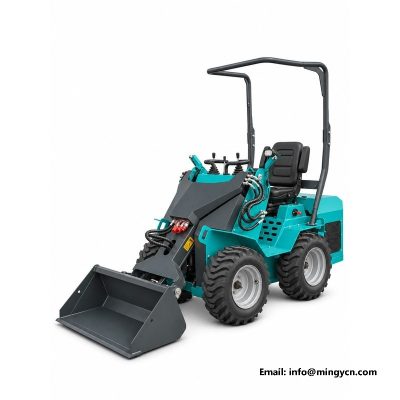
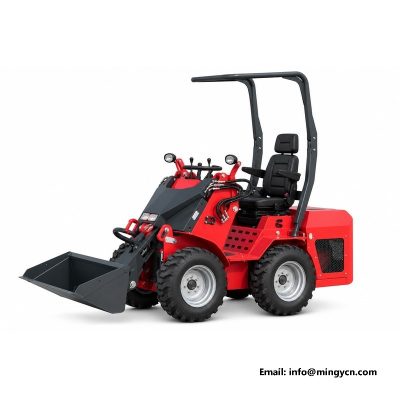
The six photographs on this page show the machine from front, rear, opposite front, rear quarter, an alternate front angle and a second colour version. They are build photographs on a clean ground, so the lift arm geometry, the roll bar, the engine cover vents and the tyre arrangement can all be read directly rather than inferred from a drawing.
The factory gives rated load as 300 kg and repeats the figure on the delivery note. The works sheet lists maximum load as 400 kg for this particular implement.
Flow sets the speed of a rotating tool, pressure sets the force available when that tool meets resistance, and the two cross at the point where the operation actually happens. Matching a tool to a base unit begins with the data mount, not with a photograph. A typical secondary supply is commonly rated around 17 to 24 gpm, a high-flow supply around 30 to 42 gpm, and relief settings near 3000 to 3500 psi are typical across the industry.
A mounting mount that looks interchangeable still has to be measured. Wedge engagement, mount flatness and the condition of the lower lip decide whether the tool stays attached under a shock load. Weight is the other half of the calculation: the further the mass sits ahead of the arms, the smaller the sound load, which is why industry practice keeps the combined tool and load near half of the piece of equipment's rated tipping value.
Service schedules follow the abrasion profile. Pins and bushes are greased on an each day cycle in dusty conditions, cutting edges are reversed before the parent interface is exposed, and flexible lines are examined where they flex across a pivot. These are short checks, but they decide the operating life of the tool.
No adjustment, clearing or greasing is attempted with the system pressurised, and hoses are relieved before a coupler is disconnected. Safe in-service routines are mostly about position. Loads stay low during travel, the assembly is kept close to the loader, and turns are made gently on slopes.
| Parameter | Value |
|---|---|
| Model | LW390 |
| Engine | Rato R4200 / Briggs & Stratton XR2100 / Kop 192 / alternative single-cylinder diesel |
| Rated power | 13.5 HP / 13.5 HP / 13.5 HP / 10.2 kW |
| Rated speed | 3600 / 3600 / 3000 / 2500 rpm |
| Cylinders | 1 |
| Aspiration | Naturally aspirated |
| Displacement | 420 cc |
| Emission standard | EU Stage V and EPA compliant |
| Rated load | 300 kg |
| Maximum load | 400 kg |
| Maximum breakout force | 350 (factory sheet figure) |
| Travel speed | 0-6 km/h |
| Working cycle, three functions | 9 s |
| Working system pressure | 17-21 bar |
| Fuel tank | 5 L |
| Maximum operating height | 2560 mm |
| Height to bucket pin | 1970 mm |
| Overall height | 1950 mm |
| Maximum height with bucket level | 2220 mm |
| Length without attachment | 2130 mm |
| Length with standard bucket | 2600 mm |
| Maximum dump angle at height | 139 degrees |
| Dump height | 1650 mm |
| Dump reach | 650 mm |
| Bucket roll-back at ground | 20 degrees |
| Bucket roll-back at maximum height | 120 degrees |
| Bucket capacity | 0.06 m3 |
| Operating mass | 874 kg |
| Tyre size | 23*8.5-12 |
No. The 300 kg rated load is the figure for repeated work; 400 kg is a limit on the sheet.
The specification lists several single-cylinder options; the fitted unit is confirmed on the engine identification plate before dispatch.
The 1650 mm dump height and 650 mm reach are the figures to compare with the truck side height.
The sheet records EU Stage V and EPA compliance; the documentation for the fitted engine is supplied with the machine.
The figures above are taken from the factory specification sheet. Build photographs, the engine identification and the pre-dispatch inspection record are supplied with each machine so that the delivered unit can be checked against the table item by item.
E-mail: sales@mingycn.com | LINE: mingyicn
Send the carrier model, auxiliary flow and the material you work with. The factory will confirm the mounting interface, circuit requirement and the build photographs for the exact tool, and will answer technical questions directly.