Most enquiries about the skid-steer loader start with a job rather than a machine. Someone has a site, a material and a deadline, and the specification follows from those three. This page works back from the job to the build sheet.
Storage and downtime care for skid steer loader for sale
Standing still is hard on machinery. This class of machine left for weeks benefits from a clean, dry, covered space, a charged battery and a fuel system prepared for the layoff, and all three effort very little. Before-storage preparation prevents most return-to-work faults. Draining or treating fuel, protecting exposed rods and relieving pressure where the maker specifies it are the items worth an hour when the unit in daily use is parked.
Lighting and low light operation of skid steer loader for sale
Working after daylight changes the risk. Lighting coverage on the equipment on site and across the working area, plus high-visibility clothing for anyone on foot, are the items that make low-light work practical. Visibility from the seat is different at night. Reflections, shadows and glare all hide detail, so a machine of this size used after dark benefits from clean lenses, working wipers and a slower working pace. Planning helps more than extra lamps. Positioning the machine itself so that the work is lit from the machine side, and keeping the route clear, does more for safety than adding light to a badly planned task.
Daily checks and running demands of skid steer loader for sale
Daily checks suit the machine. Fluids, tyres, the coupler and a look at the hoses on the model in question take a few minutes and prevent most of the failures that stop a day. Engines in this class work hard in a small space. Cooling pack cleanliness on the machine in that duty is the single most important item in dusty work, and overheating is usually a blocked radiator rather than a fault.
Cold weather and low temperature work with skid steer loader for sale
Cold changes how a machine starts and how it warms up. Allowing the unit on the job to reach operating temperature before loading it, and using the correct grade of oil and fuel for the season, prevents most cold-start problems. Batteries and fluids are the parts that notice the cold first. A machine built for the work kept on a maintainer through a freezing spell starts on the first turn, while one left standing is the usual cause of a lost morning. Low temperatures also make materials behave differently. Ground that is frozen hard in the morning can be soft by midday, and planning the sequence around that is easier than fighting it with the equipment in service.
Resale value and replacement planning
Records are part of the asset. Keeping the service history and the hour records with the skid-steer loader makes it easier to sell, easier to insure and easier to justify the replacement machine internally.
Fitting skid steer loader for sale into the wider site plan
Machine productivity depends on what happens around it. Deliveries, other trades and the sequence of work decide how much of the shift this class of machine spends actually working rather than waiting. Sequencing avoids rework. Doing the work in the order that suits the ground and the following trades keeps the unit in daily use productive and prevents finishing a task that then has to be opened up again.
Export packing and shipping of skid steer loader for sale
Export orders add steps that domestic buyers never see. Packed dimensions, securing points, documentation and any dismantling required are all settled before a machine of this size leaves the factory, and each one affects the freight booking.
Safe working practice around skid steer loader for sale
Personal protective equipment and a stop rule are simple controls. Agreeing before work starts that anyone can stop the job is the single measure that most often prevents a serious incident near the equipment on site.
Fuel use and running demands of the machine itself
Planning the work to reduce empty movement is free. Fewer repositioning cycles on the model in question means less fuel, less wear on the undercarriage or tyres and more of the shift spent on productive work.
Engine and power options behind the machine in that duty
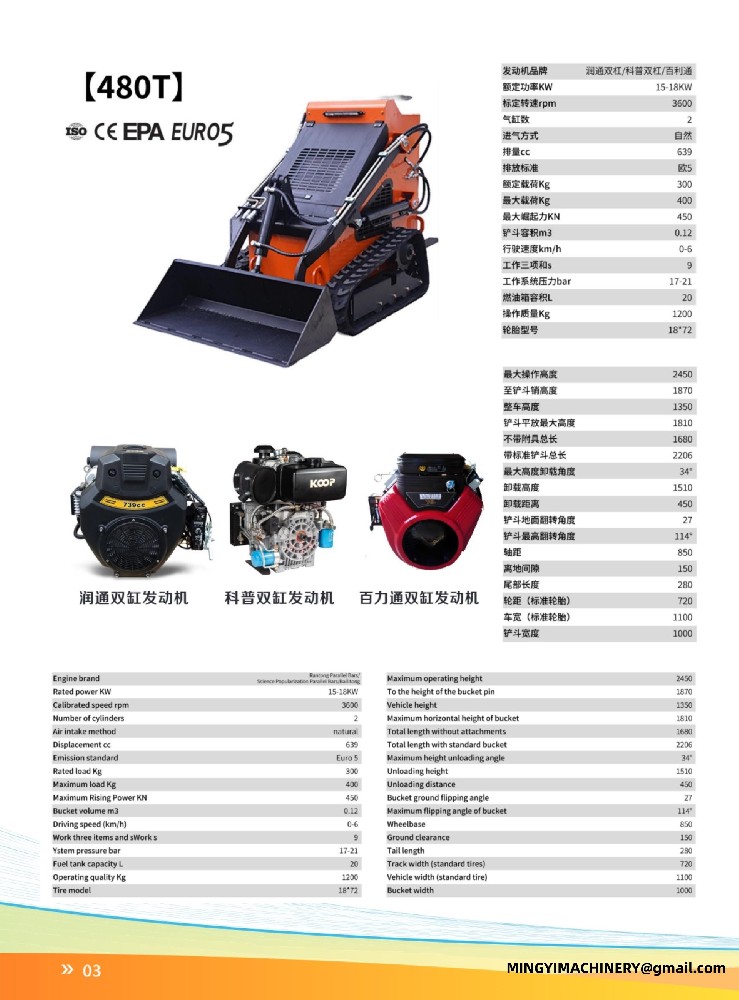
Power unit choice is usually a parts question, not a performance one. Two buyers can order the same the unit on the job and sensibly choose different engines, because the right answer depends on which brand the local workshop already supports. Emissions documentation is part of engine selection for some destinations. Confirming which units can be supplied and documented for the destination country is worth doing at enquiry stage rather than after the build sheet is signed.
Size, access and working in confined space with a machine built for the work
Turning in its own length is the second reason. Skid steering lets the equipment in service work in a space where a loader would need a three-point turn, and on a tight site that is the whole allowance.
Warranty, commissioning and early checks
Warranty terms are clearer when they are read before purchase. Knowing what is covered, what counts as a wearing item and what documentation is required makes a claim on the skid-steer loader straightforward rather than contested.
Customisation and build options for this class of machine
Build options are where a standard machine becomes the right machine. Colour, guarding, lighting, seating and hydraulic provisions can usually be set at build time on the unit in daily use, and are far simpler then than as a retrofit. Fleet buyers often want consistency rather than variety. Specifying a machine of this size so that several units share controls, filters and service points reduces training time and keeps the parts shelf small. Customisation should still be limited to what the work needs. Each addition to the equipment on site is another item to maintain, so the useful question is not what can be added but what the job list actually requires.
Ground, traction and surface protection with the machine itself
Tyre choice follows the surface and the debris. Standard tyres suit general work, while a solid or heavy-duty option suits demolition and scrap where punctures stop the day on the machine in that duty. Soft ground needs wider contact. On wet or loose surfaces the model in question with tracks or wider tyres keeps working where a narrow machine would dig in, and that is worth specifying.
Attachments and what the unit on the job can be asked to do
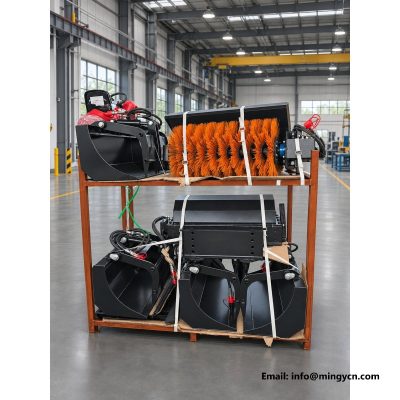
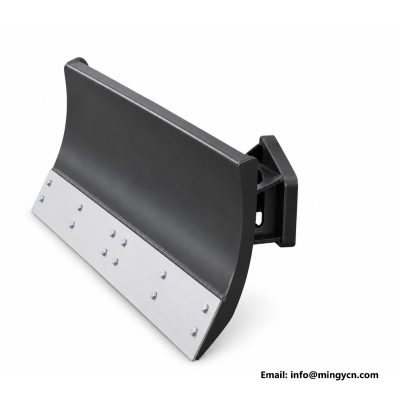
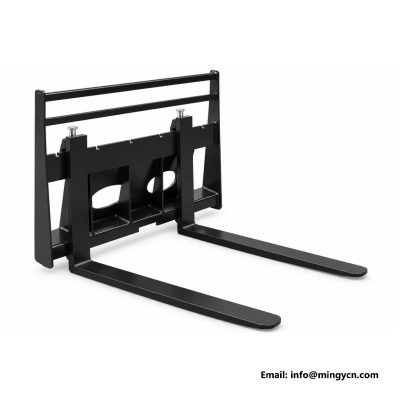
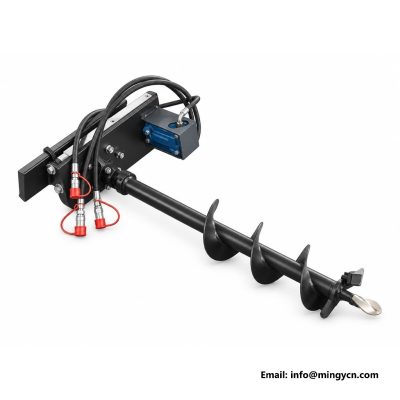
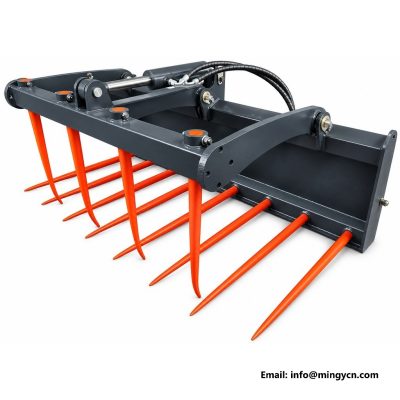
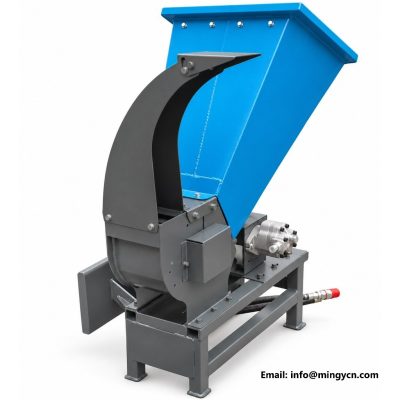
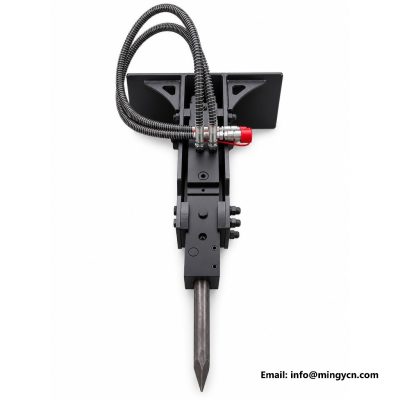
The attachment list is the real specification. A machine built for the work is bought as a hydraulic power source, and the buckets, forks, breakers and sweepers that will be used decide the machine more than the frame does. Every attachment changes the load. Weight and reach ahead of the arms reduce what the equipment in service can safely carry, and the working figure is the one from the chart rather than the bare machine.
Handover and documentation for the skid-steer loader
A short familiarisation session prevents the early faults. Most first-month problems on this class of machine come from unfamiliarity with controls, limits or checks rather than from the machine itself.
Daily checks and maintenance on the unit in daily use
Most failures start as something small that a walk-around would have caught. Fluid levels, belt tension, tyre or track condition and any fresh leak are the items worth two minutes at the start of each shift on a machine of this size. Service intervals exist because wear is predictable. Following the maker schedule on the equipment on site takes far less time than repairing the damage that follows a missed oil change or a filter left in place past its life.
Ordering, lead time and delivery of the machine itself
The order should state the configuration in writing. Engine, attachments, colour, documents and any market requirement are clearer on the build sheet for the model in question than in a conversation after delivery.
Hydraulic flow and auxiliary services on the machine in that duty
Auxiliary hydraulic flow decides which attachments work. A high-flow circuit lets the unit on the job run a breaker, a trencher or a mulcher, while standard flow limits the machine to simpler tools. Specifying flow at build is simpler than adding it later. Most buyers of a machine built for the work underestimate how quickly the attachment list grows, and the extra circuit is one of the simplest options on the sheet.
Load, ballast and stability on the equipment in service
Stability follows the load and its position. Knowing the rated capacity of the skid-steer loader at the working radius, rather than at its best case, is what keeps handling predictable and the machine upright.
Safe operation and cab discipline on this class of machine
Visibility to the attachment is the daily problem. Knowing where the bucket edge is from the seat of a machine of this size comes from habit and mirrors rather than from the machine, and it has to be learned. People nearby are the real hazard. Working the unit in daily use in a confined space with others around needs a clear exclusion zone, because the machine turns faster than someone on foot expects.
Wear items and life of the equipment on site
Certain parts are designed to be consumed. Knowing which items on the machine itself are wearing parts, and roughly how long they last in the duty the machine sees, turns replacement into a plan rather than a breakdown.
Parts, service and support for the model in question
Parts availability usually decides the engine and the brand. A machine built around components the local network already carries is serviced from stock, which is the difference between a day lost and a week lost.
Specifying the machine in that duty against the job list
A written duty list is the simplest part of the purchase. It takes an hour to note the material, the distance, the gradient and the hours per week, and it is what turns the unit on the job enquiry into a machine that fits.
Reference data for a machine built for the work
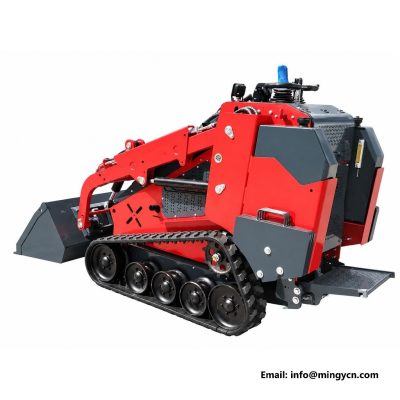
The figures below are the two skid steer loader sizes in this range, in rubber track and wheel form, with the ride-on cab option on the larger frame. Rated load, dump height and overall length are read together, because the access the machine has to pass through decides the frame before the load rating does.
| Model | Rated power | Rated speed | Cylinders | Induction | Displacement | Emission standard | Operating weight | Rated load | Max load | Bucket volume | Travel speed | Cycle time | Working pressure | Fuel tank | Max operating height | Height to bucket hinge pin | Overall height | Max height with bucket level | Length without attachment | Length with standard bucket | Dump height | Dump reach | Dump angle at max height | Bucket rollback at ground | Bucket rollback at max height | Track model | Tyre model |
|---|---|---|---|---|---|---|---|---|---|---|---|---|---|---|---|---|---|---|---|---|---|---|---|---|---|---|---|
| 320 skid steer loader , rubber track | 13.5hp / 11hp / 10.2kW | 3600rpm / 3000rpm / 2500rpm | 1 | natural aspiration | 420 cc | EU Stage V / EPA | 630 kg | 200 kg | 300 kg | 0.06 m3 | 0-6 km/h | 9 s | 17-21 bar | 5 L | 2490 mm | 1670 mm | 1390 mm | 2180 mm | 1540 mm | 2160 mm | 1564 mm | 446 mm | 139 deg | 25 deg | 115 deg | 150 x 36 x 72 | — |
| 320 skid steer loader , wheel type | 13.5hp / 11hp / 10.2kW | 3600rpm / 3000rpm / 2500rpm | 1 | natural aspiration | 420 cc | EU Stage V / EPA | 630 kg | 200 kg | 300 kg | 0.06 m3 | 0-6 km/h | 9 s | 17-21 bar | 5 L | 2490 mm | 1670 mm | 1390 mm | 2180 mm | 1540 mm | 2160 mm | 1564 mm | 446 mm | 139 deg | 25 deg | 115 deg | — | — |
| 390 ride-on skid steer loader , rubber track | 13.5hp / 11hp / 10.2kW | 3600rpm / 3000rpm / 2500rpm | 1 | natural aspiration | 420 cc | EU Stage V / EPA | 874 kg | 300 kg | 400 kg | 0.06 m3 | 0-6 km/h | 9 s | 17-21 bar | 5 L | 2560 mm | 1970 mm | 1950 mm | 2220 mm | 2130 mm | 2600 mm | 1650 mm | 650 mm | 139 deg | 20 deg | 120 deg | 180 x 41 x 72 | — |
| 390 ride-on skid steer loader , wheel type | 13.5hp / 11hp / 10.2kW | 3600rpm / 3000rpm / 2500rpm | 1 | natural aspiration | 420 cc | EU Stage V / EPA | 874 kg | 300 kg | 400 kg | 0.06 m3 | 0-6 km/h | 9 s | 17-21 bar | 5 L | 2560 mm | 1970 mm | 1950 mm | 2220 mm | 2130 mm | 2600 mm | 1650 mm | 650 mm | 139 deg | 20 deg | 120 deg | — | 23 x 8.5 x 12 |
Every line above comes from the build sheet for the equipment in service, and the final configuration is confirmed against the working conditions and the destination before production.
The specification should be written from the job backwards. Listing the loads, the ground and the hours first, then matching the skid-steer loader to that list, avoids buying capacity the work never uses and avoids discovering a shortfall in the first week. Buyers who specify this class of machine on paper before enquiring get specifications that can be compared. Without that list, two suppliers will propose two different machines and the simpler one is usually the smaller one, not the better value.
E-mail:sales@mingycn.com
LINE(ID):mingyicn
Related pages
skid steer manufacturer · diesel skid steer loader · Wheel Loader Factory China: Build Records and Traceability · Skid-Steer Loader