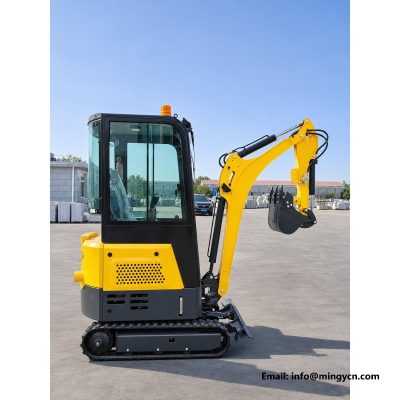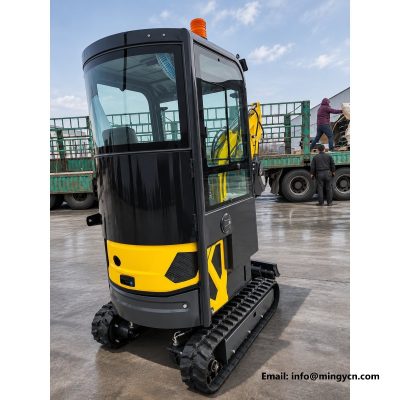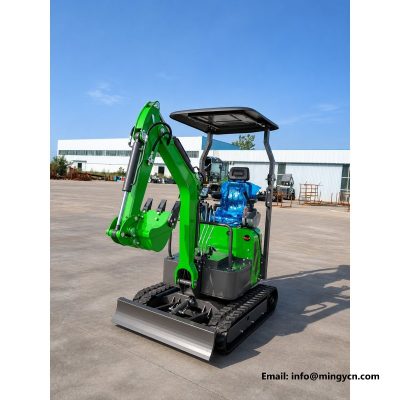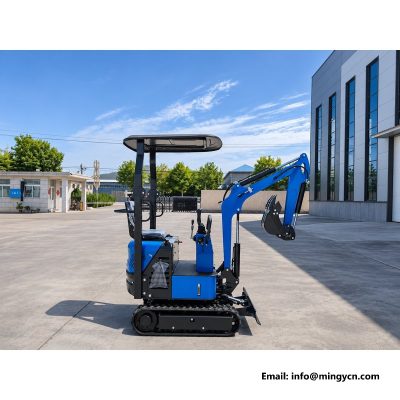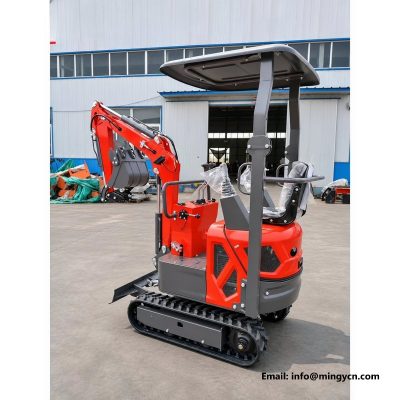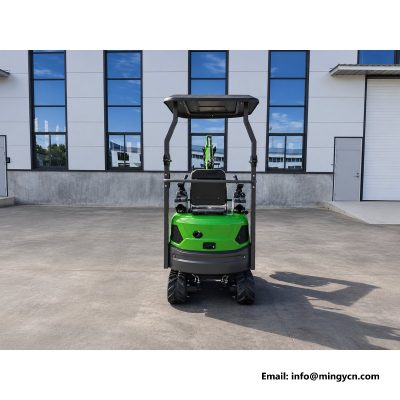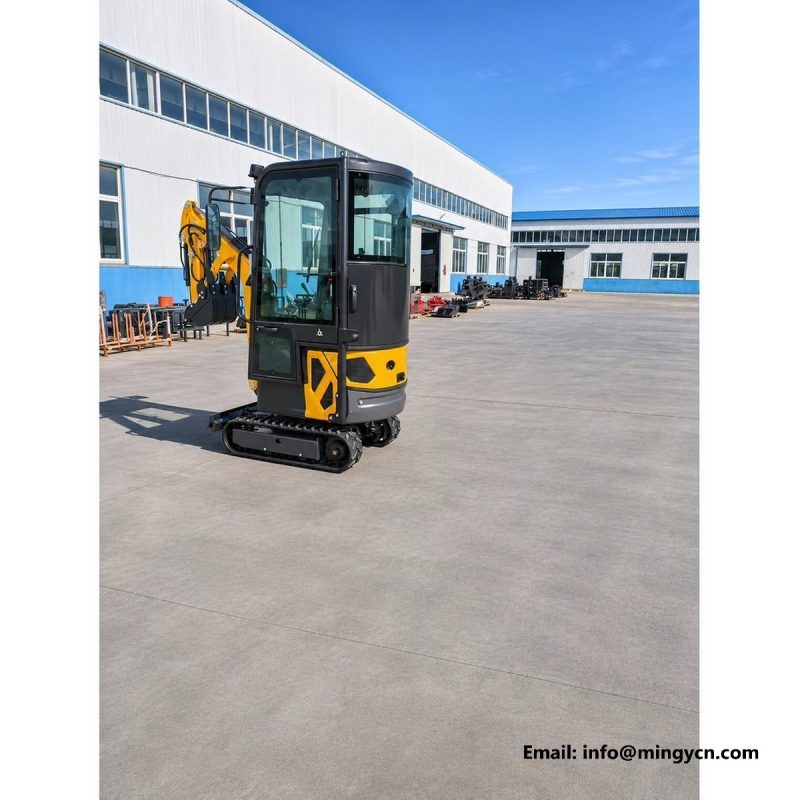
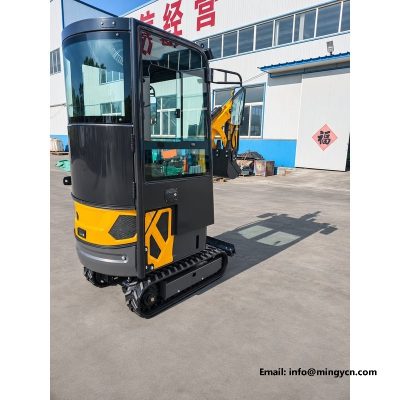
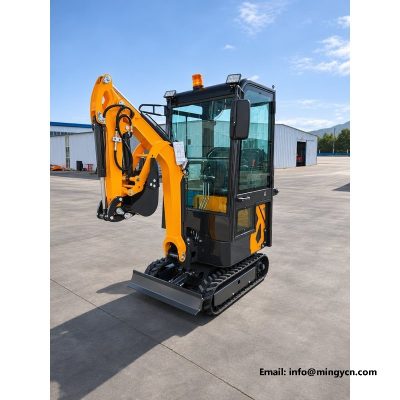
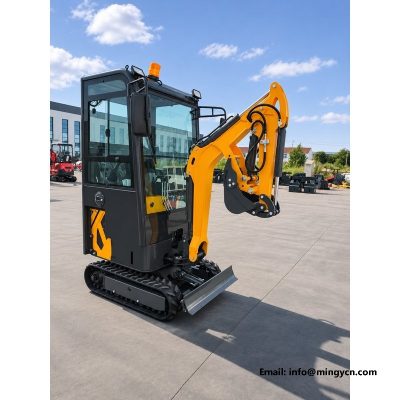
MY10C cab mini excavator with pilot control for year-round work.
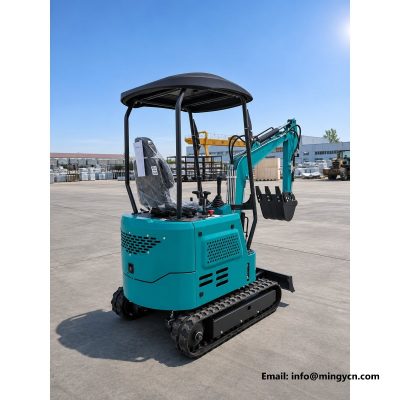
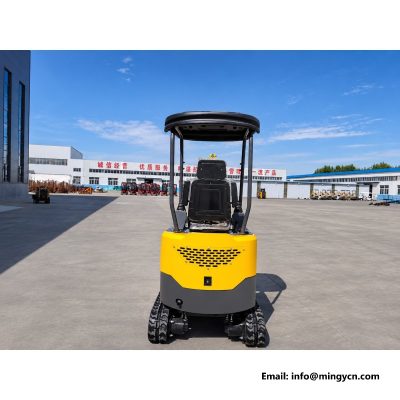
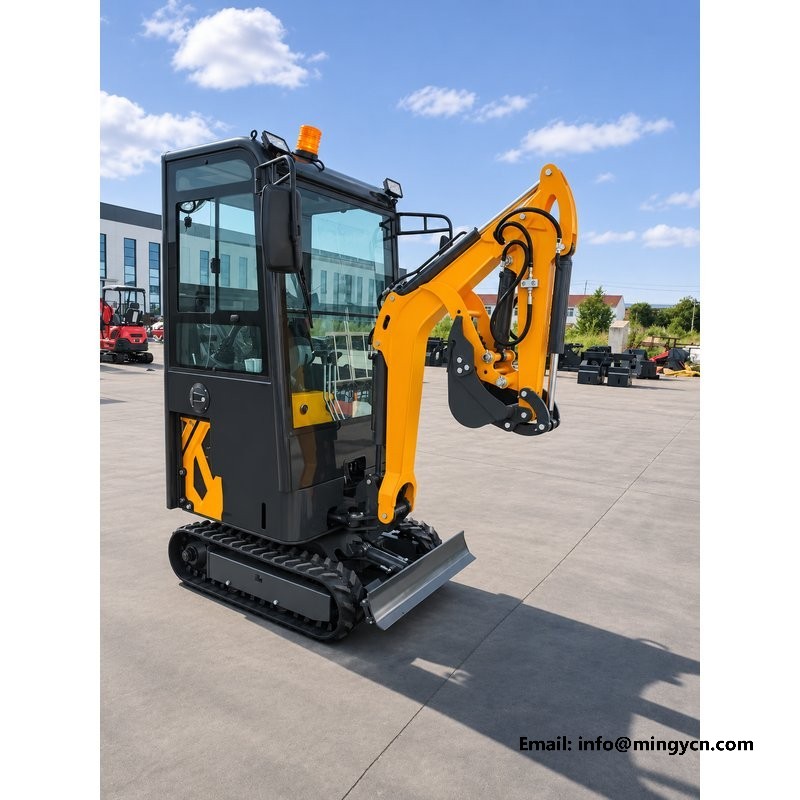
The MY10C takes the pilot-controlled MY10 platform and closes it in. Where the canopy version leaves the operator open to the weather, the MY10C puts glass and steel around the seat, which changes not only comfort but the range of conditions the machine can be sold into. A contractor working through a northern winter, a crew digging in wind-driven rain, or a machine working beside a dusty crusher all need the same thing: an operator who is not fighting the environment. This page sets out what the cab adds, where it costs something back, and how to specify it correctly.
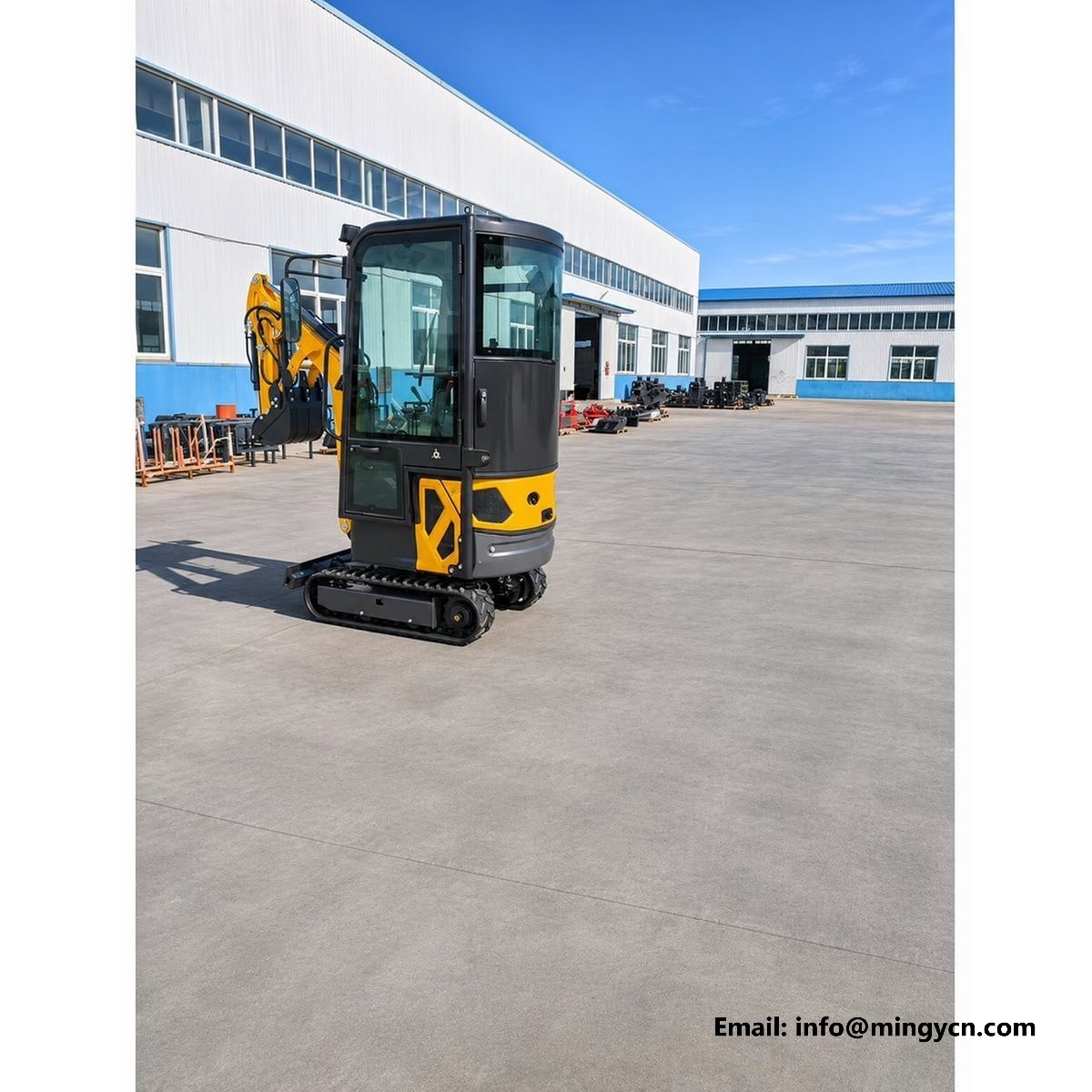
The obvious answer is weather, and that is most of it. A cab machine works through rain and snow, keeps the operator warm enough to use bare hands on the joysticks rather than gloves, and removes the wind chill that makes a winter shift on an open machine so unproductive. The less obvious answer is dust and noise. Sealing the operator station reduces both, which matters on demolition and recycling sites and on any machine working near a breaker. The effect on output is not a matter of comfort alone: an operator who can hear the engine load and see the bucket edge clearly works more accurately.
A cab on a compact excavator is a compromise between glass area and structure. The MY10C uses a glazed front with a wiper, side glass that opens, and a rear window that gives a view of the counterweight corner when the machine is slewing. Before buying, sit in the machine and check three sights: the bucket edge at full reach, the right track when trenching close to a wall, and the rear corner when slewing in a confined yard. If any of those is blocked by a pillar or a wiper motor, that will be the complaint an operator makes for the life of the machine.
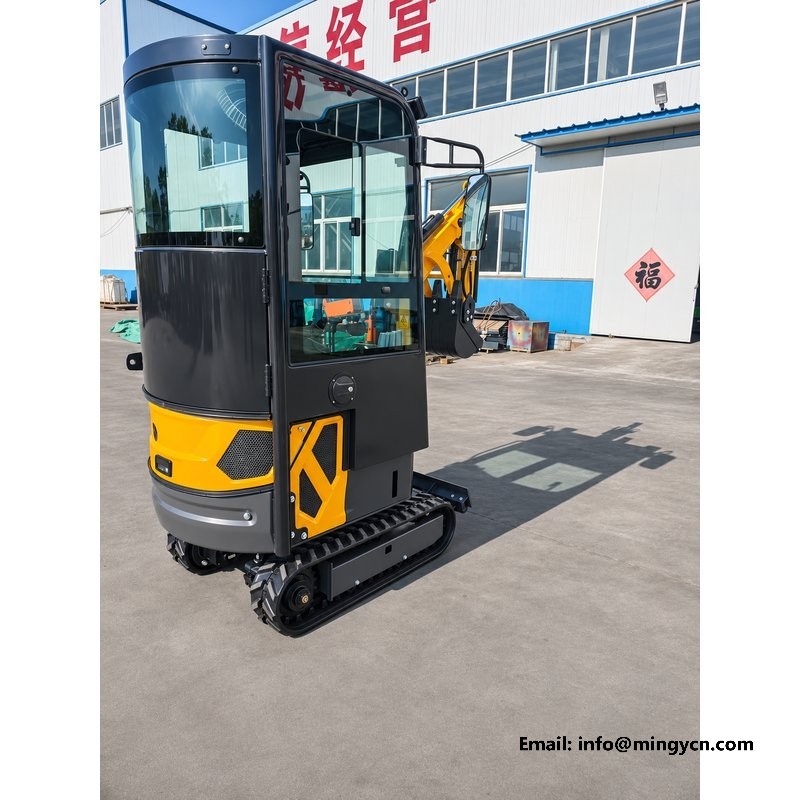
A cab adds weight high on the machine and raises the overall height, and both have consequences. The higher centre of gravity makes the machine less forgiving on a side slope than the canopy version, so the working envelope on uneven ground should be judged more conservatively. The extra height matters when the machine is loaded into a container or driven under a low structure. And the glass is a wear item: a cab machine working near trees or demolition needs a guard on the front glass, and that guard should be ordered with the machine rather than fabricated later.
The control system is unchanged from the open machine: pilot joysticks meter pressure to the valve block, so the operator works with light, short movements. Inside a cab that matters more, because an operator who is warm, dry and not fighting vibration will work longer and more accurately. The combination of pilot control and an enclosed station is what turns a compact excavator from a fair-weather tool into a machine that can be scheduled for winter work, and that is the commercial case for paying the difference.
| Model | MY10C |
| Control | Hydraulic pilot joystick control |
| Hydraulic system | Gear pump, domestic hydraulic components |
| Operator station | Enclosed cab with glazed front, wiper and opening side glass |
| Undercarriage | Rubber track, grease tensioner |
| Standard engine | Kepu 192 |
| Engine options | Kepu 192 Stage V, Briggs & Stratton X2100, Runtong R420D, Kubota D722 |
| Options | Front glass guard, heater, quick coupler, additional buckets |
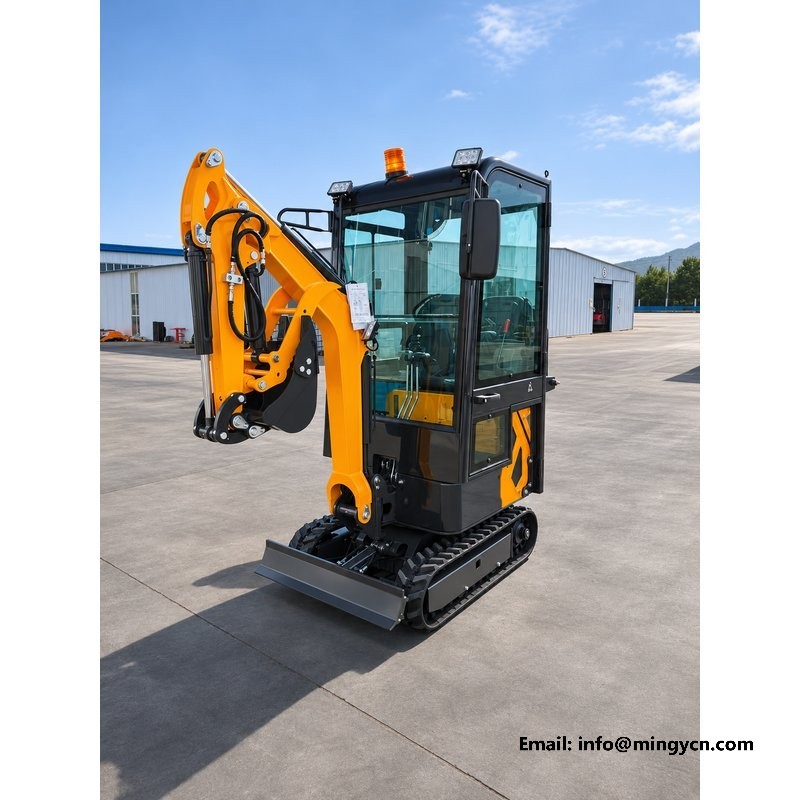
In northern Europe and North America, a cab machine competes on the details a buyer checks before the first winter. Ask whether a heater is available and how it is plumbed. Ask whether the front glass is laminated or toughened, and whether a guard can be fitted over it. Ask whether the wiper has a washer and where the reservoir sits. Ask how the cab is sealed at the base and whether the floor has a drain. A buyer who has run machines for years will ask all four, and a supplier who can answer them wins the order on confidence rather than price.
Check every pane for chips and for correct bonding, and operate the wiper and washer. Open and close the side glass fully and confirm the latches hold. Look at the door seal for gaps at the corners, which is where water enters. Run the machine and listen for rattles from the cab mounts, which usually mean a loose bolt rather than a design fault. Confirm the heater blows warm air at operating temperature if one is fitted. Finally, check that the machine tracks straight and that the joysticks return to centre, exactly as on the open version.
Ordering and technical support
Email: sales@mingycn.com
LINE (ID): mingyicn
Tell us the trench width, ground conditions and attachments you need, and we will confirm the right configuration and shipping details.