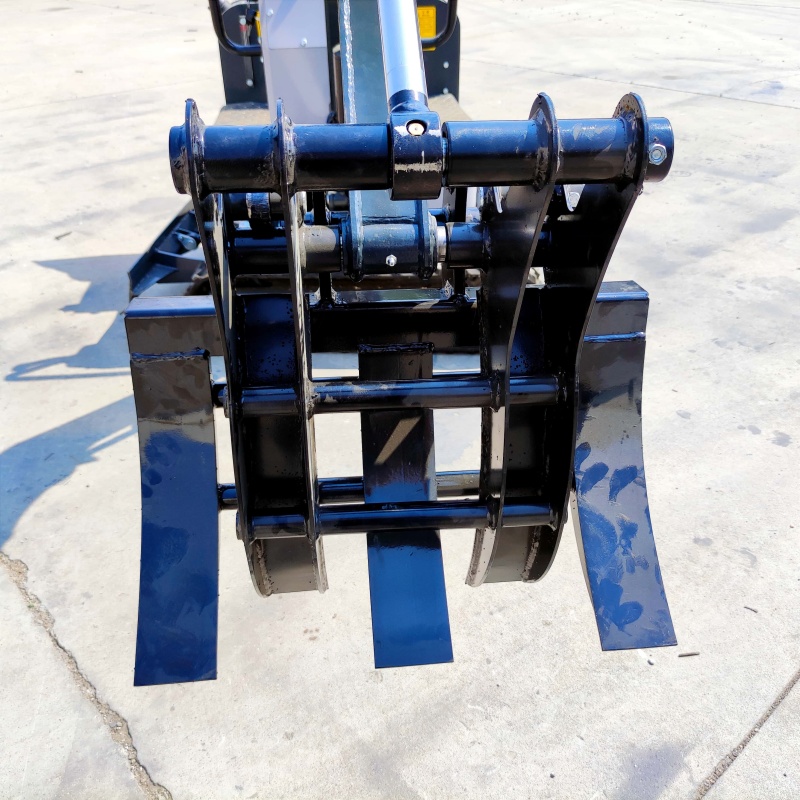
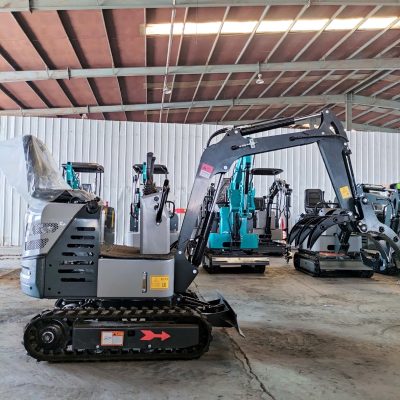
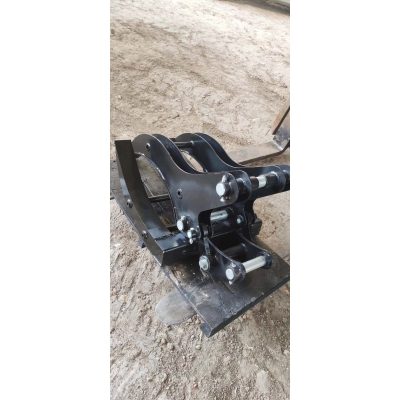
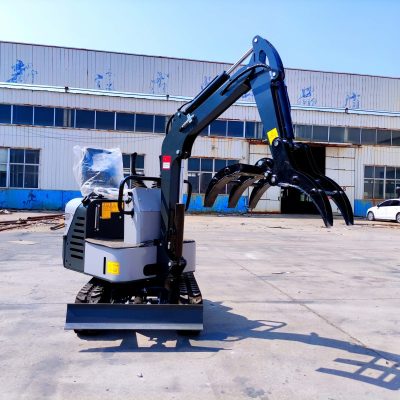
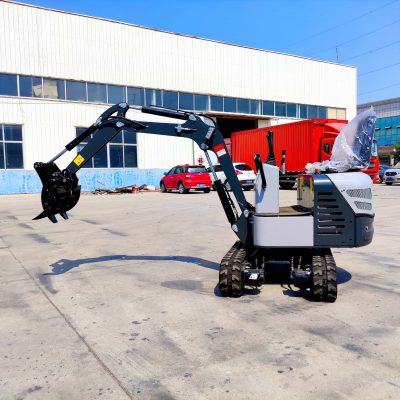
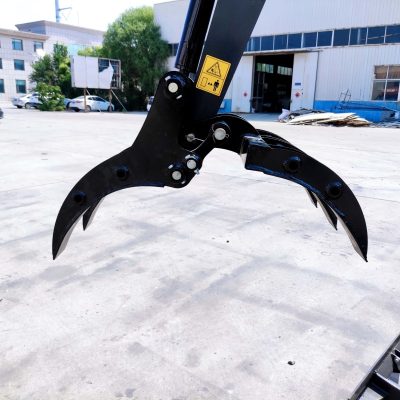
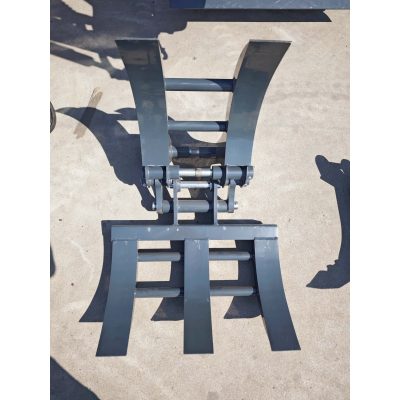
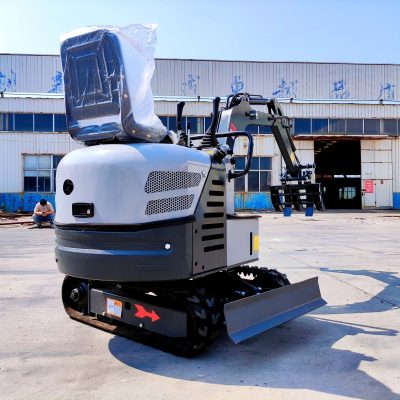
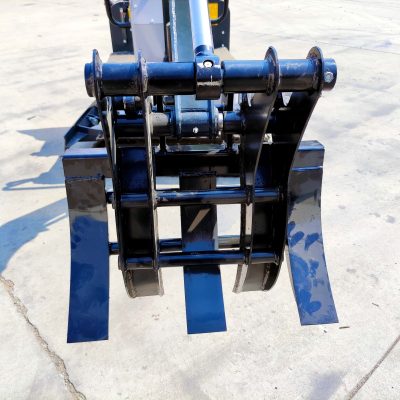
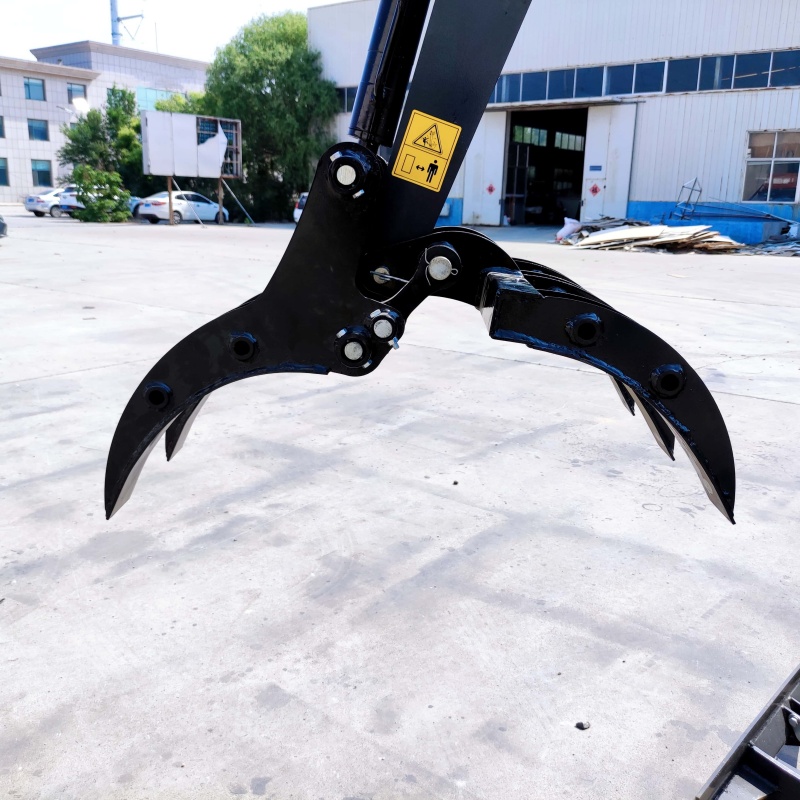
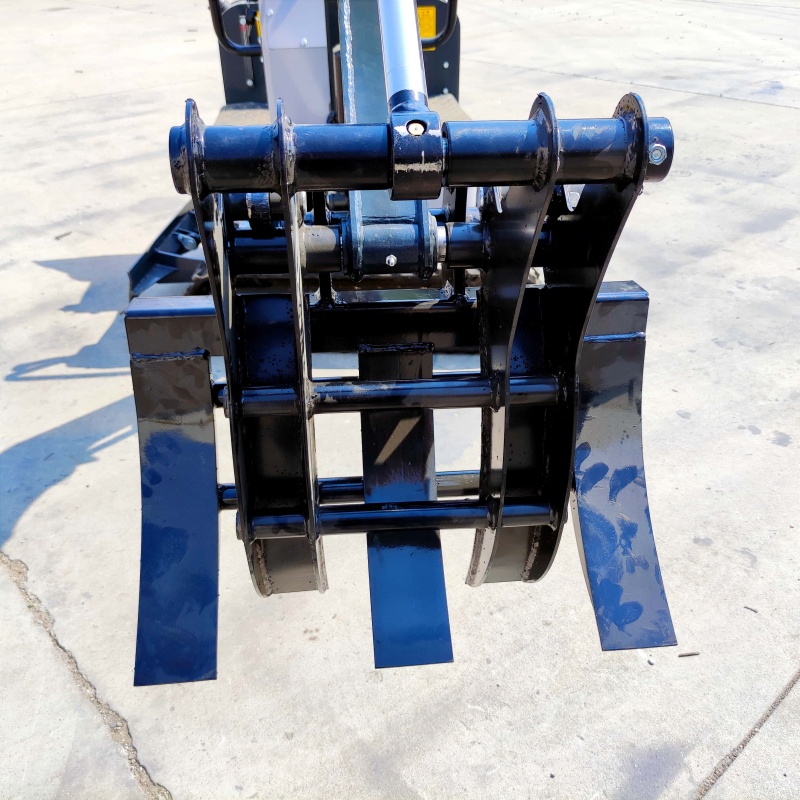
Moving trees and shrubs is delicate work with heavy loads: root balls must be lifted without crushing, positioned without re-digging and held upright while the hole is backfilled around them. A plant grabber fitted to the arm gives the operator that control.
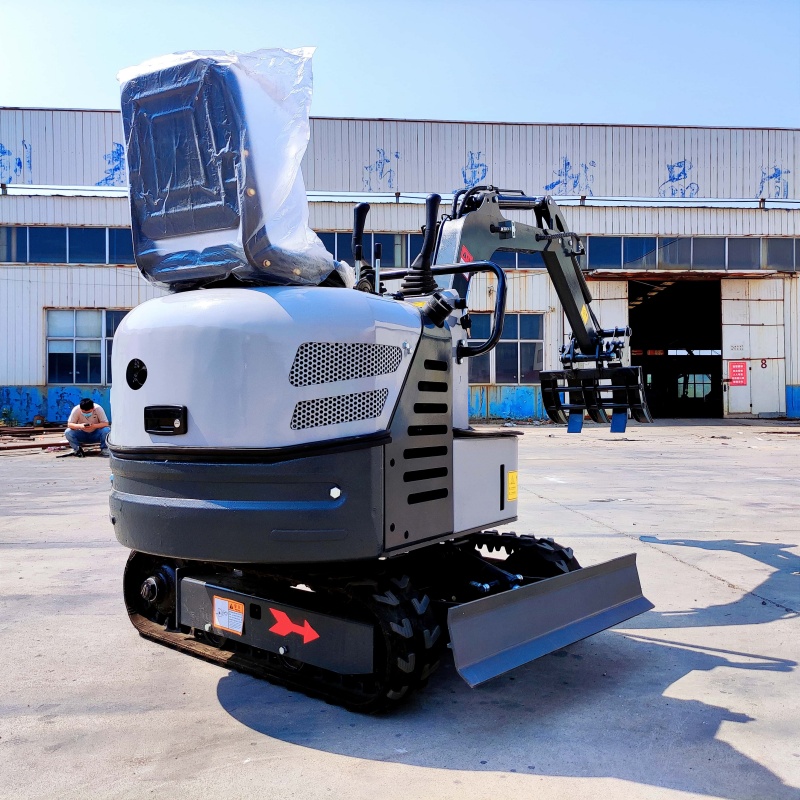
MINGYI supplies plant grabber attachments for its mini excavators, matched to the carrier at the ordering stage. Nurseries, landscaping crews and orchard operators use them to move, place and hold stock mechanically instead of by hand.
Nursery and landscaping work with a grabber
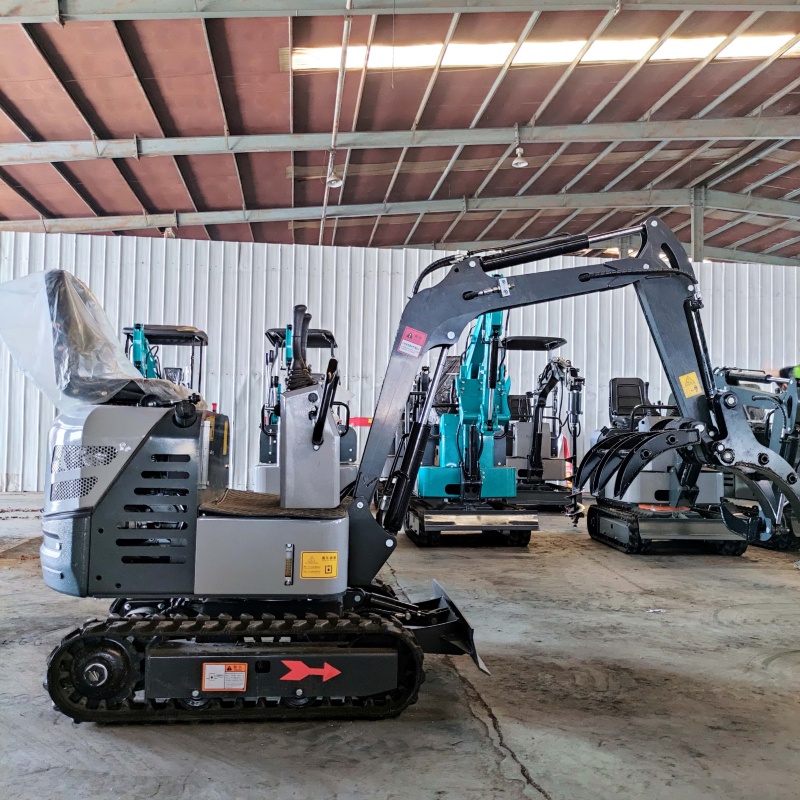
The attachment lifts balled and containerised trees from delivery to hole, holds each one steady while it is checked for level and orientation, and keeps it upright as the backfill is firmed. Posts can be held the same way while a hole is filled around them.
On nursery lines the grabber handles stock between beds and loading areas, and on landscaping jobs it moves grouped shrubs and root-balled stock across ground a barrow would cross slowly. Grip is controlled from the cab, so the operator can ease off rather than squeeze.
Matching the grabber to the machine
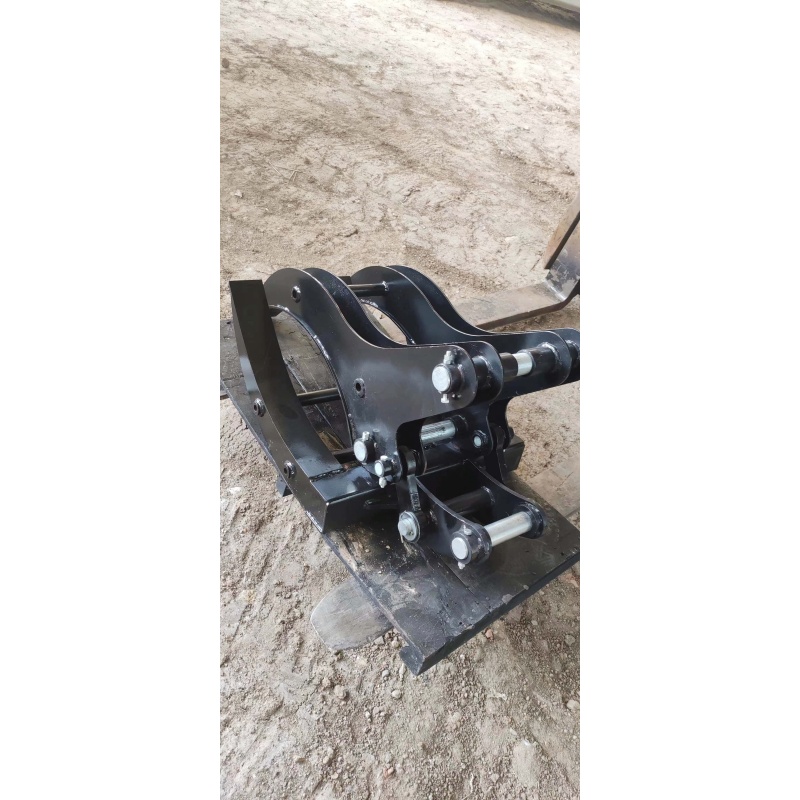
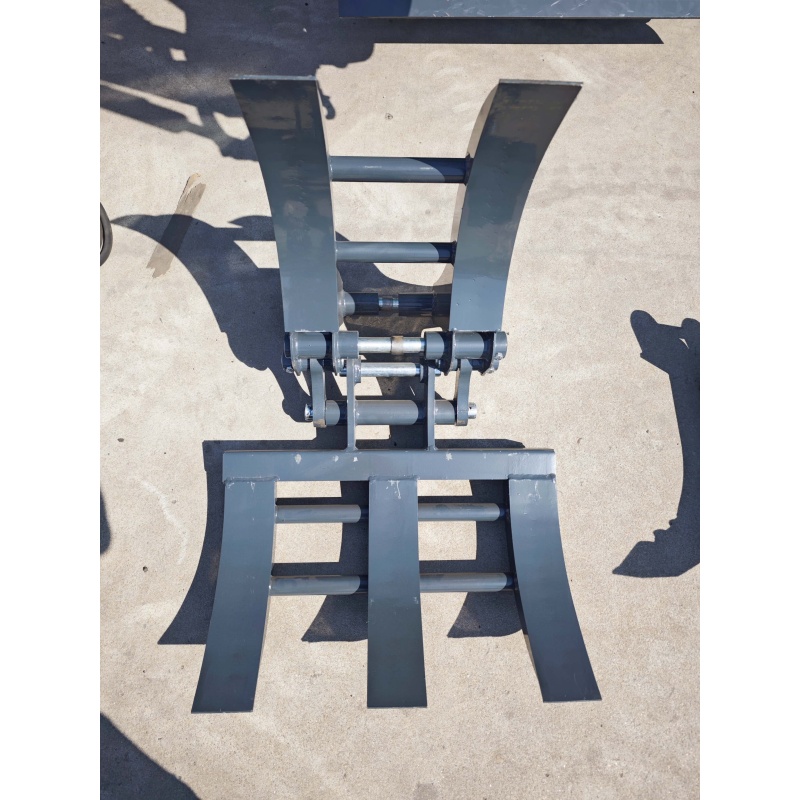
The grabber is specified with the carrier so its opening, grip force and weight sit within the machine's class, whether that is the 12 or 18 model or another size in the range. A quick coupler lets it share the machine with buckets and an auger through the season.
When ordering, describe the largest stock you handle and the pit sizes you dig, since these set the arm and grabber combination that avoids overloading the carrier. The specification is recorded for later attachment purchases.
Planting well is about control at the moment of placement. MINGYI matches the plant grabber to the carrier and the stock you handle, so trees go in straight, unhurt and without a second lift.
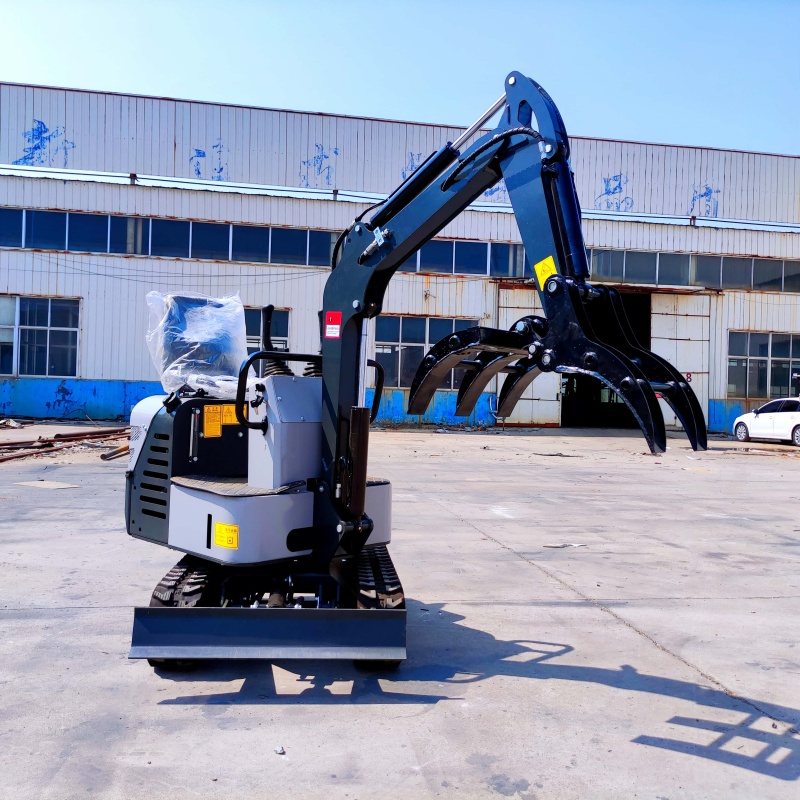
What owners should plan for beyond the plant grabber attachment for excavators Purchase decision is the visible part of the effort. Fuel, filters, tracks or tyres, the operator and the transport between sites are the items that decide what the excavator actually demands over a few seasons, and they are worth listing before the order. The useful comparison is demand per working hour, not demand per machine. This class of machine that works more hours a year spreads its standing takes over more output, which is why utilisation usually matters more than the invoice figure. Quick coupler practice on plant grabber attachment for excavators A quick coupler is the single option that changes how a machine is used day to day. Fitted to the unit in daily use, it turns an attachment change from a two-person workshop job into a task the operator does alone in minutes. For a fleet that shares attachments between machines, a common coupler standard matters more than the coupler brand. A machine of this size that picks up the same tools as the larger machines keeps the rack usable across the yard. Municipal and public works with plant grabber attachment for excavators Municipal crews work on streets, footpaths and parks where the public is present. The equipment on site is specified because it occupies little space, works inside a small exclusion zone and can be moved on a standard trailer. Noise and surface protection matter on public work. The machine itself on rubber tracks across paving, with a sealed cab for the operator, suits the conditions better than a larger tracked machine. Noise, dust and working near occupied buildings Work near housing or occupied premises brings constraints that open sites do not. Start times, exhaust condition and how often the model in question needs to reverse are the practical limits that neighbours notice. Enclosure and machine condition both reduce noise. The machine in that duty with intact panels, sound mounts and a maintained exhaust is measurably quieter than the same machine with loose guards, and the difference matters on restricted sites. Trailering and moving plant grabber attachment for excavators Loading practice matters as much as the numbers. The unit on the job is driven up ramps under its own power with the boom lowered and the tracks aligned, and secured at the points the manufacturer specifies. Detachable components reduce transport length. A machine built for the work built with a removable arm section or a folding step fits a shorter trailer and may avoid an oversize movement permit. Operator technique for plant grabber attachment for excavators Output on a compact machine comes from placement rather than power. An experienced operator keeps the equipment in service working inside the swing arc, positions once and digs a full run instead of repositioning for every bucket. Stability is the third. The excavator working across the tracks rather than over the corners keeps the machine steady and the undercarriage loaded evenly, which shows up as track life at the end of the season. Specifying this class of machine against a job list The practical way to specify is to write the job list first: the narrowest access, the deepest trench, the heaviest tool and the surfaces the machine must cross. The unit in daily use is then matched to those four numbers. Buyers who skip this step either over-buy or under-buy. A machine of this size specified only from machine size tends to arrive without the coupler, the circuits or the track type the work actually needs. Running the equipment on site in a rental fleet Rental fleets buy for utilisation, not for a single job. The machine itself with a quick coupler and a common attachment standard is hired more often because it suits more of the calls that come in. Fleet buyers also weigh transport. The model in question that a customer can tow on a normal licence and a standard trailer is a hire that does not need a delivery truck, which changes how often it goes out. Working the machine in that duty in confined spaces Confined sites are decided by dimensions. Overall width, tail swing and the space needed to work the arm are what let the unit on the job operate inside a building, between walls or in a courtyard. Clearance above matters as much as around. Door heights, pipework and overhead services set the limit for a machine built for the work indoors, and measuring them first avoids a machine that arrives and cannot be used. Engine options behind the equipment in service Two buyers can order the same this class of machine and receive different engines. The decision is rarely about peak power; it is about which parts counter is closest to the site and which engine the local mechanic already knows. Engine choice is also an emissions and documentation question for some markets. Listing the available units with the excavator enquiry lets the factory confirm what can be supplied and documented for the destination country. Interior and light demolition with the unit in daily use Interior demolition is an access and a weight question. A machine of this size that fits through a doorway and works on a suspended floor does jobs that would otherwise be done by hand or by a larger machine that cannot enter. Breaking out a floor slab, a wall footing or a concrete step is routine work for the equipment on site with a breaker. The machine is small enough to work inside and heavy enough to run the tool at a practical rate. Hiring versus owning the machine itself The choice follows the hours. Work that fills a few weeks a year is usually better hired, while the model in question that would be on site most weeks starts to justify ownership once the transport and booking time is counted. Specification data for the machine in that duty Buyers comparing the unit on the job usually start from four numbers - weight, digging depth, reach and transport width - because those are the ones that decide whether the machine can be delivered and whether it can do the job once it is there. These are the reference figures for a machine built for the work. MINGYI confirms the final build sheet, including engine and attachment choices, against the destination and the job list before production. Availability is part of the decision. Owning the equipment in service means it is there on the day the ground is ready; hiring means competing for the same machine at the same time as everyone else in the season. Ownership brings obligations that hiring does not. Storage, servicing, insurance and an operator are the items to set against the hire rate before deciding which way the excavator should be supplied.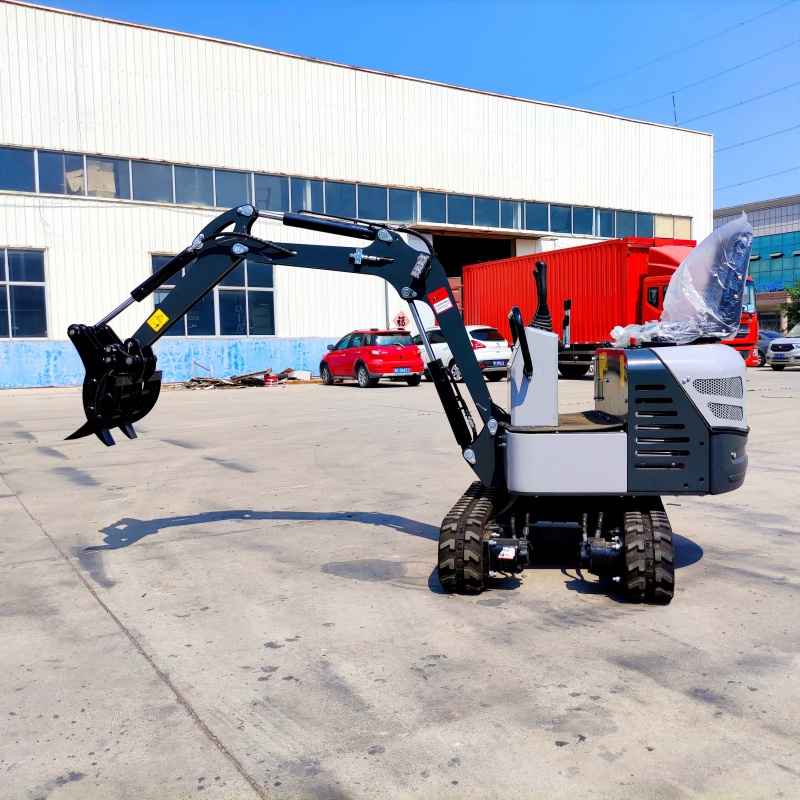
Reference specification — mini excavator range 13W 20-1W 20-3W 12L Operating weight 1300 kg (2866.01 lb) 1800 kg (3968.32 lb) 1900 kg (4188.78 lb) 1200 kg (2645.55 lb) Transport size (L×W×H) 2200 × 930 × 2250 mm 2550 × 1100 × 2200 mm 2550 × 1100 × 2200 mm 2200 × 930 × 2250 mm Max digging depth 1630 mm (64.17 in) 1800 mm (70.87 in) 1800 mm (70.87 in) 1700 mm (66.93 in) Max digging height 2750 mm (108.27 in) 2820 mm (111.02 in) 2820 mm (111.02 in) 2600 mm (102.36 in) Max dumping height 1960 mm (77.17 in) 2050 mm (80.71 in) 2050 mm (80.71 in) 1800 mm (70.87 in) Max digging radius 2900 mm (114.17 in) 3050 mm (120.08 in) 3050 mm (120.08 in) 2900 mm (114.17 in) Max digging distance 2100 mm (82.68 in) 2300 mm (90.55 in) 2300 mm (90.55 in) 2300 mm (90.55 in) Minimum turning radius 1300 mm (51.18 in) 1450 mm (57.09 in) 1450 mm (57.09 in) 1450 mm (57.09 in) Travel speed 3 km/h (1.86 mph) 5 km/h (3.11 mph) 5 km/h (3.11 mph) 3 km/h (1.86 mph) Gradeability 30° 30° 30° 30° Fuel consumption 1-1.3 L/h (0.264—0.343 gal) 2-3 L/h (0.528—0.793 gal) 2-3 L/h (0.528—0.793 gal) 1-1.3 L/h (0.264—0.343 gal) Fuel tank capacity 10 L (2.64 gal) 16 L (4.23 gal) 16 L (4.23 gal) 10 L (2.64 gal) Hydraulic oil tank 16 L (4.23 gal) 18 L (4.76 gal) 18 L (4.76 gal) 16 L (4.23 gal) Dozer blade lift height 180 mm (7.09 in) 180 mm (7.09 in) 180 mm (7.09 in) 180 mm (7.09 in) Dozer blade drop depth 210 mm (8.27 in) 210 mm (8.27 in) 210 mm (8.27 in) 210 mm (8.27 in)
Q. What are the class of machine?
A. An attachment widens the range of jobs a single compact excavator can specification and win, which is why the working set matters as much as the base machine. The quick coupler makes the changeover a minute job at the trench edge, and mechanical tools need no hydraulic lines at all. For excavators applications the practical route is to send the job list to the factory and let the build sheet answer it - which is exactly what this page invites.
Q. What does the attachment add to daily work?
A. Reach into jobs the bucket alone cannot specification: grading with a tilting bucket, clearing with a rake, drilling with an auger, lifting with a thumb. One carrier, several trades - the machine stays on site earning instead of waiting for a specialist.
Q. Can I see the machine before it ships?
A. Inspection is arranged at the factory, in person or by a scheduled video walk-around - the same session covers paint, decals and attachment fitment for the excavators specification, so the machine inspected is the machine that ships.
Hot, humid and dusty conditions around the unit in daily use
Dust is the enemy of every rotating joint. Keeping the radiator and the air intake of a machine of this size clean, and cleaning them before they are blocked rather than after, is what separates a machine that lasts from one that overheats.
Planning the season around the equipment on site
The calendar decides more than the specification does. Planning when the machine itself will be working, when it will be serviced and when it can be spared keeps the maintenance out of the weeks that matter.
Later additions and retrofits on the model in question
Most additions are easier to plan than to add. Hydraulic services, mounting brackets and electrical capacity on the machine in that duty are build items, and deciding them at the specification stage is far easier than doing it later.
E-mail : sales@mingycn.com
LINE ( ID ): mingyicn
Related pages
plant grabber for small excavators · grass and tree grabber for excavators · Wheel Loader Series: Three Frame Tiers and 21 Documented Builds · Mini Excavators









