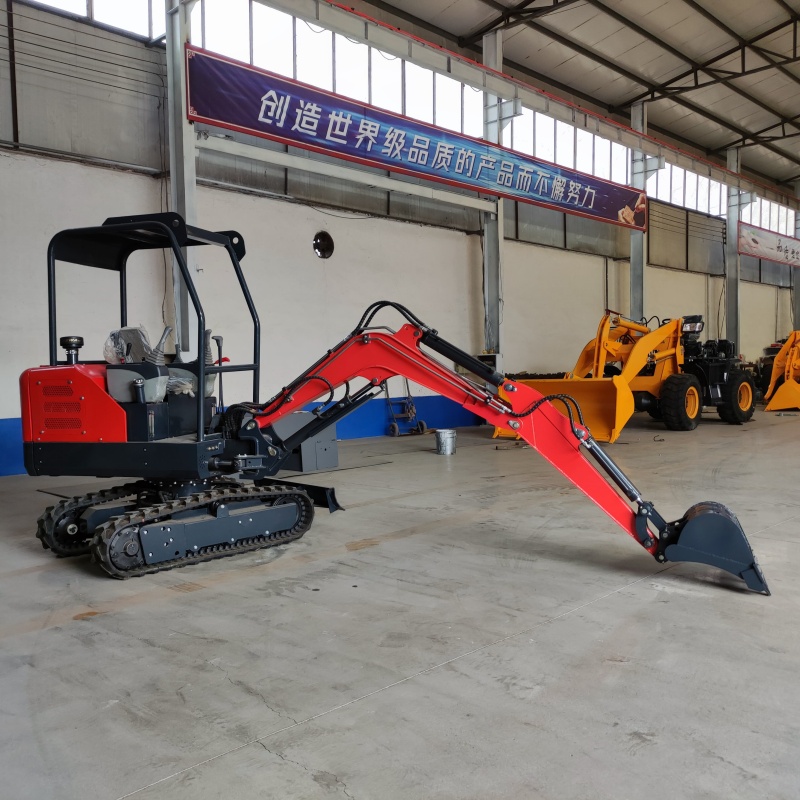
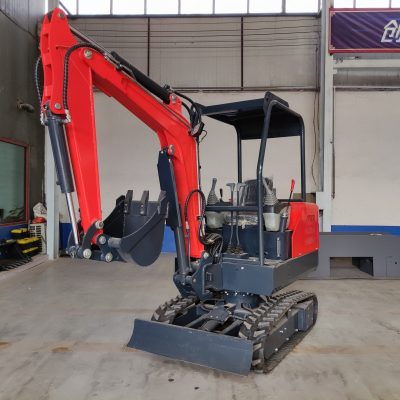
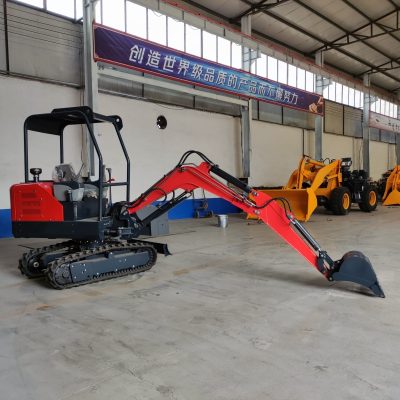
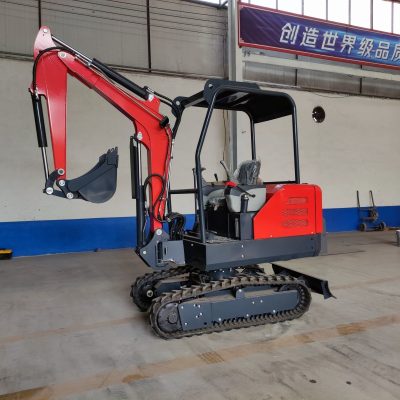
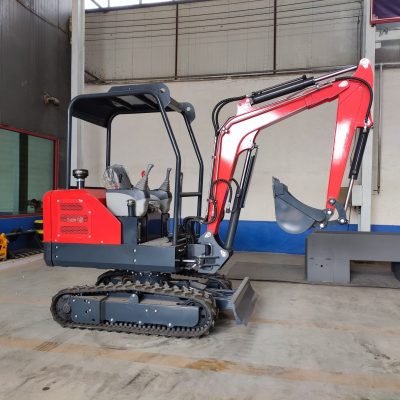
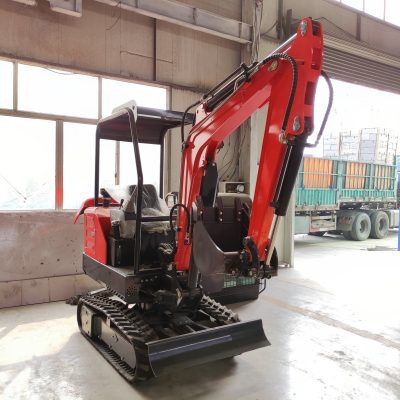
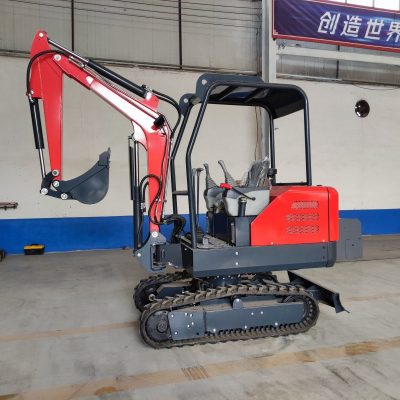
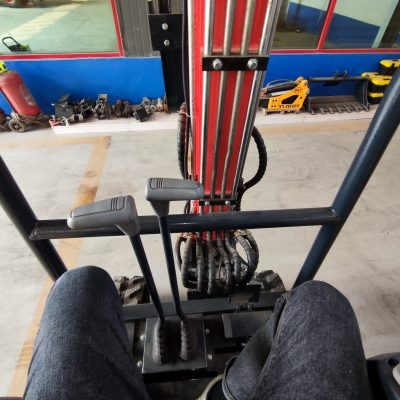
Buyers who order compact excavators by the container need a supplier who can hold a specification steady across repeated batches. MINGYI supplies mini crawler excavators on a wholesale basis, with each unit built to the configuration agreed for that order.
Because the machines are made to order rather than pulled from stock, a wholesale buyer can decide the mix of models, track types and attachments before the build begins, and ask for the same sheet again on the next order.
Sizing a wholesale mini excavator order
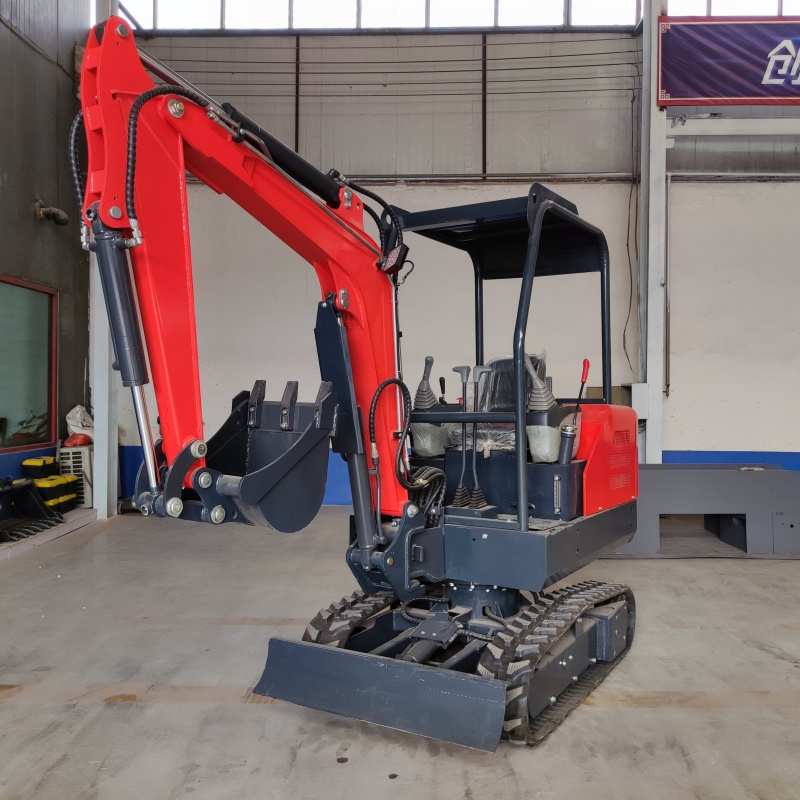
A wholesale order usually mixes more than one format. Some dealers want a canopy machine for hire fleets, others prefer an enclosed cab for contractors who work through cold weather, and both can travel in the same shipment when the mix is agreed up front.
The useful question is not how many units fit, but which configurations the receiving market will actually sell. Once that list is clear, the build sheet for each machine follows from it, including the model 08, 12 or 18 format and the attachments.
Mixed containers and dealer stock
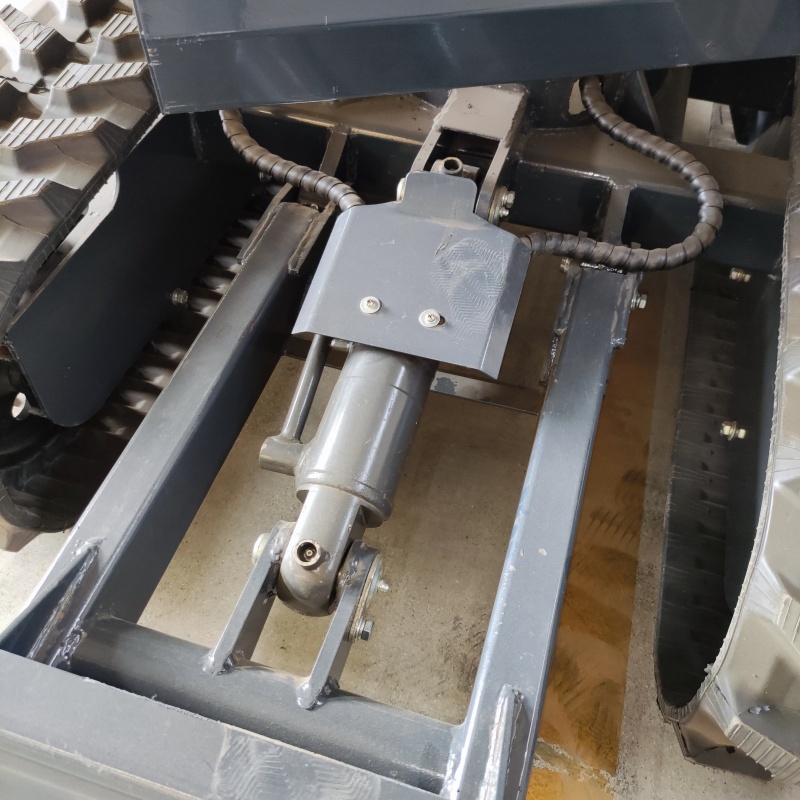
When a shipment carries several variants, the label and paperwork for each machine have to match the specification recorded at the ordering stage. MINGYI keeps the record per unit so a dealer can identify a machine from its own stock list without opening the crate.
A wholesale buyer also needs to plan the spare parts that will travel with the order. Common wear items and the parts the local workshop will ask for first are the ones worth listing before the container is closed.
Wholesale supply works well when the order is treated as a repeatable programme rather than a one-off. A clear specification, a per-unit record and a spare parts list let the next container be built without reopening every decision.
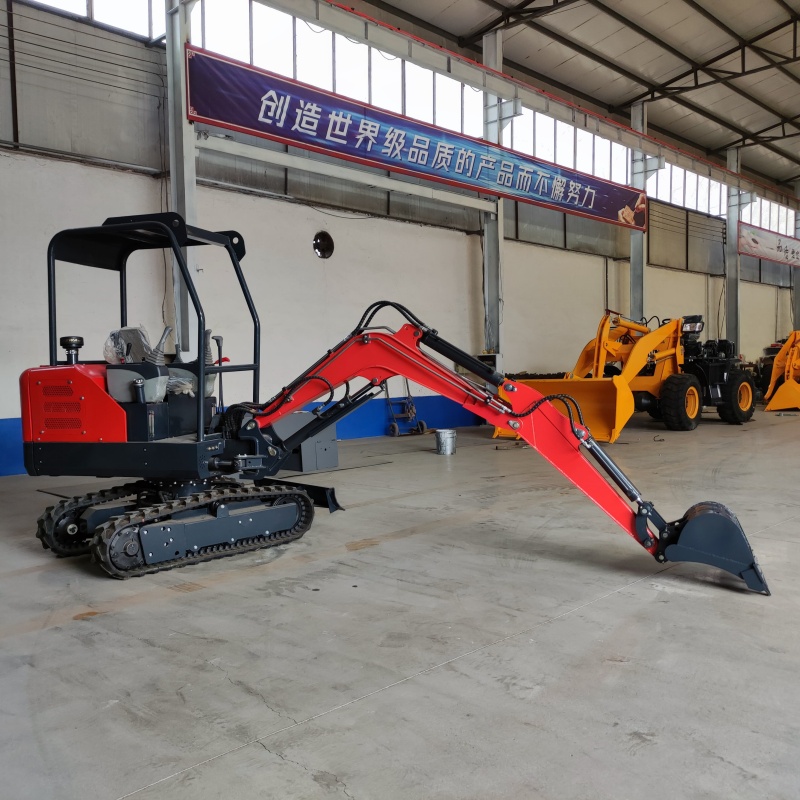
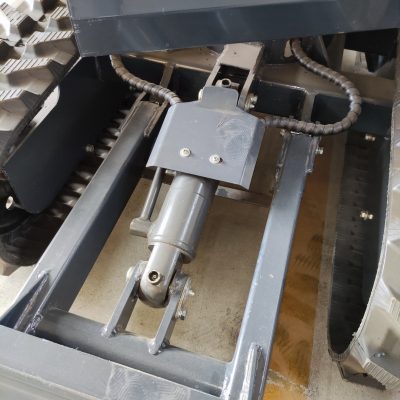
Hiring versus owning a wholesale mini excavator supplier Availability is part of the decision. Owning the excavator means it is there on the day the ground is ready; hiring means competing for the same machine at the same time as everyone else in the season. Ownership brings obligations that hiring does not. Storage, servicing, insurance and an operator are the items to set against the hire rate before deciding which way this class of machine should be supplied. Hydraulic circuits on a wholesale mini excavator supplier Auxiliary hydraulic lines are what let a machine drive a tool rather than only a bucket. The unit in daily use specified with the right circuits and flow runs a breaker or an auger without an add-on power pack bolted to the frame. Flow and pressure are matched to the tool, not to the machine size. Asking for the attachment list first means a machine of this size leaves the factory with circuits that suit the heaviest tool the buyer intends to run. Track choice for wholesale mini excavator supplier Undercarriage selection is a ground question, not a preference question. The equipment on site running on finished paving needs rubber; the same machine on demolition rubble or rock wears rubber quickly, so steel with rubber blocks becomes the better answer over a full season. Track type changes what the machine can cross and what it leaves behind. Buyers specify rubber for lawns, driveways and municipal work, and steel with rubber blocks for sites where sharp material would cut a rubber belt in a week. Working a wholesale mini excavator supplier through the seasons Weather decides which days are productive. Rain turns some ground unusable and cold changes how the machine itself starts and warms up, so planning the wet months around maintenance is more useful than planning around output. Heat and dust are as limiting as rain. Air intake condition and cooling cleanliness decide how the model in question behaves in a dry season, and both are checked in a minute rather than repaired later. Municipal and public works with wholesale mini excavator supplier Municipal crews work on streets, footpaths and parks where the public is present. The machine in that duty is specified because it occupies little space, works inside a small exclusion zone and can be moved on a standard trailer. Noise and surface protection matter on public work. The unit on the job on rubber tracks across paving, with a sealed cab for the operator, suits the conditions better than a larger tracked machine. Attachments that turn wholesale mini excavator supplier into several machines The base machine is a carrier; the tool on the end of the arm decides the task. A machine built for the work fitted with a toothed bucket digs, and the same machine with a breaker, an auger or a grab does work that would otherwise need a second unit on site. Most of the daily variety on the equipment in service comes from the attachment rack rather than from the machine itself. Bucket, breaker, auger, ripper, rake and grab cover the large majority of the work a contractor will see. Orchard, vineyard and farm use of the excavator Ditching, fertilising and drainage on farmland suit this class of machine because the work is spread over a large area in short bursts. The machine travels behind a pickup and works where it stops. Farms also use the unit in daily use for general maintenance - clearing a watercourse, repairing a track, loading a spreader. One carrier with a few attachments covers most of the jobs that would otherwise wait for a contractor. Operator technique for a machine of this size Output on a compact machine comes from placement rather than power. An experienced operator keeps the equipment on site working inside the swing arc, positions once and digs a full run instead of repositioning for every bucket. Stability is the third. The machine itself working across the tracks rather than over the corners keeps the machine steady and the undercarriage loaded evenly, which shows up as track life at the end of the season. Quick coupler practice on the model in question A quick coupler is the single option that changes how a machine is used day to day. Fitted to the machine in that duty, it turns an attachment change from a two-person workshop job into a task the operator does alone in minutes. For a fleet that shares attachments between machines, a common coupler standard matters more than the coupler brand. The unit on the job that picks up the same tools as the larger machines keeps the rack usable across the yard. Specifying a machine built for the work against a job list The practical way to specify is to write the job list first: the narrowest access, the deepest trench, the heaviest tool and the surfaces the machine must cross. The equipment in service is then matched to those four numbers. Buyers who skip this step either over-buy or under-buy. The excavator specified only from machine size tends to arrive without the coupler, the circuits or the track type the work actually needs. Matching this class of machine to ground conditions Soft ground is a flotation problem, not a power problem. The unit in daily use on wide rubber tracks crosses lawn, sand and cultivated soil that would stop a narrower machine or a wheeled unit of the same capacity. Hard and abrasive ground reverses the specification. On rock, demolition rubble or sharp gravel, steel tracks with rubber blocks on a machine of this size survive conditions that cut a rubber belt quickly. Boom configuration for the equipment on site A swing boom lets the machine dig parallel to its tracks without repositioning, which is what makes trenching beside a wall or a fence practical. On the machine itself this is often the option that decides whether a job is possible at all. Detachable boom sections are used where transport length matters. The model in question that has to travel on a standard trailer can be built so the arm comes off for the road and goes back on at the site. OEM and fleet customisation of the machine in that duty Documentation can be prepared to suit the importer. Manuals, parts books and decal sets for the unit on the job can be supplied with the buyer's own branding where the order size justifies it. Specification data for a machine built for the work Where the equipment in service is being specified for a job list, the table below gives the factory figures that matter most: what the machine weighs, how deep and how far it works, and what it measures on a trailer. These are the reference figures for the excavator. MINGYI confirms the final build sheet, including engine and attachment choices, against the destination and the job list before production. Distributors and rental fleets usually need the machine to look like theirs. Paint, decals, seat colour and attachment branding can be specified on this class of machine at build time rather than applied after import. Customisation also covers the specification sheet. A fleet buyer may want every unit in daily use delivered with the same coupler, the same engine and the same tool kit so training and parts stock stay simple.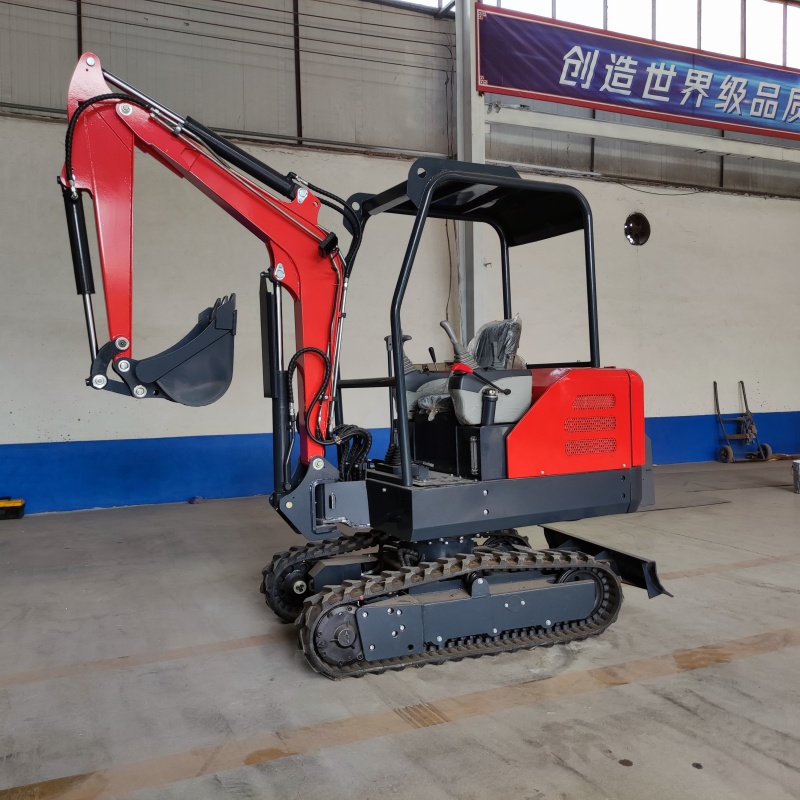
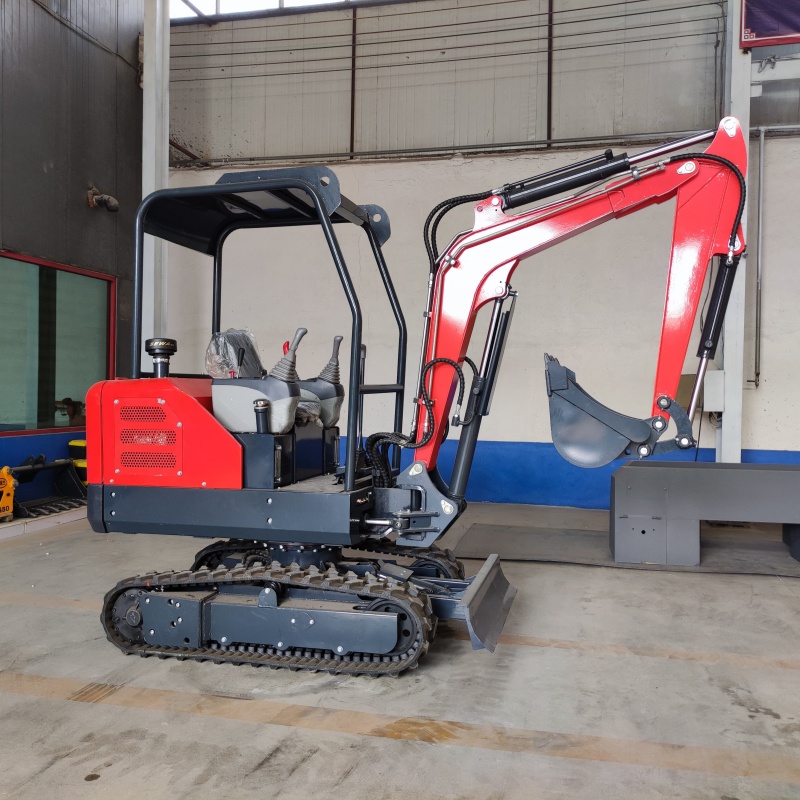
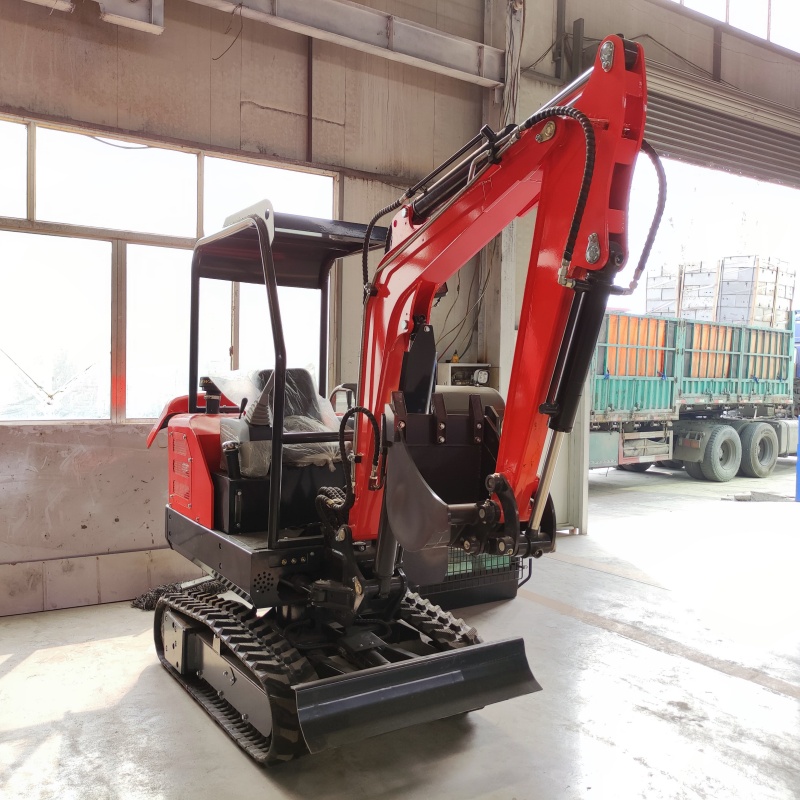
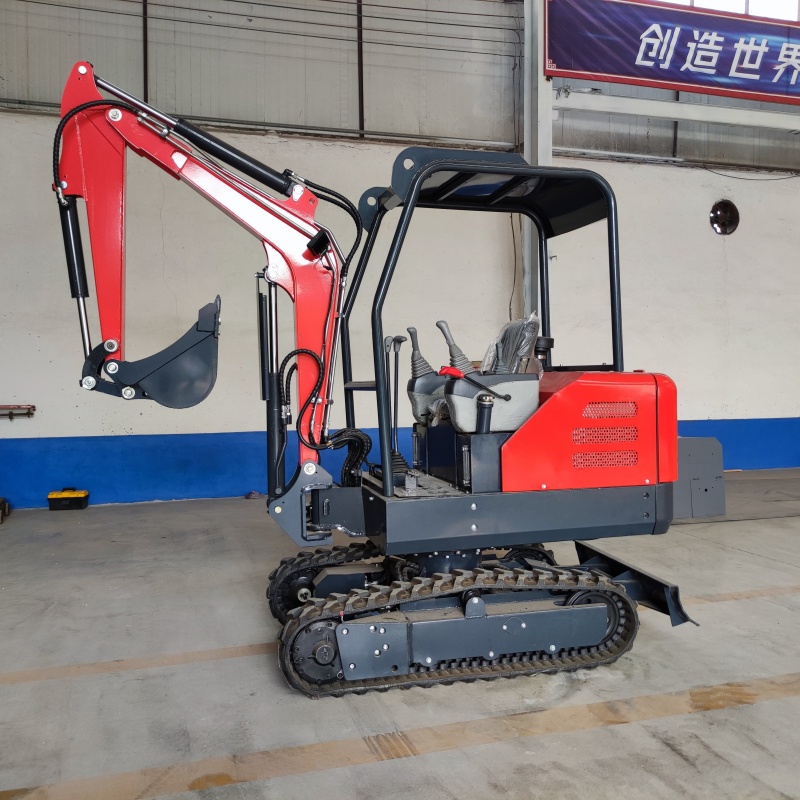
Reference specification — mini excavator range 09W 15W 09L 15L Operating weight 1100 kg (2425.08 lb) 1400 kg (3086.47 lb) 1100 kg (2425.08 lb) 1400 kg (3086.47 lb) Transport size (L×W×H) 1800 × 750 × 1970 mm 2200 × 930 × 2250 mm 2300 × 720 × 1870 mm 2200 × 930 × 2250 mm Max digging depth 1250 mm (49.21 in) 1630 mm (64.17 in) 1400 mm (55.12 in) 1700 mm (66.93 in) Max digging height 2800 mm (110.24 in) 2750 mm (108.27 in) 2800 mm (110.24 in) 2750 mm (108.27 in) Max dumping height 1700 mm (66.93 in) 1960 mm (77.17 in) 1880 mm (74.02 in) 1960 mm (77.17 in) Max digging radius 2570 mm (101.18 in) 2900 mm (114.17 in) 2490 mm (98.03 in) 2900 mm (114.17 in) Max digging distance 1869 mm (73.58 in) 2100 mm (82.68 in) 2000 mm (78.74 in) 2300 mm (90.55 in) Minimum turning radius 1000 mm (39.37 in) 1300 mm (51.18 in) 1400 mm (55.12 in) 1450 mm (57.09 in) Travel speed 3 km/h (1.86 mph) 3 km/h (1.86 mph) 3 km/h (1.86 mph) 3 km/h (1.86 mph) Gradeability 30° 30° 30° 30° Fuel consumption 1-1.3 L/h (0.264—0.343 gal) 1-1.3 L/h (0.264—0.343 gal) 1-1.3 L/h (0.264—0.343 gal) 1-1.3 L/h (0.264—0.343 gal) Fuel tank capacity 8 L (2.11 gal) 10 L (2.64 gal) 8 L (2.11 gal) 10 L (2.64 gal) Hydraulic oil tank 16 L (4.23 gal) 16 L (4.23 gal) 16 L (4.23 gal) 16 L (4.23 gal) Dozer blade lift height 180 mm (7.09 in) 180 mm (7.09 in) 180 mm (7.09 in) 180 mm (7.09 in) Dozer blade drop depth 210 mm (8.27 in) 210 mm (8.27 in) 210 mm (8.27 in) 210 mm (8.27 in)
Q. What is a machine of this size?
A. Export supply is a programme, not a transaction: build specification, packing, documents and parts support have to line up before the machine sails. Complete units travel in containers on timber cradles, and CKD packing parts the machine down for volume shipments. The equipment on site is one of the pages buyers land on when comparing machines for wholesale, and the factory treats it as a specification conversation rather than a catalogue line.
Q. How are machines packed and shipped?
A. Complete units travel in containers on timber cradles; CKD packing parts the machine for volume. Documents, marks and routing follow the order, and the destination port decides the packing plan.
Q. Which models does MINGYI build?
A. The 08, 12 and 18 models cover the 0.8 to 6 tonne class with engine, track, cab and attachment options across the range - dealer programmes can mix models in one shipment, and each wholesale machine is confirmed on its own build sheet.
Keeping a service record for the machine itself
Patterns show up in the record before they show up in the machine. Rising oil consumption or a filter that keeps blocking on the model in question is obvious on paper long before it becomes a failure on site.
A second operator for the machine in that duty
Shared machines need shared habits. Two operators on the unit on the job should do the same daily checks in the same order, because the check that one person skips is the check that eventually matters.
E-mail : sales@mingycn.com
LINE ( ID ): mingyicn
Related pages
mini excavator oem service · mini excavator oem and custom orders · Compact Wheel Loader: Access, Track Width and Small-Frame Builds · Mini Excavators









