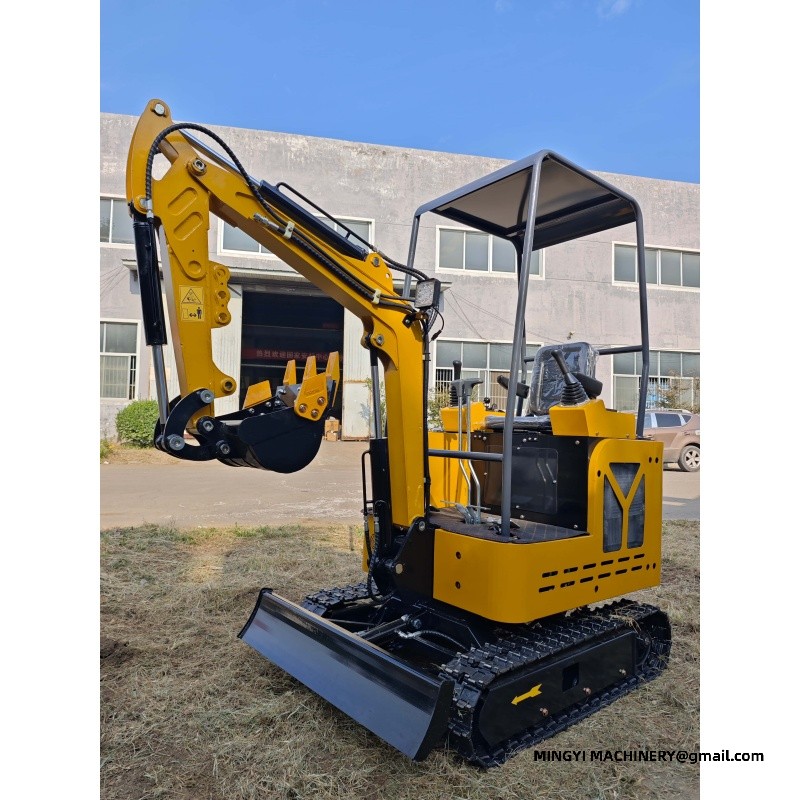
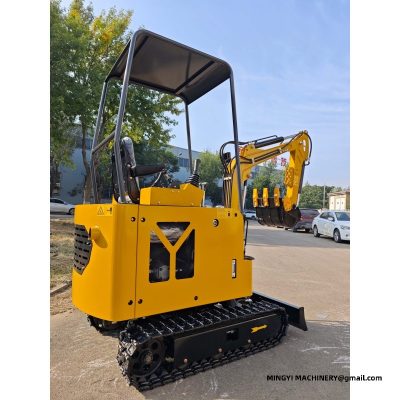
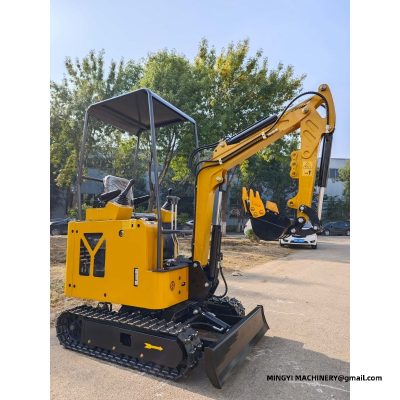
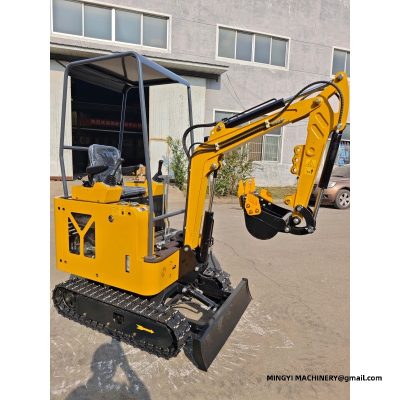
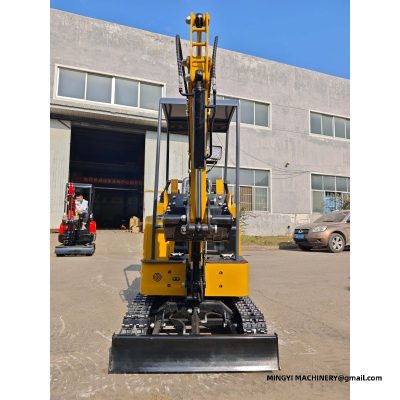
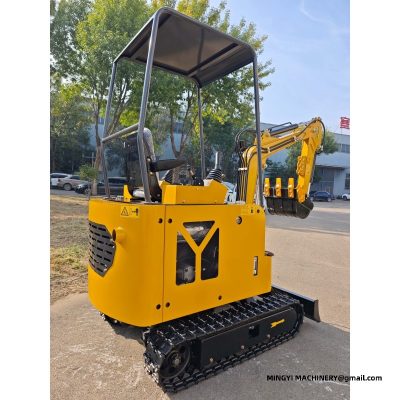
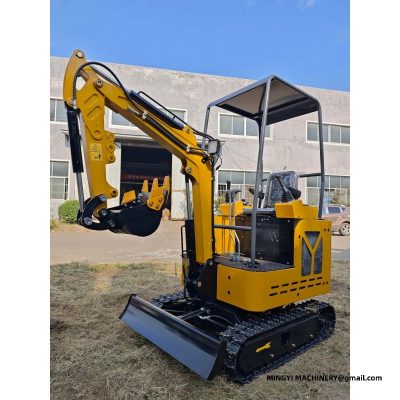
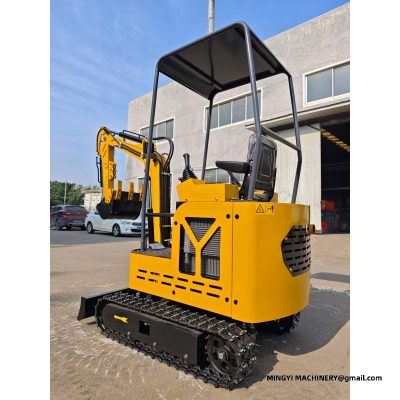
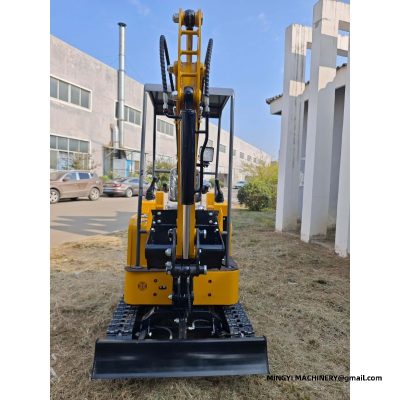
Utility crews seldom get a clean working area. The run often passes between service boxes, along a kerb line or beneath overhead cables, so the machine has to sit inside a narrow corridor and still lift what the job needs.
That is where a compact crawler excavator earns its place. It travels over finished surfaces without marking them and can be eased into position by hand when the only route to the pit is a footpath.
Utility trenching and reinstatement with a compact machine
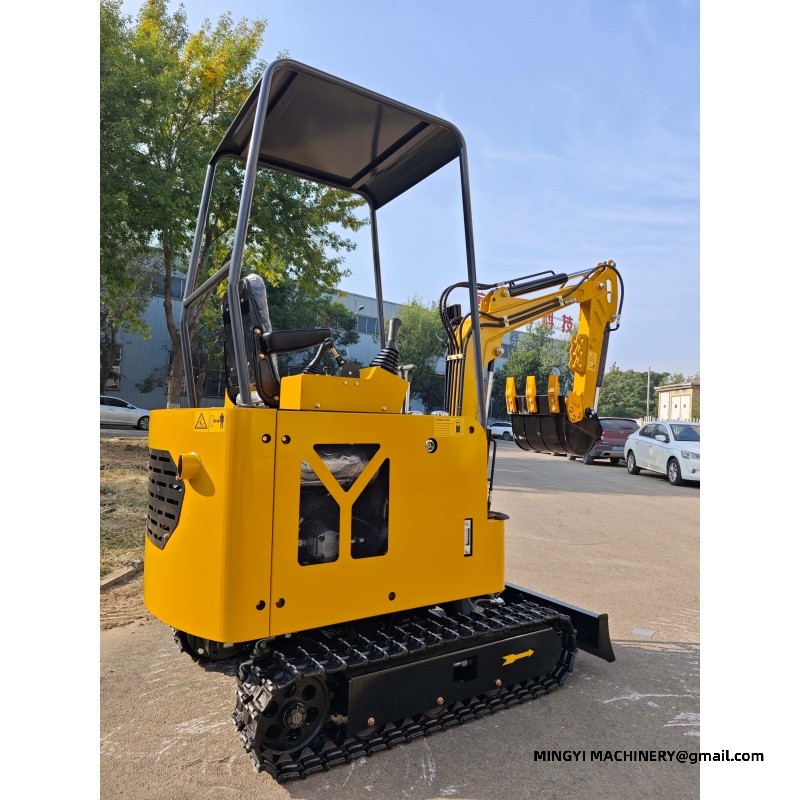
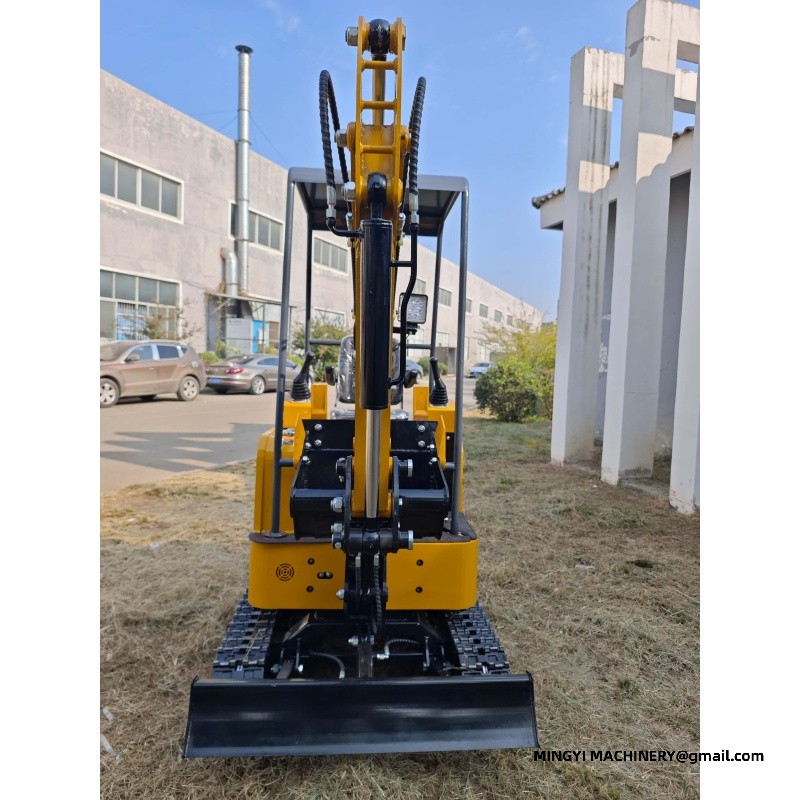
A utility trench is shallow but it changes direction constantly. An offset boom lets the operator cut alongside a wall, a fence or a parked vehicle without swinging the whole upper structure out into the traffic lane.
After the service is laid, the same machine backfills and lifts the closing material. Cutting, laying and reinstating from one position removes a second pass over the surface.
Choosing tracks and attachments for utility corridors
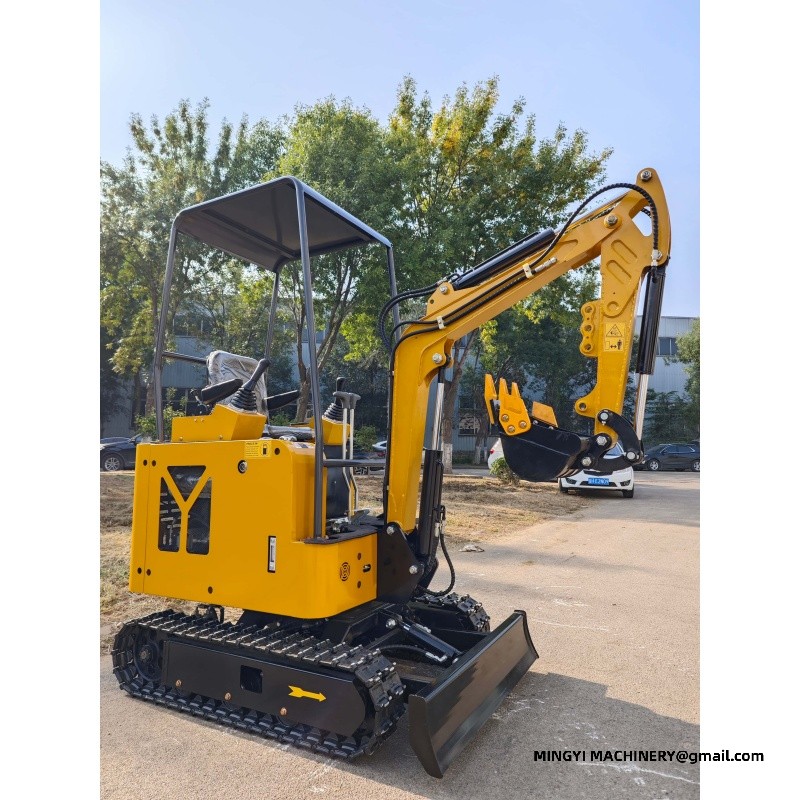
Rubber tracks suit paved verges, crossings and private drives where the surface has to stay intact. Steel tracks with rubber blocks are the usual choice when the corridor is broken ground or soft going.
A quick coupler lets a crew swap between a narrow bucket, a breaker hammer and a compaction wheel inside one shift, which is what utility packages normally demand.
For contractors tendering routine maintenance work, the points worth fixing at the ordering stage are the track type, the boom arrangement and the attachment list, because those three decisions shape the machine that is built.
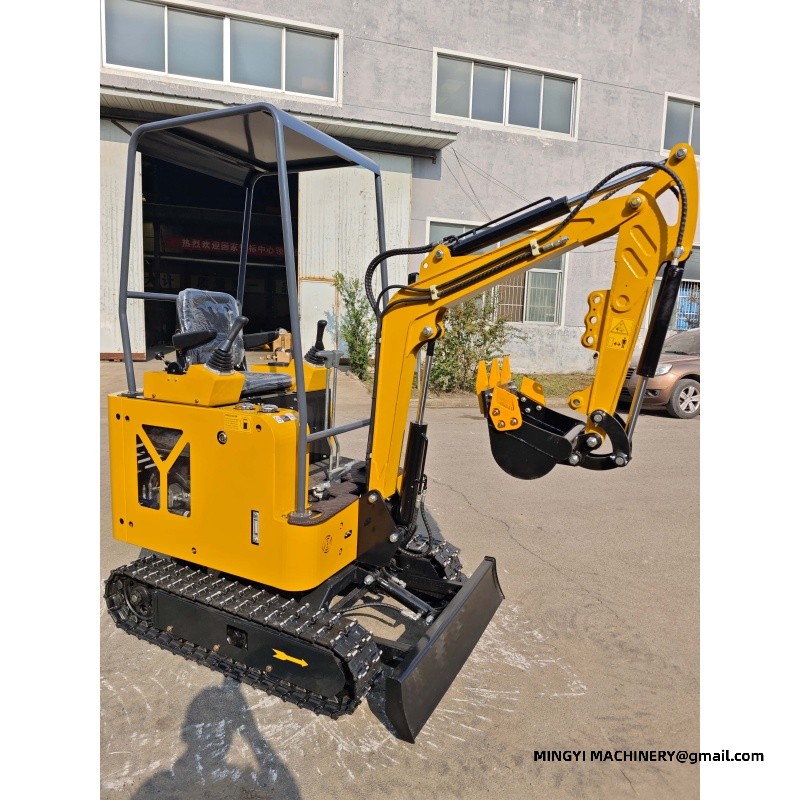
Getting mini excavator for utility trenches through a narrow gap Access decides the machine before output does. With the excavator the limiting dimension is usually the widest point on the way in, so measuring the gate, the corridor and the turning space first saves a wasted delivery and a second visit. Contractors who buy this class of machine normally have one job in mind that nothing else reaches. The purchase order follows the access measurement, not the other way round, and the build sheet is then settled around it. OEM and fleet customisation of mini excavator for utility trenches Customisation also covers the specification sheet. A fleet buyer may want every machine of this size delivered with the same coupler, the same engine and the same tool kit so training and parts stock stay simple. Documentation can be prepared to suit the importer. Manuals, parts books and decal sets for the unit in daily use can be supplied with the buyer's own branding where the order size justifies it. Parts, service and support for mini excavator for utility trenches Engine parts availability usually drives the engine choice. The equipment on site built with an engine the local network already carries is serviced from stock rather than from an international order. Remote support is handled by video. The machine itself fault can often be diagnosed on a walk-around call with the panel open, which is faster than waiting for a visit and avoids shipping a part that is not needed. Hydraulic circuits on a mini excavator for utility trenches Flow and pressure are matched to the tool, not to the machine size. Asking for the attachment list first means the model in question leaves the factory with circuits that suit the heaviest tool the buyer intends to run. Hydraulic specification is easier to settle at build time than to correct later. The machine in that duty delivered without auxiliary lines can still dig, but every additional tool becomes a retrofit project. Acceptance checks when a mini excavator for utility trenches arrives Delivery day is the best time to find a problem. Checking the specification against the order, the fluid levels, the fasteners and any transport damage while the machine built for the work is still on the trailer is faster than claiming later. A function check before the machine goes to work is worth the hour. Running through the controls, the travel and the attachment circuit on the unit on the job confirms it is set up as specified and ready for the site. Export packing and shipping of mini excavator for utility trenches Machines leave the factory prepared for container or flat rack shipment. The equipment in service is normally shipped with the attachment set and the spare parts list agreed in advance so the container is planned once. Export documentation, decals and paint are settled before packing. Asking for them with the excavator order avoids a second handling session and keeps the machine on the booked vessel. Quick coupler practice on this class of machine Couplers are specified early because they affect the arm and the hydraulic kit. Adding one to the unit in daily use after delivery means new pins, new hoses and a fitment session; adding it at build time is a line on the sheet. For a fleet that shares attachments between machines, a common coupler standard matters more than the coupler brand. A machine of this size that picks up the same tools as the larger machines keeps the rack usable across the yard. Track choice for the equipment on site Rubber tracks suit paved and landscaped ground because they spread the machine weight and leave the surface intact. Steel tracks with rubber blocks are specified where the ground is rougher or the working day is longer, and the choice can be made per machine rather than accepted as a factory default. Track type changes what the machine can cross and what it leaves behind. Buyers specify rubber for lawns, driveways and municipal work, and steel with rubber blocks for sites where sharp material would cut a rubber belt in a week. Noise, dust and working near occupied buildings Enclosure and machine condition both reduce noise. The machine itself with intact panels, sound mounts and a maintained exhaust is measurably quieter than the same machine with loose guards, and the difference matters on restricted sites. Dust control is often part of the same conversation. Water, timing and work sequence reduce what leaves the site, and agreeing them in advance keeps the model in question working rather than stopped after a complaint. Specifying the machine in that duty against a job list Buyers who skip this step either over-buy or under-buy. The unit on the job specified only from machine size tends to arrive without the coupler, the circuits or the track type the work actually needs. Useful information to send with an enquiry includes working width, required digging depth, ground conditions and the attachment set. Those four items let the factory specify a machine built for the work that fits rather than a generic build. Running the equipment in service in a rental fleet The specification that rents best is usually the simplest one to explain at the counter. The excavator with rubber tracks, a canopy and a coupler covers the majority of weekend and short-term hires. Fleet buyers also weigh transport. This class of machine that a customer can tow on a normal licence and a standard trailer is a hire that does not need a delivery truck, which changes how often it goes out. Interior and light demolition with the unit in daily use Interior demolition is an access and a weight question. A machine of this size that fits through a doorway and works on a suspended floor does jobs that would otherwise be done by hand or by a larger machine that cannot enter. Dust, debris clearance and floor loading all argue for a compact machine indoors. The equipment on site spreads its weight over a wider track footprint than a wheeled machine of similar capacity. Working near live services with the machine itself Utility crews specify the model in question with a narrow bucket and good visibility for exactly this reason: the machine has to stop at the service, not at the edge of the operator's view. Specification data for the machine in that duty Buyers comparing the unit on the job usually start from four numbers - weight, digging depth, reach and transport width - because those are the ones that decide whether the machine can be delivered and whether it can do the job once it is there. Figures are factory figures and are confirmed on the build sheet for a machine built for the work. Where a job sits between two models, the larger machine usually takes less time than the smaller one spends on rework. Digging near water, gas and cable is a precision job. The equipment in service is used here because the operator can work in short controlled cuts and because the machine can be positioned without driving over the run being exposed. The risk on utility work is not machine power but machine placement. The excavator that fits the working width leaves the surrounding ground undisturbed, which keeps the trench stable and the reinstatement small.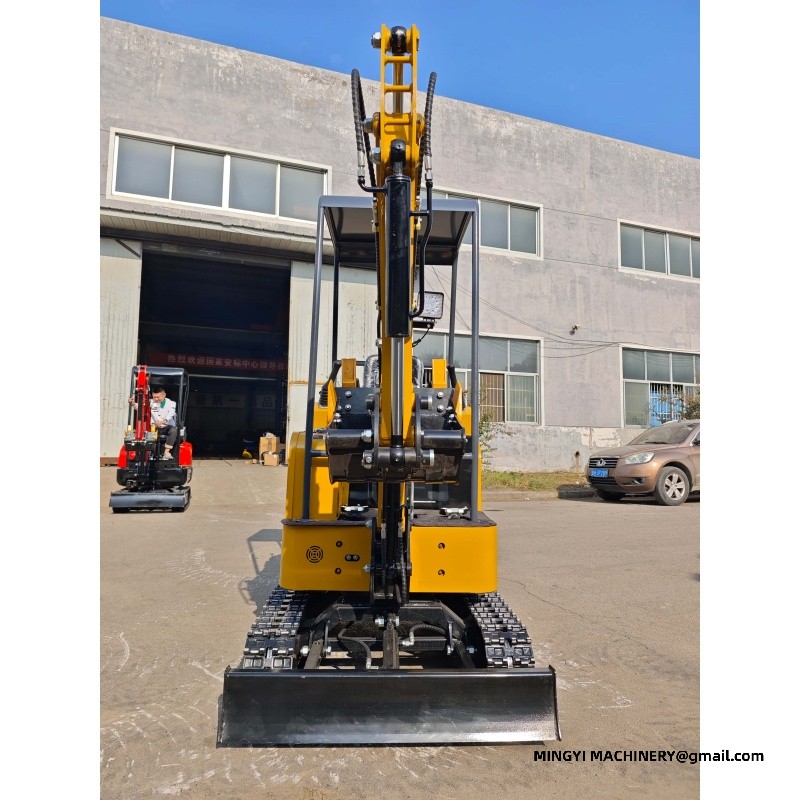
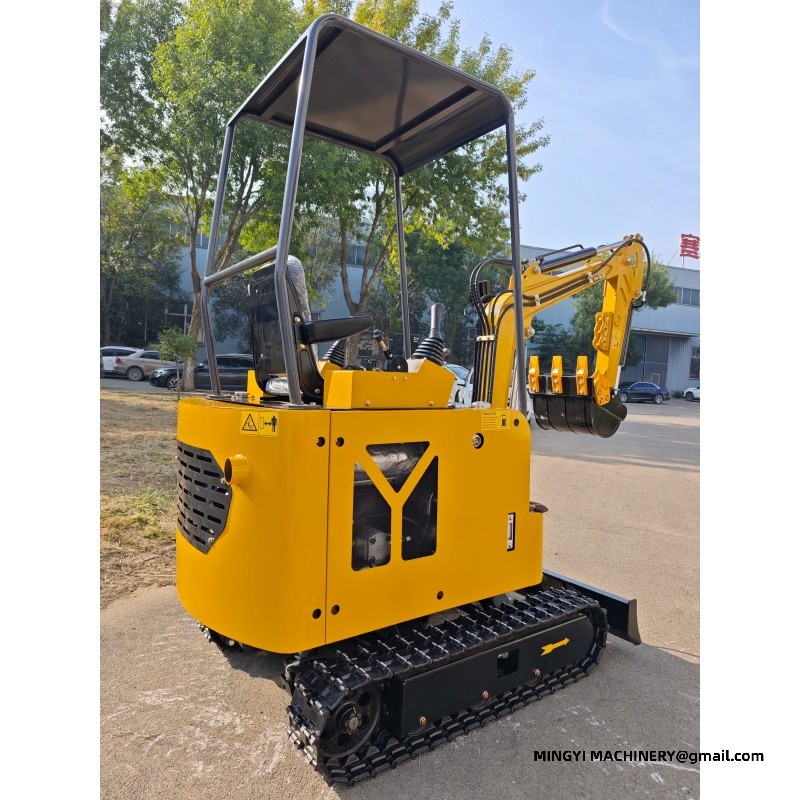
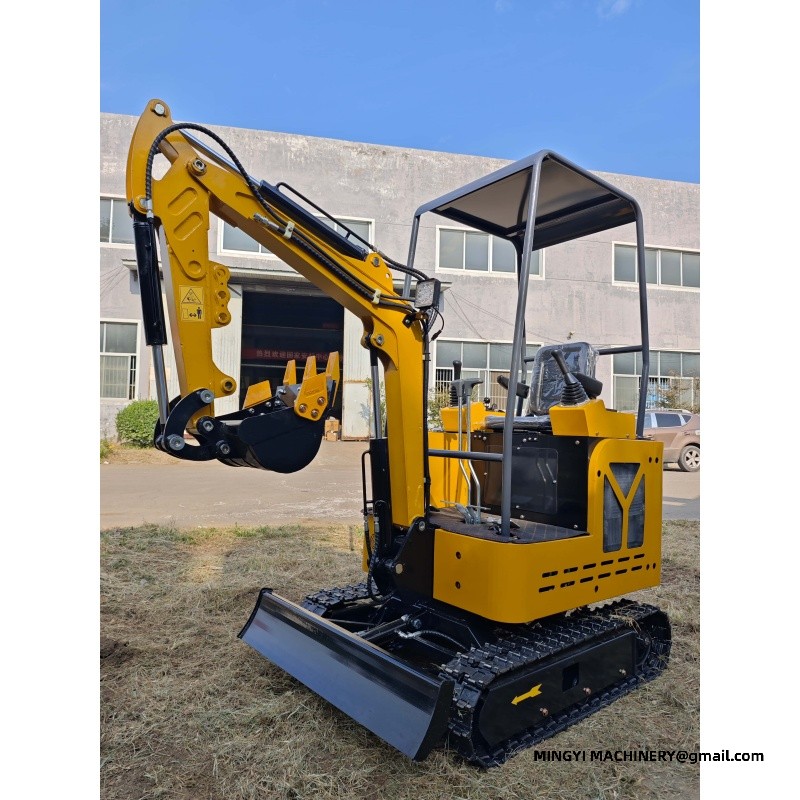
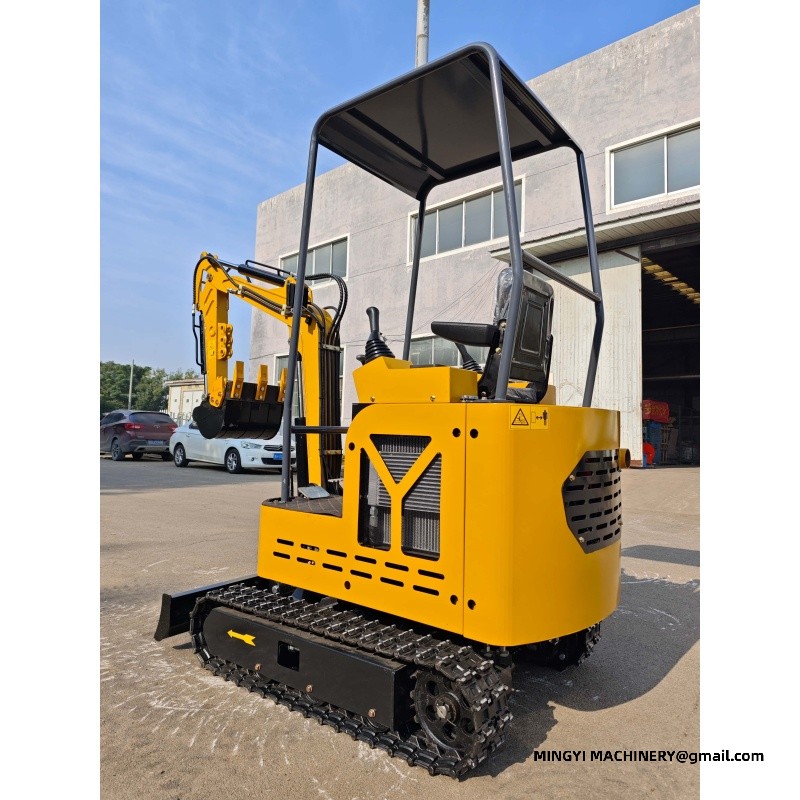
Reference specification — mini excavator range 20-1WL 30-2W 15L 20-2L Operating weight 1900 kg (4188.78 lb) 2700 kg (5952.48 lb) 1400 kg (3086.47 lb) 1900 kg (4188.78 lb) Transport size (L×W×H) 2550 × 1100 × 2200 mm 3000 × 1100 × 2700 mm 2200 × 930 × 2250 mm 2600 × 1300 × 2344 mm Max digging depth 1800 mm (70.87 in) 2200 mm (86.61 in) 1700 mm (66.93 in) 2100 mm (82.68 in) Max digging height 2820 mm (111.02 in) 3000 mm (118.11 in) 2750 mm (108.27 in) 2880 mm (113.39 in) Max dumping height 2050 mm (80.71 in) 2000 mm (78.74 in) 1960 mm (77.17 in) 2100 mm (82.68 in) Max digging radius 3050 mm (120.08 in) 3800 mm (149.61 in) 2900 mm (114.17 in) 3215 mm (126.57 in) Max digging distance 2300 mm (90.55 in) 3050 mm (120.08 in) 2300 mm (90.55 in) 2460 mm (96.85 in) Minimum turning radius 1450 mm (57.09 in) 1750 mm (68.9 in) 1450 mm (57.09 in) 1587 mm (62.48 in) Travel speed 5 km/h (3.11 mph) 7 km/h (4.35 mph) 3 km/h (1.86 mph) 5 km/h (3.11 mph) Gradeability 30° 30° 30° 30° Fuel consumption 2-3 L/h (0.528—0.793 gal) 2-3 L/h (0.528—0.793 gal) 1-1.3 L/h (0.264—0.343 gal) 2-3 L/h (0.528—0.793 gal) Fuel tank capacity 16 L (4.23 gal) 16 L (4.23 gal) 10 L (2.64 gal) 16 L (4.23 gal) Hydraulic oil tank 18 L (4.76 gal) 20 L (5.28 gal) 16 L (4.23 gal) 18 L (4.76 gal) Dozer blade lift height 180 mm (7.09 in) 230 mm (9.06 in) 180 mm (7.09 in) 180 mm (7.09 in) Dozer blade drop depth 210 mm (8.27 in) 280 mm (11.02 in) 210 mm (8.27 in) 210 mm (8.27 in)
Q. What are the class of machine?
A. Most compact excavator hours are spent in the ground for services and drainage, and the whole job is matching the machine to exactly that work. A bucket too wide pulls more spoil than the job needs and leaves a messy backfill; a bucket matched to the service keeps the cut clean. For utility trenches applications the practical route is to send the job list to the factory and let the build sheet answer it - which is exactly what this page invites.
Q. How do I keep a trench straight and at depth?
A. Mark the line, set the bucket to the trench width and let the machine hold the cut - working back along the trench keeps spoil clear and the sightline open. A swing boom helps along walls and fences where the carrier cannot align.
Q. Which models does MINGYI build?
A. The 08, 12 and 18 models cover the 0.8 to 6 tonne class with engine, track, cab and attachment options across the range - dealer programmes can mix models in one shipment, and each utility trenches machine is confirmed on its own build sheet.
Commissioning the unit in daily use on site
The machine should be introduced to the site as well as the operator. Walking the route a machine of this size will take, noting the soft spots and the turns, prevents the kind of first-day incident that has nothing to do with the machine.
Cold weather and winter care for the equipment on site
Winter is hard on rubber and on seals as much as on the engine. Parking the machine itself under cover, keeping the tracks or tyres off standing water and checking the hoses for cracking are all part of the season.
E-mail : sales@mingycn.com
LINE ( ID ): mingyicn
Related pages
mini excavator for roadworks · mini excavator for courtyard digging · Wheel Loader for Sale: Builds, Options and Container Planning · Mini Excavators









