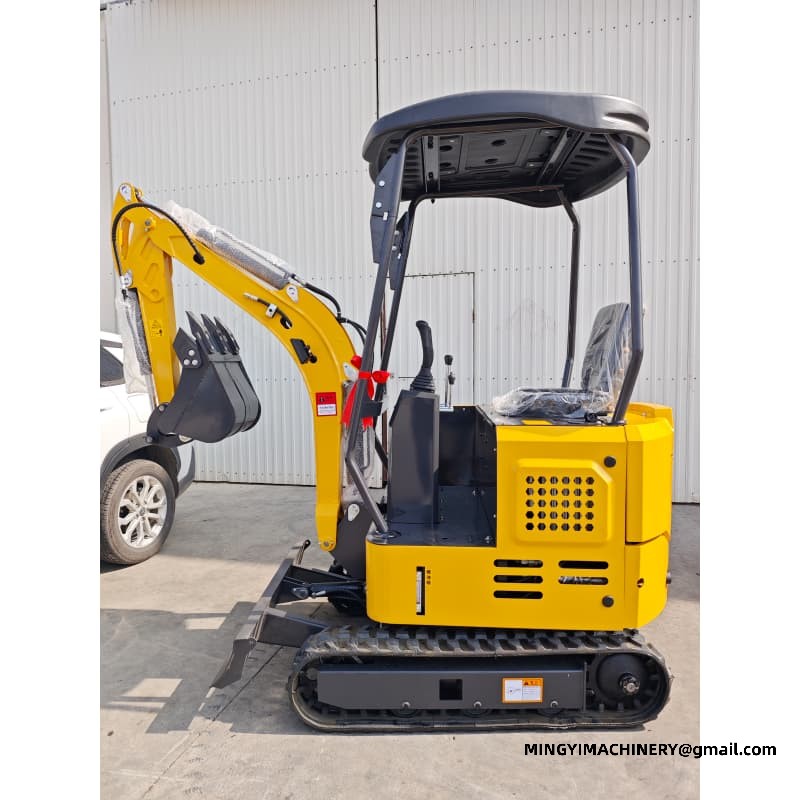
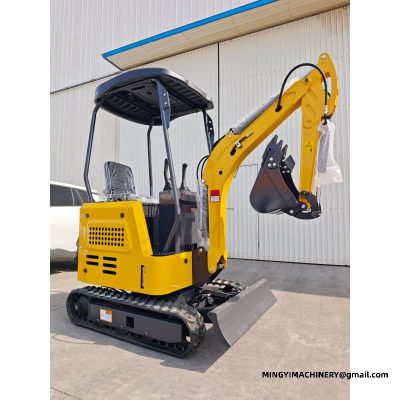
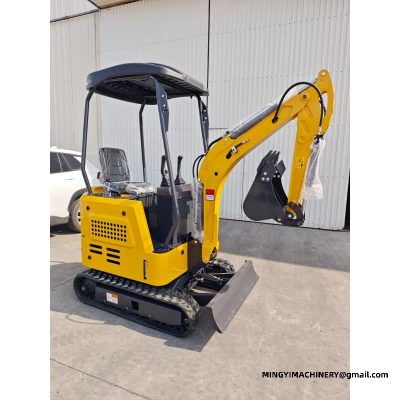
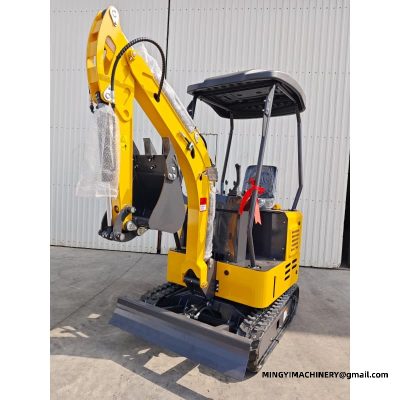
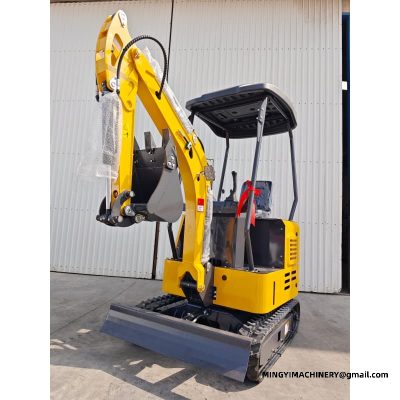
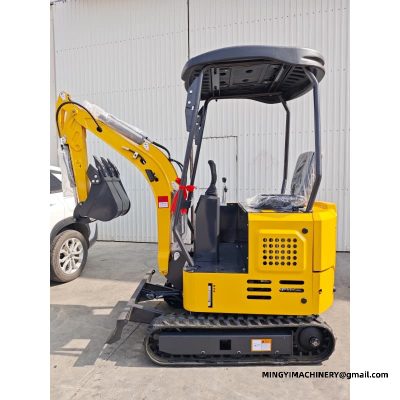
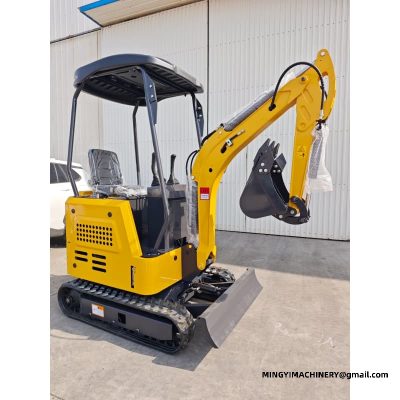
Choosing a mini excavator by model means matching the machine class to the work in the order book, and MINGYI's range gives buyers three clear reference points: the 08, the 12 and the 18. Each class is built to order with its own specification, and each answers a different kind of site.
The smallest class reaches work through gates and doorways; the middle class carries the daily load of landscaping and utility trenching; the 18 sits at the heavier end, holding its footing on breaking and digging duty.
How the classes divide the work
The 08-class machines trade reach for access, suiting interior demolition, garden trenching and any site entered through a narrow opening. Their transport and setup are the lightest in the range, which suits trades quoting many small jobs.
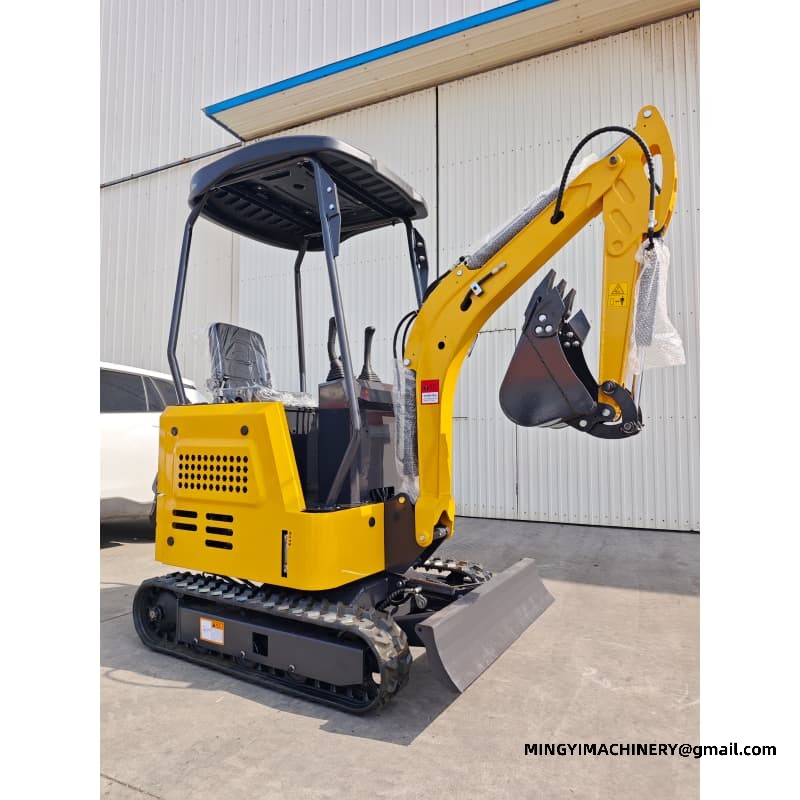
The 12 and 18 classes take the wider work: footing and service trenches, pond and pool excavation, farm ditching and attachment duty with breakers and augers. Within the 1 to 3.5 tonne band, the difference is how much attachment work the buyer runs daily.
Choosing a model at ordering
The choice runs through the duty statement, the transport available and the surfaces crossed, with track format, cab option and engine following from those answers. Engine options from Kubota, YANMAR and Changchai are agreed against the destination market and the buyer's support plan.
Each model is recorded on its own build sheet, so the delivered machine documents exactly what was ordered, and later units for a growing fleet can reference the same specification. Spare parts and service information match the fitted machine.
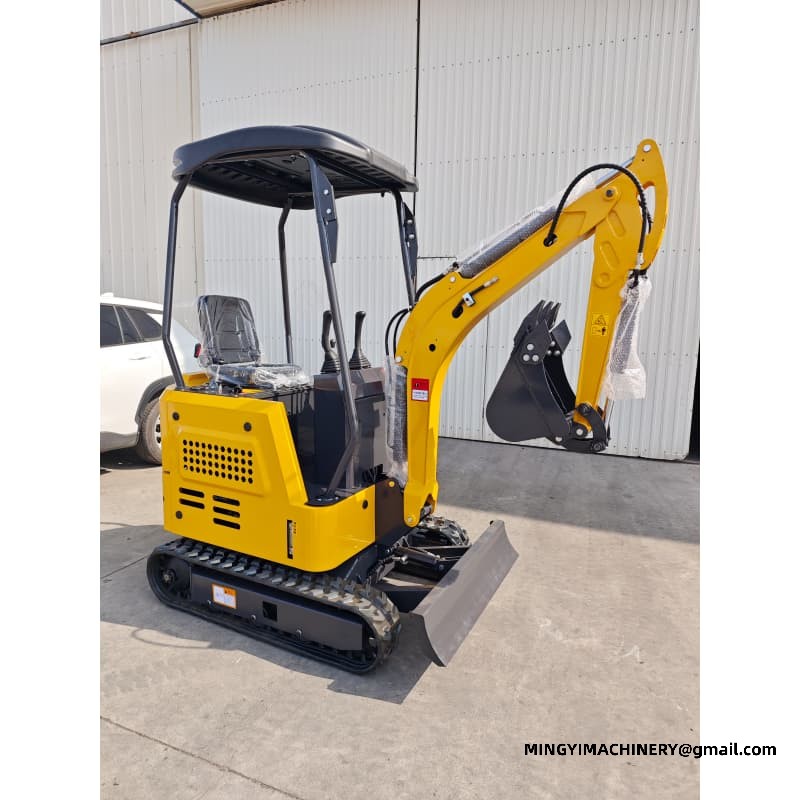
Model selection is workload selection. Match the class to the contracts held, and the machine purchased is the machine the work needs.
Boom configuration for mini excavator for sale by model Extended and offset boom configurations change reach and working range. The excavator with a longer arm reaches further but lifts less at full extension, so the specification is set against the deepest and furthest point on the job list. Detachable boom sections are used where transport length matters. This class of machine that has to travel on a standard trailer can be built so the arm comes off for the road and goes back on at the site. Hiring versus owning a mini excavator for sale by model Availability is part of the decision. Owning the unit in daily use means it is there on the day the ground is ready; hiring means competing for the same machine at the same time as everyone else in the season. Ownership brings obligations that hiring does not. Storage, servicing, insurance and an operator are the items to set against the hire rate before deciding which way a machine of this size should be supplied. OEM and fleet customisation of mini excavator for sale by model Distributors and rental fleets usually need the machine to look like theirs. Paint, decals, seat colour and attachment branding can be specified on the equipment on site at build time rather than applied after import. Customisation also covers the specification sheet. A fleet buyer may want every machine itself delivered with the same coupler, the same engine and the same tool kit so training and parts stock stay simple. Municipal and public works with mini excavator for sale by model Drainage repair, tree planting, footway reconstruction and cemetery work are all within the range of the model in question. The jobs are small individually and continuous across the year. Noise and surface protection matter on public work. The machine in that duty on rubber tracks across paving, with a sealed cab for the operator, suits the conditions better than a larger tracked machine. Lifting and material handling with a mini excavator for sale by model Lifting with a machine built to dig needs a plan. The load, the radius and the ground under the machine built for the work all matter, and the safe figure is the one on the chart rather than the one that looks possible. Stability changes with reach. A load the unit on the job handles close in becomes a different proposition at full extension, so the working radius belongs in the plan before the lift rather than during it. Noise, dust and working near occupied buildings Work near housing or occupied premises brings constraints that open sites do not. Start times, exhaust condition and how often the equipment in service needs to reverse are the practical limits that neighbours notice. Enclosure and machine condition both reduce noise. The excavator with intact panels, sound mounts and a maintained exhaust is measurably quieter than the same machine with loose guards, and the difference matters on restricted sites. Working near live services with this class of machine The risk on utility work is not machine power but machine placement. The unit in daily use that fits the working width leaves the surrounding ground undisturbed, which keeps the trench stable and the reinstatement small. Utility crews specify a machine of this size with a narrow bucket and good visibility for exactly this reason: the machine has to stop at the service, not at the edge of the operator's view. Working the equipment on site through the seasons Seasonal planning smooths the workload. Machines that are busy for a few months and idle for the rest benefit from a service slot in the quiet period, and the machine itself prepared in the off-season starts the busy months reliably. Heat and dust are as limiting as rain. Air intake condition and cooling cleanliness decide how the model in question behaves in a dry season, and both are checked in a minute rather than repaired later. Parts, service and support for the machine in that duty Support after delivery is a parts question. Wearing items for the unit on the job - filters, belts, track components, bucket teeth and pins - are the items a buyer should plan to hold before the first service interval. Remote support is handled by video. A machine built for the work fault can often be diagnosed on a walk-around call with the panel open, which is faster than waiting for a visit and avoids shipping a part that is not needed. Operator technique for the equipment in service The second habit is tool discipline. Running the excavator with the right bucket width for the trench means less spoil, less reinstatement and a cleaner job than a wide bucket and a lot of trimming. Stability is the third. This class of machine working across the tracks rather than over the corners keeps the machine steady and the undercarriage loaded evenly, which shows up as track life at the end of the season. Trailering and moving the unit in daily use Transport weight and width decide whether a machine needs a specialist haulier. A machine of this size sized to travel on a standard plant trailer behind a suitable vehicle moves with the crew rather than on a scheduled low loader. Detachable components reduce transport length. The equipment on site built with a removable arm section or a folding step fits a shorter trailer and may avoid an oversize movement permit. Attachments that turn the machine itself into several machines The base machine is a carrier; the tool on the end of the arm decides the task. The model in question fitted with a toothed bucket digs, and the same machine with a breaker, an auger or a grab does work that would otherwise need a second unit on site. Most of the daily variety on the machine in that duty comes from the attachment rack rather than from the machine itself. Bucket, breaker, auger, ripper, rake and grab cover the large majority of the work a contractor will see. Specification data for the unit on the job The figures below are the factory figures for the models most often matched to a machine built for the work. They are the numbers to check against the site: the depth the work needs, the reach from one position, and the width of the narrowest point on the route in. Figures are factory figures and are confirmed on the build sheet for the equipment in service. Where a job sits between two models, the larger machine usually takes less time than the smaller one spends on rework. Rental fleets buy for utilisation, not for a single job. The excavator with a quick coupler and a common attachment standard is hired more often because it suits more of the calls that come in. Fleet buyers also weigh transport. This class of machine that a customer can tow on a normal licence and a standard trailer is a hire that does not need a delivery truck, which changes how often it goes out.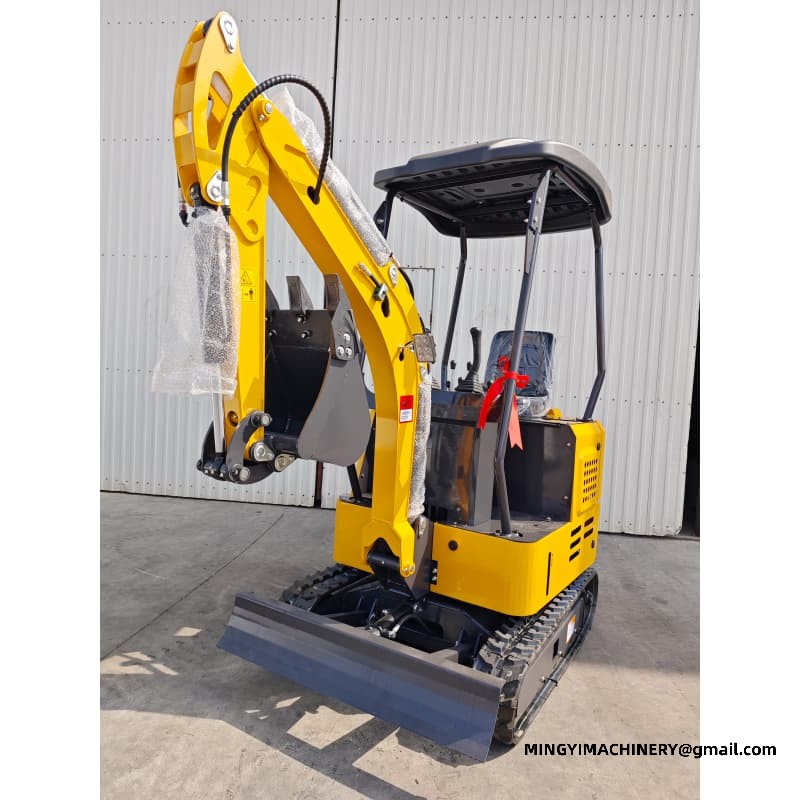
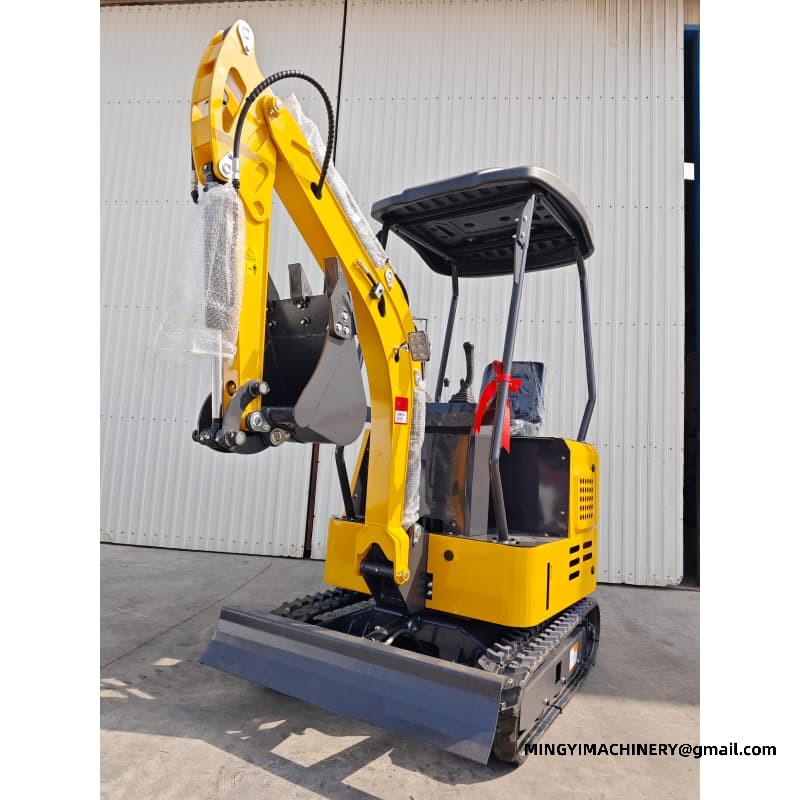
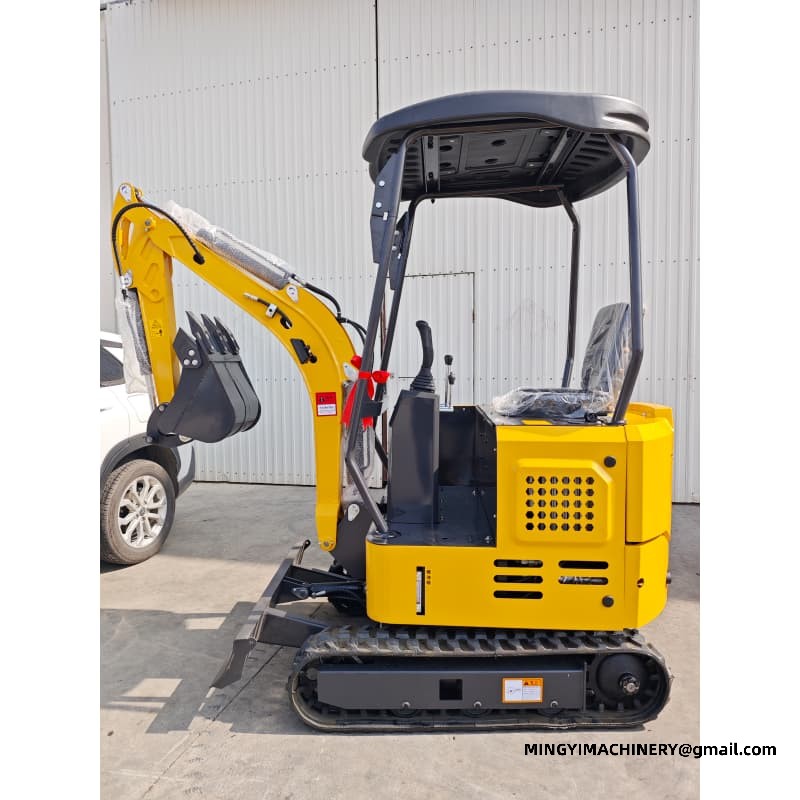
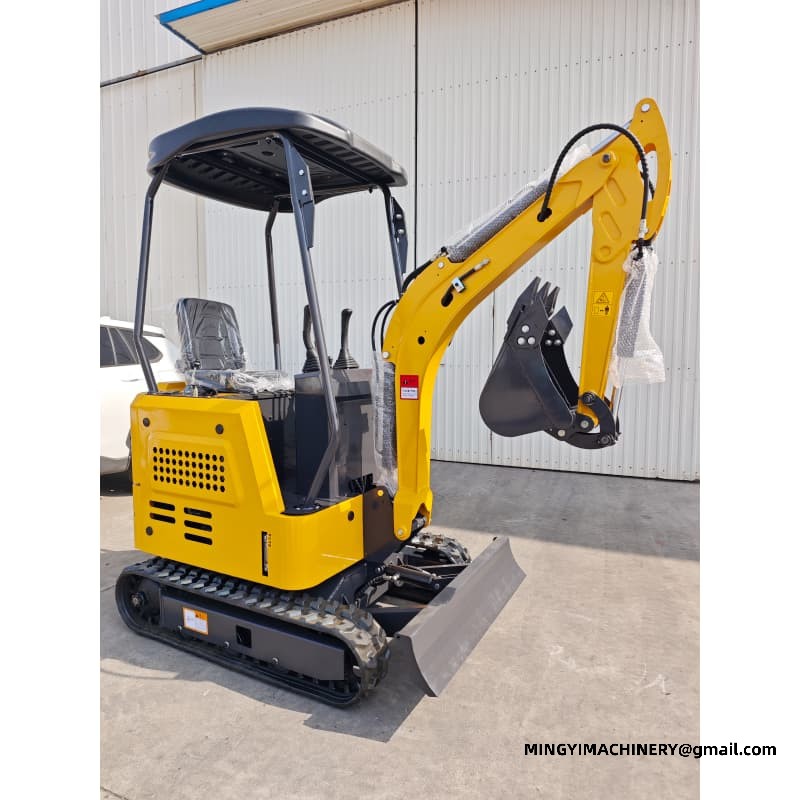
Reference specification — mini excavator range 15W 30-1W 30-2W 30-2L Operating weight 1400 kg (3086.47 lb) 2900 kg (6393.41 lb) 2700 kg (5952.48 lb) 2400 kg (5291 lb) Transport size (L×W×H) 2200 × 930 × 2250 mm 3000 × 1250 × 2780 mm 3000 × 1100 × 2700 mm 2800 × 1500 × 2500 mm Max digging depth 1630 mm (64.17 in) 2200 mm (86.61 in) 2200 mm (86.61 in) 2200 mm (86.61 in) Max digging height 2750 mm (108.27 in) 3400 mm (133.86 in) 3000 mm (118.11 in) 2900 mm (114.17 in) Max dumping height 1960 mm (77.17 in) 2400 mm (94.49 in) 2000 mm (78.74 in) 2100 mm (82.68 in) Max digging radius 2900 mm (114.17 in) 4000 mm (157.48 in) 3800 mm (149.61 in) 3330 mm (131.1 in) Max digging distance 2100 mm (82.68 in) 2800 mm (110.24 in) 3050 mm (120.08 in) 2700 mm (106.3 in) Minimum turning radius 1300 mm (51.18 in) 2000 mm (78.74 in) 1750 mm (68.9 in) 1555 mm (61.22 in) Travel speed 3 km/h (1.86 mph) 5 km/h (3.11 mph) 7 km/h (4.35 mph) 7 km/h (4.35 mph) Gradeability 30° 30° 30° 30° Fuel consumption 1-1.3 L/h (0.264—0.343 gal) 2-3 L/h (0.528—0.793 gal) 2-3 L/h (0.528—0.793 gal) 2-3 L/h (0.528—0.793 gal) Fuel tank capacity 10 L (2.64 gal) 16 L (4.23 gal) 16 L (4.23 gal) 16 L (4.23 gal) Hydraulic oil tank 16 L (4.23 gal) 20 L (5.28 gal) 20 L (5.28 gal) 18 L (4.76 gal) Dozer blade lift height 180 mm (7.09 in) 420 mm (16.54 in) 230 mm (9.06 in) 230 mm (9.06 in) Dozer blade drop depth 210 mm (8.27 in) 210 mm (8.27 in) 280 mm (11.02 in) 280 mm (11.02 in)
Q. Who chooses the unit in daily use?
A. Export supply is a programme, not a transaction: build specification, packing, documents and parts support have to line up before the machine sails. OEM and ODM build options cover colour, decals, engine choice, cab layout and attachment packages, confirmed on the build sheet before production. MINGYI builds the 08, 12 and 18 models covering the 0.8 to 6 tonne class, and a machine of this size is where that range meets sale by model.
Q. Can I order machines built to my own specification?
A. Yes - OEM and ODM options cover colour, decals, engine choice, cab layout and attachment packages, with the build sheet confirmed before production. Mixed-model orders and staged deliveries are routine for dealer programmes.
Q. Can I see the machine before it ships?
A. Inspection is arranged at the factory, in person or by a scheduled video walk-around - the same session covers paint, decals and attachment fitment for the sale by model specification, so the machine inspected is the machine that ships.
Later additions and retrofits on the equipment on site
Most additions are easier to plan than to add. Hydraulic services, mounting brackets and electrical capacity on the machine itself are build items, and deciding them at the specification stage is far easier than doing it later.
Documents that travel with the model in question
The machine is only half of what arrives. The parts book, the service schedule and the declarations that come with the machine in that duty are what let the owner register, insure and maintain it without a second round of emails.
E-mail : sales@mingycn.com
LINE ( ID ): mingyicn
Related pages
mini excavator for first-time buyers · entry level mini excavator · Wheel Loader for Aggregate Yard: Dust, Fines and Heavy Builds · Mini Excavators









