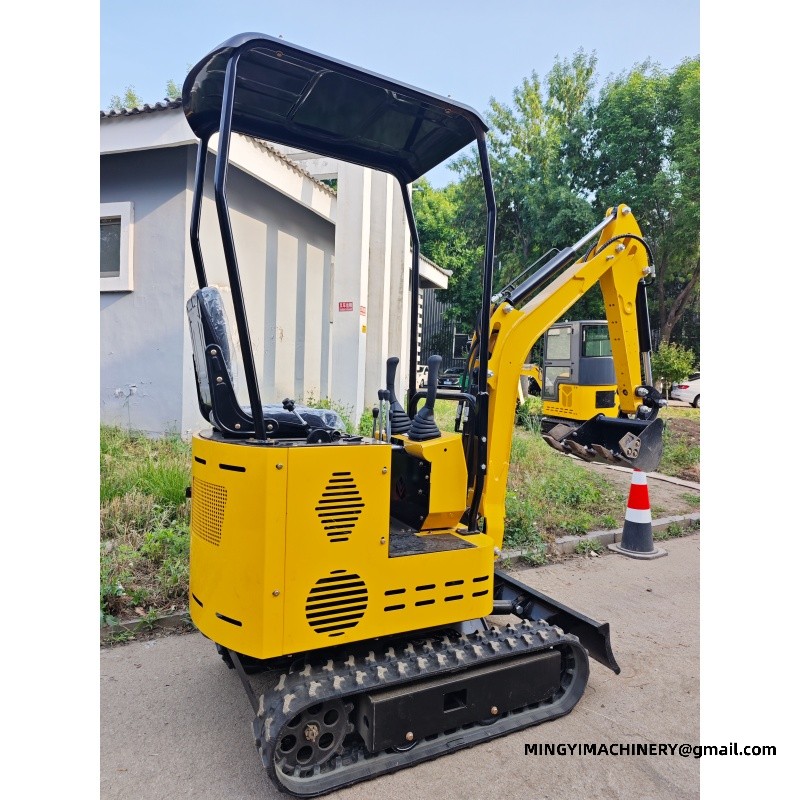
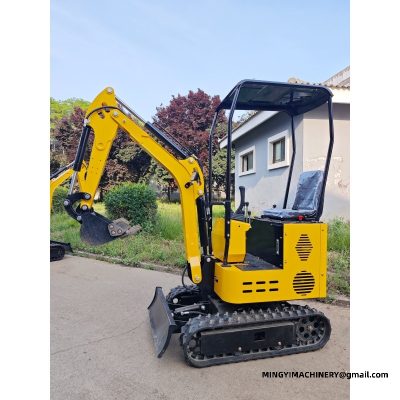
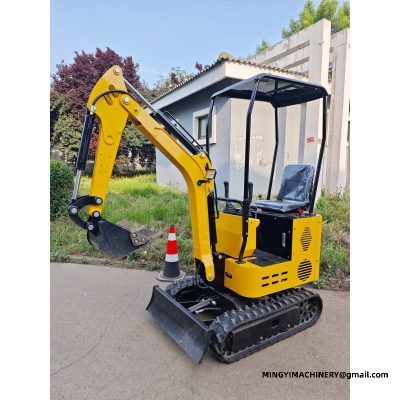
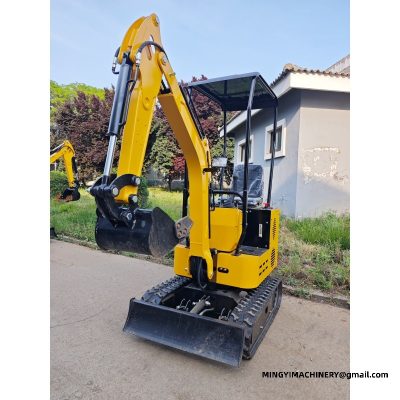
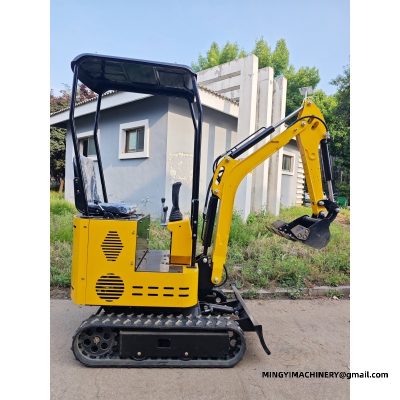
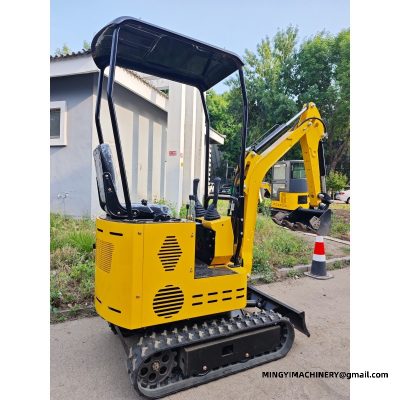
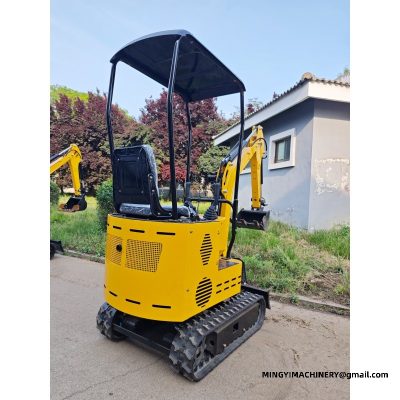
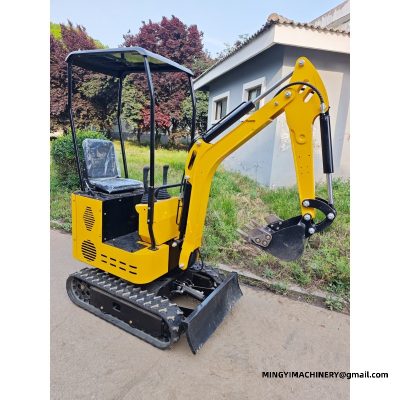
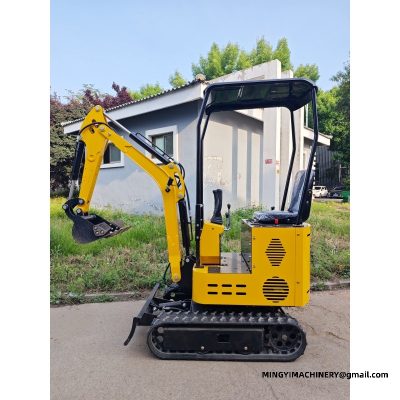
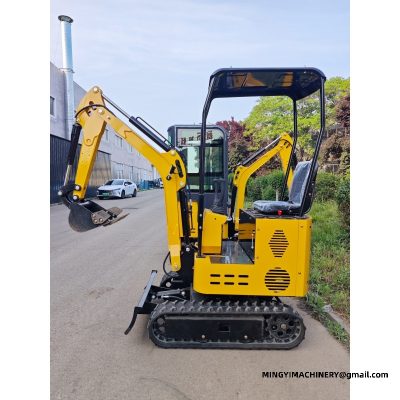
A compact construction digger is expected to move between sites, sometimes more than once a week. How easily it loads, travels and sets up again often matters more to a contractor than how it performs on any single job.
MINGYI builds compact crawler diggers to order with transport in mind. The class, the undercarriage and the cab form affect the weight and height of the machine on a trailer, and all are agreed before the unit is built.
Moving a compact construction digger between sites
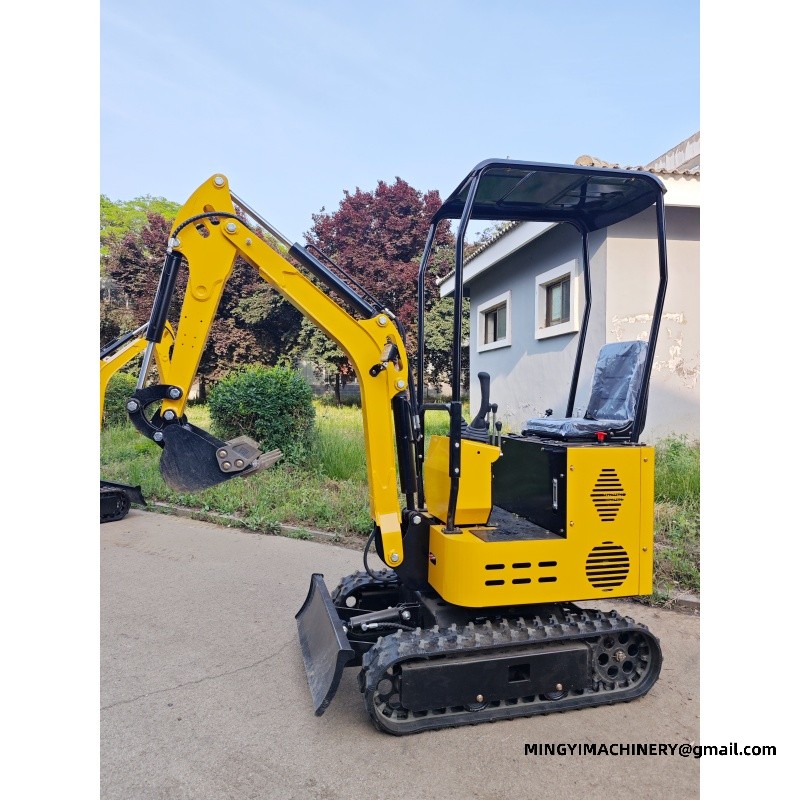
Transport shapes the specification. A machine that fits a trailer the contractor already owns is worth more than one that needs a larger lorry, and the cab or canopy choice changes both the weight and the loaded height.
Attachments travel with the carrier, so the packing and the bracket set are planned rather than improvised. A tidy load is quicker to secure and quicker to unload at the next site.
Setting up quickly on a new site
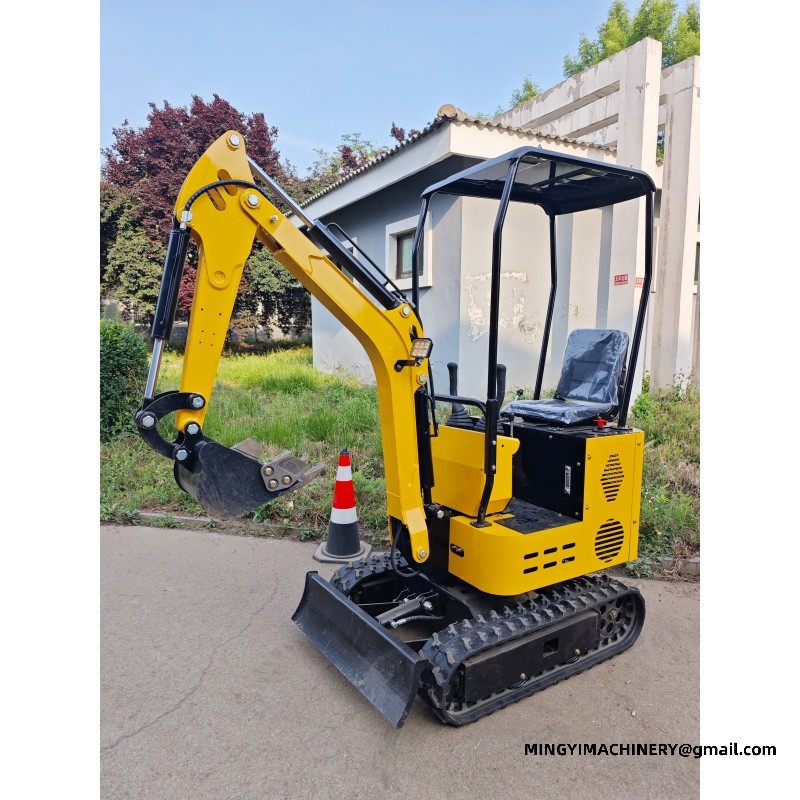
Once the machine is on the ground the priority shifts to stability. Undercarriage width, track type and boom arrangement decide how quickly it can start digging beside a wall or on a slope.
The same choices decide how little ground preparation is needed. Rubber tracks let the machine work from finished paving, while steel tracks with rubber blocks suit rougher ground where the surface does not have to be protected.
For a contractor the value of a compact digger is its mobility as much as its digging. A machine specified for the trailer it will travel on and the sites it will reach spends more of the year working.
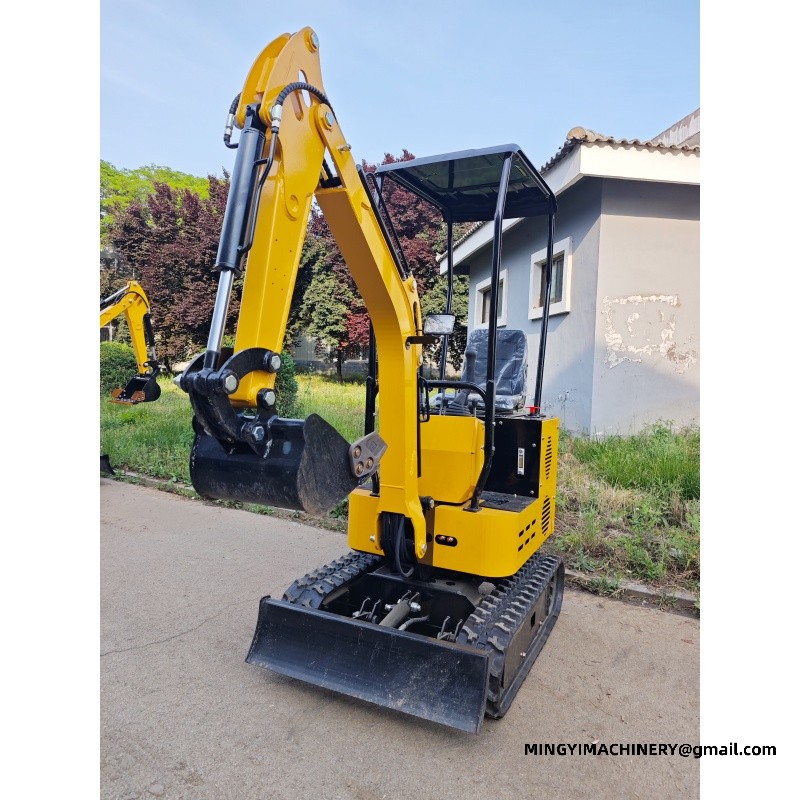
Trailering and moving movable compact construction digger Transport weight and width decide whether a machine needs a specialist haulier. The excavator sized to travel on a standard plant trailer behind a suitable vehicle moves with the crew rather than on a scheduled low loader. Loading practice matters as much as the numbers. This class of machine is driven up ramps under its own power with the boom lowered and the tracks aligned, and secured at the points the manufacturer specifies. What owners should plan for beyond the movable compact construction digger Purchase decision is the visible part of the effort. Fuel, filters, tracks or tyres, the operator and the transport between sites are the items that decide what the unit in daily use actually demands over a few seasons, and they are worth listing before the order. Downtime is the hidden line item. A machine of this size waiting on a part earns nothing while it stands, so parts availability and service access belong in the plan as much as fuel does. Working a movable compact construction digger through the seasons Weather decides which days are productive. Rain turns some ground unusable and cold changes how the equipment on site starts and warms up, so planning the wet months around maintenance is more useful than planning around output. Seasonal planning smooths the workload. Machines that are busy for a few months and idle for the rest benefit from a service slot in the quiet period, and the machine itself prepared in the off-season starts the busy months reliably. Hydraulic circuits on a movable compact construction digger Auxiliary hydraulic lines are what let a machine drive a tool rather than only a bucket. The model in question specified with the right circuits and flow runs a breaker or an auger without an add-on power pack bolted to the frame. Hydraulic specification is easier to settle at build time than to correct later. The machine in that duty delivered without auxiliary lines can still dig, but every additional tool becomes a retrofit project. Working on slopes and uneven ground with movable compact construction digger Slope work is a stability question before it is a traction question. Knowing the gradient the unit on the job is rated for, and working across rather than straight up where the ground allows, removes most of the risk. Ground that looks level often is not. A machine built for the work crossing a filled trench, a soft edge or a hidden void behaves differently from one on undisturbed ground, and those are the places worth walking before driving. Road and paving work for movable compact construction digger Patching and reinstatement favour a machine that can work in a lane closure. The equipment in service occupies less road than a full-size excavator, which reduces the traffic management needed and the length of the closure. Breaking out a failed slab and backfilling the same hole in one visit is normal work for the excavator. The breaker and the bucket come off the same coupler, so the road is reopened the same day. Daily checks and maintenance on this class of machine Daily maintenance on the unit in daily use is a short list: engine oil level, coolant, track tension, hydraulic oil level and a look at the hoses. Ten minutes at the start of the shift prevents most of the failures that stop a machine. Track tension is the item most often neglected. A machine of this size run with slack tracks wears the undercarriage and can throw a track on a turn; run too tight, the same components wear from the other direction. Specifying the equipment on site against a job list Buyers who skip this step either over-buy or under-buy. The machine itself specified only from machine size tends to arrive without the coupler, the circuits or the track type the work actually needs. Useful information to send with an enquiry includes working width, required digging depth, ground conditions and the attachment set. Those four items let the factory specify the model in question that fits rather than a generic build. Track choice for the machine in that duty Rubber tracks suit paved and landscaped ground because they spread the machine weight and leave the surface intact. Steel tracks with rubber blocks are specified where the ground is rougher or the working day is longer, and the choice can be made per machine rather than accepted as a factory default. Undercarriage selection is a ground question, not a preference question. The unit on the job running on finished paving needs rubber; the same machine on demolition rubble or rock wears rubber quickly, so steel with rubber blocks becomes the better answer over a full season. Lifting and material handling with a machine built for the work Lifting with a machine built to dig needs a plan. The load, the radius and the ground under the excavator all matter, and the safe figure is the one on the chart rather than the one that looks possible. Ground condition under the machine is part of every lift. Soft or uneven support is the common factor in handling incidents, and checking it takes less time than recovering the equipment in service that has settled. Quick coupler practice on this class of machine A quick coupler is the single option that changes how a machine is used day to day. Fitted to the unit in daily use, it turns an attachment change from a two-person workshop job into a task the operator does alone in minutes. Couplers are specified early because they affect the arm and the hydraulic kit. Adding one to a machine of this size after delivery means new pins, new hoses and a fitment session; adding it at build time is a line on the sheet. Specification data for the equipment on site The figures below are the factory figures for the models most often matched to the machine itself. They are the numbers to check against the site: the depth the work needs, the reach from one position, and the width of the narrowest point on the route in. Every value shown is as built for the model in question; options such as cab, side swing or a telescopic undercarriage change the transport dimensions and are confirmed at order stage. A function check before the machine goes to work is worth the hour. Running through the controls, the travel and the attachment circuit on the machine in that duty confirms it is set up as specified and ready for the site. Documentation should arrive with the machine. Parts list, service schedule and any certificates for the unit on the job are what the workshop needs later, and they are much easier to obtain at delivery than in month six.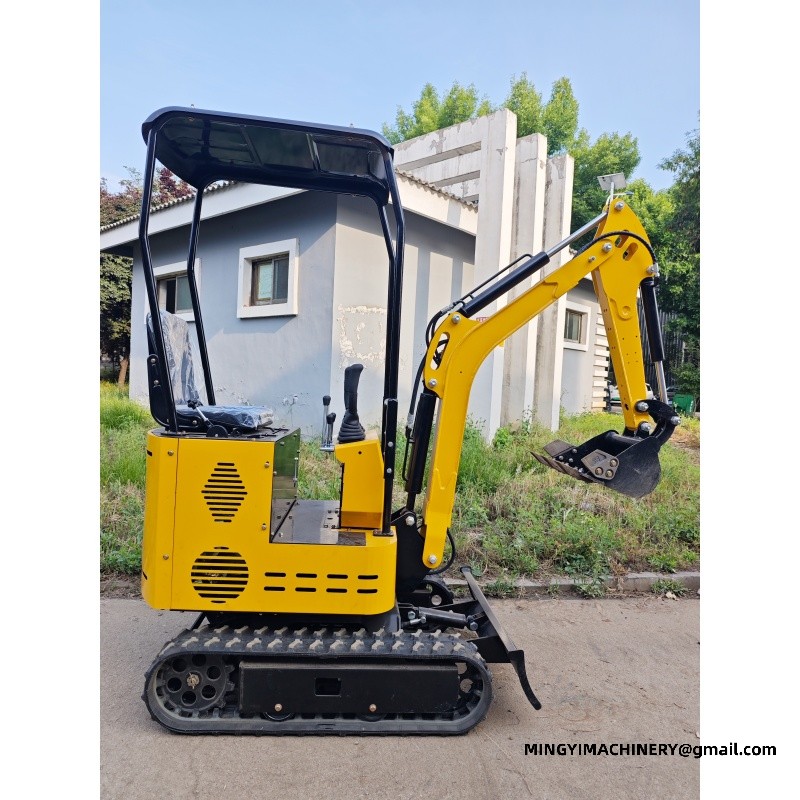
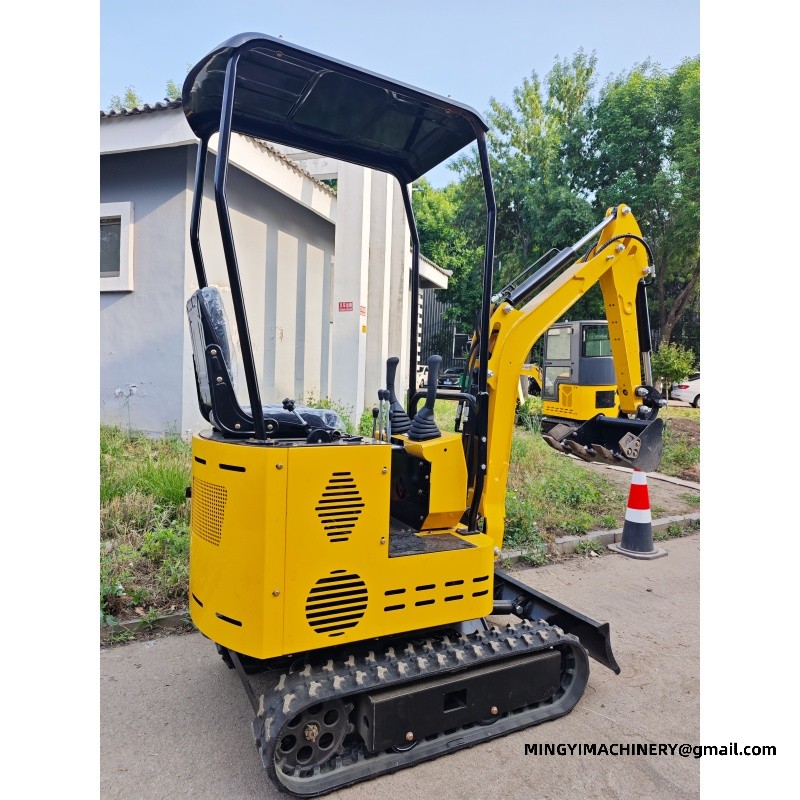
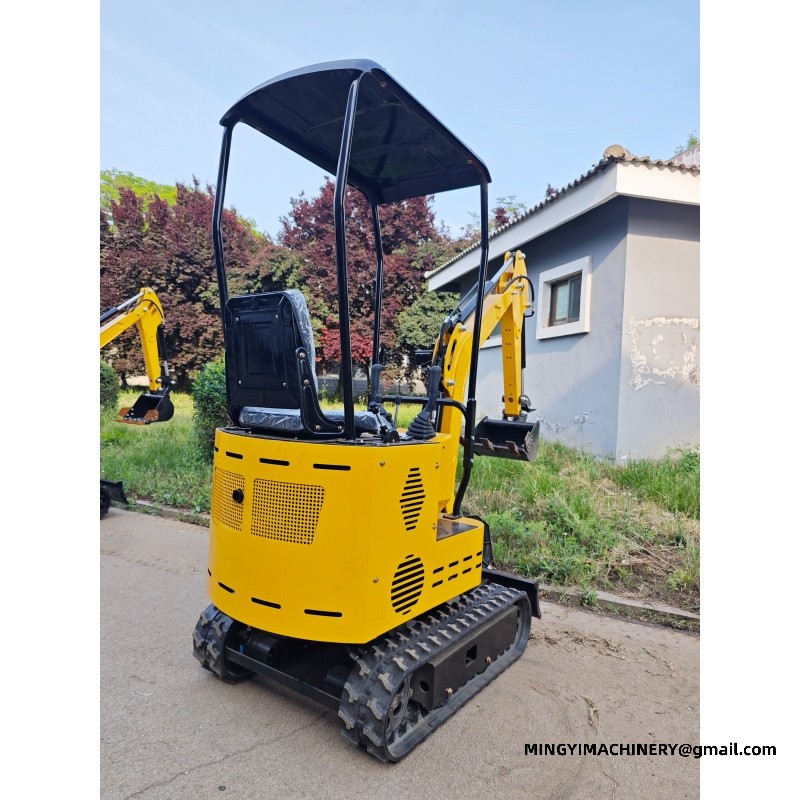
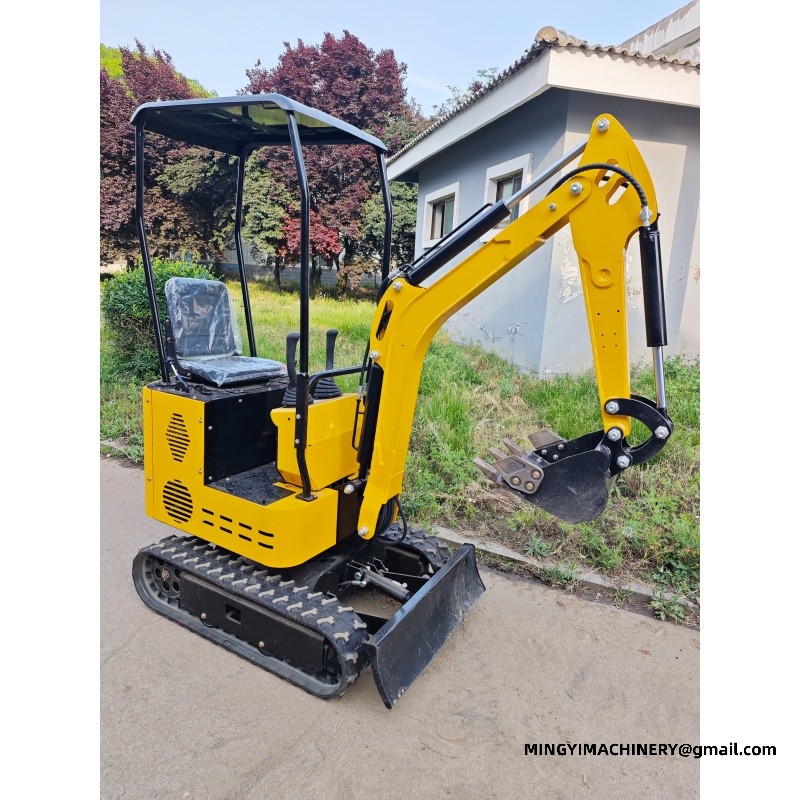
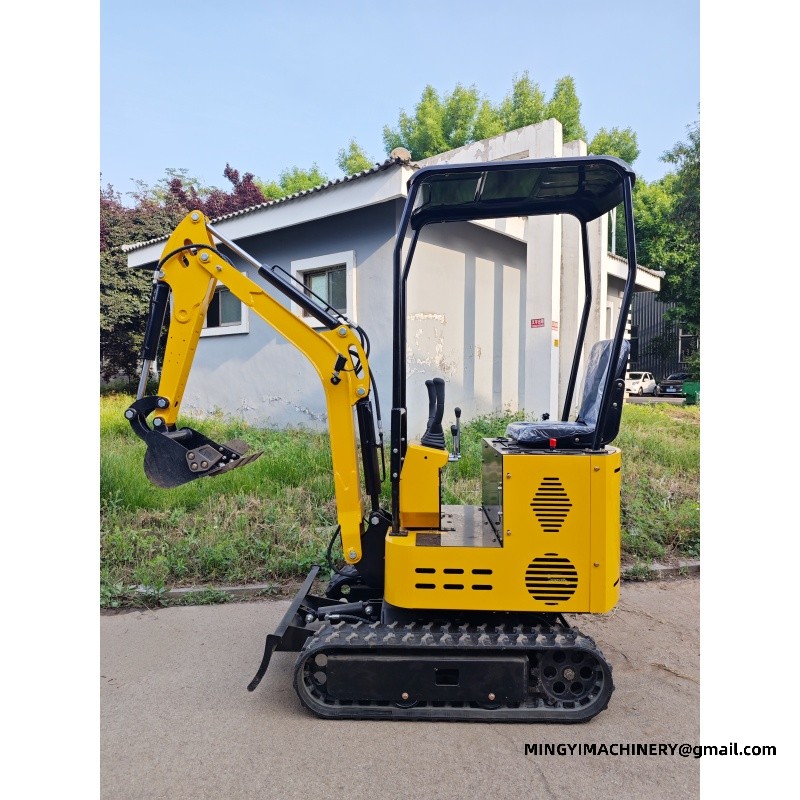
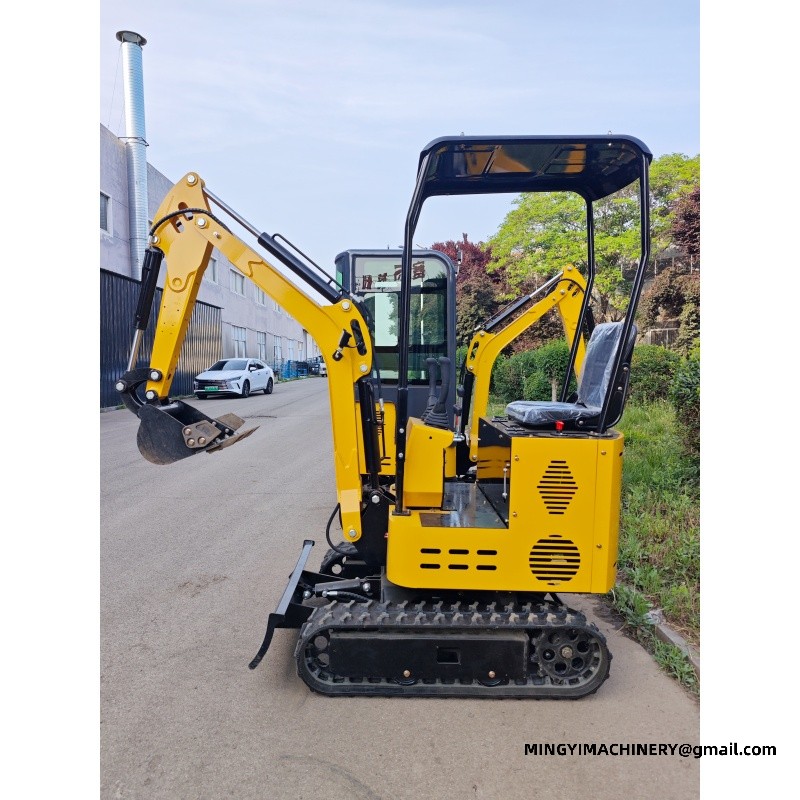
Reference specification — mini excavator range 12W 20-1W 09L 15L Operating weight 1200 kg (2645.55 lb) 1800 kg (3968.32 lb) 1100 kg (2425.08 lb) 1400 kg (3086.47 lb) Transport size (L×W×H) 2200 × 930 × 2250 mm 2550 × 1100 × 2200 mm 2300 × 720 × 1870 mm 2200 × 930 × 2250 mm Max digging depth 1630 mm (64.17 in) 1800 mm (70.87 in) 1400 mm (55.12 in) 1700 mm (66.93 in) Max digging height 2750 mm (108.27 in) 2820 mm (111.02 in) 2800 mm (110.24 in) 2750 mm (108.27 in) Max dumping height 1960 mm (77.17 in) 2050 mm (80.71 in) 1880 mm (74.02 in) 1960 mm (77.17 in) Max digging radius 2900 mm (114.17 in) 3050 mm (120.08 in) 2490 mm (98.03 in) 2900 mm (114.17 in) Max digging distance 2100 mm (82.68 in) 2300 mm (90.55 in) 2000 mm (78.74 in) 2300 mm (90.55 in) Minimum turning radius 1300 mm (51.18 in) 1450 mm (57.09 in) 1400 mm (55.12 in) 1450 mm (57.09 in) Travel speed 3 km/h (1.86 mph) 5 km/h (3.11 mph) 3 km/h (1.86 mph) 3 km/h (1.86 mph) Gradeability 30° 30° 30° 30° Fuel consumption 1-1.3 L/h (0.264—0.343 gal) 2-3 L/h (0.528—0.793 gal) 1-1.3 L/h (0.264—0.343 gal) 1-1.3 L/h (0.264—0.343 gal) Fuel tank capacity 10 L (2.64 gal) 16 L (4.23 gal) 8 L (2.11 gal) 10 L (2.64 gal) Hydraulic oil tank 16 L (4.23 gal) 18 L (4.76 gal) 16 L (4.23 gal) 16 L (4.23 gal) Dozer blade lift height 180 mm (7.09 in) 180 mm (7.09 in) 180 mm (7.09 in) 180 mm (7.09 in) Dozer blade drop depth 210 mm (8.27 in) 210 mm (8.27 in) 210 mm (8.27 in) 210 mm (8.27 in)
Q. What is a machine built for the work?
A. One machine, one trailer, one operator and a full week of varied work is the whole idea behind the compact excavator class. Trenching on Monday, loading and grading through the week, fence posts and drainage to finish - the attachment set specifications the work. The equipment in service is one of the pages buyers land on when comparing machines for movable construction, and the factory treats it as a specification conversation rather than a catalogue line.
Q. What can I expect from a compact excavator in a normal week?
A. Trenching one day, loading and grading the next, fence posts and drainage through the rest - one machine, one trailer, one operator, and the attachment set specifications the work.
Q. Which models does MINGYI build?
A. The 08, 12 and 18 models cover the 0.8 to 6 tonne class with engine, track, cab and attachment options across the range - dealer programmes can mix models in one shipment, and each movable construction machine is confirmed on its own build sheet.
A second operator for the excavator
A machine that only one person can use is a single point of failure. Training a second operator on this class of machine takes a day and removes the dependency that otherwise governs holidays, illness and busy weeks.
Moving the unit in daily use between sites
Loading is where most damage happens. Ramps, angle of approach and the condition of the ground under them matter more than the machine when a machine of this size is being loaded, and a careful driver is worth more than a fast one.
Wear items and spares worth holding for the equipment on site
Holding spares is about downtime rather than the shelf itself. The question for the machine itself is not how large the part is but how long the machine sits while it is found, and a small shelf answers that better than a fast courier.
E-mail : sales@mingycn.com
LINE ( ID ): mingyicn
Related pages
small crawler excavator for trenching · heavy duty compact mini excavator · Wheel Loader Manufacturer: Frame Builds, Range and Export Terms · Mini Excavators









