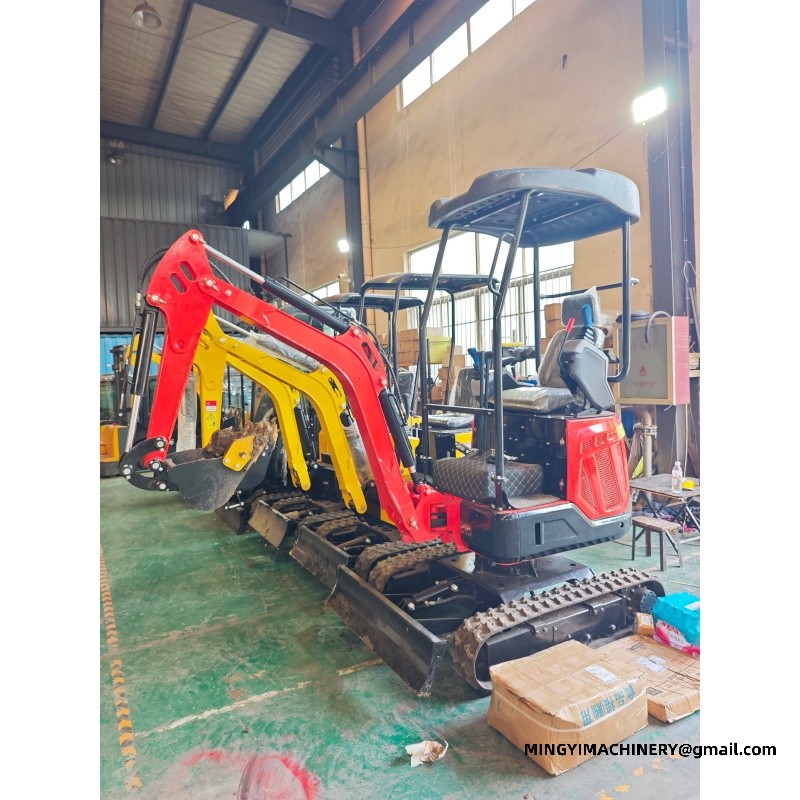
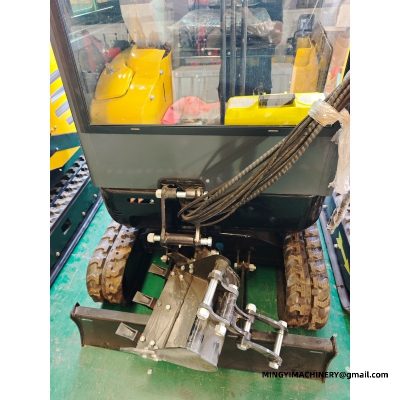
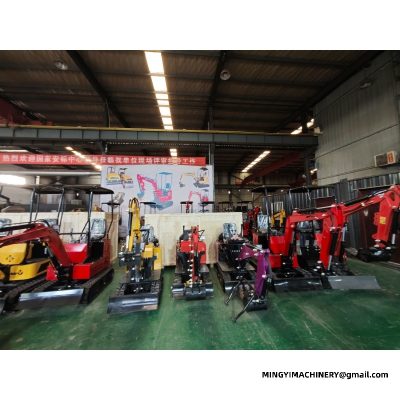
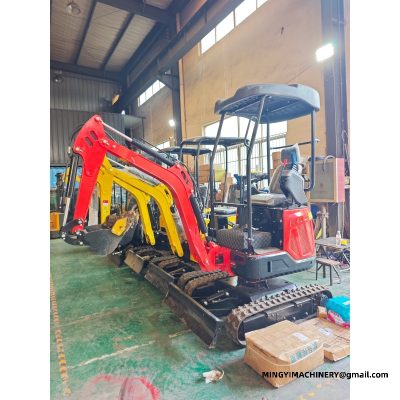
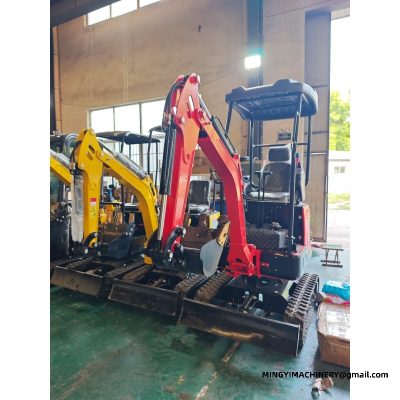
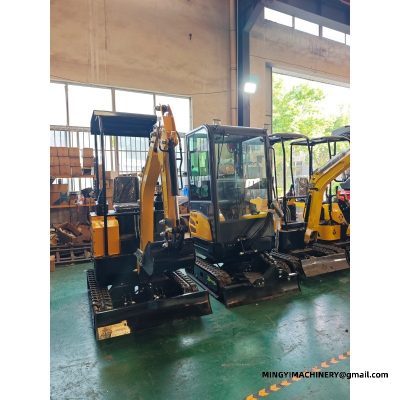
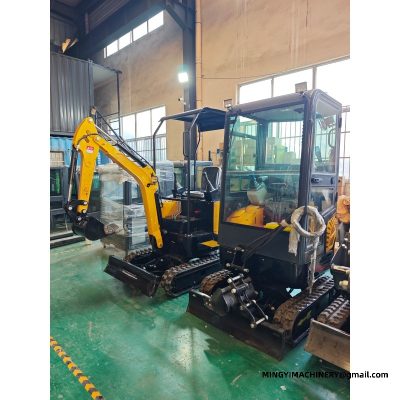
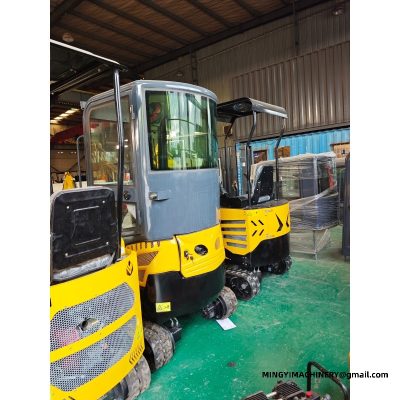
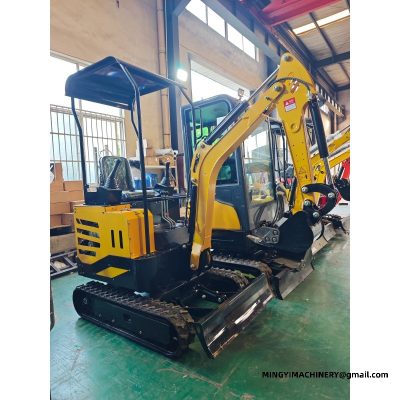
Small building firms need excavation that keeps pace with the build: footings dug to line, service connections trenched, drainage falls cut and backfill placed and compacted around finished work. A compact excavator sized to the plot and the transport does this without hiring larger plant.
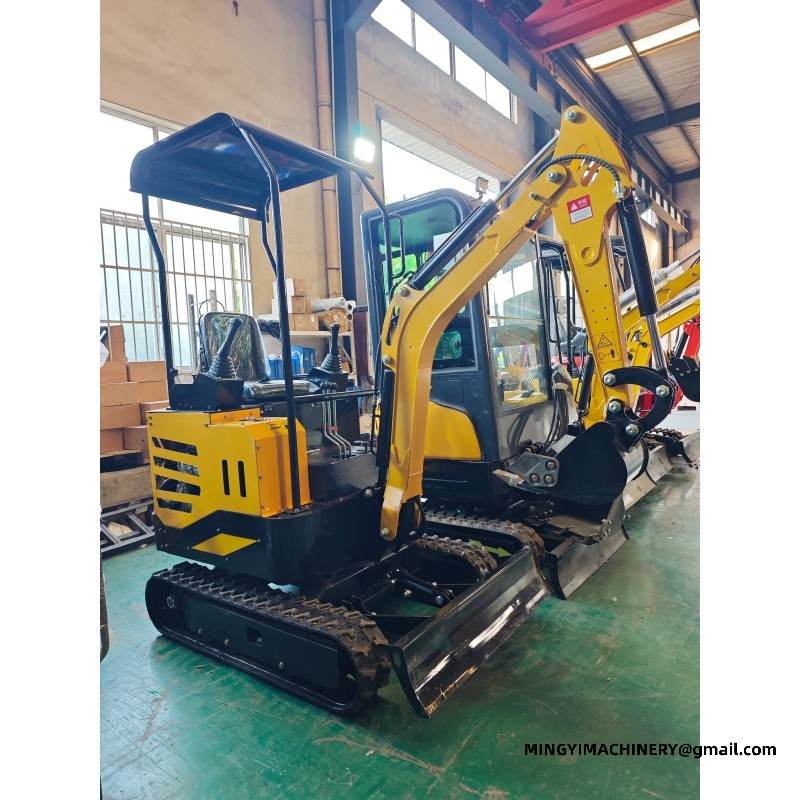
MINGYI supplies compact excavators specified for building project duty, in classes across the range and configured at the ordering stage. Enclosed cabs, track options and the attachment set are matched to the phases of a typical build.
Excavation around a building project
The machine digs foundation and footing trenches, opens the service runs for water, power and drainage, and cuts levels around the structure as it rises. Between phases it handles spoil, loading muck away and placing fill where levels need building up.
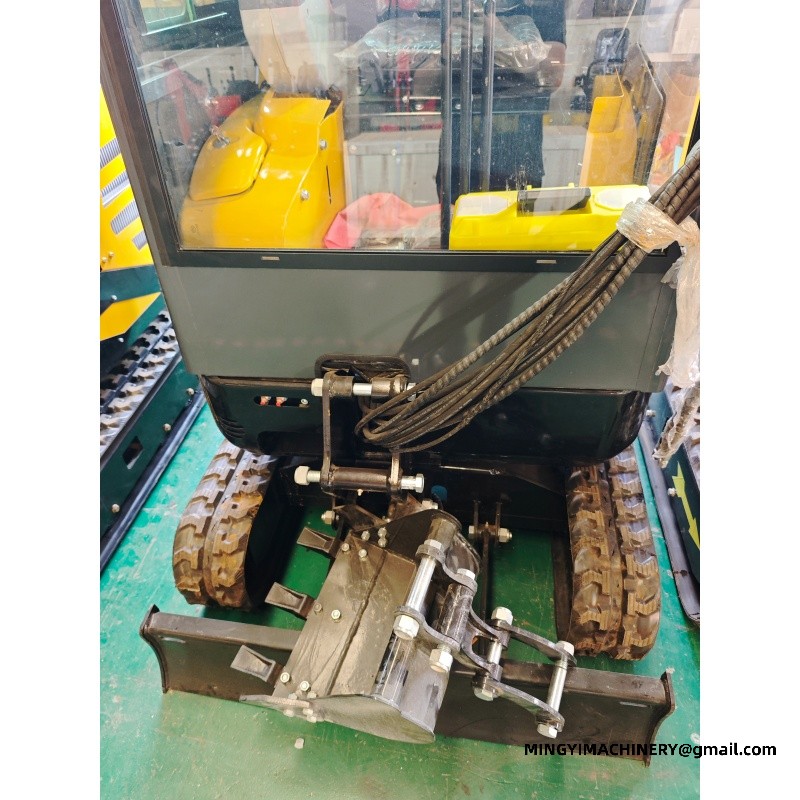
Once the shell is up, the same carrier runs a breaker on old slabs during renovation work, augers post holes for fences and external works, and finishes backfill with a compaction wheel rather than a plateau of loose fill.
Machine configuration for builders
Building sites favour steel tracks with rubber blocks for mixed and rubble-strewn ground, and an enclosed cab once the job runs through winter. A hydraulic quick coupler makes the bucket to breaker to auger changes short enough to use within the working day.
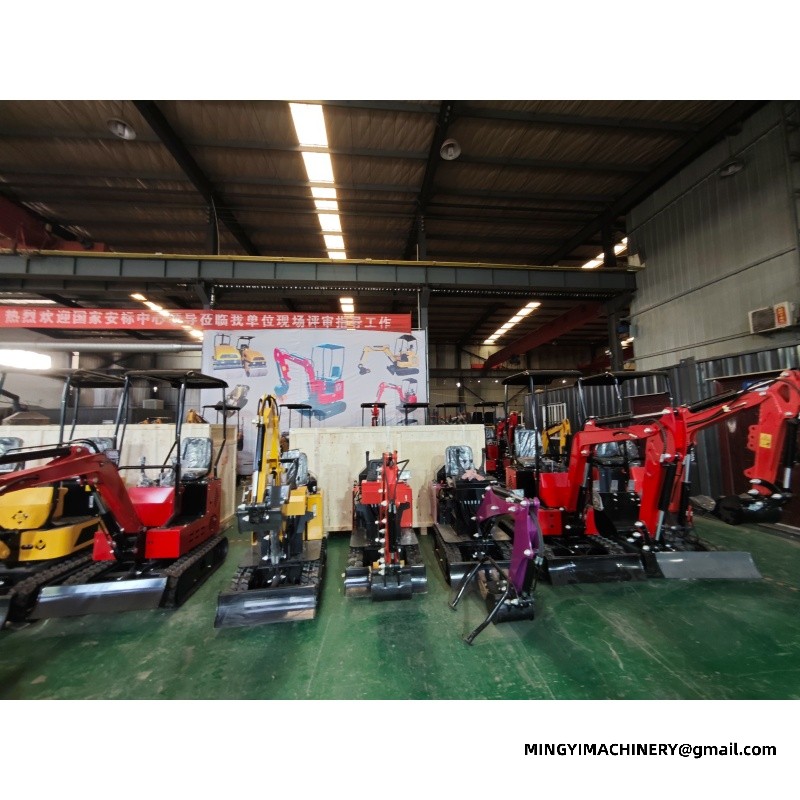
Ordering should state the typical plot access, the footing and trench sizes dug, and the attachments the build programme expects. The class and specification are then fixed to that brief and recorded against the machine.
Excavation that tracks the build keeps the programme moving. MINGYI configures each machine to the projects described by the builder buying it, so groundwork runs from first footing to final backfill on the same carrier.
Matching compact excavator for building projects to ground conditions Soft ground is a flotation problem, not a power problem. The excavator on wide rubber tracks crosses lawn, sand and cultivated soil that would stop a narrower machine or a wheeled unit of the same capacity. Hard and abrasive ground reverses the specification. On rock, demolition rubble or sharp gravel, steel tracks with rubber blocks on this class of machine survive conditions that cut a rubber belt quickly. Track choice for compact excavator for building projects Rubber tracks suit paved and landscaped ground because they spread the machine weight and leave the surface intact. Steel tracks with rubber blocks are specified where the ground is rougher or the working day is longer, and the choice can be made per machine rather than accepted as a factory default. Track type changes what the machine can cross and what it leaves behind. Buyers specify rubber for lawns, driveways and municipal work, and steel with rubber blocks for sites where sharp material would cut a rubber belt in a week. Noise, dust and working near occupied buildings Work near housing or occupied premises brings constraints that open sites do not. Start times, exhaust condition and how often the unit in daily use needs to reverse are the practical limits that neighbours notice. Enclosure and machine condition both reduce noise. A machine of this size with intact panels, sound mounts and a maintained exhaust is measurably quieter than the same machine with loose guards, and the difference matters on restricted sites. Trailering and moving compact excavator for building projects Loading practice matters as much as the numbers. The equipment on site is driven up ramps under its own power with the boom lowered and the tracks aligned, and secured at the points the manufacturer specifies. Detachable components reduce transport length. The machine itself built with a removable arm section or a folding step fits a shorter trailer and may avoid an oversize movement permit. Working near live services with compact excavator for building projects The risk on utility work is not machine power but machine placement. The model in question that fits the working width leaves the surrounding ground undisturbed, which keeps the trench stable and the reinstatement small. Utility crews specify the machine in that duty with a narrow bucket and good visibility for exactly this reason: the machine has to stop at the service, not at the edge of the operator's view. Attachments that turn compact excavator for building projects into several machines Attachment lists are best written before delivery. Specifying the unit on the job with the tools the job list needs avoids the work and delay of adding hydraulics later, and a quick coupler makes the swap a few minutes instead of a workshop job. Most of the daily variety on a machine built for the work comes from the attachment rack rather than from the machine itself. Bucket, breaker, auger, ripper, rake and grab cover the large majority of the work a contractor will see. Landscaping and ground care with the equipment in service Landscape contractors use the excavator for planting holes, pond excavation, grading and retaining work. The machine is light enough to cross finished lawn and narrow enough to work between established trees. On soft landscape work the surface is the constraint. This class of machine on rubber tracks crosses turf without stripping it, which is why the same jobs are not given to a wheeled machine. Municipal and public works with the unit in daily use Municipal crews work on streets, footpaths and parks where the public is present. A machine of this size is specified because it occupies little space, works inside a small exclusion zone and can be moved on a standard trailer. Drainage repair, tree planting, footway reconstruction and cemetery work are all within the range of the equipment on site. The jobs are small individually and continuous across the year. Road and paving work for the machine itself Patching and reinstatement favour a machine that can work in a lane closure. The model in question occupies less road than a full-size excavator, which reduces the traffic management needed and the length of the closure. Breaking out a failed slab and backfilling the same hole in one visit is normal work for the machine in that duty. The breaker and the bucket come off the same coupler, so the road is reopened the same day. Quick coupler practice on the unit on the job Couplers are specified early because they affect the arm and the hydraulic kit. Adding one to a machine built for the work after delivery means new pins, new hoses and a fitment session; adding it at build time is a line on the sheet. For a fleet that shares attachments between machines, a common coupler standard matters more than the coupler brand. The equipment in service that picks up the same tools as the larger machines keeps the rack usable across the yard. Boom configuration for the excavator A swing boom lets the machine dig parallel to its tracks without repositioning, which is what makes trenching beside a wall or a fence practical. On this class of machine this is often the option that decides whether a job is possible at all. Detachable boom sections are used where transport length matters. The unit in daily use that has to travel on a standard trailer can be built so the arm comes off for the road and goes back on at the site. Specification data for a machine of this size Where the equipment on site is being specified for a job list, the table below gives the factory figures that matter most: what the machine weighs, how deep and how far it works, and what it measures on a trailer. Figures are factory figures and are confirmed on the build sheet for the machine itself. Where a job sits between two models, the larger machine usually takes less time than the smaller one spends on rework. The specification that rents best is usually the simplest one to explain at the counter. The model in question with rubber tracks, a canopy and a coupler covers the majority of weekend and short-term hires. Fleet buyers also weigh transport. The machine in that duty that a customer can tow on a normal licence and a standard trailer is a hire that does not need a delivery truck, which changes how often it goes out.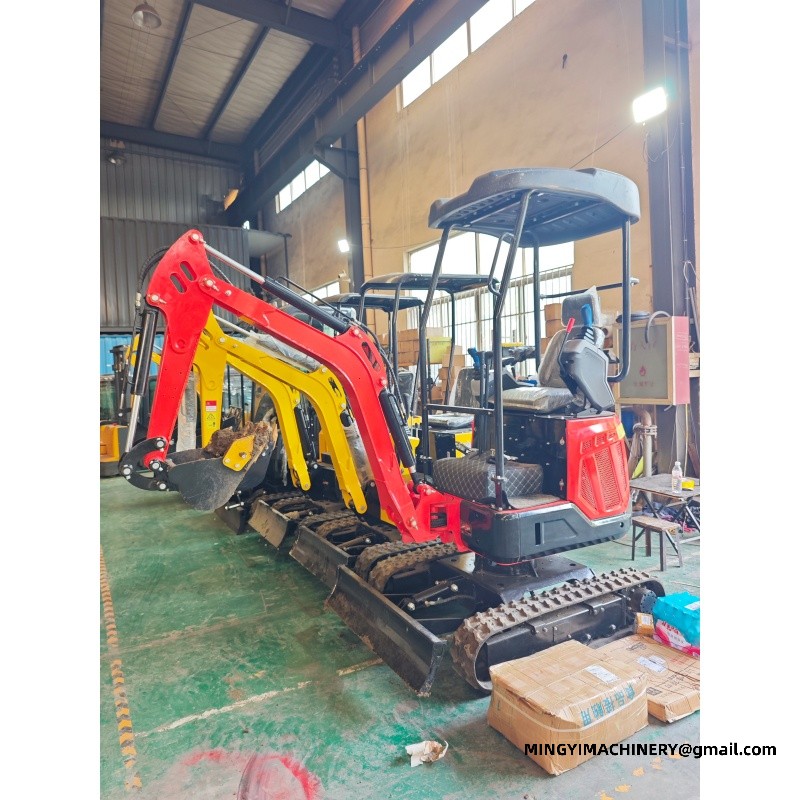
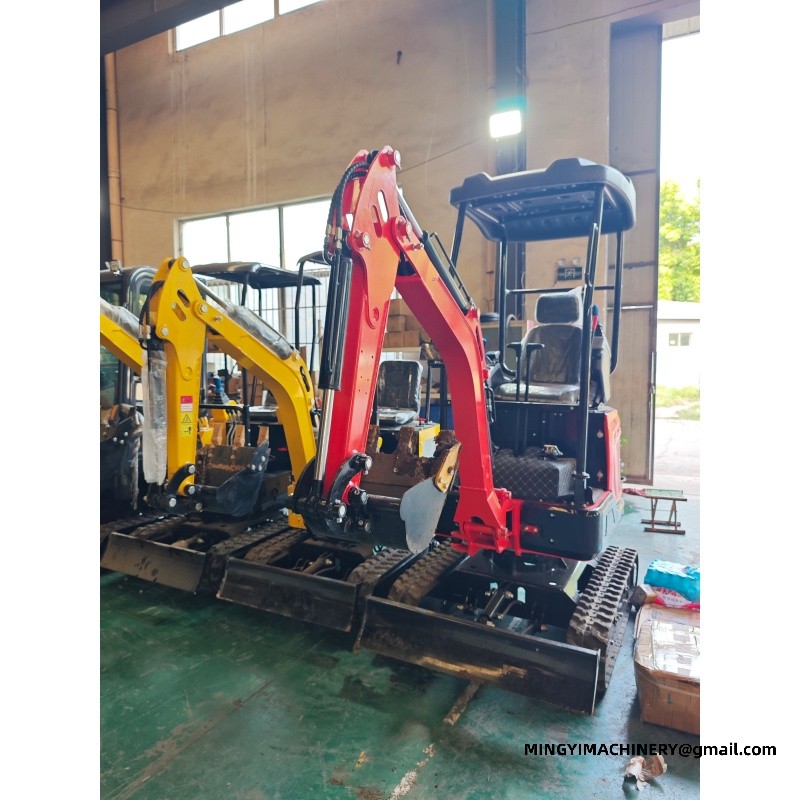
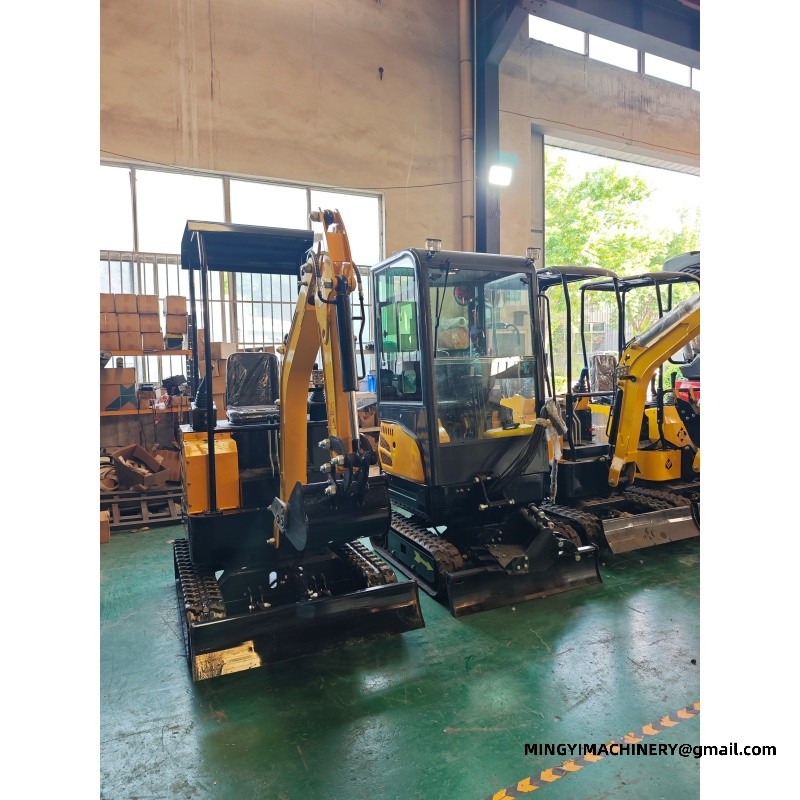
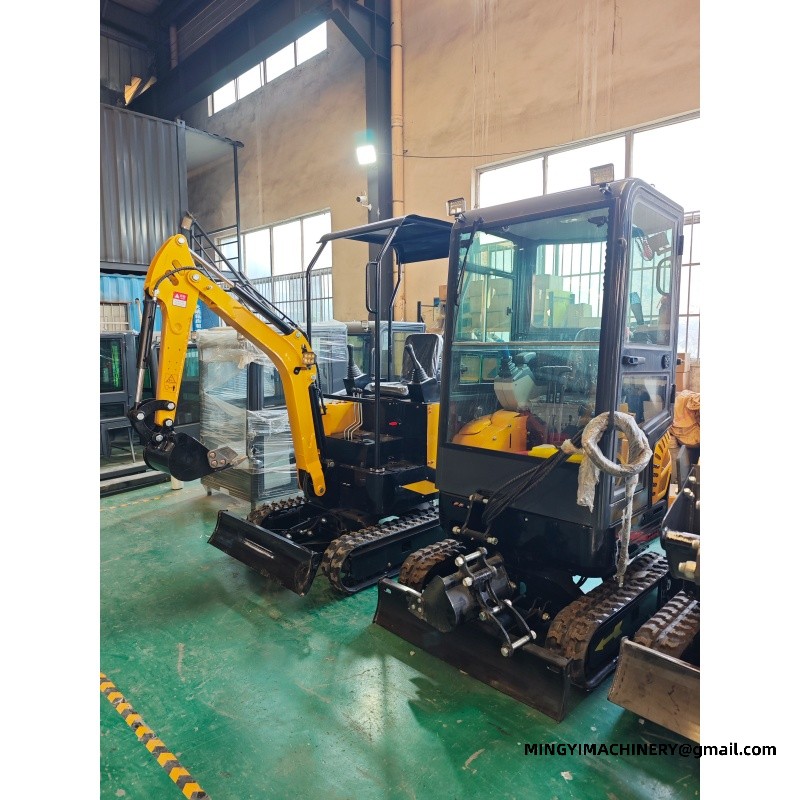
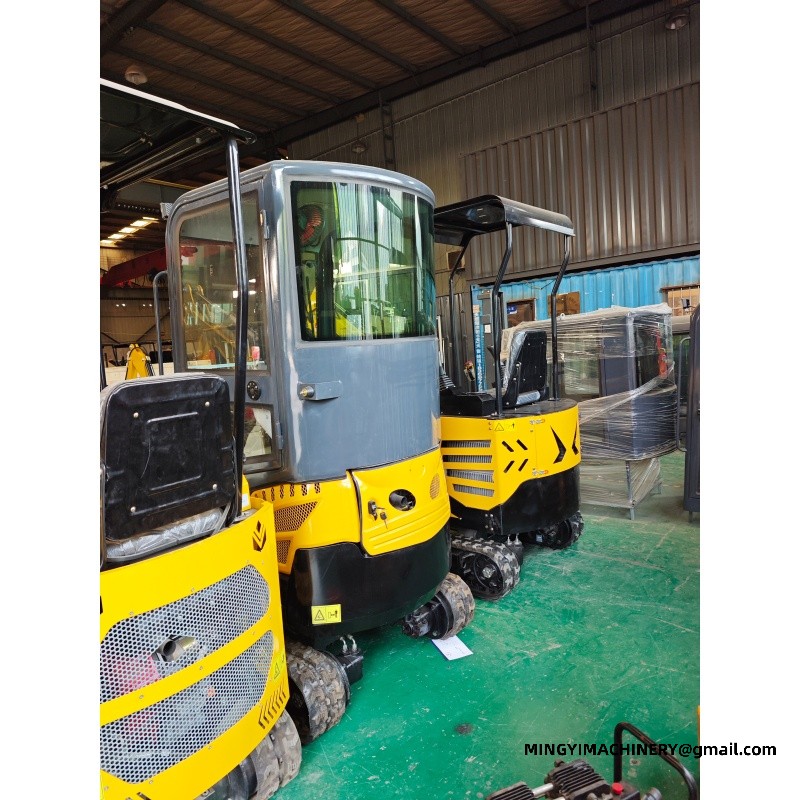
Reference specification — mini excavator range 20-1WL 30-1W 09L 25L Operating weight 1900 kg (4188.78 lb) 2900 kg (6393.41 lb) 1100 kg (2425.08 lb) 2200 kg (4850.17 lb) Transport size (L×W×H) 2550 × 1100 × 2200 mm 3000 × 1250 × 2780 mm 2300 × 720 × 1870 mm 3000 × 1300 × 2700 mm Max digging depth 1800 mm (70.87 in) 2200 mm (86.61 in) 1400 mm (55.12 in) 2300 mm (90.55 in) Max digging height 2820 mm (111.02 in) 3400 mm (133.86 in) 2800 mm (110.24 in) 3100 mm (122.05 in) Max dumping height 2050 mm (80.71 in) 2400 mm (94.49 in) 1880 mm (74.02 in) 2050 mm (80.71 in) Max digging radius 3050 mm (120.08 in) 4000 mm (157.48 in) 2490 mm (98.03 in) 3900 mm (153.54 in) Max digging distance 2300 mm (90.55 in) 2800 mm (110.24 in) 2000 mm (78.74 in) 3100 mm (125.05 in) Minimum turning radius 1450 mm (57.09 in) 2000 mm (78.74 in) 1400 mm (55.12 in) 1800 mm (70.87 in) Travel speed 5 km/h (3.11 mph) 5 km/h (3.11 mph) 3 km/h (1.86 mph) 7 km/h (4.35 mph) Gradeability 30° 30° 30° 30° Fuel consumption 2-3 L/h (0.528—0.793 gal) 2-3 L/h (0.528—0.793 gal) 1-1.3 L/h (0.264—0.343 gal) 2-3 L/h (0.528—0.793 gal) Fuel tank capacity 16 L (4.23 gal) 16 L (4.23 gal) 8 L (2.11 gal) 16 L (4.23 gal) Hydraulic oil tank 18 L (4.76 gal) 20 L (5.28 gal) 16 L (4.23 gal) 18 L (4.76 gal) Dozer blade lift height 180 mm (7.09 in) 420 mm (16.54 in) 180 mm (7.09 in) 230 mm (9.06 in) Dozer blade drop depth 210 mm (8.27 in) 210 mm (8.27 in) 210 mm (8.27 in) 280 mm (11.02 in)
Q. Who uses the unit on the job?
A. The compact class exists for the jobs in between - too much for hand tools, too tight or too short for a full-size machine. Trenching on Monday, loading and grading through the week, fence posts and drainage to finish - the attachment set specifications the work. For building projects applications the practical route is to send the job list to the factory and let the build sheet answer it - which is exactly what this page invites.
Q. How do I choose the right machine for mixed work?
A. List the jobs in a normal month, find the narrowest access and the deepest dig, then size the machine to both. Send the list to the factory by email or LINE and the recommendation comes back matched to the work, not to the stock.
Q. Which models does MINGYI build?
A. The 08, 12 and 18 models cover the 0.8 to 6 tonne class with engine, track, cab and attachment options across the range - dealer programmes can mix models in one shipment, and each building projects machine is confirmed on its own build sheet.
Storage and long idle periods for a machine built for the work
The battery and the fuel are the first things to suffer in storage. Preparing the equipment in service properly at the start of the idle period avoids the flat battery and the contaminated tank that greet an unprepared machine.
Keeping a service record for the excavator
A written record is worth more than a good memory. Dates, hours and the parts fitted on this class of machine turn a guess about the next service into a fact, and they are the first thing a buyer asks to see.
A second operator for the unit in daily use
Training is simpler than repair. An hour spent with a new operator on a machine of this size, covering the limits and the awkward cases, is the least lengthy hour in the whole ownership.
E-mail : sales@mingycn.com
LINE ( ID ): mingyicn
Heat and hydraulic temperature in compact excavator for building projects
Cooling cores blocked with dust or seed husks are the common cause in summer, and cleaning them from the inside out works better than washing the face of the radiator.
Continuous high-flow work in high ambient temperature is where a duty cycle helps, because a short pause every hour cools the system more than a long stop at midday.
Related pages
countryside farmland mini digger · compact mini excavator for narrow access · Wheel Loader for Construction Site: Tipper Clearance and Cycle Time · Mini Excavators









