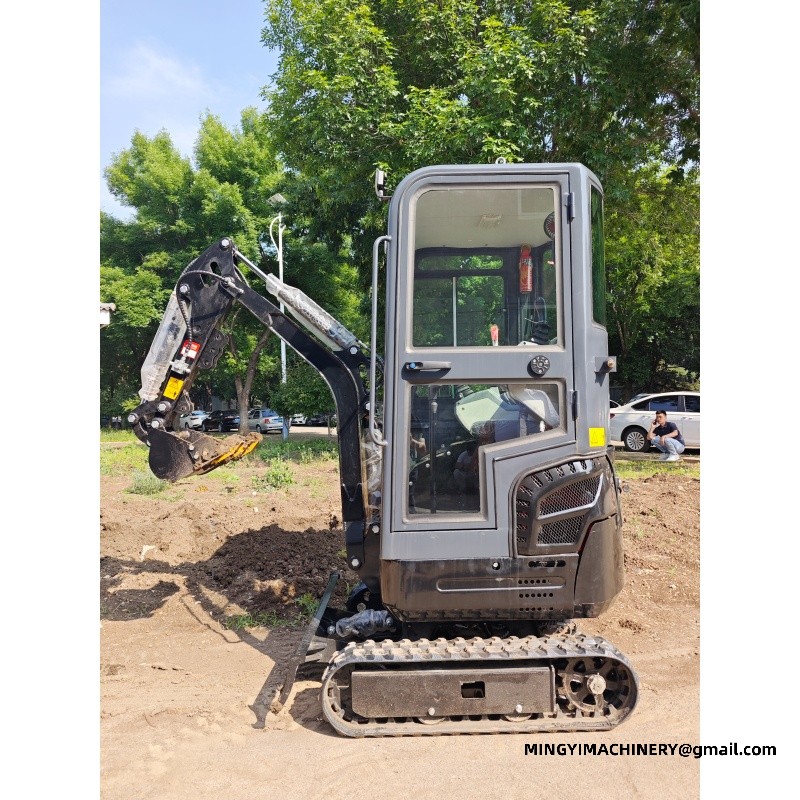
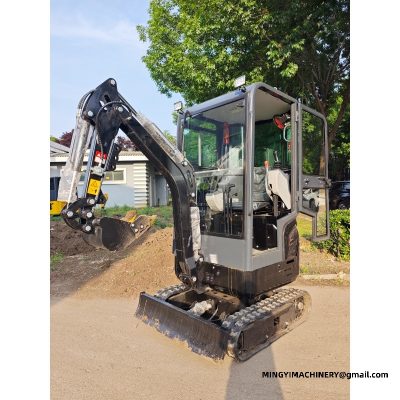
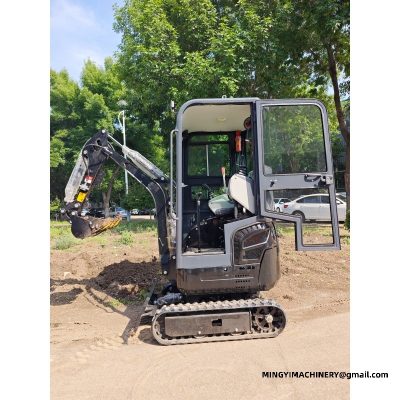
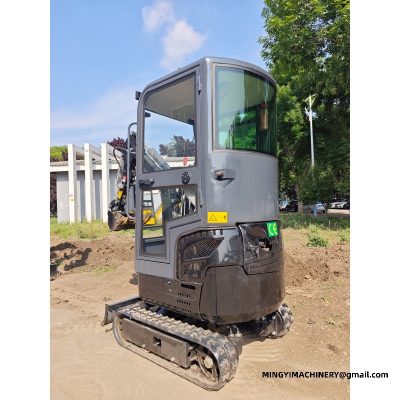
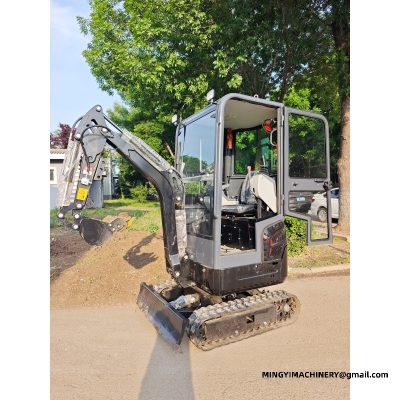
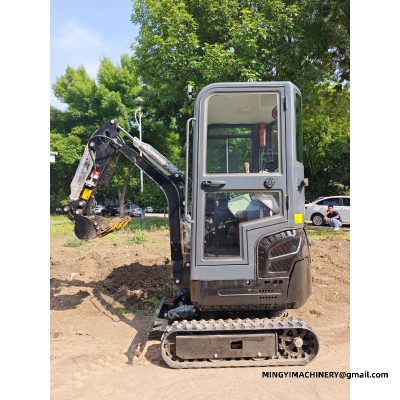
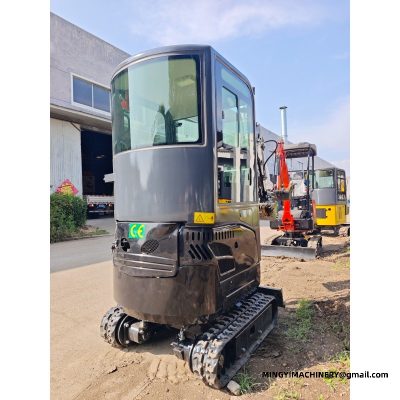
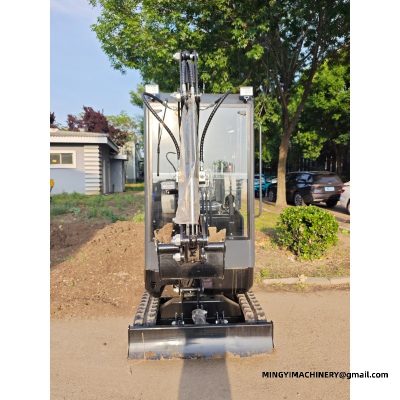
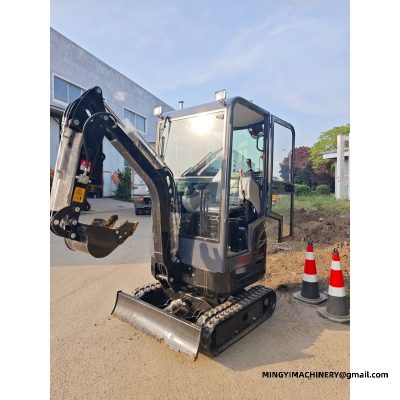
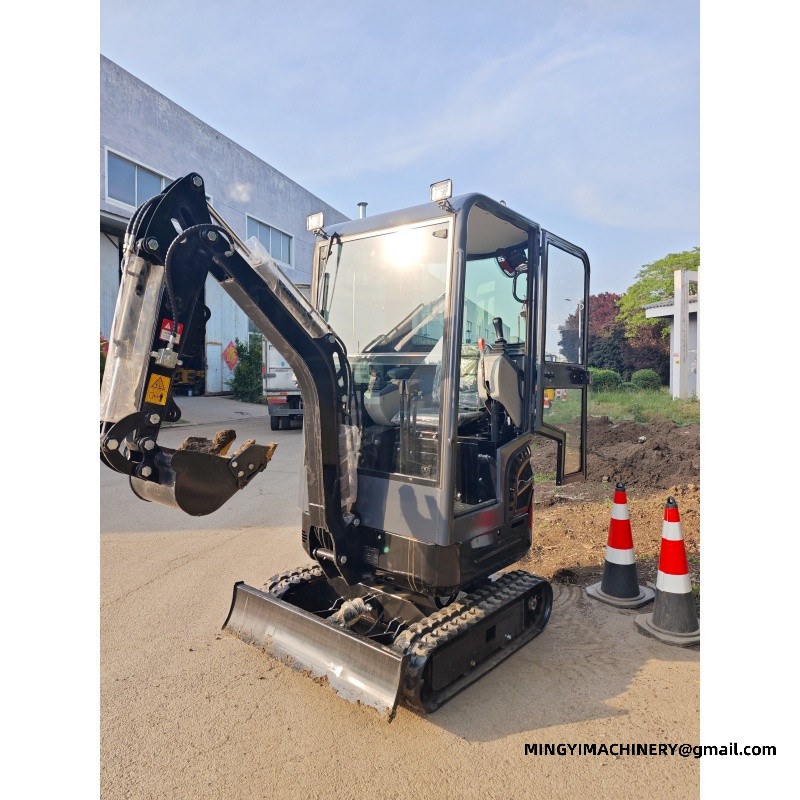
When snow closes a yard, a service road or a site entrance, the fastest way to reopen it is often the machine already standing on site. A compact mini digger with the right bucket or blade can clear snow without a dedicated winter vehicle.
MINGYI builds compact crawler diggers to order, and machines for winter duty are specified with the cold in mind. Attachment choice, engine and starting arrangements are agreed before the unit is built.
Snow removal with a compact mini digger
Snow clearing is a pushing and loading job rather than a digging one. A wide bucket or a blade clears an entrance in long passes, while a bucket lifts the piled snow onto a bank where it will not block the route again.
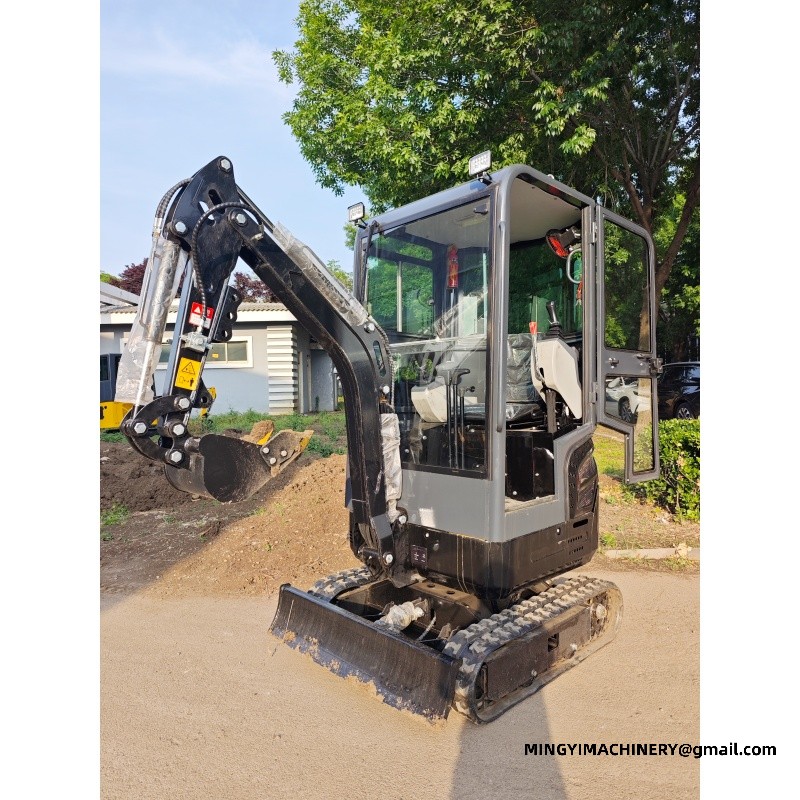
The machine's compact size suits the places that matter most in winter: footpaths, loading areas, narrow access roads and doorways that a larger vehicle cannot reach without damaging kerbs.
Buckets, blades and cold weather starting
Cold weather puts emphasis on starting and on the hydraulic oil reaching working temperature. An engine that starts reliably and a machine that can be warmed steadily before loading make a short winter shift productive.
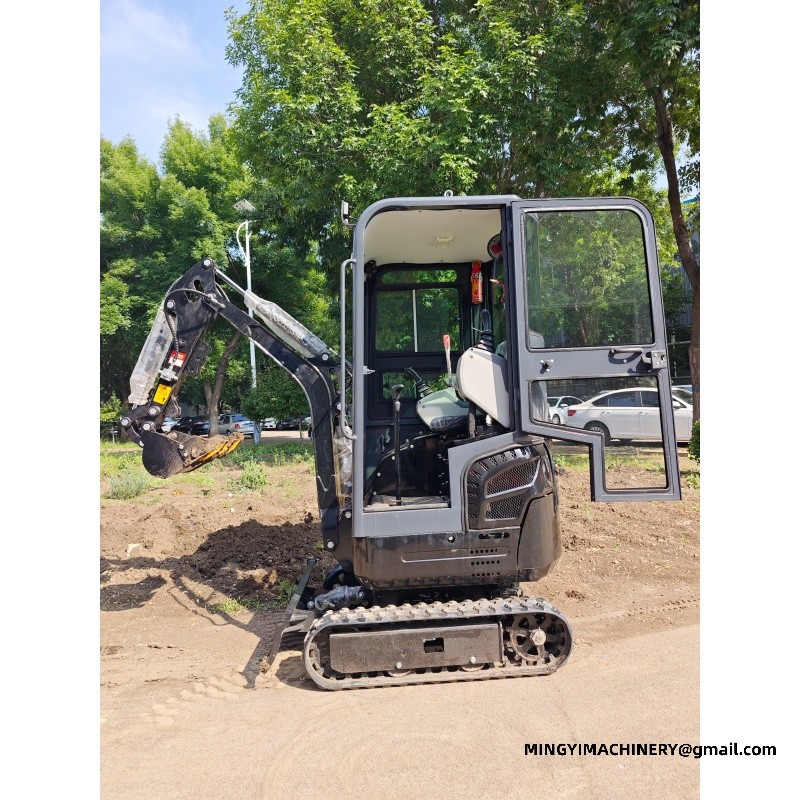
Attachments are kept simple for winter duty so the operator can switch between clearing and loading without leaving the cab. Each one is listed against the machine, so the winter set can be added to or replaced later.
For many sites snow clearing is a few weeks of the year, and a dedicated vehicle rarely earns its effort. A compact digger that is already on site and can carry a blade or a wide bucket covers the need with equipment that works the rest of the year.
Quick coupler practice on snow removal compact mini digger Couplers are specified early because they affect the arm and the hydraulic kit. Adding one to the excavator after delivery means new pins, new hoses and a fitment session; adding it at build time is a line on the sheet. For a fleet that shares attachments between machines, a common coupler standard matters more than the coupler brand. This class of machine that picks up the same tools as the larger machines keeps the rack usable across the yard. Interior and light demolition with snow removal compact mini digger Breaking out a floor slab, a wall footing or a concrete step is routine work for the unit in daily use with a breaker. The machine is small enough to work inside and heavy enough to run the tool at a practical rate. Dust, debris clearance and floor loading all argue for a compact machine indoors. A machine of this size spreads its weight over a wider track footprint than a wheeled machine of similar capacity. Hydraulic circuits on a snow removal compact mini digger Auxiliary hydraulic lines are what let a machine drive a tool rather than only a bucket. The equipment on site specified with the right circuits and flow runs a breaker or an auger without an add-on power pack bolted to the frame. Hydraulic specification is easier to settle at build time than to correct later. The machine itself delivered without auxiliary lines can still dig, but every additional tool becomes a retrofit project. Working a snow removal compact mini digger through the seasons Weather decides which days are productive. Rain turns some ground unusable and cold changes how the model in question starts and warms up, so planning the wet months around maintenance is more useful than planning around output. Seasonal planning smooths the workload. Machines that are busy for a few months and idle for the rest benefit from a service slot in the quiet period, and the machine in that duty prepared in the off-season starts the busy months reliably. Working a snow removal compact mini digger in confined spaces Confined sites are decided by dimensions. Overall width, tail swing and the space needed to work the arm are what let the unit on the job operate inside a building, between walls or in a courtyard. Ventilation is the other indoor constraint. Running a machine built for the work inside a closed structure needs air movement, and that is a planning item rather than something to discover after the first hour. OEM and fleet customisation of snow removal compact mini digger Customisation also covers the specification sheet. A fleet buyer may want every the excavator delivered with the same coupler, the same engine and the same tool kit so training and parts stock stay simple. Documentation can be prepared to suit the importer. Manuals, parts books and decal sets for the equipment in service can be supplied with the buyer's own branding where the order size justifies it. Track choice for this class of machine Rubber tracks suit paved and landscaped ground because they spread the machine weight and leave the surface intact. Steel tracks with rubber blocks are specified where the ground is rougher or the working day is longer, and the choice can be made per machine rather than accepted as a factory default. Track type changes what the machine can cross and what it leaves behind. Buyers specify rubber for lawns, driveways and municipal work, and steel with rubber blocks for sites where sharp material would cut a rubber belt in a week. Daily checks and maintenance on the unit in daily use Daily maintenance on a machine of this size is a short list: engine oil level, coolant, track tension, hydraulic oil level and a look at the hoses. Ten minutes at the start of the shift prevents most of the failures that stop a machine. Track tension is the item most often neglected. The equipment on site run with slack tracks wears the undercarriage and can throw a track on a turn; run too tight, the same components wear from the other direction. Working near live services with the machine itself Digging near water, gas and cable is a precision job. The model in question is used here because the operator can work in short controlled cuts and because the machine can be positioned without driving over the run being exposed. The risk on utility work is not machine power but machine placement. The machine in that duty that fits the working width leaves the surrounding ground undisturbed, which keeps the trench stable and the reinstatement small. Noise, dust and working near occupied buildings Work near housing or occupied premises brings constraints that open sites do not. Start times, exhaust condition and how often the unit on the job needs to reverse are the practical limits that neighbours notice. Dust control is often part of the same conversation. Water, timing and work sequence reduce what leaves the site, and agreeing them in advance keeps a machine built for the work working rather than stopped after a complaint. Boom configuration for the equipment in service A swing boom lets the machine dig parallel to its tracks without repositioning, which is what makes trenching beside a wall or a fence practical. On the excavator this is often the option that decides whether a job is possible at all. Extended and offset boom configurations change reach and working range. This class of machine with a longer arm reaches further but lifts less at full extension, so the specification is set against the deepest and furthest point on the job list. Specification data for the unit in daily use The figures below are the factory figures for the models most often matched to a machine of this size. They are the numbers to check against the site: the depth the work needs, the reach from one position, and the width of the narrowest point on the route in. These are the reference figures for the equipment on site. MINGYI confirms the final build sheet, including engine and attachment choices, against the destination and the job list before production. Ground that looks level often is not. The machine itself crossing a filled trench, a soft edge or a hidden void behaves differently from one on undisturbed ground, and those are the places worth walking before driving. Planning the direction of travel helps. Working so that the model in question is stable under load and not required to turn on a slope is a decision made before the job starts, not a correction made during it.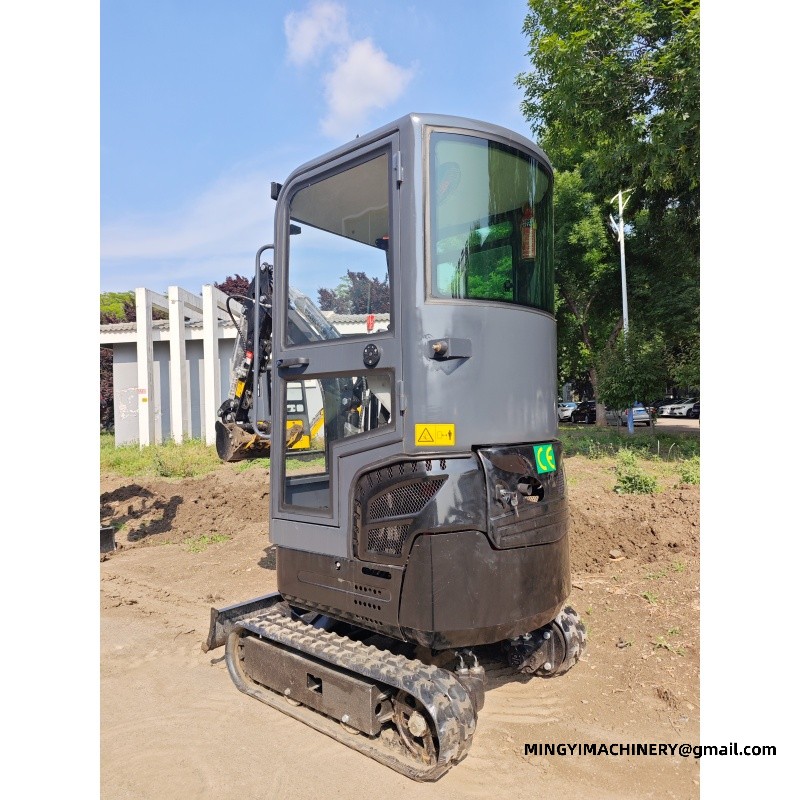
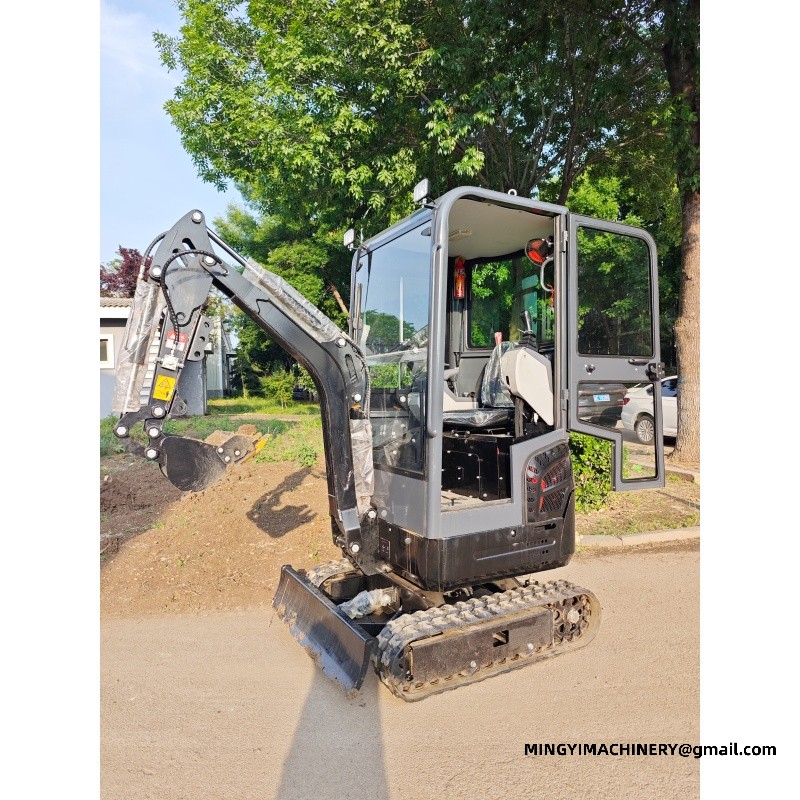
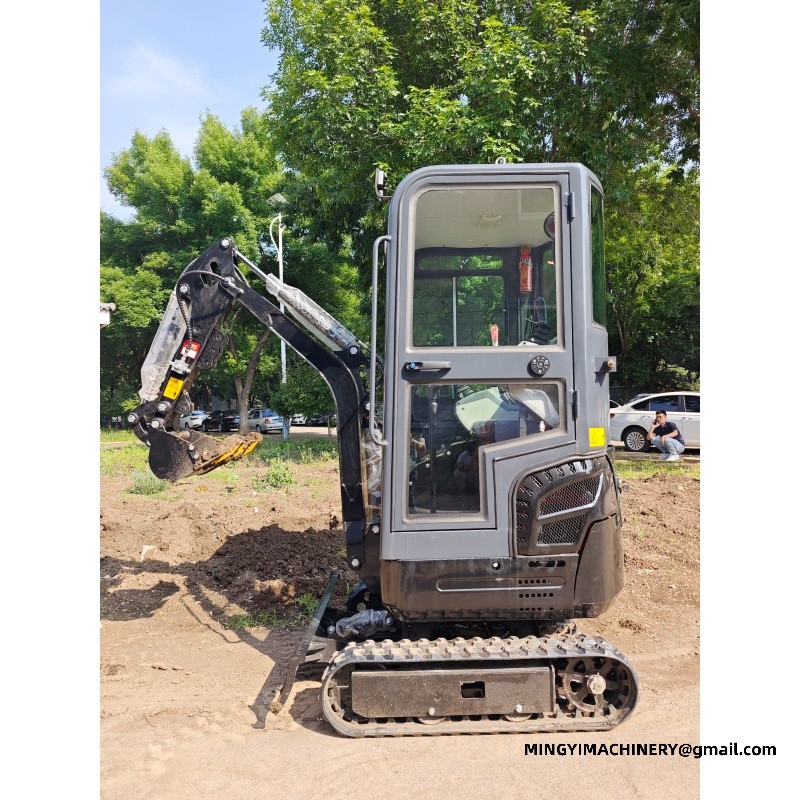
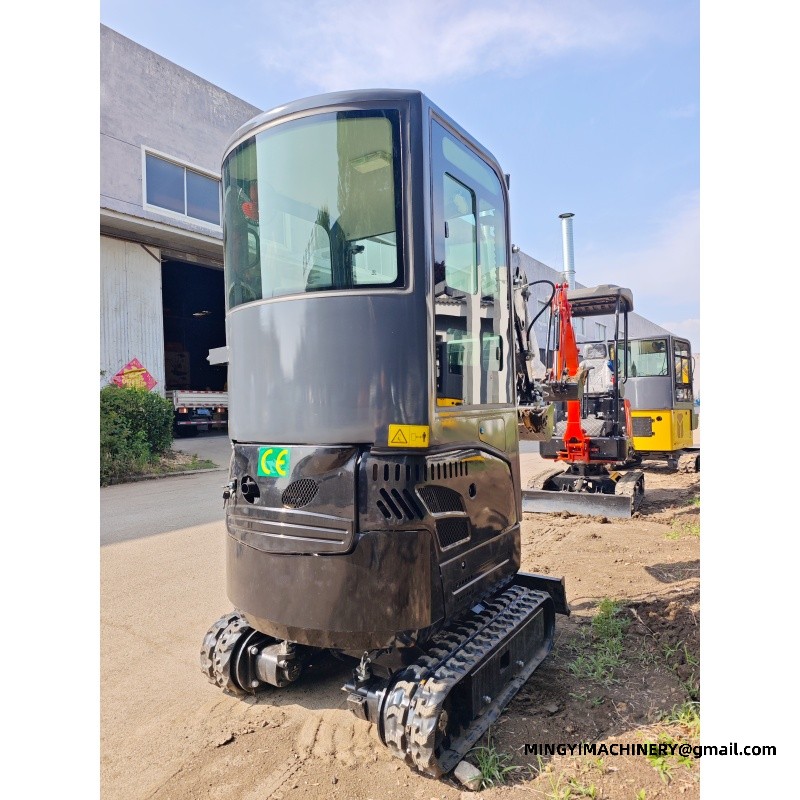
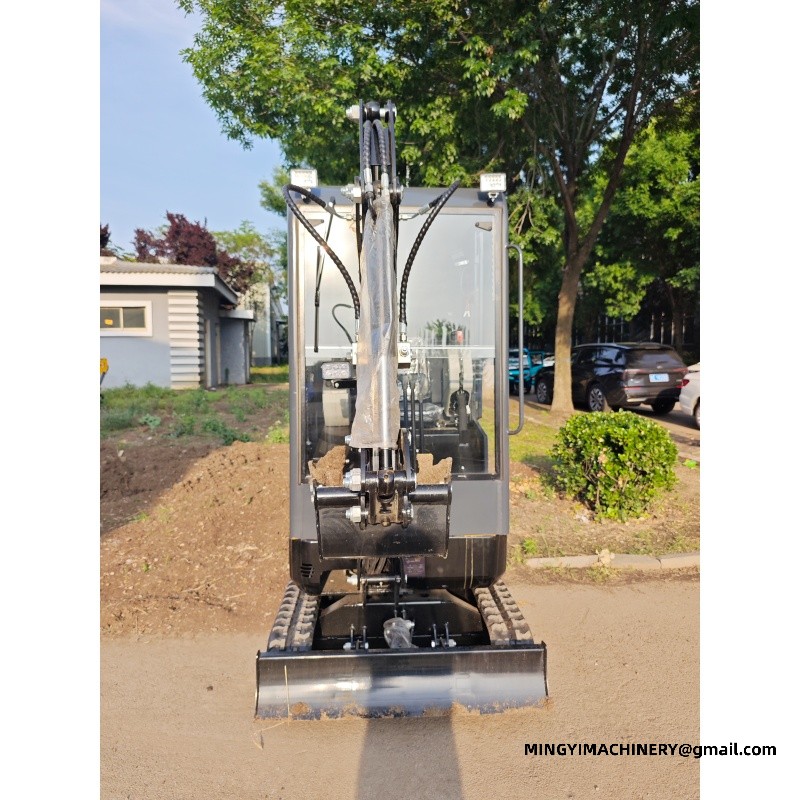
Reference specification — mini excavator range 13W 20-1W 20-1WL 30-1W Operating weight 1300 kg (2866.01 lb) 1800 kg (3968.32 lb) 1900 kg (4188.78 lb) 2900 kg (6393.41 lb) Transport size (L×W×H) 2200 × 930 × 2250 mm 2550 × 1100 × 2200 mm 2550 × 1100 × 2200 mm 3000 × 1250 × 2780 mm Max digging depth 1630 mm (64.17 in) 1800 mm (70.87 in) 1800 mm (70.87 in) 2200 mm (86.61 in) Max digging height 2750 mm (108.27 in) 2820 mm (111.02 in) 2820 mm (111.02 in) 3400 mm (133.86 in) Max dumping height 1960 mm (77.17 in) 2050 mm (80.71 in) 2050 mm (80.71 in) 2400 mm (94.49 in) Max digging radius 2900 mm (114.17 in) 3050 mm (120.08 in) 3050 mm (120.08 in) 4000 mm (157.48 in) Max digging distance 2100 mm (82.68 in) 2300 mm (90.55 in) 2300 mm (90.55 in) 2800 mm (110.24 in) Minimum turning radius 1300 mm (51.18 in) 1450 mm (57.09 in) 1450 mm (57.09 in) 2000 mm (78.74 in) Travel speed 3 km/h (1.86 mph) 5 km/h (3.11 mph) 5 km/h (3.11 mph) 5 km/h (3.11 mph) Gradeability 30° 30° 30° 30° Fuel consumption 1-1.3 L/h (0.264—0.343 gal) 2-3 L/h (0.528—0.793 gal) 2-3 L/h (0.528—0.793 gal) 2-3 L/h (0.528—0.793 gal) Fuel tank capacity 10 L (2.64 gal) 16 L (4.23 gal) 16 L (4.23 gal) 16 L (4.23 gal) Hydraulic oil tank 16 L (4.23 gal) 18 L (4.76 gal) 18 L (4.76 gal) 20 L (5.28 gal) Dozer blade lift height 180 mm (7.09 in) 180 mm (7.09 in) 180 mm (7.09 in) 420 mm (16.54 in) Dozer blade drop depth 210 mm (8.27 in) 210 mm (8.27 in) 210 mm (8.27 in) 210 mm (8.27 in)
Q. What is the machine in that duty?
A. Snow work is night work repeated every storm: clear drives, yards and access roads before the morning, then do it again. The digger stacks the snow where the melt will not refreeze across the yard, which a plough alone cannot manage. Read the unit on the job together with the engine, track and attachment pages: jobs around snow removal are decided by how those choices line up, not by any single number on the sheet.
Q. Which tools clear snow on a compact digger?
A. A quick-coupler snow package - blade or bucket - with the high-flow circuit where the tool asks for it, plus a heated, well-lit cab for night storms. The same carrier digs again in spring.
Q. What about colours and branding?
A. OEM colours and decals are part of the build: private-label machines carry the buyer brand on the standard MINGYI platform, and the snow removal order confirms colours, marks and documents before production starts.
Reading the early symptoms on a machine built for the work
Temperature and pressure are the two things worth watching. The equipment in service that runs hotter than it used to, or whose pressure has drifted, is reporting a problem that is still simple to fix.
Documents that travel with the excavator
The machine is only half of what arrives. The parts book, the service schedule and the declarations that come with this class of machine are what let the owner register, insure and maintain it without a second round of emails.
Packing, loading and shipment of the unit in daily use
How a machine travels decides how it starts on arrival. Securing a machine of this size against movement, protecting the exposed cylinders and keeping the battery and fluids in the right state for the voyage all belong to the packing list.
E-mail : sales@mingycn.com
LINE ( ID ): mingyicn
Water, mud and recovery planning for snow removal compact mini digger
Wading to the hub, the track frame or the axle line is a limit rather than a target, and it is printed in the manual for a reason.
Greasing before and after wet work pushes water out of the pins, and it is the single habit most worth keeping through a muddy season.
Related pages
agricultural small crawler excavator · portable mini excavator for personal use · Wheel Loader for Sale: How to Read a Specification Before You Sign · Mini Excavators









