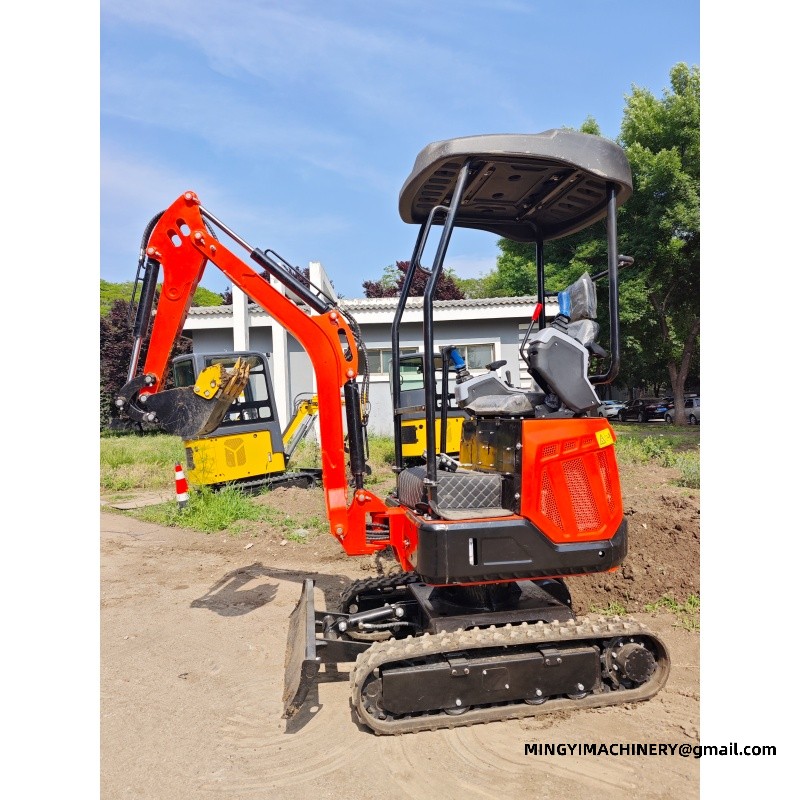
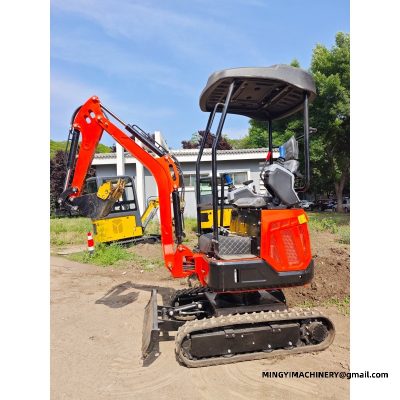
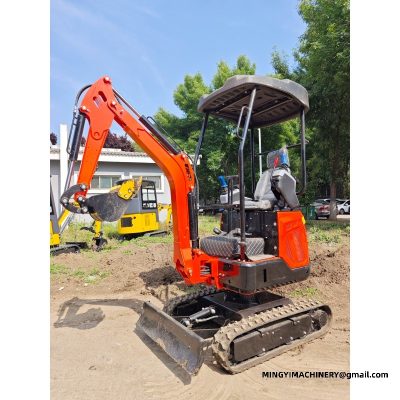
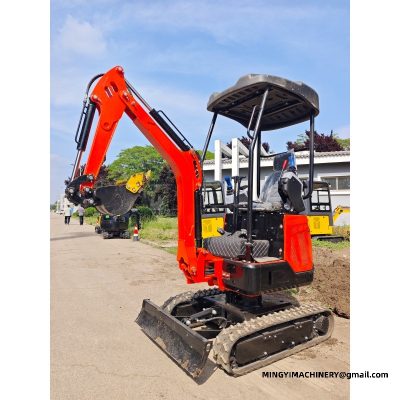
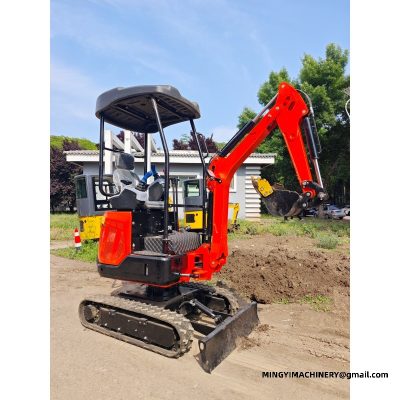
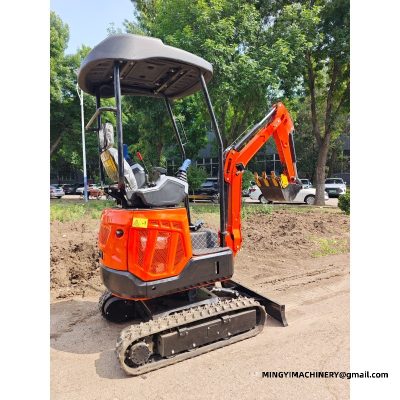
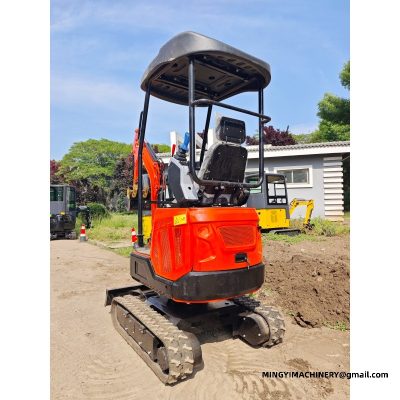
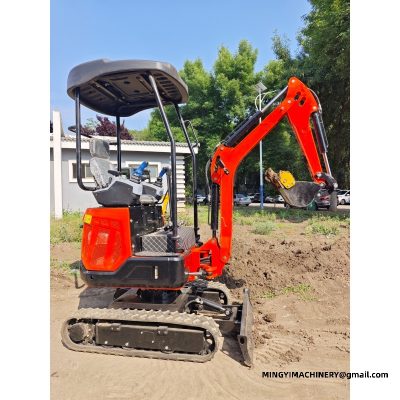
Service life is not a feature that can be added at the end; it is the result of structural choices made at build and maintenance choices made every week after. Buyers who intend to keep a digger for years rather than seasons buy on both.
MINGYI builds mini excavators to order, and long service life is designed in through component selection and recorded specifications. Machines supplied with spare parts and service information give the owner the means to keep them working.
Where service life is won or lost
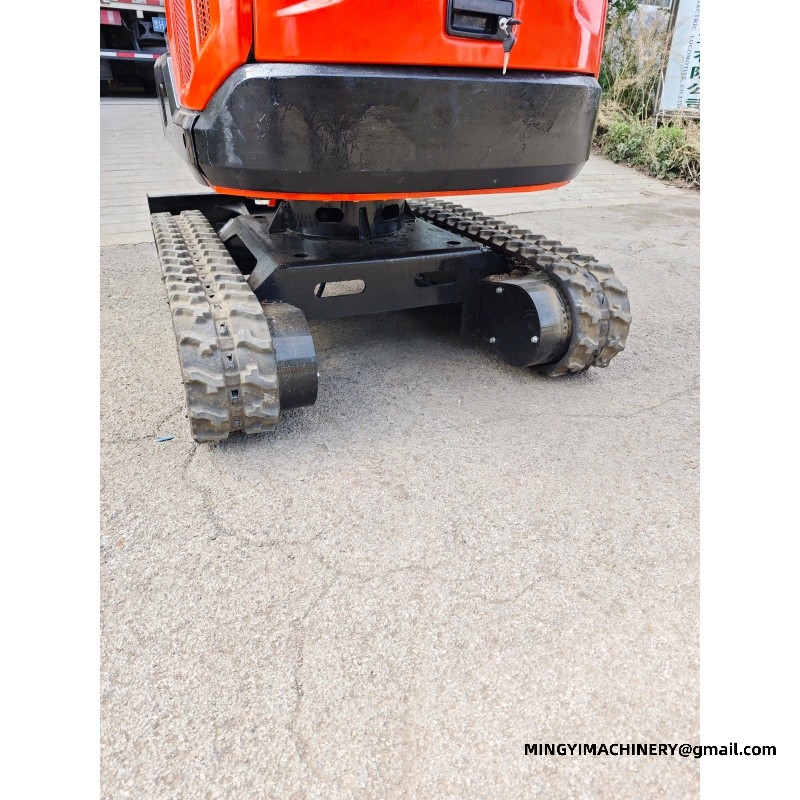
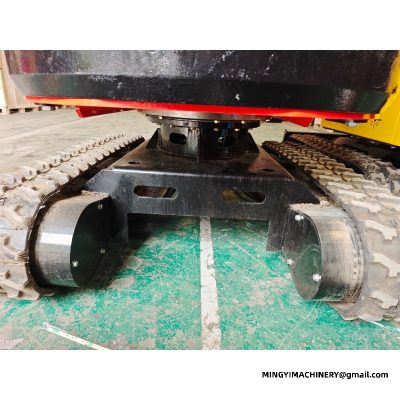
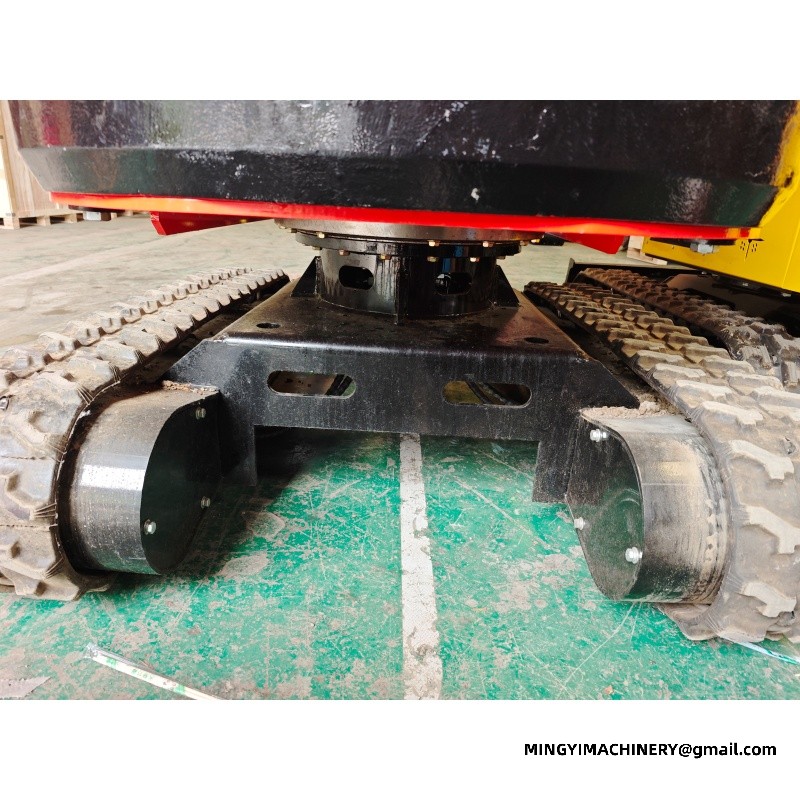
The structure carries the machine: boom and dipper welds, bushings and pins at every pivot, and the seals that keep dirt out of the cylinders. These are the items that decide whether a digger is worth rebuilding in later years or only worth weighing in.
Filtration and lubrication protect the engine and hydraulics that animate it. Clean oil on schedule, filters changed rather than stretched and grease kept up at the pins do more for longevity than any brochure claim.
Ordering with long service in mind
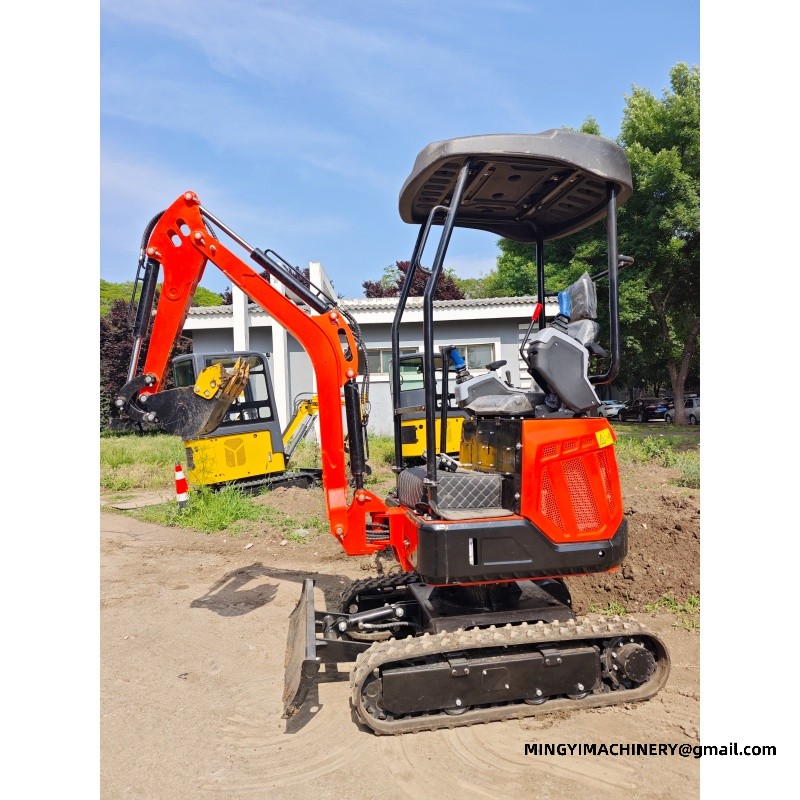
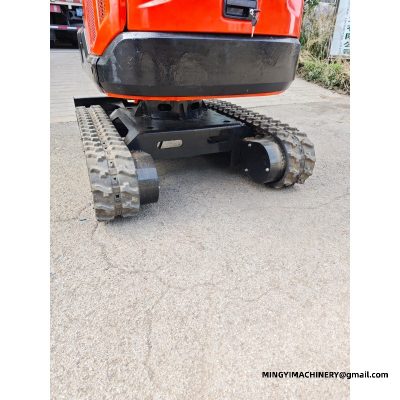
The specification for a long-lived machine leans towards an engine with a deep parts network, such as YANMAR or Kubota D722 units within the range, and track types matched honestly to the ground. Rubber tracks on rocky ground shorten their life; steel tracks with rubber blocks exist for that reason.
The record kept against each machine supports its later life: when the owner can specification the exact build, parts and advice follow accurately. A spares bundle ordered with the unit starts that support on day one.
A digger that lasts is bought deliberately and kept deliberately. MINGYI builds machines recorded to their specification and supplied for their maintenance, so the long service life written into the order is the one delivered in the field.
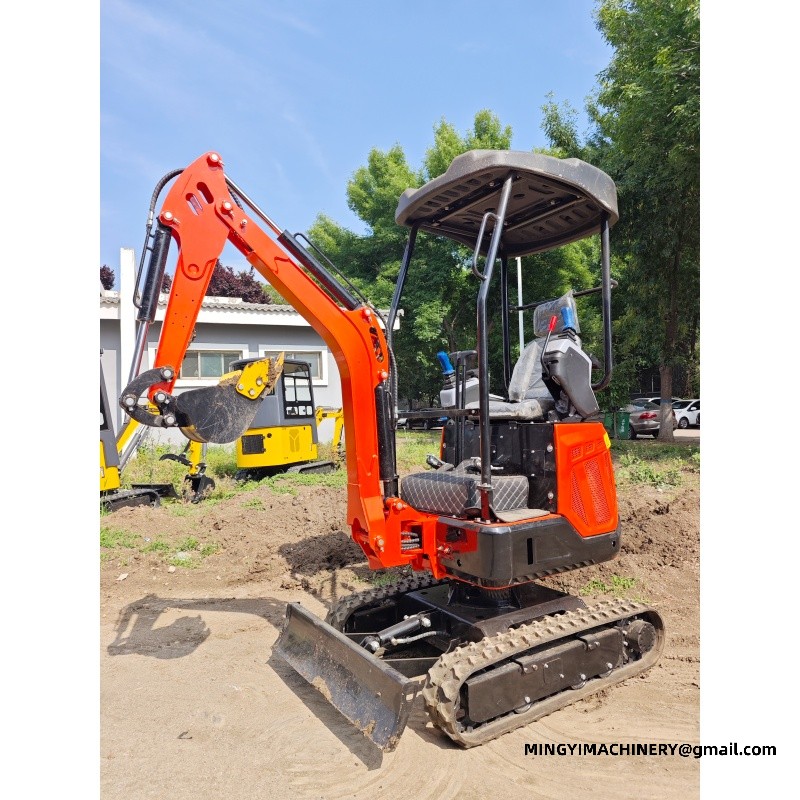
Getting long service life mini digger through a narrow gap Access decides the machine before output does. With the excavator the limiting dimension is usually the widest point on the way in, so measuring the gate, the corridor and the turning space first saves a wasted delivery and a second visit. Contractors who buy this class of machine normally have one job in mind that nothing else reaches. The purchase order follows the access measurement, not the other way round, and the build sheet is then settled around it. Trailering and moving long service life mini digger Loading practice matters as much as the numbers. The unit in daily use is driven up ramps under its own power with the boom lowered and the tracks aligned, and secured at the points the manufacturer specifies. Detachable components reduce transport length. A machine of this size built with a removable arm section or a folding step fits a shorter trailer and may avoid an oversize movement permit. Canopy or enclosed cab on a long service life mini digger The cab decision follows the climate and the hours. Operators working a full shift in the equipment on site benefit from a sealed cab with wipers and heating; operators stepping on and off every few minutes usually prefer the canopy for the visibility and the quick exit. Enclosure also changes noise and dust exposure. A sealed cab on the machine itself keeps dust out on dry sites and lets the machine work through weather that would otherwise stop a canopy machine for the day. Hydraulic circuits on a long service life mini digger Flow and pressure are matched to the tool, not to the machine size. Asking for the attachment list first means the model in question leaves the factory with circuits that suit the heaviest tool the buyer intends to run. Hydraulic specification is easier to settle at build time than to correct later. The machine in that duty delivered without auxiliary lines can still dig, but every additional tool becomes a retrofit project. Acceptance checks when a long service life mini digger arrives Delivery day is the best time to find a problem. Checking the specification against the order, the fluid levels, the fasteners and any transport damage while the machine built for the work is still on the trailer is faster than claiming later. Documentation should arrive with the machine. Parts list, service schedule and any certificates for the unit on the job are what the workshop needs later, and they are much easier to obtain at delivery than in month six. Lifting and material handling with a long service life mini digger Stability changes with reach. A load the equipment in service handles close in becomes a different proposition at full extension, so the working radius belongs in the plan before the lift rather than during it. Ground condition under the machine is part of every lift. Soft or uneven support is the common factor in handling incidents, and checking it takes less time than recovering the excavator that has settled. Working near live services with this class of machine The risk on utility work is not machine power but machine placement. The unit in daily use that fits the working width leaves the surrounding ground undisturbed, which keeps the trench stable and the reinstatement small. Utility crews specify a machine of this size with a narrow bucket and good visibility for exactly this reason: the machine has to stop at the service, not at the edge of the operator's view. Matching the equipment on site to ground conditions Soft ground is a flotation problem, not a power problem. The machine itself on wide rubber tracks crosses lawn, sand and cultivated soil that would stop a narrower machine or a wheeled unit of the same capacity. Hard and abrasive ground reverses the specification. On rock, demolition rubble or sharp gravel, steel tracks with rubber blocks on the model in question survive conditions that cut a rubber belt quickly. Working the machine in that duty through the seasons Weather decides which days are productive. Rain turns some ground unusable and cold changes how the unit on the job starts and warms up, so planning the wet months around maintenance is more useful than planning around output. Seasonal planning smooths the workload. Machines that are busy for a few months and idle for the rest benefit from a service slot in the quiet period, and a machine built for the work prepared in the off-season starts the busy months reliably. Export packing and shipping of the equipment in service Machines leave the factory prepared for container or flat rack shipment. The excavator is normally shipped with the attachment set and the spare parts list agreed in advance so the container is planned once. Export documentation, decals and paint are settled before packing. Asking for them with the this class of machine order avoids a second handling session and keeps the machine on the booked vessel. Operator technique for the unit in daily use Output on a compact machine comes from placement rather than power. An experienced operator keeps a machine of this size working inside the swing arc, positions once and digs a full run instead of repositioning for every bucket. Stability is the third. The equipment on site working across the tracks rather than over the corners keeps the machine steady and the undercarriage loaded evenly, which shows up as track life at the end of the season. Specification data for the machine itself Where the model in question is being specified for a job list, the table below gives the factory figures that matter most: what the machine weighs, how deep and how far it works, and what it measures on a trailer. Figures are factory figures and are confirmed on the build sheet for the machine in that duty. Where a job sits between two models, the larger machine usually takes less time than the smaller one spends on rework. Municipal crews work on streets, footpaths and parks where the public is present. The unit on the job is specified because it occupies little space, works inside a small exclusion zone and can be moved on a standard trailer. Drainage repair, tree planting, footway reconstruction and cemetery work are all within the range of a machine built for the work. The jobs are small individually and continuous across the year.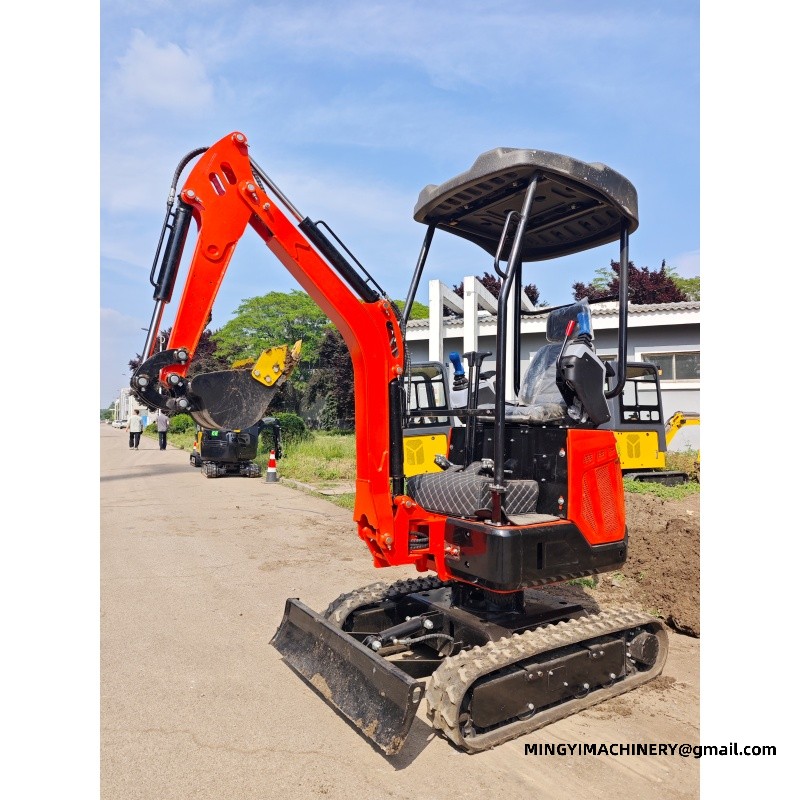
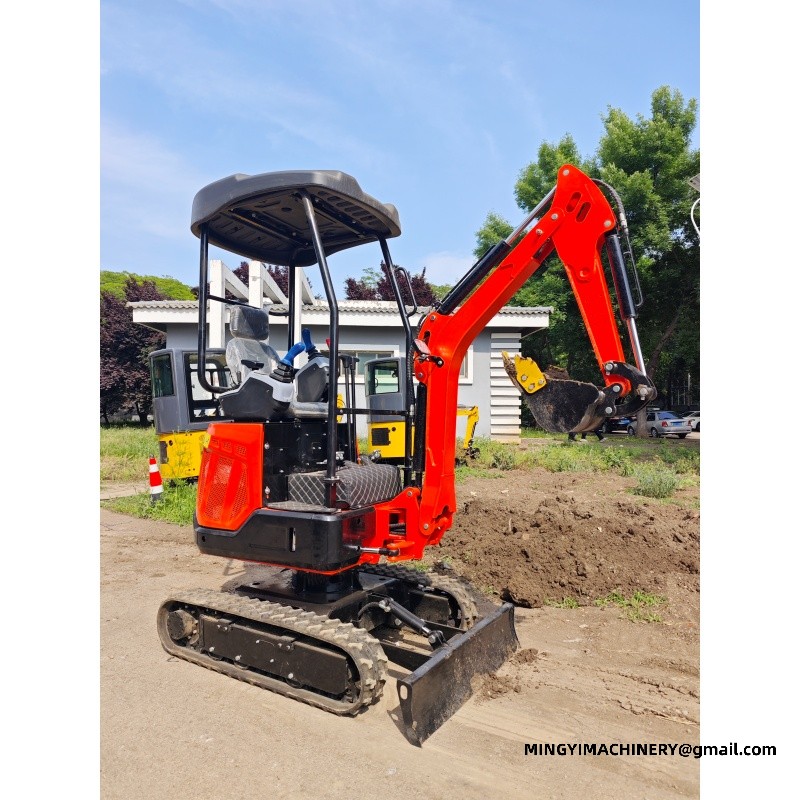
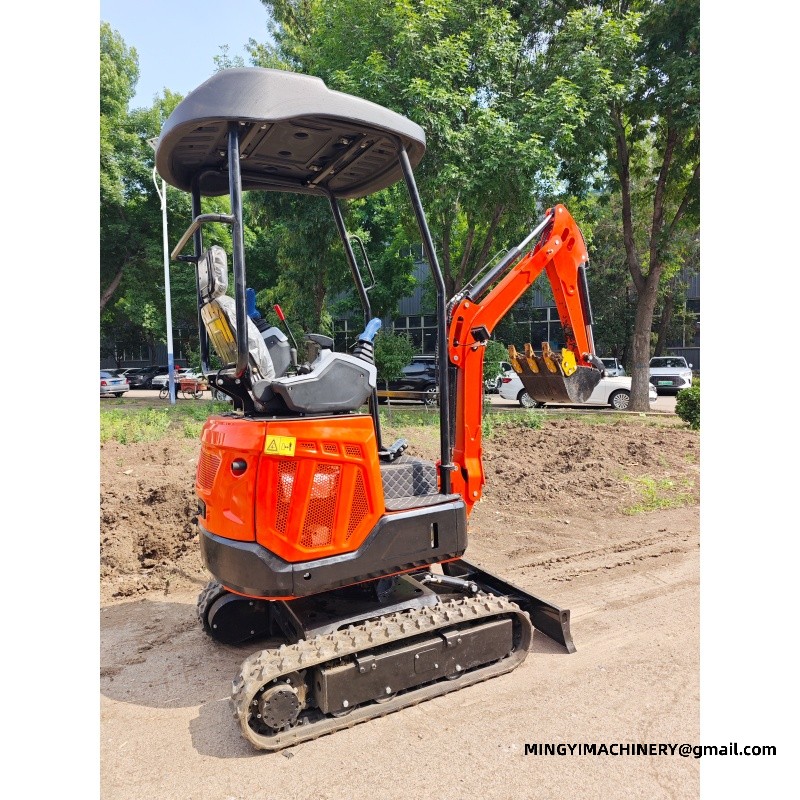
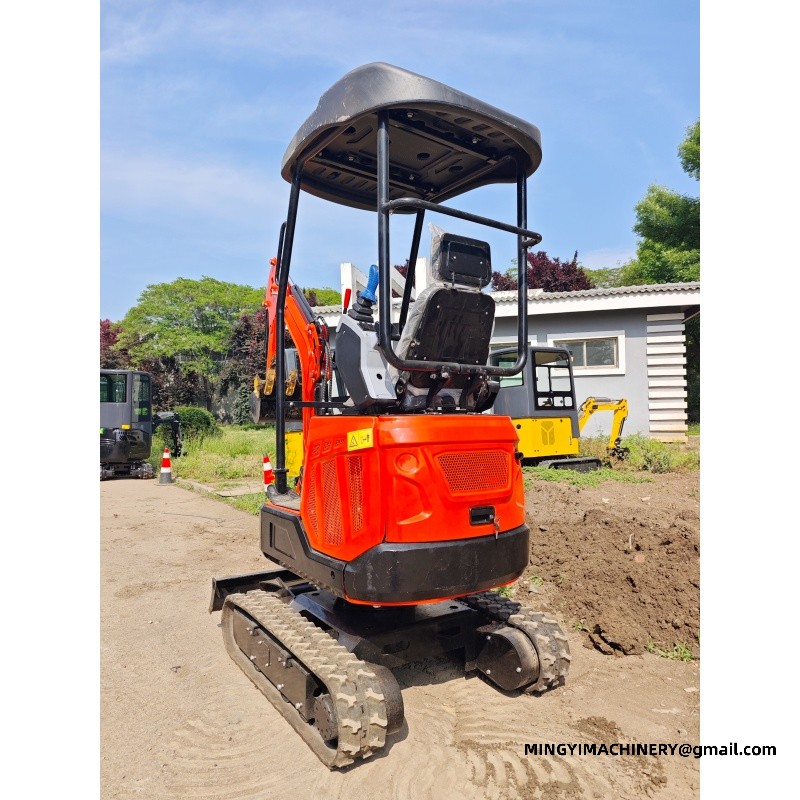
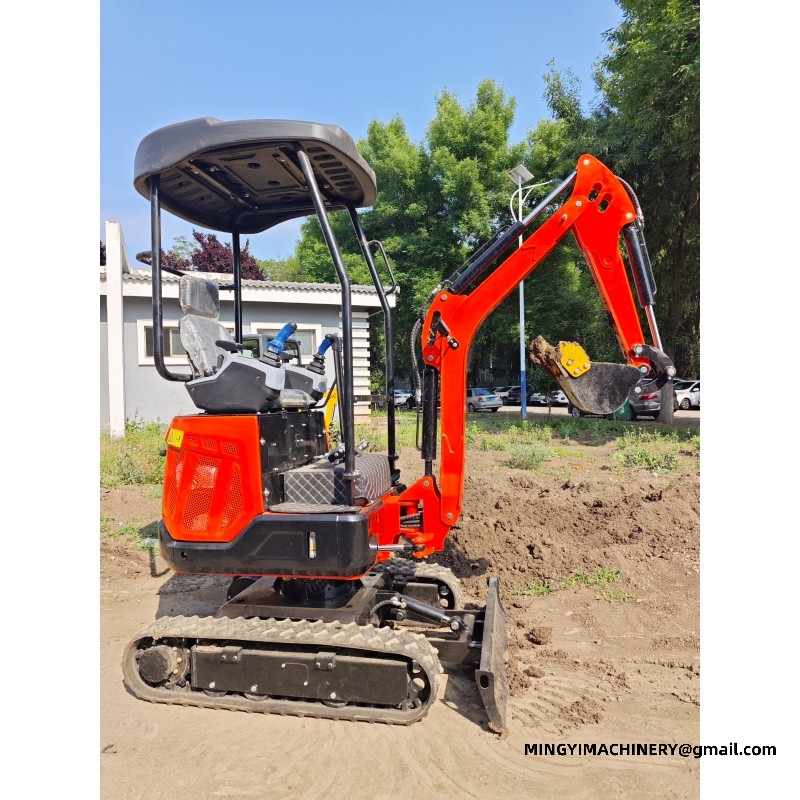
Reference specification — mini excavator range 12W 20-1W 09L 15L Operating weight 1200 kg (2645.55 lb) 1800 kg (3968.32 lb) 1100 kg (2425.08 lb) 1400 kg (3086.47 lb) Transport size (L×W×H) 2200 × 930 × 2250 mm 2550 × 1100 × 2200 mm 2300 × 720 × 1870 mm 2200 × 930 × 2250 mm Max digging depth 1630 mm (64.17 in) 1800 mm (70.87 in) 1400 mm (55.12 in) 1700 mm (66.93 in) Max digging height 2750 mm (108.27 in) 2820 mm (111.02 in) 2800 mm (110.24 in) 2750 mm (108.27 in) Max dumping height 1960 mm (77.17 in) 2050 mm (80.71 in) 1880 mm (74.02 in) 1960 mm (77.17 in) Max digging radius 2900 mm (114.17 in) 3050 mm (120.08 in) 2490 mm (98.03 in) 2900 mm (114.17 in) Max digging distance 2100 mm (82.68 in) 2300 mm (90.55 in) 2000 mm (78.74 in) 2300 mm (90.55 in) Minimum turning radius 1300 mm (51.18 in) 1450 mm (57.09 in) 1400 mm (55.12 in) 1450 mm (57.09 in) Travel speed 3 km/h (1.86 mph) 5 km/h (3.11 mph) 3 km/h (1.86 mph) 3 km/h (1.86 mph) Gradeability 30° 30° 30° 30° Fuel consumption 1-1.3 L/h (0.264—0.343 gal) 2-3 L/h (0.528—0.793 gal) 1-1.3 L/h (0.264—0.343 gal) 1-1.3 L/h (0.264—0.343 gal) Fuel tank capacity 10 L (2.64 gal) 16 L (4.23 gal) 8 L (2.11 gal) 10 L (2.64 gal) Hydraulic oil tank 16 L (4.23 gal) 18 L (4.76 gal) 16 L (4.23 gal) 16 L (4.23 gal) Dozer blade lift height 180 mm (7.09 in) 180 mm (7.09 in) 180 mm (7.09 in) 180 mm (7.09 in) Dozer blade drop depth 210 mm (8.27 in) 210 mm (8.27 in) 210 mm (8.27 in) 210 mm (8.27 in)
Q. Who chooses the equipment in service?
A. A compact excavator is only as good as the parts chain behind it: filters, pins, bushes, tracks and seal kits keep the machine in the field. The schedule lives in the manual, and the spare-part kits bundle a season of consumables into one box. For long service life applications the practical route is to send the job list to the factory and let the build sheet answer it - which is exactly what this page invites.
Q. How fast do parts arrive?
A. Wear parts and filters ship as kits from stock; structural and hydraulic items follow the build programme. Serial-numbered machines let the factory match parts exactly - email or LINE with the model and serial plate is the fastest route.
Q. How do I get a specification?
A. Send the model, the destination and the attachment list by email or LINE - the channels listed just below this section. The reply covers the specification, lead time, packing and freight in one document, with the long service life build sheet attached.
Packing, loading and shipment of the excavator
Container loading is a planning exercise. The overall dimensions and the operating weight of this class of machine decide whether it ships whole, partly disassembled or with the attachment removed, and that decision is made before the booking.
Wear items and spares worth holding for the unit in daily use
The parts that stop a machine are rarely the parts that are hardest to find. Filters, belts, seals and the ground engaging tools on a machine of this size are easy to hold and slow to replace, which is why they belong on the shelf rather than on an order.
Handover and getting familiar with the equipment on site
The first day with a new machine sets the pattern for the next five years. Handover for the machine itself covers the control layout, the daily check points and the limits the operator needs to know before the first real load is lifted or carried.
E-mail : sales@mingycn.com
LINE ( ID ): mingyicn
Night work and lighting on long service life mini digger
Night work changes the job more than most specification lines do, because light coverage, glare and shadow decide how much of the site the operator can actually read.
Related pages
mini excavator and compact digger · mini excavator for tight spaces · Earthmoving Wheel Loader: Boom Geometry and Breakout Behaviour · Mini Excavators









