Diesel Mini Excavator, High Torque Small Digger, Brand Engine Excavator
Digging force at the bucket starts as torque at the diesel engine, and compact machines in hard ground live or die by that allowance. MINGYI the excavators pair the carrier hydraulics with engines selected for low speed pulling power.
Engine options include Kubota D722, Kubota D902, YANMAR, Changchai, Laidong, Runtong and YARMAX diesel units, matched to the machine class at the ordering stage. The pairing is recorded against the machine so parts support stays accurate.
Torque delivery in the digging cycle
When the bucket meets clay, packed subsoil or broken rock, the hydraulic system draws hard on the engine, and a low speed torque curve keeps the digging arm moving instead of bogging. The same reserve runs the breaker hammer through concrete without stalling the circuit.
The engine and pump are matched as a set rather than specified separately, which keeps the auxiliary flow steady for augers, tillers and mower heads as well as the main digging circuit. That balance matters to buyers running full attachment packages.
Choosing the diesel engine with the order
Buyers confirm the engine at the ordering stage against their parts network and their ground conditions, and the choice is recorded against the machine. Filters and routine spares can be ordered with the unit for the first service cycles.
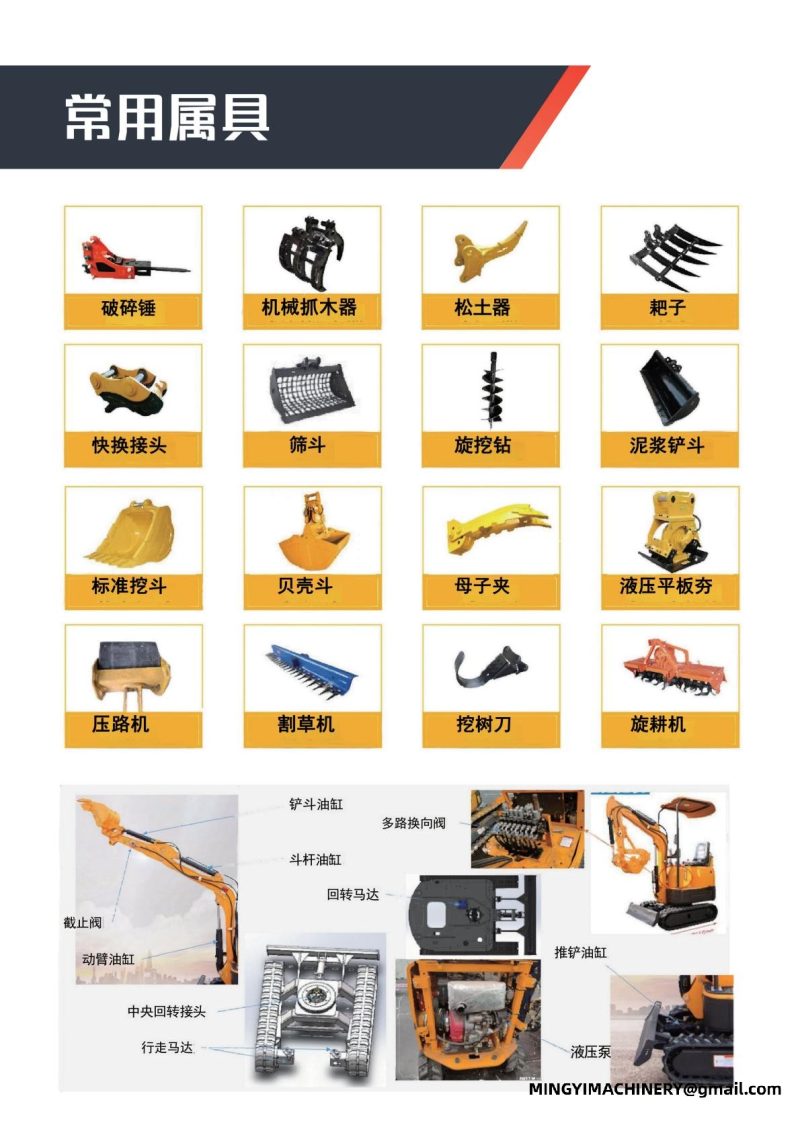
Service information for the installed engine ships with the digger so local workshops work from the correct data. MINGYI reviews the typical material, from soft loam to rock, with the buyer before fixing the engine and machine class.
This class of machine keeps its cutting speed when the ground hardens, which is where mismatched pairings fade. MINGYI matches the engine and hydraulics to the buyer's material at the ordering stage.
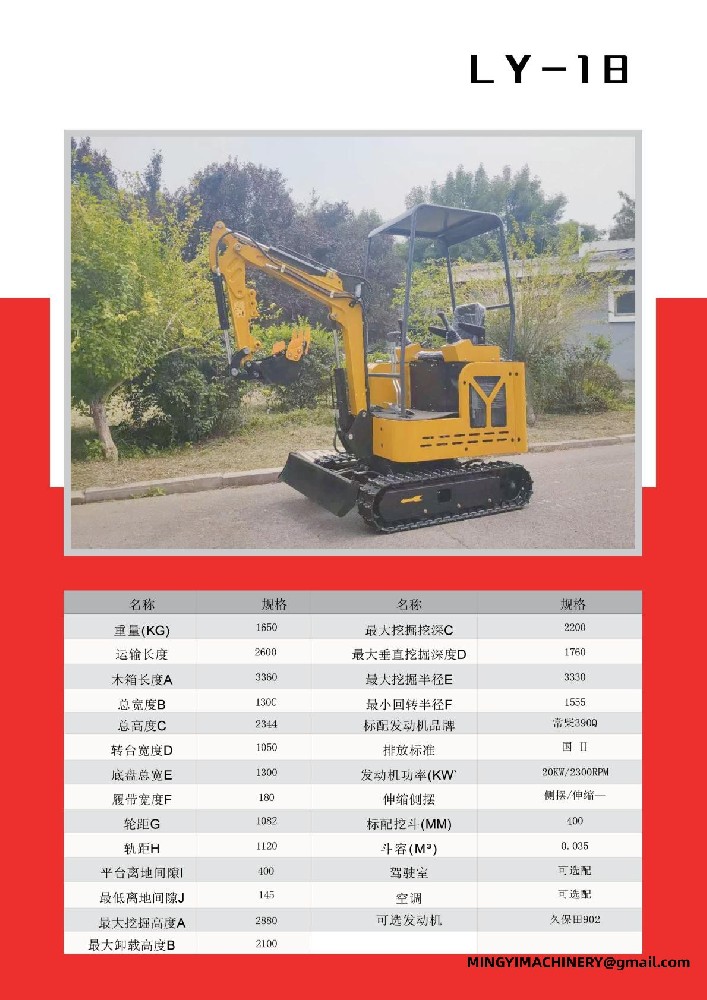
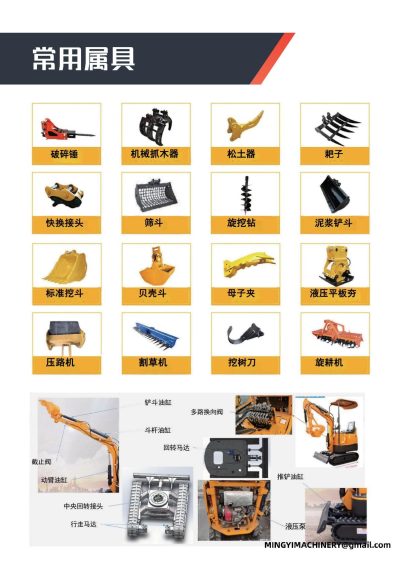
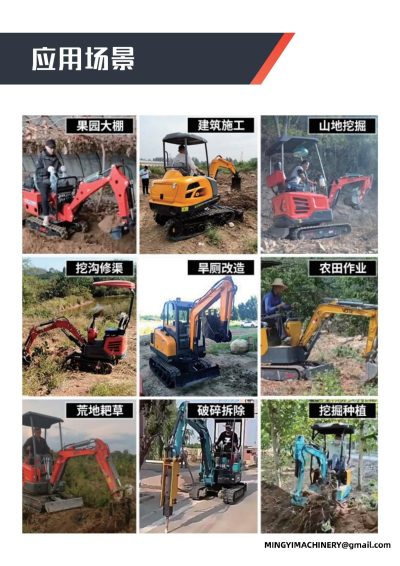
Municipal and public works with high torque diesel mini digger Municipal crews work on streets, footpaths and parks where the public is present. The unit in daily use is specified because it occupies little space, works inside a small exclusion zone and can be moved on a standard trailer. Drainage repair, tree planting, footway reconstruction and cemetery work are all within the range of a machine of this size. The jobs are small individually and continuous across the year. Road and paving work for high torque diesel mini digger Road repair generates short, interrupted jobs - a patch, a drainage connection, a kerb line. The equipment on site is economical here because it travels on a small trailer and starts working minutes after arriving. Patching and reinstatement favour a machine that can work in a lane closure. The machine itself occupies less road than a full-size excavator, which reduces the traffic management needed and the length of the closure. Matching high torque diesel mini digger to ground conditions Hard and abrasive ground reverses the specification. On rock, demolition rubble or sharp gravel, steel tracks with rubber blocks on the model in question survive conditions that cut a rubber belt quickly. Mixed sites are common and argue for a compromise specification. Most buyers choose rubber for the machine in that duty and accept the wear, unless the majority of the work is on material that will damage it. Acceptance checks when a high torque diesel mini digger arrives Delivery day is the best time to find a problem. Checking the specification against the order, the fluid levels, the fasteners and any transport damage while the machine built for the work is still on the trailer is faster than claiming later. A function check before the machine goes to work is worth the hour. Running through the controls, the travel and the attachment circuit on the unit on the job confirms it is set up as specified and ready for the site. Quick coupler practice on high torque diesel mini digger A quick coupler is the single option that changes how a machine is used day to day. Fitted to the equipment in service, it turns an attachment change from a two-person workshop job into a task the operator does alone in minutes. Couplers are specified early because they affect the arm and the hydraulic kit. Adding one to the excavator after delivery means new pins, new hoses and a fitment session; adding it at build time is a line on the sheet. Landscaping and ground care with high torque diesel mini digger Landscape contractors use this class of machine for planting holes, pond excavation, grading and retaining work. The machine is light enough to cross finished lawn and narrow enough to work between established trees. Grass cutting heads, rakes and tillers extend the unit in daily use into ground care. The same carrier that digs a border in spring can cut and clear the same area later in the season. Trailering and moving a machine of this size Transport weight and width decide whether a machine needs a specialist haulier. The equipment on site sized to travel on a standard plant trailer behind a suitable vehicle moves with the crew rather than on a scheduled low loader. Loading practice matters as much as the numbers. The machine itself is driven up ramps under its own power with the boom lowered and the tracks aligned, and secured at the points the manufacturer specifies. Getting the model in question through a narrow gap The first question on most job lists is whether the machine can reach the work at all. The machine in that duty is chosen against the narrowest point on the route - a garden gate, a doorway, a gap between two walls - because a machine that arrives and then cannot pass loses a day, not an hour. Contractors who buy the unit on the job normally have one job in mind that nothing else reaches. The purchase order follows the access measurement, not the other way round, and the build sheet is then settled around it. Orchard, vineyard and farm use of a machine built for the work Ditching, fertilising and drainage on farmland suit the equipment in service because the work is spread over a large area in short bursts. The machine travels behind a pickup and works where it stops. Farms also use the excavator for general maintenance - clearing a watercourse, repairing a track, loading a spreader. One carrier with a few attachments covers most of the jobs that would otherwise wait for a contractor. Working near live services with this class of machine Digging near water, gas and cable is a precision job. The unit in daily use is used here because the operator can work in short controlled cuts and because the machine can be positioned without driving over the run being exposed. Utility crews specify a machine of this size with a narrow bucket and good visibility for exactly this reason: the machine has to stop at the service, not at the edge of the operator's view. What owners should plan for beyond the equipment on site The useful comparison is demand per working hour, not demand per machine. The machine itself that works more hours a year spreads its standing takes over more output, which is why utilisation usually matters more than the invoice figure. Downtime is the hidden line item. The model in question waiting on a part earns nothing while it stands, so parts availability and service access belong in the plan as much as fuel does. Track choice for the machine in that duty Rubber tracks suit paved and landscaped ground because they spread the machine weight and leave the surface intact. Steel tracks with rubber blocks are specified where the ground is rougher or the working day is longer, and the choice can be made per machine rather than accepted as a factory default. Track type changes what the machine can cross and what it leaves behind. Buyers specify rubber for lawns, driveways and municipal work, and steel with rubber blocks for sites where sharp material would cut a rubber belt in a week. Specification data for the unit on the job Where a machine built for the work is being specified for a job list, the table below gives the factory figures that matter most: what the machine weighs, how deep and how far it works, and what it measures on a trailer. These are the reference figures for the equipment in service. MINGYI confirms the final build sheet, including engine and attachment choices, against the destination and the job list before production. Slope work is a stability question before it is a traction question. Knowing the gradient the excavator is rated for, and working across rather than straight up where the ground allows, removes most of the risk. Ground that looks level often is not. This class of machine crossing a filled trench, a soft edge or a hidden void behaves differently from one on undisturbed ground, and those are the places worth walking before driving.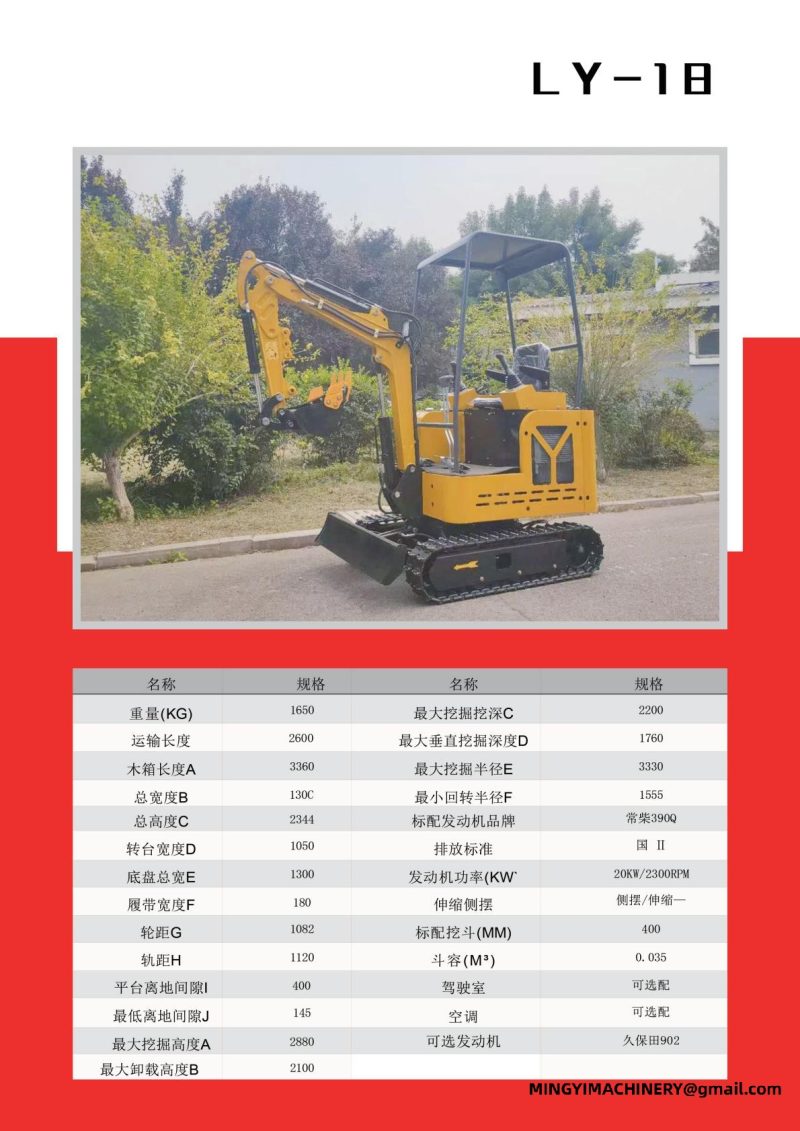
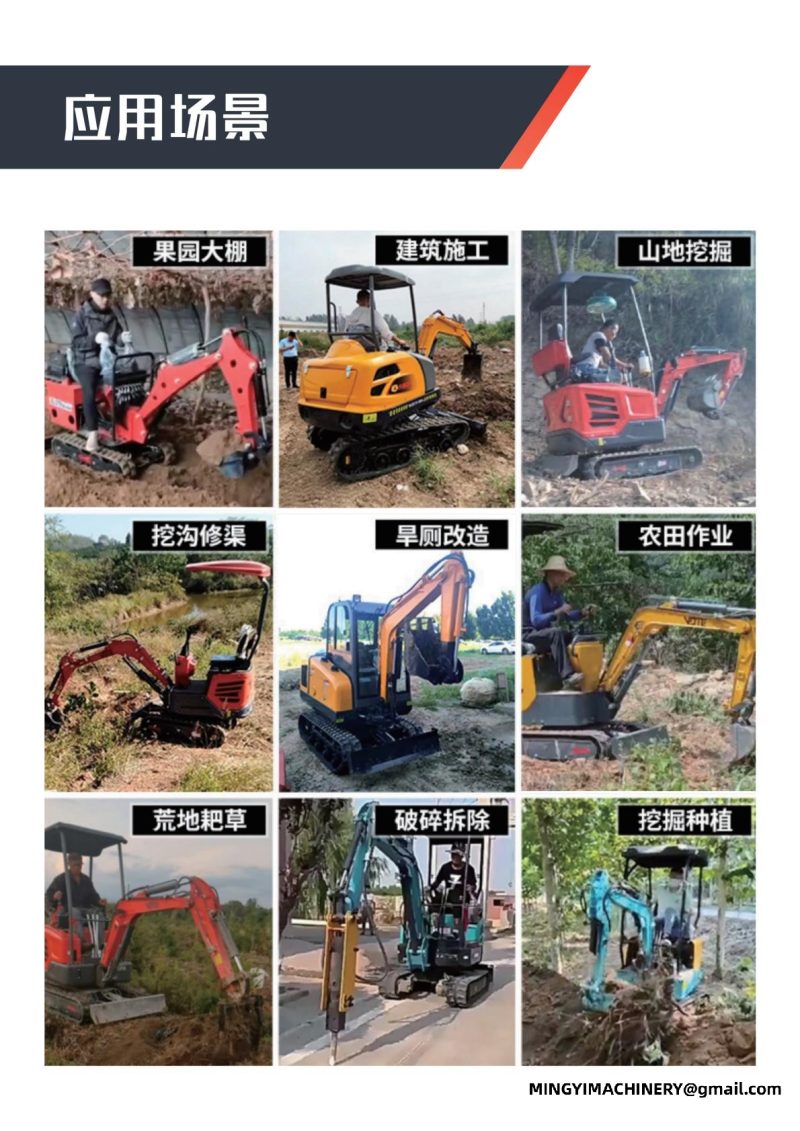
Reference specification — mini excavator range 15W 30-1W 15L 30-2L Operating weight 1400 kg (3086.47 lb) 2900 kg (6393.41 lb) 1400 kg (3086.47 lb) 2400 kg (5291 lb) Transport size (L×W×H) 2200 × 930 × 2250 mm 3000 × 1250 × 2780 mm 2200 × 930 × 2250 mm 2800 × 1500 × 2500 mm Max digging depth 1630 mm (64.17 in) 2200 mm (86.61 in) 1700 mm (66.93 in) 2200 mm (86.61 in) Max digging height 2750 mm (108.27 in) 3400 mm (133.86 in) 2750 mm (108.27 in) 2900 mm (114.17 in) Max dumping height 1960 mm (77.17 in) 2400 mm (94.49 in) 1960 mm (77.17 in) 2100 mm (82.68 in) Max digging radius 2900 mm (114.17 in) 4000 mm (157.48 in) 2900 mm (114.17 in) 3330 mm (131.1 in) Max digging distance 2100 mm (82.68 in) 2800 mm (110.24 in) 2300 mm (90.55 in) 2700 mm (106.3 in) Minimum turning radius 1300 mm (51.18 in) 2000 mm (78.74 in) 1450 mm (57.09 in) 1555 mm (61.22 in) Travel speed 3 km/h (1.86 mph) 5 km/h (3.11 mph) 3 km/h (1.86 mph) 7 km/h (4.35 mph) Gradeability 30° 30° 30° 30° Fuel consumption 1-1.3 L/h (0.264—0.343 gal) 2-3 L/h (0.528—0.793 gal) 1-1.3 L/h (0.264—0.343 gal) 2-3 L/h (0.528—0.793 gal) Fuel tank capacity 10 L (2.64 gal) 16 L (4.23 gal) 10 L (2.64 gal) 16 L (4.23 gal) Hydraulic oil tank 16 L (4.23 gal) 20 L (5.28 gal) 16 L (4.23 gal) 18 L (4.76 gal) Dozer blade lift height 180 mm (7.09 in) 420 mm (16.54 in) 180 mm (7.09 in) 230 mm (9.06 in) Dozer blade drop depth 210 mm (8.27 in) 210 mm (8.27 in) 210 mm (8.27 in) 280 mm (11.02 in)
Q. What is the unit in daily use used for?
A. The engine is the part of a mini excavator that sets the duty cycle: steady torque for long shifts, simple service for short property jobs. Across the 0.8 to 6 tonne class MINGYI builds as the 08, 12 and 18 models, the engine is a choice rather than a fixed fit. MINGYI builds the 08, 12 and 18 models covering the 0.8 to 6 tonne class, and a machine of this size is where that range meets high torque diesel.
Q. How do I choose between the engine options?
A. Start from parts and service, not from the brochure. An engine your local market can filter, bleed and rebuild beats a paper advantage, and emission rules at the work site settle the rest. MINGYI matches the engine to the model and the market it will work in.
Q. What support follows the sale?
A. Spare-part kits, wear items and service documentation ship with the programme, and the parts team works from the serial plate to match components exactly. Warranty and support terms for the high torque diesel order are confirmed in writing before the machine leaves.
Keeping a service record for the equipment on site
The record should follow the machine, not the owner. When the machine itself changes hands the service history travels with it, and a complete folder is often the difference between a quick sale and a long one.
Wear items and spares worth holding for the model in question
Wear items are predictable once the machine has settled in. After the first service interval the pattern on the machine in that duty is visible, and the parts that were replaced become the parts that are kept.
E-mail : sales@mingycn.com
LINE ( ID ): mingyicn
Related pages
farm mini excavator for drainage · auger drilling excavator for post holes · China Wheel Loader Factory Supplier: Range, Spares, Loading · Mini Excavators









