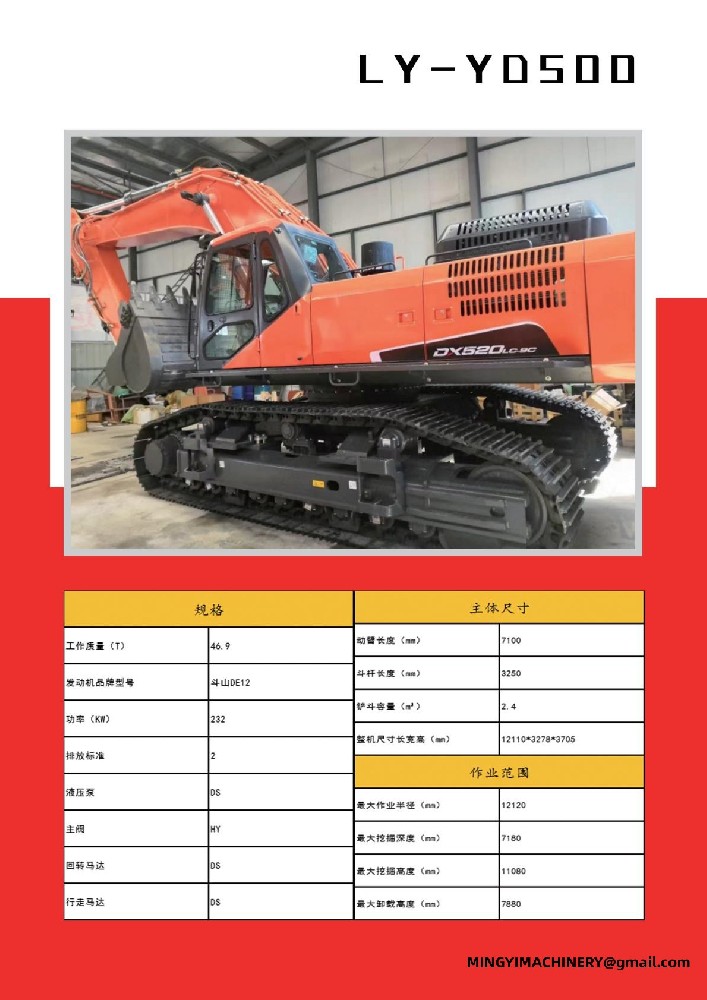
The excavator attracts buyers who need a compact machine without the effort of a new one. The value depends on what was replaced and how the machine was put back into condition.
MINGYI handles used and refurbished compact excavators with the same attention to the record as a new build, so a buyer knows what the machine is before it is shipped.
What to check on a refurbished mini excavator
The condition of the undercarriage is the first thing to examine. Track wear, sprocket and idler condition and the state of the rollers show how much life is left and how hard the machine has been worked.
The engine and the hydraulics come next. Oil condition, hose history and the response of the machine under load tell a buyer more about a refurbished excavator than its appearance, and any part replaced should be noted in the record.
Parts availability for a refurbished machine
A refurbished machine is only practical if parts can still be found for it. The engine fitted, the undercarriage type and the attachments that match the machine all affect how easily it can be kept working.
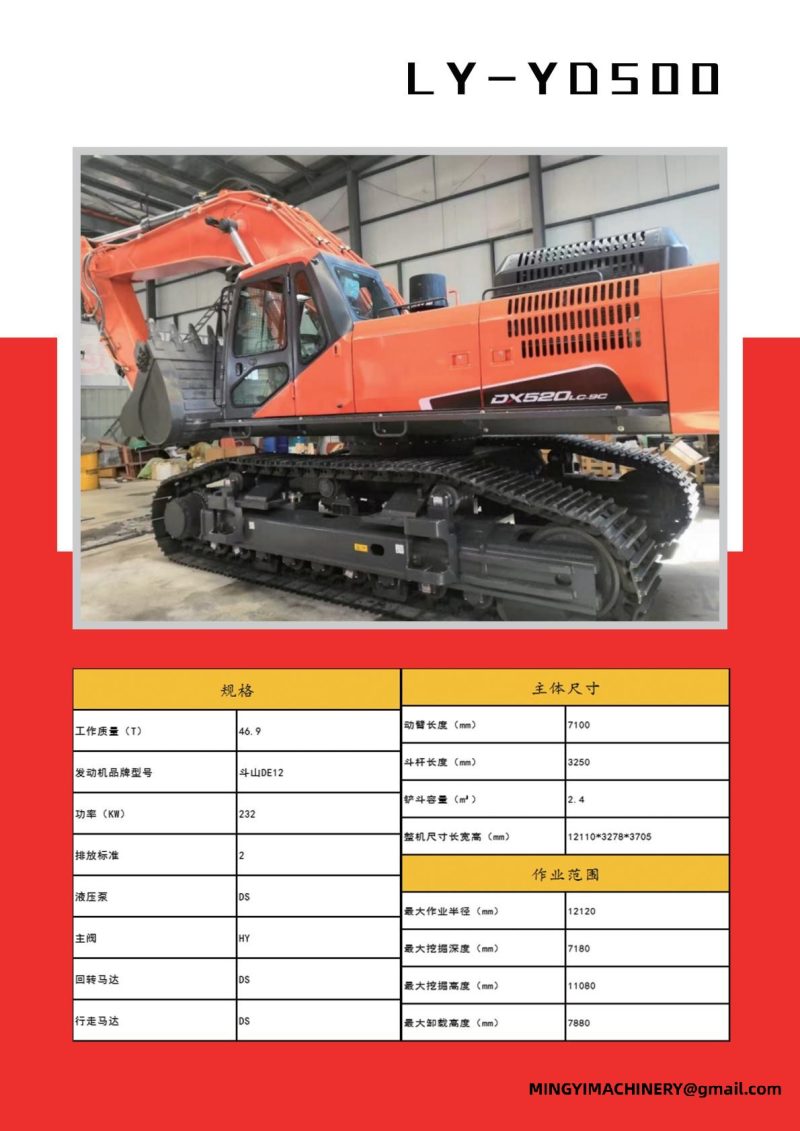
MINGYI records the specification of each machine it handles, so a buyer can plan the consumables and wear parts before the excavator arrives. That turns a used purchase into a machine with a known service path.
This class of machine is judged on condition and on support. Buying with a clear record of what was fitted and what was replaced gives the owner a machine that can go straight to work.
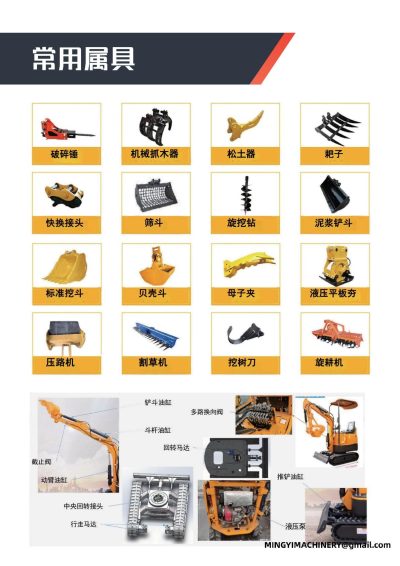
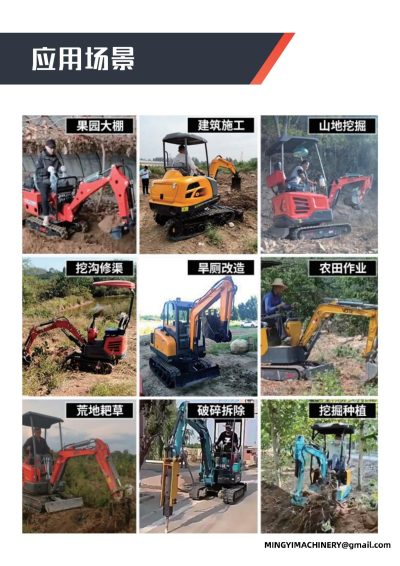
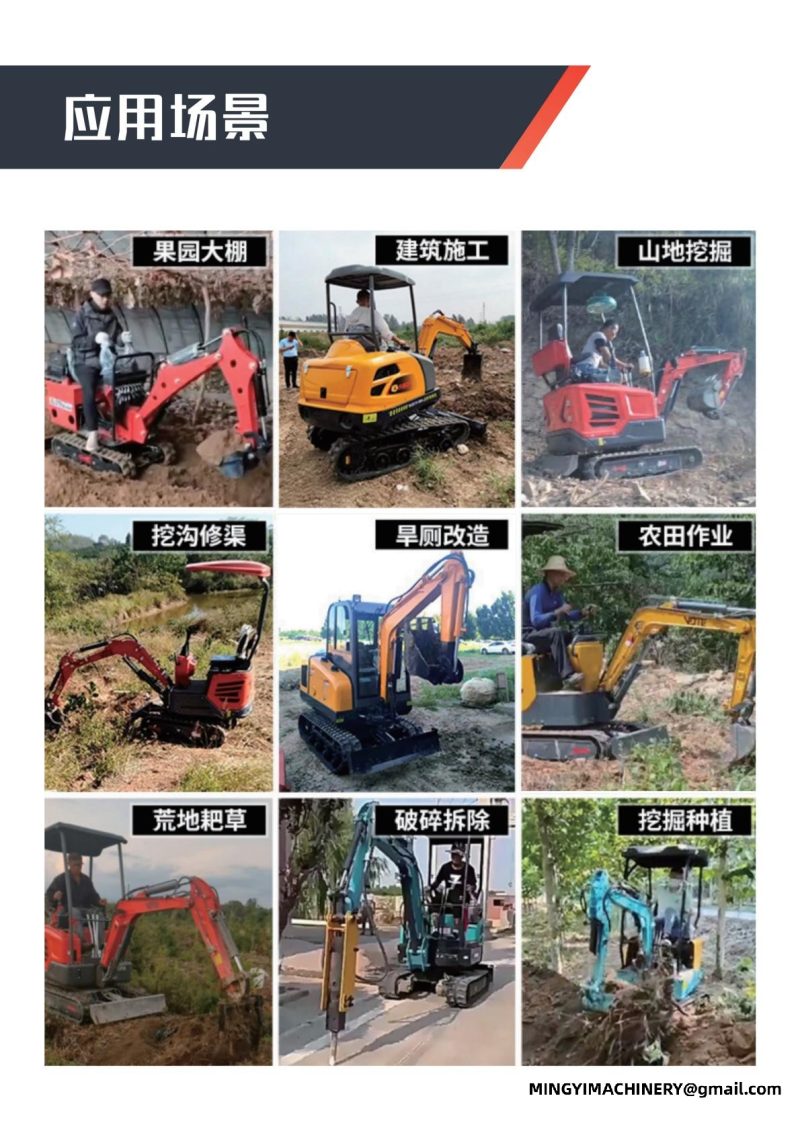
Lifting and material handling with a refurbished mini excavator Lifting with a machine built to dig needs a plan. The load, the radius and the ground under the machine of this size all matter, and the safe figure is the one on the chart rather than the one that looks possible. Ground condition under the machine is part of every lift. Soft or uneven support is the common factor in handling incidents, and checking it takes less time than recovering the unit in daily use that has settled. Engine options behind refurbished mini excavator Two buyers can order the same the machine itself and receive different engines. The decision is rarely about peak power; it is about which parts counter is closest to the site and which engine the local mechanic already knows. Engine choice is also an emissions and documentation question for some markets. Listing the available units with the equipment on site enquiry lets the factory confirm what can be supplied and documented for the destination country. Working on slopes and uneven ground with refurbished mini excavator Slope work is a stability question before it is a traction question. Knowing the gradient the model in question is rated for, and working across rather than straight up where the ground allows, removes most of the risk. Planning the direction of travel helps. Working so that the machine in that duty is stable under load and not required to turn on a slope is a decision made before the job starts, not a correction made during it. Attachments that turn refurbished mini excavator into several machines Attachment lists are best written before delivery. Specifying the unit on the job with the tools the job list needs avoids the work and delay of adding hydraulics later, and a quick coupler makes the swap a few minutes instead of a workshop job. Most of the daily variety on a machine built for the work comes from the attachment rack rather than from the machine itself. Bucket, breaker, auger, ripper, rake and grab cover the large majority of the work a contractor will see. Canopy or enclosed cab on a refurbished mini excavator A canopy keeps the machine light and the operator aware of the surroundings, which suits short jobs in warm weather. A fully enclosed cab is specified where rain, dust or cold are part of the working year, and it can be added to the equipment in service as a retrofit rather than only at build time. The cab decision follows the climate and the hours. Operators working a full shift in the excavator benefit from a sealed cab with wipers and heating; operators stepping on and off every few minutes usually prefer the canopy for the visibility and the quick exit. Track choice for refurbished mini excavator Rubber tracks suit paved and landscaped ground because they spread the machine weight and leave the surface intact. Steel tracks with rubber blocks are specified where the ground is rougher or the working day is longer, and the choice can be made per machine rather than accepted as a factory default. Track type changes what the machine can cross and what it leaves behind. Buyers specify rubber for lawns, driveways and municipal work, and steel with rubber blocks for sites where sharp material would cut a rubber belt in a week. Interior and light demolition with this class of machine Interior demolition is an access and a weight question. The unit in daily use that fits through a doorway and works on a suspended floor does jobs that would otherwise be done by hand or by a larger machine that cannot enter. Dust, debris clearance and floor loading all argue for a compact machine indoors. A machine of this size spreads its weight over a wider track footprint than a wheeled machine of similar capacity. Quick coupler practice on the equipment on site Couplers are specified early because they affect the arm and the hydraulic kit. Adding one to the machine itself after delivery means new pins, new hoses and a fitment session; adding it at build time is a line on the sheet. For a fleet that shares attachments between machines, a common coupler standard matters more than the coupler brand. The model in question that picks up the same tools as the larger machines keeps the rack usable across the yard. Municipal and public works with the machine in that duty Municipal crews work on streets, footpaths and parks where the public is present. The unit on the job is specified because it occupies little space, works inside a small exclusion zone and can be moved on a standard trailer. Drainage repair, tree planting, footway reconstruction and cemetery work are all within the range of a machine built for the work. The jobs are small individually and continuous across the year. Running the equipment in service in a rental fleet The specification that rents best is usually the simplest one to explain at the counter. The excavator with rubber tracks, a canopy and a coupler covers the majority of weekend and short-term hires. Fleet buyers also weigh transport. This class of machine that a customer can tow on a normal licence and a standard trailer is a hire that does not need a delivery truck, which changes how often it goes out. Daily checks and maintenance on the unit in daily use Daily maintenance on a machine of this size is a short list: engine oil level, coolant, track tension, hydraulic oil level and a look at the hoses. Ten minutes at the start of the shift prevents most of the failures that stop a machine. Track tension is the item most often neglected. The equipment on site run with slack tracks wears the undercarriage and can throw a track on a turn; run too tight, the same components wear from the other direction. Noise, dust and working near occupied buildings Enclosure and machine condition both reduce noise. The machine itself with intact panels, sound mounts and a maintained exhaust is measurably quieter than the same machine with loose guards, and the difference matters on restricted sites. Dust control is often part of the same conversation. Water, timing and work sequence reduce what leaves the site, and agreeing them in advance keeps the model in question working rather than stopped after a complaint. Acceptance checks when the machine in that duty arrives Delivery day is the best time to find a problem. Checking the specification against the order, the fluid levels, the fasteners and any transport damage while the machine built for the work is still on the trailer is faster than claiming later. A function check before the machine goes to work is worth the hour. Running through the controls, the travel and the attachment circuit on the unit on the job confirms it is set up as specified and ready for the site. Specification data for the equipment in service Buyers comparing the excavator usually start from four numbers - weight, digging depth, reach and transport width - because those are the ones that decide whether the machine can be delivered and whether it can do the job once it is there. Every value shown is as built for this class of machine; options such as cab, side swing or a telescopic undercarriage change the transport dimensions and are confirmed at order stage. Availability is part of the decision. Owning the unit in daily use means it is there on the day the ground is ready; hiring means competing for the same machine at the same time as everyone else in the season. Ownership brings obligations that hiring does not. Storage, servicing, insurance and an operator are the items to set against the hire rate before deciding which way a machine of this size should be supplied.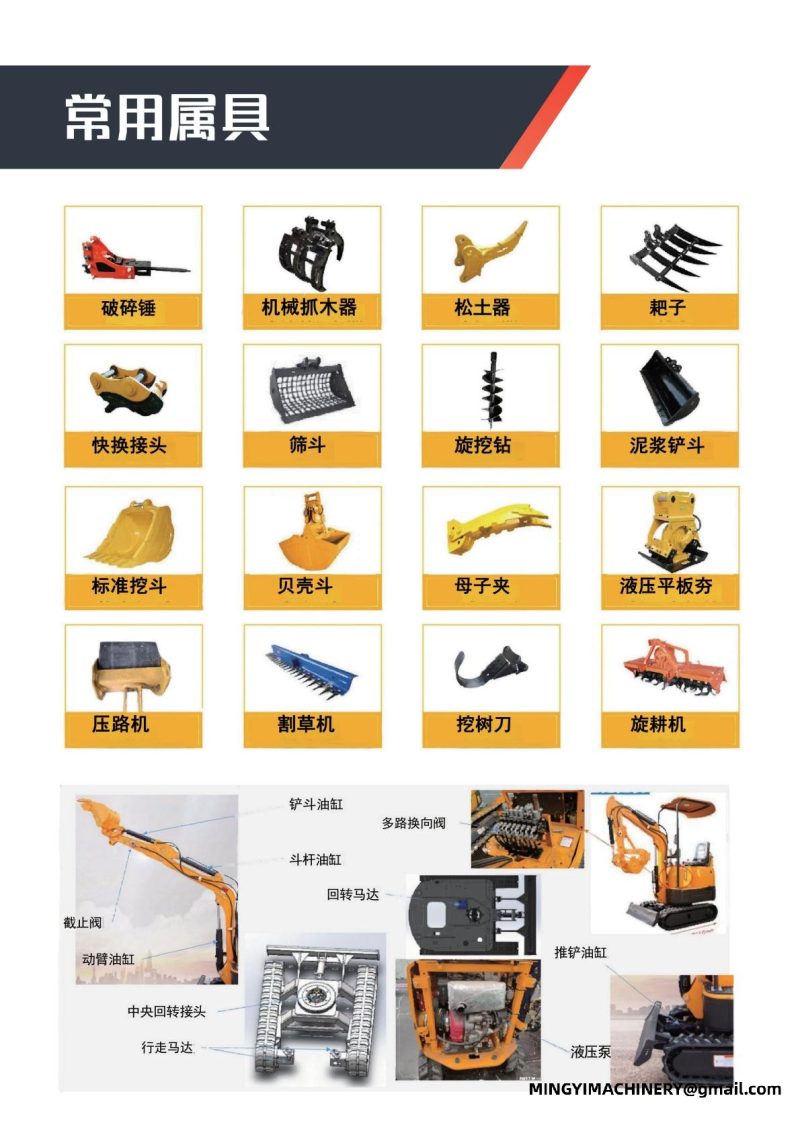
Reference specification — mini excavator range 15W 20-1W 20-3W 12L Operating weight 1400 kg (3086.47 lb) 1800 kg (3968.32 lb) 1900 kg (4188.78 lb) 1200 kg (2645.55 lb) Transport size (L×W×H) 2200 × 930 × 2250 mm 2550 × 1100 × 2200 mm 2550 × 1100 × 2200 mm 2200 × 930 × 2250 mm Max digging depth 1630 mm (64.17 in) 1800 mm (70.87 in) 1800 mm (70.87 in) 1700 mm (66.93 in) Max digging height 2750 mm (108.27 in) 2820 mm (111.02 in) 2820 mm (111.02 in) 2600 mm (102.36 in) Max dumping height 1960 mm (77.17 in) 2050 mm (80.71 in) 2050 mm (80.71 in) 1800 mm (70.87 in) Max digging radius 2900 mm (114.17 in) 3050 mm (120.08 in) 3050 mm (120.08 in) 2900 mm (114.17 in) Max digging distance 2100 mm (82.68 in) 2300 mm (90.55 in) 2300 mm (90.55 in) 2300 mm (90.55 in) Minimum turning radius 1300 mm (51.18 in) 1450 mm (57.09 in) 1450 mm (57.09 in) 1450 mm (57.09 in) Travel speed 3 km/h (1.86 mph) 5 km/h (3.11 mph) 5 km/h (3.11 mph) 3 km/h (1.86 mph) Gradeability 30° 30° 30° 30° Fuel consumption 1-1.3 L/h (0.264—0.343 gal) 2-3 L/h (0.528—0.793 gal) 2-3 L/h (0.528—0.793 gal) 1-1.3 L/h (0.264—0.343 gal) Fuel tank capacity 10 L (2.64 gal) 16 L (4.23 gal) 16 L (4.23 gal) 10 L (2.64 gal) Hydraulic oil tank 16 L (4.23 gal) 18 L (4.76 gal) 18 L (4.76 gal) 16 L (4.23 gal) Dozer blade lift height 180 mm (7.09 in) 180 mm (7.09 in) 180 mm (7.09 in) 180 mm (7.09 in) Dozer blade drop depth 210 mm (8.27 in) 210 mm (8.27 in) 210 mm (8.27 in) 210 mm (8.27 in)
Q. What is the equipment on site?
A. Dealer, importer and fleet buyers judge a factory by what follows the machine - packing, documentation, parts - and the programme sets out how that works. Mixed-model orders and staged deliveries are routine for dealer and importer programmes, with documents and inspection arranged with the order. The machine itself is one of the pages buyers land on when comparing machines for refurbished, and the factory treats it as a specification conversation rather than a catalogue line.
Q. How do I start an order?
A. Send the models, quantities and destination by email or LINE. The factory replies with lead time, packing and freight terms in one specification, and documentation and inspection are arranged at the same time so the shipment and the paperwork travel together.
Q. What support follows the sale?
A. Spare-part kits, wear items and service documentation ship with the programme, and the parts team works from the serial plate to match components exactly. Warranty and support terms for the refurbished order are confirmed in writing before the machine leaves.
Handover and getting familiar with the model in question
The first day with a new machine sets the pattern for the next five years. Handover for the machine in that duty covers the control layout, the daily check points and the limits the operator needs to know before the first real load is lifted or carried.
Hot, humid and dusty conditions around the unit on the job
Humidity attacks the parts that are not used. Storage in a damp climate means a machine built for the work needs the exposed metal protected and the machine run regularly, because standing still does more damage than working.
E-mail : sales@mingycn.com
LINE ( ID ): mingyicn
Related pages
pilot operated mini excavator · mini excavator ckd export packing · Small Wheel Loader: Light Builds for Farms and Nurseries · Mini Excavators









