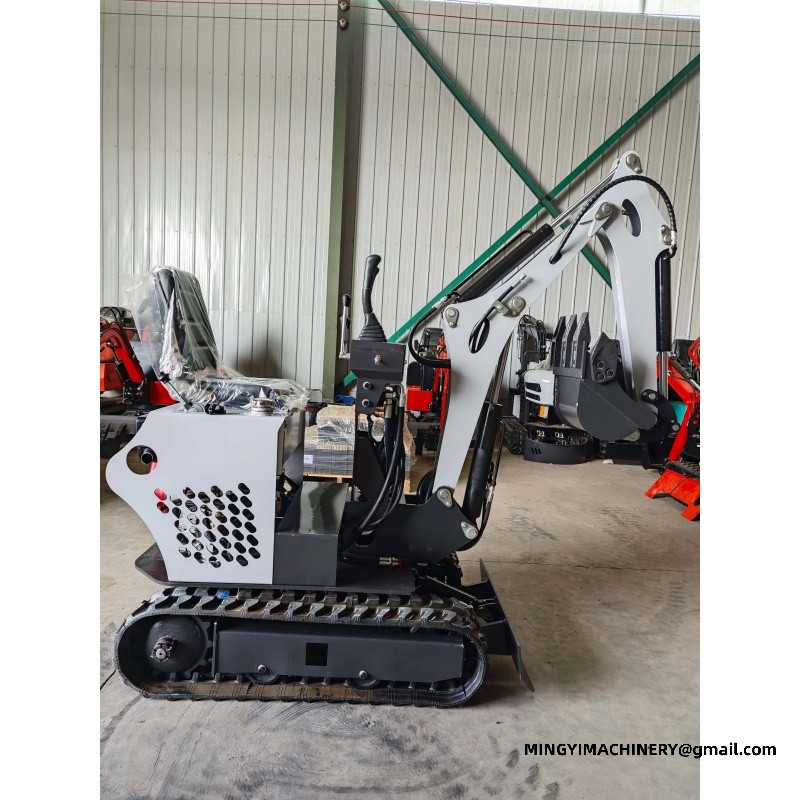
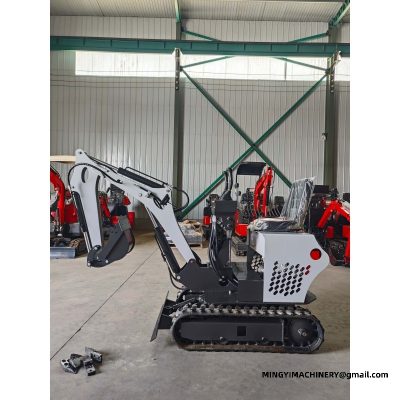
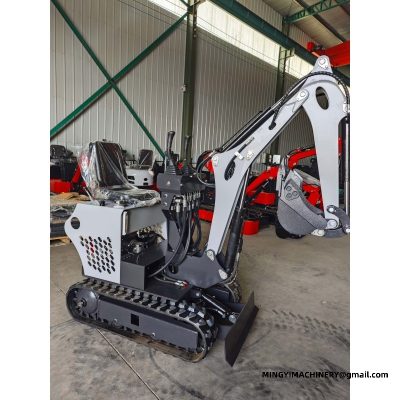
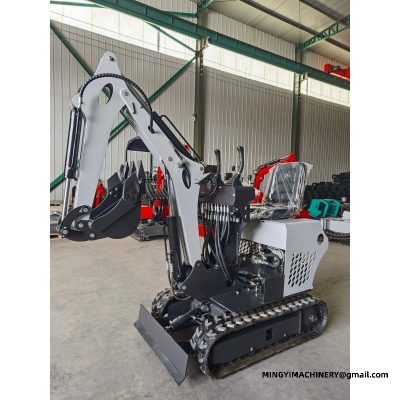
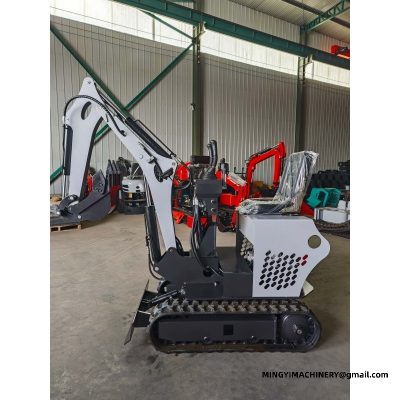
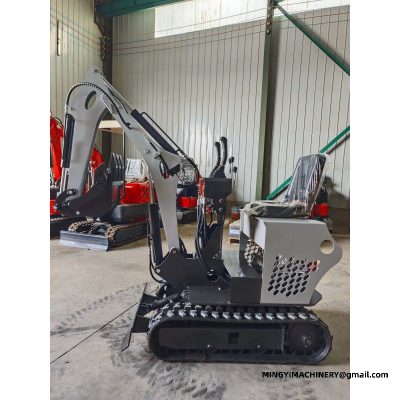
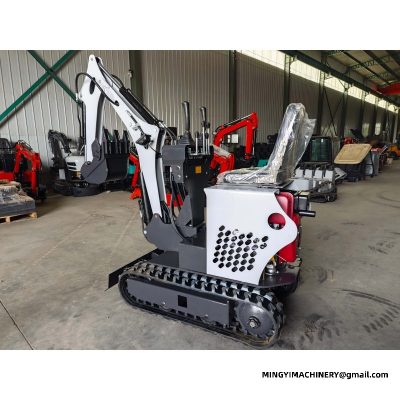
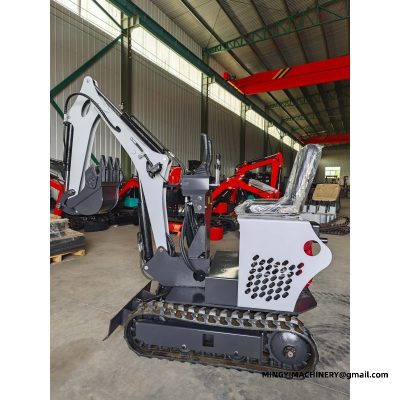
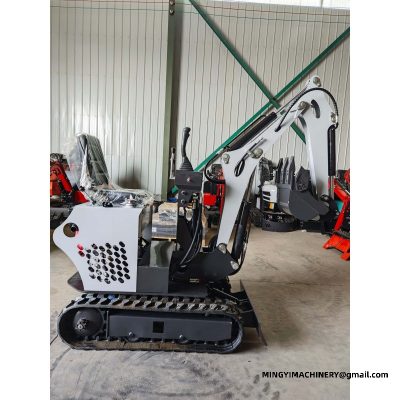
A working farm often needs a machine for a handful of jobs rather than a full contracting fleet. Trenching for water and power, clearing a yard and moving material are regular tasks that a compact carrier can cover alone.
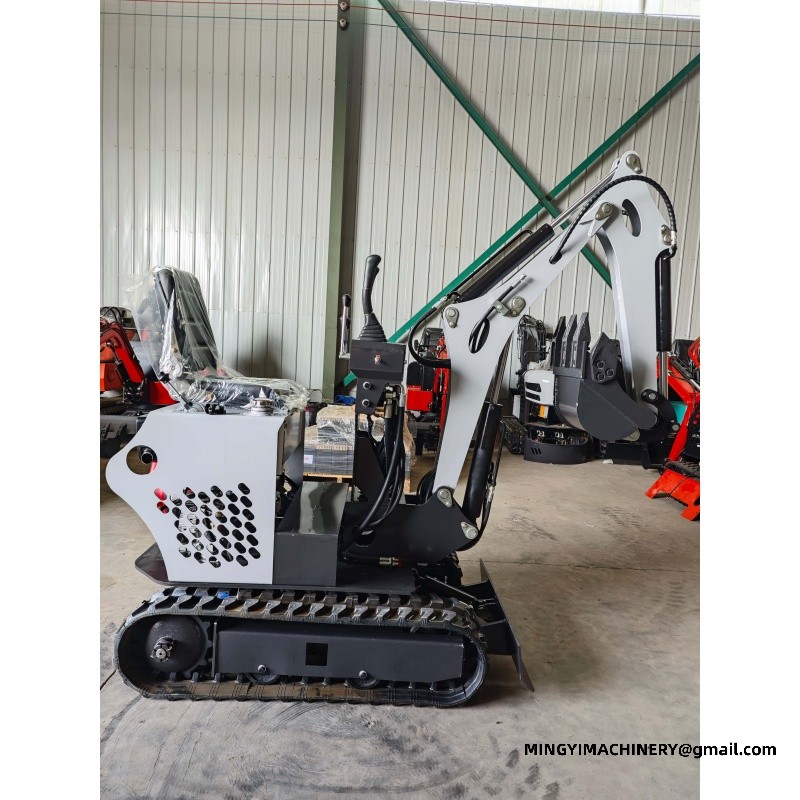
MINGYI mini crawler excavators are bought by farm owners for that pattern of use. Built to order, the machine can be set up around the jobs the farm actually repeats, without equipment it would never need.
Everyday jobs of a farm owned compact machine
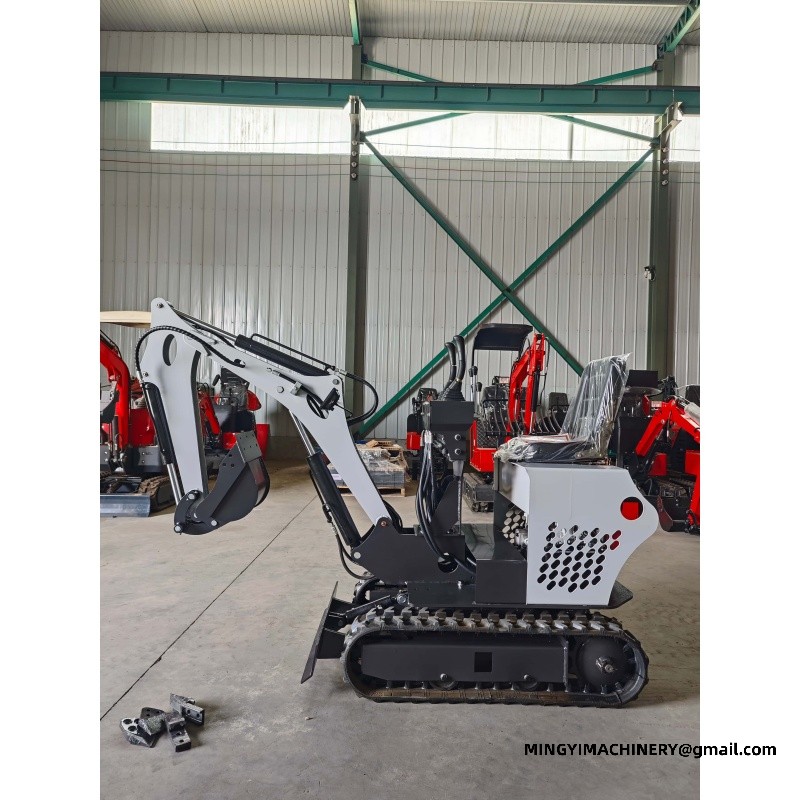
Water and power runs to outbuildings are common, and a narrow bucket opens the trench while a grading bucket closes it after. The same machine then clears a yard or levels a gateway.
Handling is a steady demand, from moving posts and pallets to lifting feed. A front fork or a grabber fitted to the coupler covers those tasks when the digging is done.
Choosing a compact machine specification for a farm
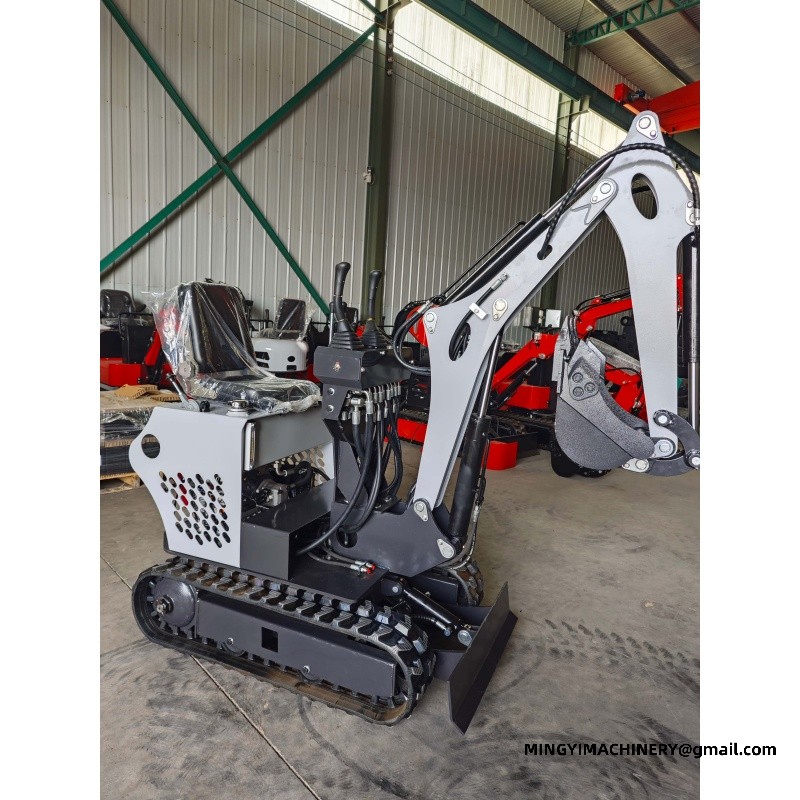
An engine from the Kubota, YANMAR or Changchai ranges is chosen at ordering to suit the machine class and the fuel available on the farm. The engine is matched to the hydraulic system at build.
Rubber tracks protect the yards and tracks the machine uses daily. Where field work dominates, steel tracks with rubber blocks are specified instead, and the choice is recorded with the order.
Engine, track type and attachments should all be settled before a farm machine is ordered. Getting them right at the start is what keeps a single carrier useful across the jobs a working farm repeats.
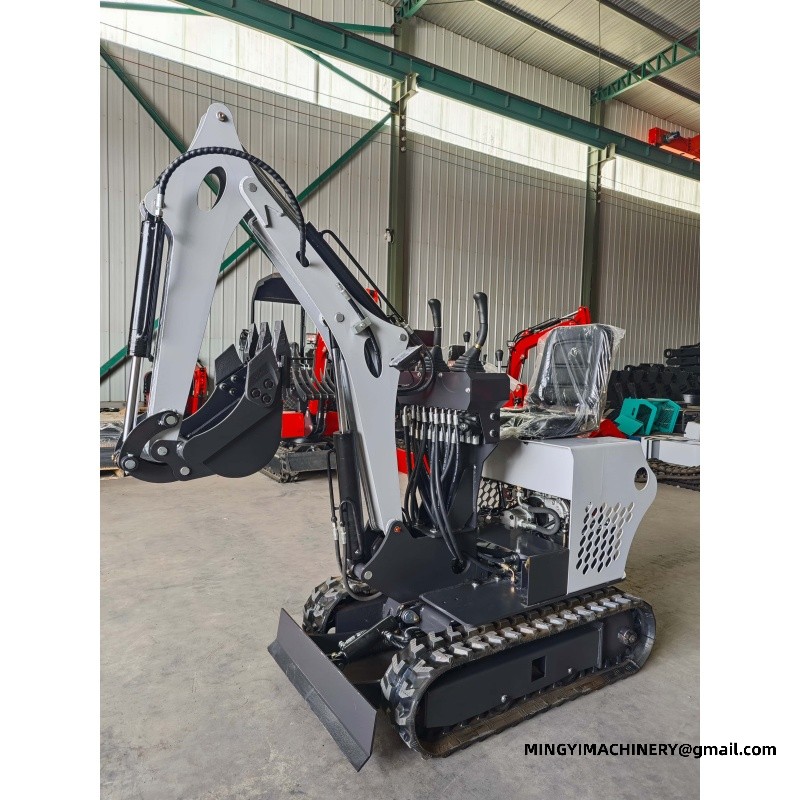
Noise, dust and working near occupied buildings Work near housing or occupied premises brings constraints that open sites do not. Start times, exhaust condition and how often the excavator needs to reverse are the practical limits that neighbours notice. Dust control is often part of the same conversation. Water, timing and work sequence reduce what leaves the site, and agreeing them in advance keeps this class of machine working rather than stopped after a complaint. Track choice for mini excavator for everyday farm jobs Rubber tracks suit paved and landscaped ground because they spread the machine weight and leave the surface intact. Steel tracks with rubber blocks are specified where the ground is rougher or the working day is longer, and the choice can be made per machine rather than accepted as a factory default. Track type changes what the machine can cross and what it leaves behind. Buyers specify rubber for lawns, driveways and municipal work, and steel with rubber blocks for sites where sharp material would cut a rubber belt in a week. Trenching work with mini excavator for everyday farm jobs Trench quality depends on the bucket width and the operator, not on machine size. The unit in daily use with a narrow bucket and a swing boom cuts a clean run along a boundary without disturbing the ground either side of it. Depth control matters more on service work than speed. A machine of this size working beside live services is chosen because it can be placed precisely and stopped instantly, which is what the job actually requires. Working a mini excavator for everyday farm jobs through the seasons Weather decides which days are productive. Rain turns some ground unusable and cold changes how the equipment on site starts and warms up, so planning the wet months around maintenance is more useful than planning around output. Seasonal planning smooths the workload. Machines that are busy for a few months and idle for the rest benefit from a service slot in the quiet period, and the machine itself prepared in the off-season starts the busy months reliably. Hiring versus owning a mini excavator for everyday farm jobs The choice follows the hours. Work that fills a few weeks a year is usually better hired, while the model in question that would be on site most weeks starts to justify ownership once the transport and booking time is counted. Availability is part of the decision. Owning the machine in that duty means it is there on the day the ground is ready; hiring means competing for the same machine at the same time as everyone else in the season. Working on slopes and uneven ground with mini excavator for everyday farm jobs Slope work is a stability question before it is a traction question. Knowing the gradient the unit on the job is rated for, and working across rather than straight up where the ground allows, removes most of the risk. Ground that looks level often is not. A machine built for the work crossing a filled trench, a soft edge or a hidden void behaves differently from one on undisturbed ground, and those are the places worth walking before driving. Export packing and shipping of the equipment in service Export documentation, decals and paint are settled before packing. Asking for them with the class of machine order avoids a second handling session and keeps the machine on the booked vessel. Buyers who import regularly plan the spare parts with the machine. The excavator ordered with a wearing-parts kit arrives ready to work rather than ready to wait for the first service interval. Matching the unit in daily use to ground conditions Hard and abrasive ground reverses the specification. On rock, demolition rubble or sharp gravel, steel tracks with rubber blocks on a machine of this size survive conditions that cut a rubber belt quickly. Mixed sites are common and argue for a compromise specification. Most buyers choose rubber for the equipment on site and accept the wear, unless the majority of the work is on material that will damage it. Running the machine itself in a rental fleet Rental fleets buy for utilisation, not for a single job. The model in question with a quick coupler and a common attachment standard is hired more often because it suits more of the calls that come in. The specification that rents best is usually the simplest one to explain at the counter. The machine in that duty with rubber tracks, a canopy and a coupler covers the majority of weekend and short-term hires. Daily checks and maintenance on the unit on the job Daily maintenance on a machine built for the work is a short list: engine oil level, coolant, track tension, hydraulic oil level and a look at the hoses. Ten minutes at the start of the shift prevents most of the failures that stop a machine. Track tension is the item most often neglected. The equipment in service run with slack tracks wears the undercarriage and can throw a track on a turn; run too tight, the same components wear from the other direction. Lifting and material handling with the excavator Lifting with a machine built to dig needs a plan. The load, the radius and the ground under the unit in daily use all matter, and the safe figure is the one on the chart rather than the one that looks possible. Ground condition under the machine is part of every lift. Soft or uneven support is the common factor in handling incidents, and checking it takes less time than recovering this class of machine that has settled. Specification data for a machine of this size The figures below are the factory figures for the models most often matched to the equipment on site. They are the numbers to check against the site: the depth the work needs, the reach from one position, and the width of the narrowest point on the route in. Figures are factory figures and are confirmed on the build sheet for the machine itself. Where a job sits between two models, the larger machine usually takes less time than the smaller one spends on rework. Couplers are specified early because they affect the arm and the hydraulic kit. Adding one to the model in question after delivery means new pins, new hoses and a fitment session; adding it at build time is a line on the sheet. For a fleet that shares attachments between machines, a common coupler standard matters more than the coupler brand. The machine in that duty that picks up the same tools as the larger machines keeps the rack usable across the yard.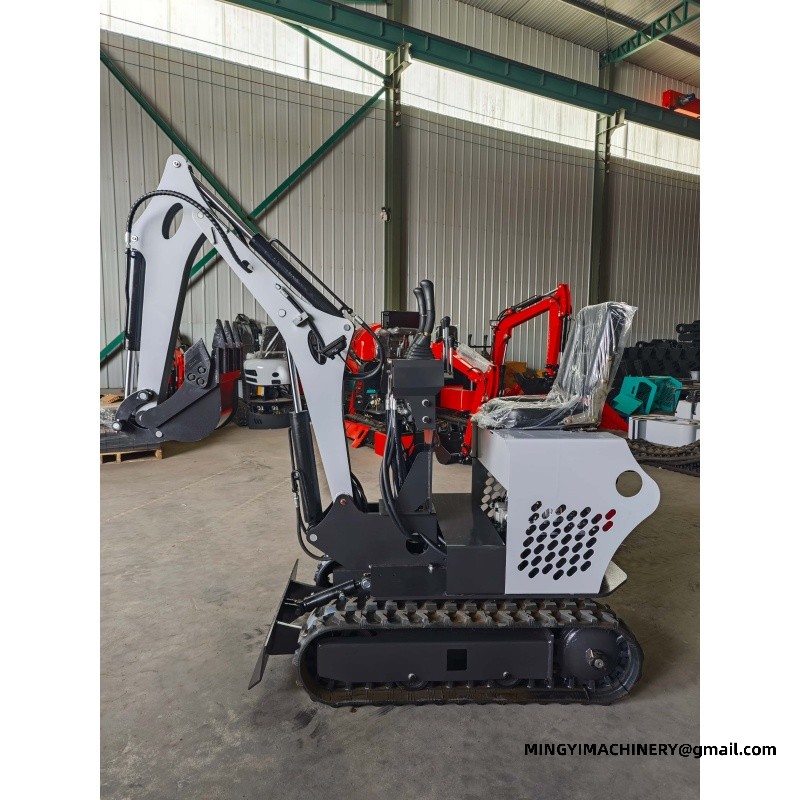
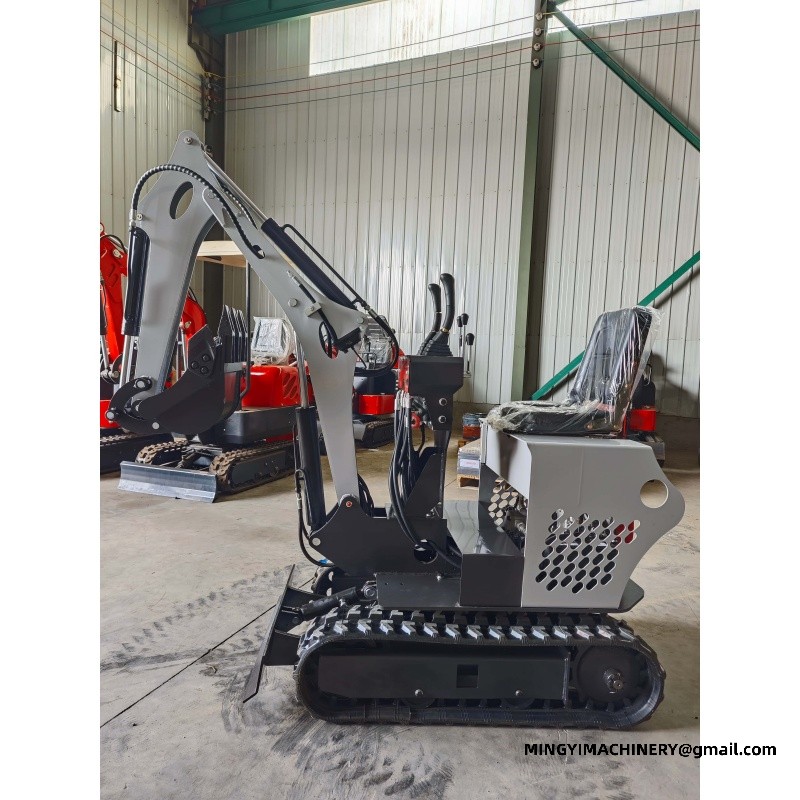
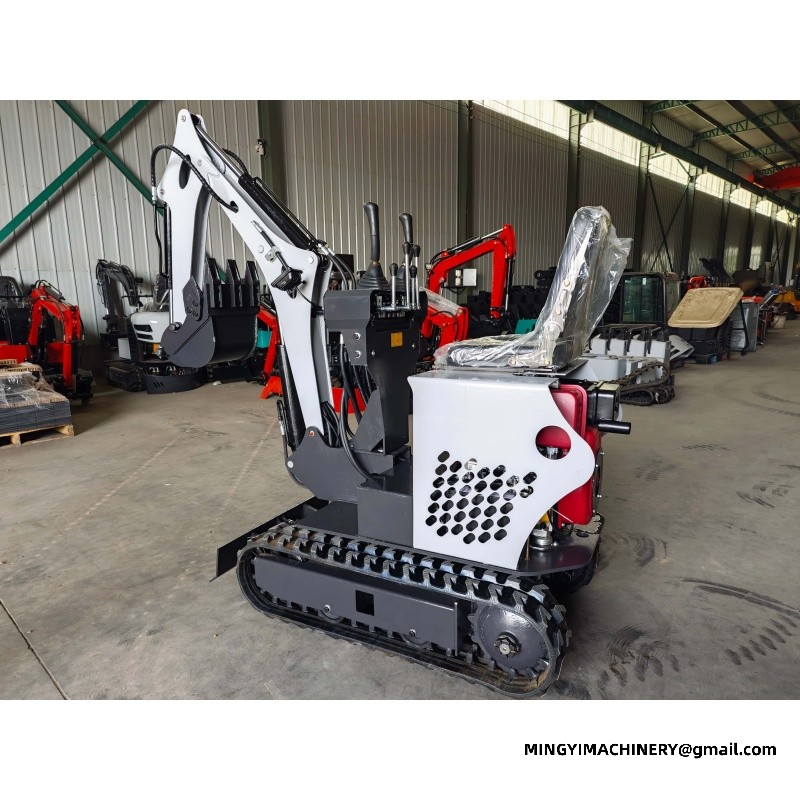
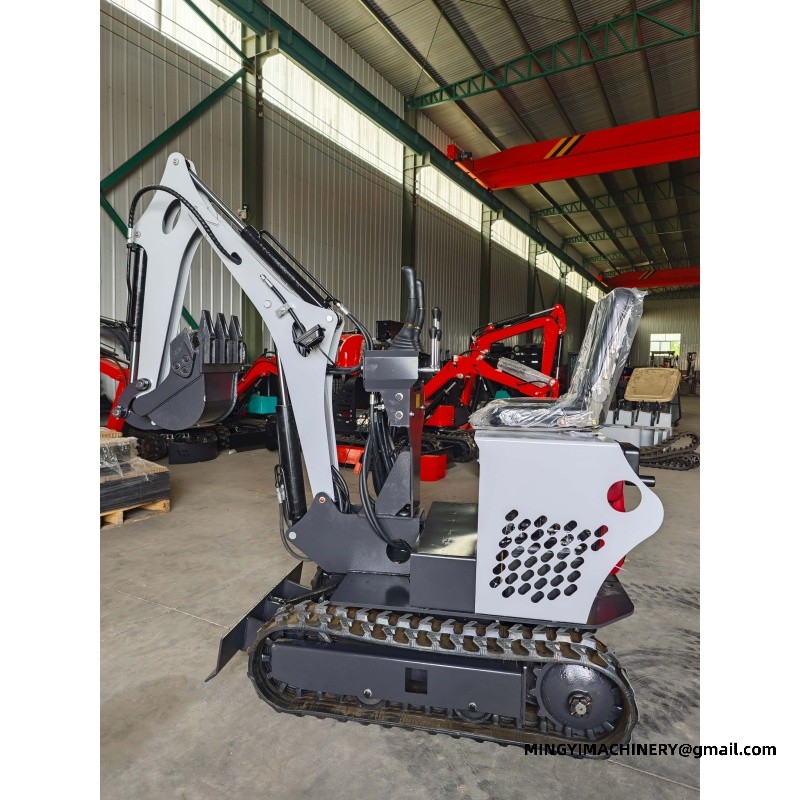
Reference specification — mini excavator range 15W 30-2W 25L 30-2L Operating weight 1400 kg (3086.47 lb) 2700 kg (5952.48 lb) 2200 kg (4850.17 lb) 2400 kg (5291 lb) Transport size (L×W×H) 2200 × 930 × 2250 mm 3000 × 1100 × 2700 mm 3000 × 1300 × 2700 mm 2800 × 1500 × 2500 mm Max digging depth 1630 mm (64.17 in) 2200 mm (86.61 in) 2300 mm (90.55 in) 2200 mm (86.61 in) Max digging height 2750 mm (108.27 in) 3000 mm (118.11 in) 3100 mm (122.05 in) 2900 mm (114.17 in) Max dumping height 1960 mm (77.17 in) 2000 mm (78.74 in) 2050 mm (80.71 in) 2100 mm (82.68 in) Max digging radius 2900 mm (114.17 in) 3800 mm (149.61 in) 3900 mm (153.54 in) 3330 mm (131.1 in) Max digging distance 2100 mm (82.68 in) 3050 mm (120.08 in) 3100 mm (125.05 in) 2700 mm (106.3 in) Minimum turning radius 1300 mm (51.18 in) 1750 mm (68.9 in) 1800 mm (70.87 in) 1555 mm (61.22 in) Travel speed 3 km/h (1.86 mph) 7 km/h (4.35 mph) 7 km/h (4.35 mph) 7 km/h (4.35 mph) Gradeability 30° 30° 30° 30° Fuel consumption 1-1.3 L/h (0.264—0.343 gal) 2-3 L/h (0.528—0.793 gal) 2-3 L/h (0.528—0.793 gal) 2-3 L/h (0.528—0.793 gal) Fuel tank capacity 10 L (2.64 gal) 16 L (4.23 gal) 16 L (4.23 gal) 16 L (4.23 gal) Hydraulic oil tank 16 L (4.23 gal) 20 L (5.28 gal) 18 L (4.76 gal) 18 L (4.76 gal) Dozer blade lift height 180 mm (7.09 in) 230 mm (9.06 in) 230 mm (9.06 in) 230 mm (9.06 in) Dozer blade drop depth 210 mm (8.27 in) 280 mm (11.02 in) 280 mm (11.02 in) 280 mm (11.02 in)
Q. Who uses the unit on the job?
A. Between crops and livestock, the compact excavator earns its place as the farm utility machine. One compact excavator with a bucket, an auger and a rake covers most of the farm calendar without hiring specialists. Read a machine built for the work together with the engine, track and attachment pages: jobs around everyday farm jobs are decided by how those choices line up, not by any single number on the sheet.
Q. Will it damage crop ground?
A. Not when set up for it: rubber tracks and a light footprint are why the farm pages pair track choice with boom reach. Plan the runs along the headland and the field looks the same after the machine as before.
Q. Which models does MINGYI build?
A. The 08, 12 and 18 models cover the 0.8 to 6 tonne class with engine, track, cab and attachment options across the range - dealer programmes can mix models in one shipment, and each everyday farm jobs machine is confirmed on its own build sheet.
A second operator for the equipment in service
Training is simpler than repair. An hour spent with a new operator on the excavator, covering the limits and the awkward cases, is the least lengthy hour in the whole ownership.
Handover and getting familiar with this class of machine
The first day with a new machine sets the pattern for the next five years. Handover for the unit in daily use covers the control layout, the daily check points and the limits the operator needs to know before the first real load is lifted or carried.
Cold weather and winter care for a machine of this size
Starting is only the first problem. Until the equipment on site reaches working temperature the hydraulic response is slower and the seals are stiffer, and warming the machine before asking for full output avoids unnecessary strain.
E-mail : sales@mingycn.com
LINE ( ID ): mingyicn
Night work and lighting on mini excavator for everyday farm jobs
Work lamps should cover the working area and the travel path separately, since a beam set for loading usually leaves the route dark.
A lighting check belongs at the start of every night shift, together with a look at the warning beacon and the brake lights.
Related pages
mini excavator for landscape contractors · mini excavator for construction fleets · Bucket Loader Machine: Matching Bucket Volume to Material Weight · Mini Excavators









