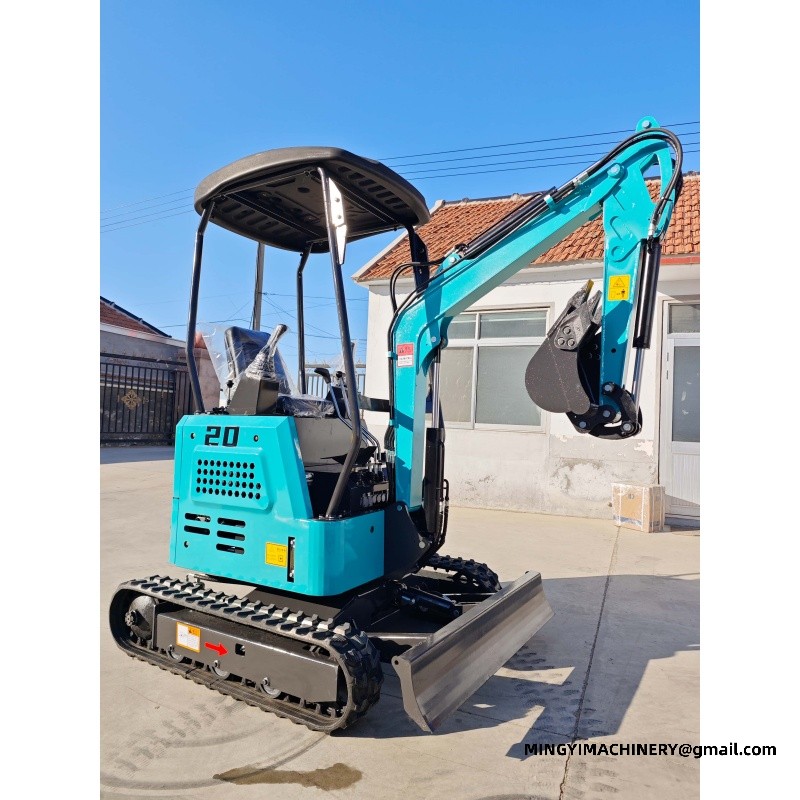
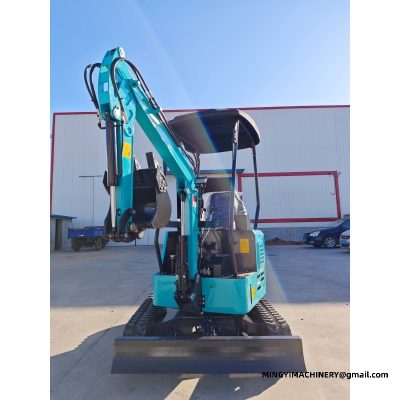
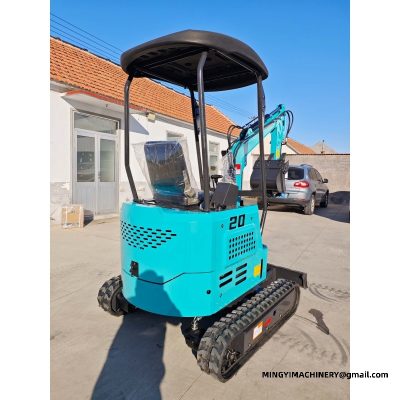
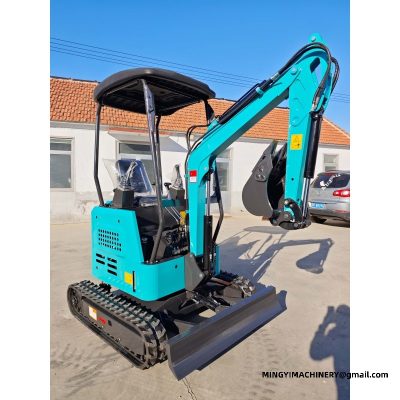
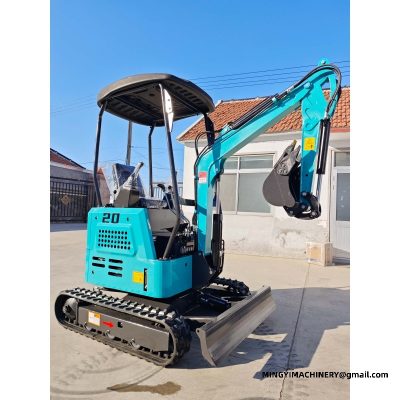
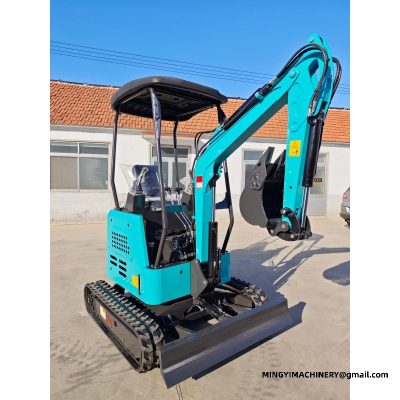
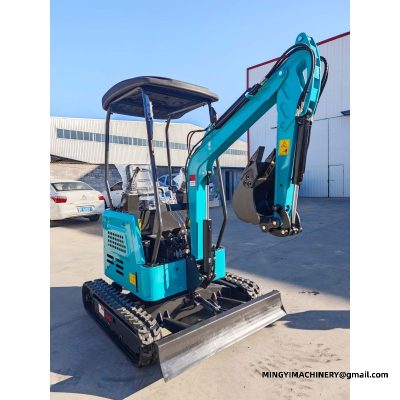
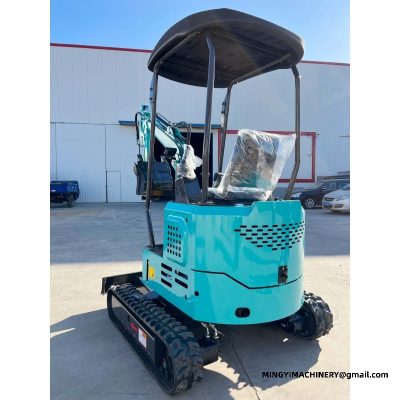
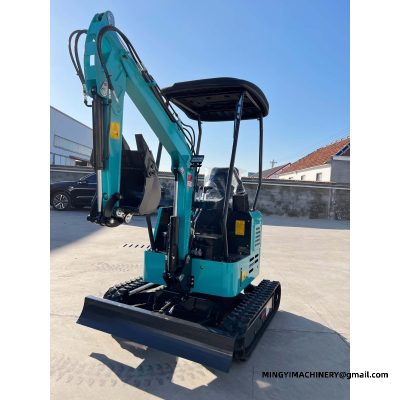
A small excavator that cannot be moved easily is a machine that stays on one site. For contractors and hire yards, how the unit loads, travels and unloads is part of the working specification rather than a detail.
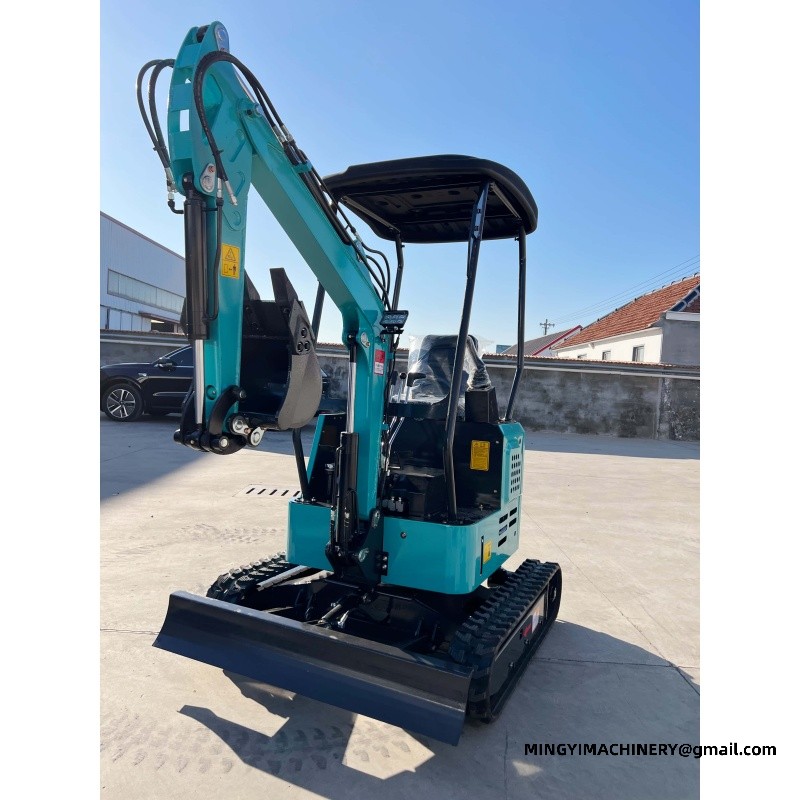
MINGYI builds compact crawler excavators to order, and machines bought for regular transport are specified with the trailer in mind. Weight, width and height on the trailer are settled before the machine is built.
Transporting a small digger by trailer
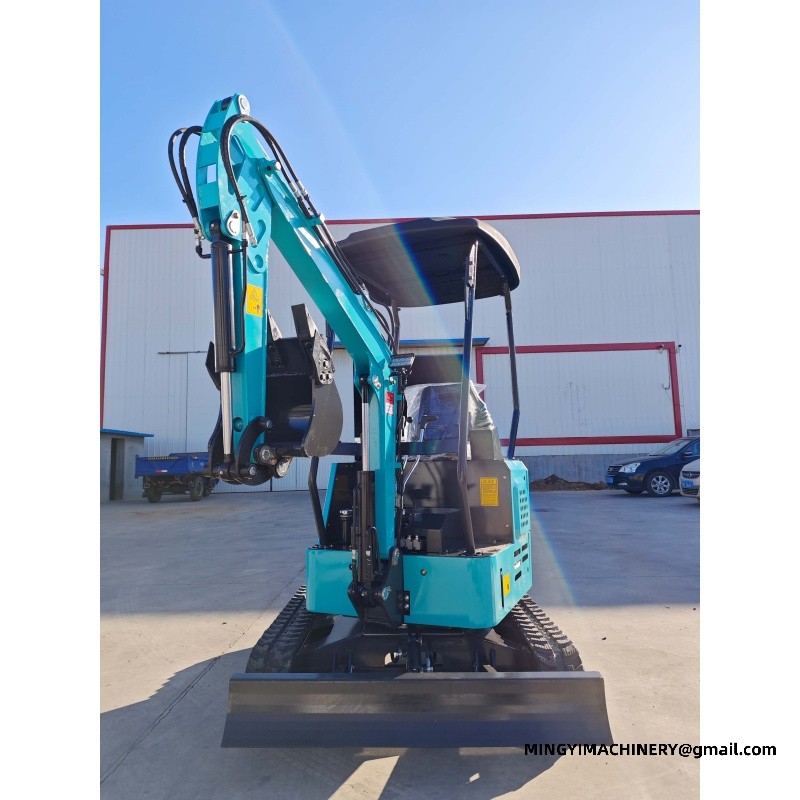
The trailer usually sets the limit. A machine that fits one already owned takes less to move than one that demands a bigger vehicle, so the loaded weight and the overall height decide much of the specification.
The cab or canopy form matters here, because a canopy machine is lower and lighter. Attachments travel with the carrier, so their weight and their packing are counted in the same calculation.
Width, ramps and tie-down for road moves
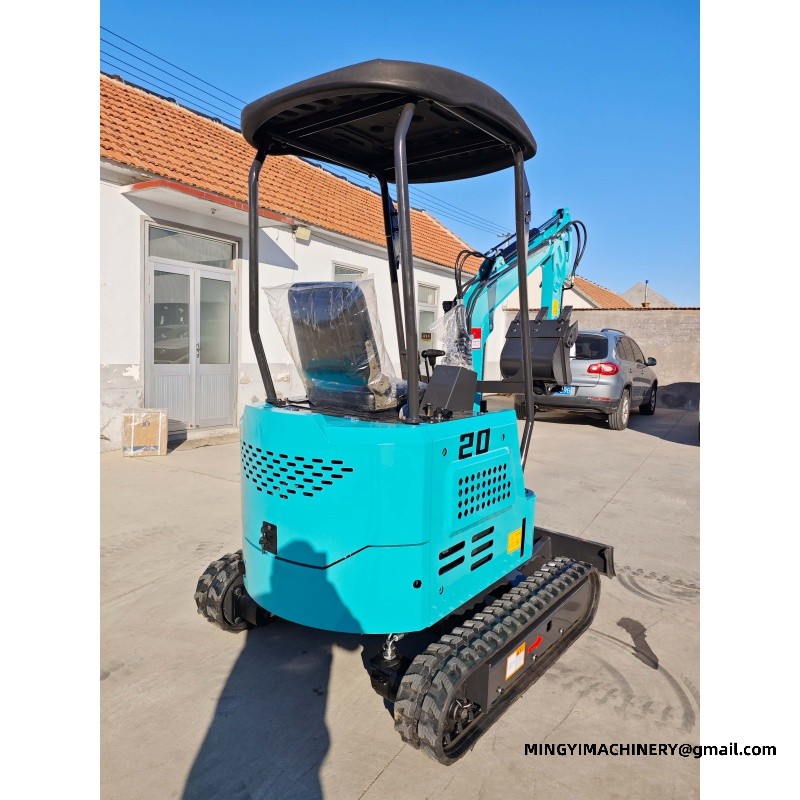
Loading is a short routine that repays planning. Ramps long enough for the approach angle and a machine narrow enough to sit squarely on the trailer make the move a two minute task instead of a struggle.
Tie-down points and a balanced position on the trailer keep the load stable for the journey. These are worth settling alongside the model choice, since the class of machine decides what the trailer has to carry.
For anyone moving a machine regularly, transport is part of the specification. A compact excavator chosen for the trailer it rides on spends far less of the year standing idle between sites.
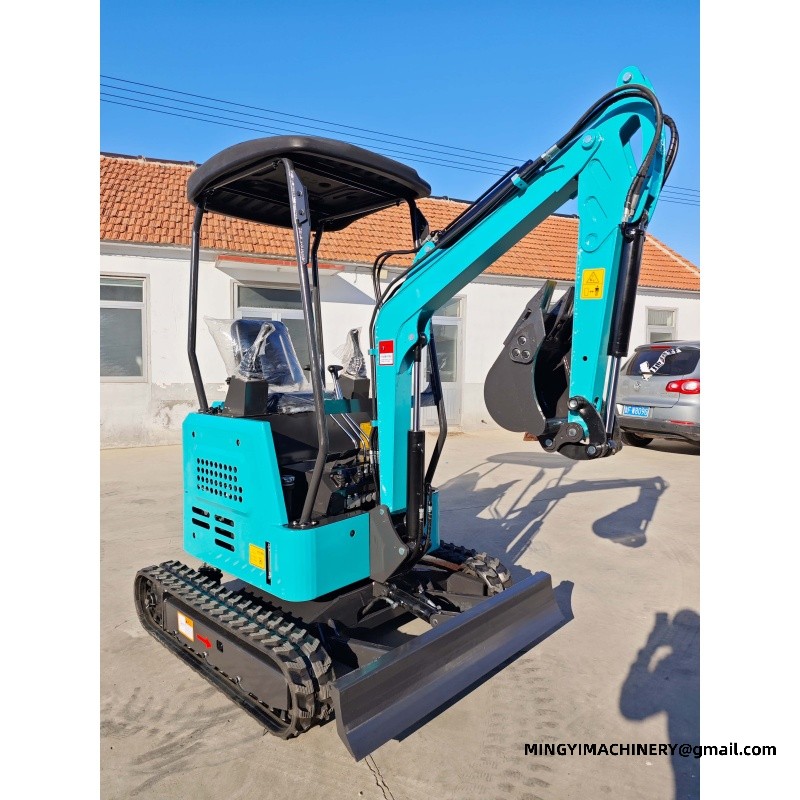
Working near live services with mini excavator for trailer transport Digging near water, gas and cable is a precision job. The excavator is used here because the operator can work in short controlled cuts and because the machine can be positioned without driving over the run being exposed. Utility crews specify this class of machine with a narrow bucket and good visibility for exactly this reason: the machine has to stop at the service, not at the edge of the operator's view. Lifting and material handling with a mini excavator for trailer transport Lifting with a machine built to dig needs a plan. The load, the radius and the ground under the machine of this size all matter, and the safe figure is the one on the chart rather than the one that looks possible. Stability changes with reach. A load the unit in daily use handles close in becomes a different proposition at full extension, so the working radius belongs in the plan before the lift rather than during it. What owners should plan for beyond the mini excavator for trailer transport The useful comparison is demand per working hour, not demand per machine. The equipment on site that works more hours a year spreads its standing takes over more output, which is why utilisation usually matters more than the invoice figure. Downtime is the hidden line item. The machine itself waiting on a part earns nothing while it stands, so parts availability and service access belong in the plan as much as fuel does. Engine options behind mini excavator for trailer transport Power unit selection is settled against the service network the buyer already uses. MINGYI offers Kubota D722, Kubota D902, YANMAR, Changchai, Laidong, Runtong, YARMAX, Youpu 2V80 and Youpu 195, so a fleet running one brand of engine can keep the same filters, the same parts supplier and the same mechanic. Two buyers can order the same the model in question and receive different engines. The decision is rarely about peak power; it is about which parts counter is closest to the site and which engine the local mechanic already knows. Hiring versus owning a mini excavator for trailer transport The choice follows the hours. Work that fills a few weeks a year is usually better hired, while the machine in that duty that would be on site most weeks starts to justify ownership once the transport and booking time is counted. Availability is part of the decision. Owning the unit on the job means it is there on the day the ground is ready; hiring means competing for the same machine at the same time as everyone else in the season. Track choice for mini excavator for trailer transport Rubber tracks suit paved and landscaped ground because they spread the machine weight and leave the surface intact. Steel tracks with rubber blocks are specified where the ground is rougher or the working day is longer, and the choice can be made per machine rather than accepted as a factory default. Undercarriage selection is a ground question, not a preference question. A machine built for the work running on finished paving needs rubber; the same machine on demolition rubble or rock wears rubber quickly, so steel with rubber blocks becomes the better answer over a full season. Matching the equipment in service to ground conditions Soft ground is a flotation problem, not a power problem. The excavator on wide rubber tracks crosses lawn, sand and cultivated soil that would stop a narrower machine or a wheeled unit of the same capacity. Hard and abrasive ground reverses the specification. On rock, demolition rubble or sharp gravel, steel tracks with rubber blocks on this class of machine survive conditions that cut a rubber belt quickly. Noise, dust and working near occupied buildings Work near housing or occupied premises brings constraints that open sites do not. Start times, exhaust condition and how often the unit in daily use needs to reverse are the practical limits that neighbours notice. Dust control is often part of the same conversation. Water, timing and work sequence reduce what leaves the site, and agreeing them in advance keeps a machine of this size working rather than stopped after a complaint. Working the equipment on site through the seasons Seasonal planning smooths the workload. Machines that are busy for a few months and idle for the rest benefit from a service slot in the quiet period, and the machine itself prepared in the off-season starts the busy months reliably. Heat and dust are as limiting as rain. Air intake condition and cooling cleanliness decide how the model in question behaves in a dry season, and both are checked in a minute rather than repaired later. OEM and fleet customisation of the machine in that duty Distributors and rental fleets usually need the machine to look like theirs. Paint, decals, seat colour and attachment branding can be specified on the unit on the job at build time rather than applied after import. Documentation can be prepared to suit the importer. Manuals, parts books and decal sets for a machine built for the work can be supplied with the buyer's own branding where the order size justifies it. Running the equipment in service in a rental fleet The specification that rents best is usually the simplest one to explain at the counter. The excavator with rubber tracks, a canopy and a coupler covers the majority of weekend and short-term hires. Fleet buyers also weigh transport. This class of machine that a customer can tow on a normal licence and a standard trailer is a hire that does not need a delivery truck, which changes how often it goes out. Acceptance checks when the unit in daily use arrives Delivery day is the best time to find a problem. Checking the specification against the order, the fluid levels, the fasteners and any transport damage while the equipment on site is still on the trailer is faster than claiming later. A function check before the machine goes to work is worth the hour. Running through the controls, the travel and the attachment circuit on a machine of this size confirms it is set up as specified and ready for the site. Specification data for the machine itself The figures below are the factory figures for the models most often matched to the model in question. They are the numbers to check against the site: the depth the work needs, the reach from one position, and the width of the narrowest point on the route in. Every value shown is as built for the machine in that duty; options such as cab, side swing or a telescopic undercarriage change the transport dimensions and are confirmed at order stage. A canopy keeps the machine light and the operator aware of the surroundings, which suits short jobs in warm weather. A fully enclosed cab is specified where rain, dust or cold are part of the working year, and it can be added to the unit on the job as a retrofit rather than only at build time. Enclosure also changes noise and dust exposure. A sealed cab on a machine built for the work keeps dust out on dry sites and lets the machine work through weather that would otherwise stop a canopy machine for the day.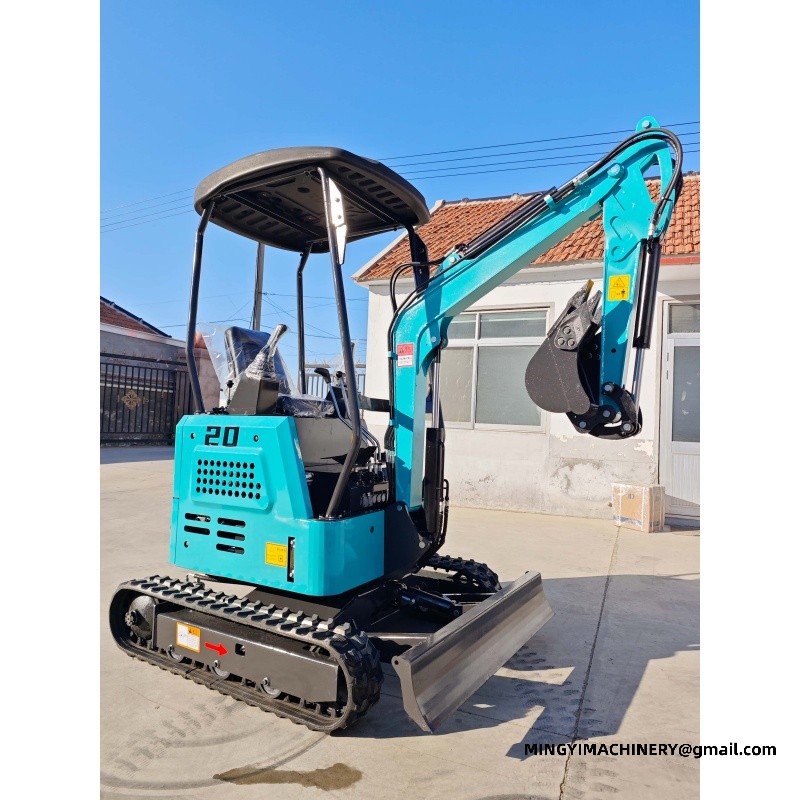
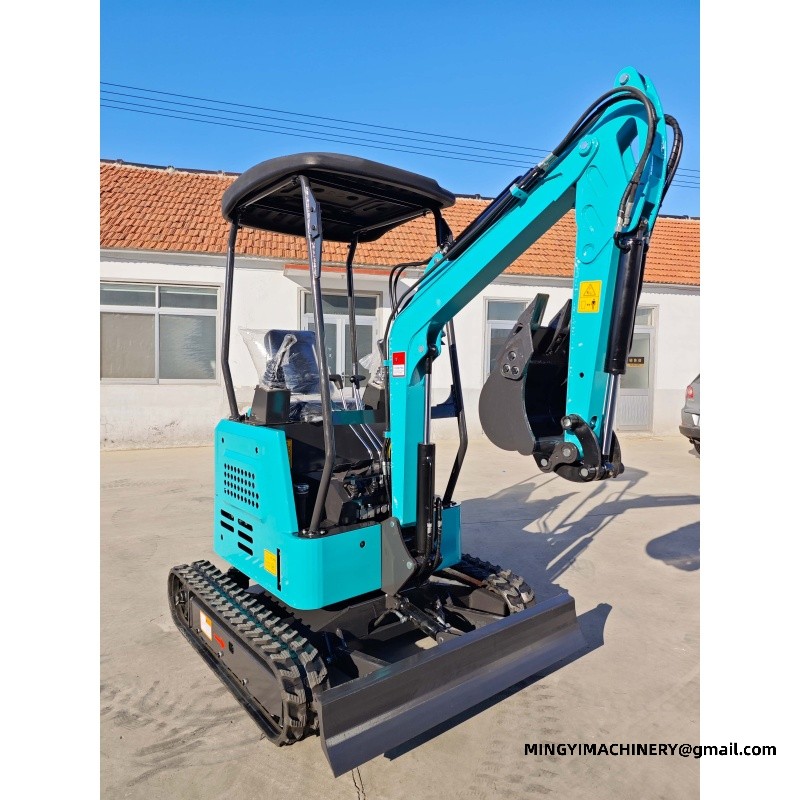
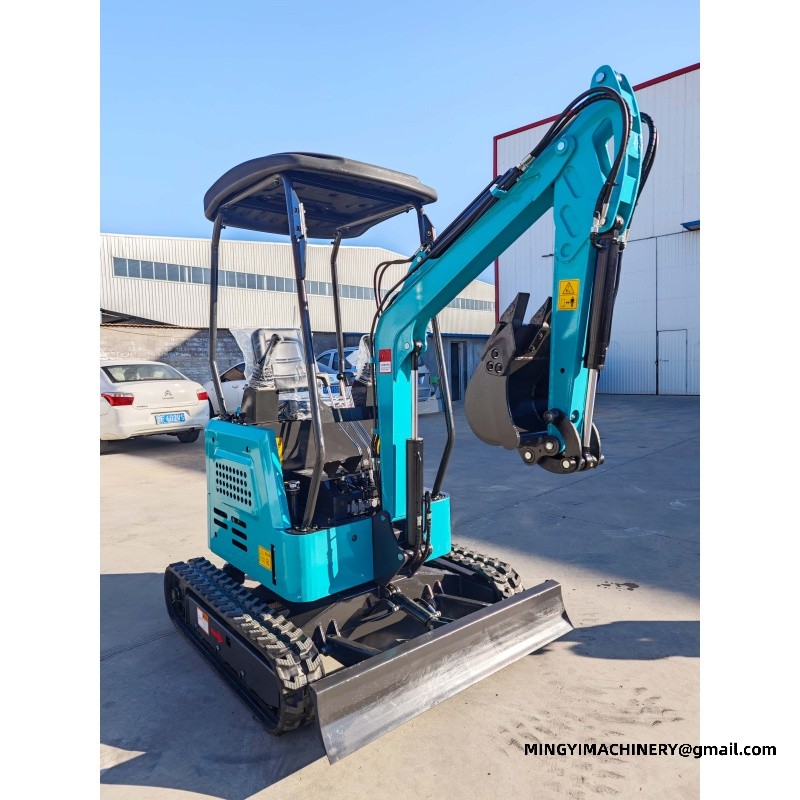
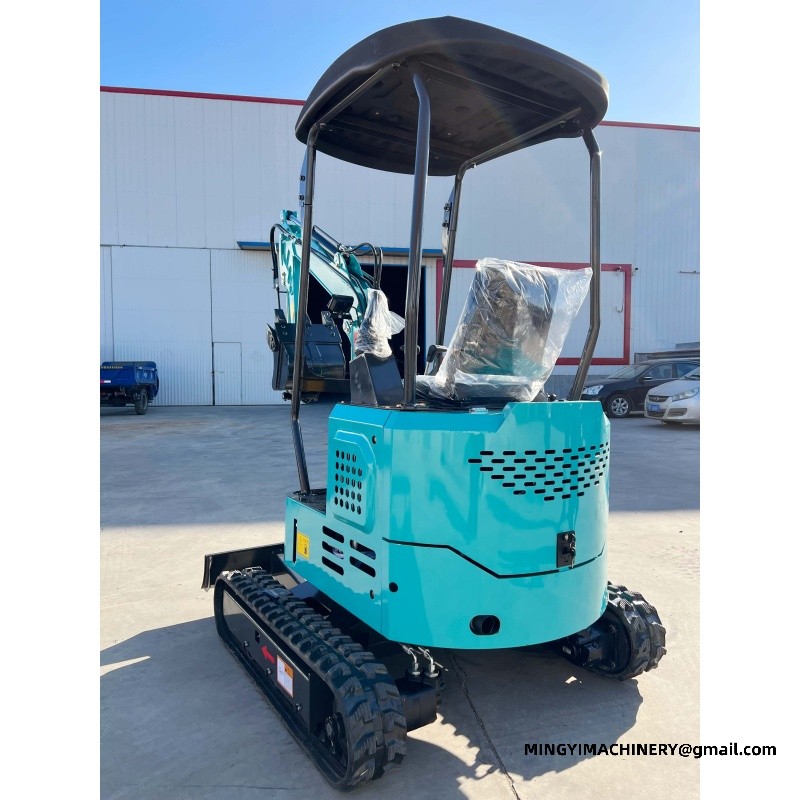
Reference specification — mini excavator range 30-1W 30-2W 09L 20-2L Operating weight 2900 kg (6393.41 lb) 2700 kg (5952.48 lb) 1100 kg (2425.08 lb) 1900 kg (4188.78 lb) Transport size (L×W×H) 3000 × 1250 × 2780 mm 3000 × 1100 × 2700 mm 2300 × 720 × 1870 mm 2600 × 1300 × 2344 mm Max digging depth 2200 mm (86.61 in) 2200 mm (86.61 in) 1400 mm (55.12 in) 2100 mm (82.68 in) Max digging height 3400 mm (133.86 in) 3000 mm (118.11 in) 2800 mm (110.24 in) 2880 mm (113.39 in) Max dumping height 2400 mm (94.49 in) 2000 mm (78.74 in) 1880 mm (74.02 in) 2100 mm (82.68 in) Max digging radius 4000 mm (157.48 in) 3800 mm (149.61 in) 2490 mm (98.03 in) 3215 mm (126.57 in) Max digging distance 2800 mm (110.24 in) 3050 mm (120.08 in) 2000 mm (78.74 in) 2460 mm (96.85 in) Minimum turning radius 2000 mm (78.74 in) 1750 mm (68.9 in) 1400 mm (55.12 in) 1587 mm (62.48 in) Travel speed 5 km/h (3.11 mph) 7 km/h (4.35 mph) 3 km/h (1.86 mph) 5 km/h (3.11 mph) Gradeability 30° 30° 30° 30° Fuel consumption 2-3 L/h (0.528—0.793 gal) 2-3 L/h (0.528—0.793 gal) 1-1.3 L/h (0.264—0.343 gal) 2-3 L/h (0.528—0.793 gal) Fuel tank capacity 16 L (4.23 gal) 16 L (4.23 gal) 8 L (2.11 gal) 16 L (4.23 gal) Hydraulic oil tank 20 L (5.28 gal) 20 L (5.28 gal) 16 L (4.23 gal) 18 L (4.76 gal) Dozer blade lift height 420 mm (16.54 in) 230 mm (9.06 in) 180 mm (7.09 in) 180 mm (7.09 in) Dozer blade drop depth 210 mm (8.27 in) 280 mm (11.02 in) 210 mm (8.27 in) 210 mm (8.27 in)
Q. What is the equipment in service?
A. One machine, one trailer, one operator and a full week of varied work is the whole idea behind the compact excavator class. Trenching on Monday, loading and grading through the week, fence posts and drainage to finish - the attachment set specifications the work. The excavator is one of the pages buyers land on when comparing machines for trailer transport, and the factory treats it as a specification conversation rather than a catalogue line.
Q. How do I choose the right machine for mixed work?
A. List the jobs in a normal month, find the narrowest access and the deepest dig, then size the machine to both. Send the list to the factory by email or LINE and the recommendation comes back matched to the work, not to the stock.
Q. Can I see the machine before it ships?
A. Inspection is arranged at the factory, in person or by a scheduled video walk-around - the same session covers paint, decals and attachment fitment for the trailer transport specification, so the machine inspected is the machine that ships.
Wear items and spares worth holding for this class of machine
The parts that stop a machine are rarely the parts that are hardest to find. Filters, belts, seals and the ground engaging tools on the unit in daily use are easy to hold and slow to replace, which is why they belong on the shelf rather than on an order.
Reading the early symptoms on a machine of this size
Operators notice things first because they hear the machine every day. Encouraging the person on the equipment on site to report small changes, and acting on them, is the most effective maintenance programme there is.
E-mail : sales@mingycn.com
LINE ( ID ): mingyicn
Related pages
1 to 3.5 tonne mini excavator · mini excavator in the one tonne class · Wheel Loader Supplier: Choosing Builds for Your Market · Mini Excavators









