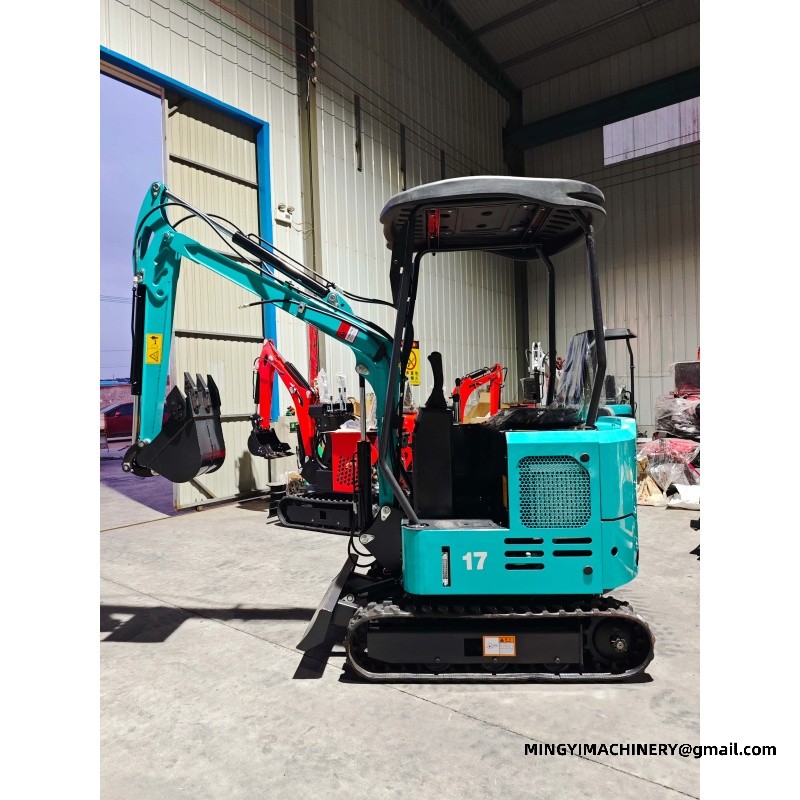
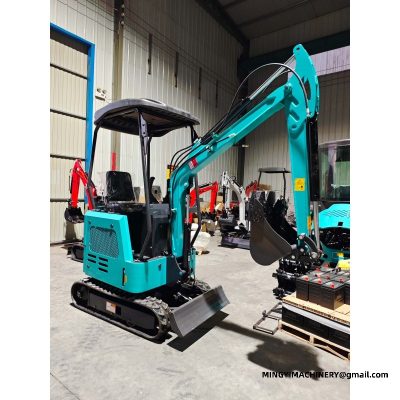
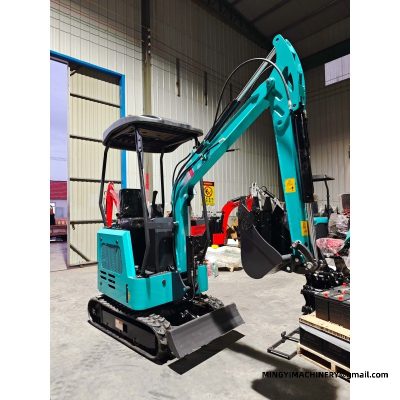
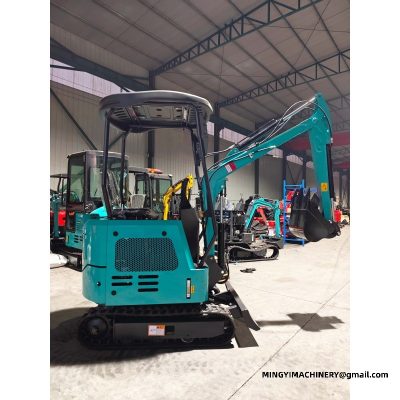
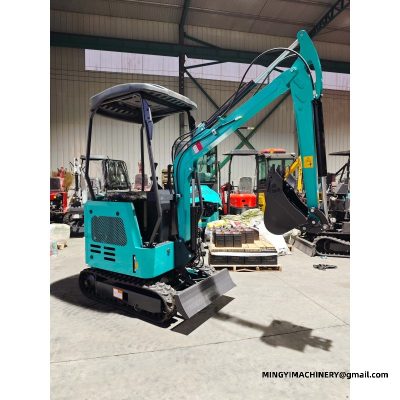
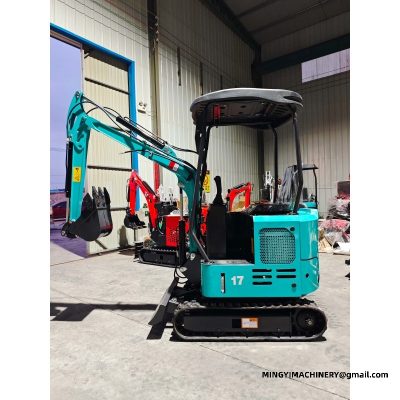
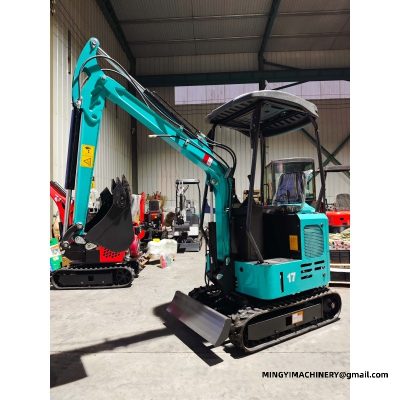
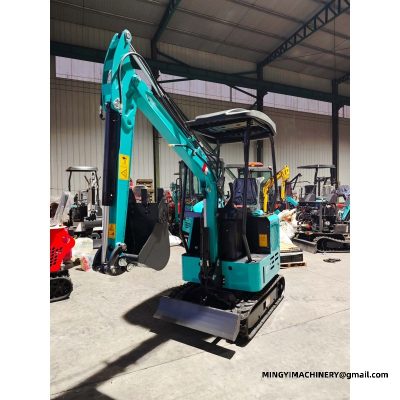
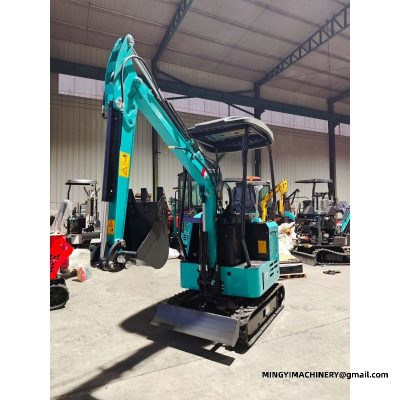
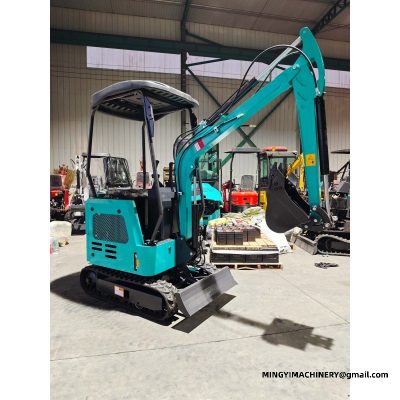
Trenching rewards a bucket built for the task. A narrow, clean cutting edge produces straight walls and a level invert, so pipe bedding and cable protection need less hand finishing before the backfill goes in.
MINGYI mini crawler excavators can be ordered with a trenching bucket and the coupler needed to change it. That lets one compact machine cut the trench and then switch to a wider bucket for reinstatement.
Why a dedicated trenching bucket cuts cleaner
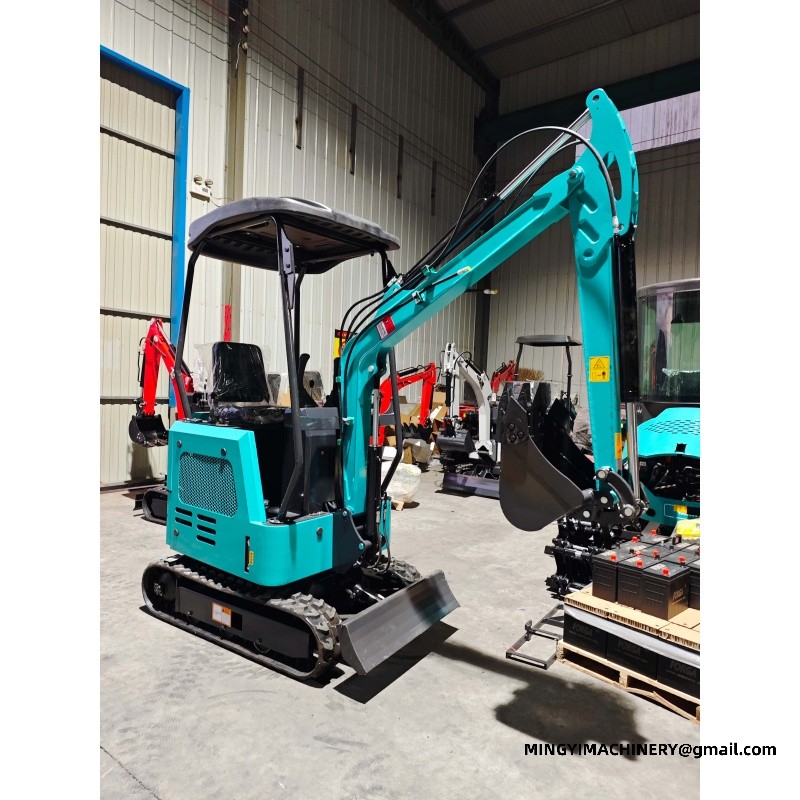
A narrow bucket concentrates the machine's digging effort into a small face, which keeps the walls of a utility trench close to vertical. That reduces the volume of spoil to handle and the width of surface to reinstate.
Cutting edge geometry controls how the spoil leaves the bucket. A well matched edge drops material cleanly to one side, so the operator can keep the trench line clear and lay pipe without clearing the edge by hand.
Running a trenching bucket on a compact carrier
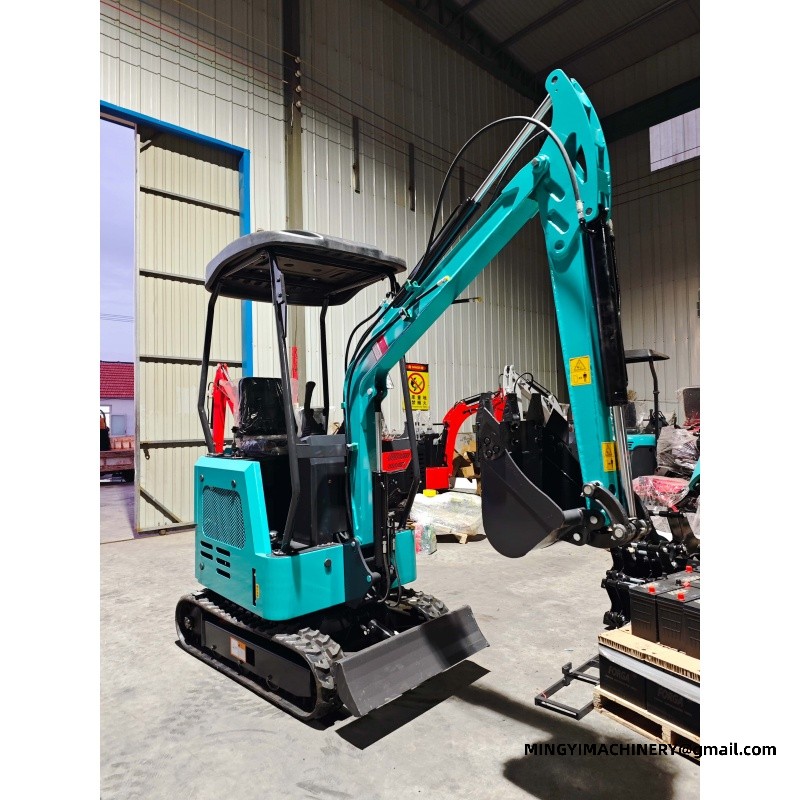
On a small excavator the trenching bucket is usually paired with an auger or a breaker for the same route. A quick coupler lets the operator open the trench, break an obstruction and backfill from the one machine.
Where the trench crosses a finished surface, rubber tracks reduce the repair afterwards. Setting the track type against the route is part of specifying the machine correctly.
Trench width, coupler and track type are the deciding choices on a machine for this work. Settling them during ordering lets MINGYI build the carrier against a written specification rather than a verbal one.
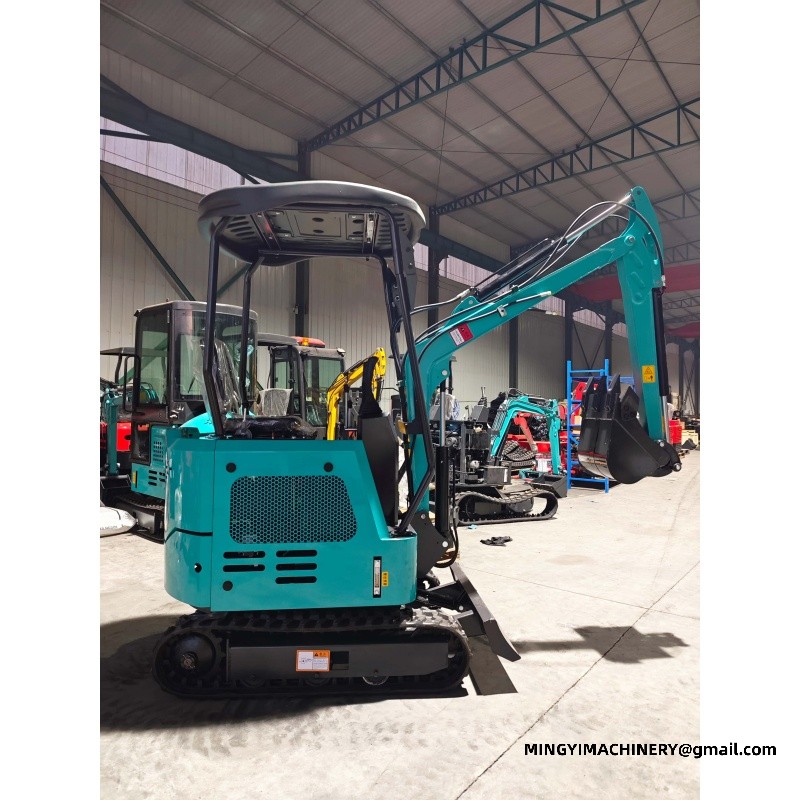
Operator technique for mini excavator with trenching bucket Output on a compact machine comes from placement rather than power. An experienced operator keeps the excavator working inside the swing arc, positions once and digs a full run instead of repositioning for every bucket. The second habit is tool discipline. Running this class of machine with the right bucket width for the trench means less spoil, less reinstatement and a cleaner job than a wide bucket and a lot of trimming. Municipal and public works with mini excavator with trenching bucket Municipal crews work on streets, footpaths and parks where the public is present. The unit in daily use is specified because it occupies little space, works inside a small exclusion zone and can be moved on a standard trailer. Drainage repair, tree planting, footway reconstruction and cemetery work are all within the range of a machine of this size. The jobs are small individually and continuous across the year. Daily checks and maintenance on mini excavator with trenching bucket Daily maintenance on the equipment on site is a short list: engine oil level, coolant, track tension, hydraulic oil level and a look at the hoses. Ten minutes at the start of the shift prevents most of the failures that stop a machine. Track tension is the item most often neglected. The machine itself run with slack tracks wears the undercarriage and can throw a track on a turn; run too tight, the same components wear from the other direction. Quick coupler practice on mini excavator with trenching bucket Couplers are specified early because they affect the arm and the hydraulic kit. Adding one to the model in question after delivery means new pins, new hoses and a fitment session; adding it at build time is a line on the sheet. For a fleet that shares attachments between machines, a common coupler standard matters more than the coupler brand. The machine in that duty that picks up the same tools as the larger machines keeps the rack usable across the yard. Working a mini excavator with trenching bucket in confined spaces Clearance above matters as much as around. Door heights, pipework and overhead services set the limit for the unit on the job indoors, and measuring them first avoids a machine that arrives and cannot be used. Ventilation is the other indoor constraint. Running a machine built for the work inside a closed structure needs air movement, and that is a planning item rather than something to discover after the first hour. Canopy or enclosed cab on a mini excavator with trenching bucket The cab decision follows the climate and the hours. Operators working a full shift in the equipment in service benefit from a sealed cab with wipers and heating; operators stepping on and off every few minutes usually prefer the canopy for the visibility and the quick exit. Enclosure also changes noise and dust exposure. A sealed cab on the excavator keeps dust out on dry sites and lets the machine work through weather that would otherwise stop a canopy machine for the day. OEM and fleet customisation of this class of machine Customisation also covers the specification sheet. A fleet buyer may want every machine of this size delivered with the same coupler, the same engine and the same tool kit so training and parts stock stay simple. Documentation can be prepared to suit the importer. Manuals, parts books and decal sets for the unit in daily use can be supplied with the buyer's own branding where the order size justifies it. Getting the equipment on site through a narrow gap The first question on most job lists is whether the machine can reach the work at all. The machine itself is chosen against the narrowest point on the route - a garden gate, a doorway, a gap between two walls - because a machine that arrives and then cannot pass loses a day, not an hour. Access decides the machine before output does. With the model in question the limiting dimension is usually the widest point on the way in, so measuring the gate, the corridor and the turning space first saves a wasted delivery and a second visit. Acceptance checks when the machine in that duty arrives Delivery day is the best time to find a problem. Checking the specification against the order, the fluid levels, the fasteners and any transport damage while the machine built for the work is still on the trailer is faster than claiming later. A function check before the machine goes to work is worth the hour. Running through the controls, the travel and the attachment circuit on the unit on the job confirms it is set up as specified and ready for the site. Trailering and moving the equipment in service Transport weight and width decide whether a machine needs a specialist haulier. The excavator sized to travel on a standard plant trailer behind a suitable vehicle moves with the crew rather than on a scheduled low loader. Loading practice matters as much as the numbers. This class of machine is driven up ramps under its own power with the boom lowered and the tracks aligned, and secured at the points the manufacturer specifies. Working on slopes and uneven ground with the unit in daily use Slope work is a stability question before it is a traction question. Knowing the gradient a machine of this size is rated for, and working across rather than straight up where the ground allows, removes most of the risk. Planning the direction of travel helps. Working so that the equipment on site is stable under load and not required to turn on a slope is a decision made before the job starts, not a correction made during it. Working near live services with the machine itself Utility crews specify the model in question with a narrow bucket and good visibility for exactly this reason: the machine has to stop at the service, not at the edge of the operator's view. Specification data for the machine in that duty Where the unit on the job is being specified for a job list, the table below gives the factory figures that matter most: what the machine weighs, how deep and how far it works, and what it measures on a trailer. Figures are factory figures and are confirmed on the build sheet for a machine built for the work. Where a job sits between two models, the larger machine usually takes less time than the smaller one spends on rework. Digging near water, gas and cable is a precision job. The equipment in service is used here because the operator can work in short controlled cuts and because the machine can be positioned without driving over the run being exposed. The risk on utility work is not machine power but machine placement. The excavator that fits the working width leaves the surrounding ground undisturbed, which keeps the trench stable and the reinstatement small.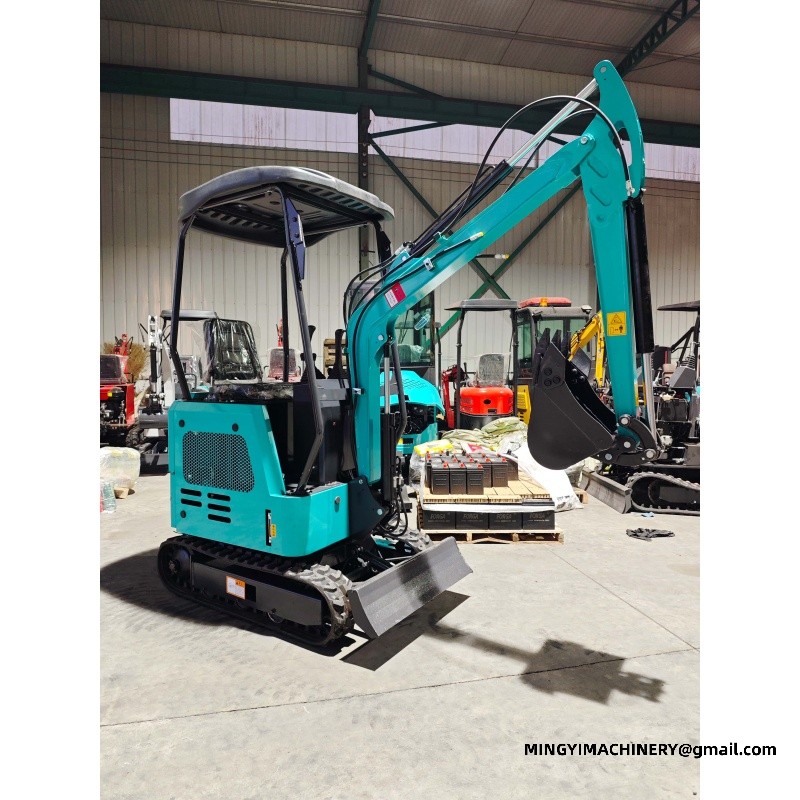
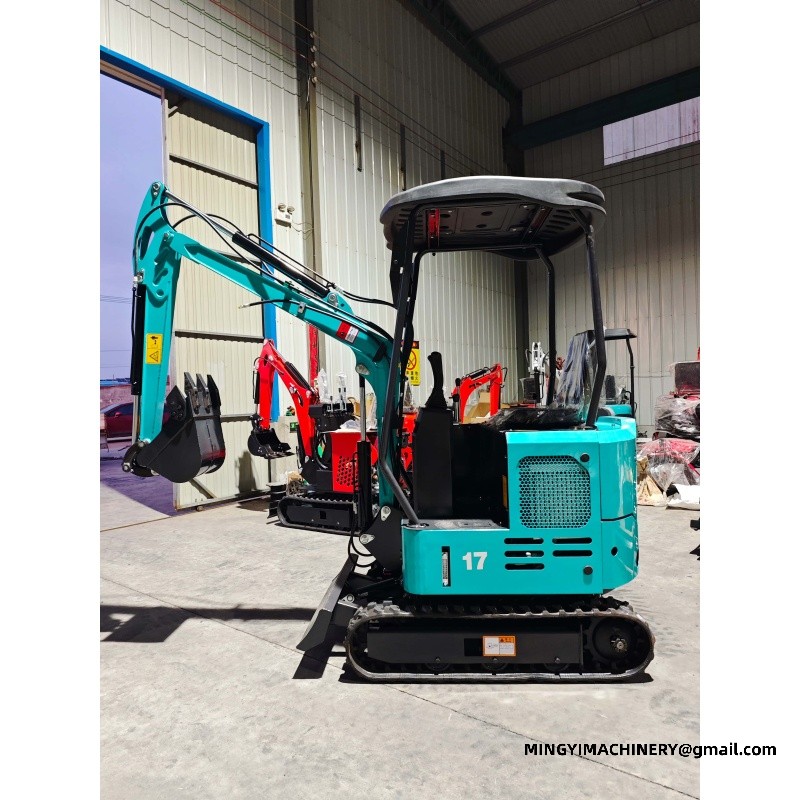
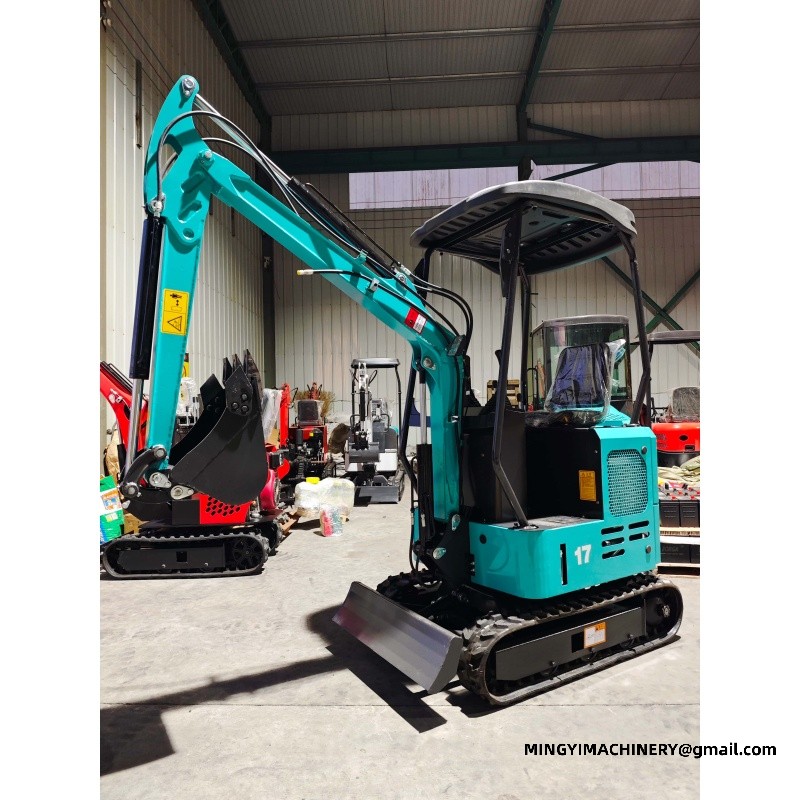
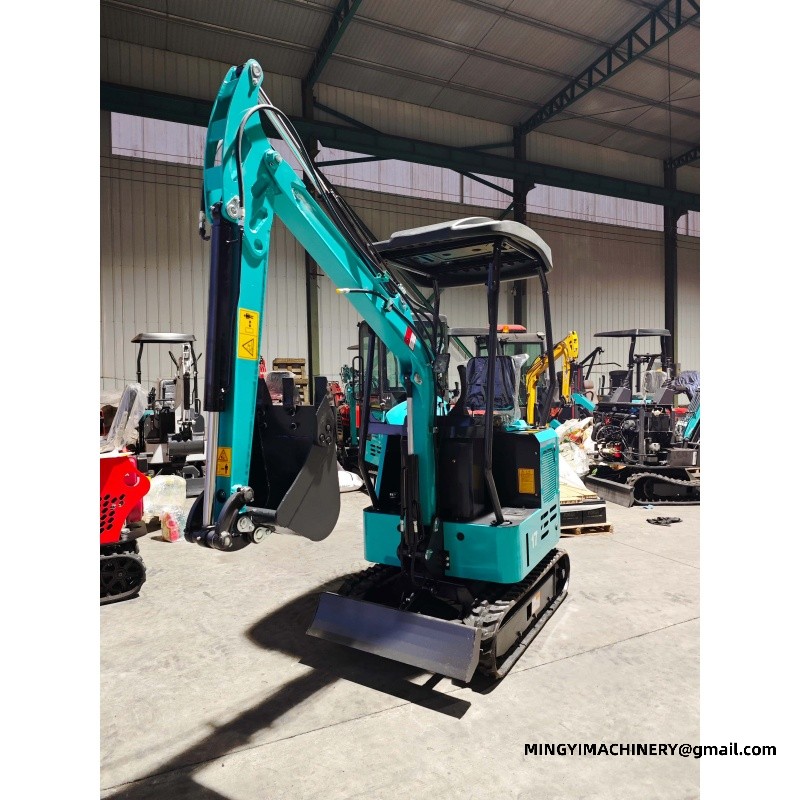
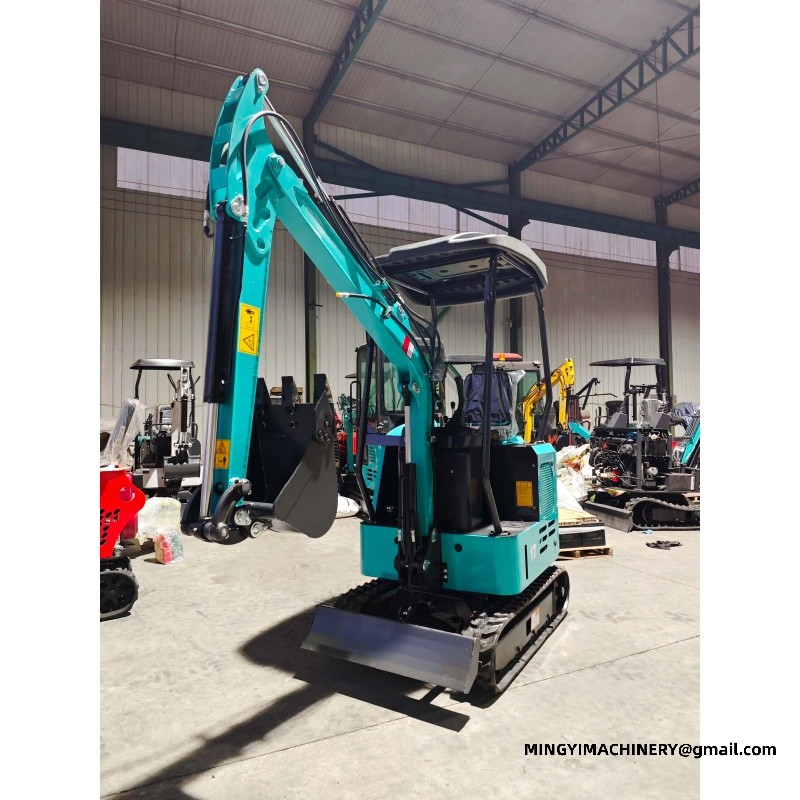
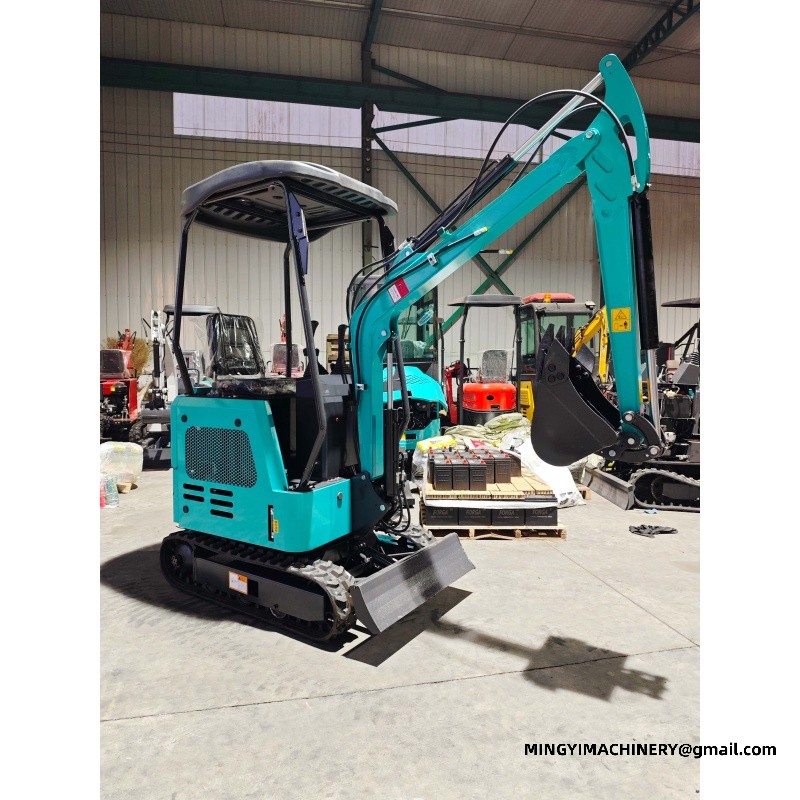
Reference specification — mini excavator range 12W 13W 15W 30-2L Operating weight 1200 kg (2645.55 lb) 1300 kg (2866.01 lb) 1400 kg (3086.47 lb) 2400 kg (5291 lb) Transport size (L×W×H) 2200 × 930 × 2250 mm 2200 × 930 × 2250 mm 2200 × 930 × 2250 mm 2800 × 1500 × 2500 mm Max digging depth 1630 mm (64.17 in) 1630 mm (64.17 in) 1630 mm (64.17 in) 2200 mm (86.61 in) Max digging height 2750 mm (108.27 in) 2750 mm (108.27 in) 2750 mm (108.27 in) 2900 mm (114.17 in) Max dumping height 1960 mm (77.17 in) 1960 mm (77.17 in) 1960 mm (77.17 in) 2100 mm (82.68 in) Max digging radius 2900 mm (114.17 in) 2900 mm (114.17 in) 2900 mm (114.17 in) 3330 mm (131.1 in) Max digging distance 2100 mm (82.68 in) 2100 mm (82.68 in) 2100 mm (82.68 in) 2700 mm (106.3 in) Minimum turning radius 1300 mm (51.18 in) 1300 mm (51.18 in) 1300 mm (51.18 in) 1555 mm (61.22 in) Travel speed 3 km/h (1.86 mph) 3 km/h (1.86 mph) 3 km/h (1.86 mph) 7 km/h (4.35 mph) Gradeability 30° 30° 30° 30° Fuel consumption 1-1.3 L/h (0.264—0.343 gal) 1-1.3 L/h (0.264—0.343 gal) 1-1.3 L/h (0.264—0.343 gal) 2-3 L/h (0.528—0.793 gal) Fuel tank capacity 10 L (2.64 gal) 10 L (2.64 gal) 10 L (2.64 gal) 16 L (4.23 gal) Hydraulic oil tank 16 L (4.23 gal) 16 L (4.23 gal) 16 L (4.23 gal) 18 L (4.76 gal) Dozer blade lift height 180 mm (7.09 in) 180 mm (7.09 in) 180 mm (7.09 in) 230 mm (9.06 in) Dozer blade drop depth 210 mm (8.27 in) 210 mm (8.27 in) 210 mm (8.27 in) 280 mm (11.02 in)
Q. What is this class of machine?
A. An attachment widens the range of jobs a single compact excavator can specification and win, which is why the working set matters as much as the base machine. A digger that only digs competes with shovels; a digger with the right working set competes for whole jobs. The unit in daily use is one of the pages buyers land on when comparing machines for trenching bucket, and the factory treats it as a specification conversation rather than a catalogue line.
Q. How do I know which attachment my machine can run?
A. Compare the carrier hydraulic flow with what the attachment asks for, and the lifting moment with what it weighs at full reach. Lower-flow carriers still run buckets, rakes and mechanical tools; hungry attachments call for the high-flow option, and MINGYI confirms the pairing before the order ships.
Q. Which models does MINGYI build?
A. The 08, 12 and 18 models cover the 0.8 to 6 tonne class with engine, track, cab and attachment options across the range - dealer programmes can mix models in one shipment, and each trenching bucket machine is confirmed on its own build sheet.
Cold weather and winter care for a machine of this size
A cold start is easier when the machine is prepared the night before. The routine that keeps the equipment on site working through winter is mostly a matter of fuel, battery and patience in the first ten minutes of the day.
Reading the early symptoms on the machine itself
Machines rarely fail without warning. A change in sound, a slower function or a new leak on the model in question is the machine saying something early, and listening then takes a fraction of the time that waiting does.
Keeping a service record for the machine in that duty
The record should follow the machine, not the owner. When the unit on the job changes hands the service history travels with it, and a complete folder is often the difference between a quick sale and a long one.
E-mail : sales@mingycn.com
LINE ( ID ): mingyicn
Related pages
mini excavator in daily site work · mini excavator for digging trenches · Wheel Loader for Aggregate Yard: Dust, Fines and Heavy Builds · Mini Excavators









