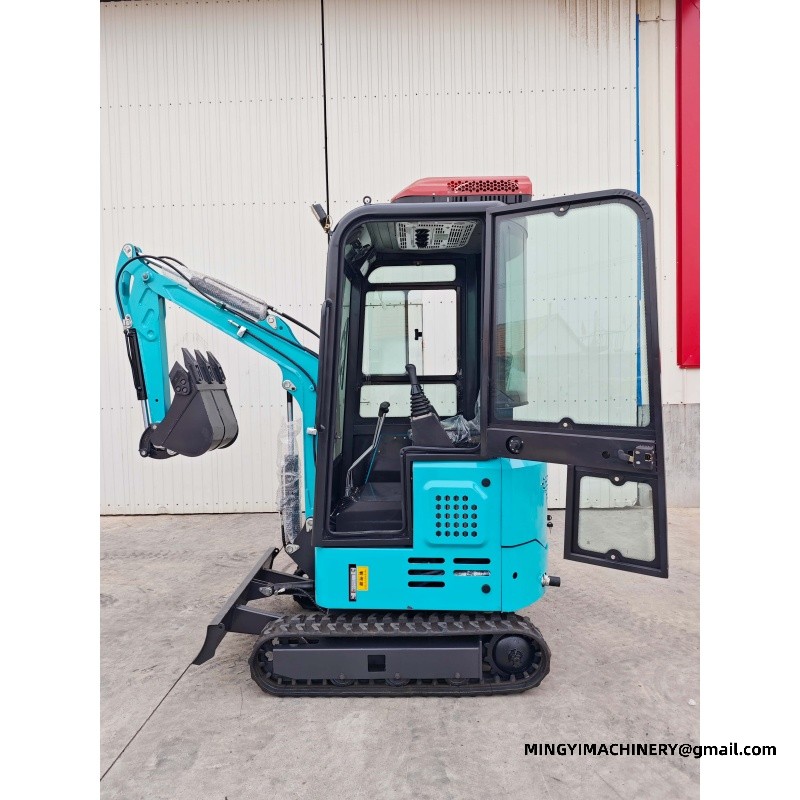
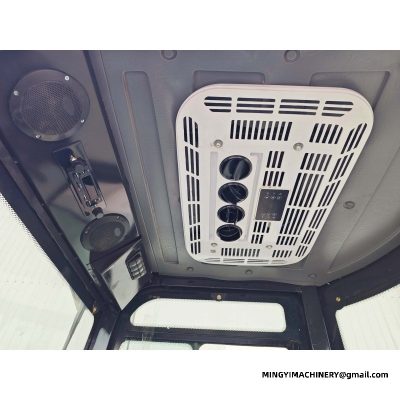
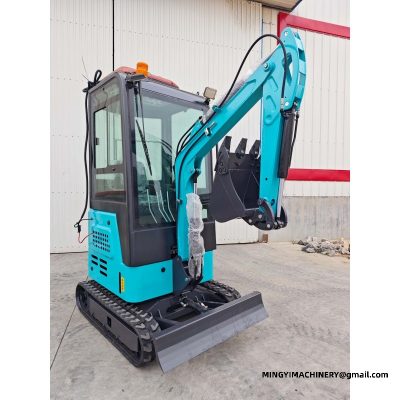
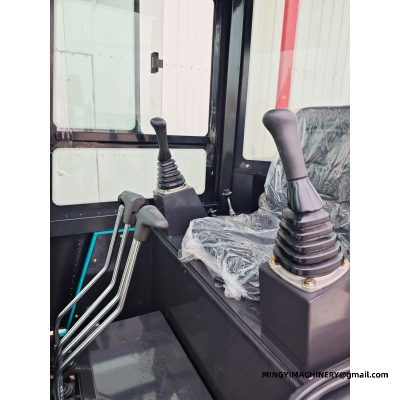
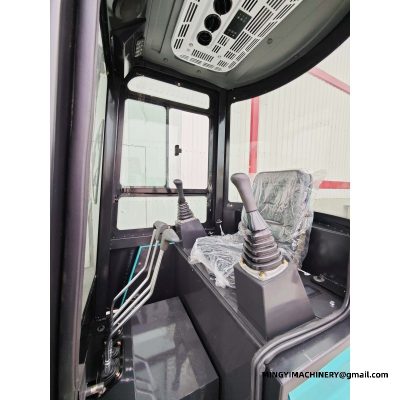
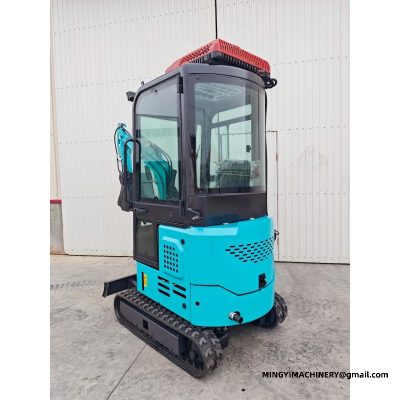
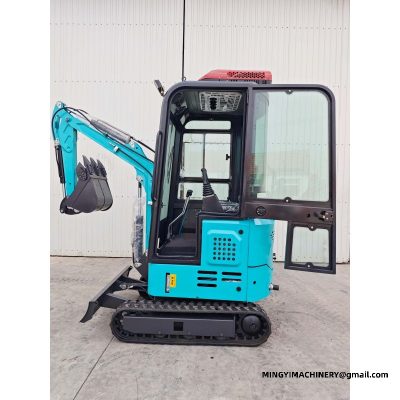
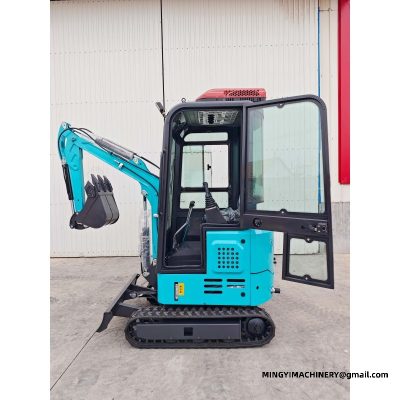
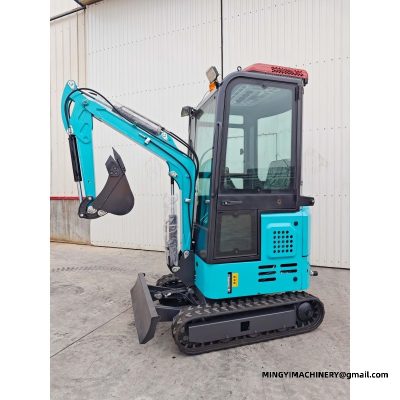
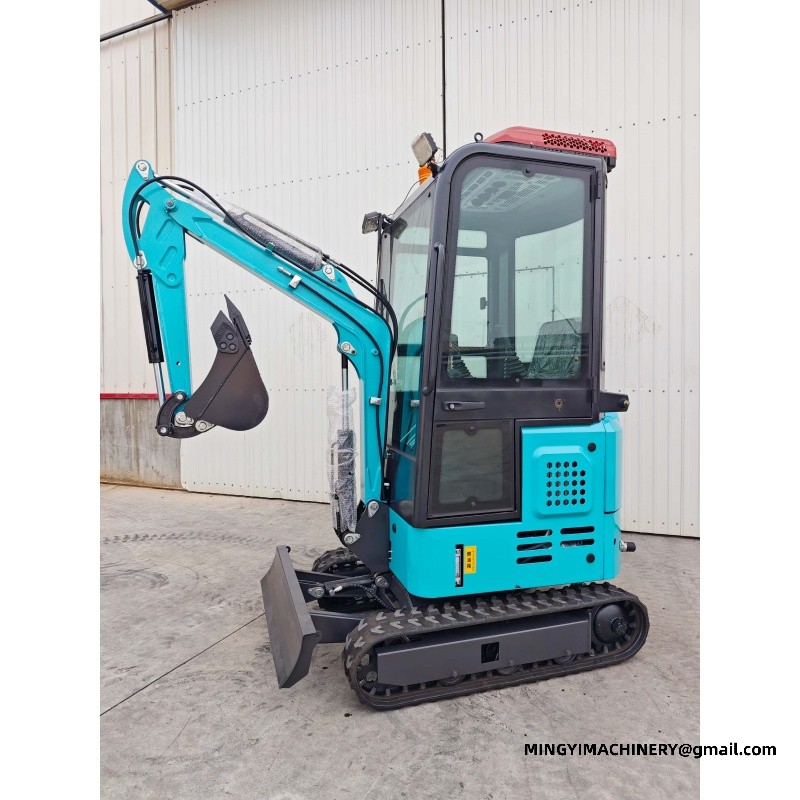
Renovation work digs with consequences: the site is occupied, the structure is staying, and the neighbours are watching. A mini excavator specified for small renovation jobs, from the MINGYI range, brings controlled digging to work where a larger machine would be a liability.
Machines in the smaller classes within the 0.8 to 6 tonne line reach through gates and side passages into rear gardens, work inside stripped buildings and lift spoil out of basements. Renovation is an access business, and the machine has to fit it.
Renovation digging around existing structures
Typical jobs include breaking out old floors and slabs, digging footings for extensions, excavating for damp-proofing and cutting service channels through established gardens. Pilot-controlled hydraulics keep those cuts close to walls without touching them.
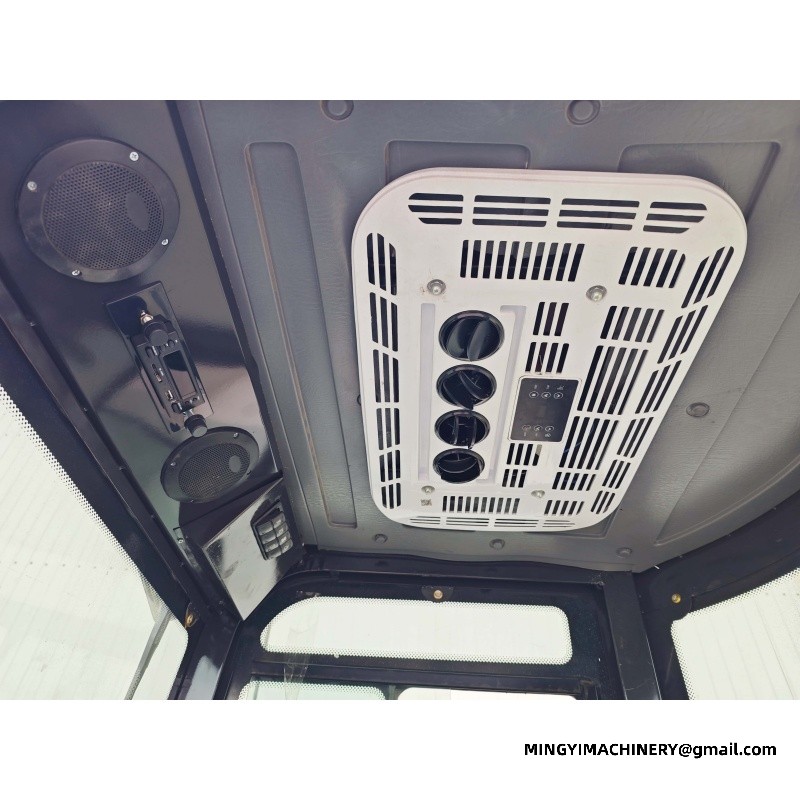
Inside buildings the small classes work under ceiling heights that exclude larger machines, and rubber tracks protect the floors that remain. The breaker and the tilting bucket between them cover most slab and grading work a renovation generates.
Ordering a renovation machine
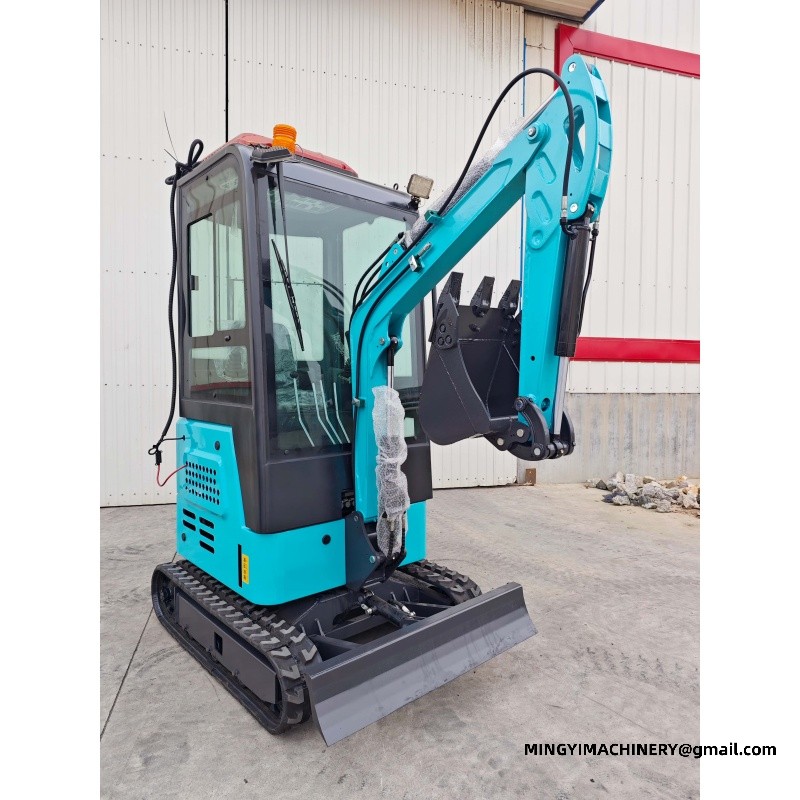
Buyers should bring the site list to the ordering conversation: the narrowest access, the heaviest slab, the finished surfaces to be crossed. From that list the sales engineer fixes track type, boom and cab configuration and the hydraulic feed for the breaker and auger.
Each decision is recorded against the machine, which keeps repeat orders consistent for renovation firms running several units. Spare parts and service information arrive with the machine so tight schedules are not extended waiting on wear parts.
Renovation rewards machines that arrive small, work carefully and leave cleanly. Specify the excavator against the sites in the order book, and it does exactly that.
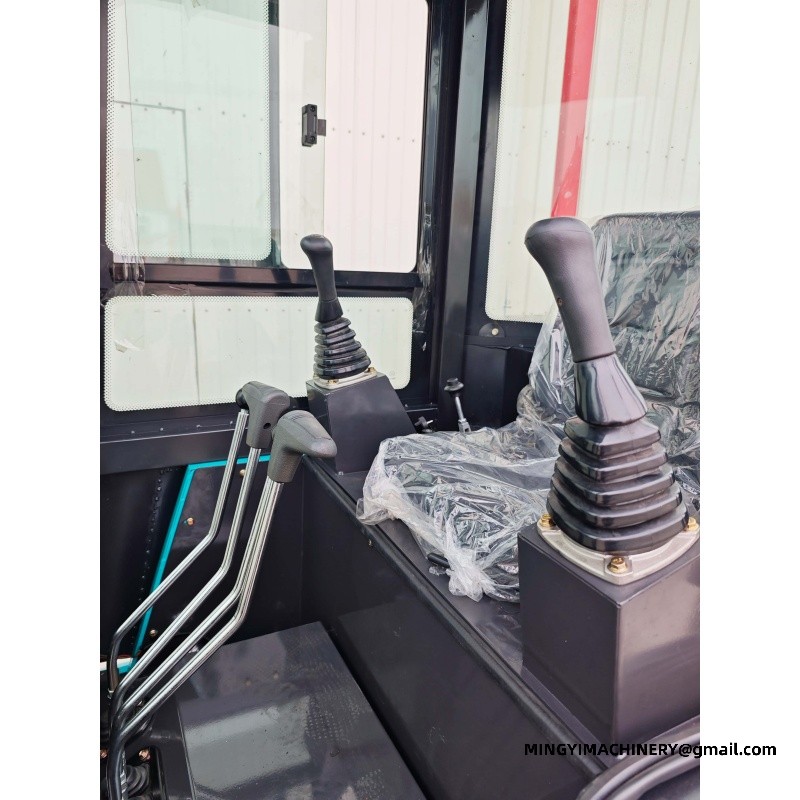
Orchard, vineyard and farm use of mini excavator for small renovation jobs Orchard and vineyard work is carried out between rows. The excavator with a narrow chassis and a swing boom works down the row without damaging the trees, which is the reason a full-size machine is not used at all. Ditching, fertilising and drainage on farmland suit this class of machine because the work is spread over a large area in short bursts. The machine travels behind a pickup and works where it stops. Getting mini excavator for small renovation jobs through a narrow gap The first question on most job lists is whether the machine can reach the work at all. The unit in daily use is chosen against the narrowest point on the route - a garden gate, a doorway, a gap between two walls - because a machine that arrives and then cannot pass loses a day, not an hour. Access decides the machine before output does. With a machine of this size the limiting dimension is usually the widest point on the way in, so measuring the gate, the corridor and the turning space first saves a wasted delivery and a second visit. Noise, dust and working near occupied buildings Work near housing or occupied premises brings constraints that open sites do not. Start times, exhaust condition and how often the equipment on site needs to reverse are the practical limits that neighbours notice. Enclosure and machine condition both reduce noise. The machine itself with intact panels, sound mounts and a maintained exhaust is measurably quieter than the same machine with loose guards, and the difference matters on restricted sites. OEM and fleet customisation of mini excavator for small renovation jobs Distributors and rental fleets usually need the machine to look like theirs. Paint, decals, seat colour and attachment branding can be specified on the model in question at build time rather than applied after import. Customisation also covers the specification sheet. A fleet buyer may want every machine in that duty delivered with the same coupler, the same engine and the same tool kit so training and parts stock stay simple. Working near live services with mini excavator for small renovation jobs The risk on utility work is not machine power but machine placement. The unit on the job that fits the working width leaves the surrounding ground undisturbed, which keeps the trench stable and the reinstatement small. Utility crews specify a machine built for the work with a narrow bucket and good visibility for exactly this reason: the machine has to stop at the service, not at the edge of the operator's view. Parts, service and support for mini excavator for small renovation jobs Support after delivery is a parts question. Wearing items for the equipment in service - filters, belts, track components, bucket teeth and pins - are the items a buyer should plan to hold before the first service interval. Remote support is handled by video. The excavator fault can often be diagnosed on a walk-around call with the panel open, which is faster than waiting for a visit and avoids shipping a part that is not needed. Track choice for this class of machine Undercarriage selection is a ground question, not a preference question. The unit in daily use running on finished paving needs rubber; the same machine on demolition rubble or rock wears rubber quickly, so steel with rubber blocks becomes the better answer over a full season. Track type changes what the machine can cross and what it leaves behind. Buyers specify rubber for lawns, driveways and municipal work, and steel with rubber blocks for sites where sharp material would cut a rubber belt in a week. Working a machine of this size in confined spaces Confined sites are decided by dimensions. Overall width, tail swing and the space needed to work the arm are what let the equipment on site operate inside a building, between walls or in a courtyard. Clearance above matters as much as around. Door heights, pipework and overhead services set the limit for the machine itself indoors, and measuring them first avoids a machine that arrives and cannot be used. Canopy or enclosed cab on the model in question A canopy keeps the machine light and the operator aware of the surroundings, which suits short jobs in warm weather. A fully enclosed cab is specified where rain, dust or cold are part of the working year, and it can be added to the machine in that duty as a retrofit rather than only at build time. The cab decision follows the climate and the hours. Operators working a full shift in the unit on the job benefit from a sealed cab with wipers and heating; operators stepping on and off every few minutes usually prefer the canopy for the visibility and the quick exit. Export packing and shipping of a machine built for the work Machines leave the factory prepared for container or flat rack shipment. The equipment in service is normally shipped with the attachment set and the spare parts list agreed in advance so the container is planned once. Buyers who import regularly plan the spare parts with the machine. The excavator ordered with a wearing-parts kit arrives ready to work rather than ready to wait for the first service interval. What owners should plan for beyond the class of machine Purchase decision is the visible part of the effort. Fuel, filters, tracks or tyres, the operator and the transport between sites are the items that decide what the unit in daily use actually demands over a few seasons, and they are worth listing before the order. The useful comparison is demand per working hour, not demand per machine. A machine of this size that works more hours a year spreads its standing takes over more output, which is why utilisation usually matters more than the invoice figure. Specification data for the equipment on site Where the machine itself is being specified for a job list, the table below gives the factory figures that matter most: what the machine weighs, how deep and how far it works, and what it measures on a trailer. Every value shown is as built for the model in question; options such as cab, side swing or a telescopic undercarriage change the transport dimensions and are confirmed at order stage. Delivery day is the best time to find a problem. Checking the specification against the order, the fluid levels, the fasteners and any transport damage while the unit on the job is still on the trailer is faster than claiming later. Documentation should arrive with the machine. Parts list, service schedule and any certificates for the machine in that duty are what the workshop needs later, and they are much easier to obtain at delivery than in month six.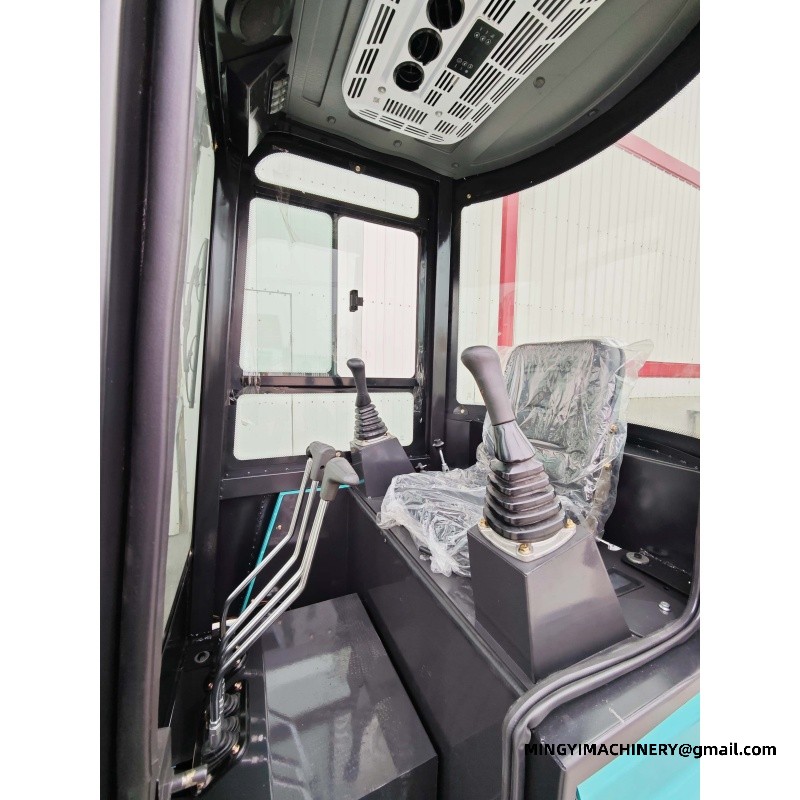
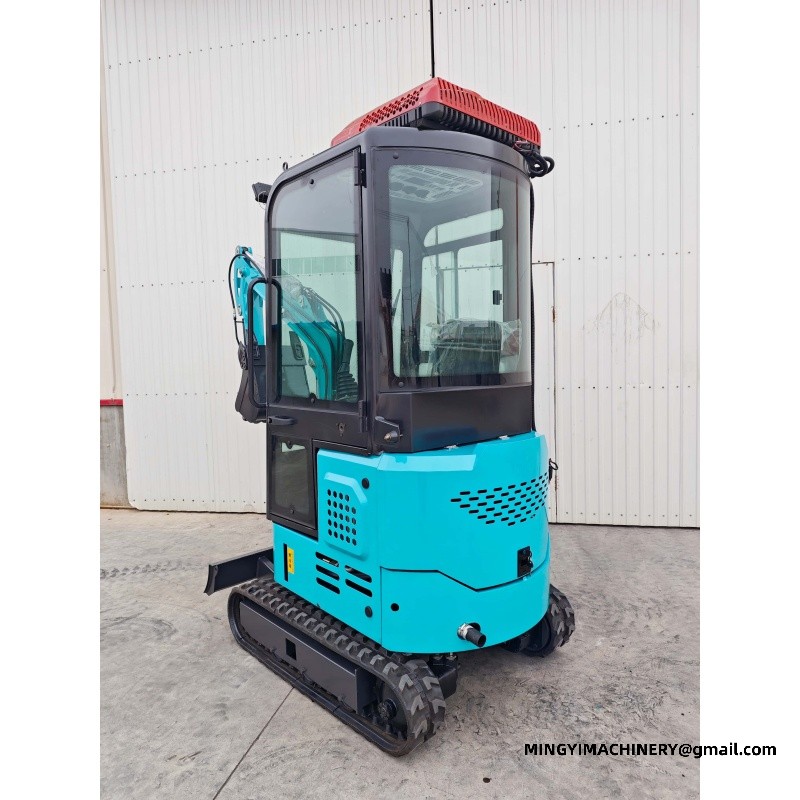
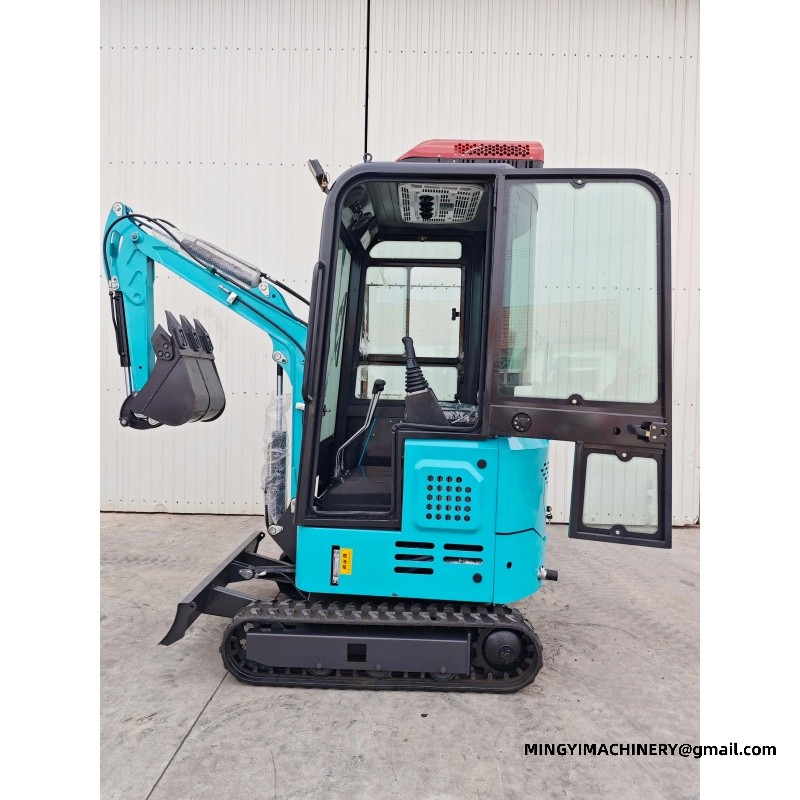
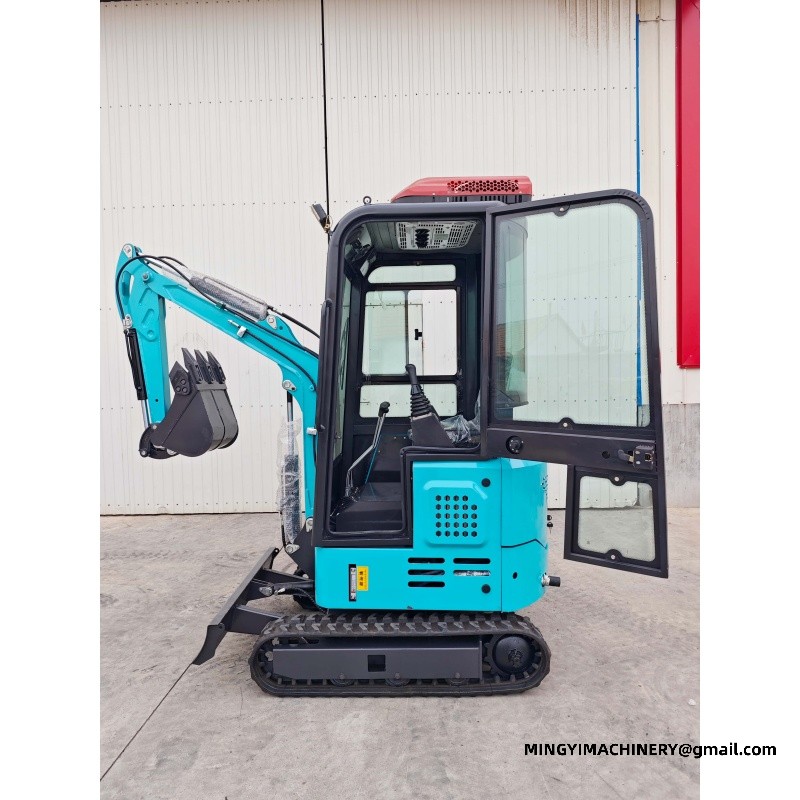
Reference specification — mini excavator range 12W 20-1W 30-1W 15L Operating weight 1200 kg (2645.55 lb) 1800 kg (3968.32 lb) 2900 kg (6393.41 lb) 1400 kg (3086.47 lb) Transport size (L×W×H) 2200 × 930 × 2250 mm 2550 × 1100 × 2200 mm 3000 × 1250 × 2780 mm 2200 × 930 × 2250 mm Max digging depth 1630 mm (64.17 in) 1800 mm (70.87 in) 2200 mm (86.61 in) 1700 mm (66.93 in) Max digging height 2750 mm (108.27 in) 2820 mm (111.02 in) 3400 mm (133.86 in) 2750 mm (108.27 in) Max dumping height 1960 mm (77.17 in) 2050 mm (80.71 in) 2400 mm (94.49 in) 1960 mm (77.17 in) Max digging radius 2900 mm (114.17 in) 3050 mm (120.08 in) 4000 mm (157.48 in) 2900 mm (114.17 in) Max digging distance 2100 mm (82.68 in) 2300 mm (90.55 in) 2800 mm (110.24 in) 2300 mm (90.55 in) Minimum turning radius 1300 mm (51.18 in) 1450 mm (57.09 in) 2000 mm (78.74 in) 1450 mm (57.09 in) Travel speed 3 km/h (1.86 mph) 5 km/h (3.11 mph) 5 km/h (3.11 mph) 3 km/h (1.86 mph) Gradeability 30° 30° 30° 30° Fuel consumption 1-1.3 L/h (0.264—0.343 gal) 2-3 L/h (0.528—0.793 gal) 2-3 L/h (0.528—0.793 gal) 1-1.3 L/h (0.264—0.343 gal) Fuel tank capacity 10 L (2.64 gal) 16 L (4.23 gal) 16 L (4.23 gal) 10 L (2.64 gal) Hydraulic oil tank 16 L (4.23 gal) 18 L (4.76 gal) 20 L (5.28 gal) 16 L (4.23 gal) Dozer blade lift height 180 mm (7.09 in) 180 mm (7.09 in) 420 mm (16.54 in) 180 mm (7.09 in) Dozer blade drop depth 210 mm (8.27 in) 210 mm (8.27 in) 210 mm (8.27 in) 210 mm (8.27 in)
Q. Who uses the machine built for the work?
A. Demolition work rewards control rather than raw power: break, sort and load without swinging into what has to stay standing. The coupler switches the machine from breaker carrier to loader between passes, which is what keeps a small demolition job worth taking on. For small renovation jobs applications the practical route is to send the job list to the factory and let the build sheet answer it - which is exactly what this page invites.
Q. How does a small machine demolish safely?
A. By working in layers and sorting as it goes: break, clutch with the thumb, load out, repeat. Zero tail swing keeps the counterweight off the standing structure, and sequential strip-out protects the crew and the building that remains.
Q. How do I get a specification?
A. Send the model, the destination and the attachment list by email or LINE - the channels listed just below this section. The reply covers the specification, lead time, packing and freight in one document, with the small renovation jobs build sheet attached.
Fuel, oil and fluid quality for the equipment in service
The specification for oil is written for a reason. Using the grade and the change interval set for the excavator keeps the engine and the hydraulic system inside the range they were designed for.
Handover and getting familiar with this class of machine
A good handover covers the awkward cases, not just the easy ones. Starting the unit in daily use on a slope, turning in a confined space and recovering from soft ground are the situations an operator should meet first with someone beside them.
E-mail : sales@mingycn.com
LINE ( ID ): mingyicn
Wear limits and replacement points on mini excavator for small renovation jobs
Measuring at the same place each time turns a guess into a trend, and a trend is what tells a workshop when to order.
Keeping a record of hours at each change makes the next machine easier to plan for, and it helps whoever buys the machine later.
Related pages
mini excavator built to oem specification · mini excavator bulk order supply · Wheel Loader Snow Blower: Hydraulic Circuits and Winter Duty · Mini Excavators









