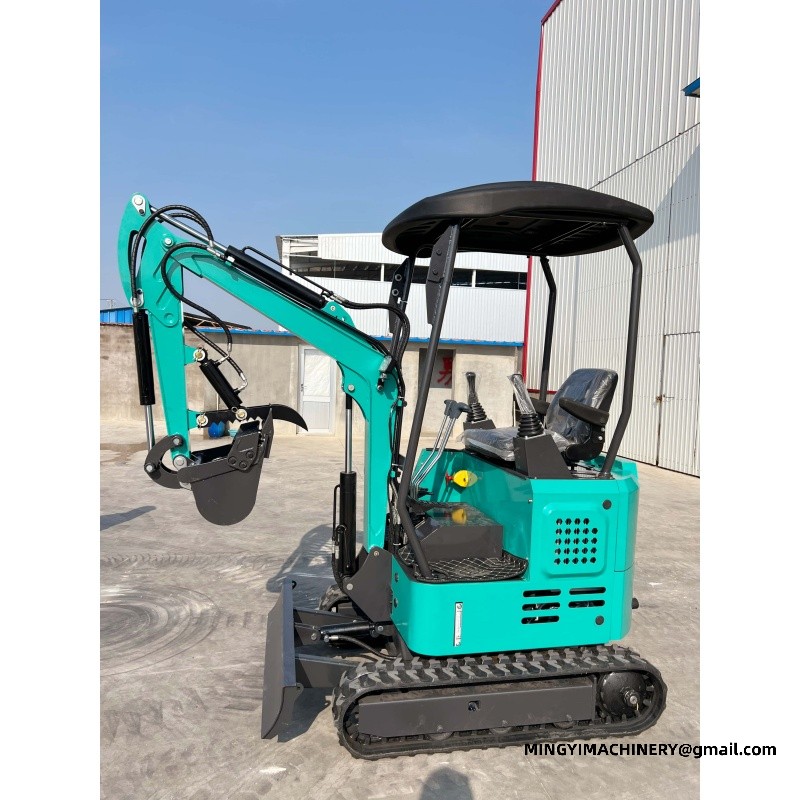
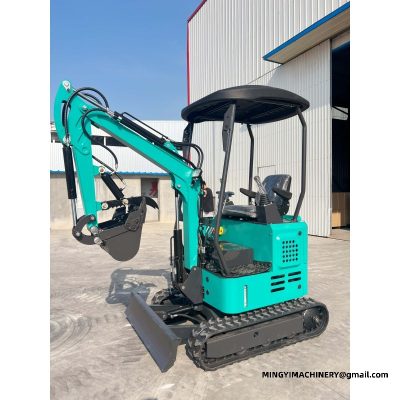
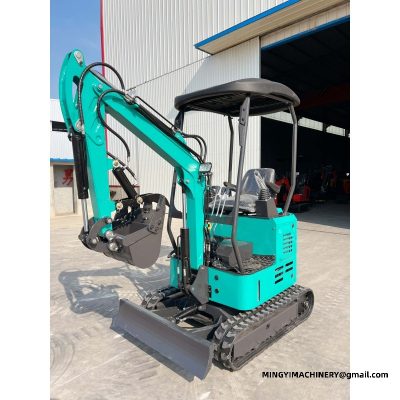
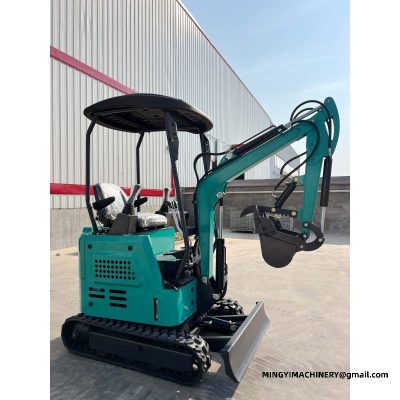
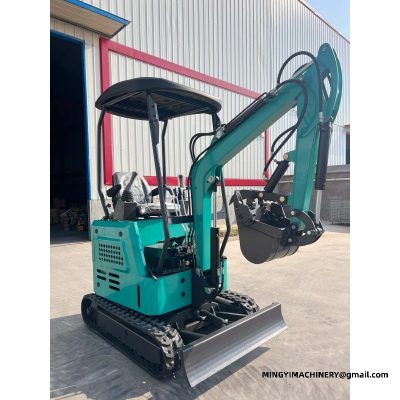
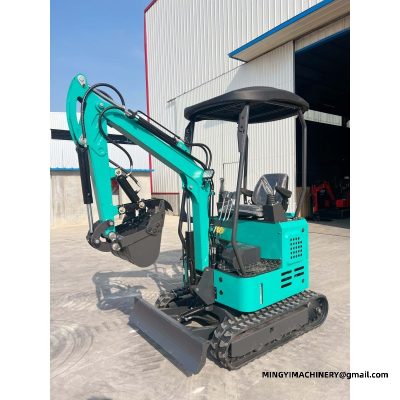
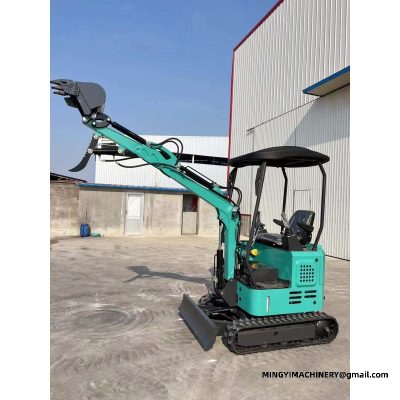
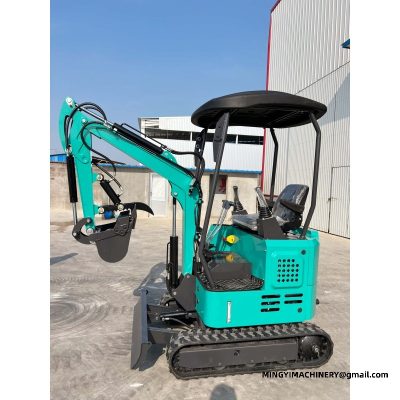
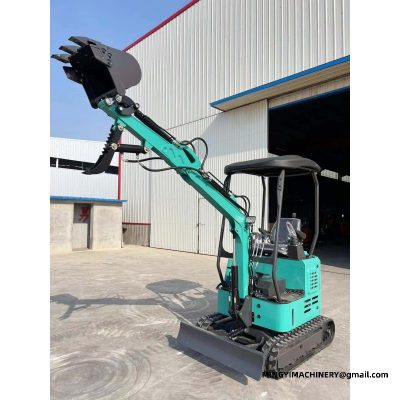
A dealer needs a supplier who can fill a container with a mix of machines and keep the same specification available for later orders. MINGYI works with dealers and distributors on this basis, building compact excavators to order rather than shipping whatever happens to be ready.
Bulk supply is less about a single machine and more about consistency, so the discussion tends to cover how the units are grouped, how the attachments are packed and how the dealer's own stock of spares will be supported.
Building a mixed container of compact excavators
Dealers often sell several sizes and several track arrangements from the same range, so one order may hold machines for different end customers. The plant plans the build so the units complete together and can be loaded in a single shipment.
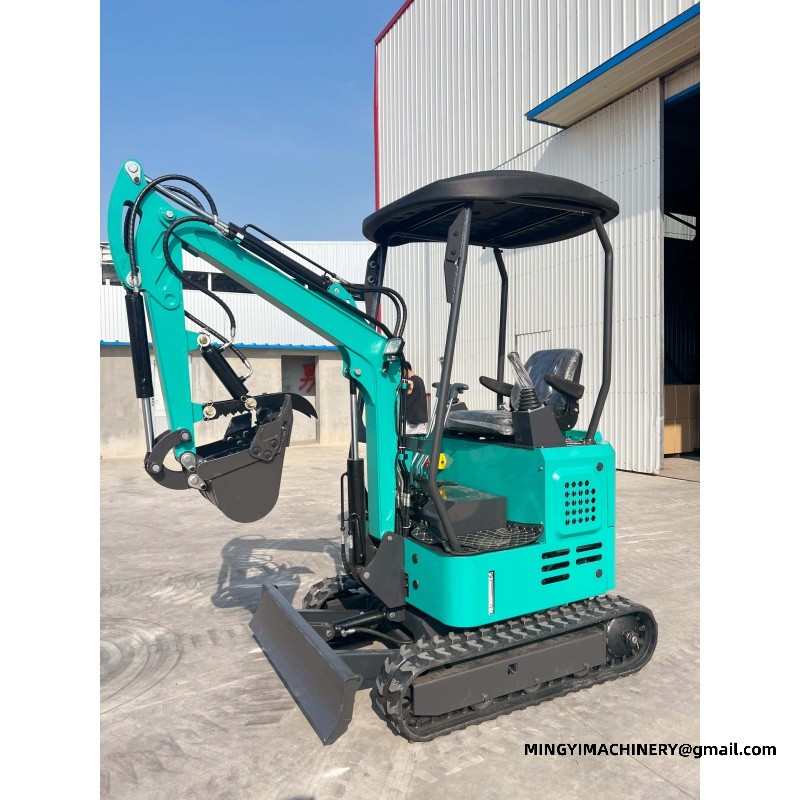
Attachments such as augers, breaker hammers or grading buckets can be packed with their machine or grouped separately, depending on how the dealer stores stock. The loading plan is agreed before crating begins.
Repeat orders and dealer spare parts stock
Once a dealer has settled a configuration, the factory keeps that specification on record so a repeat order matches the earlier batch. This matters when the dealer has already advertised a particular setup to its own customers.
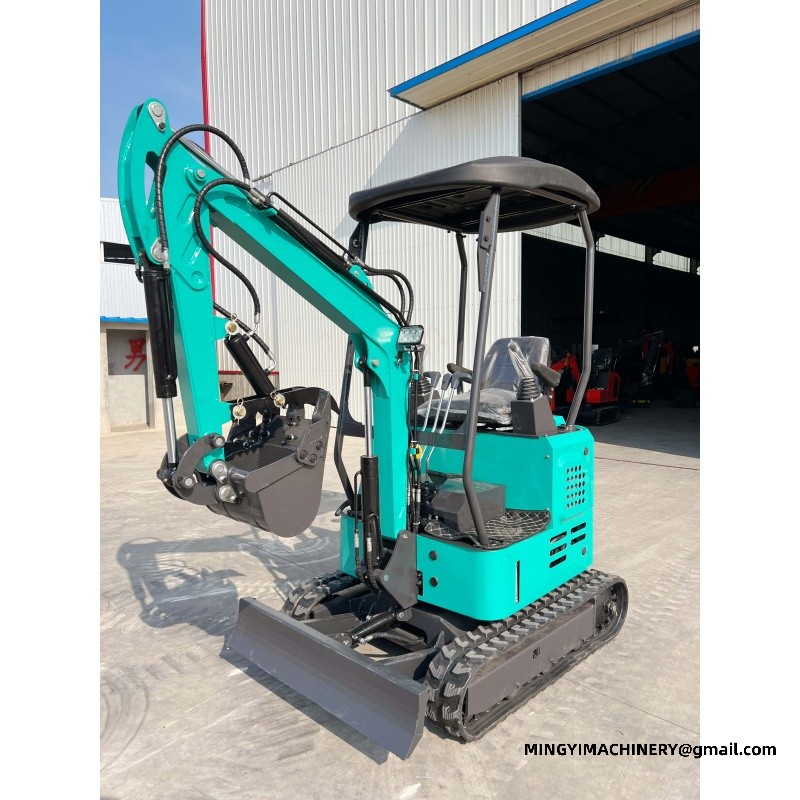
Dealers are usually advised to carry the fast moving wearing parts for the models they sell, and MINGYI supplies spare parts and service information to support that. The parts list follows the configuration of each machine shipped.
Dealers and distributors working on a bulk basis should send the model mix, the attachments and the intended resale setup, and MINGYI will confirm how the order can be grouped and shipped.
Working a mini excavator dealer and bulk supply in confined spaces Confined sites are decided by dimensions. Overall width, tail swing and the space needed to work the arm are what let the excavator operate inside a building, between walls or in a courtyard. Clearance above matters as much as around. Door heights, pipework and overhead services set the limit for this class of machine indoors, and measuring them first avoids a machine that arrives and cannot be used. Parts, service and support for mini excavator dealer and bulk supply Engine parts availability usually drives the engine choice. The unit in daily use built with an engine the local network already carries is serviced from stock rather than from an international order. Remote support is handled by video. A machine of this size fault can often be diagnosed on a walk-around call with the panel open, which is faster than waiting for a visit and avoids shipping a part that is not needed. Quick coupler practice on mini excavator dealer and bulk supply Couplers are specified early because they affect the arm and the hydraulic kit. Adding one to the equipment on site after delivery means new pins, new hoses and a fitment session; adding it at build time is a line on the sheet. For a fleet that shares attachments between machines, a common coupler standard matters more than the coupler brand. The machine itself that picks up the same tools as the larger machines keeps the rack usable across the yard. Acceptance checks when a mini excavator dealer and bulk supply arrives Delivery day is the best time to find a problem. Checking the specification against the order, the fluid levels, the fasteners and any transport damage while the machine in that duty is still on the trailer is faster than claiming later. Documentation should arrive with the machine. Parts list, service schedule and any certificates for the model in question are what the workshop needs later, and they are much easier to obtain at delivery than in month six. Getting mini excavator dealer and bulk supply through a narrow gap Access decides the machine before output does. With the unit on the job the limiting dimension is usually the widest point on the way in, so measuring the gate, the corridor and the turning space first saves a wasted delivery and a second visit. Contractors who buy a machine built for the work normally have one job in mind that nothing else reaches. The purchase order follows the access measurement, not the other way round, and the build sheet is then settled around it. Interior and light demolition with mini excavator dealer and bulk supply Interior demolition is an access and a weight question. The equipment in service that fits through a doorway and works on a suspended floor does jobs that would otherwise be done by hand or by a larger machine that cannot enter. Dust, debris clearance and floor loading all argue for a compact machine indoors. The excavator spreads its weight over a wider track footprint than a wheeled machine of similar capacity. Municipal and public works with this class of machine Municipal crews work on streets, footpaths and parks where the public is present. The unit in daily use is specified because it occupies little space, works inside a small exclusion zone and can be moved on a standard trailer. Noise and surface protection matter on public work. A machine of this size on rubber tracks across paving, with a sealed cab for the operator, suits the conditions better than a larger tracked machine. Hydraulic circuits on the equipment on site Auxiliary hydraulic lines are what let a machine drive a tool rather than only a bucket. The machine itself specified with the right circuits and flow runs a breaker or an auger without an add-on power pack bolted to the frame. Flow and pressure are matched to the tool, not to the machine size. Asking for the attachment list first means the model in question leaves the factory with circuits that suit the heaviest tool the buyer intends to run. Working the machine in that duty through the seasons Weather decides which days are productive. Rain turns some ground unusable and cold changes how the unit on the job starts and warms up, so planning the wet months around maintenance is more useful than planning around output. Heat and dust are as limiting as rain. Air intake condition and cooling cleanliness decide how a machine built for the work behaves in a dry season, and both are checked in a minute rather than repaired later. Matching the equipment in service to ground conditions Soft ground is a flotation problem, not a power problem. The excavator on wide rubber tracks crosses lawn, sand and cultivated soil that would stop a narrower machine or a wheeled unit of the same capacity. Mixed sites are common and argue for a compromise specification. Most buyers choose rubber for this class of machine and accept the wear, unless the majority of the work is on material that will damage it. Hiring versus owning the unit in daily use The choice follows the hours. Work that fills a few weeks a year is usually better hired, while a machine of this size that would be on site most weeks starts to justify ownership once the transport and booking time is counted. Availability is part of the decision. Owning the equipment on site means it is there on the day the ground is ready; hiring means competing for the same machine at the same time as everyone else in the season. Specification data for the machine itself The figures below are the factory figures for the models most often matched to the model in question. They are the numbers to check against the site: the depth the work needs, the reach from one position, and the width of the narrowest point on the route in. Every value shown is as built for the machine in that duty; options such as cab, side swing or a telescopic undercarriage change the transport dimensions and are confirmed at order stage. Purchase decision is the visible part of the effort. Fuel, filters, tracks or tyres, the operator and the transport between sites are the items that decide what the unit on the job actually demands over a few seasons, and they are worth listing before the order. The useful comparison is demand per working hour, not demand per machine. A machine built for the work that works more hours a year spreads its standing takes over more output, which is why utilisation usually matters more than the invoice figure.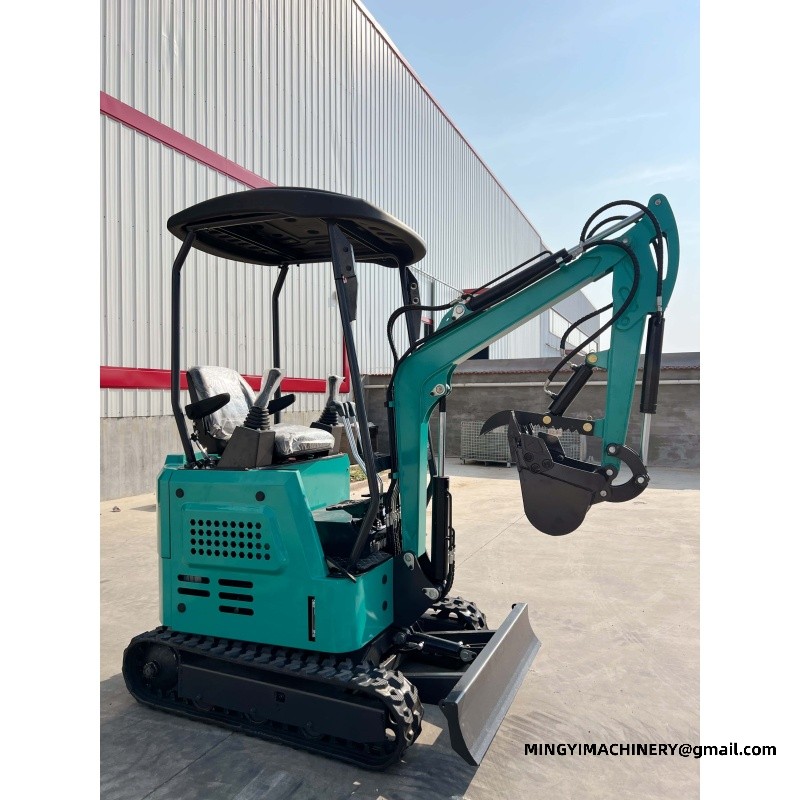
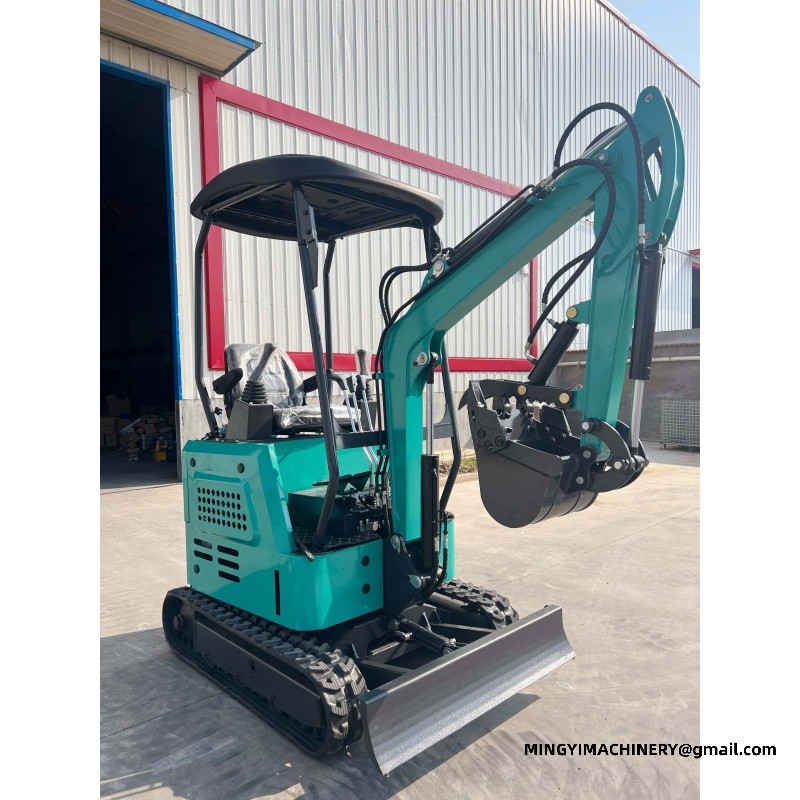
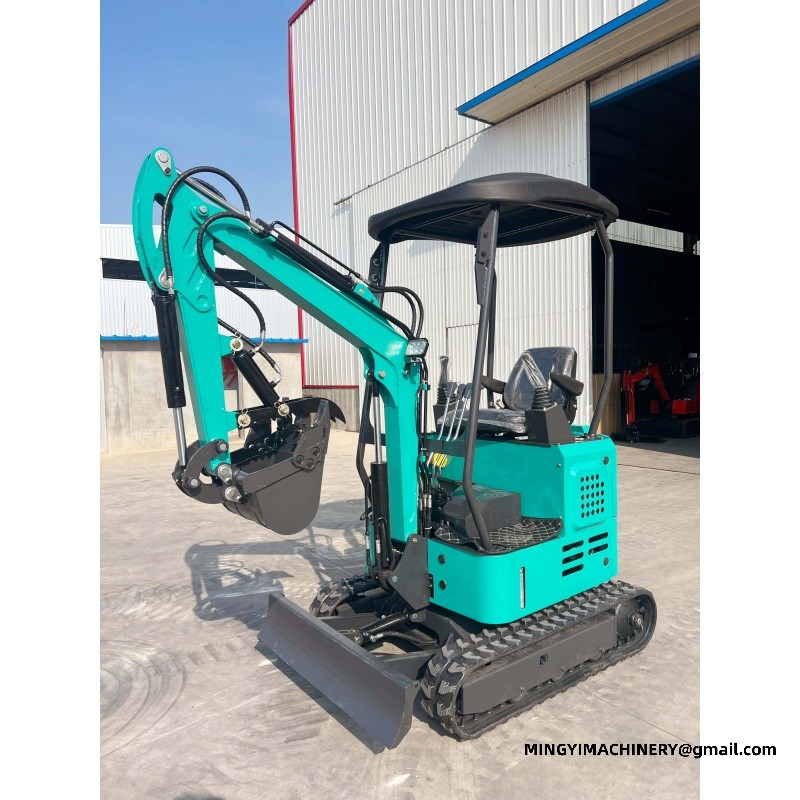
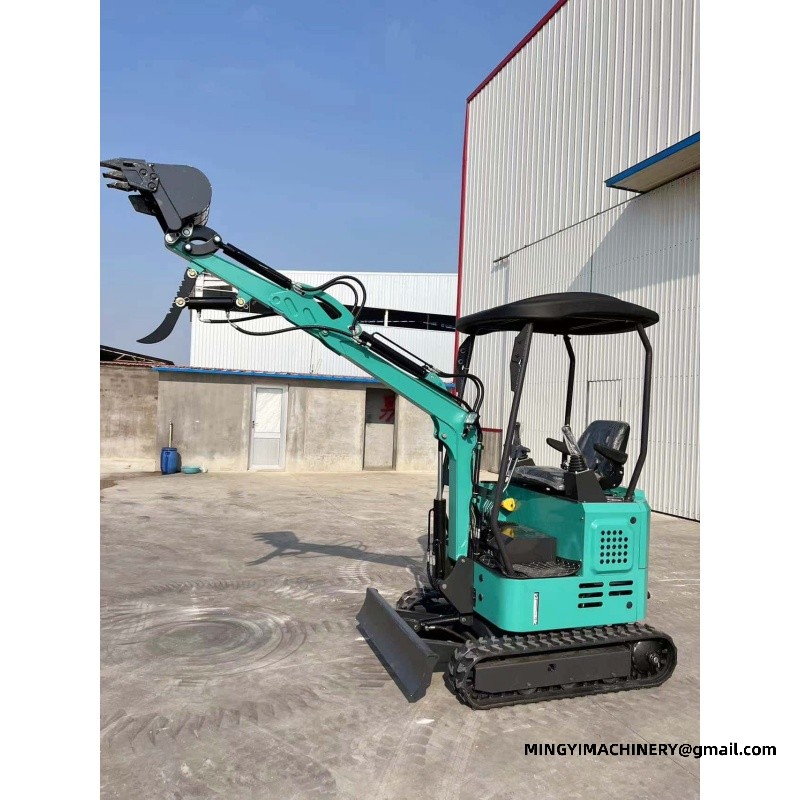
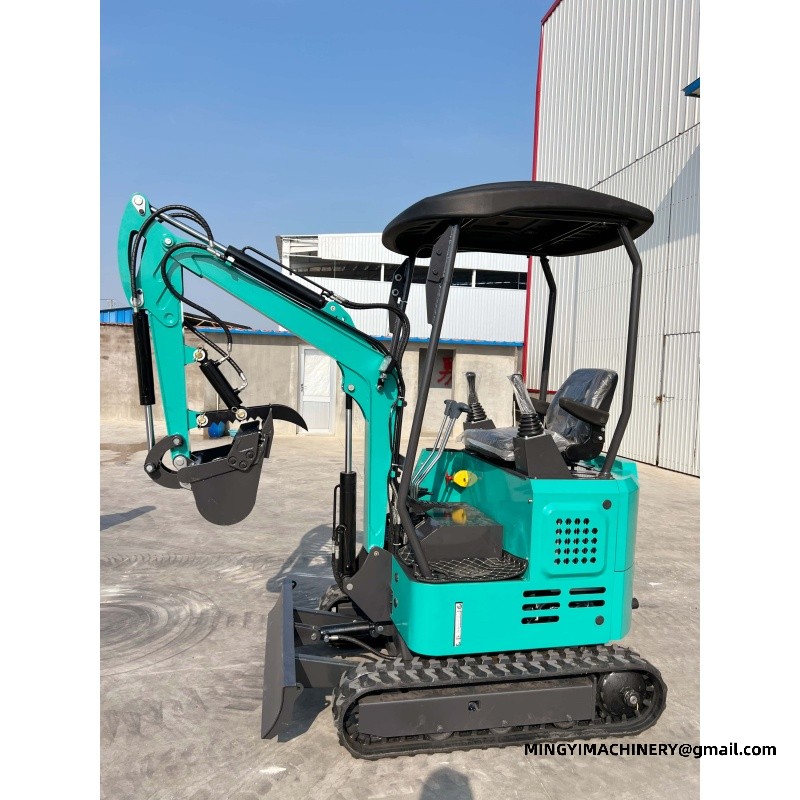
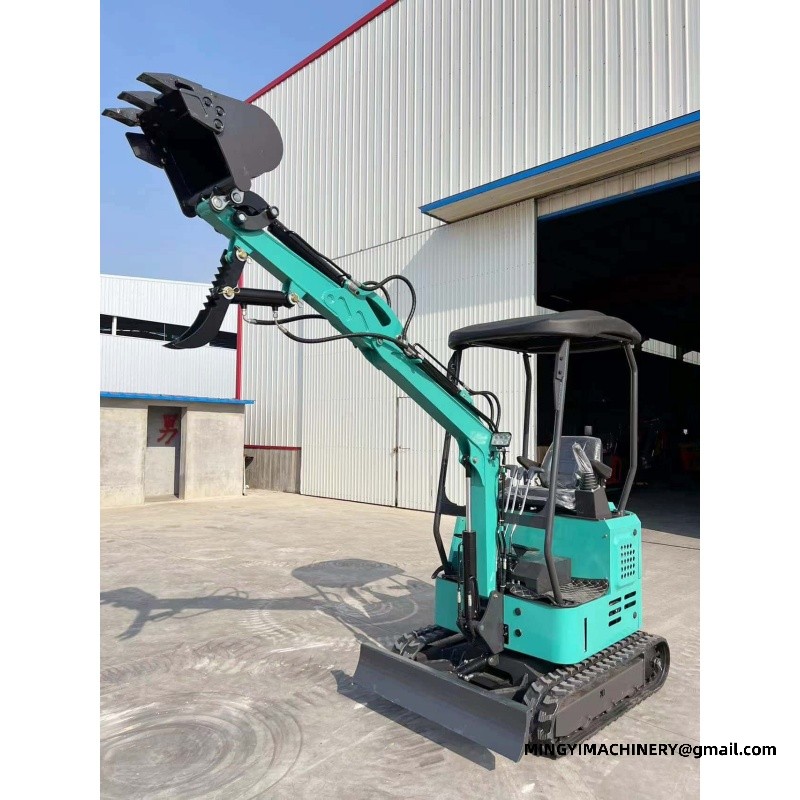
Reference specification — mini excavator range 12W 15W 20-3W 09L Operating weight 1200 kg (2645.55 lb) 1400 kg (3086.47 lb) 1900 kg (4188.78 lb) 1100 kg (2425.08 lb) Transport size (L×W×H) 2200 × 930 × 2250 mm 2200 × 930 × 2250 mm 2550 × 1100 × 2200 mm 2300 × 720 × 1870 mm Max digging depth 1630 mm (64.17 in) 1630 mm (64.17 in) 1800 mm (70.87 in) 1400 mm (55.12 in) Max digging height 2750 mm (108.27 in) 2750 mm (108.27 in) 2820 mm (111.02 in) 2800 mm (110.24 in) Max dumping height 1960 mm (77.17 in) 1960 mm (77.17 in) 2050 mm (80.71 in) 1880 mm (74.02 in) Max digging radius 2900 mm (114.17 in) 2900 mm (114.17 in) 3050 mm (120.08 in) 2490 mm (98.03 in) Max digging distance 2100 mm (82.68 in) 2100 mm (82.68 in) 2300 mm (90.55 in) 2000 mm (78.74 in) Minimum turning radius 1300 mm (51.18 in) 1300 mm (51.18 in) 1450 mm (57.09 in) 1400 mm (55.12 in) Travel speed 3 km/h (1.86 mph) 3 km/h (1.86 mph) 5 km/h (3.11 mph) 3 km/h (1.86 mph) Gradeability 30° 30° 30° 30° Fuel consumption 1-1.3 L/h (0.264—0.343 gal) 1-1.3 L/h (0.264—0.343 gal) 2-3 L/h (0.528—0.793 gal) 1-1.3 L/h (0.264—0.343 gal) Fuel tank capacity 10 L (2.64 gal) 10 L (2.64 gal) 16 L (4.23 gal) 8 L (2.11 gal) Hydraulic oil tank 16 L (4.23 gal) 16 L (4.23 gal) 18 L (4.76 gal) 16 L (4.23 gal) Dozer blade lift height 180 mm (7.09 in) 180 mm (7.09 in) 180 mm (7.09 in) 180 mm (7.09 in) Dozer blade drop depth 210 mm (8.27 in) 210 mm (8.27 in) 210 mm (8.27 in) 210 mm (8.27 in)
Q. What does the equipment in service involve?
A. Export supply is a programme, not a transaction: build specification, packing, documents and parts support have to line up before the machine sails. Complete units travel in containers on timber cradles, and CKD packing parts the machine down for volume shipments. For dealer bulk applications the practical route is to send the job list to the factory and let the build sheet answer it - which is exactly what this page invites.
Q. How do I start an order?
A. Send the models, quantities and destination by email or LINE. The factory replies with lead time, packing and freight terms in one specification, and documentation and inspection are arranged at the same time so the shipment and the paperwork travel together.
Q. What about colours and branding?
A. OEM colours and decals are part of the build: private-label machines carry the buyer brand on the standard MINGYI platform, and the dealer bulk order confirms colours, marks and documents before production starts.
Cold weather and winter care for the excavator
Winter is hard on rubber and on seals as much as on the engine. Parking this class of machine under cover, keeping the tracks or tyres off standing water and checking the hoses for cracking are all part of the season.
Moving the unit in daily use between sites
Securing the load is not optional. Lashing a machine of this size at the points intended for it, checking the tension before the vehicle moves and rechecking after the first kilometres is standard practice rather than extra care.
E-mail : sales@mingycn.com
LINE ( ID ): mingyicn
Working alongside other plant with mini excavator dealer and bulk supply
Most site incidents between machines are about sequencing rather than about skill, meaning who is in the arc, who is loading whom and who moves next.
A loading plan sets the spot where the truck waits, the direction it approaches from and the signal for it to leave.
Where two machines share a bench or a stockpile, the newer operator is paired with the experienced one for the first shift.
Common operator mistakes with mini excavator dealer and bulk supply
Most early damage comes from three habits, namely working with the wrong attachment angle, carrying loads too high and skipping the walk-around.
Related pages
oem mini excavator for dealers · mini excavator dealer parts support · Front End Loader Log Grapple: Section Widths and Pin Geometry · Mini Excavators









