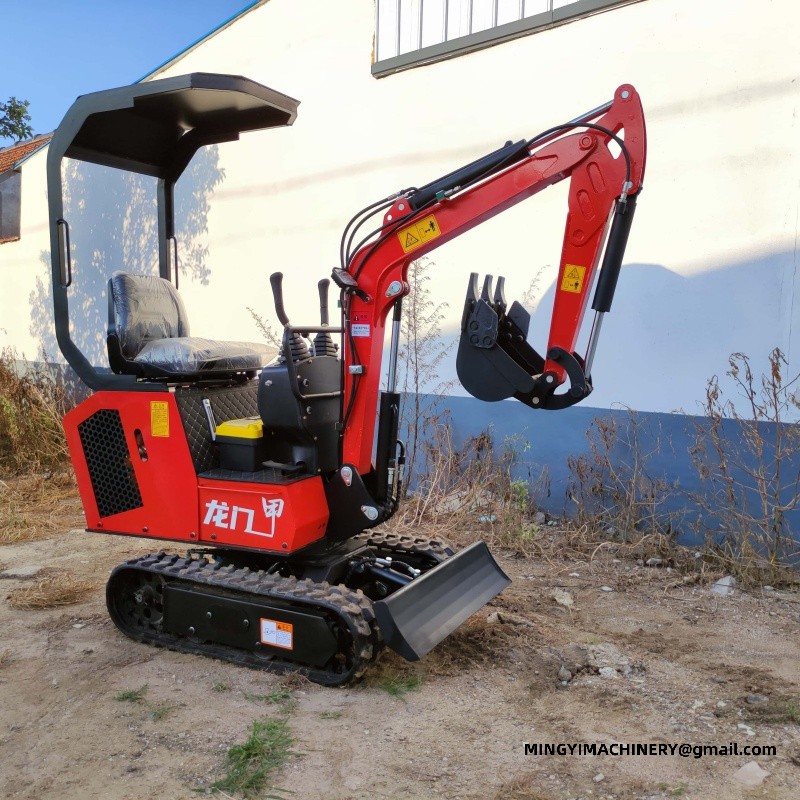
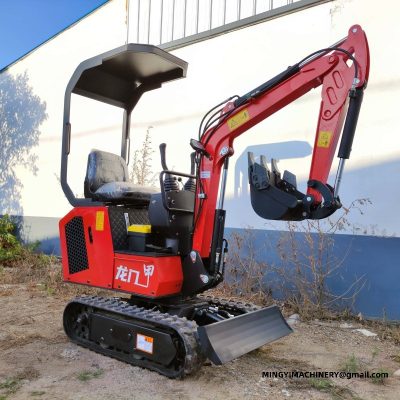
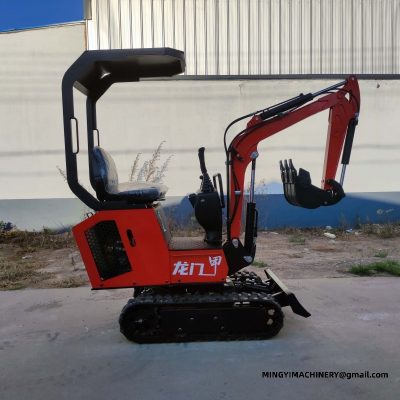
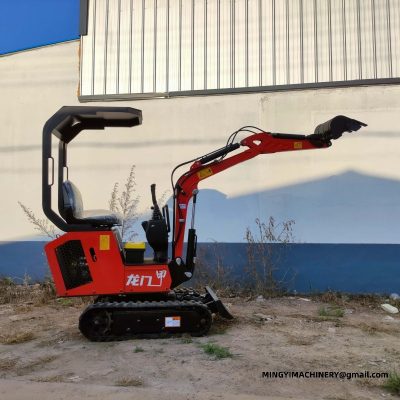
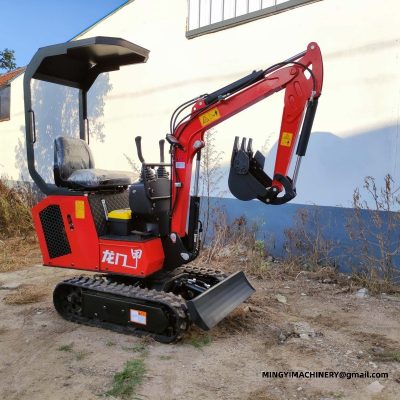
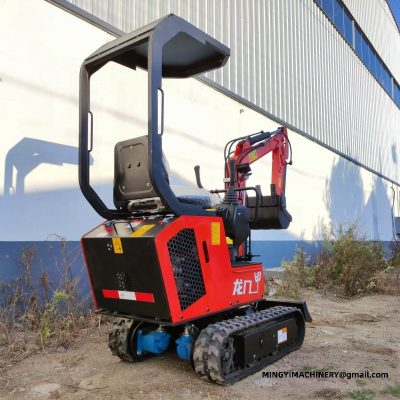
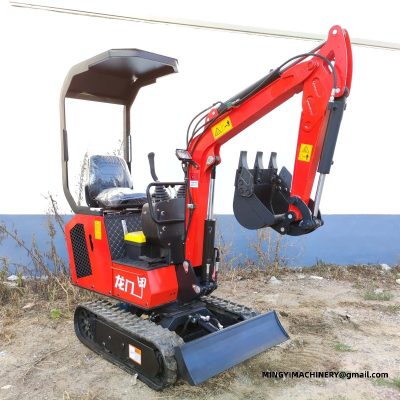
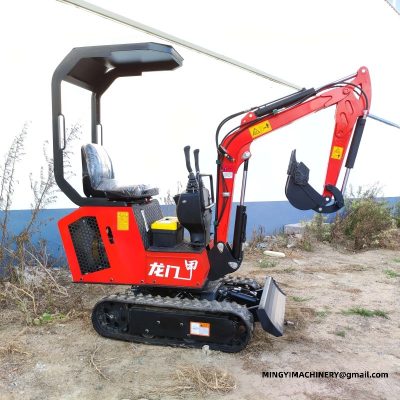
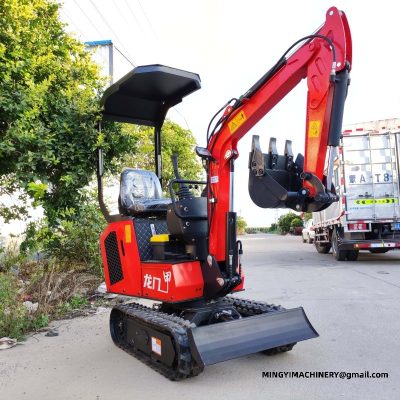
An OEM order is a machine built for another brand rather than for MINGYI's own catalogue. That changes what the buyer has to settle before production, from the visible markings to the documentation that travels with each unit.
Machines are assembled to order across the 0.8 to 6 tonnes class. Model, engine, undercarriage, cab form and attachment set are fixed at the ordering stage so an OEM consignment repeats exactly.
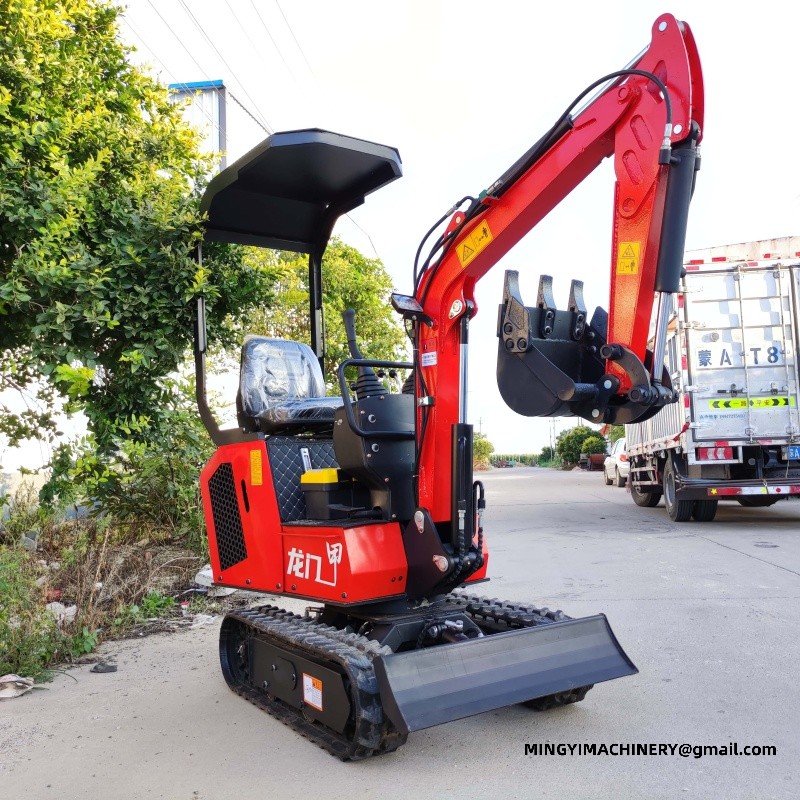
OEM builds and how they are specified
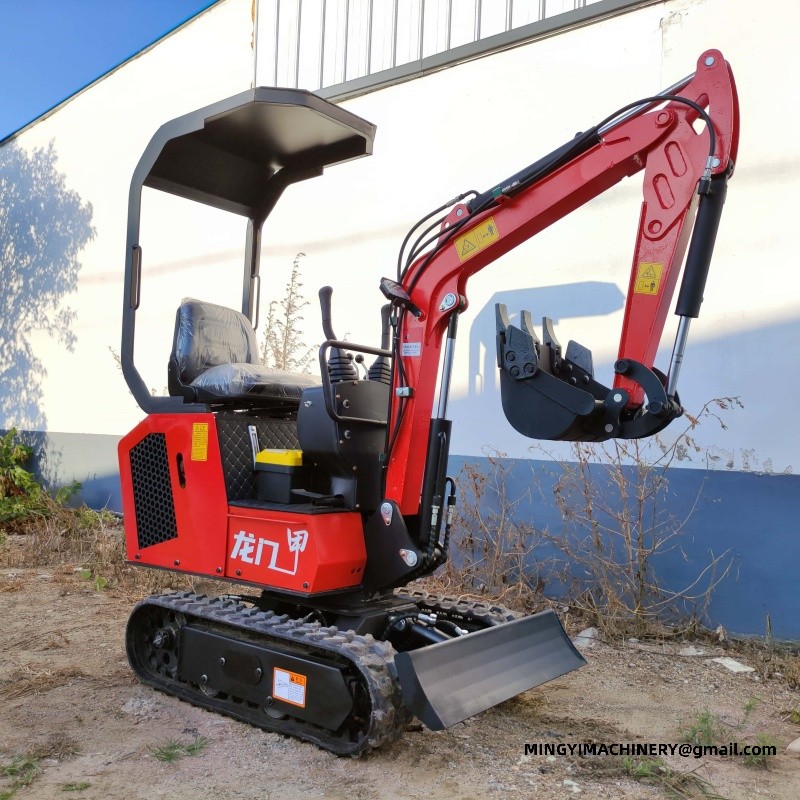
The mechanical specification is settled first, because it is the hardest to change later. Class, engine, undercarriage and cab form decide what the machine does and where it can work, and they are agreed before any branding is discussed.
The attachment set follows. Couplers, buckets and any special tools are listed against each machine in the order, so every unit in the consignment is supplied complete and identical.
Branding and documentation in an OEM order
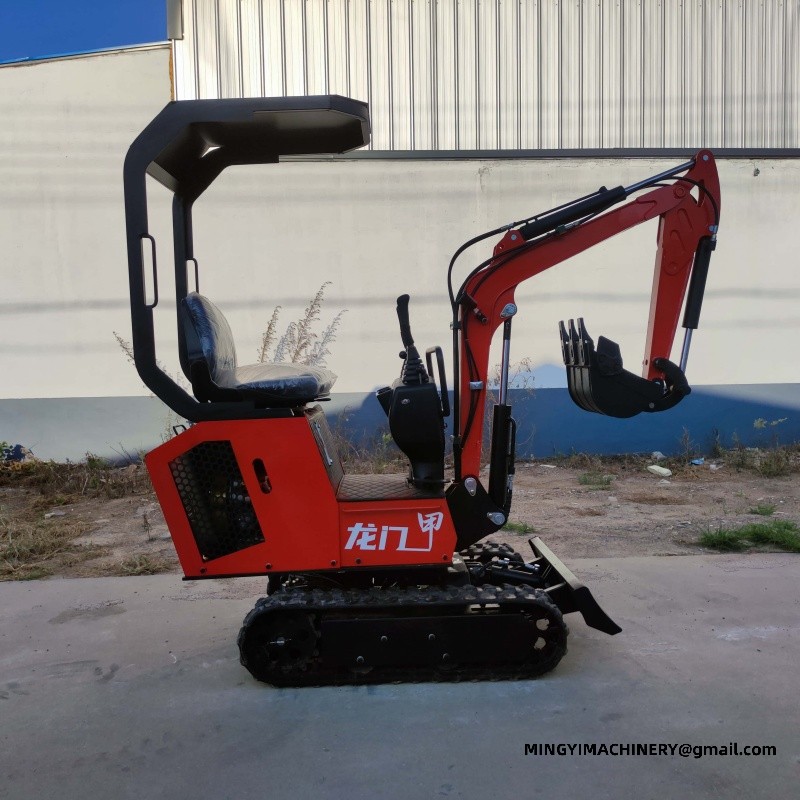
Branding covers more than a decal. Nameplates, manual covers and the wording on the machine are agreed against the buyer's requirements, and the same details are repeated across the whole order.
Documentation is prepared to match. Packing lists, shipping marks and the technical information that accompanies the machines are drawn from the confirmed specification, which keeps a consignment consistent from the first unit to the last.
For an OEM buyer the specification and the branding have to be right before production starts, because both are repeated across every unit. Fixing them at the ordering stage is what makes a consignment arrive uniform and ready to sell.
Orchard, vineyard and farm use of oem mini excavator supply Ditching, fertilising and drainage on farmland suit the excavator because the work is spread over a large area in short bursts. The machine travels behind a pickup and works where it stops. Farms also use this class of machine for general maintenance - clearing a watercourse, repairing a track, loading a spreader. One carrier with a few attachments covers most of the jobs that would otherwise wait for a contractor. Trailering and moving oem mini excavator supply Transport weight and width decide whether a machine needs a specialist haulier. The unit in daily use sized to travel on a standard plant trailer behind a suitable vehicle moves with the crew rather than on a scheduled low loader. Loading practice matters as much as the numbers. A machine of this size is driven up ramps under its own power with the boom lowered and the tracks aligned, and secured at the points the manufacturer specifies. Working a oem mini excavator supply in confined spaces Clearance above matters as much as around. Door heights, pipework and overhead services set the limit for the equipment on site indoors, and measuring them first avoids a machine that arrives and cannot be used. Ventilation is the other indoor constraint. Running the machine itself inside a closed structure needs air movement, and that is a planning item rather than something to discover after the first hour. Matching oem mini excavator supply to ground conditions Soft ground is a flotation problem, not a power problem. The model in question on wide rubber tracks crosses lawn, sand and cultivated soil that would stop a narrower machine or a wheeled unit of the same capacity. Mixed sites are common and argue for a compromise specification. Most buyers choose rubber for the machine in that duty and accept the wear, unless the majority of the work is on material that will damage it. Operator technique for oem mini excavator supply Output on a compact machine comes from placement rather than power. An experienced operator keeps the unit on the job working inside the swing arc, positions once and digs a full run instead of repositioning for every bucket. The second habit is tool discipline. Running a machine built for the work with the right bucket width for the trench means less spoil, less reinstatement and a cleaner job than a wide bucket and a lot of trimming. Engine options behind oem mini excavator supply Power unit selection is settled against the service network the buyer already uses. MINGYI offers Kubota D722, Kubota D902, YANMAR, Changchai, Laidong, Runtong, YARMAX, Youpu 2V80 and Youpu 195, so a fleet running one brand of engine can keep the same filters, the same parts supplier and the same mechanic. Two buyers can order the same the equipment in service and receive different engines. The decision is rarely about peak power; it is about which parts counter is closest to the site and which engine the local mechanic already knows. Lifting and material handling with the excavator Lifting with a machine built to dig needs a plan. The load, the radius and the ground under the unit in daily use all matter, and the safe figure is the one on the chart rather than the one that looks possible. Ground condition under the machine is part of every lift. Soft or uneven support is the common factor in handling incidents, and checking it takes less time than recovering this class of machine that has settled. Landscaping and ground care with a machine of this size Landscape contractors use the equipment on site for planting holes, pond excavation, grading and retaining work. The machine is light enough to cross finished lawn and narrow enough to work between established trees. On soft landscape work the surface is the constraint. The machine itself on rubber tracks crosses turf without stripping it, which is why the same jobs are not given to a wheeled machine. Specifying the model in question against a job list The practical way to specify is to write the job list first: the narrowest access, the deepest trench, the heaviest tool and the surfaces the machine must cross. The machine in that duty is then matched to those four numbers. Buyers who skip this step either over-buy or under-buy. The unit on the job specified only from machine size tends to arrive without the coupler, the circuits or the track type the work actually needs. Daily checks and maintenance on a machine built for the work Daily maintenance on the equipment in service is a short list: engine oil level, coolant, track tension, hydraulic oil level and a look at the hoses. Ten minutes at the start of the shift prevents most of the failures that stop a machine. Track tension is the item most often neglected. The excavator run with slack tracks wears the undercarriage and can throw a track on a turn; run too tight, the same components wear from the other direction. Hydraulic circuits on this class of machine Flow and pressure are matched to the tool, not to the machine size. Asking for the attachment list first means the unit in daily use leaves the factory with circuits that suit the heaviest tool the buyer intends to run. Hydraulic specification is easier to settle at build time than to correct later. A machine of this size delivered without auxiliary lines can still dig, but every additional tool becomes a retrofit project. Municipal and public works with the equipment on site Municipal crews work on streets, footpaths and parks where the public is present. The machine itself is specified because it occupies little space, works inside a small exclusion zone and can be moved on a standard trailer. Drainage repair, tree planting, footway reconstruction and cemetery work are all within the range of the model in question. The jobs are small individually and continuous across the year. Acceptance checks when the machine in that duty arrives Delivery day is the best time to find a problem. Checking the specification against the order, the fluid levels, the fasteners and any transport damage while the machine built for the work is still on the trailer is faster than claiming later. A function check before the machine goes to work is worth the hour. Running through the controls, the travel and the attachment circuit on the unit on the job confirms it is set up as specified and ready for the site. Specification data for the equipment in service Where the excavator is being specified for a job list, the table below gives the factory figures that matter most: what the machine weighs, how deep and how far it works, and what it measures on a trailer. Every value shown is as built for this class of machine; options such as cab, side swing or a telescopic undercarriage change the transport dimensions and are confirmed at order stage. A quick coupler is the single option that changes how a machine is used day to day. Fitted to the unit in daily use, it turns an attachment change from a two-person workshop job into a task the operator does alone in minutes. For a fleet that shares attachments between machines, a common coupler standard matters more than the coupler brand. A machine of this size that picks up the same tools as the larger machines keeps the rack usable across the yard.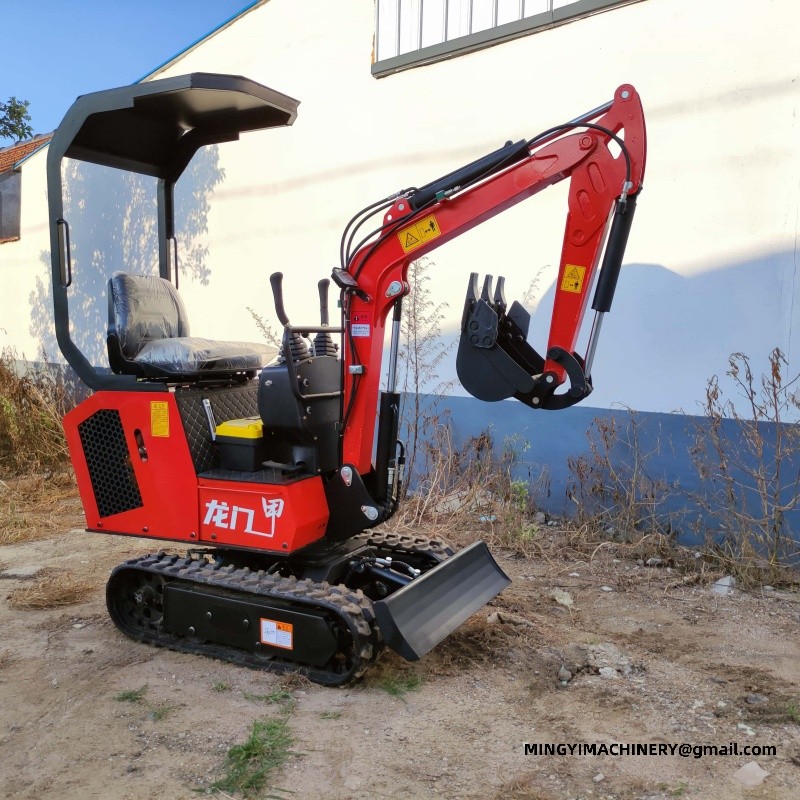
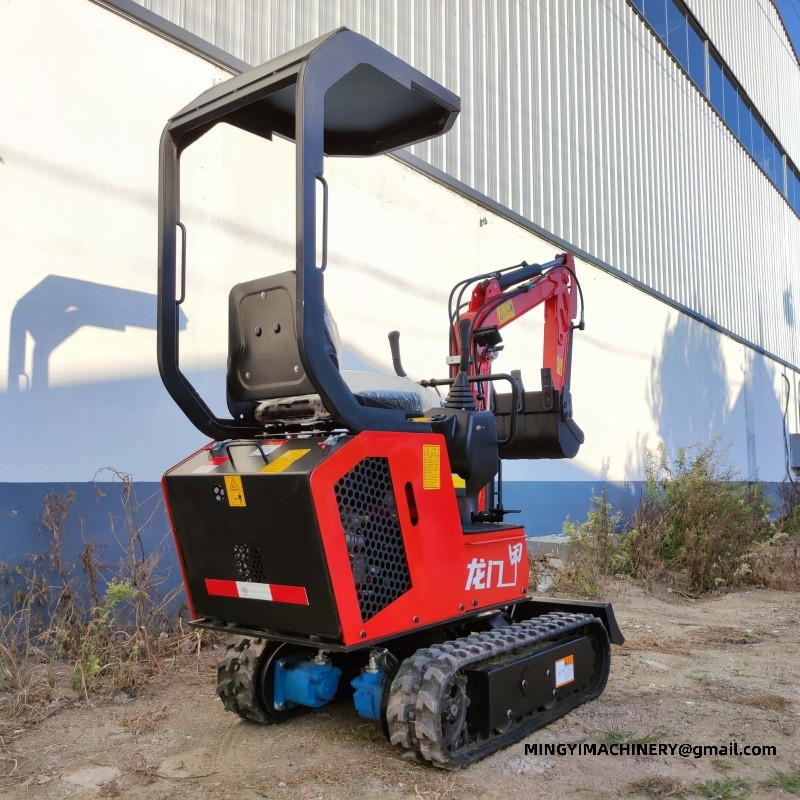
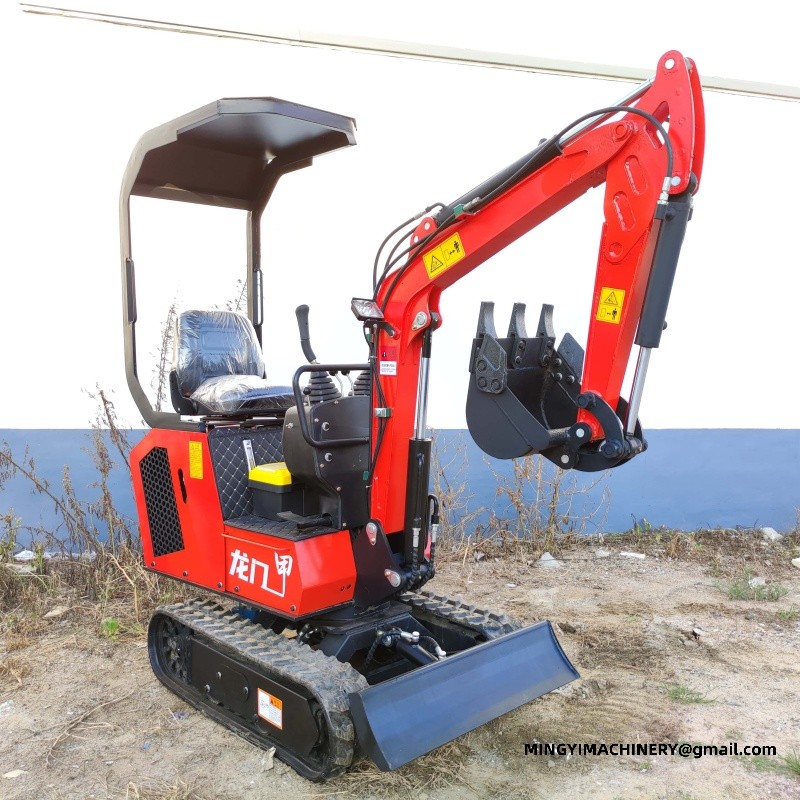
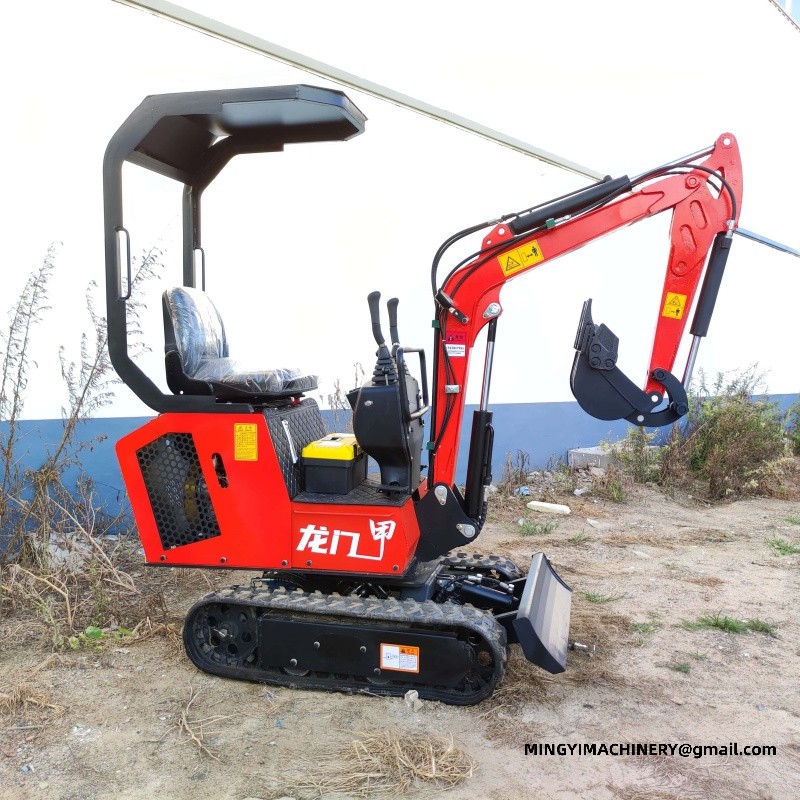
Reference specification — mini excavator range 09W 15W 30-2W 30-2L Operating weight 1100 kg (2425.08 lb) 1400 kg (3086.47 lb) 2700 kg (5952.48 lb) 2400 kg (5291 lb) Transport size (L×W×H) 1800 × 750 × 1970 mm 2200 × 930 × 2250 mm 3000 × 1100 × 2700 mm 2800 × 1500 × 2500 mm Max digging depth 1250 mm (49.21 in) 1630 mm (64.17 in) 2200 mm (86.61 in) 2200 mm (86.61 in) Max digging height 2800 mm (110.24 in) 2750 mm (108.27 in) 3000 mm (118.11 in) 2900 mm (114.17 in) Max dumping height 1700 mm (66.93 in) 1960 mm (77.17 in) 2000 mm (78.74 in) 2100 mm (82.68 in) Max digging radius 2570 mm (101.18 in) 2900 mm (114.17 in) 3800 mm (149.61 in) 3330 mm (131.1 in) Max digging distance 1869 mm (73.58 in) 2100 mm (82.68 in) 3050 mm (120.08 in) 2700 mm (106.3 in) Minimum turning radius 1000 mm (39.37 in) 1300 mm (51.18 in) 1750 mm (68.9 in) 1555 mm (61.22 in) Travel speed 3 km/h (1.86 mph) 3 km/h (1.86 mph) 7 km/h (4.35 mph) 7 km/h (4.35 mph) Gradeability 30° 30° 30° 30° Fuel consumption 1-1.3 L/h (0.264—0.343 gal) 1-1.3 L/h (0.264—0.343 gal) 2-3 L/h (0.528—0.793 gal) 2-3 L/h (0.528—0.793 gal) Fuel tank capacity 8 L (2.11 gal) 10 L (2.64 gal) 16 L (4.23 gal) 16 L (4.23 gal) Hydraulic oil tank 16 L (4.23 gal) 16 L (4.23 gal) 20 L (5.28 gal) 18 L (4.76 gal) Dozer blade lift height 180 mm (7.09 in) 180 mm (7.09 in) 230 mm (9.06 in) 230 mm (9.06 in) Dozer blade drop depth 210 mm (8.27 in) 210 mm (8.27 in) 280 mm (11.02 in) 280 mm (11.02 in)
Q. What does the equipment on site involve?
A. Buying from the factory shortens the chain between the production line and the working machine, and that is the whole idea of factory-direct supply. OEM and ODM build options cover colour, decals, engine choice, cab layout and attachment packages, confirmed on the build sheet before production. For OEM applications the practical route is to send the job list to the factory and let the build sheet answer it - which is exactly what this page invites.
Q. How are machines packed and shipped?
A. Complete units travel in containers on timber cradles; CKD packing parts the machine for volume. Documents, marks and routing follow the order, and the destination port decides the packing plan.
Q. Can I see the machine before it ships?
A. Inspection is arranged at the factory, in person or by a scheduled video walk-around - the same session covers paint, decals and attachment fitment for the OEM specification, so the machine inspected is the machine that ships.
Moving the machine itself between sites
Travel time is not working time, and it should be planned as its own item. The hours spent moving the model in question between jobs are hours not worked, and a trailer that matches the machine reduces them every single trip.
Handover and getting familiar with the machine in that duty
Familiarisation is not the same as reading the manual. Sitting on the unit on the job, working through the controls at low speed and learning where the machine balances takes an hour, and that hour is what keeps the first week uneventful.
E-mail : sales@mingycn.com
LINE ( ID ): mingyicn
Related pages
mini excavator wholesale supply · mini excavator order process · Payloader Machine: What the Name Covers and How to Specify One · Mini Excavators









