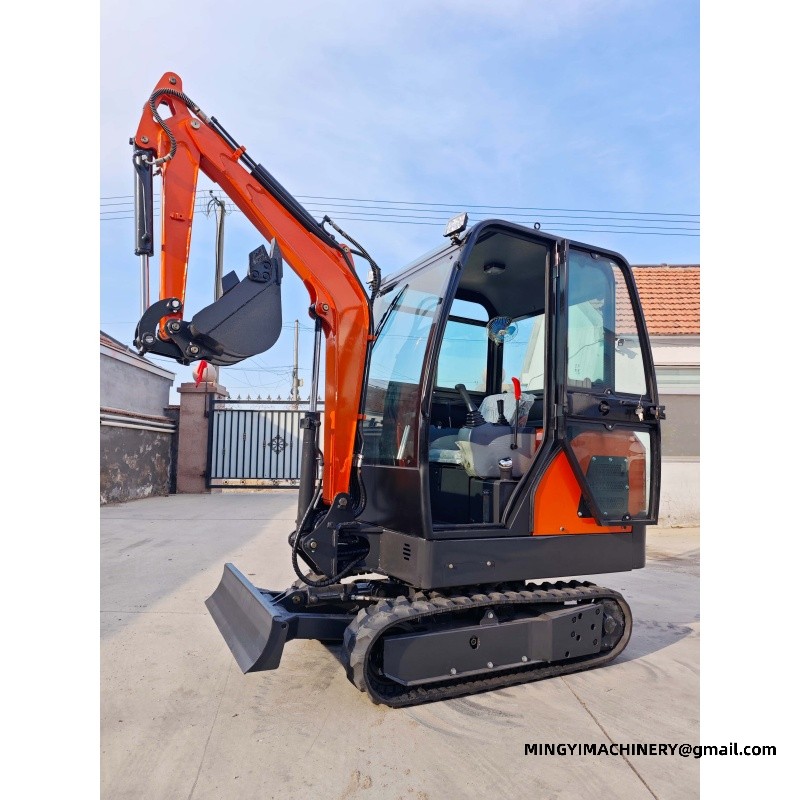
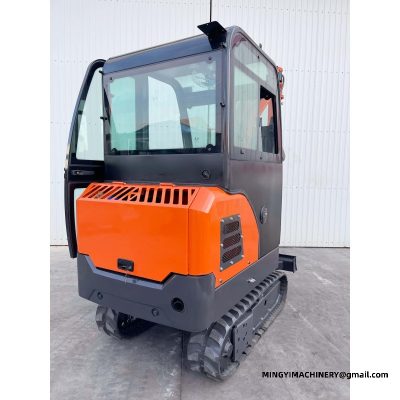
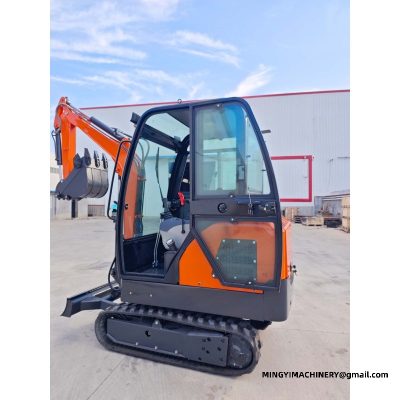
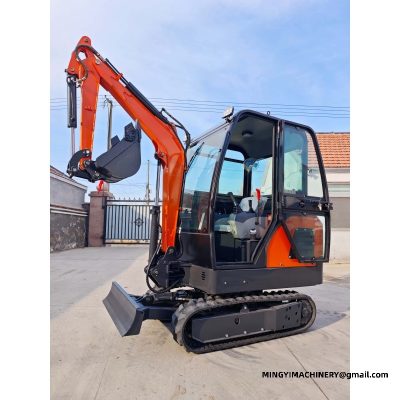
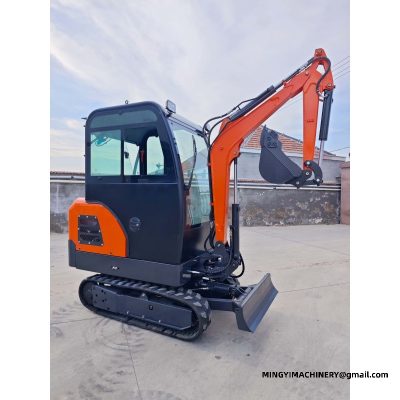
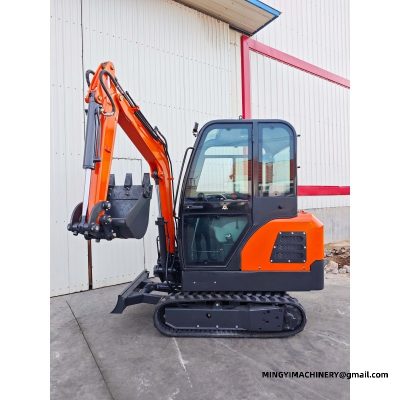
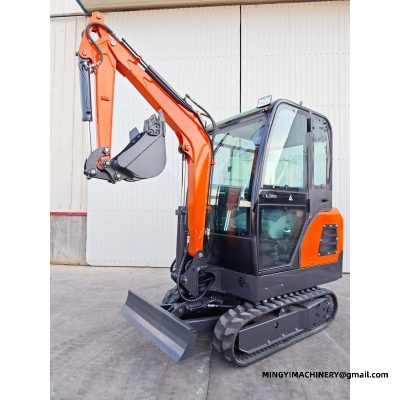
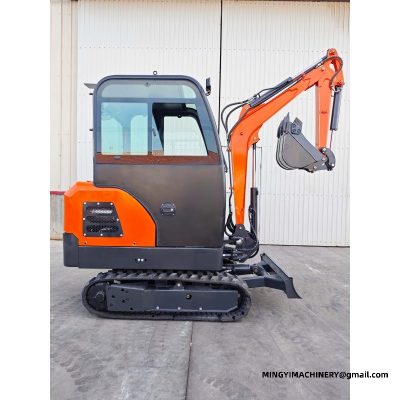
A hire machine has to suit a different customer every week. One week it is digging footings, the next it is lifting shrubs, and it has to do that without marking the customer's ground or needing a trailer that the customer cannot supply.
MINGYI builds compact crawler diggers to order, and hire fleet buyers usually specify them around ease of transport, simple operation and low surface damage. Track type and attachment set are fixed at the ordering stage.
A rubber track digger for hire use
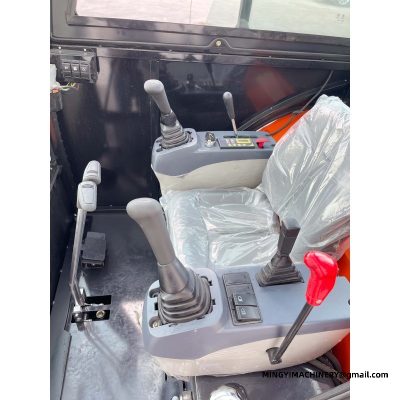
Hire customers are rarely specialists, so the machine has to be forgiving to operate. Smooth, predictable controls and quick attachment changes keep a hire unit productive in unfamiliar hands.
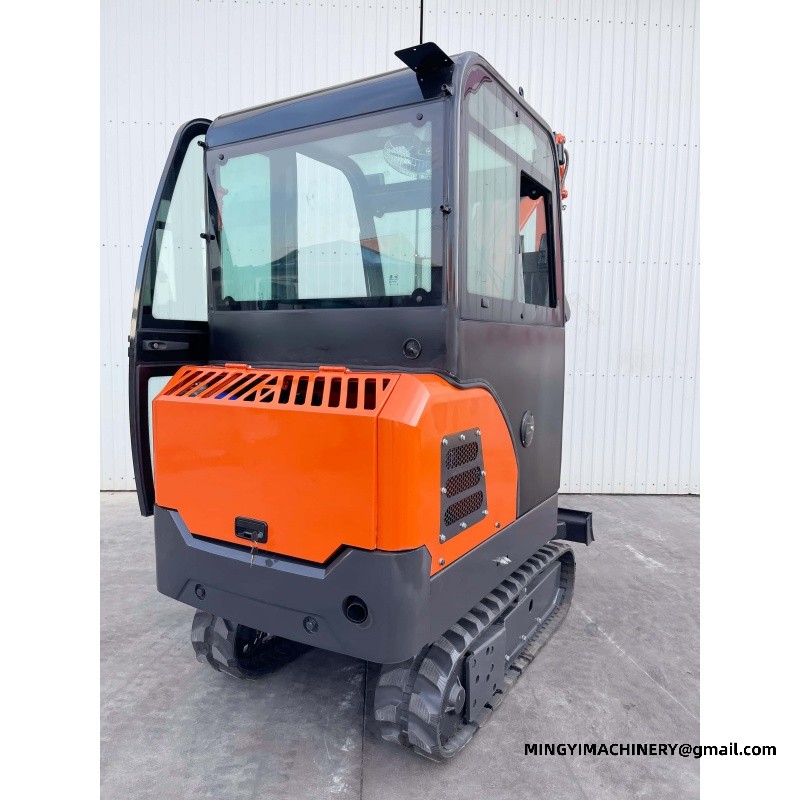
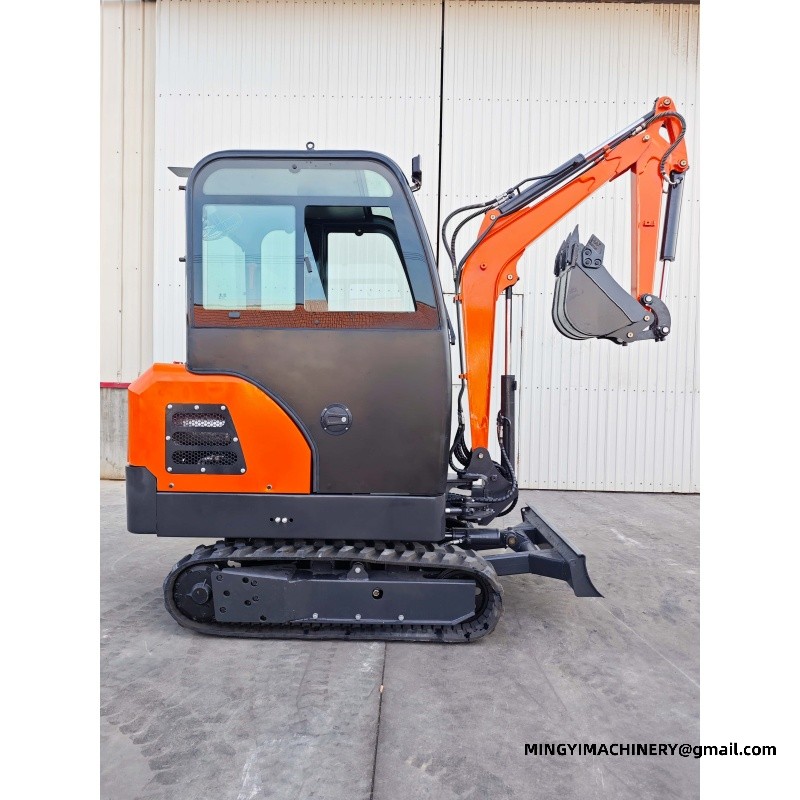
Rubber tracks suit this market because the machine so often works in gardens, driveways and courtyards. The same undercarriage lets it travel across finished surfaces without imposing a repair effort on the customer.
Keeping a hire fleet uniform and serviceable
Fleet value comes from uniformity. When every unit in the fleet is built to the same sheet, one set of wear parts and one set of procedures covers the whole group and the workshop holds less stock.
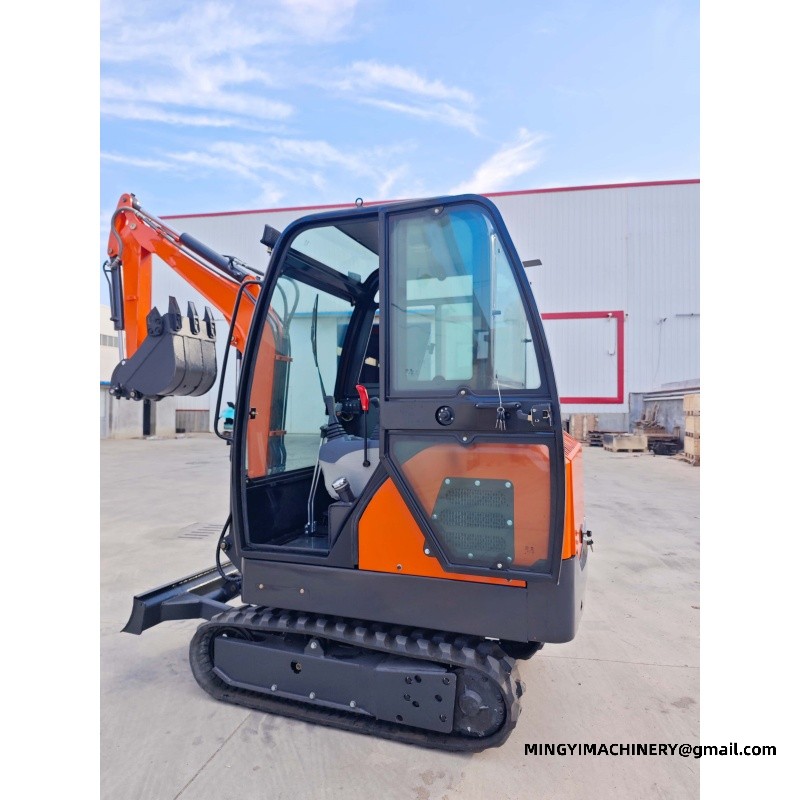
Attachments are matched to the carriers and listed against them, so a unit going out with a bucket and a grab is dispatched complete. That record also makes resale simpler when the machine is eventually moved on.
For a hire fleet the compact excavator is a product as much as a tool. A rubber track machine ordered around transport, simple operation and surface protection goes out more often and comes back with fewer complaints.
Trailering and moving rubber track mini digger for hire fleets Loading practice matters as much as the numbers. The excavator is driven up ramps under its own power with the boom lowered and the tracks aligned, and secured at the points the manufacturer specifies. Detachable components reduce transport length. This class of machine built with a removable arm section or a folding step fits a shorter trailer and may avoid an oversize movement permit. Acceptance checks when a rubber track mini digger for hire fleets arrives A function check before the machine goes to work is worth the hour. Running through the controls, the travel and the attachment circuit on the unit in daily use confirms it is set up as specified and ready for the site. Documentation should arrive with the machine. Parts list, service schedule and any certificates for a machine of this size are what the workshop needs later, and they are much easier to obtain at delivery than in month six. Orchard, vineyard and farm use of rubber track mini digger for hire fleets Orchard and vineyard work is carried out between rows. The equipment on site with a narrow chassis and a swing boom works down the row without damaging the trees, which is the reason a full-size machine is not used at all. Farms also use the machine itself for general maintenance - clearing a watercourse, repairing a track, loading a spreader. One carrier with a few attachments covers most of the jobs that would otherwise wait for a contractor. Municipal and public works with rubber track mini digger for hire fleets Drainage repair, tree planting, footway reconstruction and cemetery work are all within the range of the model in question. The jobs are small individually and continuous across the year. Noise and surface protection matter on public work. The machine in that duty on rubber tracks across paving, with a sealed cab for the operator, suits the conditions better than a larger tracked machine. Hiring versus owning a rubber track mini digger for hire fleets The choice follows the hours. Work that fills a few weeks a year is usually better hired, while the unit on the job that would be on site most weeks starts to justify ownership once the transport and booking time is counted. Ownership brings obligations that hiring does not. Storage, servicing, insurance and an operator are the items to set against the hire rate before deciding which way a machine built for the work should be supplied. Lifting and material handling with a rubber track mini digger for hire fleets Lifting with a machine built to dig needs a plan. The load, the radius and the ground under the excavator all matter, and the safe figure is the one on the chart rather than the one that looks possible. Stability changes with reach. A load the equipment in service handles close in becomes a different proposition at full extension, so the working radius belongs in the plan before the lift rather than during it. Working on slopes and uneven ground with this class of machine Slope work is a stability question before it is a traction question. Knowing the gradient the unit in daily use is rated for, and working across rather than straight up where the ground allows, removes most of the risk. Planning the direction of travel helps. Working so that the A machine of this size is stable under load and not required to turn on a slope is a decision made before the job starts, not a correction made during it. OEM and fleet customisation of the equipment on site Distributors and rental fleets usually need the machine to look like theirs. Paint, decals, seat colour and attachment branding can be specified on the machine itself at build time rather than applied after import. Documentation can be prepared to suit the importer. Manuals, parts books and decal sets for the model in question can be supplied with the buyer's own branding where the order size justifies it. Operator technique for the machine in that duty The second habit is tool discipline. Running the unit on the job with the right bucket width for the trench means less spoil, less reinstatement and a cleaner job than a wide bucket and a lot of trimming. Stability is the third. A machine built for the work working across the tracks rather than over the corners keeps the machine steady and the undercarriage loaded evenly, which shows up as track life at the end of the season. Daily checks and maintenance on the equipment in service Daily maintenance on the excavator is a short list: engine oil level, coolant, track tension, hydraulic oil level and a look at the hoses. Ten minutes at the start of the shift prevents most of the failures that stop a machine. Greasing is the second item. The slew ring, the boom and arm pins and the bucket linkage on this class of machine take grease daily in dusty work, and the intervals shorten further when the machine is used in water or mud. Attachments that turn the unit in daily use into several machines The base machine is a carrier; the tool on the end of the arm decides the task. A machine of this size fitted with a toothed bucket digs, and the same machine with a breaker, an auger or a grab does work that would otherwise need a second unit on site. Attachment lists are best written before delivery. Specifying the equipment on site with the tools the job list needs avoids the work and delay of adding hydraulics later, and a quick coupler makes the swap a few minutes instead of a workshop job. Specification data for the machine itself Buyers comparing the model in question usually start from four numbers - weight, digging depth, reach and transport width - because those are the ones that decide whether the machine can be delivered and whether it can do the job once it is there. These are the reference figures for the machine in that duty. MINGYI confirms the final build sheet, including engine and attachment choices, against the destination and the job list before production. Auxiliary hydraulic lines are what let a machine drive a tool rather than only a bucket. The unit on the job specified with the right circuits and flow runs a breaker or an auger without an add-on power pack bolted to the frame. Hydraulic specification is easier to settle at build time than to correct later. A machine built for the work delivered without auxiliary lines can still dig, but every additional tool becomes a retrofit project.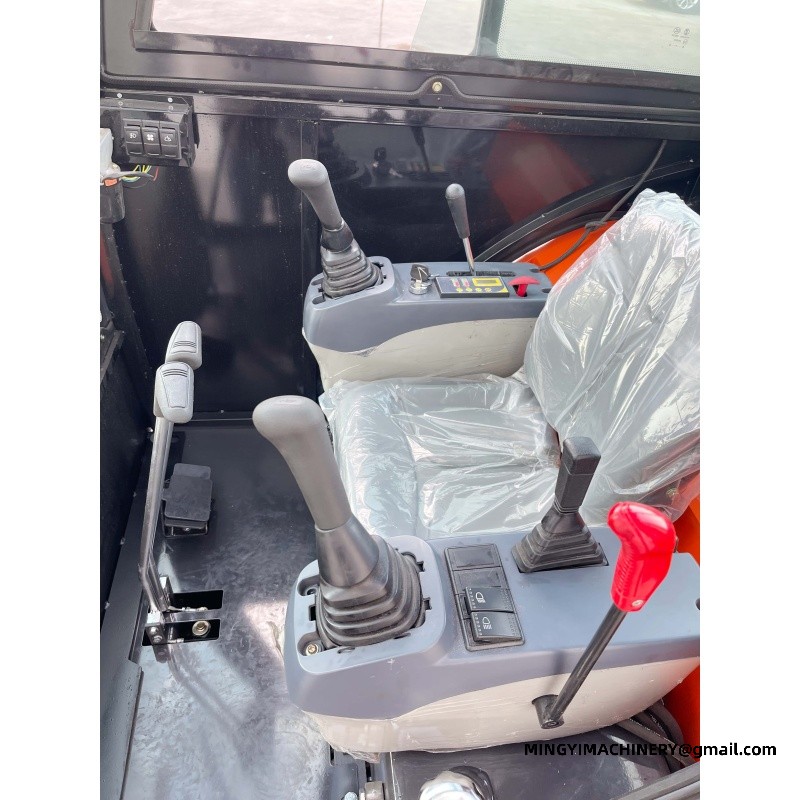
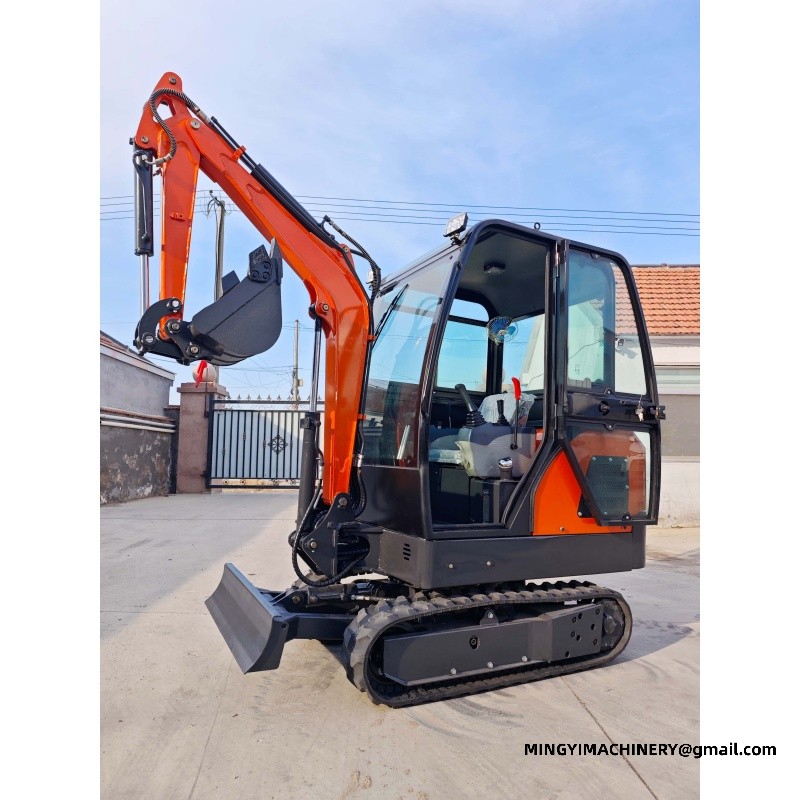
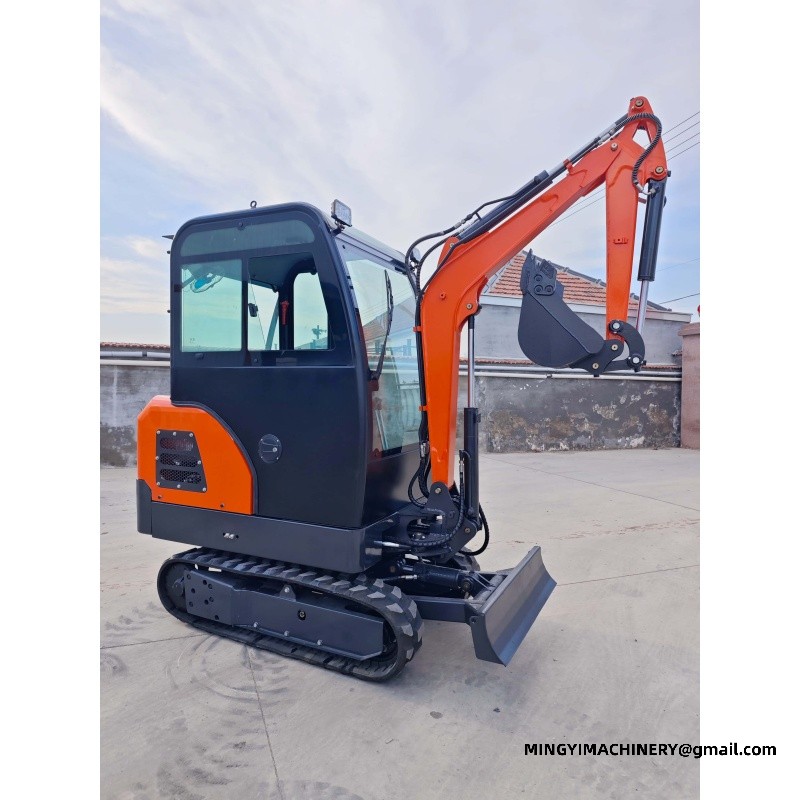
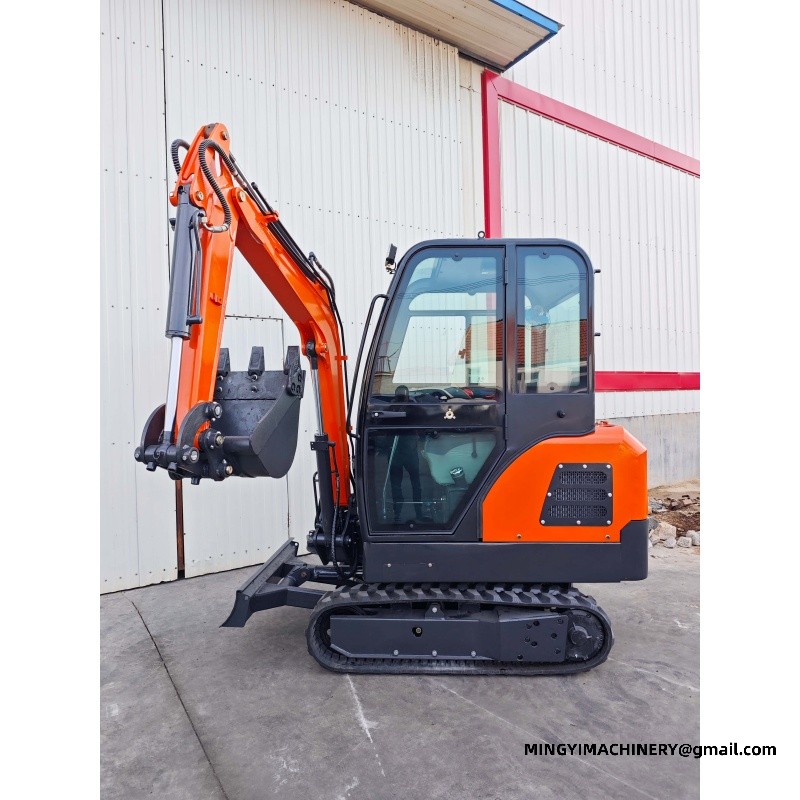
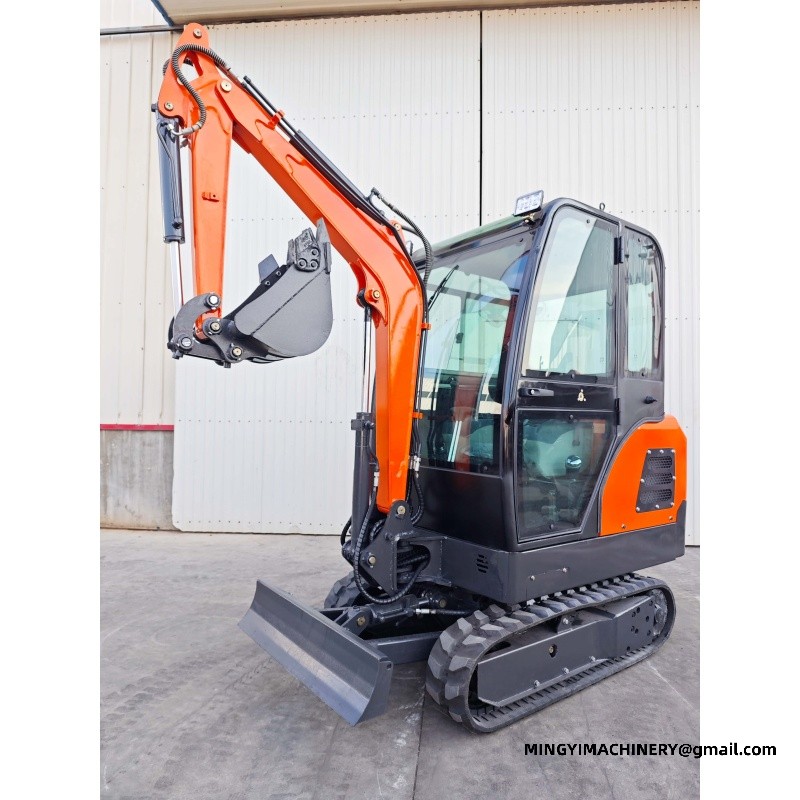
Reference specification — mini excavator range 12W 20-1W 20-3W 30-2L Operating weight 1200 kg (2645.55 lb) 1800 kg (3968.32 lb) 1900 kg (4188.78 lb) 2400 kg (5291 lb) Transport size (L×W×H) 2200 × 930 × 2250 mm 2550 × 1100 × 2200 mm 2550 × 1100 × 2200 mm 2800 × 1500 × 2500 mm Max digging depth 1630 mm (64.17 in) 1800 mm (70.87 in) 1800 mm (70.87 in) 2200 mm (86.61 in) Max digging height 2750 mm (108.27 in) 2820 mm (111.02 in) 2820 mm (111.02 in) 2900 mm (114.17 in) Max dumping height 1960 mm (77.17 in) 2050 mm (80.71 in) 2050 mm (80.71 in) 2100 mm (82.68 in) Max digging radius 2900 mm (114.17 in) 3050 mm (120.08 in) 3050 mm (120.08 in) 3330 mm (131.1 in) Max digging distance 2100 mm (82.68 in) 2300 mm (90.55 in) 2300 mm (90.55 in) 2700 mm (106.3 in) Minimum turning radius 1300 mm (51.18 in) 1450 mm (57.09 in) 1450 mm (57.09 in) 1555 mm (61.22 in) Travel speed 3 km/h (1.86 mph) 5 km/h (3.11 mph) 5 km/h (3.11 mph) 7 km/h (4.35 mph) Gradeability 30° 30° 30° 30° Fuel consumption 1-1.3 L/h (0.264—0.343 gal) 2-3 L/h (0.528—0.793 gal) 2-3 L/h (0.528—0.793 gal) 2-3 L/h (0.528—0.793 gal) Fuel tank capacity 10 L (2.64 gal) 16 L (4.23 gal) 16 L (4.23 gal) 16 L (4.23 gal) Hydraulic oil tank 16 L (4.23 gal) 18 L (4.76 gal) 18 L (4.76 gal) 18 L (4.76 gal) Dozer blade lift height 180 mm (7.09 in) 180 mm (7.09 in) 180 mm (7.09 in) 230 mm (9.06 in) Dozer blade drop depth 210 mm (8.27 in) 210 mm (8.27 in) 210 mm (8.27 in) 280 mm (11.02 in)
Q. Who uses the equipment in service?
A. Tracks decide where a compact excavator is allowed to work: rubber runs quiet and kind over lawns and paving, steel takes the abuse of gravel, rubble and slopes. Rubber ages from sunlight as much as from work; steel wears from abrasion - the right call depends on what the machine stands on all day. For hire fleets applications the practical route is to send the job list to the factory and let the build sheet answer it - which is exactly what this page invites.
Q. Can I change track type after purchase?
A. Yes; conversion is a planned job rather than a swap, and the pages on steel track replacement and rubber-to-steel conversion describe what is involved. Confirm the machine model and the target ground with the factory and the parts arrive as a matched set.
Q. What support follows the sale?
A. Spare-part kits, wear items and service documentation ship with the programme, and the parts team works from the serial plate to match components exactly. Warranty and support terms for the hire fleets order are confirmed in writing before the machine leaves.
Documents that travel with the excavator
A clear parts book saves more time than any other document. When this class of machine needs a replacement, the illustration and the part number are what turn a phone call into a shipment instead of a description.
Hot, humid and dusty conditions around the unit in daily use
Dust is the enemy of every rotating joint. Keeping the radiator and the air intake of a machine of this size clean, and cleaning them before they are blocked rather than after, is what separates a machine that lasts from one that overheats.
E-mail : sales@mingycn.com
LINE ( ID ): mingyicn
Fire prevention and emergency steps for rubber track mini digger for hire fleets
Most machine fires start with heat, oil and a dry screen of debris, and the first defence is a clean engine bay.
Refuelling is done with the engine stopped, the nozzle earthed and a spill kit within reach.
Everyone on site should know how to shut the machine down quickly, including from outside the cab.
Lifting, tie-down and transport securing of rubber track mini digger for hire fleets
Lifting points are specified by the manufacturer, and improvising with the bucket linkage or the mounting ears is how machines get dropped.
Related pages
hydraulic mini excavator for ditching · mini excavator supplier for importers · Wheel Loader for Sale: Builds, Options and Container Planning · Mini Excavators









