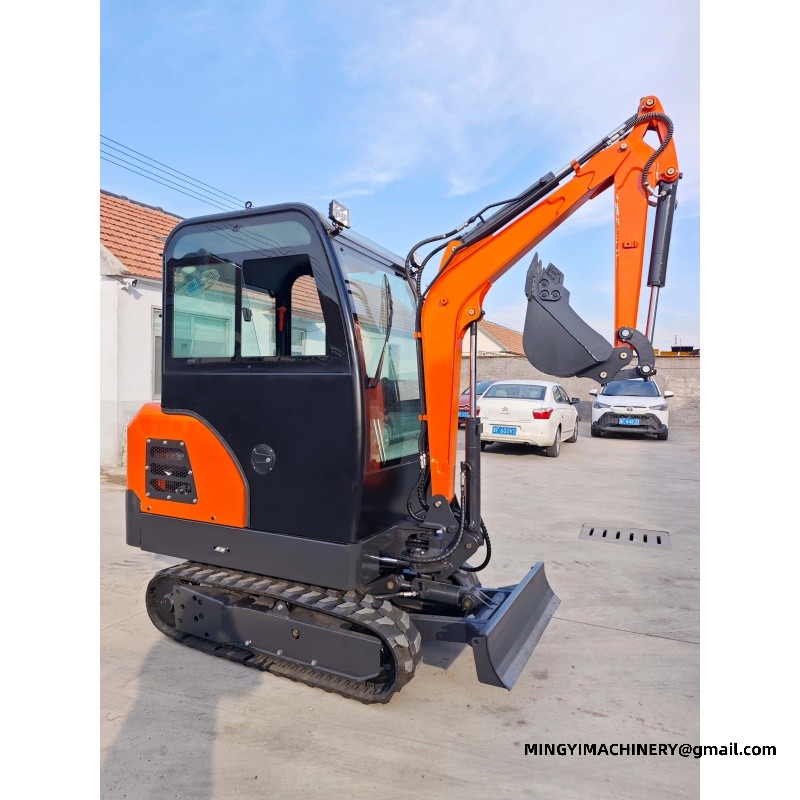
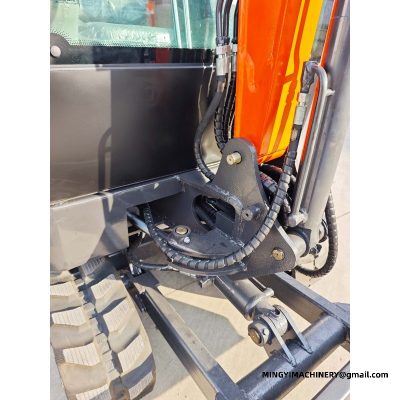
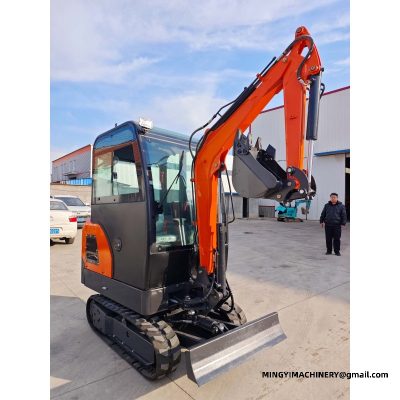
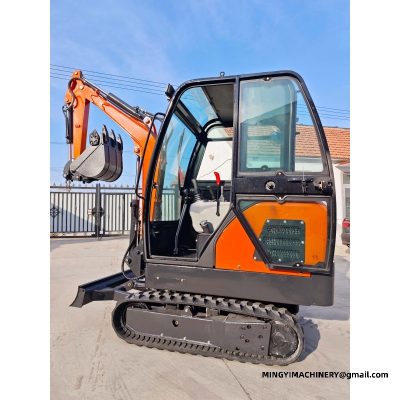
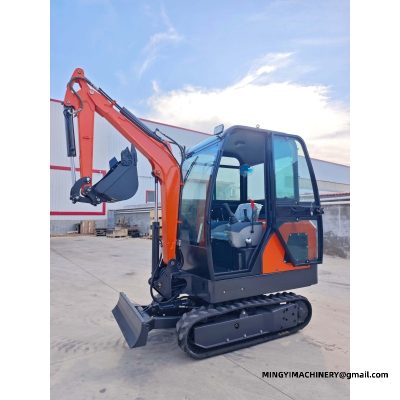
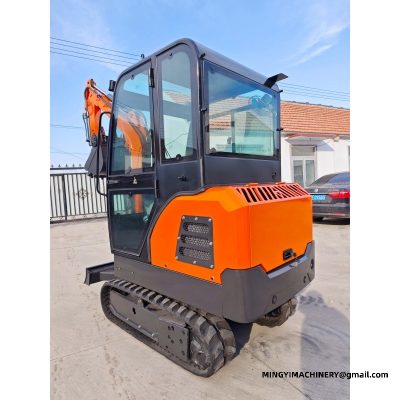
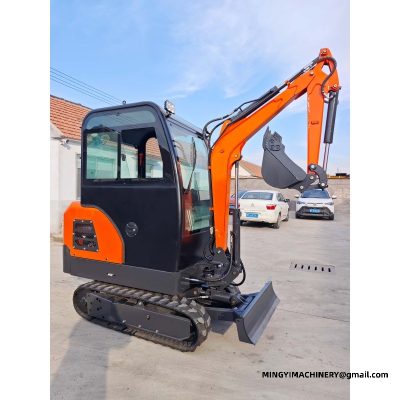
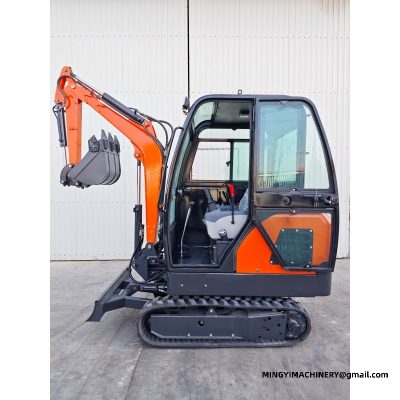
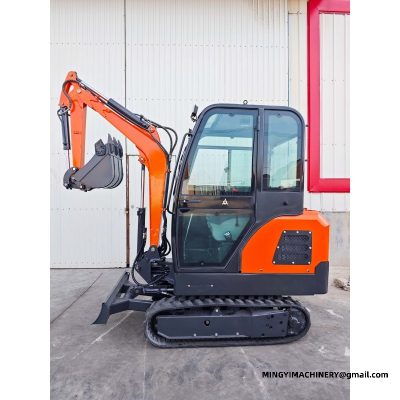
Sea freight is the harshest journey an excavator ever takes, and the condition it arrives in depends almost entirely on how it was prepared for the container. For export buyers, packing is part of the specification, not a detail at the end.
MINGYI ships compact excavators packed for ocean transport, with the machine's build record and service information travelling with it. What follows is how packing is approached and what to check on arrival.
How machines are prepared for shipping
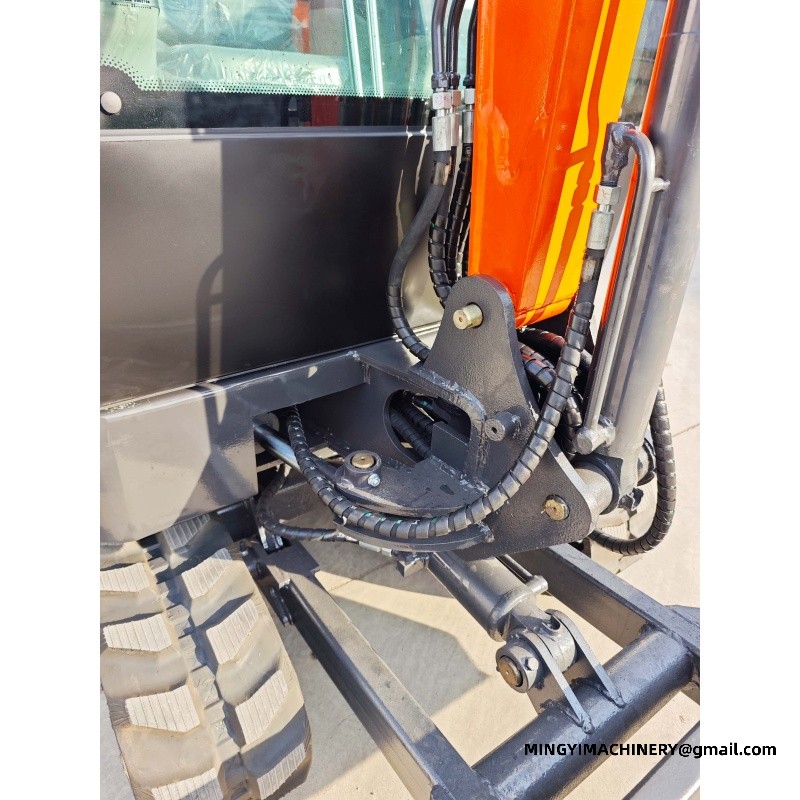
Before dispatch each machine is inspected against its recorded specification, cleaned, and secured within the container so it cannot shift in a seaway. Components vulnerable in transit are protected, and loose items such as buckets are packed and fastened rather than left to ride loose.
Spare parts and service items ordered with the machine are boxed and shipped together, so the unit starts its working life with its first maintenance items on hand. Multi unit shipments are arranged so each machine can be unloaded and identified separately.
What buyers should confirm on arrival
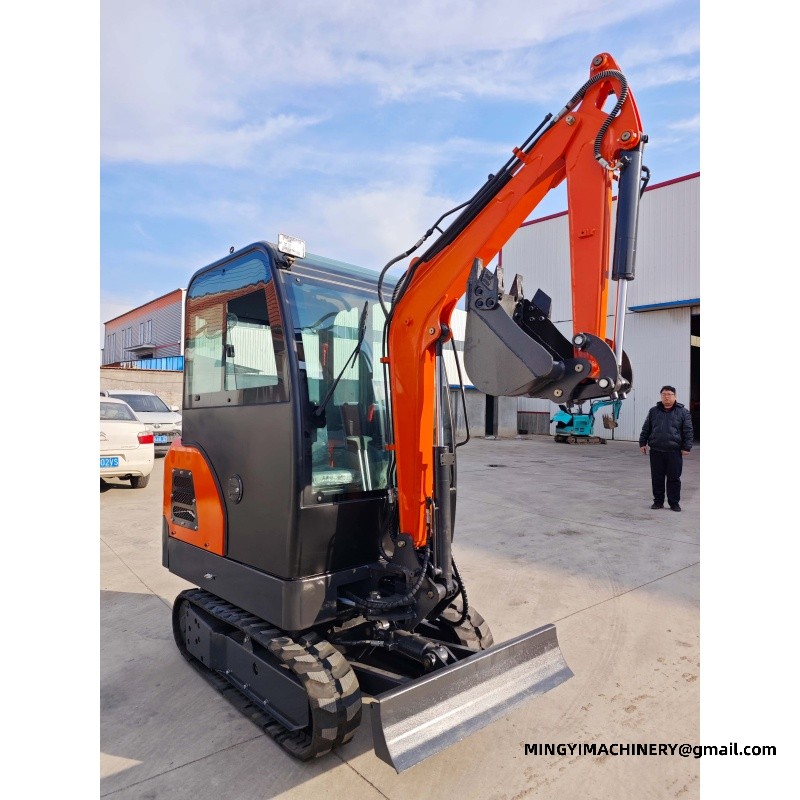
On delivery, inspect the machine for transit damage before it leaves the yard, and check the attachment and spares count against the order. A short inspection here protects the buyer and gives any freight claim a clean basis.
Run the usual pre-work checks, including fluids, track tension and battery condition, before the first start. Items found short or damaged should be reported with the machine's serial so the record can be used to resolve the order.
A well packed machine and an accurate record turn a container into a working excavator. MINGYI treats packing as part of the build, and buyers who state their port, unloading arrangements and spares needs early receive a shipment planned around them.
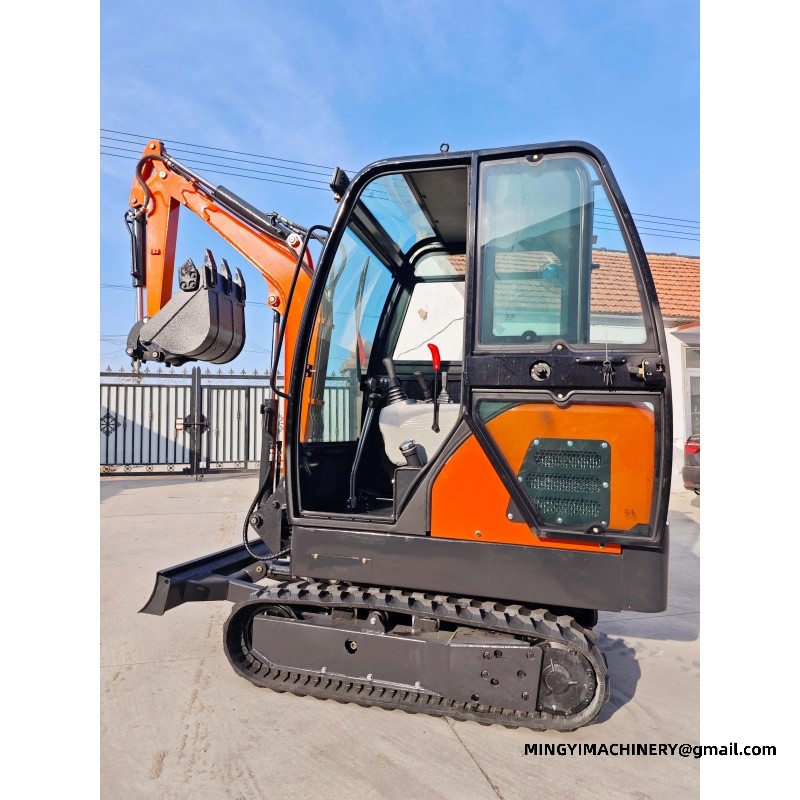
Running mini excavator export packing in a rental fleet Rental fleets buy for utilisation, not for a single job. The excavator with a quick coupler and a common attachment standard is hired more often because it suits more of the calls that come in. The specification that rents best is usually the simplest one to explain at the counter. This class of machine with rubber tracks, a canopy and a coupler covers the majority of weekend and short-term hires. Operator technique for mini excavator export packing The second habit is tool discipline. Running the unit in daily use with the right bucket width for the trench means less spoil, less reinstatement and a cleaner job than a wide bucket and a lot of trimming. Stability is the third. A machine of this size working across the tracks rather than over the corners keeps the machine steady and the undercarriage loaded evenly, which shows up as track life at the end of the season. OEM and fleet customisation of mini excavator export packing Distributors and rental fleets usually need the machine to look like theirs. Paint, decals, seat colour and attachment branding can be specified on the equipment on site at build time rather than applied after import. Documentation can be prepared to suit the importer. Manuals, parts books and decal sets for the machine itself can be supplied with the buyer's own branding where the order size justifies it. Interior and light demolition with mini excavator export packing Breaking out a floor slab, a wall footing or a concrete step is routine work for the model in question with a breaker. The machine is small enough to work inside and heavy enough to run the tool at a practical rate. Dust, debris clearance and floor loading all argue for a compact machine indoors. The machine in that duty spreads its weight over a wider track footprint than a wheeled machine of similar capacity. Orchard, vineyard and farm use of mini excavator export packing Orchard and vineyard work is carried out between rows. The unit on the job with a narrow chassis and a swing boom works down the row without damaging the trees, which is the reason a full-size machine is not used at all. Farms also use a machine built for the work for general maintenance - clearing a watercourse, repairing a track, loading a spreader. One carrier with a few attachments covers most of the jobs that would otherwise wait for a contractor. Trenching work with mini excavator export packing Service trenches are the most common reason the equipment in service is hired. Water, sewage, cable and gas runs are narrow, shallow and often close to existing services, which is exactly the work a full-size machine cannot do safely. Depth control matters more on service work than speed. The excavator working beside live services is chosen because it can be placed precisely and stopped instantly, which is what the job actually requires. Hiring versus owning this class of machine The choice follows the hours. Work that fills a few weeks a year is usually better hired, while the unit in daily use that would be on site most weeks starts to justify ownership once the transport and booking time is counted. Ownership brings obligations that hiring does not. Storage, servicing, insurance and an operator are the items to set against the hire rate before deciding which way a machine of this size should be supplied. Working on slopes and uneven ground with the equipment on site Slope work is a stability question before it is a traction question. Knowing the gradient the machine itself is rated for, and working across rather than straight up where the ground allows, removes most of the risk. Ground that looks level often is not. The model in question crossing a filled trench, a soft edge or a hidden void behaves differently from one on undisturbed ground, and those are the places worth walking before driving. What owners should plan for beyond the machine in that duty The useful comparison is demand per working hour, not demand per machine. The unit on the job that works more hours a year spreads its standing takes over more output, which is why utilisation usually matters more than the invoice figure. Downtime is the hidden line item. A machine built for the work waiting on a part earns nothing while it stands, so parts availability and service access belong in the plan as much as fuel does. Working the equipment in service through the seasons Seasonal planning smooths the workload. Machines that are busy for a few months and idle for the rest benefit from a service slot in the quiet period, and the excavator prepared in the off-season starts the busy months reliably. Heat and dust are as limiting as rain. Air intake condition and cooling cleanliness decide how this class of machine behaves in a dry season, and both are checked in a minute rather than repaired later. Matching the unit in daily use to ground conditions Hard and abrasive ground reverses the specification. On rock, demolition rubble or sharp gravel, steel tracks with rubber blocks on a machine of this size survive conditions that cut a rubber belt quickly. Mixed sites are common and argue for a compromise specification. Most buyers choose rubber for the equipment on site and accept the wear, unless the majority of the work is on material that will damage it. Daily checks and maintenance on the machine itself Daily maintenance on the model in question is a short list: engine oil level, coolant, track tension, hydraulic oil level and a look at the hoses. Ten minutes at the start of the shift prevents most of the failures that stop a machine. Greasing is the second item. The slew ring, the boom and arm pins and the bucket linkage on the machine in that duty take grease daily in dusty work, and the intervals shorten further when the machine is used in water or mud. Specification data for the unit on the job The figures below are the factory figures for the models most often matched to a machine built for the work. They are the numbers to check against the site: the depth the work needs, the reach from one position, and the width of the narrowest point on the route in. Figures are factory figures and are confirmed on the build sheet for the equipment in service. Where a job sits between two models, the larger machine usually takes less time than the smaller one spends on rework. The practical way to specify is to write the job list first: the narrowest access, the deepest trench, the heaviest tool and the surfaces the machine must cross. The excavator is then matched to those four numbers. Useful information to send with an enquiry includes working width, required digging depth, ground conditions and the attachment set. Those four items let the factory specify this class of machine that fits rather than a generic build.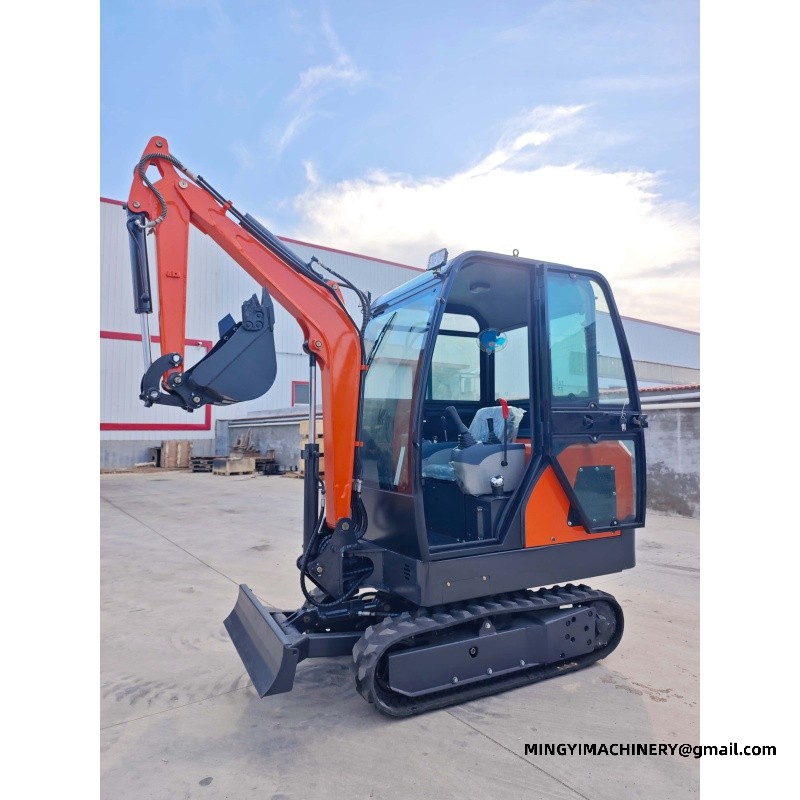
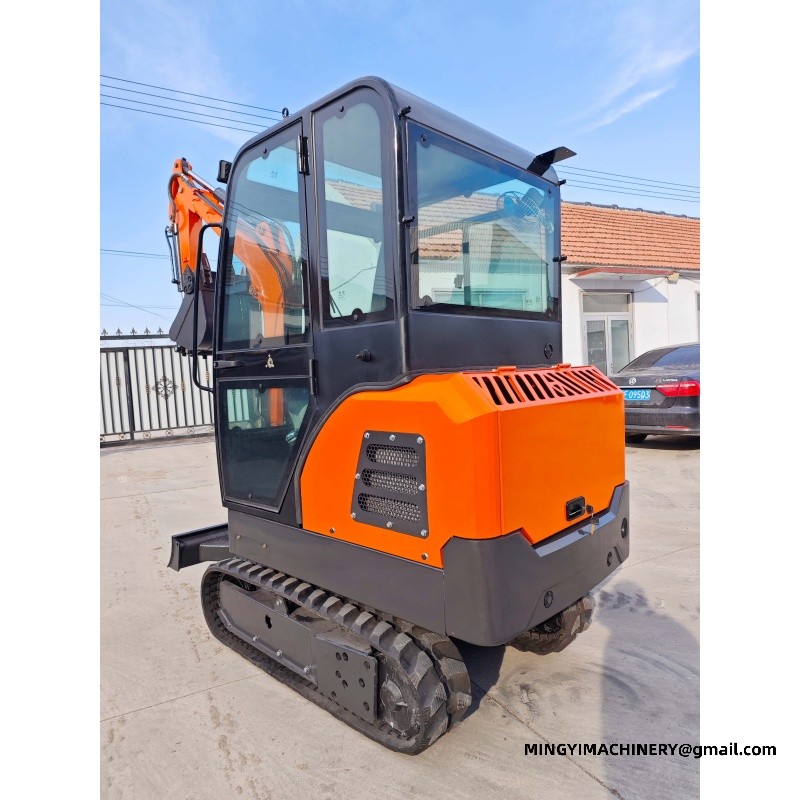
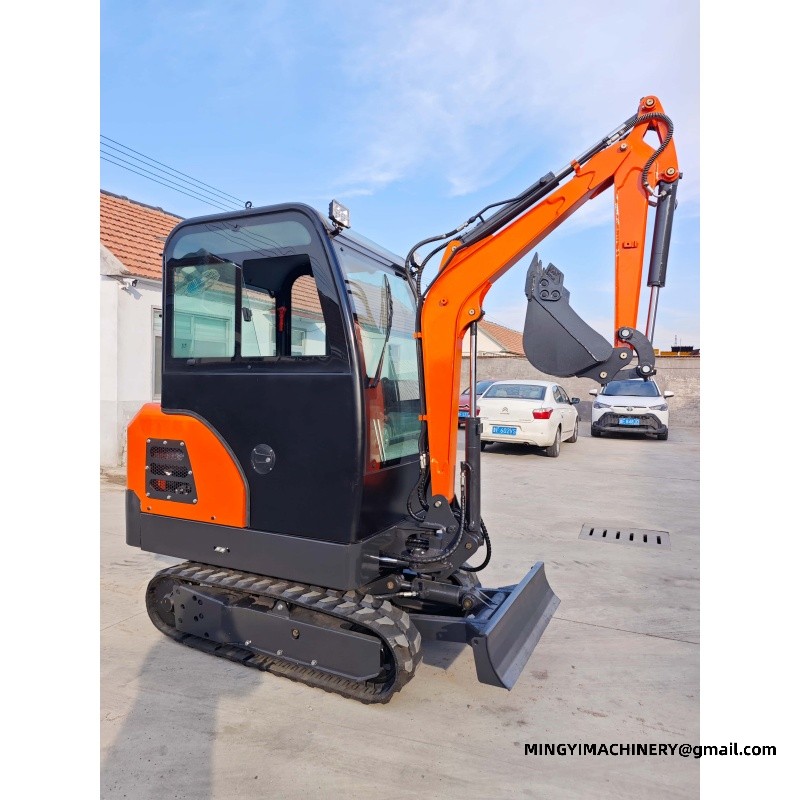
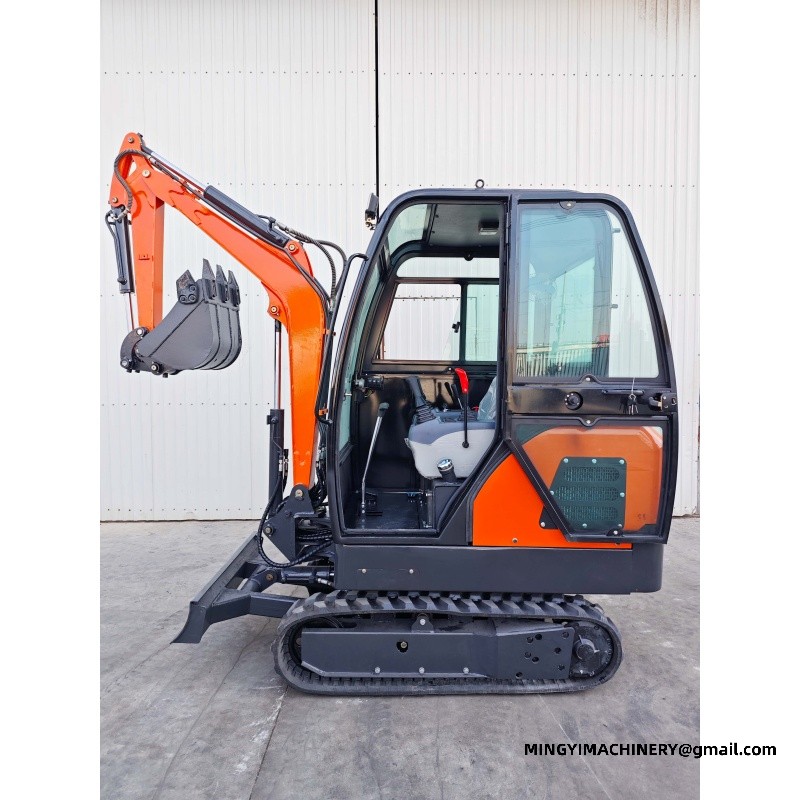
Reference specification — mini excavator range 09W 30-1W 09L 20-2L Operating weight 1100 kg (2425.08 lb) 2900 kg (6393.41 lb) 1100 kg (2425.08 lb) 1900 kg (4188.78 lb) Transport size (L×W×H) 1800 × 750 × 1970 mm 3000 × 1250 × 2780 mm 2300 × 720 × 1870 mm 2600 × 1300 × 2344 mm Max digging depth 1250 mm (49.21 in) 2200 mm (86.61 in) 1400 mm (55.12 in) 2100 mm (82.68 in) Max digging height 2800 mm (110.24 in) 3400 mm (133.86 in) 2800 mm (110.24 in) 2880 mm (113.39 in) Max dumping height 1700 mm (66.93 in) 2400 mm (94.49 in) 1880 mm (74.02 in) 2100 mm (82.68 in) Max digging radius 2570 mm (101.18 in) 4000 mm (157.48 in) 2490 mm (98.03 in) 3215 mm (126.57 in) Max digging distance 1869 mm (73.58 in) 2800 mm (110.24 in) 2000 mm (78.74 in) 2460 mm (96.85 in) Minimum turning radius 1000 mm (39.37 in) 2000 mm (78.74 in) 1400 mm (55.12 in) 1587 mm (62.48 in) Travel speed 3 km/h (1.86 mph) 5 km/h (3.11 mph) 3 km/h (1.86 mph) 5 km/h (3.11 mph) Gradeability 30° 30° 30° 30° Fuel consumption 1-1.3 L/h (0.264—0.343 gal) 2-3 L/h (0.528—0.793 gal) 1-1.3 L/h (0.264—0.343 gal) 2-3 L/h (0.528—0.793 gal) Fuel tank capacity 8 L (2.11 gal) 16 L (4.23 gal) 8 L (2.11 gal) 16 L (4.23 gal) Hydraulic oil tank 16 L (4.23 gal) 20 L (5.28 gal) 16 L (4.23 gal) 18 L (4.76 gal) Dozer blade lift height 180 mm (7.09 in) 420 mm (16.54 in) 180 mm (7.09 in) 180 mm (7.09 in) Dozer blade drop depth 210 mm (8.27 in) 210 mm (8.27 in) 210 mm (8.27 in) 210 mm (8.27 in)
Q. How does the unit in daily use work?
A. Dealer, importer and fleet buyers judge a factory by what follows the machine - packing, documentation, parts - and the programme sets out how that works. Complete units travel in containers on timber cradles, and CKD packing parts the machine down for volume shipments. Read a machine of this size together with the engine, track and attachment pages: jobs around packing are decided by how those choices line up, not by any single number on the sheet.
Q. How are machines packed and shipped?
A. Complete units travel in containers on timber cradles; CKD packing parts the machine for volume. Documents, marks and routing follow the order, and the destination port decides the packing plan.
Q. How do I get a specification?
A. Send the model, the destination and the attachment list by email or LINE - the channels listed just below this section. The reply covers the specification, lead time, packing and freight in one document, with the packing build sheet attached.
Cold weather and winter care for the equipment on site
Winter is hard on rubber and on seals as much as on the engine. Parking the machine itself under cover, keeping the tracks or tyres off standing water and checking the hoses for cracking are all part of the season.
Packing, loading and shipment of the model in question
The paperwork matters as much as the packing. Serial numbers, dimensions and weights recorded for the machine in that duty at loading are the same figures the destination needs, and a mismatch here loses more days than the voyage itself.
E-mail : sales@mingycn.com
LINE ( ID ): mingyicn
Related pages
built to order mini excavator supply · mixed-model mini excavator orders · Construction Wheel Loader: Site Loading, Backfill, Hardstands · Mini Excavators









