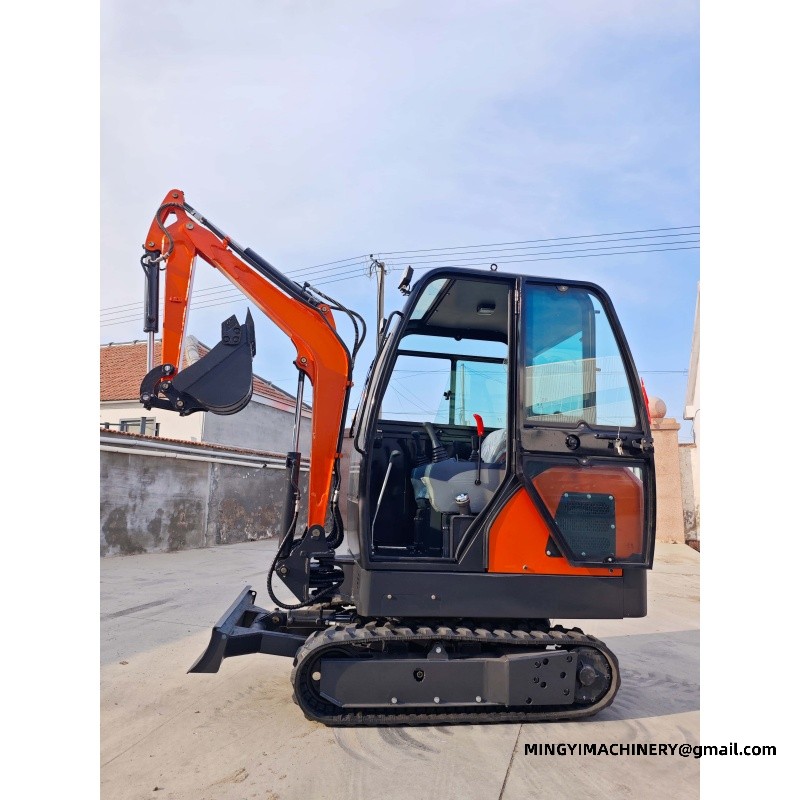
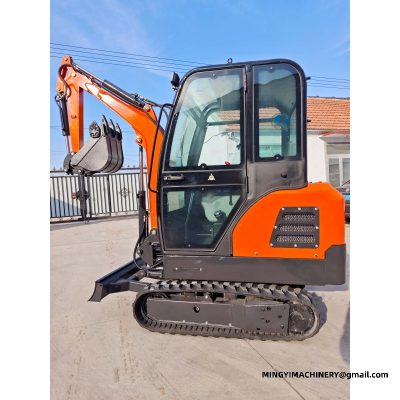
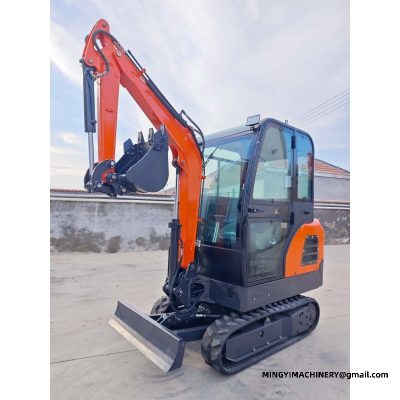
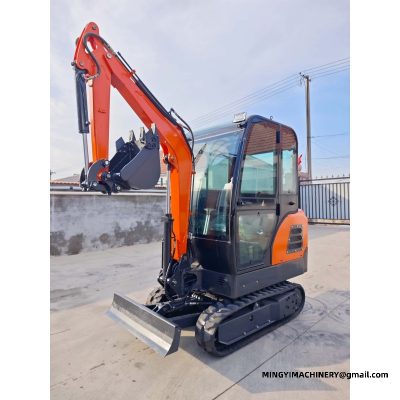
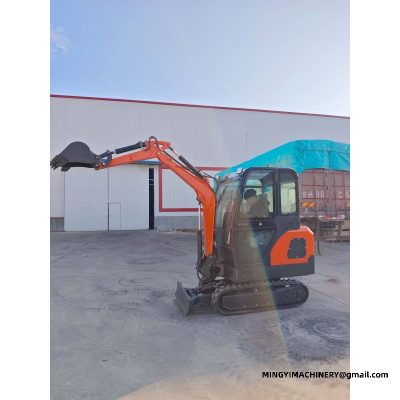
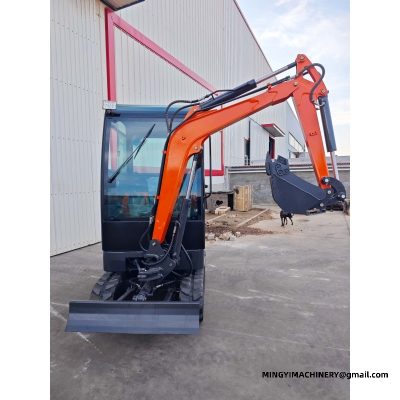
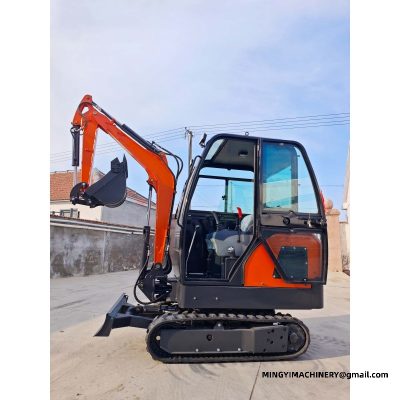
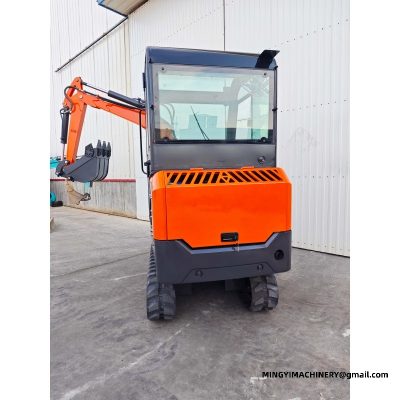
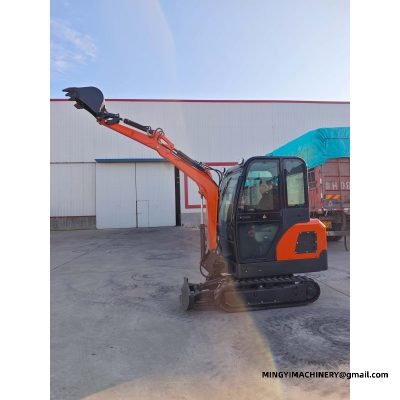
A built to order machine is one that is assembled against a written specification rather than picked from a shelf. For trade buyers this is what allows a product to be tailored to a market without losing the repeatability that a dealer needs.
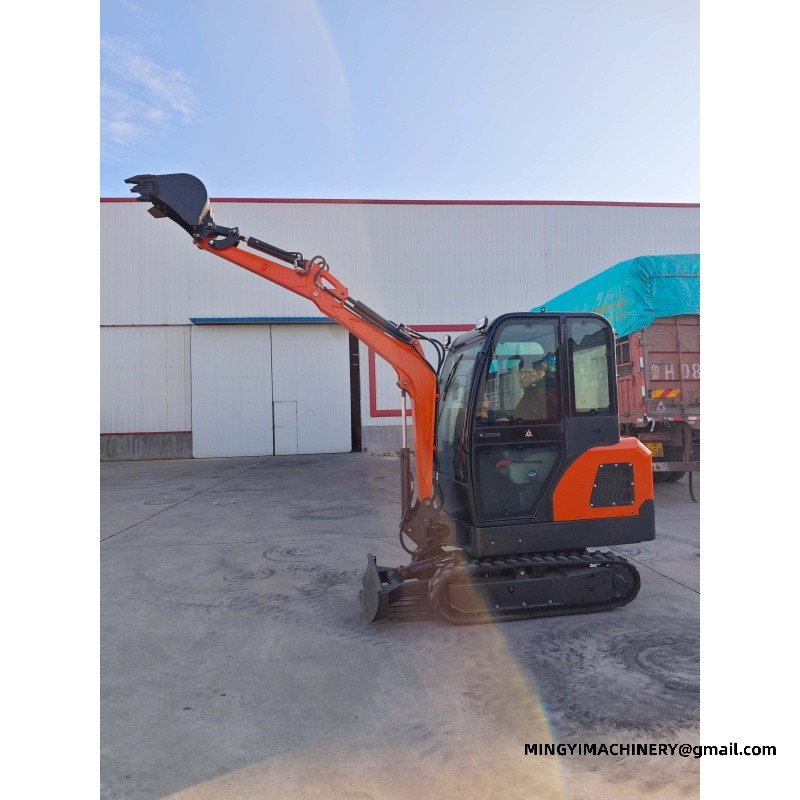
MINGYI assembles compact crawler excavators to order in the 0.8 to 6 tonnes class. Model, engine, undercarriage, cab form and attachment set are fixed at the ordering stage and recorded against the unit.
Built to order machines and lead-in decisions
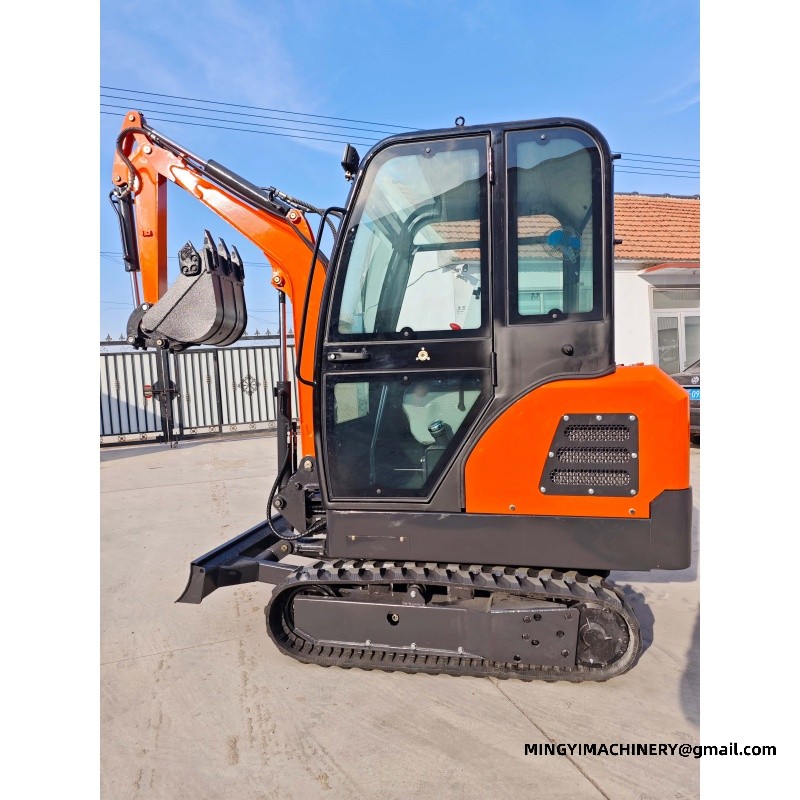
The decisions that matter most are taken first, because they are the hardest to change later. Class, engine and undercarriage sit at that level, and they determine what the machine can do and where it can work.
Cab form and attachment set follow. Both affect the weight and the balance of the machine, so they are settled together with the class rather than added after the unit is finished.
Confirming the build sheet before production
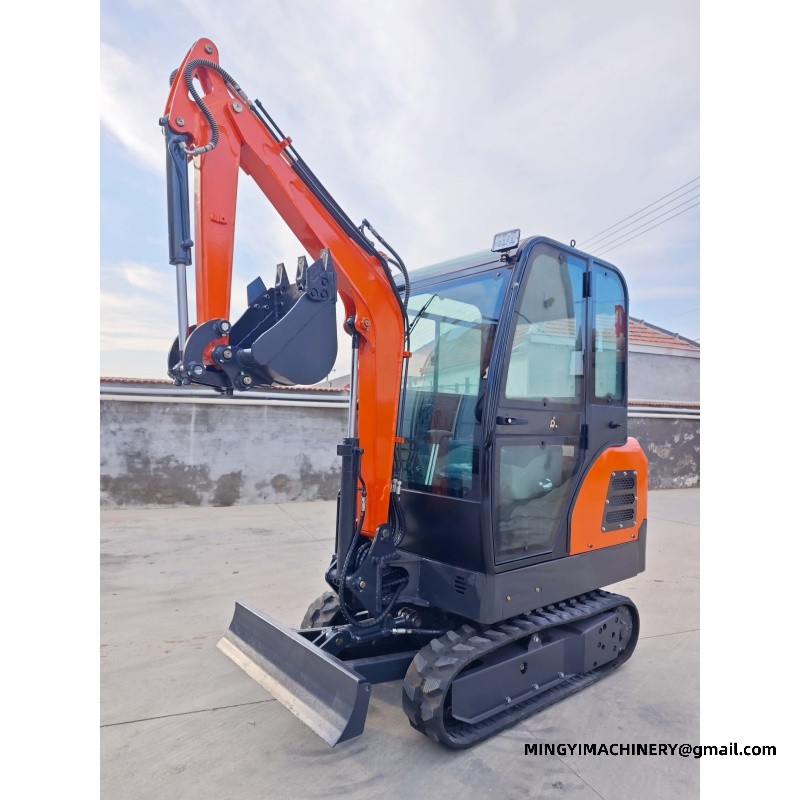
The build sheet is the point at which the order stops being negotiable. Once it is confirmed, the machine is assembled against it and every attachment and coupler is listed against that unit.
That discipline has a second benefit. Because the record is kept, a repeat order placed later can be built to the same sheet, which is what keeps a fleet consistent across several shipments.
Built to order supply suits buyers who know what their market needs and want the same machine repeated. Getting the sheet right before production begins is what makes the approach work over the long term.
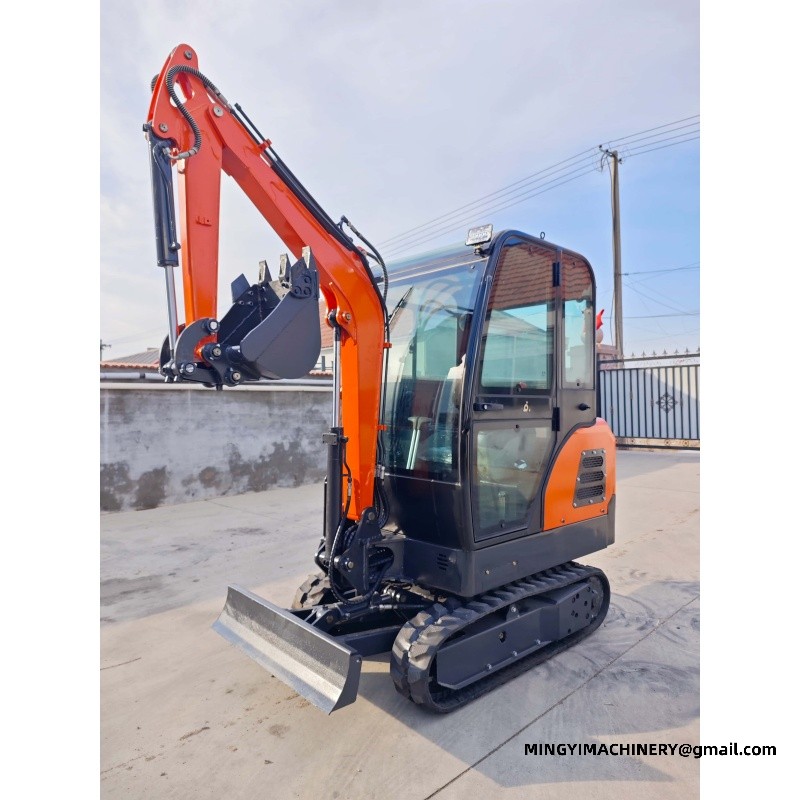
Municipal and public works with built to order mini excavator supply Drainage repair, tree planting, footway reconstruction and cemetery work are all within the range of the excavator. The jobs are small individually and continuous across the year. Noise and surface protection matter on public work. This class of machine on rubber tracks across paving, with a sealed cab for the operator, suits the conditions better than a larger tracked machine. Export packing and shipping of built to order mini excavator supply Machines leave the factory prepared for container or flat rack shipment. The unit in daily use is normally shipped with the attachment set and the spare parts list agreed in advance so the container is planned once. Export documentation, decals and paint are settled before packing. Asking for them with the a machine of this size order avoids a second handling session and keeps the machine on the booked vessel. Track choice for built to order mini excavator supply Rubber tracks suit paved and landscaped ground because they spread the machine weight and leave the surface intact. Steel tracks with rubber blocks are specified where the ground is rougher or the working day is longer, and the choice can be made per machine rather than accepted as a factory default. Undercarriage selection is a ground question, not a preference question. The equipment on site running on finished paving needs rubber; the same machine on demolition rubble or rock wears rubber quickly, so steel with rubber blocks becomes the better answer over a full season. Trenching work with built to order mini excavator supply Trench quality depends on the bucket width and the operator, not on machine size. The machine itself with a narrow bucket and a swing boom cuts a clean run along a boundary without disturbing the ground either side of it. Depth control matters more on service work than speed. The model in question working beside live services is chosen because it can be placed precisely and stopped instantly, which is what the job actually requires. Acceptance checks when a built to order mini excavator supply arrives Delivery day is the best time to find a problem. Checking the specification against the order, the fluid levels, the fasteners and any transport damage while the unit on the job is still on the trailer is faster than claiming later. A function check before the machine goes to work is worth the hour. Running through the controls, the travel and the attachment circuit on the machine in that duty confirms it is set up as specified and ready for the site. Landscaping and ground care with built to order mini excavator supply Landscape contractors use a machine built for the work for planting holes, pond excavation, grading and retaining work. The machine is light enough to cross finished lawn and narrow enough to work between established trees. Grass cutting heads, rakes and tillers extend the equipment in service into ground care. The same carrier that digs a border in spring can cut and clear the same area later in the season. Running the excavator in a rental fleet The specification that rents best is usually the simplest one to explain at the counter. This class of machine with rubber tracks, a canopy and a coupler covers the majority of weekend and short-term hires. Fleet buyers also weigh transport. The unit in daily use that a customer can tow on a normal licence and a standard trailer is a hire that does not need a delivery truck, which changes how often it goes out. Working a machine of this size through the seasons Weather decides which days are productive. Rain turns some ground unusable and cold changes how the equipment on site starts and warms up, so planning the wet months around maintenance is more useful than planning around output. Seasonal planning smooths the workload. Machines that are busy for a few months and idle for the rest benefit from a service slot in the quiet period, and the machine itself prepared in the off-season starts the busy months reliably. Quick coupler practice on the model in question A quick coupler is the single option that changes how a machine is used day to day. Fitted to the machine in that duty, it turns an attachment change from a two-person workshop job into a task the operator does alone in minutes. Couplers are specified early because they affect the arm and the hydraulic kit. Adding one to the unit on the job after delivery means new pins, new hoses and a fitment session; adding it at build time is a line on the sheet. Working on slopes and uneven ground with a machine built for the work Ground that looks level often is not. The equipment in service crossing a filled trench, a soft edge or a hidden void behaves differently from one on undisturbed ground, and those are the places worth walking before driving. Planning the direction of travel helps. Working so that the excavator is stable under load and not required to turn on a slope is a decision made before the job starts, not a correction made during it. Getting this class of machine through a narrow gap The first question on most job lists is whether the machine can reach the work at all. The unit in daily use is chosen against the narrowest point on the route - a garden gate, a doorway, a gap between two walls - because a machine that arrives and then cannot pass loses a day, not an hour. Contractors who buy a machine of this size normally have one job in mind that nothing else reaches. The purchase order follows the access measurement, not the other way round, and the build sheet is then settled around it. Specification data for the equipment on site Buyers comparing the machine itself usually start from four numbers - weight, digging depth, reach and transport width - because those are the ones that decide whether the machine can be delivered and whether it can do the job once it is there. Figures are factory figures and are confirmed on the build sheet for the model in question. Where a job sits between two models, the larger machine usually takes less time than the smaller one spends on rework. Transport weight and width decide whether a machine needs a specialist haulier. The machine in that duty sized to travel on a standard plant trailer behind a suitable vehicle moves with the crew rather than on a scheduled low loader. Detachable components reduce transport length. The unit on the job built with a removable arm section or a folding step fits a shorter trailer and may avoid an oversize movement permit.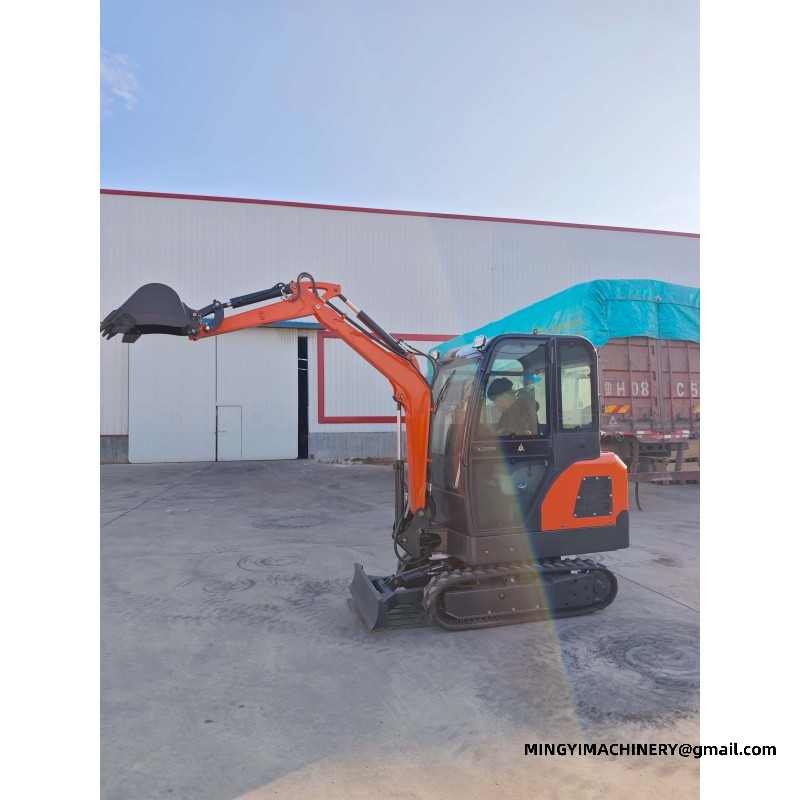
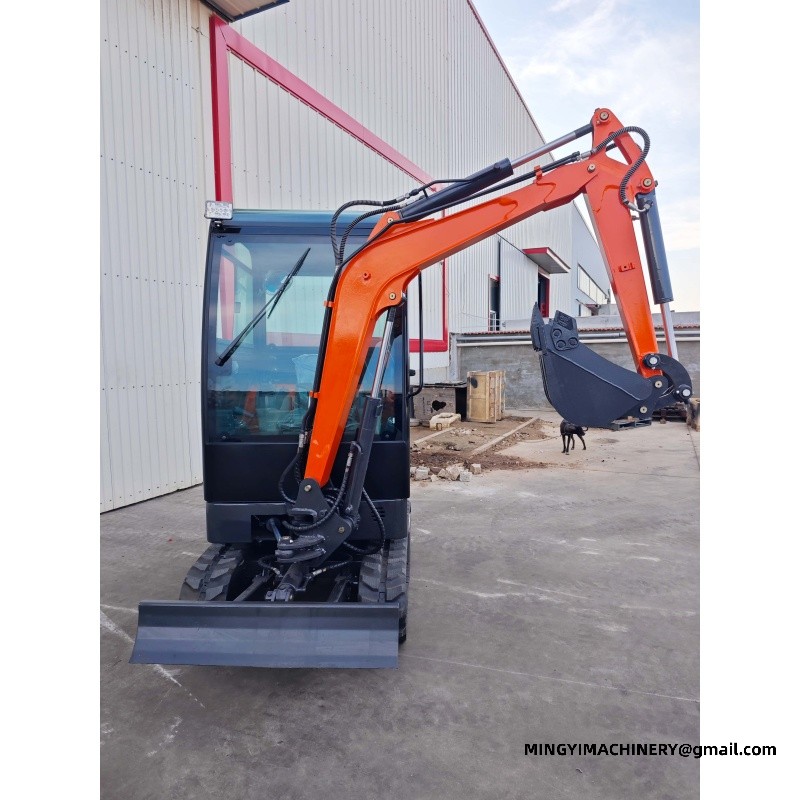
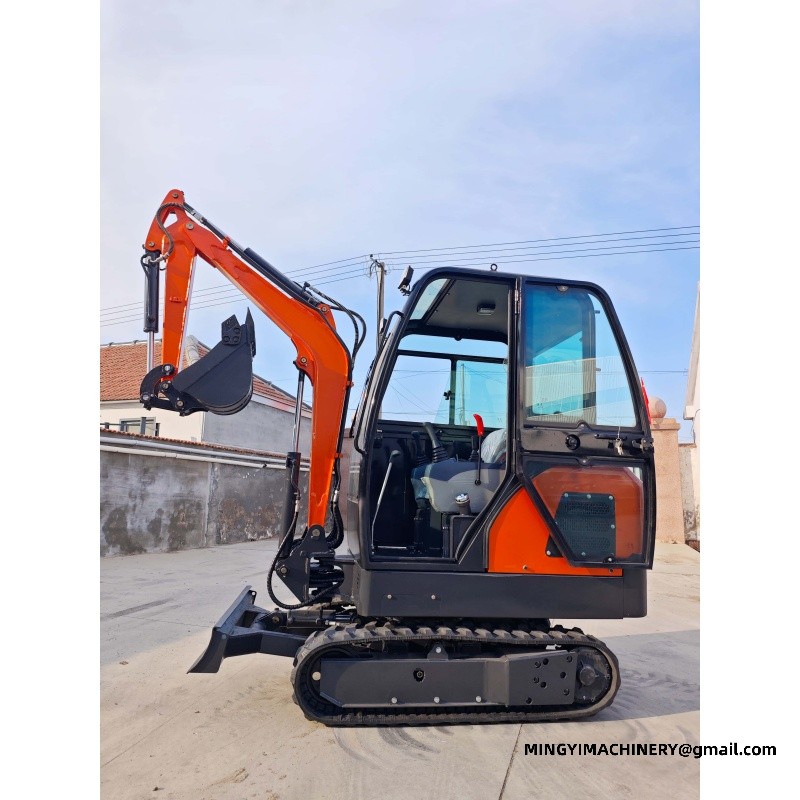
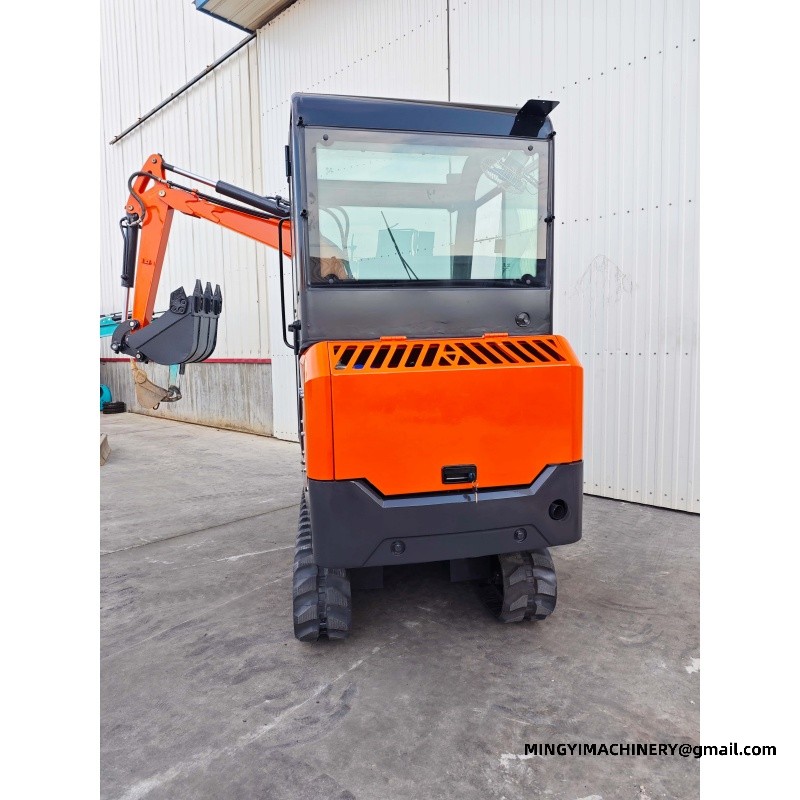
Reference specification — mini excavator range 20-1WL 30-1W 12L 20-2L Operating weight 1900 kg (4188.78 lb) 2900 kg (6393.41 lb) 1200 kg (2645.55 lb) 1900 kg (4188.78 lb) Transport size (L×W×H) 2550 × 1100 × 2200 mm 3000 × 1250 × 2780 mm 2200 × 930 × 2250 mm 2600 × 1300 × 2344 mm Max digging depth 1800 mm (70.87 in) 2200 mm (86.61 in) 1700 mm (66.93 in) 2100 mm (82.68 in) Max digging height 2820 mm (111.02 in) 3400 mm (133.86 in) 2600 mm (102.36 in) 2880 mm (113.39 in) Max dumping height 2050 mm (80.71 in) 2400 mm (94.49 in) 1800 mm (70.87 in) 2100 mm (82.68 in) Max digging radius 3050 mm (120.08 in) 4000 mm (157.48 in) 2900 mm (114.17 in) 3215 mm (126.57 in) Max digging distance 2300 mm (90.55 in) 2800 mm (110.24 in) 2300 mm (90.55 in) 2460 mm (96.85 in) Minimum turning radius 1450 mm (57.09 in) 2000 mm (78.74 in) 1450 mm (57.09 in) 1587 mm (62.48 in) Travel speed 5 km/h (3.11 mph) 5 km/h (3.11 mph) 3 km/h (1.86 mph) 5 km/h (3.11 mph) Gradeability 30° 30° 30° 30° Fuel consumption 2-3 L/h (0.528—0.793 gal) 2-3 L/h (0.528—0.793 gal) 1-1.3 L/h (0.264—0.343 gal) 2-3 L/h (0.528—0.793 gal) Fuel tank capacity 16 L (4.23 gal) 16 L (4.23 gal) 10 L (2.64 gal) 16 L (4.23 gal) Hydraulic oil tank 18 L (4.76 gal) 20 L (5.28 gal) 16 L (4.23 gal) 18 L (4.76 gal) Dozer blade lift height 180 mm (7.09 in) 420 mm (16.54 in) 180 mm (7.09 in) 180 mm (7.09 in) Dozer blade drop depth 210 mm (8.27 in) 210 mm (8.27 in) 210 mm (8.27 in) 210 mm (8.27 in)
Q. How does the machine built for the work work?
A. Dealer, importer and fleet buyers judge a factory by what follows the machine - packing, documentation, parts - and the programme sets out how that works. OEM and ODM build options cover colour, decals, engine choice, cab layout and attachment packages, confirmed on the build sheet before production. Read the equipment in service together with the engine, track and attachment pages: jobs around built to order are decided by how those choices line up, not by any single number on the sheet.
Q. Can I order machines built to my own specification?
A. Yes - OEM and ODM options cover colour, decals, engine choice, cab layout and attachment packages, with the build sheet confirmed before production. Mixed-model orders and staged deliveries are routine for dealer programmes.
Q. Does MINGYI supply attachments with the machine?
A. Yes - buckets, breakers, augers, rakes and the rest of the working set ship with the carrier, matched to the hydraulic flow and the coupler. For built to order the package is confirmed on the build sheet, so machine and tools arrive together and start work together.
Moving the excavator between sites
Travel time is not working time, and it should be planned as its own item. The hours spent moving this class of machine between jobs are hours not worked, and a trailer that matches the machine reduces them every single trip.
Planning the season around the unit in daily use
The calendar decides more than the specification does. Planning when a machine of this size will be working, when it will be serviced and when it can be spared keeps the maintenance out of the weeks that matter.
E-mail : sales@mingycn.com
LINE ( ID ): mingyicn
Working alongside other plant with built to order mini excavator supply
A loading plan sets the spot where the truck waits, the direction it approaches from and the signal for it to leave.
Exclusion zones drawn on the ground work better than zones described in a meeting, and they are re-drawn when the job phase changes.
Where two machines share a bench or a stockpile, the newer operator is paired with the experienced one for the first shift.
Related pages
mixed-model mini excavator orders · small excavator · Front End Loader Manufacturer: Boom Geometry and Hinge Steel · Mini Excavators









