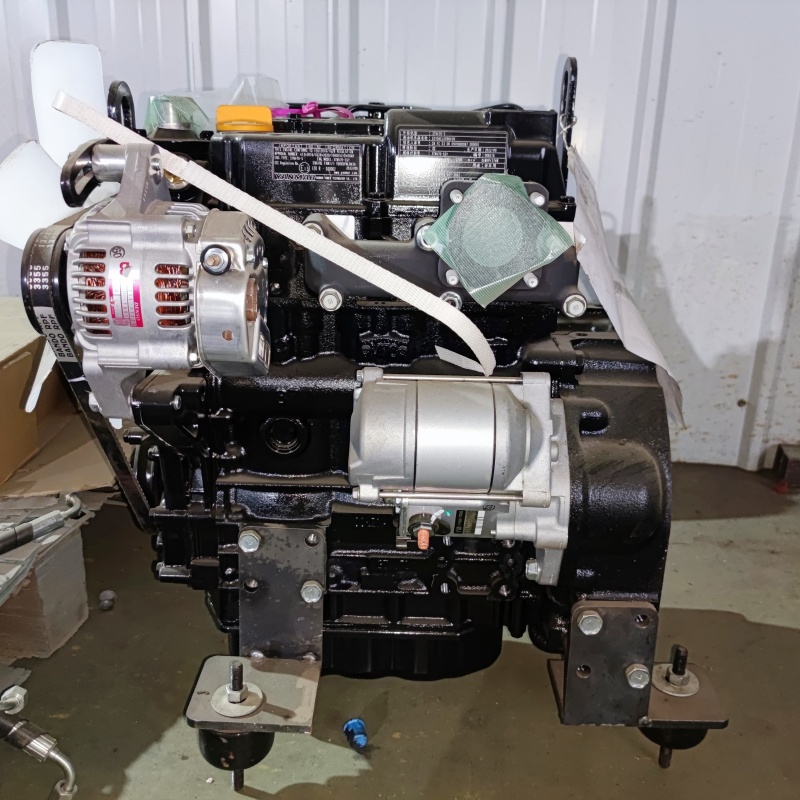
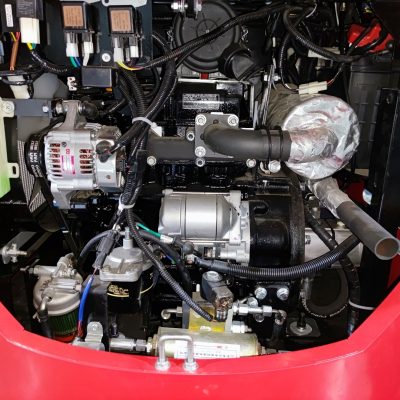
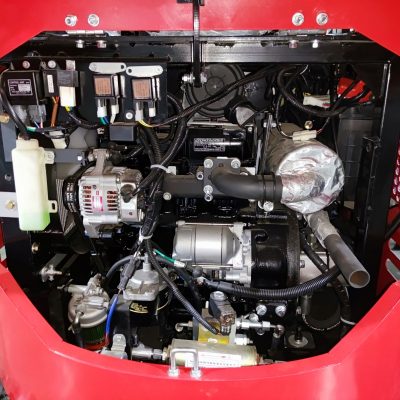
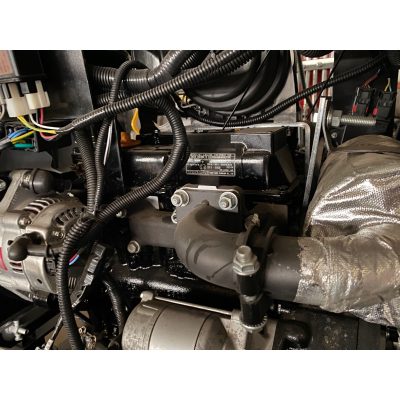
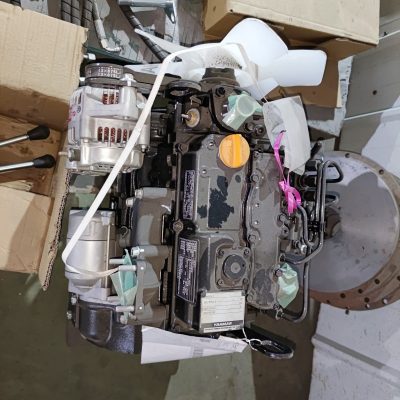
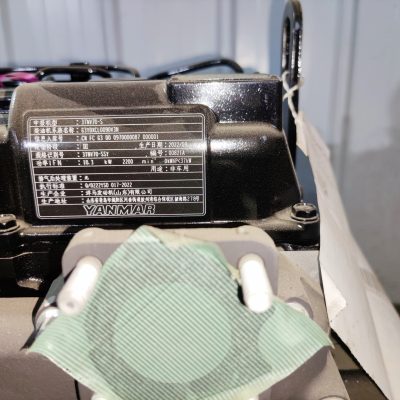
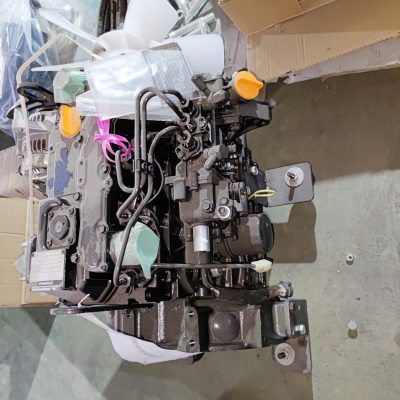
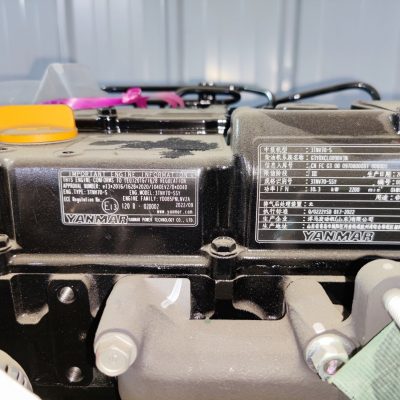
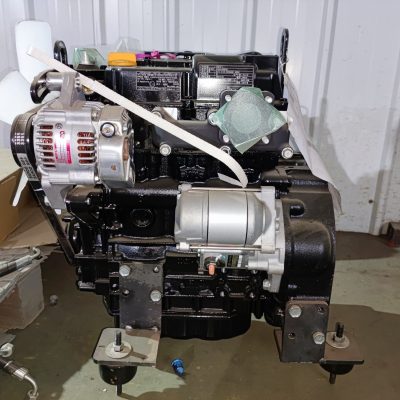
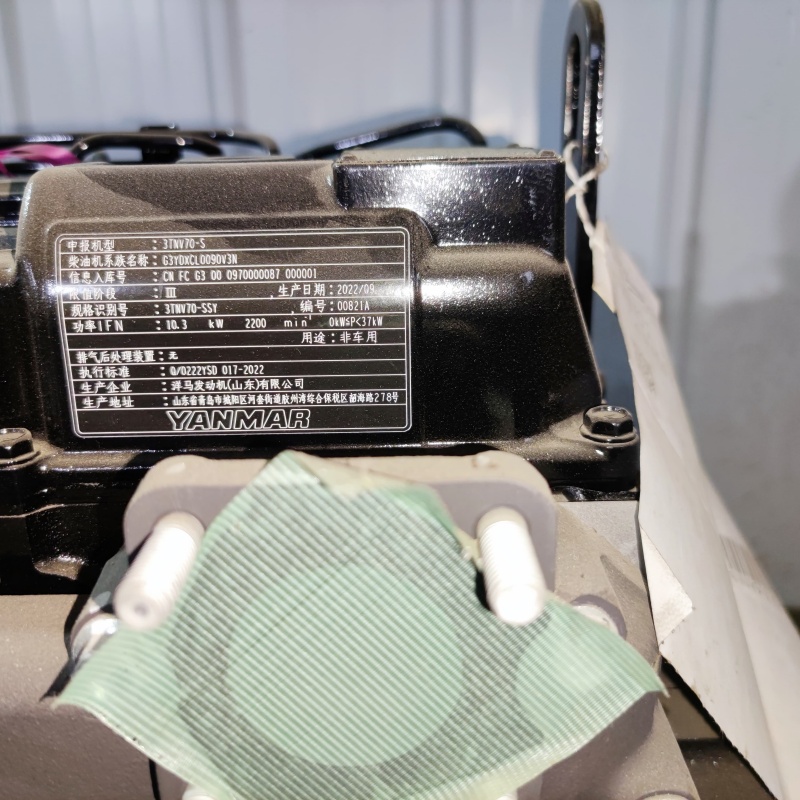
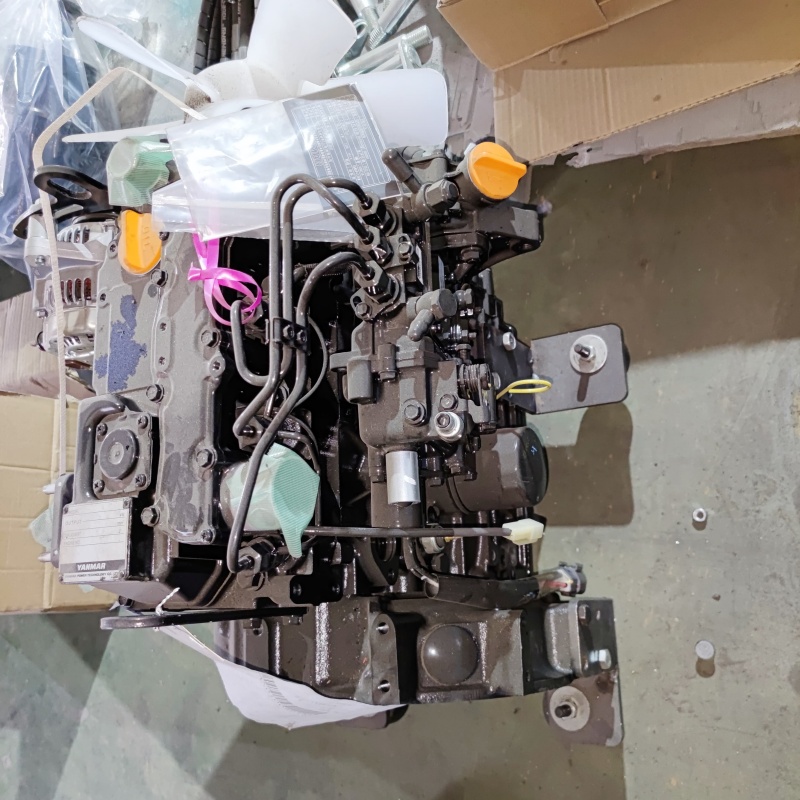
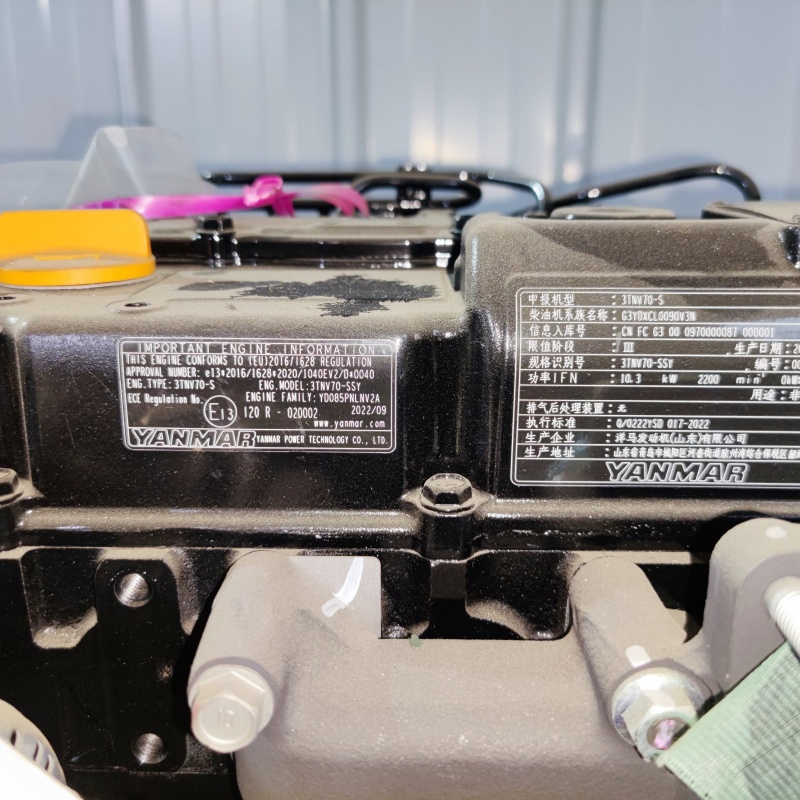
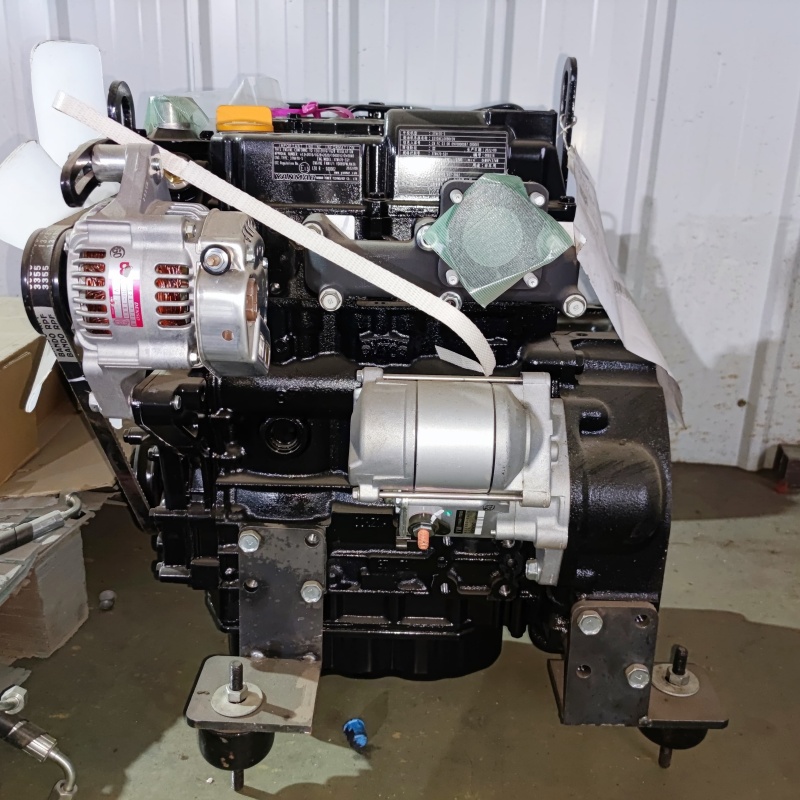
Many buyers of compact excavators choose the engine before the machine. A YANMAR diesel is a frequent request: the name is recognised across small equipment markets, and its servicing is familiar to workshops that handle small diesels.
MINGYI supplies mini excavators powered by YANMAR diesel engines within the 1 to 3.5 tonne classes, built to order and specified with the engine the buyer's market supports. The choice is recorded against the machine along with the rest of the specification.
Why buyers specify the engine brand
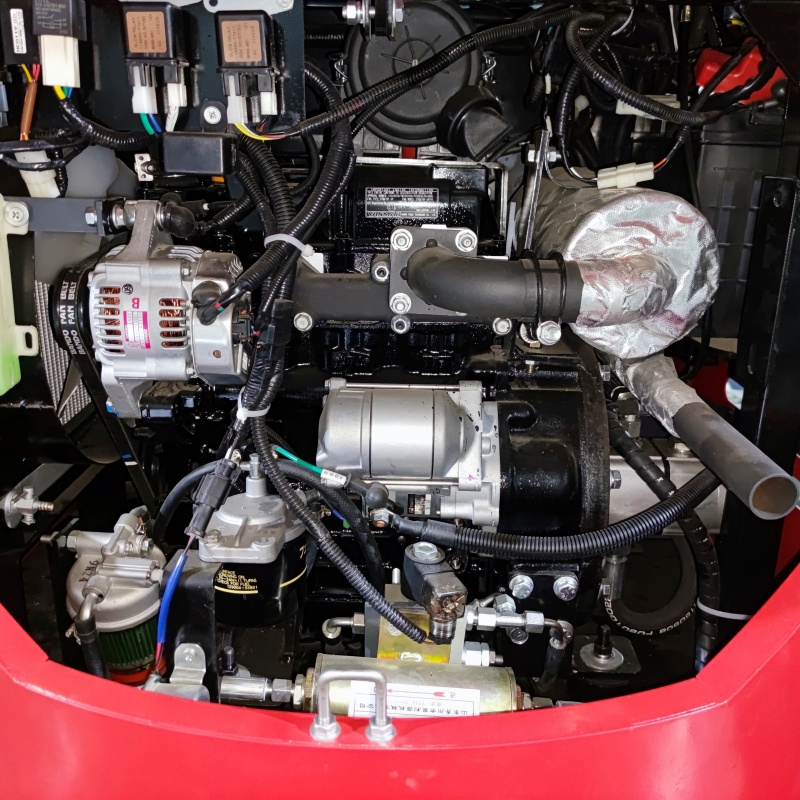
On an export machine, the engine determines how easily the unit can be serviced in the destination market. A widely recognised diesel gives local workshops a known fuel system, known filters and a parts chain they already use, shortening every repair from a parts hunt to a fitting job.
Resale follows the same logic: a machine carrying an engine the market recognises holds its value better with later owners, because the maintenance story is one they can verify rather than research.
Ordering a YANMAR powered machine
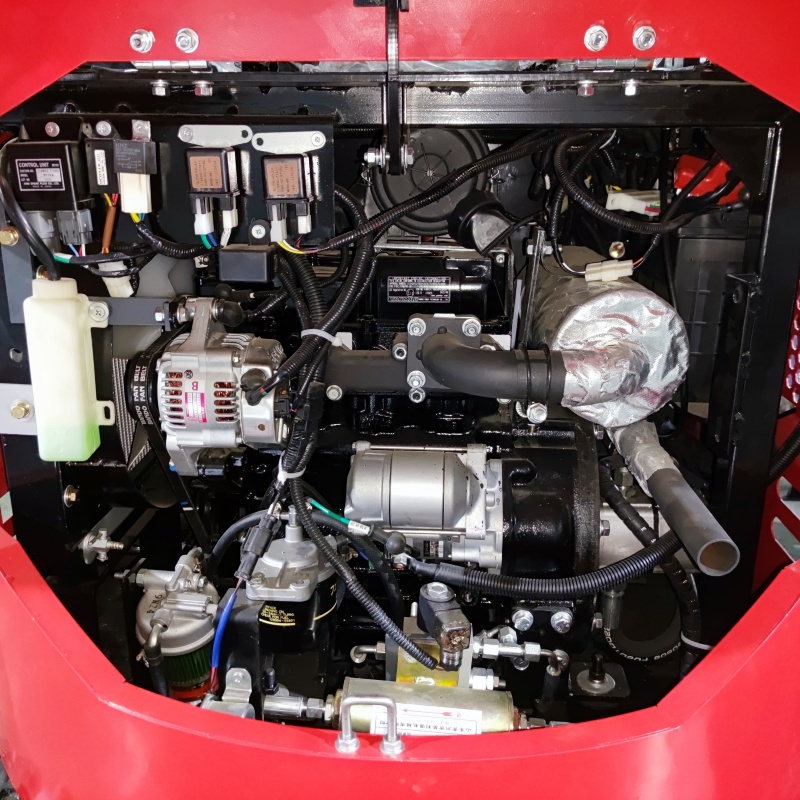
The order fixes the class, the tracks, the cab and the attachment set around the chosen engine, and the whole specification is recorded against the machine before build. Where a market prefers alternatives, Kubota D722 and Kubota D902 units sit alongside Changchai and Laidong options.
It is worth adding a spares bundle to the first order: filters and service items are supplied with the machine and its service information, so routine maintenance starts on the buyer's shelf rather than the next shipment.
Specifying the engine first is a sound way to buy a compact excavator. MINGYI builds around that choice, recording the YANMAR power unit and the rest of the brief against the machine so ownership and parts ordering stay simple.
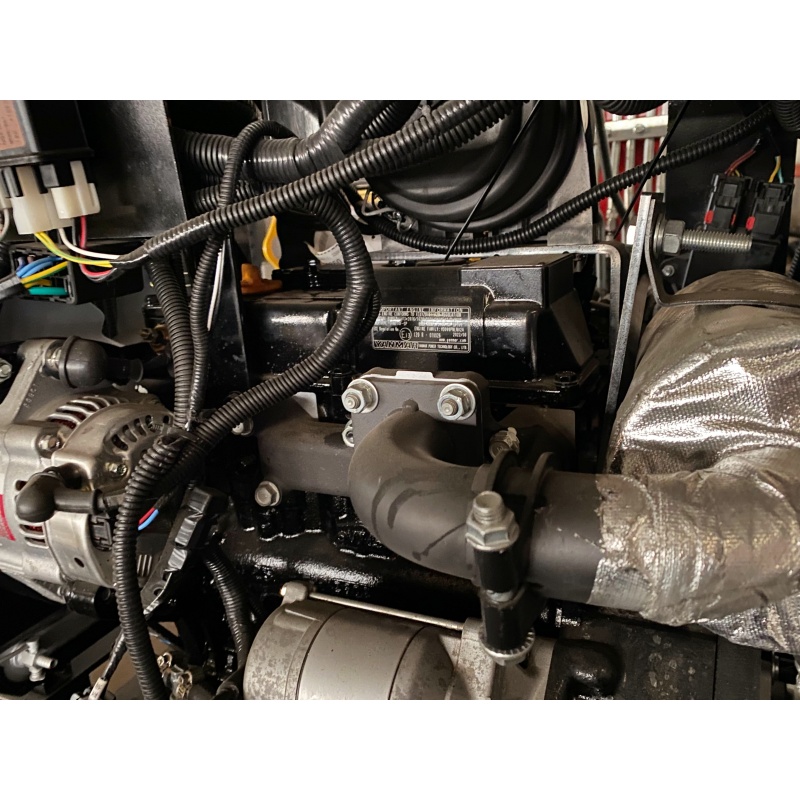
Matching yanmar diesel mini excavator to ground conditions Soft ground is a flotation problem, not a power problem. The excavator on wide rubber tracks crosses lawn, sand and cultivated soil that would stop a narrower machine or a wheeled unit of the same capacity. Hard and abrasive ground reverses the specification. On rock, demolition rubble or sharp gravel, steel tracks with rubber blocks on this class of machine survive conditions that cut a rubber belt quickly. Operator technique for yanmar diesel mini excavator Output on a compact machine comes from placement rather than power. An experienced operator keeps the unit in daily use working inside the swing arc, positions once and digs a full run instead of repositioning for every bucket. The second habit is tool discipline. Running a machine of this size with the right bucket width for the trench means less spoil, less reinstatement and a cleaner job than a wide bucket and a lot of trimming. Trailering and moving yanmar diesel mini excavator Transport weight and width decide whether a machine needs a specialist haulier. The equipment on site sized to travel on a standard plant trailer behind a suitable vehicle moves with the crew rather than on a scheduled low loader. Loading practice matters as much as the numbers. The machine itself is driven up ramps under its own power with the boom lowered and the tracks aligned, and secured at the points the manufacturer specifies. Track choice for yanmar diesel mini excavator Rubber tracks suit paved and landscaped ground because they spread the machine weight and leave the surface intact. Steel tracks with rubber blocks are specified where the ground is rougher or the working day is longer, and the choice can be made per machine rather than accepted as a factory default. Track type changes what the machine can cross and what it leaves behind. Buyers specify rubber for lawns, driveways and municipal work, and steel with rubber blocks for sites where sharp material would cut a rubber belt in a week. Working near live services with yanmar diesel mini excavator Digging near water, gas and cable is a precision job. The model in question is used here because the operator can work in short controlled cuts and because the machine can be positioned without driving over the run being exposed. The risk on utility work is not machine power but machine placement. The machine in that duty that fits the working width leaves the surrounding ground undisturbed, which keeps the trench stable and the reinstatement small. Municipal and public works with yanmar diesel mini excavator Municipal crews work on streets, footpaths and parks where the public is present. The unit on the job is specified because it occupies little space, works inside a small exclusion zone and can be moved on a standard trailer. Noise and surface protection matter on public work. A machine built for the work on rubber tracks across paving, with a sealed cab for the operator, suits the conditions better than a larger tracked machine. Interior and light demolition with the equipment in service Interior demolition is an access and a weight question. The excavator that fits through a doorway and works on a suspended floor does jobs that would otherwise be done by hand or by a larger machine that cannot enter. Breaking out a floor slab, a wall footing or a concrete step is routine work for this class of machine with a breaker. The machine is small enough to work inside and heavy enough to run the tool at a practical rate. Trenching work with the unit in daily use Trench quality depends on the bucket width and the operator, not on machine size. A machine of this size with a narrow bucket and a swing boom cuts a clean run along a boundary without disturbing the ground either side of it. Depth control matters more on service work than speed. The equipment on site working beside live services is chosen because it can be placed precisely and stopped instantly, which is what the job actually requires. Hydraulic circuits on the machine itself Flow and pressure are matched to the tool, not to the machine size. Asking for the attachment list first means the model in question leaves the factory with circuits that suit the heaviest tool the buyer intends to run. Hydraulic specification is easier to settle at build time than to correct later. The machine in that duty delivered without auxiliary lines can still dig, but every additional tool becomes a retrofit project. Boom configuration for the unit on the job A swing boom lets the machine dig parallel to its tracks without repositioning, which is what makes trenching beside a wall or a fence practical. On a machine built for the work this is often the option that decides whether a job is possible at all. Extended and offset boom configurations change reach and working range. The equipment in service with a longer arm reaches further but lifts less at full extension, so the specification is set against the deepest and furthest point on the job list. Quick coupler practice on the excavator Couplers are specified early because they affect the arm and the hydraulic kit. Adding one to this class of machine after delivery means new pins, new hoses and a fitment session; adding it at build time is a line on the sheet. For a fleet that shares attachments between machines, a common coupler standard matters more than the coupler brand. The unit in daily use that picks up the same tools as the larger machines keeps the rack usable across the yard. Lifting and material handling with a machine of this size Stability changes with reach. A load the equipment on site handles close in becomes a different proposition at full extension, so the working radius belongs in the plan before the lift rather than during it. Specification data for the machine itself Buyers comparing the model in question usually start from four numbers - weight, digging depth, reach and transport width - because those are the ones that decide whether the machine can be delivered and whether it can do the job once it is there. Every value shown is as built for the machine in that duty; options such as cab, side swing or a telescopic undercarriage change the transport dimensions and are confirmed at order stage. Lifting with a machine built to dig needs a plan. The load, the radius and the ground under the machine built for the work all matter, and the safe figure is the one on the chart rather than the one that looks possible. Ground condition under the machine is part of every lift. Soft or uneven support is the common factor in handling incidents, and checking it takes less time than recovering the unit on the job that has settled.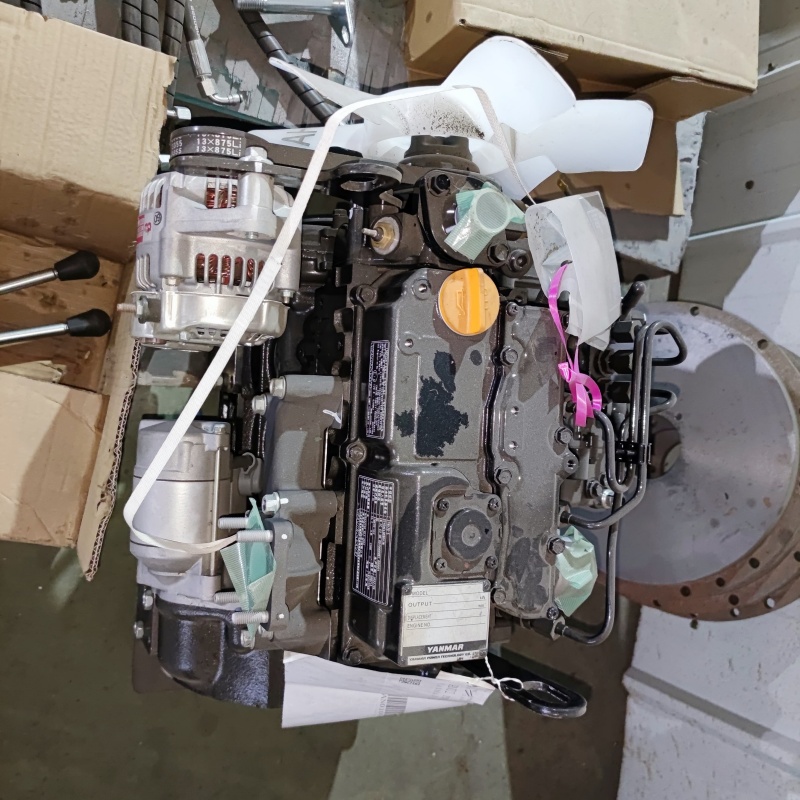
Reference specification — mini excavator range 20-1W 20-3W 15L 25L Operating weight 1800 kg (3968.32 lb) 1900 kg (4188.78 lb) 1400 kg (3086.47 lb) 2200 kg (4850.17 lb) Transport size (L×W×H) 2550 × 1100 × 2200 mm 2550 × 1100 × 2200 mm 2200 × 930 × 2250 mm 3000 × 1300 × 2700 mm Max digging depth 1800 mm (70.87 in) 1800 mm (70.87 in) 1700 mm (66.93 in) 2300 mm (90.55 in) Max digging height 2820 mm (111.02 in) 2820 mm (111.02 in) 2750 mm (108.27 in) 3100 mm (122.05 in) Max dumping height 2050 mm (80.71 in) 2050 mm (80.71 in) 1960 mm (77.17 in) 2050 mm (80.71 in) Max digging radius 3050 mm (120.08 in) 3050 mm (120.08 in) 2900 mm (114.17 in) 3900 mm (153.54 in) Max digging distance 2300 mm (90.55 in) 2300 mm (90.55 in) 2300 mm (90.55 in) 3100 mm (125.05 in) Minimum turning radius 1450 mm (57.09 in) 1450 mm (57.09 in) 1450 mm (57.09 in) 1800 mm (70.87 in) Travel speed 5 km/h (3.11 mph) 5 km/h (3.11 mph) 3 km/h (1.86 mph) 7 km/h (4.35 mph) Gradeability 30° 30° 30° 30° Fuel consumption 2-3 L/h (0.528—0.793 gal) 2-3 L/h (0.528—0.793 gal) 1-1.3 L/h (0.264—0.343 gal) 2-3 L/h (0.528—0.793 gal) Fuel tank capacity 16 L (4.23 gal) 16 L (4.23 gal) 10 L (2.64 gal) 16 L (4.23 gal) Hydraulic oil tank 18 L (4.76 gal) 18 L (4.76 gal) 16 L (4.23 gal) 18 L (4.76 gal) Dozer blade lift height 180 mm (7.09 in) 180 mm (7.09 in) 180 mm (7.09 in) 230 mm (9.06 in) Dozer blade drop depth 210 mm (8.27 in) 210 mm (8.27 in) 210 mm (8.27 in) 280 mm (11.02 in)
Q. Who chooses the equipment in service?
A. On a compact excavator the engine shapes more than output - it sets the noise, the fuel burn and how easily a local workshop can keep the machine running. Engine pages exist because buyers compare them first: the rest of the specification follows the engine decision. Read the excavator together with the engine, track and attachment pages: jobs around Yanmar diesel are decided by how those choices line up, not by any single number on the sheet.
Q. How do I choose between the engine options?
A. Start from parts and service, not from the brochure. An engine your local market can filter, bleed and rebuild beats a paper advantage, and emission rules at the work site settle the rest. MINGYI matches the engine to the model and the market it will work in.
Q. Does MINGYI supply attachments with the machine?
A. Yes - buckets, breakers, augers, rakes and the rest of the working set ship with the carrier, matched to the hydraulic flow and the coupler. For Yanmar diesel the package is confirmed on the build sheet, so machine and tools arrive together and start work together.
Packing, loading and shipment of this class of machine
Container loading is a planning exercise. The overall dimensions and the operating weight of the unit in daily use decide whether it ships whole, partly disassembled or with the attachment removed, and that decision is made before the booking.
Documents that travel with a machine of this size
A clear parts book saves more time than any other document. When the equipment on site needs a replacement, the illustration and the part number are what turn a phone call into a shipment instead of a description.
Planning the season around the machine itself
The calendar decides more than the specification does. Planning when the model in question will be working, when it will be serviced and when it can be spared keeps the maintenance out of the weeks that matter.
E-mail : sales@mingycn.com
LINE ( ID ): mingyicn
Related pages
small excavator with youpu 2v80 engine · small excavator youpu 195 engine · Loader Machine Supplier: Model Mix, Spares and Shipping Plans · Mini Excavators









