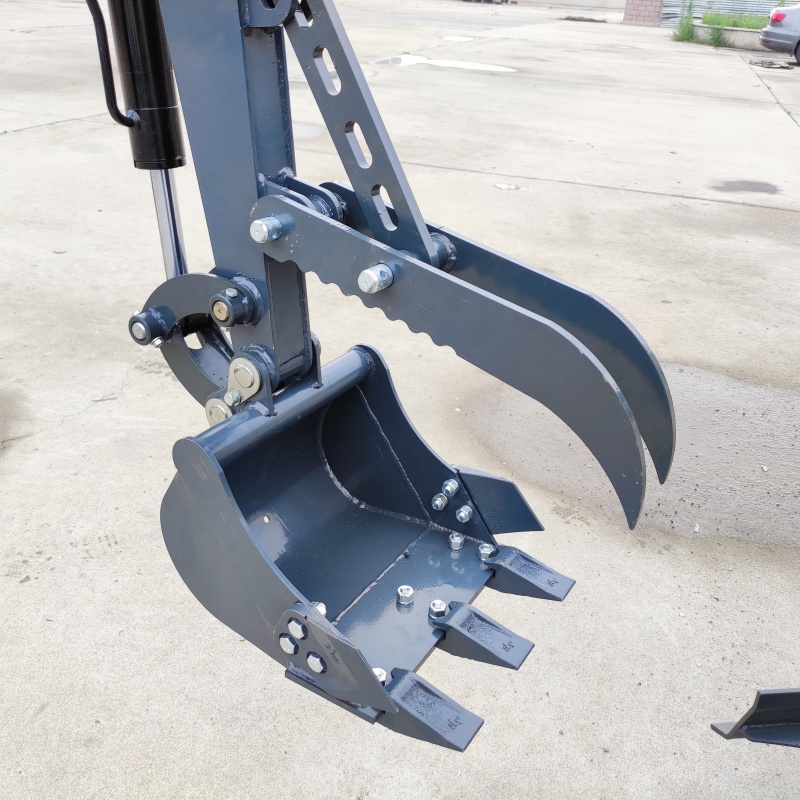
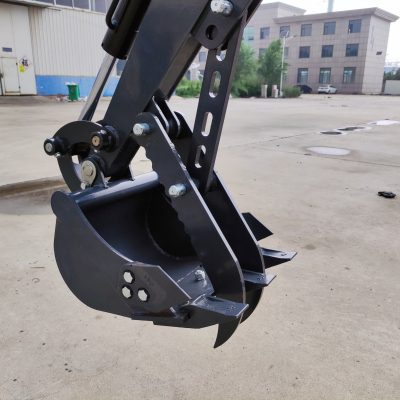
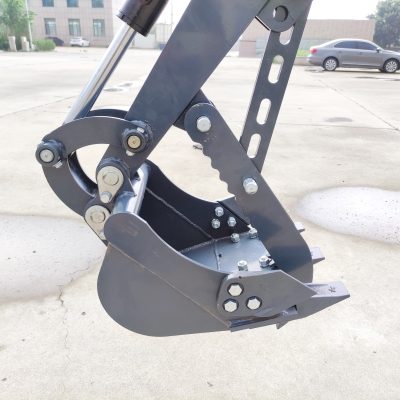
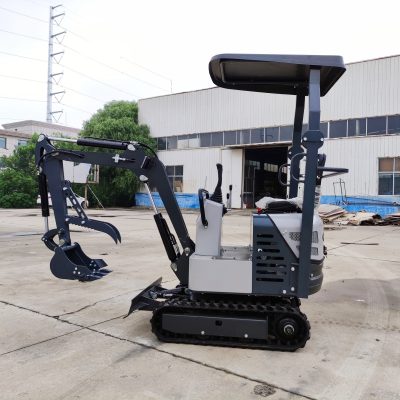
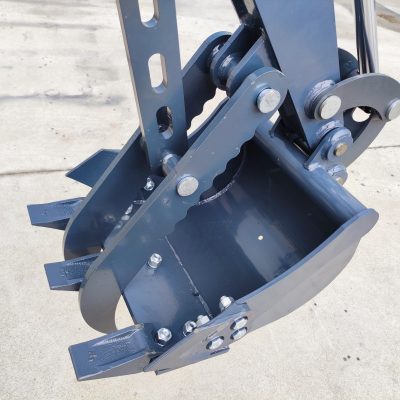
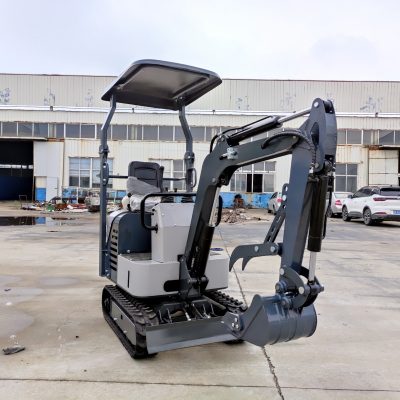
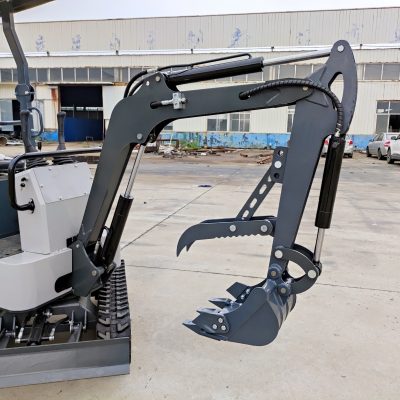
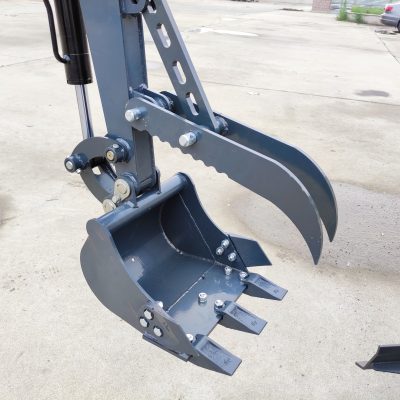
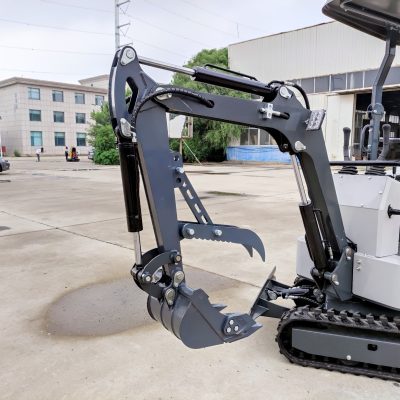
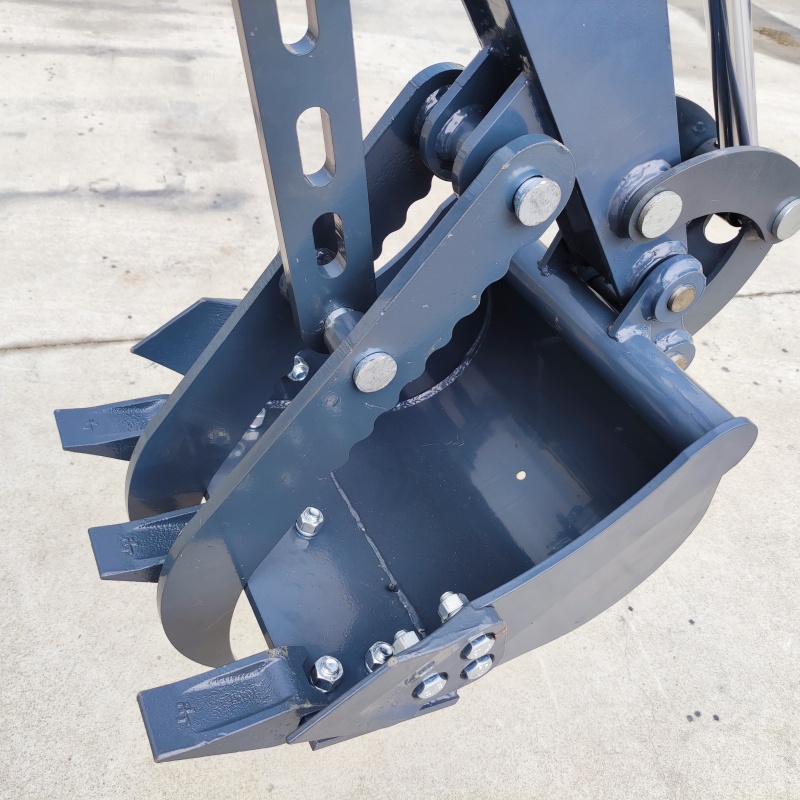
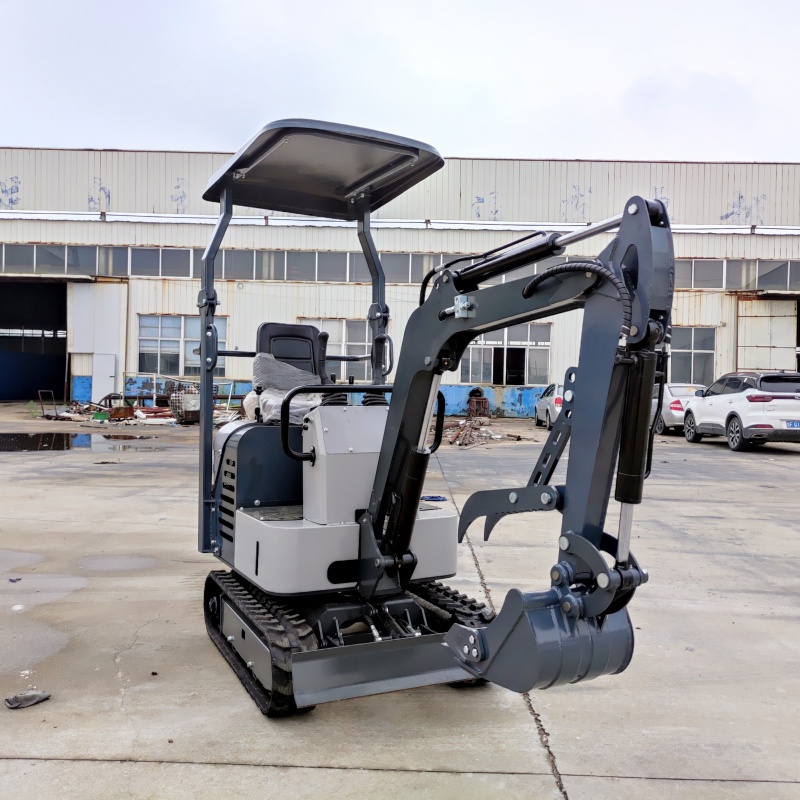
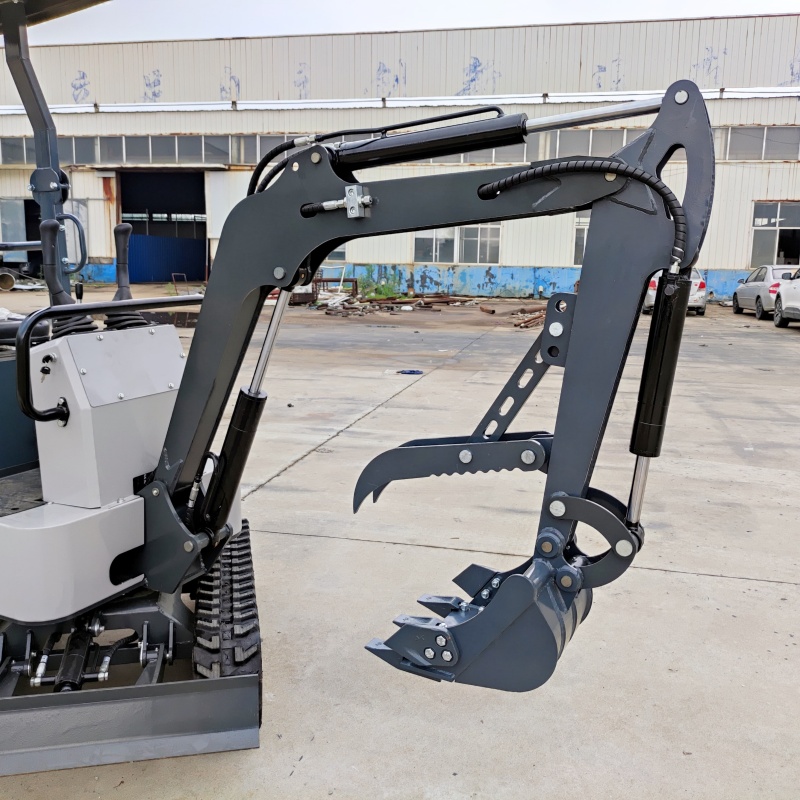
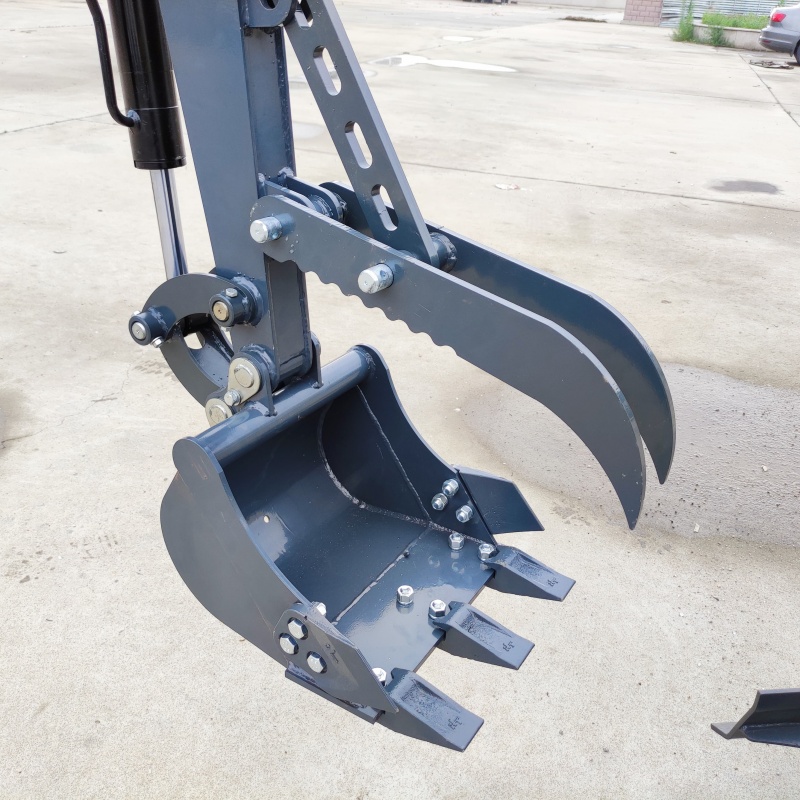
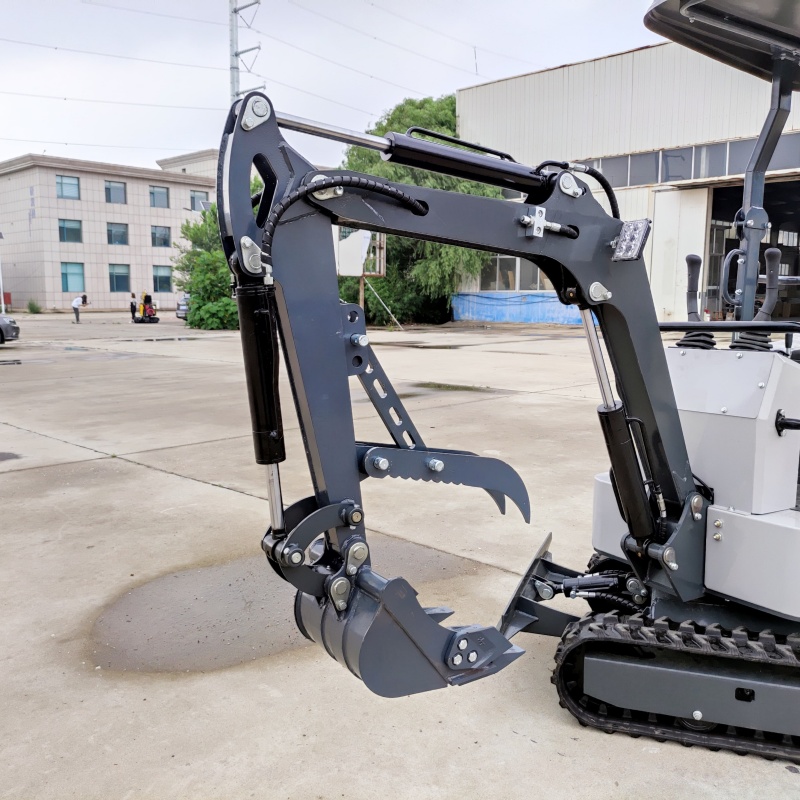
A thumb bucket pairs a fixed or swinging thumb with the digging bucket so the operator can grip as well as scoop. On a compact excavator it turns a simple digging machine into one that can pick, sort and place material without a second machine on site.
MINGYI offers both mechanical and hydraulic thumbs. The mechanical version uses a rigid link rather than an extra hydraulic circuit, which keeps the attachment simple and the machine weight down. The choice is confirmed when the unit is ordered.
Picking and sorting ask for a grip, and the grip is settled when the machine is ordered.
| Checkpoint | What to settle for this machine |
|---|---|
| Carrier machine | Compact excavators, where the thumb turns a digging machine into one that picks, sorts and places |
| Work it takes on | Lifting offcuts and bulky waste on demolition and clearance work, and sorting stone from soil before load-out |
| Ground and material | Mixed material that can be picked apart on site rather than taken away as one load |
| Mounting and hydraulics | Fixed or swinging thumb paired with the digging bucket |
| Confirmed at order stage | The thumb choice is confirmed when the unit is ordered |
| Handover and upkeep | Documents handed over with the keys, and a daily walk-around that catches most faults early |
How a mechanical thumb bucket grips and holds
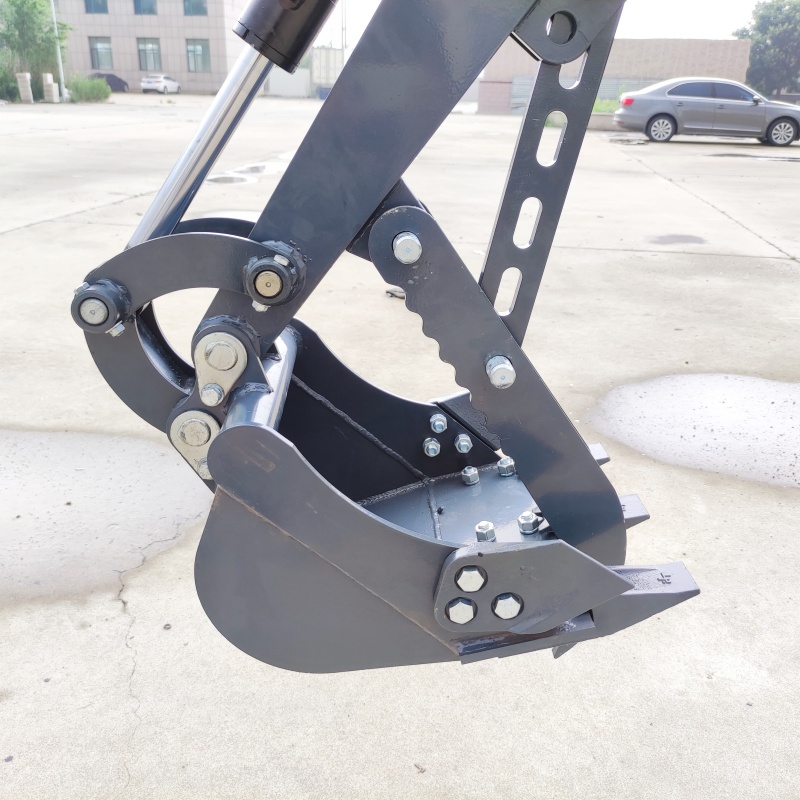
With a mechanical thumb the plate closes against the bucket edge to form a grab. With a mechanical link the angle is set by the position of the bucket, so the operator controls the grip by curling or opening the bucket rather than by a separate control.
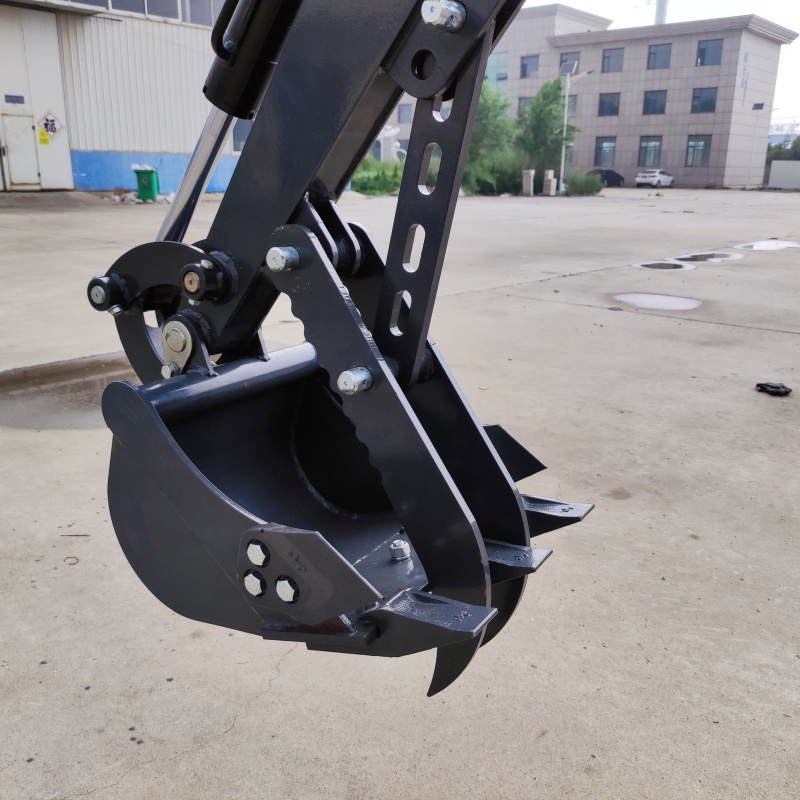
That simplicity suits mixed work where the machine spends part of the day digging and part of it handling. Logs, stone, paving and brush can all be picked up once the thumb is fitted, and there is no extra circuit to bleed or maintain.
Picking, sorting and loading with a thumb bucket
On demolition and clearance jobs the thumb lifts offcuts and bulky waste that a bucket alone would spill. Stone can be sorted from soil before it is loaded out, which reduces the material sent to tip.
Fitting the thumb changes the balance of the machine, so track type and counterweight are considered with it. Because each carrier is built to order, the thumb, the bucket and the coupler arrive matched, with the brackets recorded against that machine.
A thumb bucket is the attachment that keeps a compact excavator useful after the digging is done. For contractors handling mixed material it removes the need to bring in a second machine simply to lift and sort.
Daily checks and maintenance on thumb bucket for picking and sorting Most failures start as something small that a walk-around would have caught. Fluid levels, belt tension, tyre or track condition and any fresh leak are the items worth two minutes at the start of each shift on the excavator. Service intervals exist because wear is predictable. Following the maker schedule on this class of machine takes far less time than repairing the damage that follows a missed oil change or a filter left in place past its life. Lighting and low light operation of thumb bucket for picking and sorting Visibility from the seat is different at night. Reflections, shadows and glare all hide detail, so the unit in daily use used after dark benefits from clean lenses, working wipers and a slower working pace. Planning helps more than extra lamps. Positioning the A machine of this size so that the work is lit from the machine side, and keeping the route clear, does more for safety than adding light to a badly planned task. Storage and downtime care for thumb bucket for picking and sorting Standing still is hard on machinery. The equipment on site left for weeks benefits from a clean, dry, covered space, a charged battery and a fuel system prepared for the layoff, and all three effort very little. Before-storage preparation prevents most return-to-work faults. Draining or treating fuel, protecting exposed rods and relieving pressure where the maker specifies it are the items worth an hour when the machine itself is parked. Specifying thumb bucket for picking and sorting against the job list The specification should be written from the job backwards. Listing the loads, the ground and the hours first, then matching the model in question to that list, avoids buying capacity the work never uses and avoids discovering a shortfall in the first week. Buyers who specify the machine in that duty on paper before enquiring get specifications that can be compared. Without that list, two suppliers will propose two different machines and the simpler one is usually the smaller one, not the better value. Customisation and build options for thumb bucket for picking and sorting Build options are where a standard machine becomes the right machine. Colour, guarding, lighting, seating and hydraulic provisions can usually be set at build time on the unit on the job, and are far simpler then than as a retrofit. Customisation should still be limited to what the work needs. Each addition to a machine built for the work is another item to maintain, so the useful question is not what can be added but what the job list actually requires. Load, ballast and stability on thumb bucket for picking and sorting Stability follows the load and its position. Knowing the rated capacity of the equipment in service at the working radius, rather than at its best case, is what keeps handling predictable and the machine upright. Ballast and attachment weight change the machine. Adding a heavy tool to the excavator moves the centre of gravity, and the counterweight or configuration should be matched to the tool rather than assumed. Wear items and life of this class of machine Wear rate follows conditions far more than hours. The unit in daily use working on abrasive ground or in mud will consume undercarriage or tyre life much faster than the same machine on clean ground. Replacing wear items early is usually simpler. Worn components on a machine of this size load the parts they run against, so a worn part left too long often becomes a major repair. Engine and power options behind the equipment on site Power unit choice is usually a parts question, not a performance one. Two buyers can order the same the model in question and sensibly choose different engines, because the right answer depends on which brand the local workshop already supports. Matching the engine to the duty matters more than the peak rating. The machine itself that spends its day at part load benefits from a different setup than one that works at full output, and the difference shows in fuel use over a season. Dust, mud and abrasive conditions around the machine in that duty Abrasive conditions shorten service intervals. Air filters, seals and any exposed sliding surface on the unit on the job need attention more often in dusty or muddy work, and the extra checks prevent far more wear than the time they take. Sealed points and guarded areas deserve a look in these conditions. A machine built for the work working in abrasive dust benefits from checked boots, intact guards and clean breathers, all of which are quick to verify. Ordering, lead time and delivery of the equipment in service Lead time is part of the specification. Confirming build time, shipping method and what is included before ordering the excavator prevents the common gap between when the machine is needed and when it can arrive. Delivery planning includes the receiving end. Knowing whether this class of machine will be craned, driven or forked off, and whether the site can accept it, is settled before dispatch rather than on the day. Handover and documentation for the unit in daily use Handover should include the documents as well as the keys. Parts list, service schedule and the operator notes for a machine of this size are what the workshop needs in month six, and they are much harder to obtain later. Keeping the manuals where they can be reached matters. The equipment on site whose documents stay with the machine gets serviced on schedule; one whose paperwork was filed elsewhere tends to run on memory instead.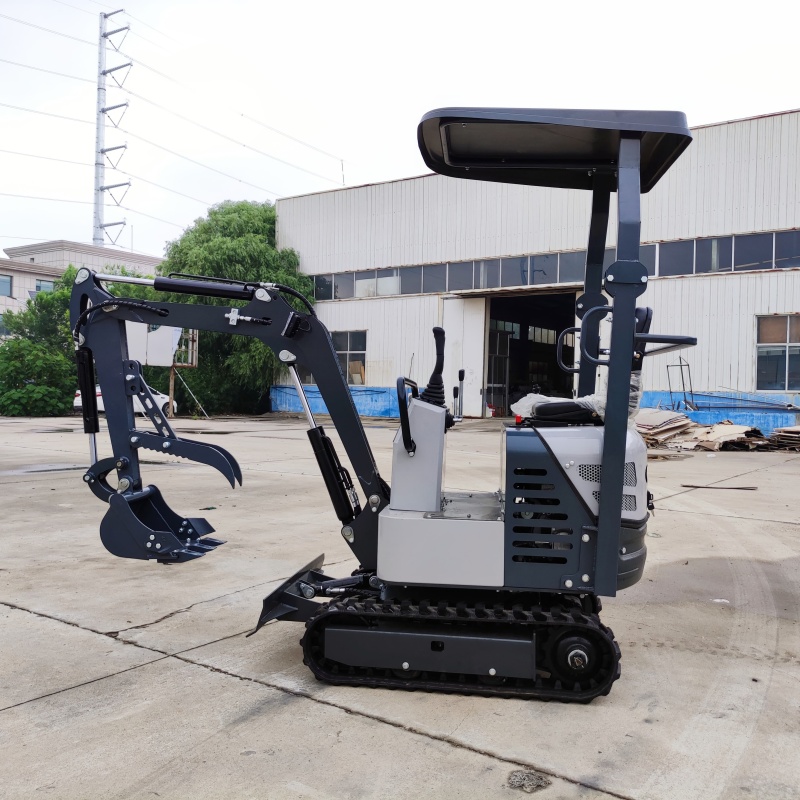
Q. What is the machine itself?
A. An attachment widens the range of jobs a single compact excavator can specification and win, which is why the working set matters as much as the base machine. The quick coupler makes the changeover a minute job at the trench edge, and mechanical tools need no hydraulic lines at all. MINGYI builds the 08, 12 and 18 models covering the 0.8 to 6 tonne class, and the model in question is where that range meets picking and sorting.
Q. What does the attachment add to daily work?
A. Reach into jobs the bucket alone cannot specification: grading with a tilting bucket, clearing with a rake, drilling with an auger, lifting with a thumb. One carrier, several trades - the machine stays on site earning instead of waiting for a specialist.
Q. Does MINGYI supply attachments with the machine?
A. Yes - buckets, breakers, augers, rakes and the rest of the working set ship with the carrier, matched to the hydraulic flow and the coupler. For picking and sorting the package is confirmed on the build sheet, so machine and tools arrive together and start work together.
Wear items and spares worth holding for the machine in that duty
Holding spares is about downtime rather than the shelf itself. The question for the unit on the job is not how large the part is but how long the machine sits while it is found, and a small shelf answers that better than a fast courier.
Handover and getting familiar with a machine built for the work
Familiarisation is not the same as reading the manual. Sitting on the equipment in service, working through the controls at low speed and learning where the machine balances takes an hour, and that hour is what keeps the first week uneventful.
Pre-delivery inspection before the excavator leaves the shop
Inspection is a list, not a glance. Before this class of machine is released the fluid levels, belt tension, electrical connections and safety decals are each ticked off, and anything that fails stays in the shop rather than travelling with the machine.
Hot, humid and dusty conditions around the unit in daily use
Humidity attacks the parts that are not used. Storage in a damp climate means a machine of this size needs the exposed metal protected and the machine run regularly, because standing still does more damage than working.
Packing, loading and shipment of the equipment on site
Container loading is a planning exercise. The overall dimensions and the operating weight of the machine itself decide whether it ships whole, partly disassembled or with the attachment removed, and that decision is made before the booking.
Reading the early symptoms on the model in question
Temperature and pressure are the two things worth watching. The machine in that duty that runs hotter than it used to, or whose pressure has drifted, is reporting a problem that is still simple to fix.
Fuel, oil and fluid quality for the unit on the job
Fluid quality is a storage problem before it is a machine problem. Water and sediment in a drum will find the injection system of a machine built for the work eventually, and a settling period is nothing compared with a pump.
Planning the season around the equipment in service
Downtime is simplest when it is planned. Booking the service for the excavator in the quiet part of the season takes nothing from the schedule, while the same work in the busy weeks gives up a day of output every time.
Documents that travel with this class of machine
The machine is only half of what arrives. The parts book, the service schedule and the declarations that come with the unit in daily use are what let the owner register, insure and maintain it without a second round of emails.
E-mail : sales@mingycn.com
LINE ( ID ): mingyicn
Visibility and blind spots around thumb bucket for picking and sorting
Glass, wipers and mirrors are safety items rather than comfort items, and they belong on the daily walk-around with the lights and the horn.
Dust, low sun and rain all shorten sight lines, and the sensible response is to slow the cycle rather than to work on memory.
The seat position, the mirror setting and the camera angle are worth recording once the operator is settled, so a change of driver does not undo them.
Emission and regional requirements for thumb bucket for picking and sorting
Engine tier, noise limit and any local registration requirement are three separate questions, and each carries its own paperwork.
Fuel quality varies by region, and poor fuel shortens service intervals and affects after-treatment where it is fitted.
A distributor should confirm the local requirement at ordering stage so the delivered machine matches what was expected.
Related pages
ladder attachment for mini excavator · mini excavator breaker hammer · Hydraulic Wheel Loader Log Grapple: Circuit and Cylinders · Mini Excavators









