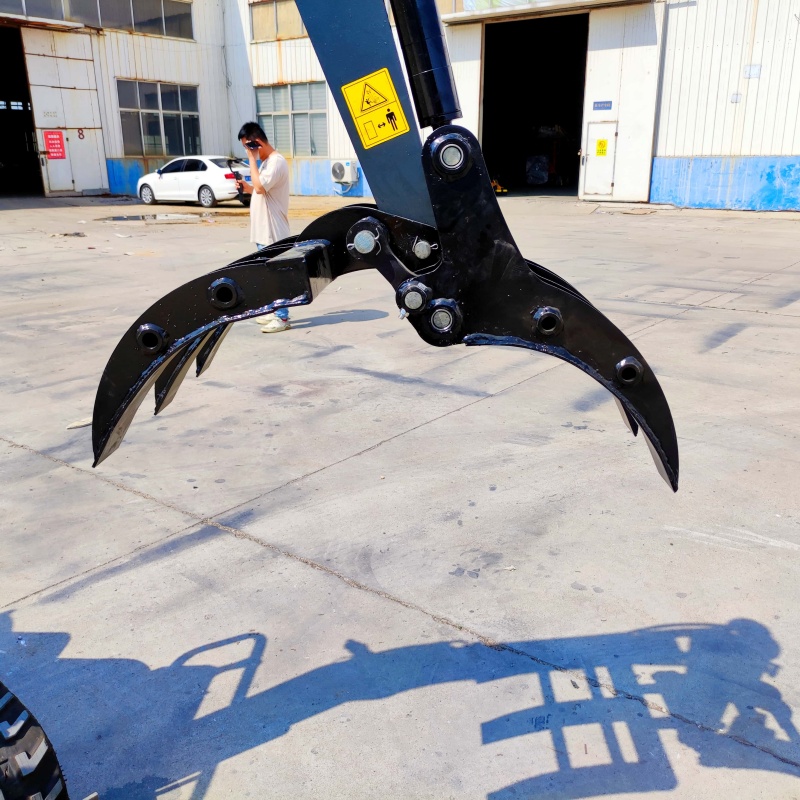
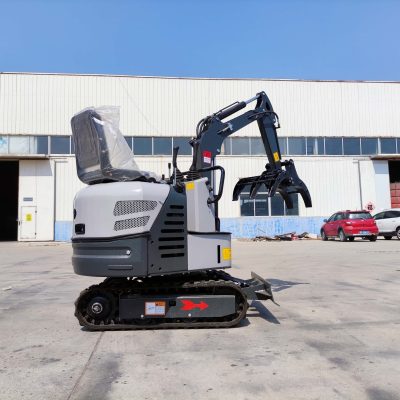
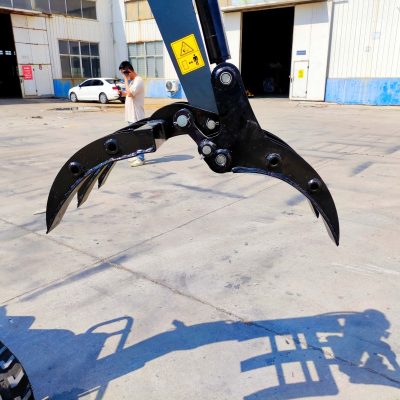
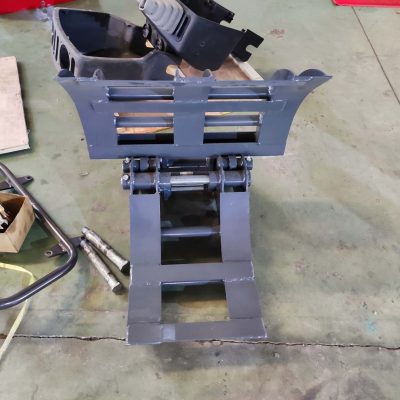
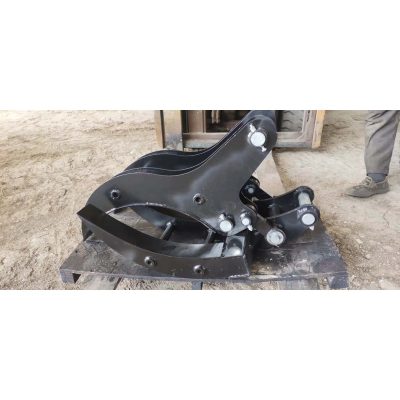
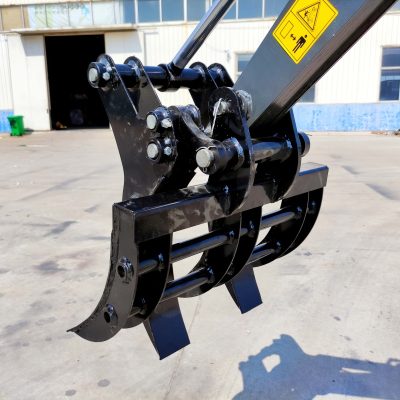
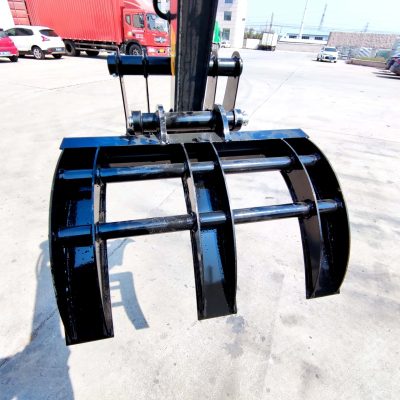
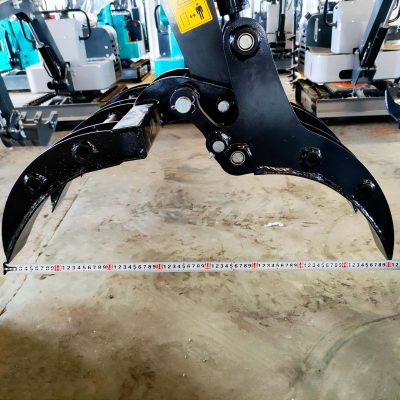
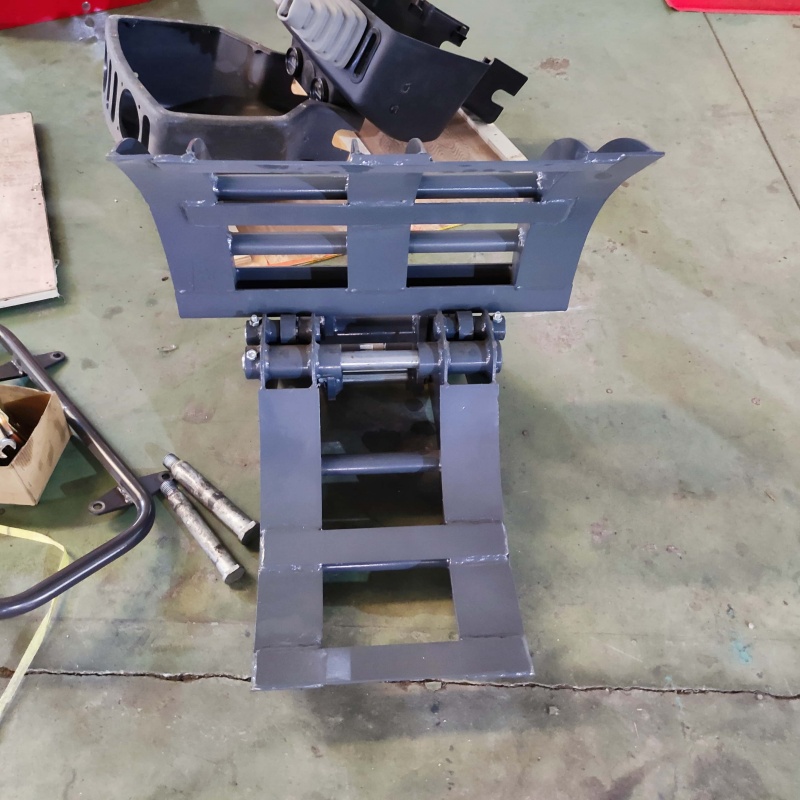
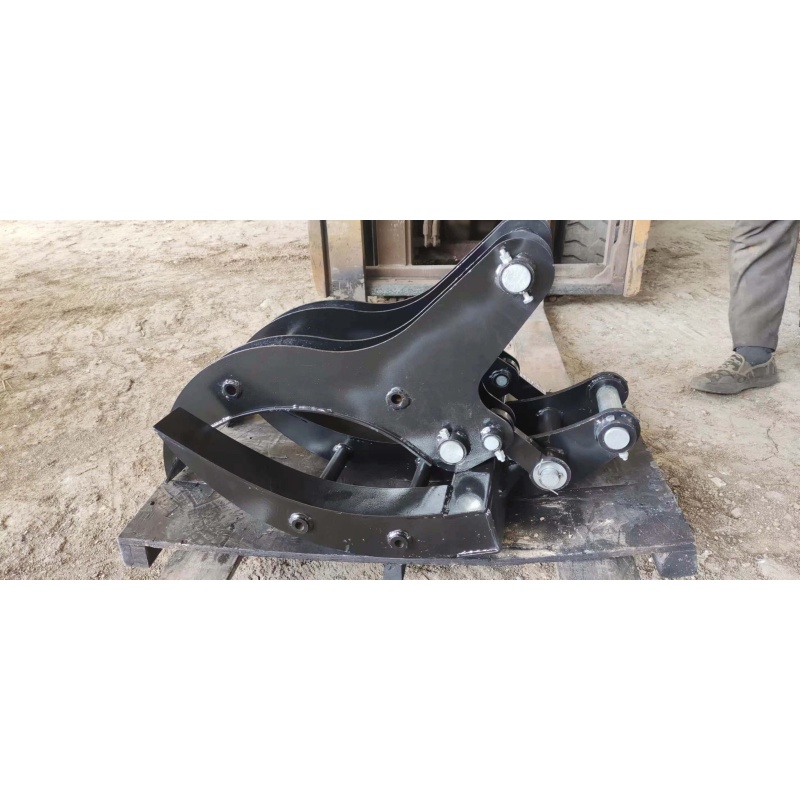
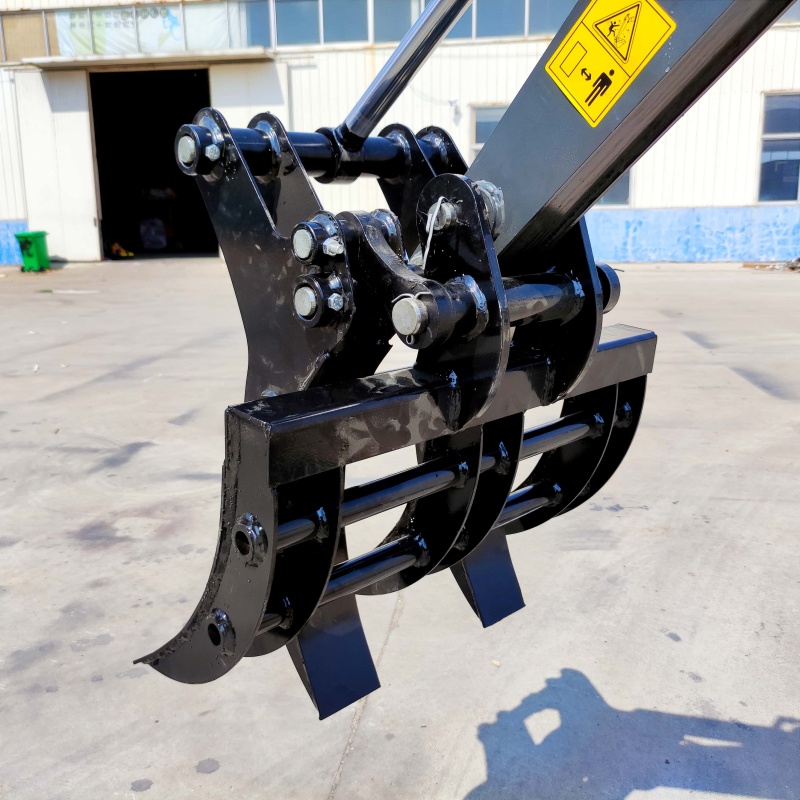
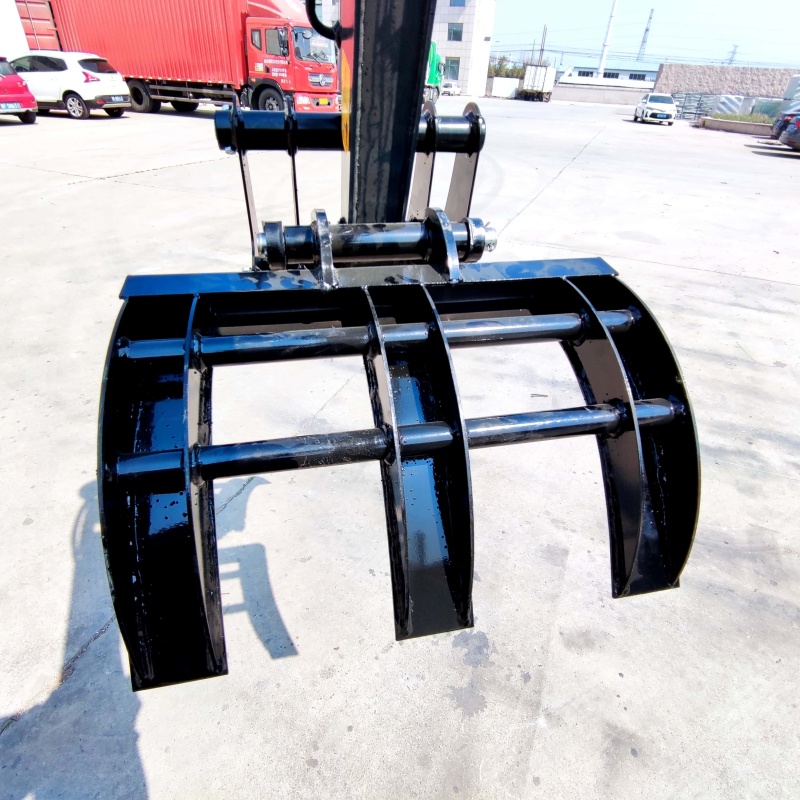
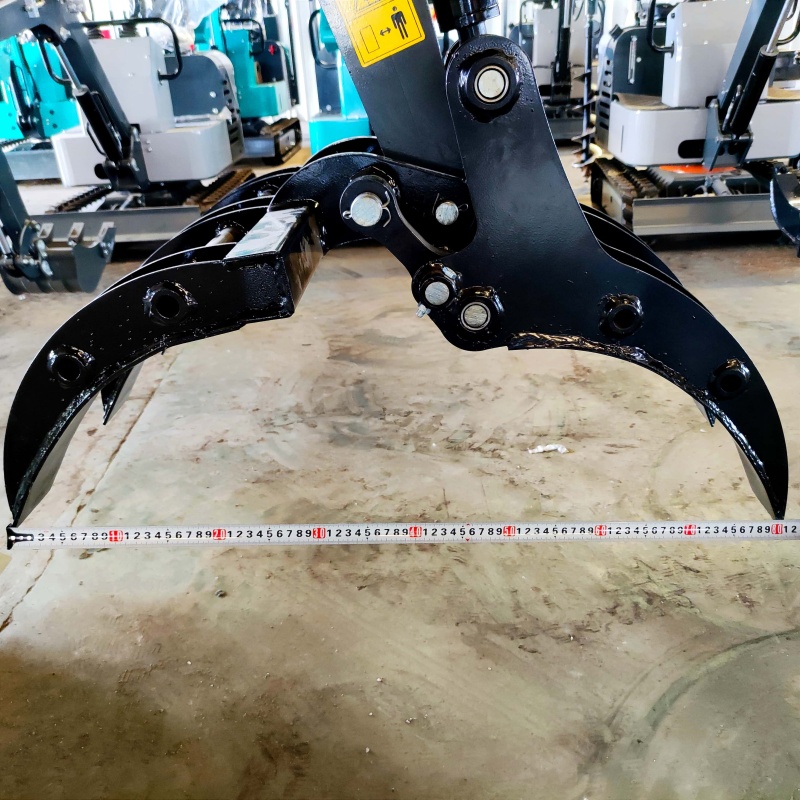
A grass and tree grabber lets a compact excavator pick up and move vegetation that a bucket cannot hold, such as branches, brush, cut grass and loose timber. MINGYI supplies the grabber as an attachment for its mini excavators.
The attachment is chosen for the material it will handle and the reach of the carrier, and it is ordered with the machine so the mounting and hydraulic control are correct.
A grabber holds what a bucket drops, which is the whole case for ordering one.
| Checkpoint | What to settle for this machine |
|---|---|
| Carrier machine | Compact excavators |
| Work it takes on | Picking up and moving branches, brush and vegetation, then stacking, loading or carrying them without leaving the cab |
| Ground and material | Cut growth and loose brash |
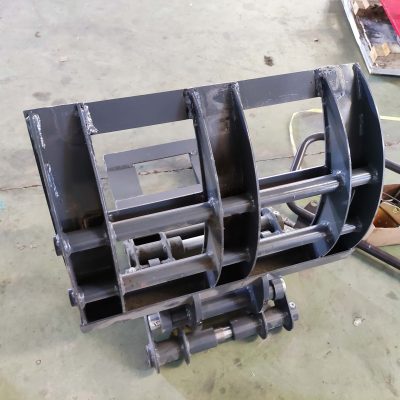
| Mounting and hydraulics | Grabber closes around the load on the coupler |
| Confirmed at order stage | Specified with the machine build |
| Handover and upkeep | Documents and wear-part information supplied with the machine |
Handling vegetation and timber with a grabber
Clearing a site, a verge or an orchard row leaves cut material that has to be gathered and moved. A grabber closes around the load and lifts it, so the operator can stack, load or carry it without leaving the cab or handling it by hand.
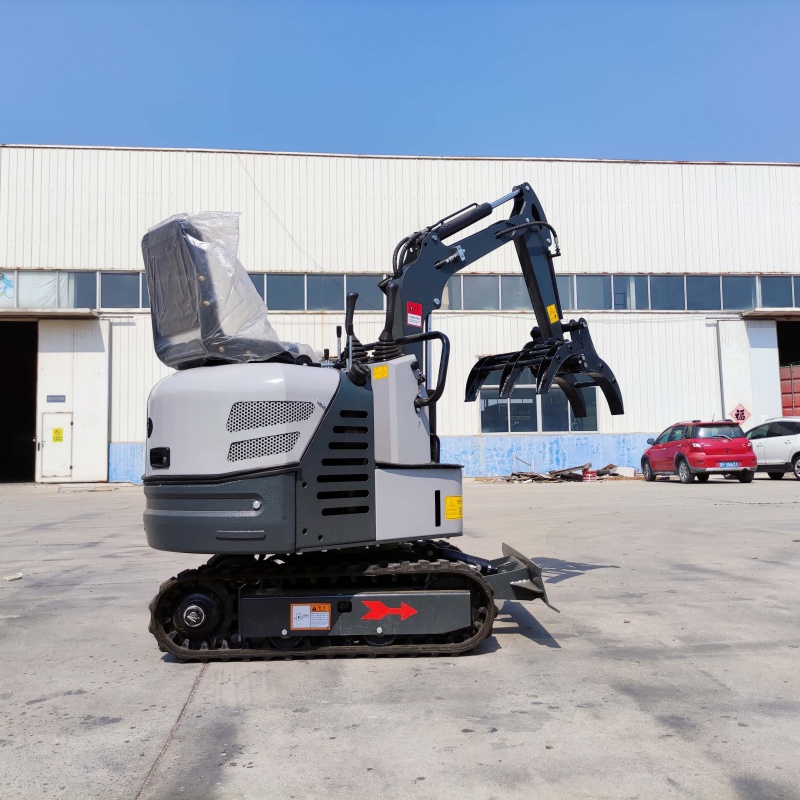
Because the grabber is carried on the excavator, it reaches over fences, banks and hedges that a loader cannot cross. The same machine then continues with digging work once the bucket is refitted.
Choosing a grabber for the job
The size of the grabber follows the material: light brush and grass need less opening than heavy branches and log ends, and the tine spacing affects how the load is held. The hydraulic flow of the excavator has to suit the attachment.
Where a buyer also clears ground, a grass rake or a flail mower can be fitted to the same carrier, and these are confirmed together at the ordering stage. The configuration is recorded so the attachments are built to match the machine.
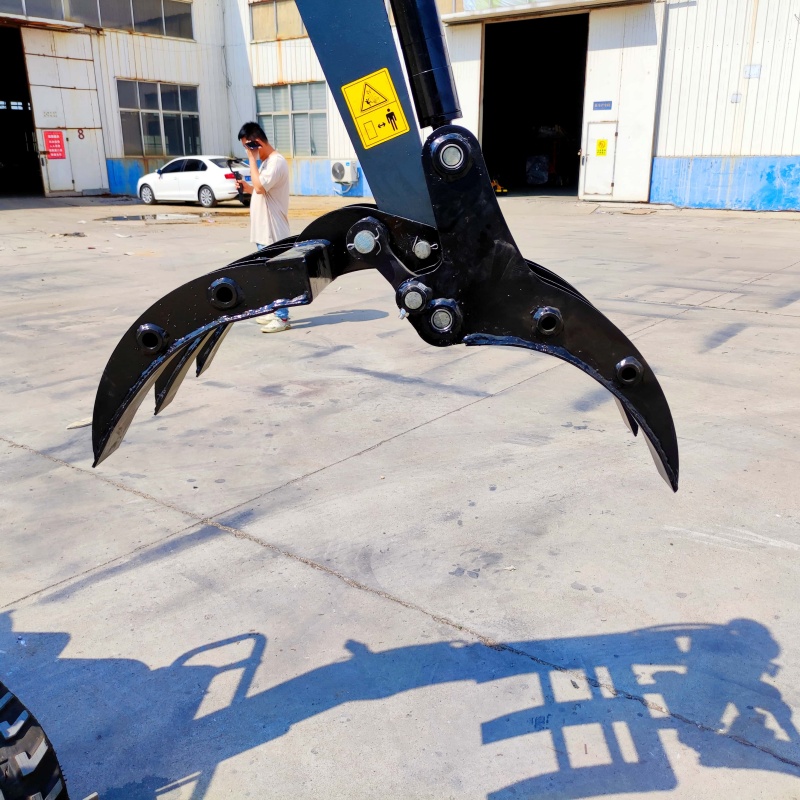
To order a grass and tree grabber, describe the material to be handled and the reach needed, and MINGYI will match the attachment and the mini excavator that carries it.
Specifying grass and tree grabber attachment against the job list The specification should be written from the job backwards. Listing the loads, the ground and the hours first, then matching this class of machine to that list, avoids buying capacity the work never uses and avoids discovering a shortfall in the first week. A written duty list is the simplest part of the purchase. It takes an hour to note the material, the distance, the gradient and the hours per week, and it is what turns the excavator enquiry into a machine that fits. Lighting and low light operation of grass and tree grabber attachment Working after daylight changes the risk. Lighting coverage on the unit in daily use and across the working area, plus high-visibility clothing for anyone on foot, are the items that make low-light work practical. Planning helps more than extra lamps. Positioning the machine of this size so that the work is lit from the machine side, and keeping the route clear, does more for safety than adding light to a badly planned task. Resale value and replacement planning Replacement timing is a planning decision. Knowing the intended working life of the equipment on site lets an owner sell while the machine still has value rather than after a major repair becomes due. Records are part of the asset. Keeping the service history and the hour records with the machine itself makes it easier to sell, easier to insure and easier to justify the replacement machine internally. Transporting grass and tree grabber attachment to and between sites Owners who work across several sites should check the transport dimensions before ordering. The model in question that fits a standard trailer can be moved by any operator with a suitable vehicle, while an over-width machine narrows that choice and complicates every move. Shipping dimensions matter as much on export orders as they do locally. Confirming the packed size of the machine in that duty before booking avoids re-booking freight after the machine is built. Ordering, lead time and delivery of grass and tree grabber attachment The order should state the configuration in writing. Engine, attachments, colour, documents and any market requirement are clearer on the build sheet for the unit on the job than in a conversation after delivery. Delivery planning includes the receiving end. Knowing whether a machine built for the work will be craned, driven or forked off, and whether the site can accept it, is settled before dispatch rather than on the day. Dust, mud and abrasive conditions around grass and tree grabber attachment Abrasive conditions shorten service intervals. Air filters, seals and any exposed sliding surface on the equipment in service need attention more often in dusty or muddy work, and the extra checks prevent far more wear than the time they take. Cleaning is maintenance, not appearance. Washing the cooling surfaces and clearing packed material from the excavator keeps temperatures where they should be and makes the next inspection quicker and more useful. Parts, service and support for this class of machine Support after delivery is a parts question. Filters, belts, hoses and the wearing items specific to the unit in daily use are what a buyer should plan to hold before the first service interval rather than order after a failure. Parts availability usually decides the engine and the brand. A machine built around components the local network already carries is serviced from stock, which is the difference between a day lost and a week lost. Engine and power options behind a machine of this size Power unit choice is usually a parts question, not a performance one. Two buyers can order the same the equipment on site and sensibly choose different engines, because the right answer depends on which brand the local workshop already supports. Emissions documentation is part of engine selection for some destinations. Confirming which units can be supplied and documented for the destination country is worth doing at enquiry stage rather than after the build sheet is signed. Load, ballast and stability on the machine itself Ballast and attachment weight change the machine. Adding a heavy tool to the model in question moves the centre of gravity, and the counterweight or configuration should be matched to the tool rather than assumed. Carrying and travelling with a load needs its own plan. Speed, gradient and surface all matter more once the machine in that duty is loaded, and the safe combination is the conservative one. Cold weather and low temperature work with the unit on the job Cold changes how a machine starts and how it warms up. Allowing a machine built for the work to reach operating temperature before loading it, and using the correct grade of oil and fuel for the season, prevents most cold-start problems. Batteries and fluids are the parts that notice the cold first. The equipment in service kept on a maintainer through a freezing spell starts on the first turn, while one left standing is the usual cause of a lost morning. Storage and downtime care for the excavator Before-storage preparation prevents most return-to-work faults. Draining or treating fuel, protecting exposed rods and relieving pressure where the maker specifies it are the items worth an hour when this class of machine is parked. A periodic start is better than none. Running the unit in daily use to operating temperature during a long layoff keeps seals and the charging system in better condition than leaving it untouched until the next job. Working hours and duty cycle of a machine of this size Duty cycle is the honest measure of a machine. The equipment on site working a few hours a week has different needs from one working two shifts, and the cooling, filtration and service intervals should follow the hours rather than the calendar. Hour planning helps at resale as well. The machine itself with a recorded service history and a sensible hour count is easier to sell than one with the same hours and no records, whatever its condition.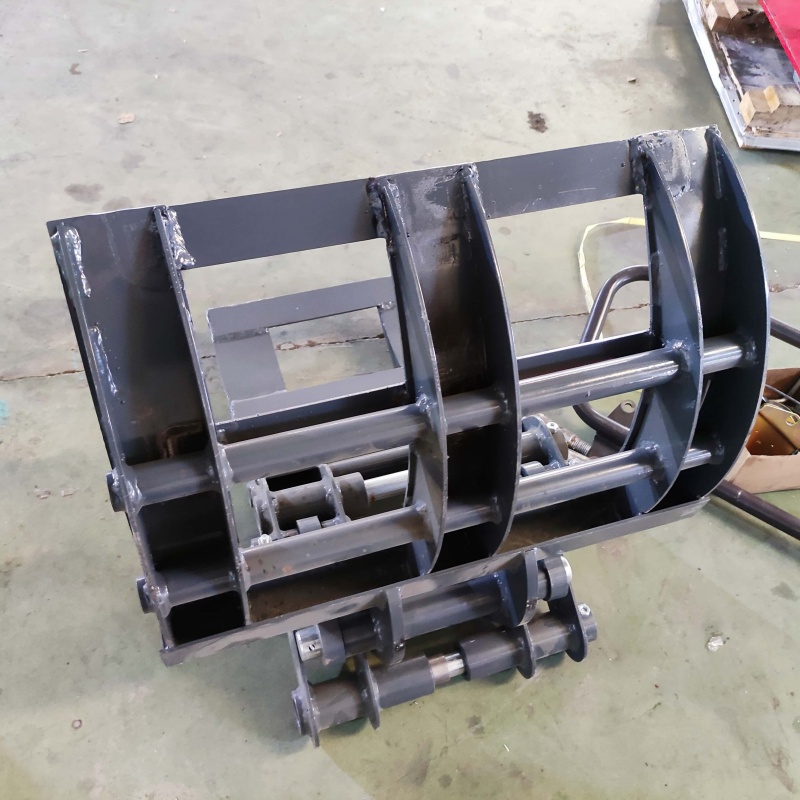
Q. What is the model in question used for?
A. An attachment widens the range of jobs a single compact excavator can specification and win, which is why the working set matters as much as the base machine. The quick coupler makes the changeover a minute job at the trench edge, and mechanical tools need no hydraulic lines at all. MINGYI builds the 08, 12 and 18 models covering the 0.8 to 6 tonne class, and the machine in that duty is where that range meets grass tree grabber attachment.
Q. How do I know which attachment my machine can run?
A. Compare the carrier hydraulic flow with what the attachment asks for, and the lifting moment with what it weighs at full reach. Lower-flow carriers still run buckets, rakes and mechanical tools; hungry attachments call for the high-flow option, and MINGYI confirms the pairing before the order ships.
Q. Can I see the machine before it ships?
A. Inspection is arranged at the factory, in person or by a scheduled video walk-around - the same session covers paint, decals and attachment fitment for the grass tree grabber attachment specification, so the machine inspected is the machine that ships.
Handover and getting familiar with the unit on the job
Familiarisation is not the same as reading the manual. Sitting on a machine built for the work, working through the controls at low speed and learning where the machine balances takes an hour, and that hour is what keeps the first week uneventful.
Later additions and retrofits on the equipment in service
Later changes are easier when they were anticipated. Asking for the extra hydraulic circuit or the heavier mounting plate on the excavator at build time adds little and leaves the option open.
A second operator for this class of machine
Training is simpler than repair. An hour spent with a new operator on the unit in daily use, covering the limits and the awkward cases, is the least lengthy hour in the whole ownership.
Commissioning a machine of this size on site
The first hour on site should be slow. Before the equipment on site is put to work the fluid levels are rechecked after transport, the fasteners are gone over and the machine is run light so that anything loosened in transit shows up early.
Wear items and spares worth holding for the machine itself
Wear items are predictable once the machine has settled in. After the first service interval the pattern on the model in question is visible, and the parts that were replaced become the parts that are kept.
Packing, loading and shipment of the machine in that duty
How a machine travels decides how it starts on arrival. Securing the unit on the job against movement, protecting the exposed cylinders and keeping the battery and fluids in the right state for the voyage all belong to the packing list.
Keeping a service record for a machine built for the work
The record should follow the machine, not the owner. When the equipment in service changes hands the service history travels with it, and a complete folder is often the difference between a quick sale and a long one.
Moving the excavator between sites
Securing the load is not optional. Lashing this class of machine at the points intended for it, checking the tension before the vehicle moves and rechecking after the first kilometres is standard practice rather than extra care.
Hot, humid and dusty conditions around the unit in daily use
Tropical operation is a specification question as much as a maintenance one. The cooling capacity, the sealing and the corrosion protection fitted to a machine of this size are what make the difference once the ambient temperature rises.
Reading the early symptoms on the equipment on site
The symptom is usually not at the fault. A hydraulic function that has become sluggish on the machine itself may point to a filter, a relief setting or a pump, and starting with the simple checks avoids the wrong guess.
Cold weather and winter care for the model in question
Cold exposes weak batteries, thick oil and water in the fuel. Preparing the machine in that duty for winter means the right grade of oil, a battery in good condition and fuel that will not wax in the tank overnight.
E-mail : sales@mingycn.com
LINE ( ID ): mingyicn
Related pages
plant grabber attachment for excavators · plant grabber for small excavators · Wheel Loader Manufacturer | China Factory: 0.3 m3 Entry Class · Mini Excavators









