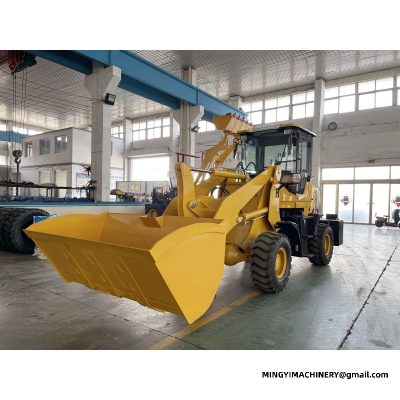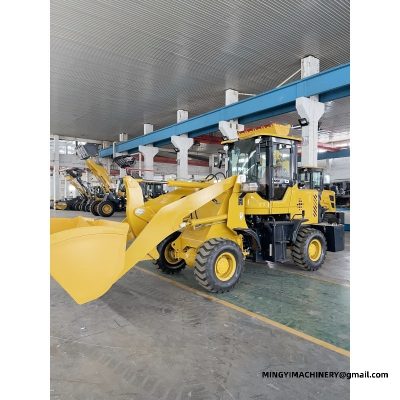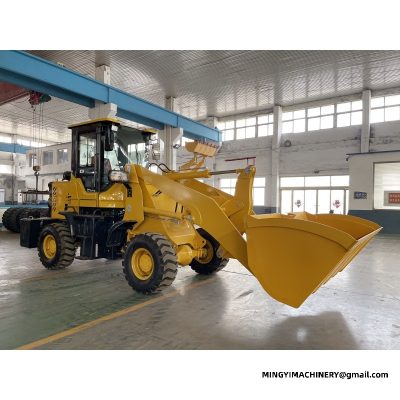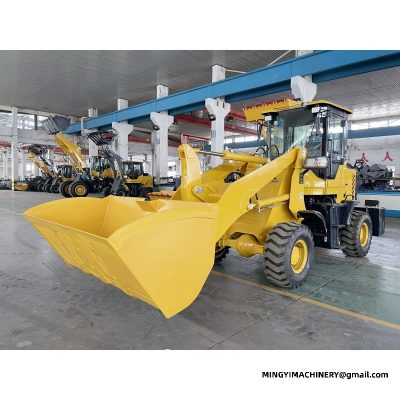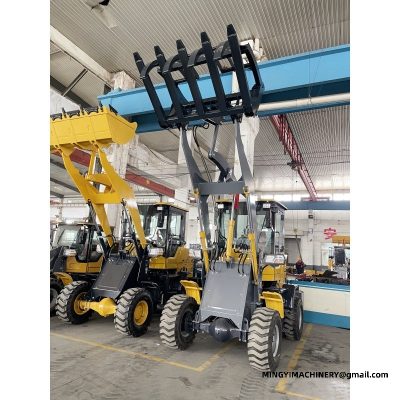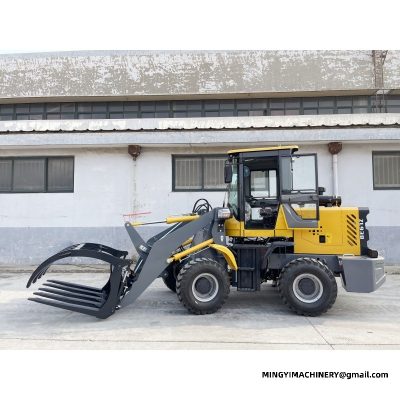
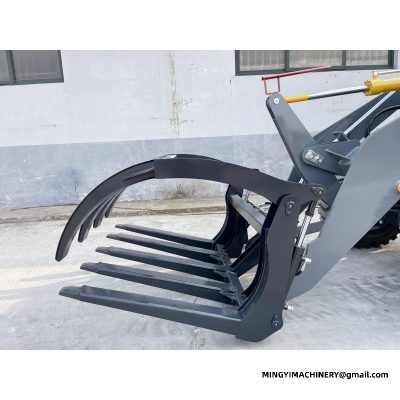
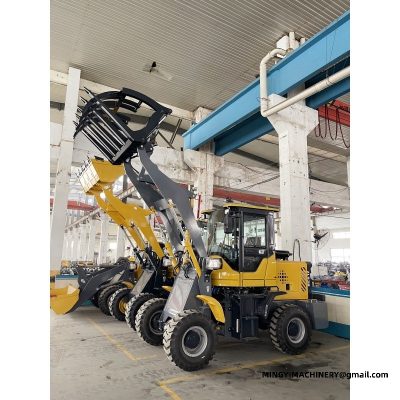
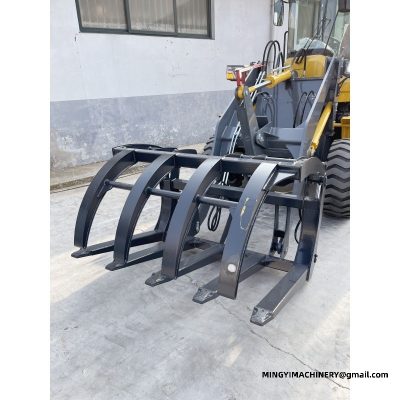
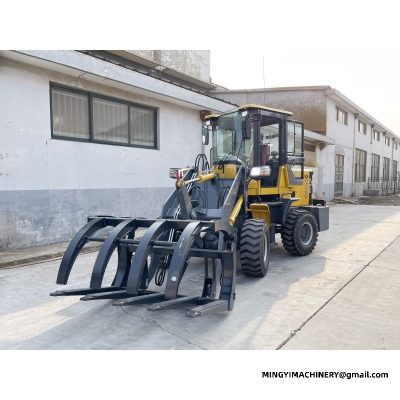
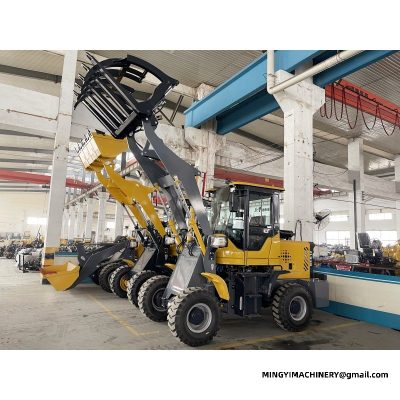
Specification sheets exist so that two people can mean the same thing. Without them, a wheel loader log grapple order is a name and a hope. With them, it is a bucket of 0.38 m³, a lift of 3.2 m, a track of 1.5 m (wheel-side reduction axle); 1.45 m (Isuzu axle), cylinders of centre cylinder 45 / side cylinder 40 and a radiator of 4100 core (490 engine); 4105 core (4102T engine). This page is written for the moment before an order goes in: which rows to pin down, which to leave flexible, and which will come back to matter at delivery. The light-duty 3.2 m small-frame wheel-side reduction wheel loader and the light-duty 3.5 m small-frame wheel-side reduction wheel loader carry the comparisons.
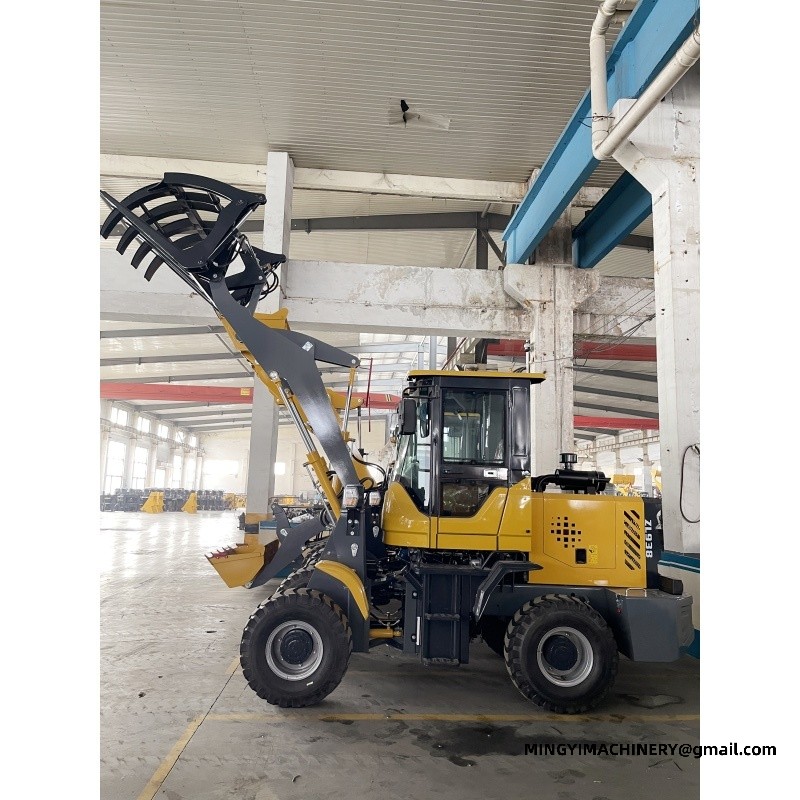
The boom section is the mounting standard. On the light-duty 3.2 m small-frame wheel-side reduction wheel loader it is 370 mm with a 890 mm centre distance; on the light-duty 3.5 m small-frame wheel-side reduction wheel loader it is 370 mm with 890 mm. Fork frames, grapples and snow tools specification against those two numbers, which is why "forks to suit a three-ton loader" is not a specification.
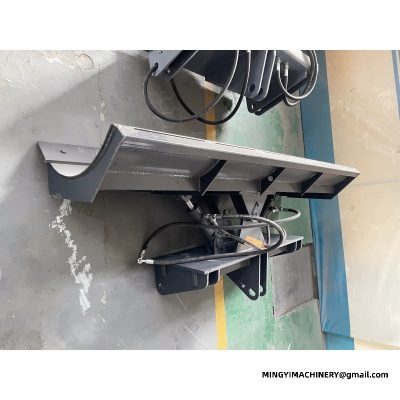
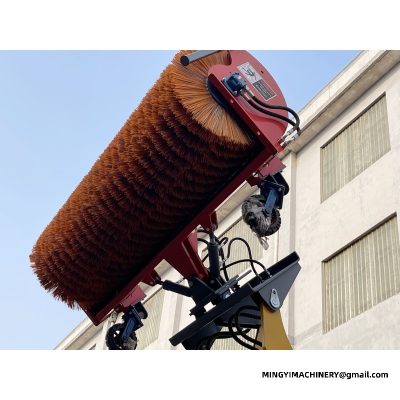
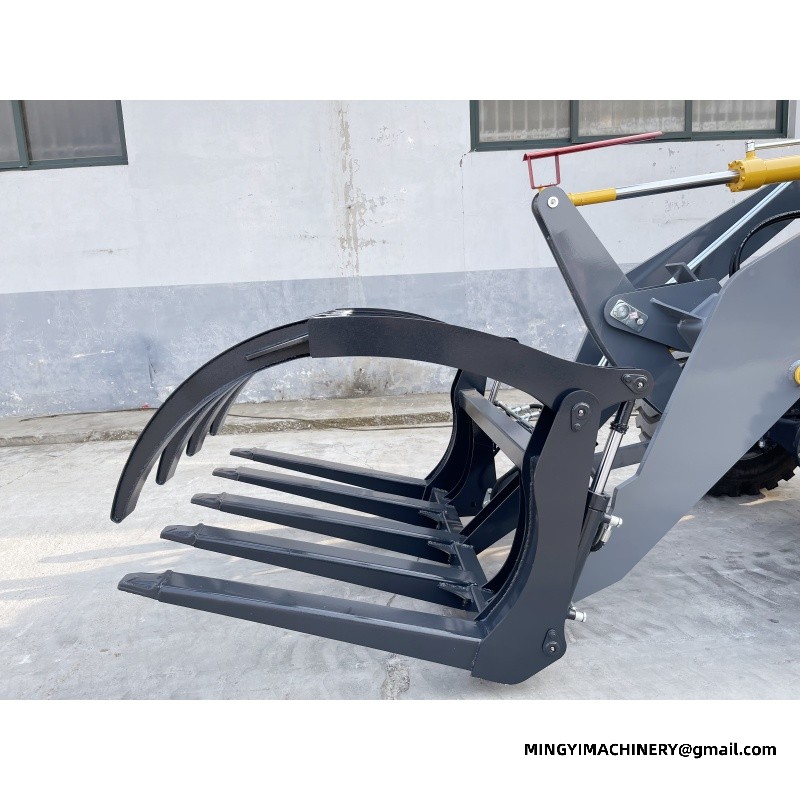
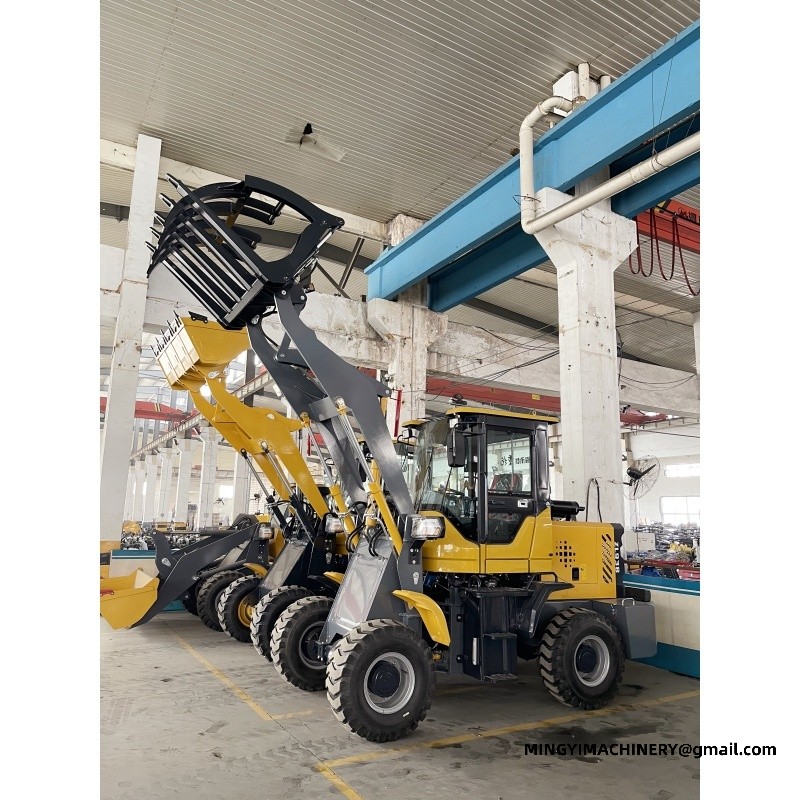
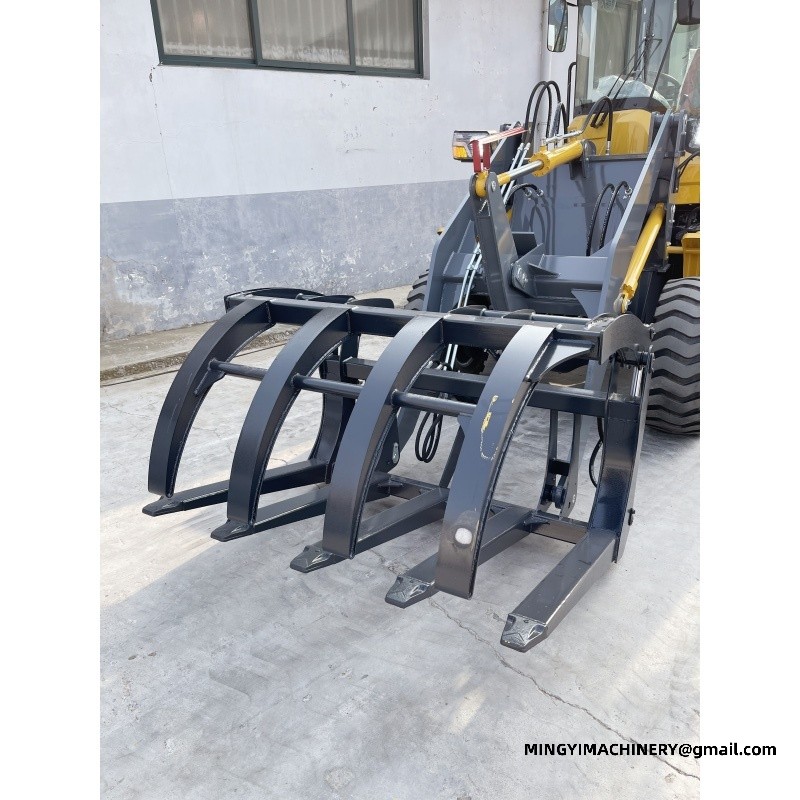
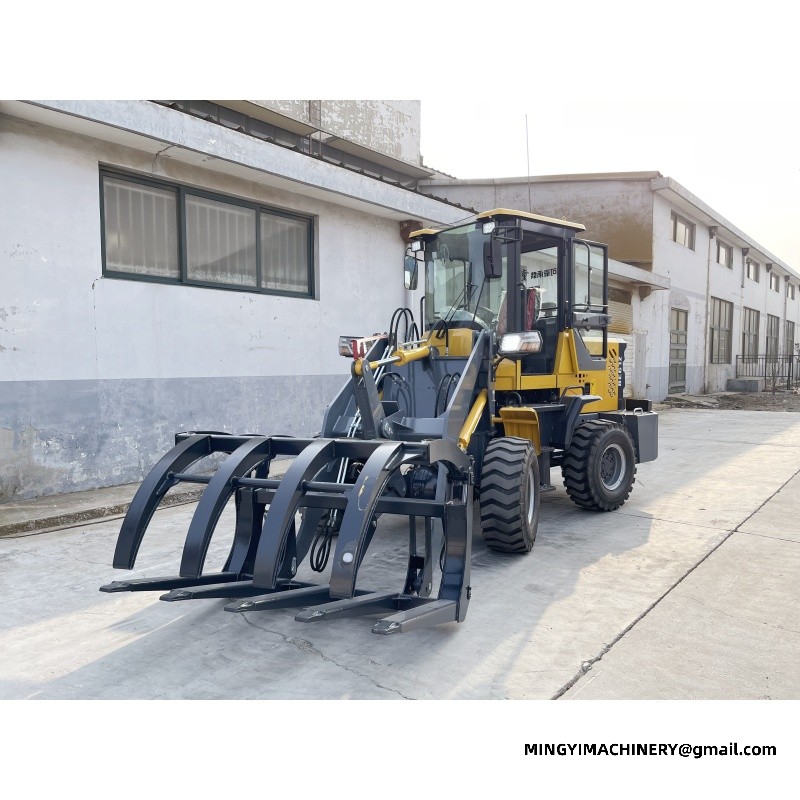
For a mixed fleet the practical set is four tools: a bucket for bulk, forks for pallets and bagged goods, a grapple for loose material and demolition, and a snow tool for winter work. Mechanical sets need no hydraulic circuit and swap in minutes; hydraulic sets need the circuit ordered with the machine. The 316 pump and 316 pump travel pumps keep drive independent either way, so steering is unaffected by tool load.
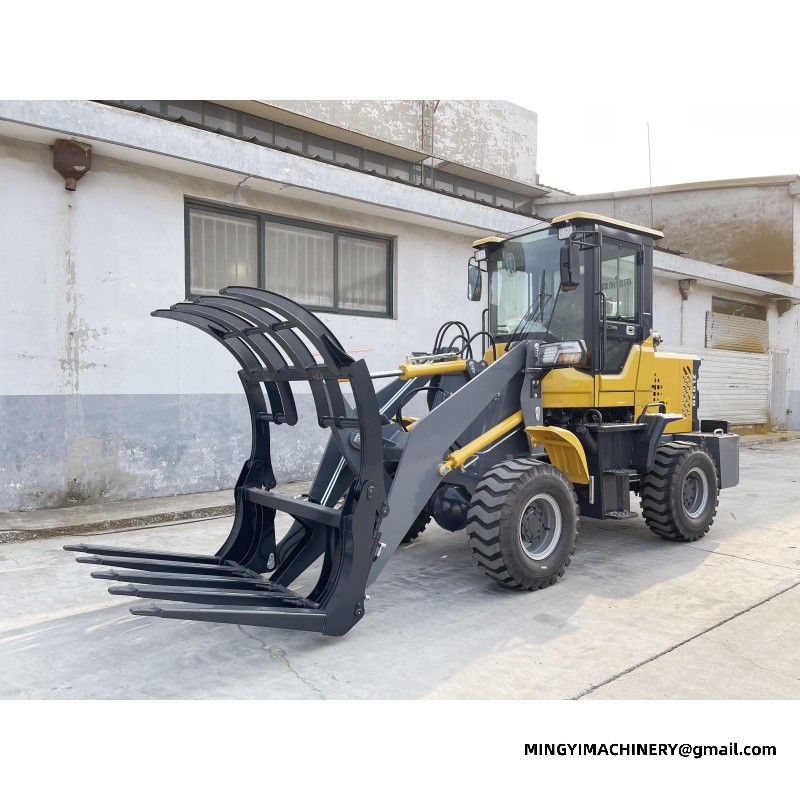
The boom is the part that turns engine power into a loaded bucket at height, and four figures describe it. Length runs 2.3 m on the light-duty 3.2 m small-frame wheel-side reduction wheel loader against 2.62 m on the light-duty 3.5 m small-frame wheel-side reduction wheel loader; wall thickness 25 mm against 25 mm; section width 370 mm against 370 mm; and the mount spacing — boom centre distance — 890 mm against 890 mm. Read together, those four numbers tell you more about how a machine will behave than bucket capacity ever will.
Length buys reach and takes stability, because every extra millimetre moves the load centre further from the front axle. Wall thickness resists bending; section width resists twisting. Centre distance is the one most buyers never ask about, and it is the one that decides whether the arm takes a side load cleanly or twists the pins — which matters the moment an operator digs one corner of the bucket into a heap instead of squaring up to it. On the light-duty 3.2 m small-frame wheel-side reduction wheel loader the combination of a 2.3 m arm, a 25 mm wall and a 890 mm spacing is matched to a 0.38 m³ bucket, and that match is what keeps the frame tight over a full season.
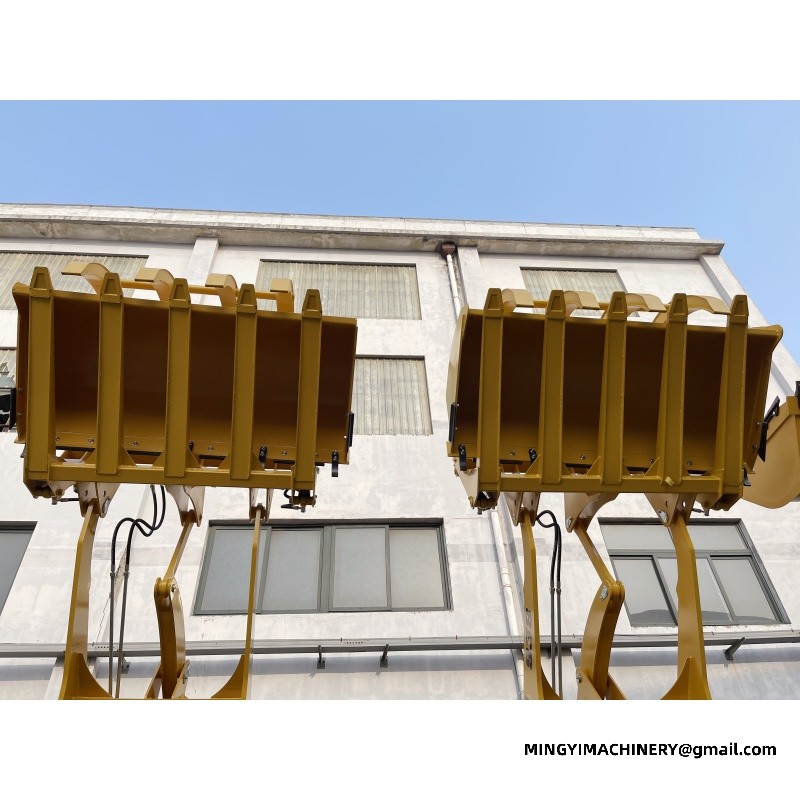
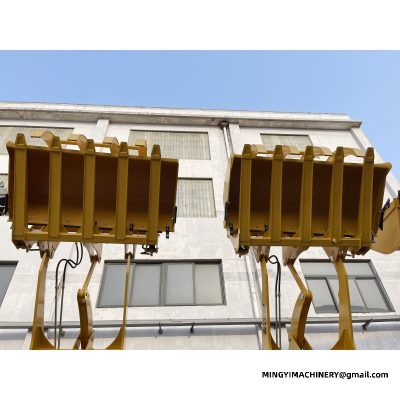
Bucket capacity is the first figure stated and the last one that should be decided. The light-duty 4.2 m small-frame wheel-side reduction wheel loader carries 0.38 m³; the heavy-duty 3.5 m medium-frame wheel-side reduction wheel loader carries 0.65 m³. What those volumes mean depends on the material: a heaped bucket of dry sand weighs far less than the same heaped bucket of wet gravel or crushed rock, and the machine's stability, not its volume, sets the real limit.
Match the bucket to the receiving body and the material, in that order. A 0.38 m³ bucket at 4.2 m clearing a low pan mixer is correctly specified; the same bucket feeding a highway truck is a slow day. Against that, a 0.65 m³ bucket at 3.5 m needs the frame behind it — 45 mm front and 30 mm rear hinge plates, a 45 mm cross-member — or it will be a fast machine with a short life.
| Reference specification — heavy-duty 4.2 m medium-frame wheel-side reduction wheel loader | |
|---|---|
| Bucket capacity | 0.65 m³ |
| Dump height | 4.2 m |
| Track width | 1.6 m |
| Boom arm thickness | 30 mm |
| Boom arm width | 520 mm |
| Boom arm length | 3.16 m |
| Boom arm centre distance | 960 mm |
| Cross-member thickness | 45 mm |
| Front hinge plate thickness | 45 mm |
| Rear hinge plate thickness | 30 mm |
| Rear frame section | 300 mm high x 800 mm wide |
| Hydraulic cylinders | centre cylinder 60 / side cylinder 50 |
| Fuel tank | 70 L (75# large tank) |
| Battery | 80 Ah |
| Front wheel to counterweight | 4.55 m |
| Radiator | 4105 core |
| Work pump | 2063 pump |
| Travel pump | 25 pump |
A battery specification is really an engine specification in disguise. 60 Ah (490 engine); 80 Ah (4102 turbo engine) tells you what the engine needs to turn over, and where two figures are listed it tells you the build is offered with more than one engine. The larger figure is the turbo; the smaller, the naturally aspirated option.
Match that to how the machine will be used. Continuous duty — one start, one long shift — is easy on a battery. Intermittent duty — yard work where the engine is stopped every time the operator gets out — is the hard case, and it is where the higher rating earns its keep. The rest of the electrical load is modest, so cranking is what the 60 Ah (490 engine); 80 Ah (4102 turbo engine) figure is really buying.
Bucket capacity decides how many passes you make; dump height decides whether the pass is possible at all. The light-duty 3.2 m small-frame wheel-side reduction wheel loader clears 3.2 m; the light-duty 3.5 m small-frame wheel-side reduction wheel loader clears 3.5 m. Measure the receiving body at the front board rather than the side, because side boards sit lower and a machine that clears the side can still clip the front when it slews under load.
That single measurement eliminates most of the range before anything else is discussed. A low pan mixer or a one-ton site truck is served by 3.2 m; a body-up site tipper needs more; a crusher feed hopper or a high-board highway truck needs 3.5 m. Get it wrong and no amount of bucket volume, engine power or pump flow rescues the machine — it simply cannot put material where it has to go.
Electrical specification is short but consequential. The heavy-duty 4.5 m small-frame wheel-side reduction wheel loader lists 60 Ah (490 engine); 80 Ah (4102 turbo engine); the heavy-duty 3.8 m medium-frame wheel-side reduction wheel loader lists 80 Ah. Where a build offers two engines, the higher capacity belongs to the turbo — more compression to turn, more glow-plug load, and in a cold market that difference is the whole of a morning.
Beyond the battery, specify an isolator switch and confirm the alternator output matches the load you intend to add. Work lights, a beacon, a reversing alarm and a hydraulic third-circuit solenoid all draw from the same pack, and the 40 pump (490 engine); 1045 pump (4102 turbo engine) driven hydraulics on the heavy-duty 4.5 m small-frame wheel-side reduction wheel loader do not reduce that draw. On the heavy-duty 3.8 m medium-frame wheel-side reduction wheel loader the same applies with 2063 pump. If the machine will sit for more than a month before commissioning, specify the isolator and a maintenance charge interval.
A loader that is greased, cool and clean will run for years on its original frame. The components that need attention are the articulation — 25 mm and 14 mm hinge plates on the light-duty 3.2 m small-frame wheel-side reduction wheel loader — the boom mounts at 890 mm, and the cooling pack, 4100 core (490 engine); 4105 core (4102T engine).
Set the intervals by duty, not by calendar. A machine working a dusty stockyard needs its core blown out daily; the same machine on a farm needs it monthly. A machine loading a face needs its pins greased every shift; one moving pallets needs it weekly. The specification tells you what to check — centre cylinder 45 / side cylinder 40 cylinders, 40 pump (490 engine); 1045 pump (4102 turbo engine) and 316 pump on the light-duty 3.2 m small-frame wheel-side reduction wheel loader, centre cylinder 45 / side cylinder 40, 40 pump (490 engine); 1045 pump (4102 turbo engine) and 316 pump on the light-duty 3.5 m small-frame wheel-side reduction wheel loader — and the duty tells you how often.
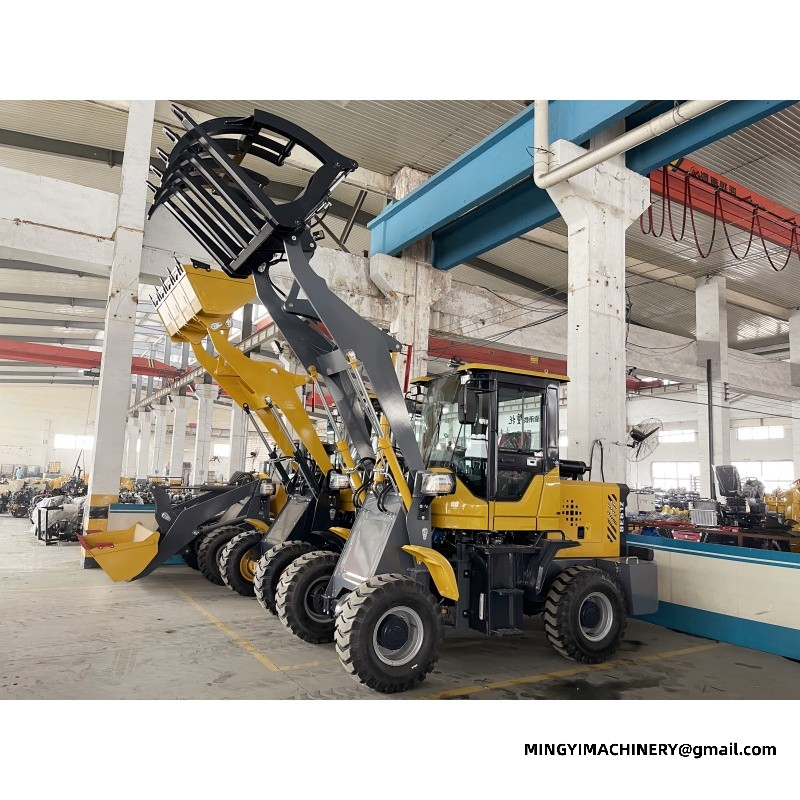
A specification is only as good as the figures on it. Before comparing numbers between suppliers, make sure the same figures appear on both: bucket 0.38 m³, dump height 3.8 m, boom section 370 mm over 25 mm of wall, hinge plates 25 mm front and 14 mm rear, cross-member 25 mm. If a sheet will not give you those five, it is not a specification, it is a description.
The second thing a sheet should let you check is which engine the figures belong to. Where a build offers two engines, the pump and radiator change with it: this one lists 40 pump (490 engine); 1045 pump (4102 turbo engine) and 4100 core (490 engine); 4105 core (4102T engine). Asking for the build by engine, not by model name, is the single change that prevents most delivery disputes.
What should I check before running a grapple on a wheel loader log grapple?
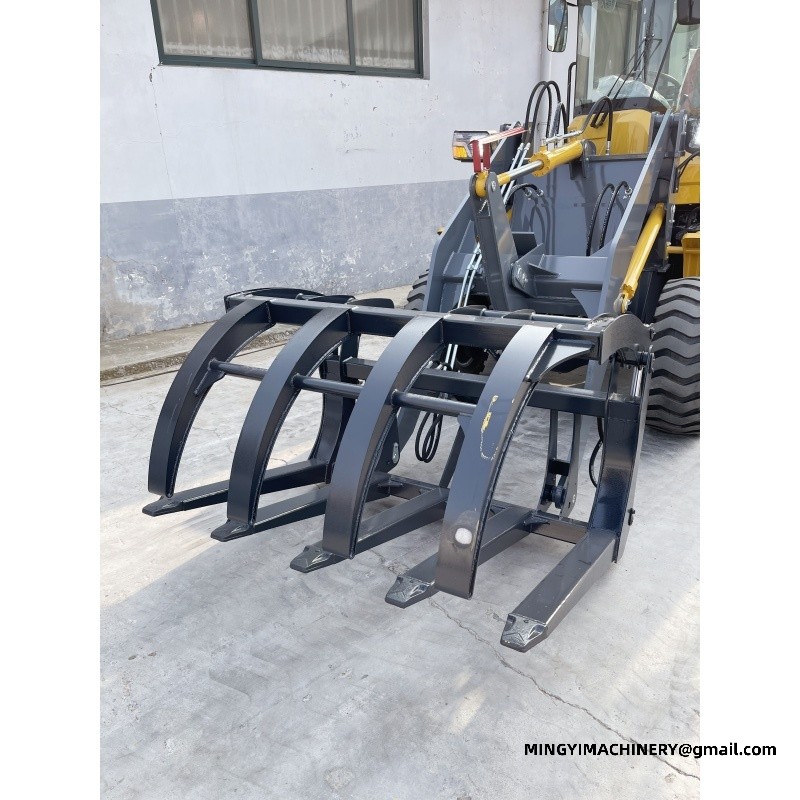
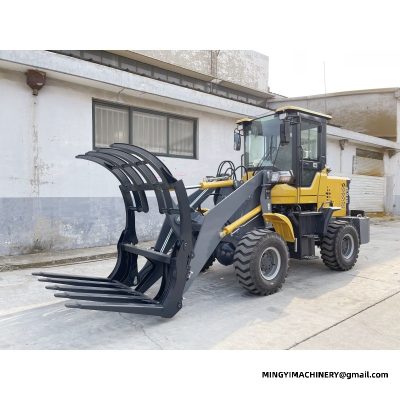
Side load. A grapple levers the arm in a way a bucket does not, so the 25 mm wall and 370 mm section matter more than capacity. The hinge plates at 25 mm take the reaction.
Is a wheel loader log grapple noisy to work beside?
Engine and hydraulic noise, with the pump a contributor: 40 pump (490 engine); 1045 pump (4102 turbo engine) on this build. A pump that is cavitating is louder than a healthy one, so noise is also a diagnostic.
Which spares should I hold for a wheel loader log grapple?
Hoses and seals for the centre cylinder 45 / side cylinder 40, filters, belts and a battery to the 60 Ah (490 engine); 80 Ah (4102 turbo engine) rating. Do not stock welded items; plates at 25 mm and 14 mm are a repair, not a spare.
How often will a wheel loader log grapple need refuelling?
The tank is 64.7 L (75# small tank), sized for a full shift at working throttle without a mid-day stop. Machines on short cycles with a lot of idling will use more than the figure suggests.
What makes a used wheel loader log grapple easy to sell?
A verifiable specification. Bucket 0.4 m³, lift 4.5 m, plates 30 mm and 20 mm and a 30 mm cross-member can all be measured, and a buyer who can check them will pay for the certainty.
What is involved in changing attachments on a wheel loader log grapple?
Mechanical mounting plus hydraulics. The cylinders are centre cylinder 45 / side cylinder 45 and the pump is 40 pump (490 engine); 1045 pump (4102 turbo engine); flow, not force, is usually what limits an added service.
What should an operator be shown on a new wheel loader log grapple?
Board clearance against the 4.2 m of lift, why the bucket should be squared to the face, and the daily walk-round. Most frame damage comes from corner-loading, not from overloading.
If the comparison here is close, decide on the rows that outlast the job: cross-member 25 mm against 25 mm, rear frame 280 mm high x 800 mm wide against 280 mm high x 800 mm wide. Capacity can be changed with a bucket; steel cannot be changed at all.
Wear items and spares worth holding for Wheel Loader Log Grapple: Grapple Work and Pin Loads
A spares list should follow the duty cycle. A Wheel Loader Log Grapple: Grapple Work and Pin Loads working every day in abrasive dust consumes filters and cutting edges far faster than the same machine used once a week, and the shelf should be stocked for the harder case.
Handover and getting familiar with Wheel Loader Log Grapple: Grapple Work and Pin Loads
A good handover covers the awkward cases, not just the easy ones. Starting Wheel Loader Log Grapple: Grapple Work and Pin Loads on a slope, turning in a confined space and recovering from soft ground are the situations an operator should meet first with someone beside them.
Contact MINGYI Machinery for the current wheel loader lineup, configuration options and a formal specification for your market. E-mail: sales@mingycn.com | LINE (ID): mingyicn
Front End Loader Log Grapple: Timber Work and Section Width · Hydraulic Wheel Loader Log Grapple: Flow and Cylinder Care · Front End Loader Manufacturer: Boom Geometry and Hinge Steel · Wheel Loader