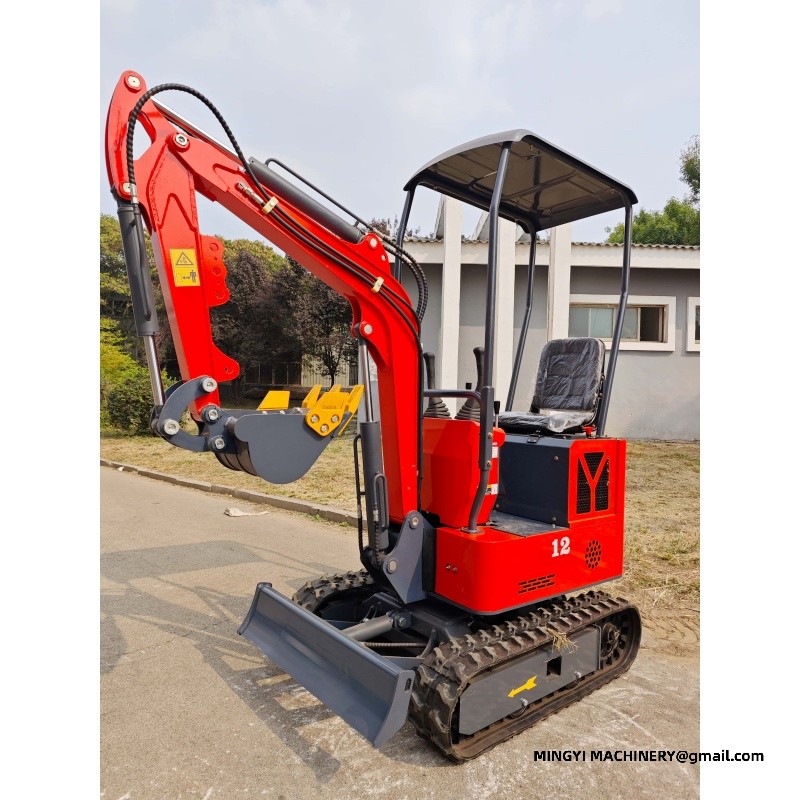
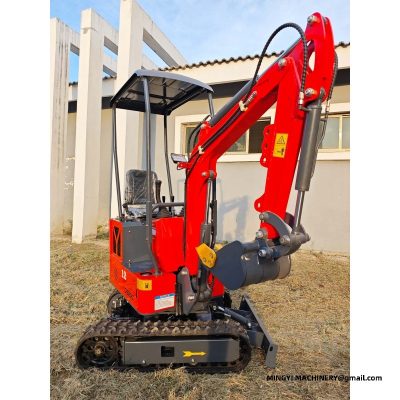
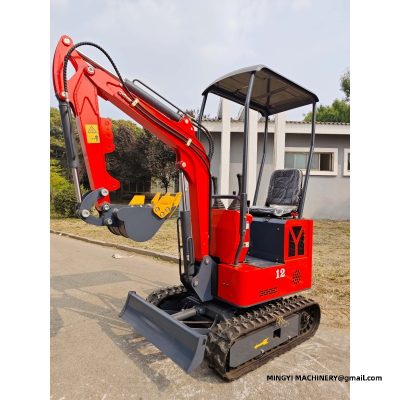
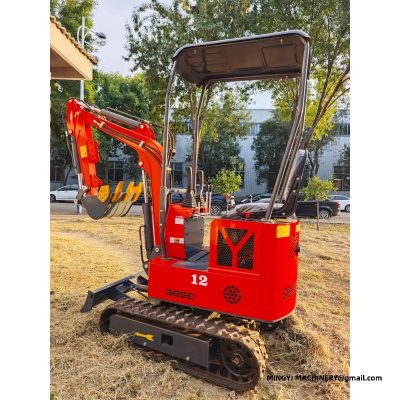
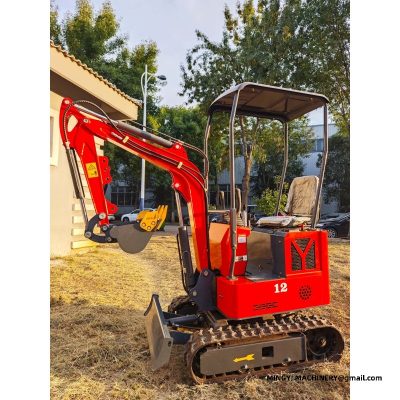
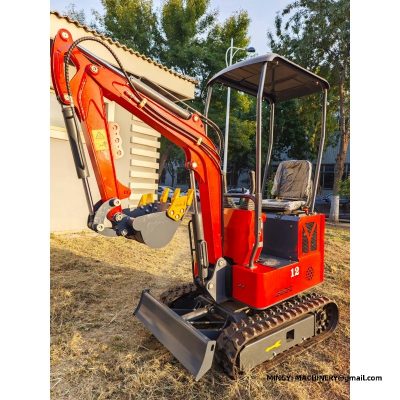
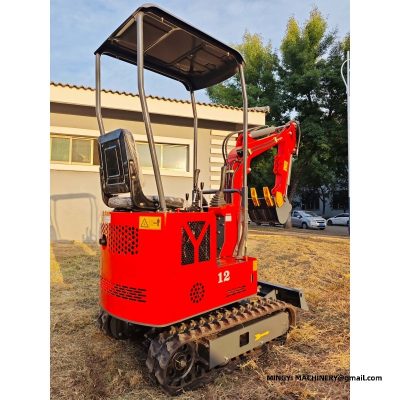
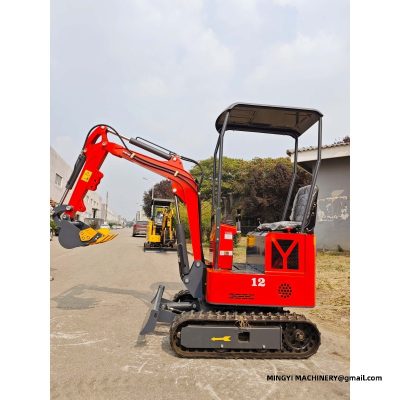
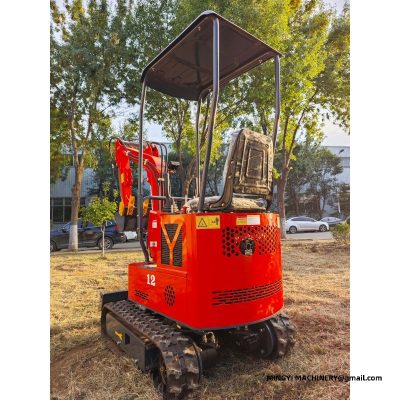
Municipal work is a mixed diary: drainage clearing in spring, pavement and kerb repairs through summer, ditch and culvert work before winter, and whatever the emergency call outs bring. A MINGYI mini excavator for this sector is specified as a multi task machine, because the crew that runs it does everything.
Machines in the 1 to 3.5 tonnes class with a quick coupler cover most of the diary. This page describes the municipal task list and the configuration choices that follow from it.
The municipal task list
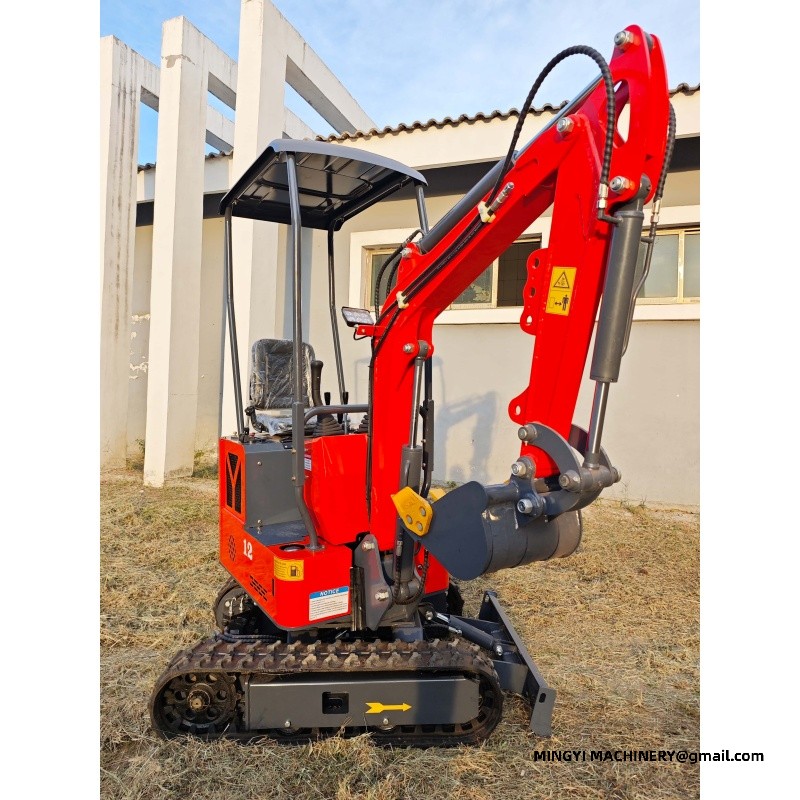
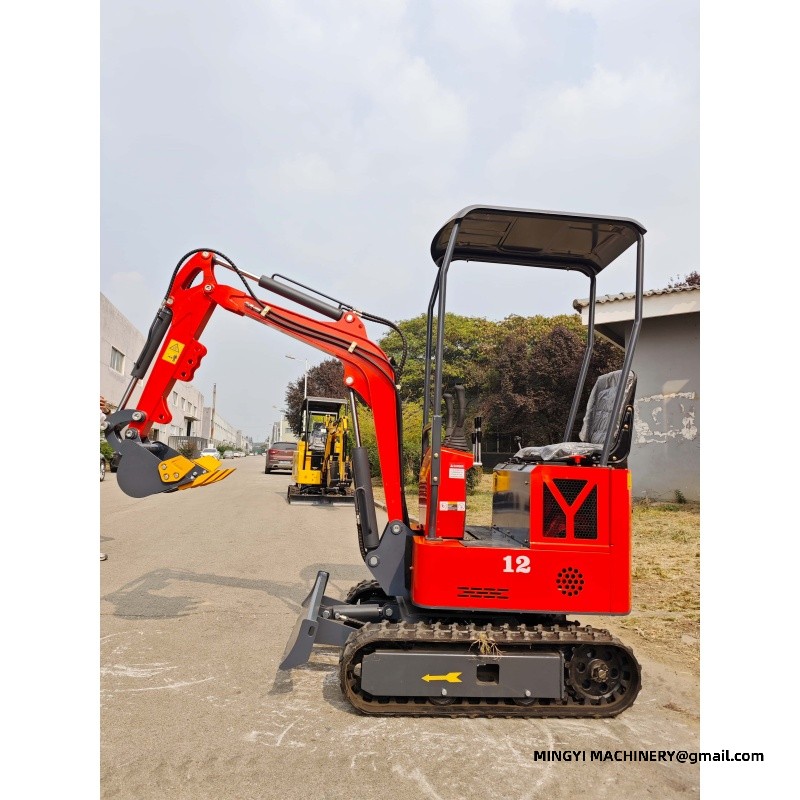
The machine cleans roadside ditches, digs around manholes and valve boxes, cuts trench lines for water and cable renewals, clears culvert inlets, and backfills its own work with a compaction wheel finish. Attachment changes happen several times a day, so the coupler earns its place quickly.
Between the heavy jobs the same machine trims verge growth with a grass rake, clears storm debris and lifts grates and kerb units with a thumb bucket. A crew that can bring one machine instead of three keeps its response time down.
Configuration for public space work
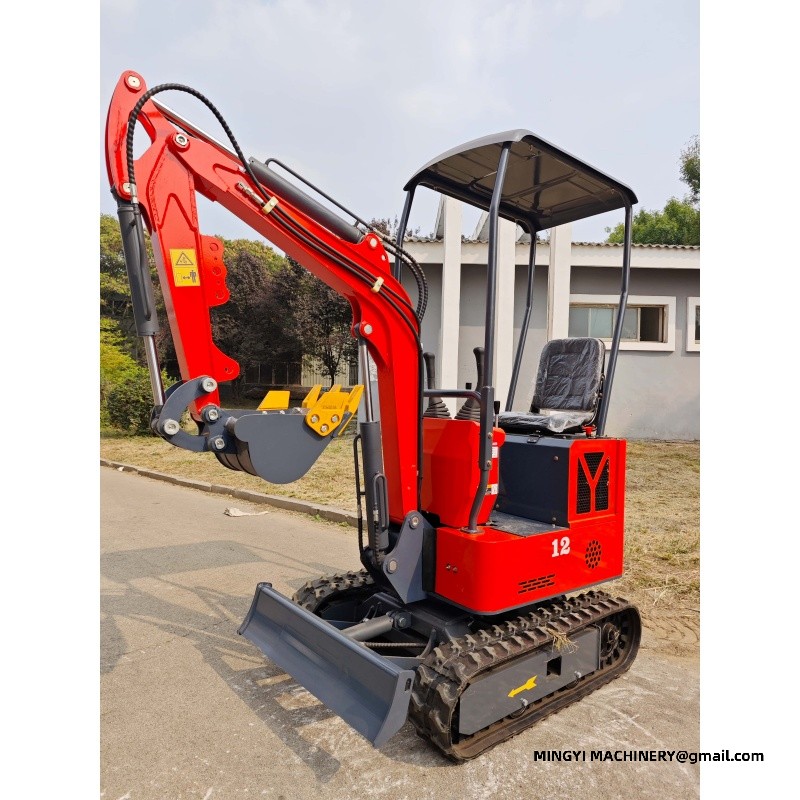
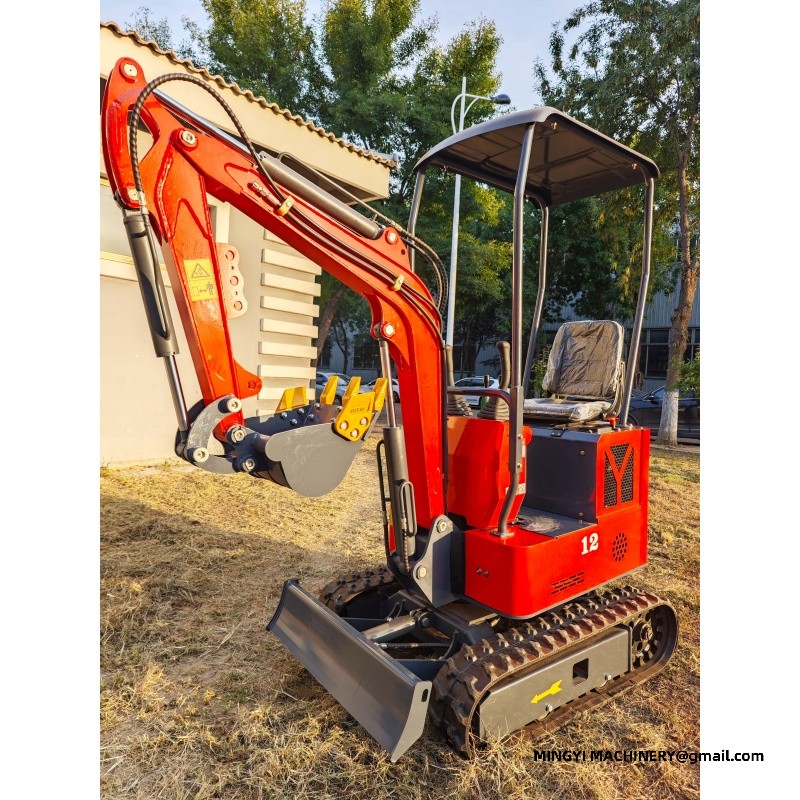
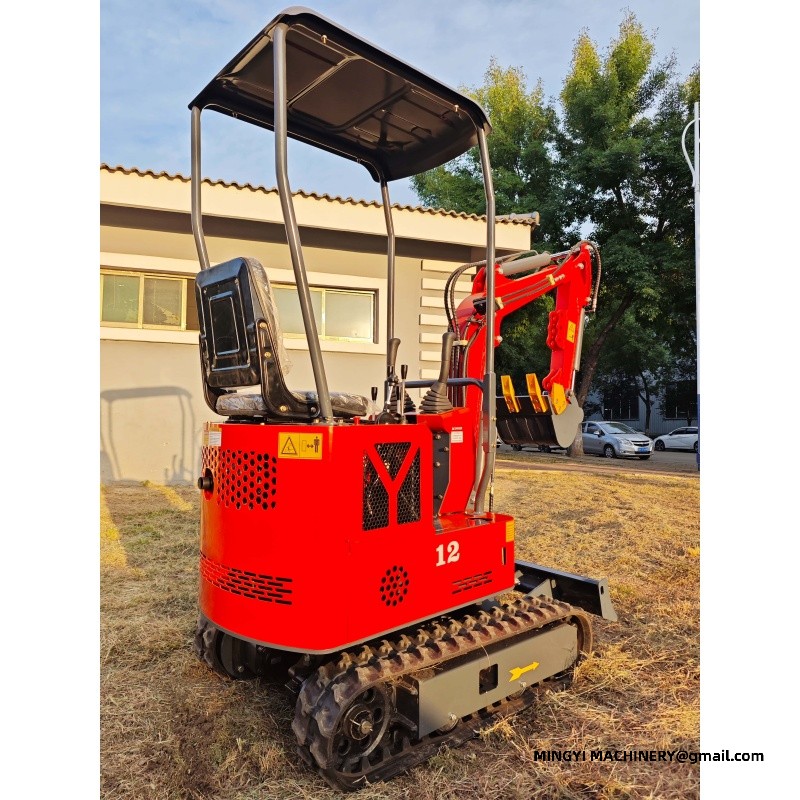
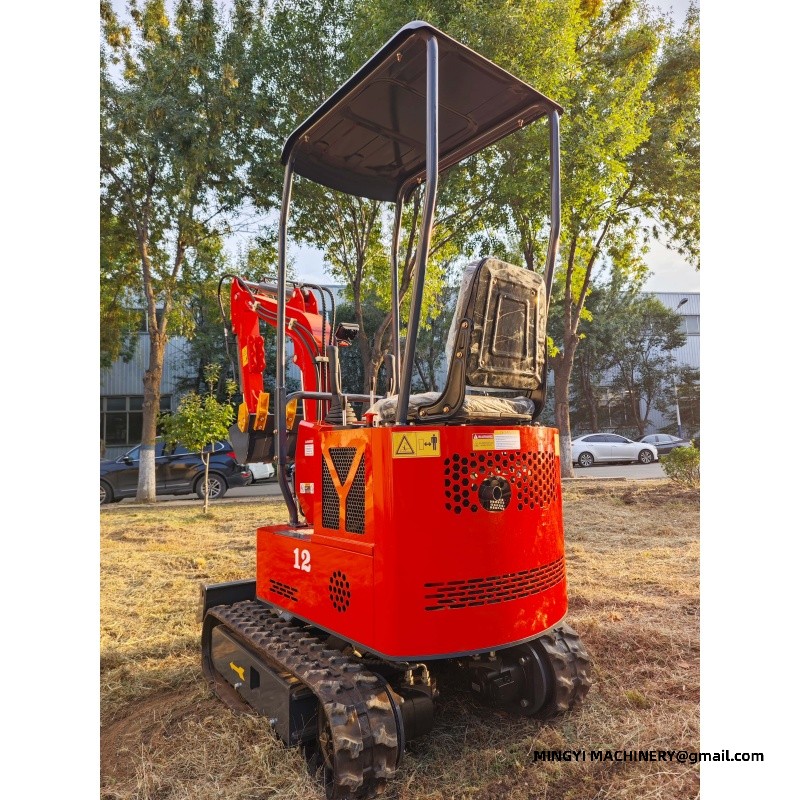
Work in the street means finished surfaces, so rubber tracks are the default, with steel tracks with rubber blocks reserved for the crews that spend their year on soft verges. An enclosed cab is often chosen for the working conditions in a public environment, and lighting can be included in the build.
The swing boom option is worth confirming for kerb and wall side trenching, since it keeps the tracks in the traffic lane while the arm works at the edge. All of these points are settled with MINGYI at the ordering stage and recorded against the machine.
Send the mix of municipal jobs the machine will cover through a year and the access it has to each, and the specification will be drawn from that list. Mingyi Machinery supplies each unit with the parts and documentation for the maintenance workshop.
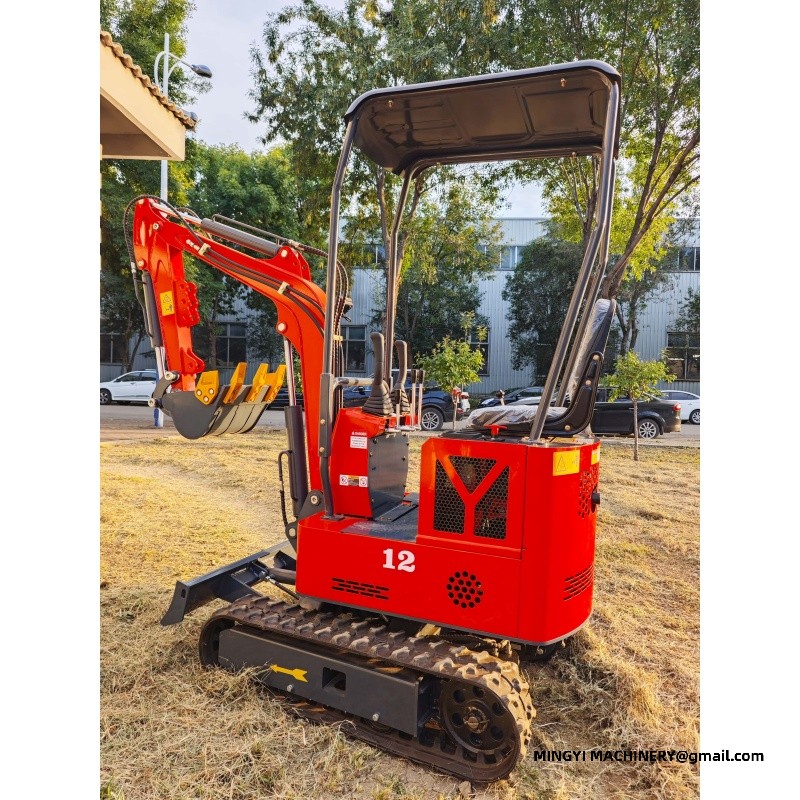
What owners should plan for beyond the mini excavator for municipal work Purchase decision is the visible part of the effort. Fuel, filters, tracks or tyres, the operator and the transport between sites are the items that decide what the excavator actually demands over a few seasons, and they are worth listing before the order. The useful comparison is demand per working hour, not demand per machine. This class of machine that works more hours a year spreads its standing takes over more output, which is why utilisation usually matters more than the invoice figure. Operator technique for mini excavator for municipal work Output on a compact machine comes from placement rather than power. An experienced operator keeps the unit in daily use working inside the swing arc, positions once and digs a full run instead of repositioning for every bucket. Stability is the third. A machine of this size working across the tracks rather than over the corners keeps the machine steady and the undercarriage loaded evenly, which shows up as track life at the end of the season. Daily checks and maintenance on mini excavator for municipal work Track tension is the item most often neglected. The equipment on site run with slack tracks wears the undercarriage and can throw a track on a turn; run too tight, the same components wear from the other direction. Greasing is the second item. The slew ring, the boom and arm pins and the bucket linkage on the machine itself take grease daily in dusty work, and the intervals shorten further when the machine is used in water or mud. Hydraulic circuits on a mini excavator for municipal work Auxiliary hydraulic lines are what let a machine drive a tool rather than only a bucket. The model in question specified with the right circuits and flow runs a breaker or an auger without an add-on power pack bolted to the frame. Flow and pressure are matched to the tool, not to the machine size. Asking for the attachment list first means the machine in that duty leaves the factory with circuits that suit the heaviest tool the buyer intends to run. Export packing and shipping of mini excavator for municipal work Machines leave the factory prepared for container or flat rack shipment. The unit on the job is normally shipped with the attachment set and the spare parts list agreed in advance so the container is planned once. Buyers who import regularly plan the spare parts with the machine. A machine built for the work ordered with a wearing-parts kit arrives ready to work rather than ready to wait for the first service interval. Canopy or enclosed cab on a mini excavator for municipal work A canopy keeps the machine light and the operator aware of the surroundings, which suits short jobs in warm weather. A fully enclosed cab is specified where rain, dust or cold are part of the working year, and it can be added to the equipment in service as a retrofit rather than only at build time. The cab decision follows the climate and the hours. Operators working a full shift in the excavator benefit from a sealed cab with wipers and heating; operators stepping on and off every few minutes usually prefer the canopy for the visibility and the quick exit. Working this class of machine in confined spaces Confined sites are decided by dimensions. Overall width, tail swing and the space needed to work the arm are what let the unit in daily use operate inside a building, between walls or in a courtyard. Clearance above matters as much as around. Door heights, pipework and overhead services set the limit for a machine of this size indoors, and measuring them first avoids a machine that arrives and cannot be used. Parts, service and support for the equipment on site Support after delivery is a parts question. Wearing items for the machine itself - filters, belts, track components, bucket teeth and pins - are the items a buyer should plan to hold before the first service interval. Remote support is handled by video. The model in question fault can often be diagnosed on a walk-around call with the panel open, which is faster than waiting for a visit and avoids shipping a part that is not needed. Attachments that turn the machine in that duty into several machines The base machine is a carrier; the tool on the end of the arm decides the task. The unit on the job fitted with a toothed bucket digs, and the same machine with a breaker, an auger or a grab does work that would otherwise need a second unit on site. Most of the daily variety on a machine built for the work comes from the attachment rack rather than from the machine itself. Bucket, breaker, auger, ripper, rake and grab cover the large majority of the work a contractor will see. Working on slopes and uneven ground with the equipment in service Slope work is a stability question before it is a traction question. Knowing the gradient the excavator is rated for, and working across rather than straight up where the ground allows, removes most of the risk. Planning the direction of travel helps. Working so that the this class of machine is stable under load and not required to turn on a slope is a decision made before the job starts, not a correction made during it. Specification data for the unit in daily use The figures below are the factory figures for the models most often matched to a machine of this size. They are the numbers to check against the site: the depth the work needs, the reach from one position, and the width of the narrowest point on the route in. Figures are factory figures and are confirmed on the build sheet for the equipment on site. Where a job sits between two models, the larger machine usually takes less time than the smaller one spends on rework. Weather decides which days are productive. Rain turns some ground unusable and cold changes how the machine itself starts and warms up, so planning the wet months around maintenance is more useful than planning around output. Heat and dust are as limiting as rain. Air intake condition and cooling cleanliness decide how the model in question behaves in a dry season, and both are checked in a minute rather than repaired later.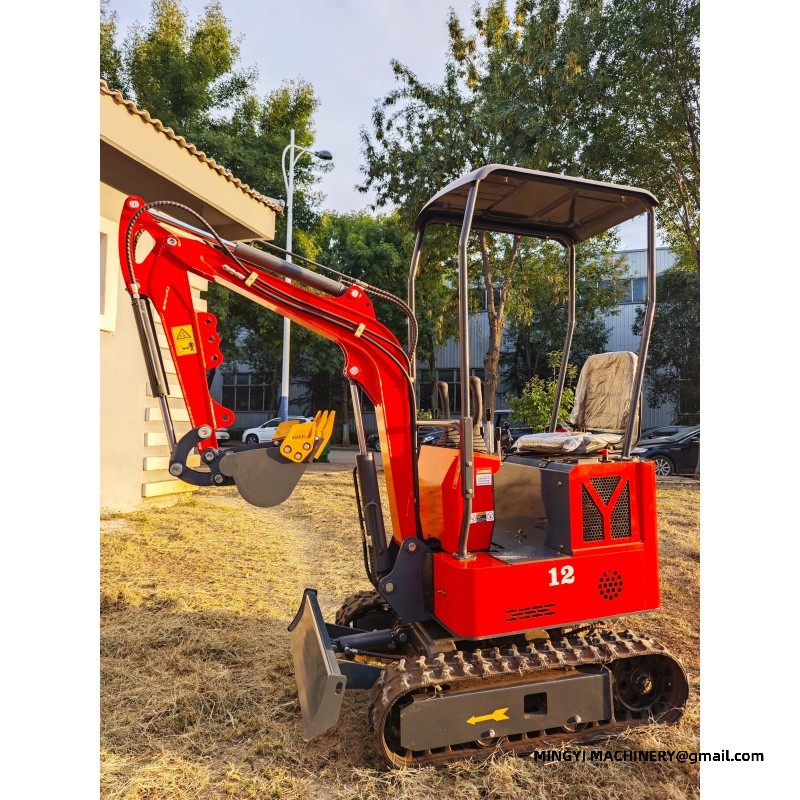
Reference specification — mini excavator range 09L 20-2L 25L 30-2L Operating weight 1100 kg (2425.08 lb) 1900 kg (4188.78 lb) 2200 kg (4850.17 lb) 2400 kg (5291 lb) Transport size (L×W×H) 2300 × 720 × 1870 mm 2600 × 1300 × 2344 mm 3000 × 1300 × 2700 mm 2800 × 1500 × 2500 mm Max digging depth 1400 mm (55.12 in) 2100 mm (82.68 in) 2300 mm (90.55 in) 2200 mm (86.61 in) Max digging height 2800 mm (110.24 in) 2880 mm (113.39 in) 3100 mm (122.05 in) 2900 mm (114.17 in) Max dumping height 1880 mm (74.02 in) 2100 mm (82.68 in) 2050 mm (80.71 in) 2100 mm (82.68 in) Max digging radius 2490 mm (98.03 in) 3215 mm (126.57 in) 3900 mm (153.54 in) 3330 mm (131.1 in) Max digging distance 2000 mm (78.74 in) 2460 mm (96.85 in) 3100 mm (125.05 in) 2700 mm (106.3 in) Minimum turning radius 1400 mm (55.12 in) 1587 mm (62.48 in) 1800 mm (70.87 in) 1555 mm (61.22 in) Travel speed 3 km/h (1.86 mph) 5 km/h (3.11 mph) 7 km/h (4.35 mph) 7 km/h (4.35 mph) Gradeability 30° 30° 30° 30° Fuel consumption 1-1.3 L/h (0.264—0.343 gal) 2-3 L/h (0.528—0.793 gal) 2-3 L/h (0.528—0.793 gal) 2-3 L/h (0.528—0.793 gal) Fuel tank capacity 8 L (2.11 gal) 16 L (4.23 gal) 16 L (4.23 gal) 16 L (4.23 gal) Hydraulic oil tank 16 L (4.23 gal) 18 L (4.76 gal) 18 L (4.76 gal) 18 L (4.76 gal) Dozer blade lift height 180 mm (7.09 in) 180 mm (7.09 in) 230 mm (9.06 in) 230 mm (9.06 in) Dozer blade drop depth 210 mm (8.27 in) 210 mm (8.27 in) 280 mm (11.02 in) 280 mm (11.02 in)
Q. Who chooses the machine in that duty?
A. Roadside and municipal jobs are small in size and large in number: kerbs, gutters, retaining walls, reinstatement after utility work. The quick coupler and a planned trailer keep the crew self-sufficient, with no traffic management beyond cones. The unit on the job is one of the pages buyers land on when comparing machines for municipal work, and the factory treats it as a specification conversation rather than a catalogue line.
Q. Can it handle foundations and retaining walls?
A. Footing trenches, drainage behind the wall and placement of blocks are all compact-class work; read the page with the attachment list and the build covers the job end to end.
Q. What support follows the sale?
A. Spare-part kits, wear items and service documentation ship with the programme, and the parts team works from the serial plate to match components exactly. Warranty and support terms for the municipal work order are confirmed in writing before the machine leaves.
Documents that travel with a machine built for the work
Documentation should match the machine that was actually built. The sheet supplied with the equipment in service records the configuration as delivered, because the generic catalogue description is not what the customer needs when ordering a part.
Cold weather and winter care for the excavator
Starting is only the first problem. Until this class of machine reaches working temperature the hydraulic response is slower and the seals are stiffer, and warming the machine before asking for full output avoids unnecessary strain.
Commissioning the unit in daily use on site
Transport shakes things loose. A short check of a machine of this size after the crate is opened, covering the same points the pre-delivery inspection covered, is the most useful insurance available on delivery day.
E-mail : sales@mingycn.com
LINE ( ID ): mingyicn
Night work and lighting on mini excavator for municipal work
Night work changes the job more than most specification lines do, because light coverage, glare and shadow decide how much of the site the operator can actually read.
Reflective markings on the machine help everyone else on site, and they are simple to add and easy to replace.
Related pages
mini excavator for garden grading · mini excavator for agriculture · Heavy Duty Wheel Loader: Hinge Plates and Cross-Member Steel · Mini Excavators









