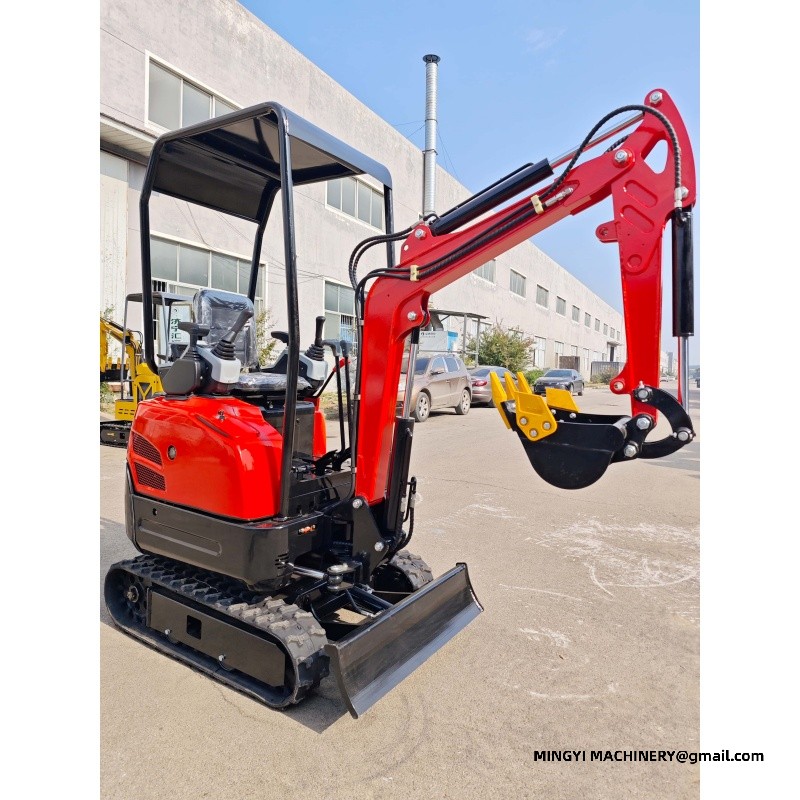
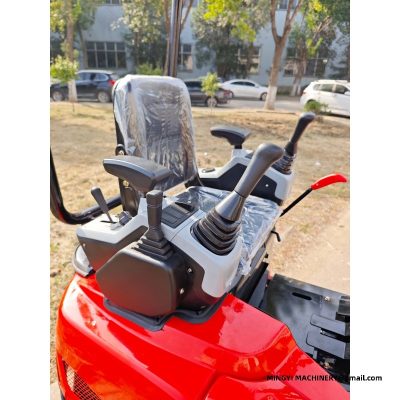
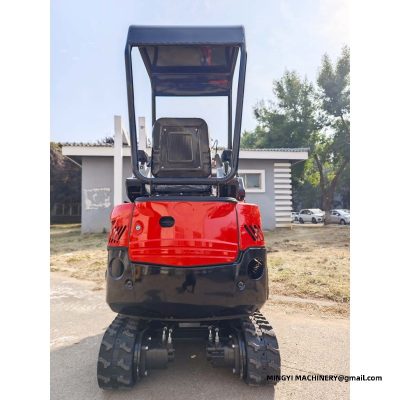
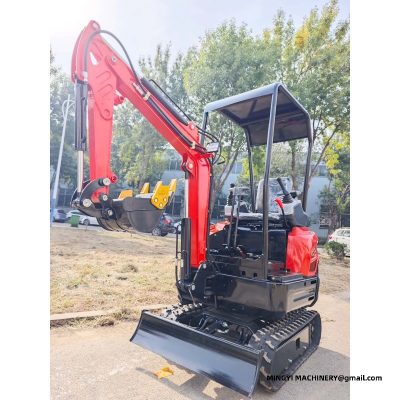
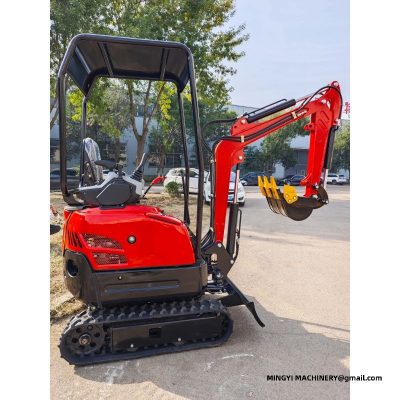
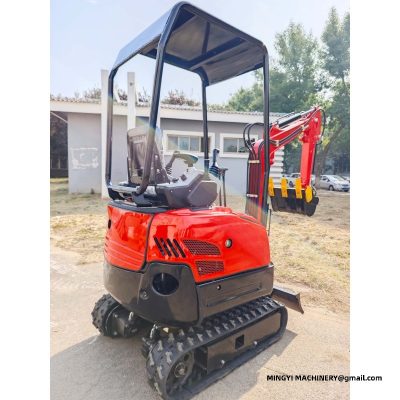
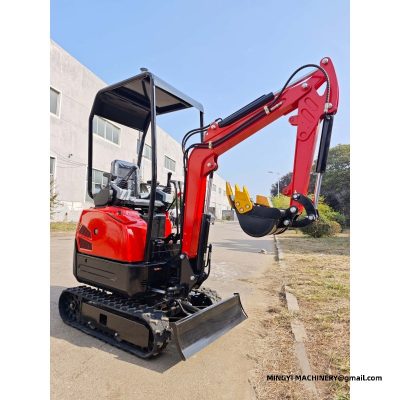
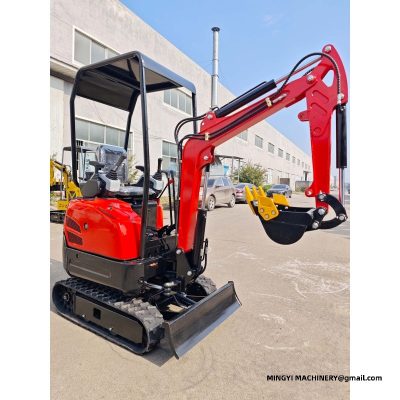
Buyers who import compact excavators often look for a China factory that can build to a specification and repeat it. The value of a factory relationship is consistency across shipments, not a single low offer.
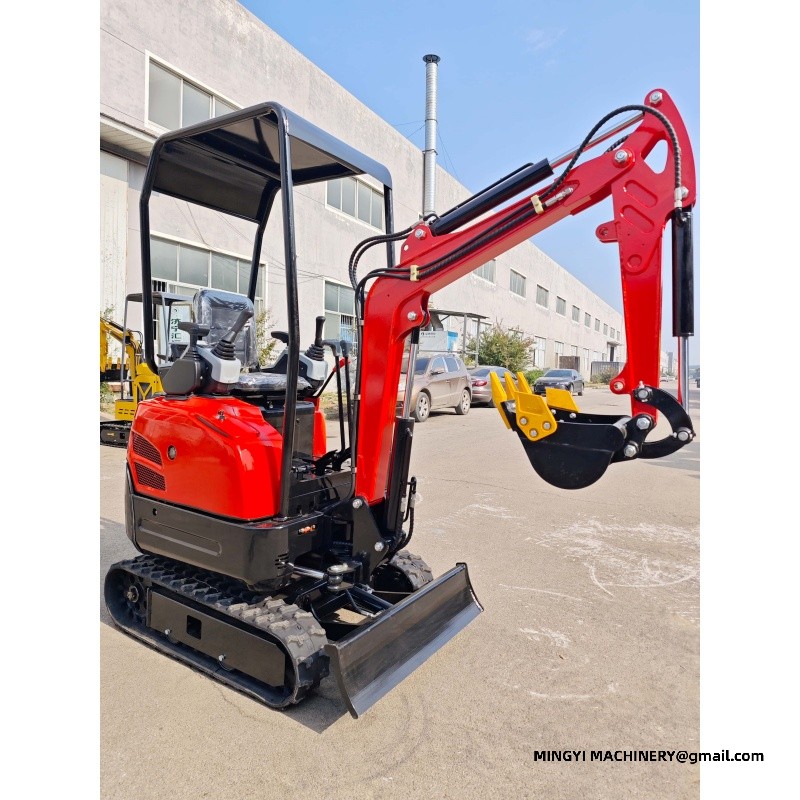
MINGYI manufactures mini crawler excavators in China for export, with each machine built to the specification agreed with the buyer before production.
Ordering from a China mini excavator factory
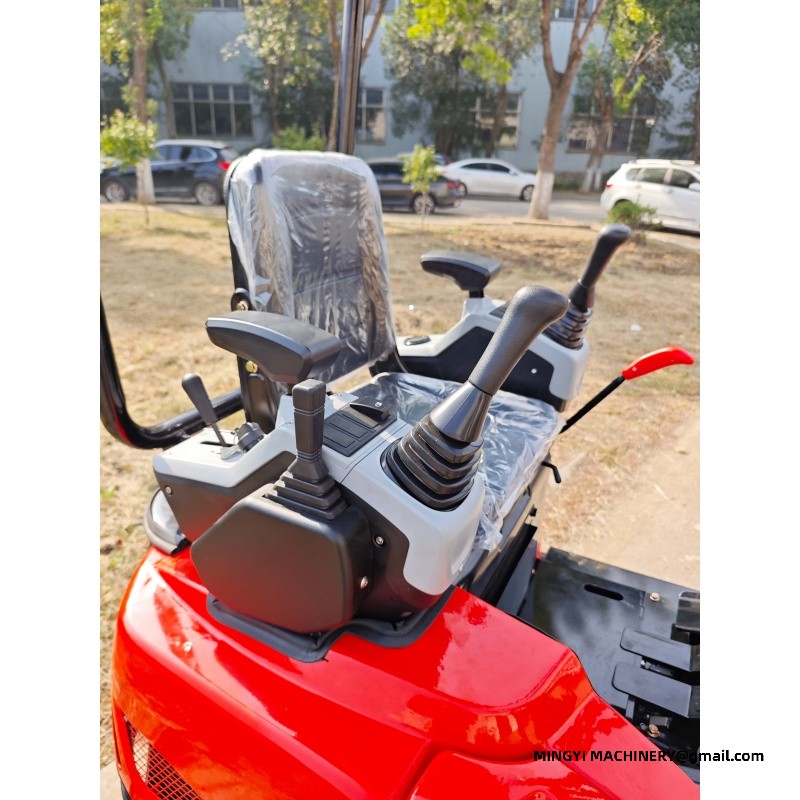
Ordering from a factory differs from buying through a trading company because the specification is fixed at the build stage. Engine, undercarriage, cab or canopy and attachments are confirmed before the machine is assembled, then recorded for the order.
That arrangement suits importers who intend to sell on a repeatable model. Once the configuration is settled, the same machine can be built again for a later shipment without the buyer restating every detail.
Checking a factory before the first order
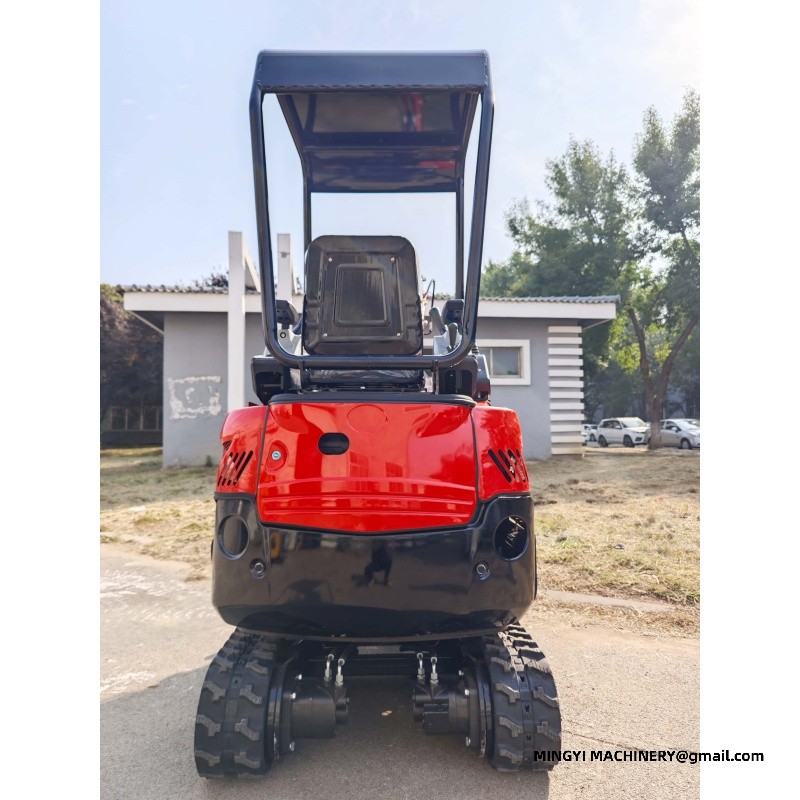
A first order is the right time to test the detail. Asking how the specification is recorded, how the attachments are matched and how the units are prepared for shipment tells a buyer more than a showroom visit.
It is also worth asking what happens when something does not match the sheet. A factory that documents each machine can answer that question from its own records rather than from memory.
A China factory is worth settling with when the specification it builds is the specification the buyer intended. MINGYI works to that principle, keeping the build, the record and the shipment aligned.
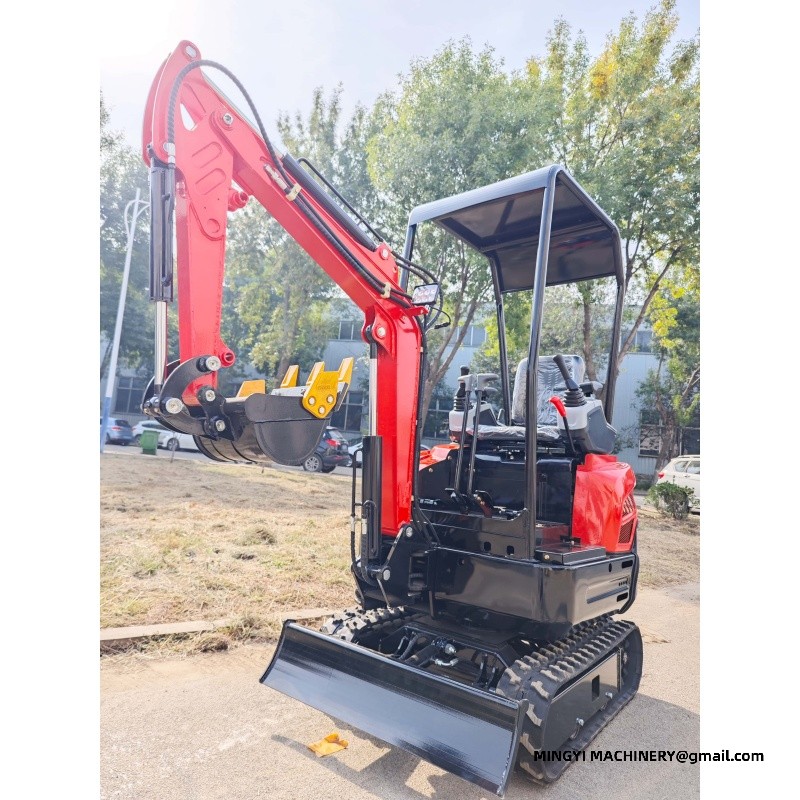
Attachments that turn china mini excavator factory into several machines The base machine is a carrier; the tool on the end of the arm decides the task. The excavator fitted with a toothed bucket digs, and the same machine with a breaker, an auger or a grab does work that would otherwise need a second unit on site. Most of the daily variety on this class of machine comes from the attachment rack rather than from the machine itself. Bucket, breaker, auger, ripper, rake and grab cover the large majority of the work a contractor will see. What owners should plan for beyond the china mini excavator factory Purchase decision is the visible part of the effort. Fuel, filters, tracks or tyres, the operator and the transport between sites are the items that decide what the unit in daily use actually demands over a few seasons, and they are worth listing before the order. The useful comparison is demand per working hour, not demand per machine. A machine of this size that works more hours a year spreads its standing takes over more output, which is why utilisation usually matters more than the invoice figure. Hydraulic circuits on a china mini excavator factory Auxiliary hydraulic lines are what let a machine drive a tool rather than only a bucket. The equipment on site specified with the right circuits and flow runs a breaker or an auger without an add-on power pack bolted to the frame. Flow and pressure are matched to the tool, not to the machine size. Asking for the attachment list first means the machine itself leaves the factory with circuits that suit the heaviest tool the buyer intends to run. Matching china mini excavator factory to ground conditions Soft ground is a flotation problem, not a power problem. The model in question on wide rubber tracks crosses lawn, sand and cultivated soil that would stop a narrower machine or a wheeled unit of the same capacity. Mixed sites are common and argue for a compromise specification. Most buyers choose rubber for the machine in that duty and accept the wear, unless the majority of the work is on material that will damage it. Orchard, vineyard and farm use of china mini excavator factory Orchard and vineyard work is carried out between rows. The unit on the job with a narrow chassis and a swing boom works down the row without damaging the trees, which is the reason a full-size machine is not used at all. Ditching, fertilising and drainage on farmland suit a machine built for the work because the work is spread over a large area in short bursts. The machine travels behind a pickup and works where it stops. Municipal and public works with china mini excavator factory Municipal crews work on streets, footpaths and parks where the public is present. The equipment in service is specified because it occupies little space, works inside a small exclusion zone and can be moved on a standard trailer. Noise and surface protection matter on public work. The excavator on rubber tracks across paving, with a sealed cab for the operator, suits the conditions better than a larger tracked machine. Track choice for this class of machine Undercarriage selection is a ground question, not a preference question. The unit in daily use running on finished paving needs rubber; the same machine on demolition rubble or rock wears rubber quickly, so steel with rubber blocks becomes the better answer over a full season. Track type changes what the machine can cross and what it leaves behind. Buyers specify rubber for lawns, driveways and municipal work, and steel with rubber blocks for sites where sharp material would cut a rubber belt in a week. Noise, dust and working near occupied buildings Work near housing or occupied premises brings constraints that open sites do not. Start times, exhaust condition and how often a machine of this size needs to reverse are the practical limits that neighbours notice. Enclosure and machine condition both reduce noise. The equipment on site with intact panels, sound mounts and a maintained exhaust is measurably quieter than the same machine with loose guards, and the difference matters on restricted sites. Landscaping and ground care with the machine itself Landscape contractors use the model in question for planting holes, pond excavation, grading and retaining work. The machine is light enough to cross finished lawn and narrow enough to work between established trees. Grass cutting heads, rakes and tillers extend the machine in that duty into ground care. The same carrier that digs a border in spring can cut and clear the same area later in the season. Lifting and material handling with the unit on the job Stability changes with reach. A load a machine built for the work handles close in becomes a different proposition at full extension, so the working radius belongs in the plan before the lift rather than during it. Ground condition under the machine is part of every lift. Soft or uneven support is the common factor in handling incidents, and checking it takes less time than recovering the equipment in service that has settled. Working the excavator in confined spaces Confined sites are decided by dimensions. Overall width, tail swing and the space needed to work the arm are what let this class of machine operate inside a building, between walls or in a courtyard. Clearance above matters as much as around. Door heights, pipework and overhead services set the limit for the unit in daily use indoors, and measuring them first avoids a machine that arrives and cannot be used. Daily checks and maintenance on a machine of this size Daily maintenance on the equipment on site is a short list: engine oil level, coolant, track tension, hydraulic oil level and a look at the hoses. Ten minutes at the start of the shift prevents most of the failures that stop a machine. Greasing is the second item. The slew ring, the boom and arm pins and the bucket linkage on the machine itself take grease daily in dusty work, and the intervals shorten further when the machine is used in water or mud. Specification data for the model in question Where the machine in that duty is being specified for a job list, the table below gives the factory figures that matter most: what the machine weighs, how deep and how far it works, and what it measures on a trailer. Every value shown is as built for the unit on the job; options such as cab, side swing or a telescopic undercarriage change the transport dimensions and are confirmed at order stage. Availability is part of the decision. Owning a machine built for the work means it is there on the day the ground is ready; hiring means competing for the same machine at the same time as everyone else in the season. Ownership brings obligations that hiring does not. Storage, servicing, insurance and an operator are the items to set against the hire rate before deciding which way the equipment in service should be supplied.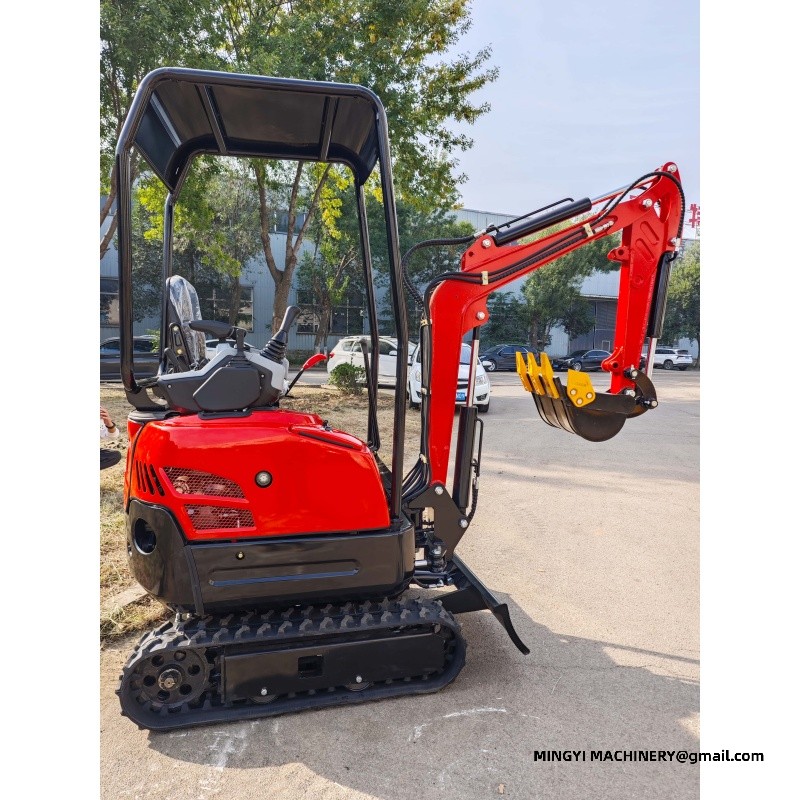
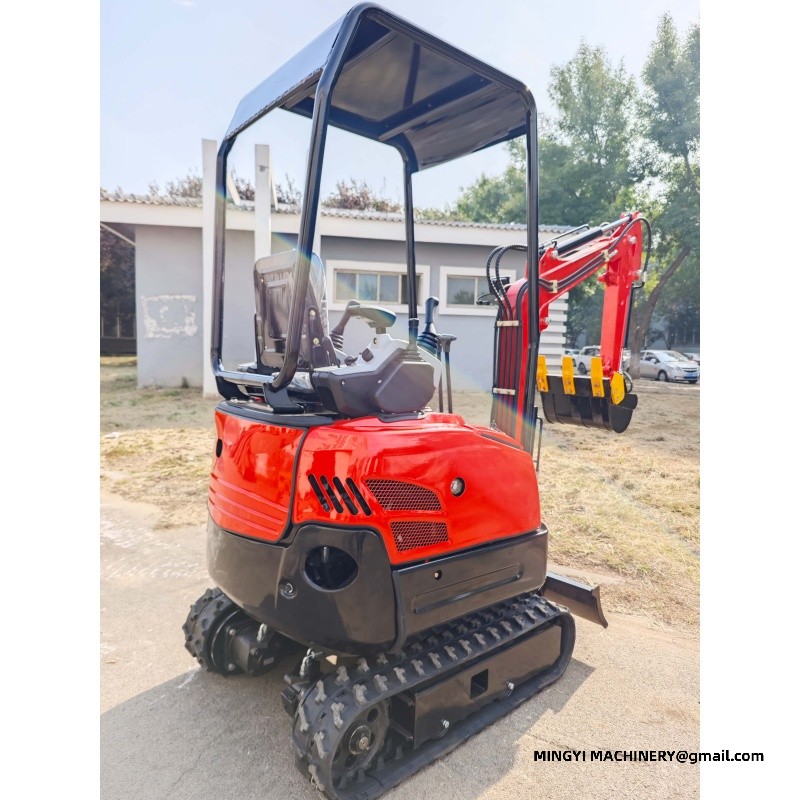
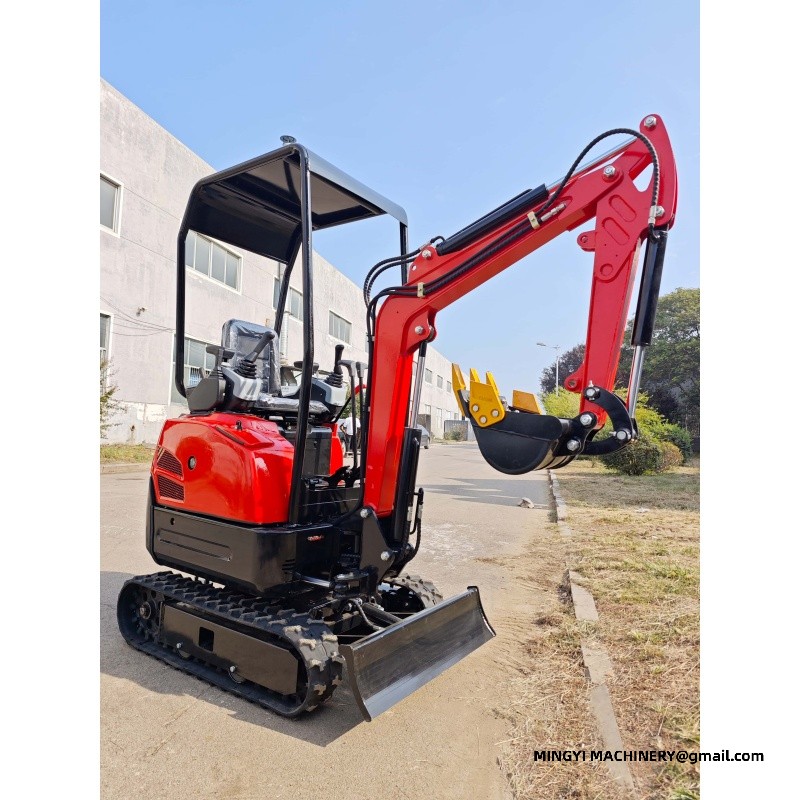
Reference specification — mini excavator range 20-1WL 20-3W 09L 20-2L Operating weight 1900 kg (4188.78 lb) 1900 kg (4188.78 lb) 1100 kg (2425.08 lb) 1900 kg (4188.78 lb) Transport size (L×W×H) 2550 × 1100 × 2200 mm 2550 × 1100 × 2200 mm 2300 × 720 × 1870 mm 2600 × 1300 × 2344 mm Max digging depth 1800 mm (70.87 in) 1800 mm (70.87 in) 1400 mm (55.12 in) 2100 mm (82.68 in) Max digging height 2820 mm (111.02 in) 2820 mm (111.02 in) 2800 mm (110.24 in) 2880 mm (113.39 in) Max dumping height 2050 mm (80.71 in) 2050 mm (80.71 in) 1880 mm (74.02 in) 2100 mm (82.68 in) Max digging radius 3050 mm (120.08 in) 3050 mm (120.08 in) 2490 mm (98.03 in) 3215 mm (126.57 in) Max digging distance 2300 mm (90.55 in) 2300 mm (90.55 in) 2000 mm (78.74 in) 2460 mm (96.85 in) Minimum turning radius 1450 mm (57.09 in) 1450 mm (57.09 in) 1400 mm (55.12 in) 1587 mm (62.48 in) Travel speed 5 km/h (3.11 mph) 5 km/h (3.11 mph) 3 km/h (1.86 mph) 5 km/h (3.11 mph) Gradeability 30° 30° 30° 30° Fuel consumption 2-3 L/h (0.528—0.793 gal) 2-3 L/h (0.528—0.793 gal) 1-1.3 L/h (0.264—0.343 gal) 2-3 L/h (0.528—0.793 gal) Fuel tank capacity 16 L (4.23 gal) 16 L (4.23 gal) 8 L (2.11 gal) 16 L (4.23 gal) Hydraulic oil tank 18 L (4.76 gal) 18 L (4.76 gal) 16 L (4.23 gal) 18 L (4.76 gal) Dozer blade lift height 180 mm (7.09 in) 180 mm (7.09 in) 180 mm (7.09 in) 180 mm (7.09 in) Dozer blade drop depth 210 mm (8.27 in) 210 mm (8.27 in) 210 mm (8.27 in) 210 mm (8.27 in)
Q. What is the excavator?
A. Dealer, importer and fleet buyers judge a factory by what follows the machine - packing, documentation, parts - and the programme sets out how that works. Complete units travel in containers on timber cradles, and CKD packing parts the machine down for volume shipments. Read this class of machine together with the engine, track and attachment pages: jobs around general site are decided by how those choices line up, not by any single number on the sheet.
Q. Can I order machines built to my own specification?
A. Yes - OEM and ODM options cover colour, decals, engine choice, cab layout and attachment packages, with the build sheet confirmed before production. Mixed-model orders and staged deliveries are routine for dealer programmes.
Q. Does MINGYI supply attachments with the machine?
A. Yes - buckets, breakers, augers, rakes and the rest of the working set ship with the carrier, matched to the hydraulic flow and the coupler. For general site the package is confirmed on the build sheet, so machine and tools arrive together and start work together.
Moving the unit in daily use between sites
A machine that works on one site still has to reach the next. The overall dimensions and the operating weight of a machine of this size decide what trailer or truck is needed, and that decision belongs before the job is booked.
Documents that travel with the equipment on site
A clear parts book saves more time than any other document. When the machine itself needs a replacement, the illustration and the part number are what turn a phone call into a shipment instead of a description.
Keeping a service record for the model in question
Service history also protects the warranty position. Evidence that the machine in that duty was maintained at the specified intervals and with the specified fluids settles questions that would otherwise be argued.
E-mail : sales@mingycn.com
LINE ( ID ): mingyicn
Related pages
mini excavator series · one ton mini digger · Wheel Loader for Agriculture: Gate Widths, Sheds and Wagons · Mini Excavators









