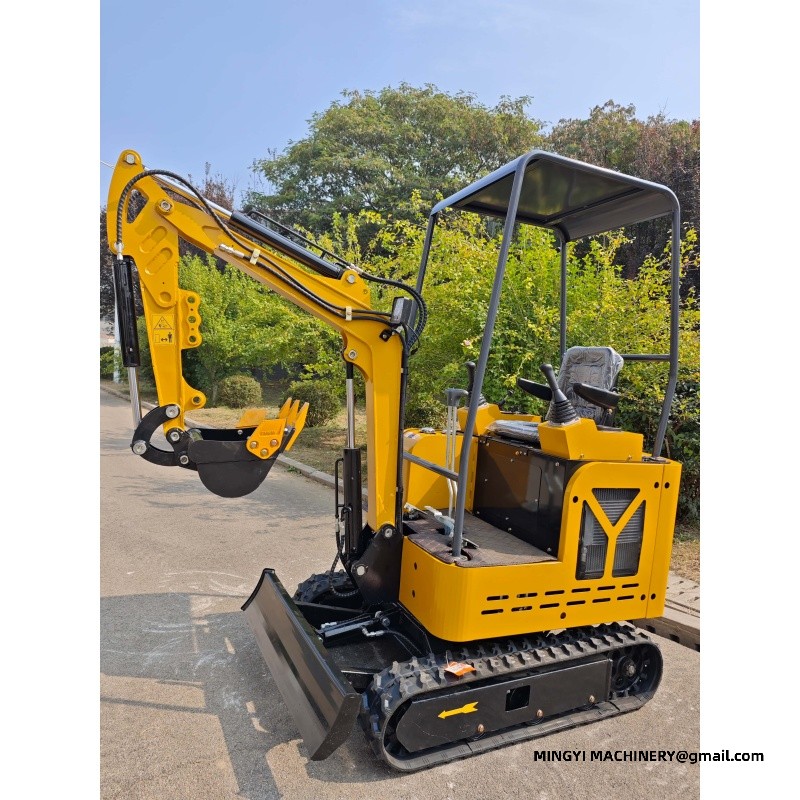
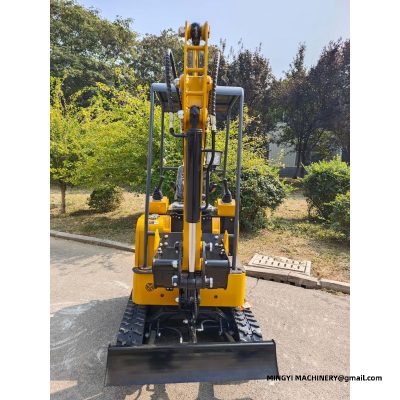
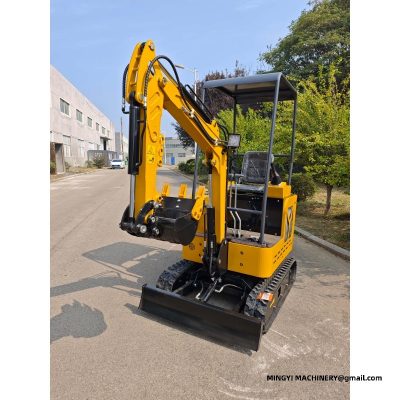
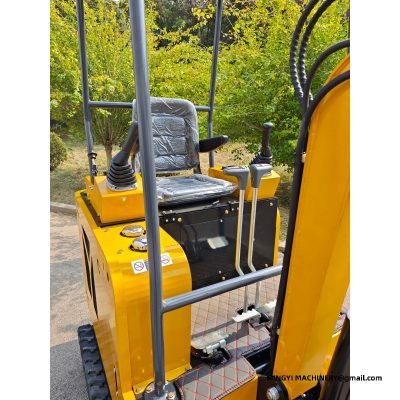
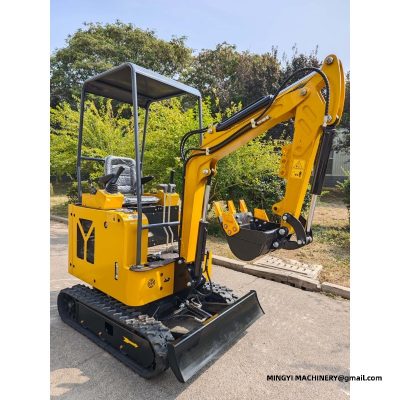
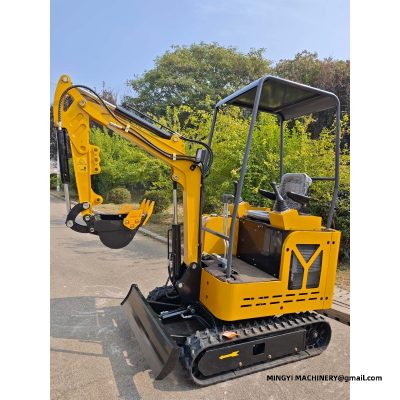
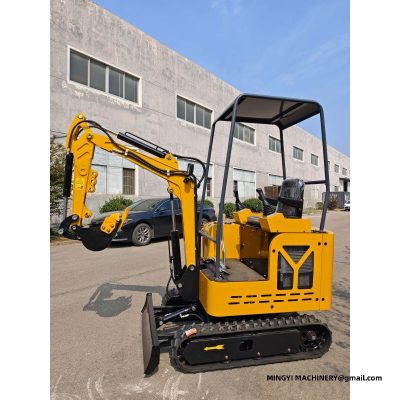
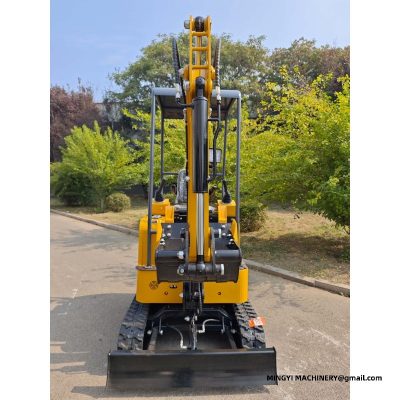
The 1 to 3.5 tonnes band is where most compact excavator work sits. Machines in this class are light enough to travel on a small trailer and to cross a domestic driveway, yet heavy enough to dig a footing, a service trench or a planting bed at a steady rate.
MINGYI builds compact crawler excavators across the 0.8 to 6 tonnes range, and the 1 to 3.5 tonnes machines are the most common choice for mixed contracting. Each unit is assembled to order.
What the 1 to 3.5 tonne class covers
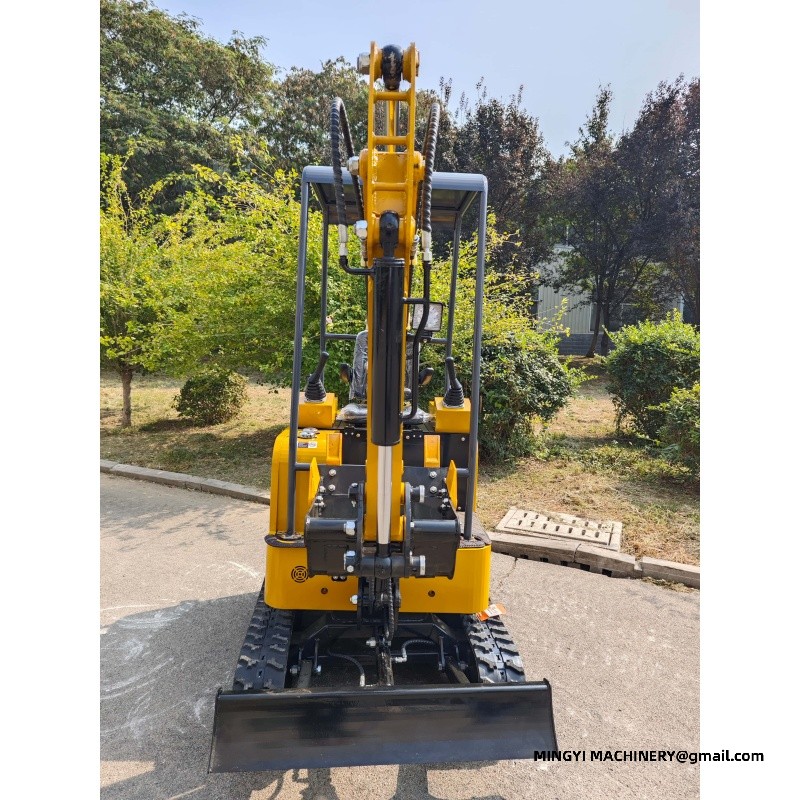
Work in this class is varied rather than specialised. The same machine may open a foundation trench in the morning, lift a root ball in the afternoon and clear a drainage run before the end of the day.
Because the machine is compact, it reaches places a larger excavator cannot, and because it is not a micro unit, it has the stability to carry a breaker, an auger or a grab without feeling strained. That range is why the class is so widely bought.
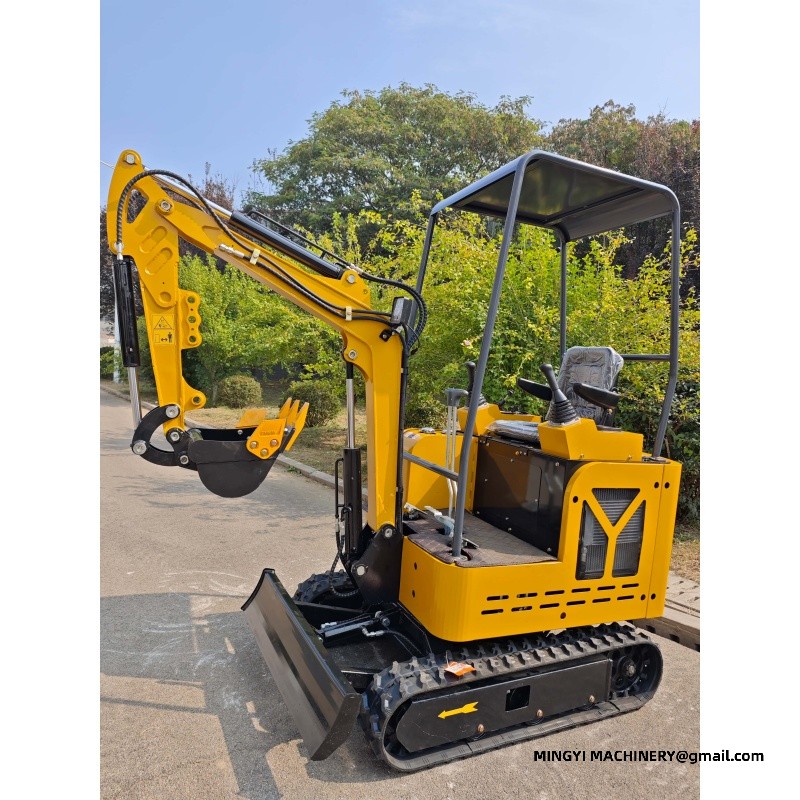
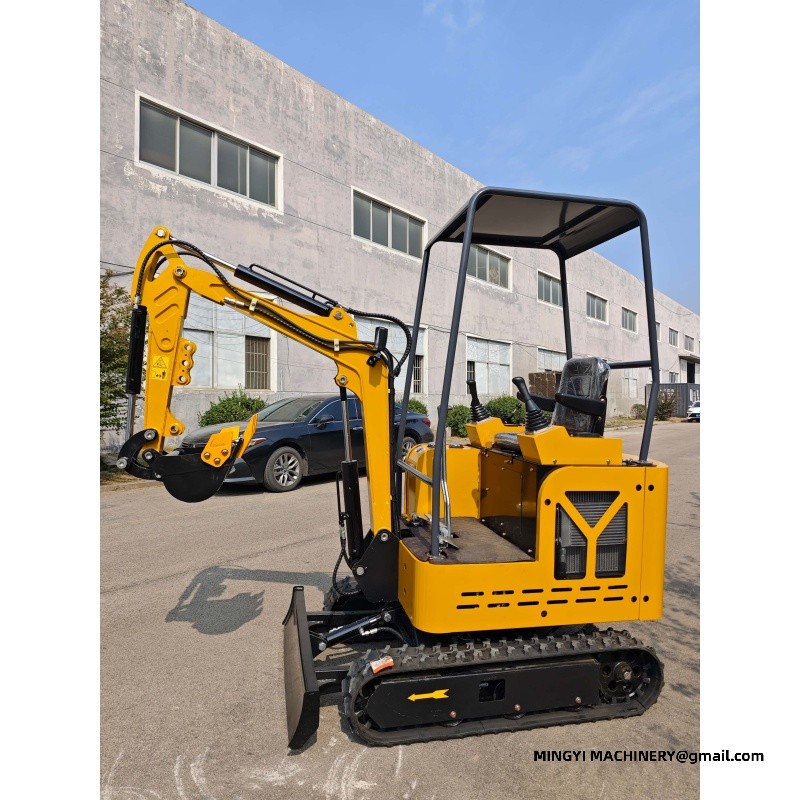
Specifying the canopy or cab for this class
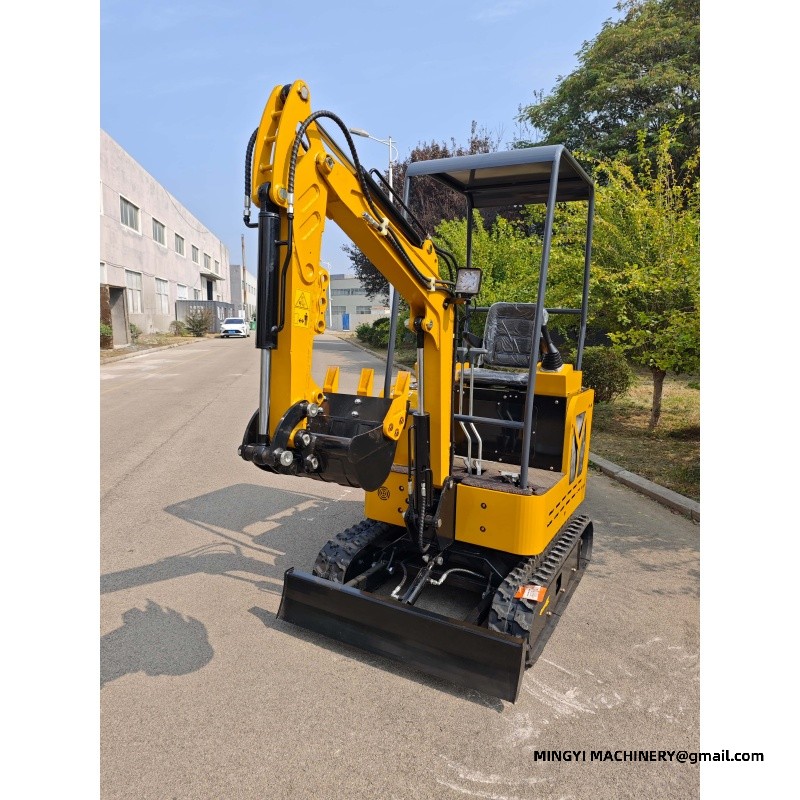
Within the band the main choices are the undercarriage and the cab form. Rubber tracks suit finished surfaces and soft ground; steel tracks with rubber blocks hold up better on abrasive or stony sites.
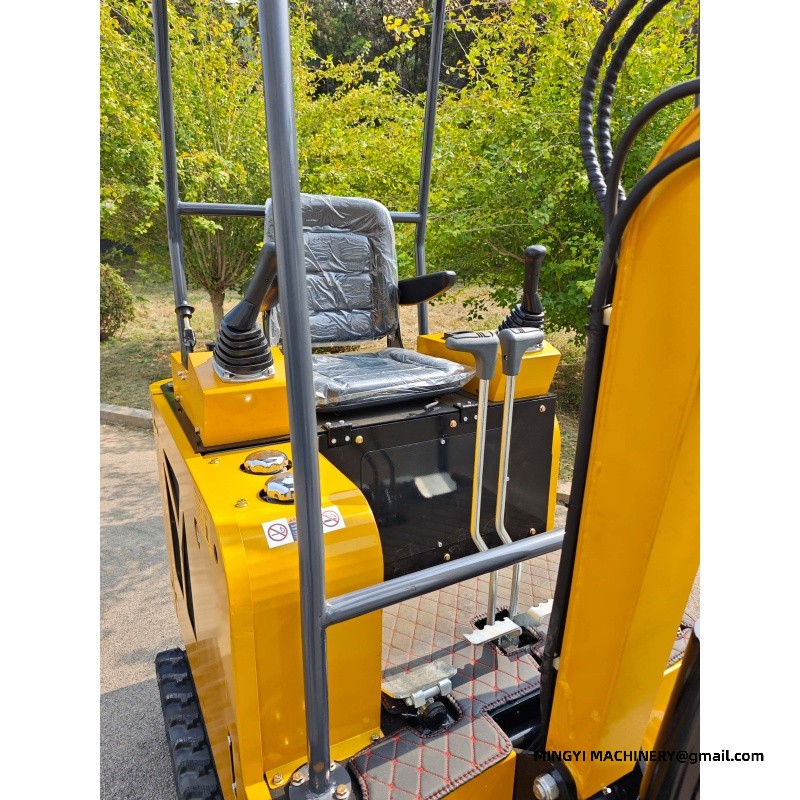
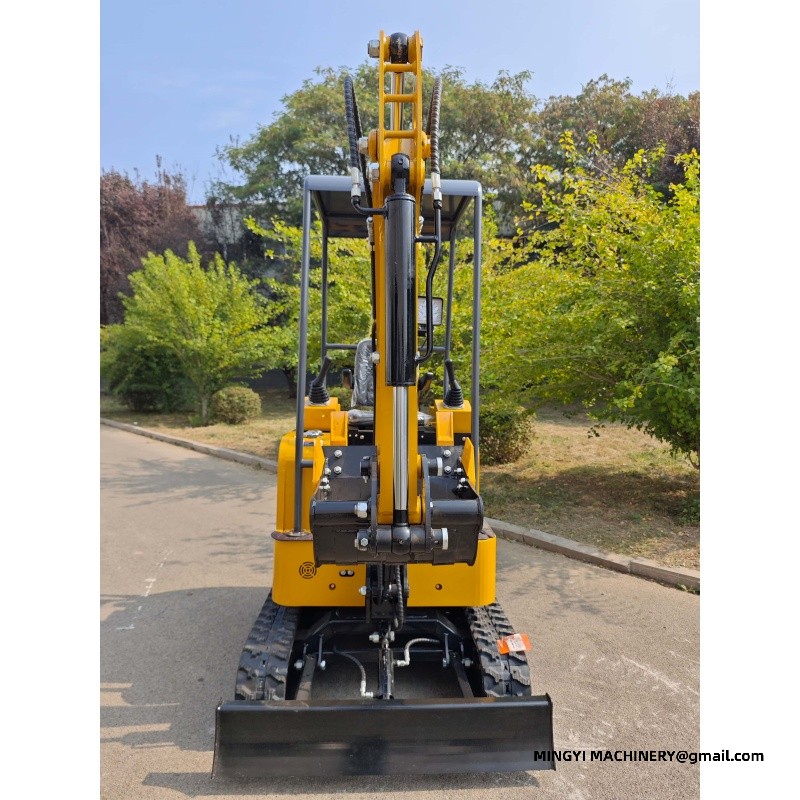
A canopy machine is lighter and lower for transport and tight access, while an enclosed cab keeps the operator comfortable through long shifts in poor weather. Neither changes the digging performance, and both are settled when the machine is ordered.
The 1 to 3.5 tonnes class is popular because it fits so many sites rather than because it excels at one. A buyer who knows the access, the ground and the daily duties can usually settle on this band and then refine the details.
Canopy or enclosed cab on a mini excavator canopy or cab options A canopy keeps the machine light and the operator aware of the surroundings, which suits short jobs in warm weather. A fully enclosed cab is specified where rain, dust or cold are part of the working year, and it can be added to the excavator as a retrofit rather than only at build time. Enclosure also changes noise and dust exposure. A sealed cab on this class of machine keeps dust out on dry sites and lets the machine work through weather that would otherwise stop a canopy machine for the day. Municipal and public works with mini excavator canopy or cab options Drainage repair, tree planting, footway reconstruction and cemetery work are all within the range of the unit in daily use. The jobs are small individually and continuous across the year. Noise and surface protection matter on public work. A machine of this size on rubber tracks across paving, with a sealed cab for the operator, suits the conditions better than a larger tracked machine. Export packing and shipping of mini excavator canopy or cab options Export documentation, decals and paint are settled before packing. Asking for them with the machine itself order avoids a second handling session and keeps the machine on the booked vessel. Buyers who import regularly plan the spare parts with the machine. The equipment on site ordered with a wearing-parts kit arrives ready to work rather than ready to wait for the first service interval. Boom configuration for mini excavator canopy or cab options Extended and offset boom configurations change reach and working range. The model in question with a longer arm reaches further but lifts less at full extension, so the specification is set against the deepest and furthest point on the job list. Detachable boom sections are used where transport length matters. The machine in that duty that has to travel on a standard trailer can be built so the arm comes off for the road and goes back on at the site. Hiring versus owning a mini excavator canopy or cab options The choice follows the hours. Work that fills a few weeks a year is usually better hired, while the unit on the job that would be on site most weeks starts to justify ownership once the transport and booking time is counted. Ownership brings obligations that hiring does not. Storage, servicing, insurance and an operator are the items to set against the hire rate before deciding which way a machine built for the work should be supplied. Getting mini excavator canopy or cab options through a narrow gap The first question on most job lists is whether the machine can reach the work at all. The equipment in service is chosen against the narrowest point on the route - a garden gate, a doorway, a gap between two walls - because a machine that arrives and then cannot pass loses a day, not an hour. Contractors who buy the excavator normally have one job in mind that nothing else reaches. The purchase order follows the access measurement, not the other way round, and the build sheet is then settled around it. What owners should plan for beyond the class of machine The useful comparison is demand per working hour, not demand per machine. The unit in daily use that works more hours a year spreads its standing takes over more output, which is why utilisation usually matters more than the invoice figure. Downtime is the hidden line item. A machine of this size waiting on a part earns nothing while it stands, so parts availability and service access belong in the plan as much as fuel does. Noise, dust and working near occupied buildings Work near housing or occupied premises brings constraints that open sites do not. Start times, exhaust condition and how often the equipment on site needs to reverse are the practical limits that neighbours notice. Dust control is often part of the same conversation. Water, timing and work sequence reduce what leaves the site, and agreeing them in advance keeps the machine itself working rather than stopped after a complaint. Working on slopes and uneven ground with the model in question Slope work is a stability question before it is a traction question. Knowing the gradient the machine in that duty is rated for, and working across rather than straight up where the ground allows, removes most of the risk. Ground that looks level often is not. The unit on the job crossing a filled trench, a soft edge or a hidden void behaves differently from one on undisturbed ground, and those are the places worth walking before driving. Hydraulic circuits on a machine built for the work Auxiliary hydraulic lines are what let a machine drive a tool rather than only a bucket. The equipment in service specified with the right circuits and flow runs a breaker or an auger without an add-on power pack bolted to the frame. Hydraulic specification is easier to settle at build time than to correct later. The excavator delivered without auxiliary lines can still dig, but every additional tool becomes a retrofit project. Working this class of machine through the seasons Seasonal planning smooths the workload. Machines that are busy for a few months and idle for the rest benefit from a service slot in the quiet period, and the unit in daily use prepared in the off-season starts the busy months reliably. Heat and dust are as limiting as rain. Air intake condition and cooling cleanliness decide how a machine of this size behaves in a dry season, and both are checked in a minute rather than repaired later. OEM and fleet customisation of the equipment on site Customisation also covers the specification sheet. A fleet buyer may want every machine itself delivered with the same coupler, the same engine and the same tool kit so training and parts stock stay simple. Specification data for the model in question Buyers comparing the machine in that duty usually start from four numbers - weight, digging depth, reach and transport width - because those are the ones that decide whether the machine can be delivered and whether it can do the job once it is there. These are the reference figures for the unit on the job. MINGYI confirms the final build sheet, including engine and attachment choices, against the destination and the job list before production. Distributors and rental fleets usually need the machine to look like theirs. Paint, decals, seat colour and attachment branding can be specified on a machine built for the work at build time rather than applied after import. Documentation can be prepared to suit the importer. Manuals, parts books and decal sets for the equipment in service can be supplied with the buyer's own branding where the order size justifies it.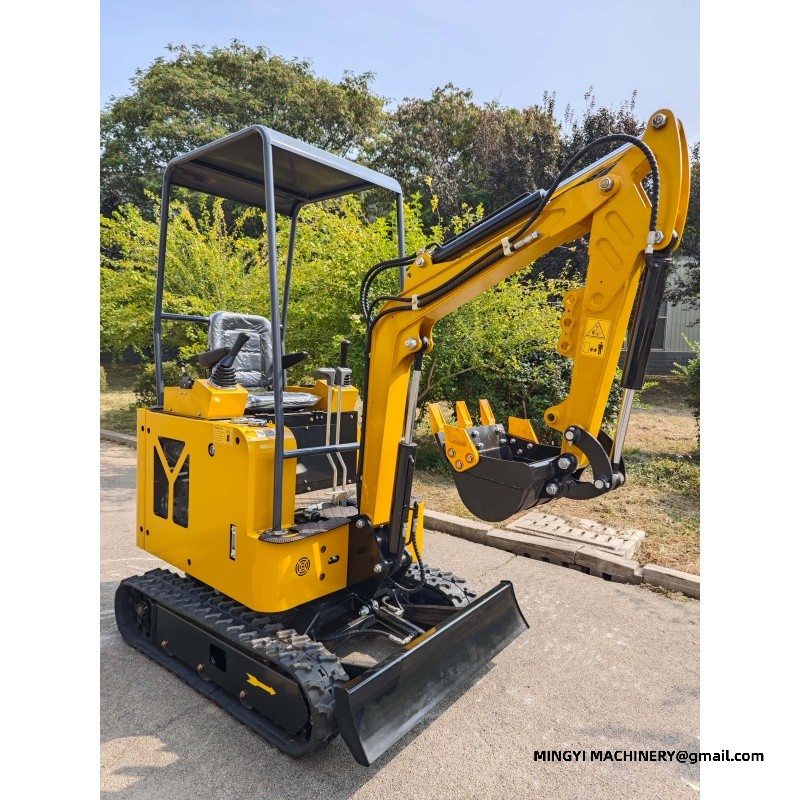
Reference specification — mini excavator range 15W 20-1WL 20-3W 30-2L Operating weight 1400 kg (3086.47 lb) 1900 kg (4188.78 lb) 1900 kg (4188.78 lb) 2400 kg (5291 lb) Transport size (L×W×H) 2200 × 930 × 2250 mm 2550 × 1100 × 2200 mm 2550 × 1100 × 2200 mm 2800 × 1500 × 2500 mm Max digging depth 1630 mm (64.17 in) 1800 mm (70.87 in) 1800 mm (70.87 in) 2200 mm (86.61 in) Max digging height 2750 mm (108.27 in) 2820 mm (111.02 in) 2820 mm (111.02 in) 2900 mm (114.17 in) Max dumping height 1960 mm (77.17 in) 2050 mm (80.71 in) 2050 mm (80.71 in) 2100 mm (82.68 in) Max digging radius 2900 mm (114.17 in) 3050 mm (120.08 in) 3050 mm (120.08 in) 3330 mm (131.1 in) Max digging distance 2100 mm (82.68 in) 2300 mm (90.55 in) 2300 mm (90.55 in) 2700 mm (106.3 in) Minimum turning radius 1300 mm (51.18 in) 1450 mm (57.09 in) 1450 mm (57.09 in) 1555 mm (61.22 in) Travel speed 3 km/h (1.86 mph) 5 km/h (3.11 mph) 5 km/h (3.11 mph) 7 km/h (4.35 mph) Gradeability 30° 30° 30° 30° Fuel consumption 1-1.3 L/h (0.264—0.343 gal) 2-3 L/h (0.528—0.793 gal) 2-3 L/h (0.528—0.793 gal) 2-3 L/h (0.528—0.793 gal) Fuel tank capacity 10 L (2.64 gal) 16 L (4.23 gal) 16 L (4.23 gal) 16 L (4.23 gal) Hydraulic oil tank 16 L (4.23 gal) 18 L (4.76 gal) 18 L (4.76 gal) 18 L (4.76 gal) Dozer blade lift height 180 mm (7.09 in) 180 mm (7.09 in) 180 mm (7.09 in) 230 mm (9.06 in) Dozer blade drop depth 210 mm (8.27 in) 210 mm (8.27 in) 210 mm (8.27 in) 280 mm (11.02 in)
Q. What does the excavator involve?
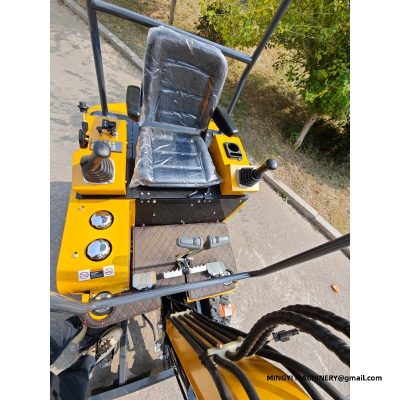
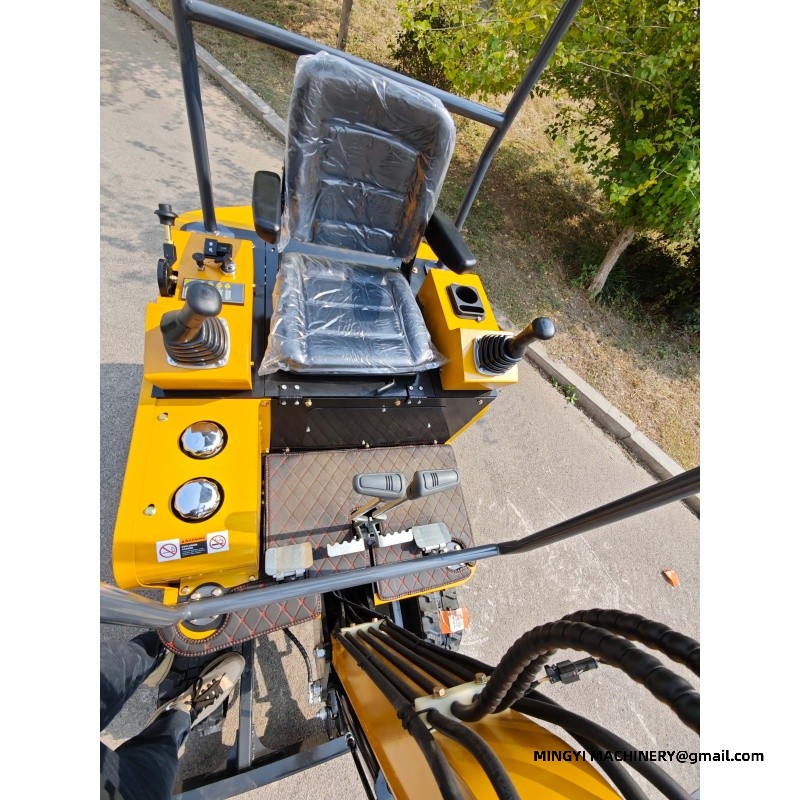
A. Cab or canopy is a specification decision tied to headroom, weather and operator retention - not a comfort afterthought. Suspension seats and sensible control layout decide how the operator feels at hour eight, which decides how the work looks. For canopy cab applications the practical route is to send the job list to the factory and let the build sheet answer it - which is exactly what this page invites.
Q. Canopy or cab - how do I choose?
A. Headroom and climate decide: the canopy keeps the machine light and low for indoor and warm-climate work, the cab adds glass, heat and air for year-round shifts. Both run the same hydraulics, so nothing is lost either way.
Q. What support follows the sale?
A. Spare-part kits, wear items and service documentation ship with the programme, and the parts team works from the serial plate to match components exactly. Warranty and support terms for the canopy cab order are confirmed in writing before the machine leaves.
Reading the early symptoms on this class of machine
Machines rarely fail without warning. A change in sound, a slower function or a new leak on the unit in daily use is the machine saying something early, and listening then takes a fraction of the time that waiting does.
Commissioning a machine of this size on site
The machine should be introduced to the site as well as the operator. Walking the route the equipment on site will take, noting the soft spots and the turns, prevents the kind of first-day incident that has nothing to do with the machine.
E-mail : sales@mingycn.com
LINE ( ID ): mingyicn
Related pages
mini excavator for service trenching · mini excavator for pond excavation · Wheel Loader Snow Pusher: Frame Loads and Cold-Weather Starting · Mini Excavators









