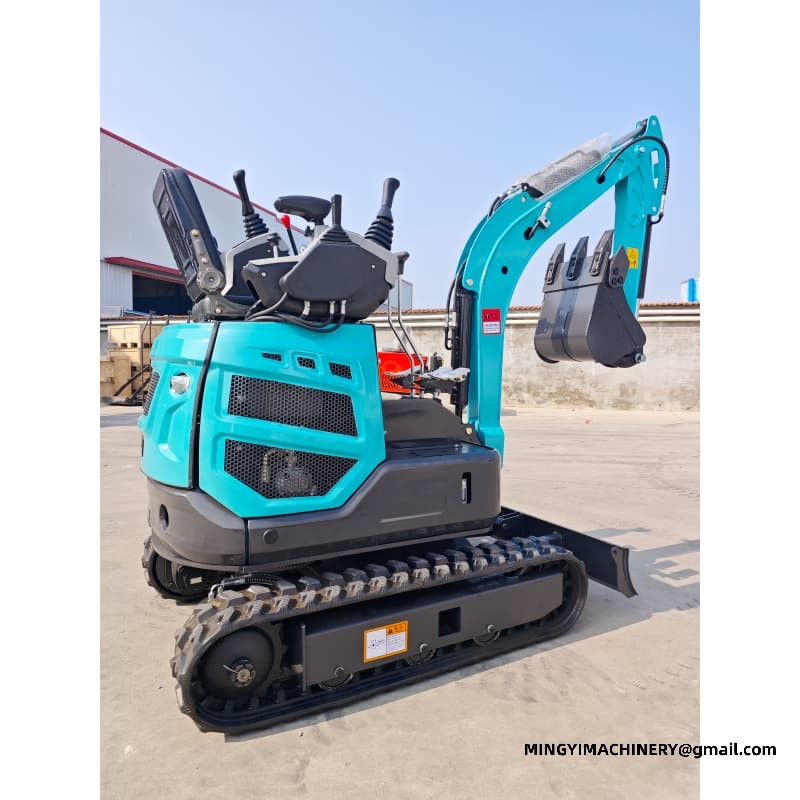
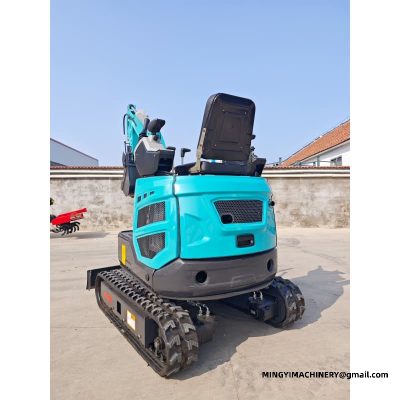
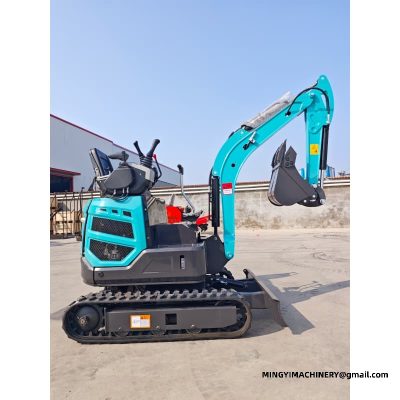
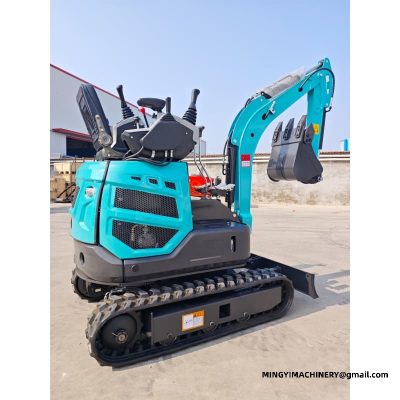
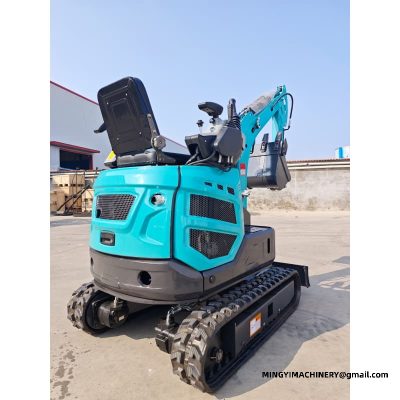
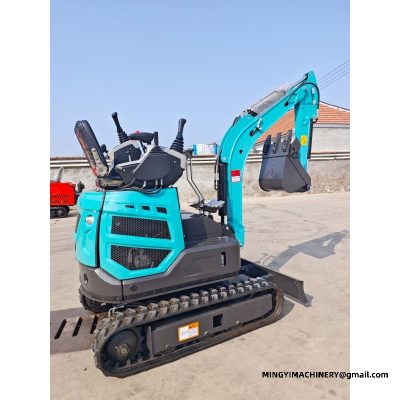
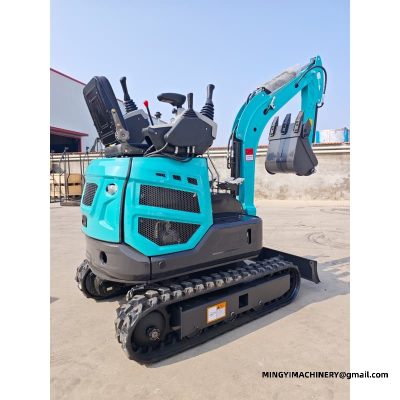
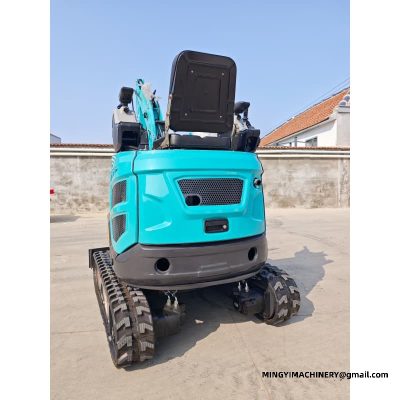
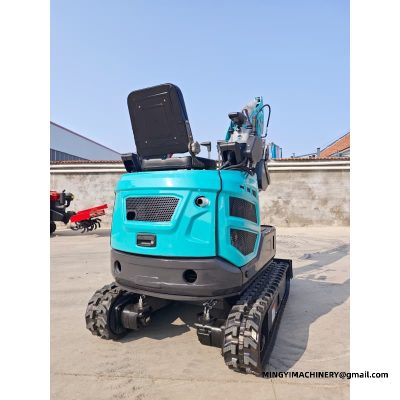
MINGYI mini excavators are for sale directly from the works, built to order across the 0.8 to 6 tonne class for buyers in construction, agriculture, landscaping and maintenance trades. Each machine is produced against the specification agreed at ordering, from engine option to track type.
Buying from the manufacturer puts the specification conversation in the right place: the buyer states the work, and the machine is configured for it before production begins. This page outlines the range and how an order proceeds.
The machines on offer
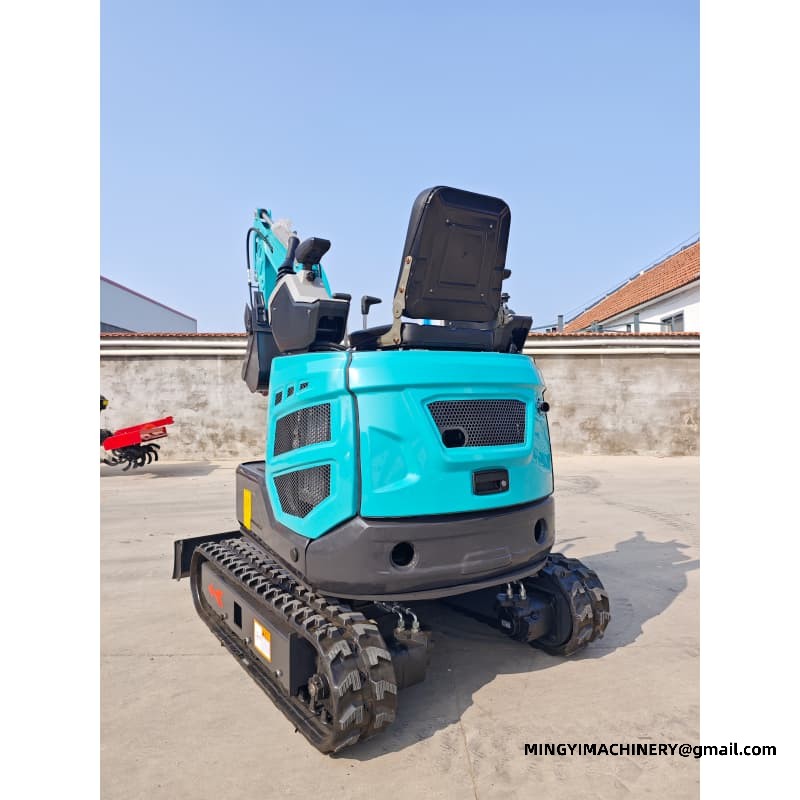
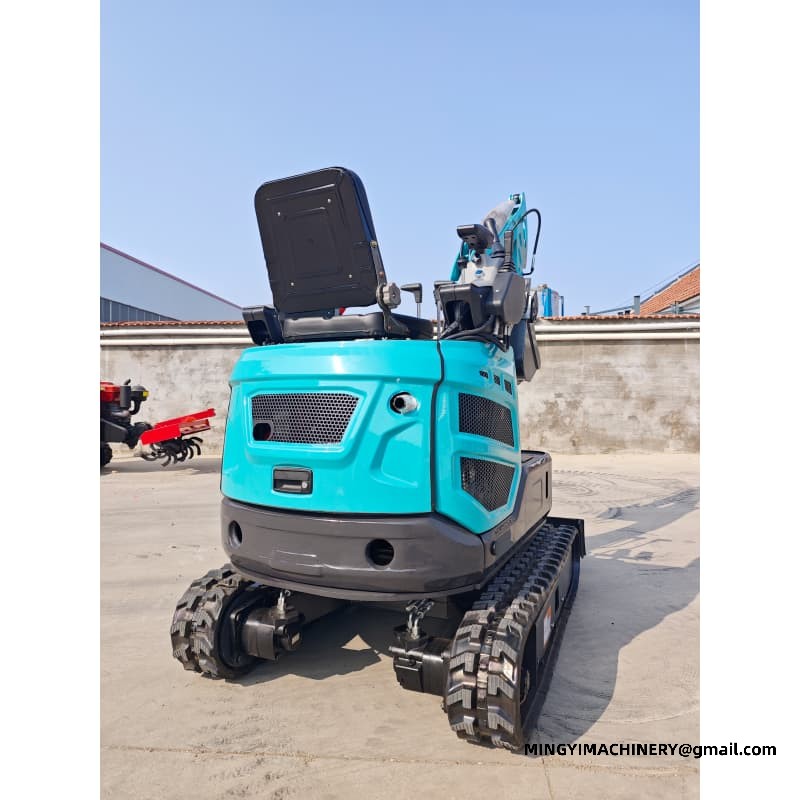
The range runs from ultra compact machines that pass through side gates to heavier units in the 1 to 3.5 tonne class carrying breakers and augers on daily duty. Cab formats span open canopies to enclosed cabins with air conditioning.
Engine options include Kubota D722 and D902 units, YANMAR, Changchai, Laidong and Runtong, agreed against the buyer's support arrangements and destination market. Attachments from buckets to mowers can be ordered with the machine through a quick coupler.
How a purchase proceeds
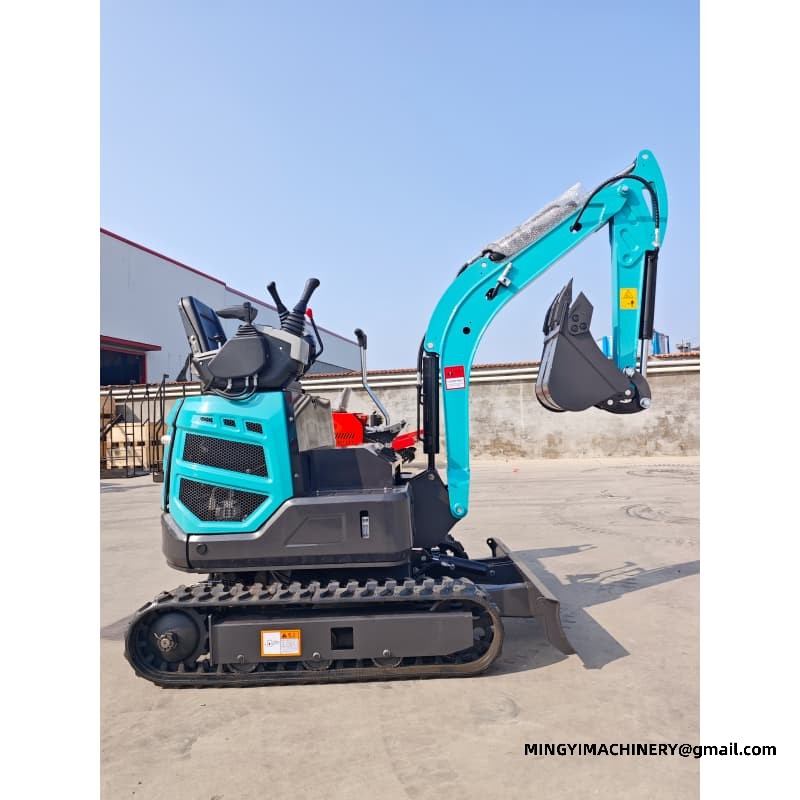
An order begins with the duty statement: the sites, the attachments and the surfaces involved. From that statement the sales engineer fixes the machine class and its configuration, and the specification is recorded against the build.
Each machine ships with spare parts and service information matched to what was fitted, and the build record supports repeat orders for buyers adding units over time. Delivery is scheduled against the agreed plan, since nothing is sold from stock.
A mini excavator for sale from its manufacturer is a specification, not a listing. Bring the work description, and the machine that arrives will be built for it.
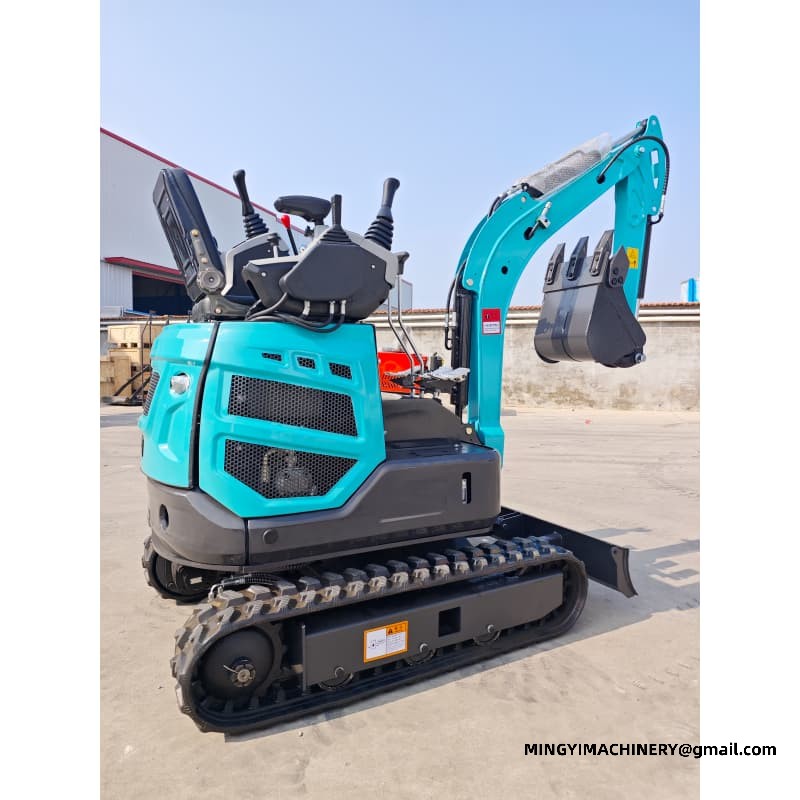
OEM and fleet customisation of mini excavator from the manufacturer Customisation also covers the specification sheet. A fleet buyer may want every this class of machine delivered with the same coupler, the same engine and the same tool kit so training and parts stock stay simple. Documentation can be prepared to suit the importer. Manuals, parts books and decal sets for the excavator can be supplied with the buyer's own branding where the order size justifies it. Hydraulic circuits on a mini excavator from the manufacturer Flow and pressure are matched to the tool, not to the machine size. Asking for the attachment list first means the unit in daily use leaves the factory with circuits that suit the heaviest tool the buyer intends to run. Hydraulic specification is easier to settle at build time than to correct later. A machine of this size delivered without auxiliary lines can still dig, but every additional tool becomes a retrofit project. Orchard, vineyard and farm use of mini excavator from the manufacturer Ditching, fertilising and drainage on farmland suit the equipment on site because the work is spread over a large area in short bursts. The machine travels behind a pickup and works where it stops. Farms also use the machine itself for general maintenance - clearing a watercourse, repairing a track, loading a spreader. One carrier with a few attachments covers most of the jobs that would otherwise wait for a contractor. Canopy or enclosed cab on a mini excavator from the manufacturer The cab decision follows the climate and the hours. Operators working a full shift in the model in question benefit from a sealed cab with wipers and heating; operators stepping on and off every few minutes usually prefer the canopy for the visibility and the quick exit. Enclosure also changes noise and dust exposure. A sealed cab on the machine in that duty keeps dust out on dry sites and lets the machine work through weather that would otherwise stop a canopy machine for the day. Quick coupler practice on mini excavator from the manufacturer Couplers are specified early because they affect the arm and the hydraulic kit. Adding one to the unit on the job after delivery means new pins, new hoses and a fitment session; adding it at build time is a line on the sheet. For a fleet that shares attachments between machines, a common coupler standard matters more than the coupler brand. A machine built for the work that picks up the same tools as the larger machines keeps the rack usable across the yard. Getting mini excavator from the manufacturer through a narrow gap Access decides the machine before output does. With the equipment in service the limiting dimension is usually the widest point on the way in, so measuring the gate, the corridor and the turning space first saves a wasted delivery and a second visit. Contractors who buy the excavator normally have one job in mind that nothing else reaches. The purchase order follows the access measurement, not the other way round, and the build sheet is then settled around it. Lifting and material handling with this class of machine Lifting with a machine built to dig needs a plan. The load, the radius and the ground under the machine of this size all matter, and the safe figure is the one on the chart rather than the one that looks possible. Ground condition under the machine is part of every lift. Soft or uneven support is the common factor in handling incidents, and checking it takes less time than recovering the unit in daily use that has settled. Interior and light demolition with the equipment on site Interior demolition is an access and a weight question. The machine itself that fits through a doorway and works on a suspended floor does jobs that would otherwise be done by hand or by a larger machine that cannot enter. Dust, debris clearance and floor loading all argue for a compact machine indoors. The model in question spreads its weight over a wider track footprint than a wheeled machine of similar capacity. Daily checks and maintenance on the machine in that duty Daily maintenance on the unit on the job is a short list: engine oil level, coolant, track tension, hydraulic oil level and a look at the hoses. Ten minutes at the start of the shift prevents most of the failures that stop a machine. Track tension is the item most often neglected. A machine built for the work run with slack tracks wears the undercarriage and can throw a track on a turn; run too tight, the same components wear from the other direction. Attachments that turn the equipment in service into several machines Attachment lists are best written before delivery. Specifying the excavator with the tools the job list needs avoids the work and delay of adding hydraulics later, and a quick coupler makes the swap a few minutes instead of a workshop job. Most of the daily variety on this class of machine comes from the attachment rack rather than from the machine itself. Bucket, breaker, auger, ripper, rake and grab cover the large majority of the work a contractor will see. Working the unit in daily use through the seasons Weather decides which days are productive. Rain turns some ground unusable and cold changes how a machine of this size starts and warms up, so planning the wet months around maintenance is more useful than planning around output. Seasonal planning smooths the workload. Machines that are busy for a few months and idle for the rest benefit from a service slot in the quiet period, and the equipment on site prepared in the off-season starts the busy months reliably. Trailering and moving the machine itself Transport weight and width decide whether a machine needs a specialist haulier. The model in question sized to travel on a standard plant trailer behind a suitable vehicle moves with the crew rather than on a scheduled low loader. Detachable components reduce transport length. The machine in that duty built with a removable arm section or a folding step fits a shorter trailer and may avoid an oversize movement permit. Specification data for the unit on the job Buyers comparing a machine built for the work usually start from four numbers - weight, digging depth, reach and transport width - because those are the ones that decide whether the machine can be delivered and whether it can do the job once it is there. These are the reference figures for the equipment in service. MINGYI confirms the final build sheet, including engine and attachment choices, against the destination and the job list before production. Municipal crews work on streets, footpaths and parks where the public is present. The excavator is specified because it occupies little space, works inside a small exclusion zone and can be moved on a standard trailer. Drainage repair, tree planting, footway reconstruction and cemetery work are all within the range of this class of machine. The jobs are small individually and continuous across the year.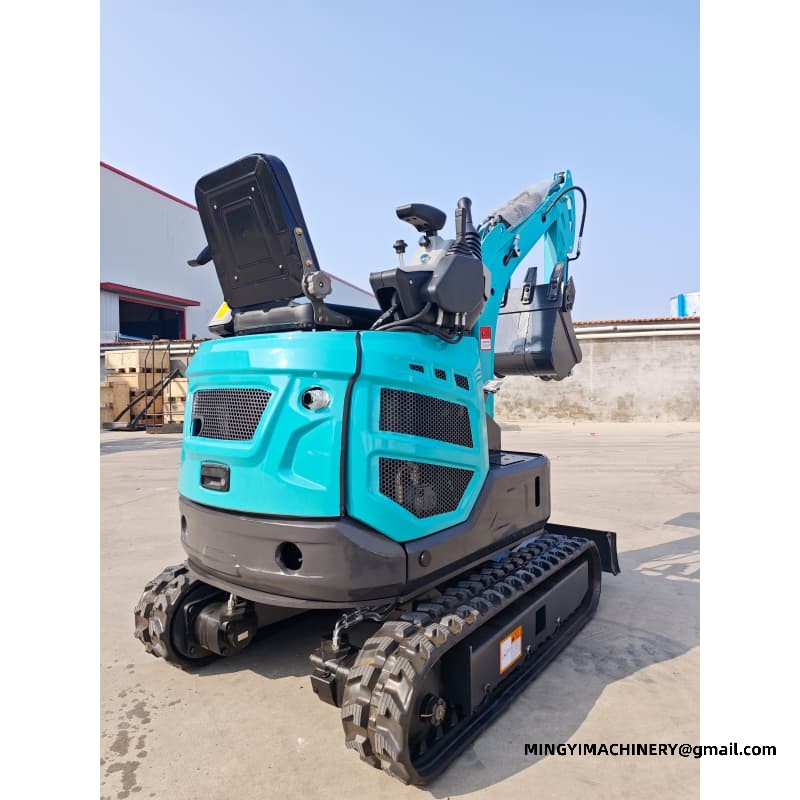
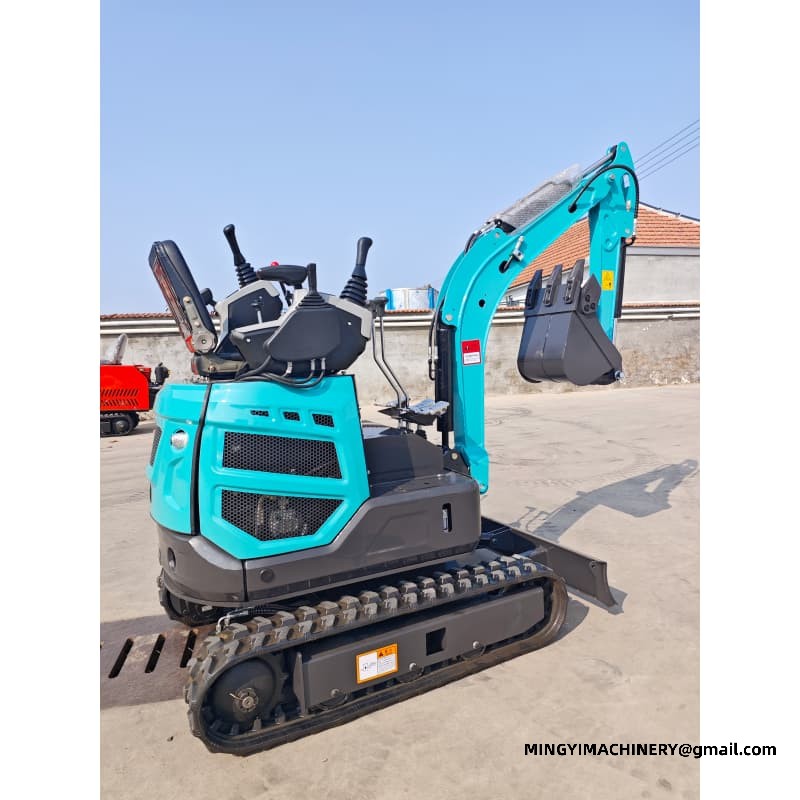
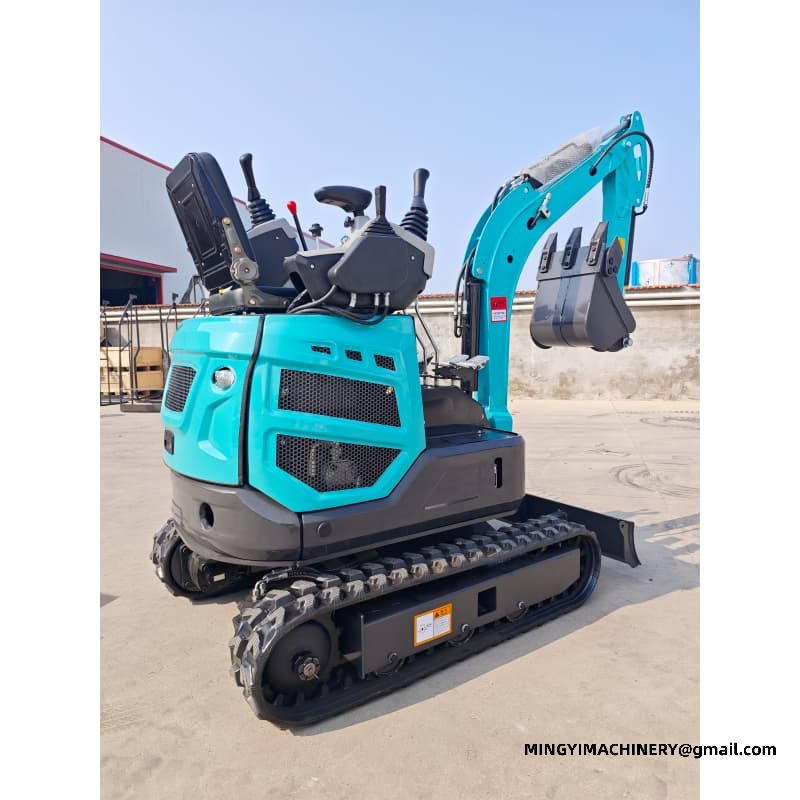
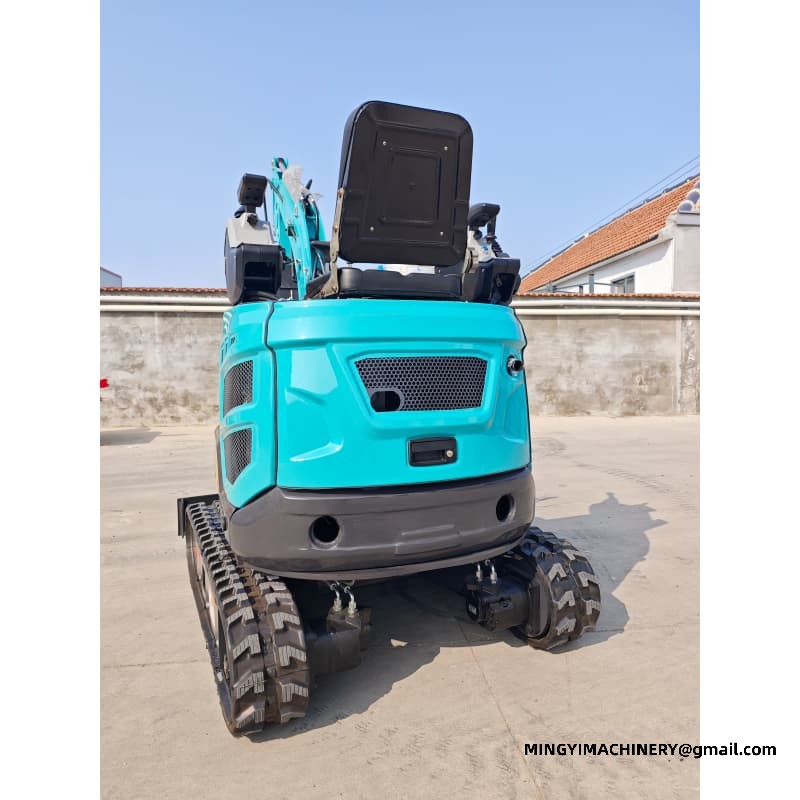
Reference specification — mini excavator range 20-1W 20-3W 15L 20-2L Operating weight 1800 kg (3968.32 lb) 1900 kg (4188.78 lb) 1400 kg (3086.47 lb) 1900 kg (4188.78 lb) Transport size (L×W×H) 2550 × 1100 × 2200 mm 2550 × 1100 × 2200 mm 2200 × 930 × 2250 mm 2600 × 1300 × 2344 mm Max digging depth 1800 mm (70.87 in) 1800 mm (70.87 in) 1700 mm (66.93 in) 2100 mm (82.68 in) Max digging height 2820 mm (111.02 in) 2820 mm (111.02 in) 2750 mm (108.27 in) 2880 mm (113.39 in) Max dumping height 2050 mm (80.71 in) 2050 mm (80.71 in) 1960 mm (77.17 in) 2100 mm (82.68 in) Max digging radius 3050 mm (120.08 in) 3050 mm (120.08 in) 2900 mm (114.17 in) 3215 mm (126.57 in) Max digging distance 2300 mm (90.55 in) 2300 mm (90.55 in) 2300 mm (90.55 in) 2460 mm (96.85 in) Minimum turning radius 1450 mm (57.09 in) 1450 mm (57.09 in) 1450 mm (57.09 in) 1587 mm (62.48 in) Travel speed 5 km/h (3.11 mph) 5 km/h (3.11 mph) 3 km/h (1.86 mph) 5 km/h (3.11 mph) Gradeability 30° 30° 30° 30° Fuel consumption 2-3 L/h (0.528—0.793 gal) 2-3 L/h (0.528—0.793 gal) 1-1.3 L/h (0.264—0.343 gal) 2-3 L/h (0.528—0.793 gal) Fuel tank capacity 16 L (4.23 gal) 16 L (4.23 gal) 10 L (2.64 gal) 16 L (4.23 gal) Hydraulic oil tank 18 L (4.76 gal) 18 L (4.76 gal) 16 L (4.23 gal) 18 L (4.76 gal) Dozer blade lift height 180 mm (7.09 in) 180 mm (7.09 in) 180 mm (7.09 in) 180 mm (7.09 in) Dozer blade drop depth 210 mm (8.27 in) 210 mm (8.27 in) 210 mm (8.27 in) 210 mm (8.27 in)
Q. What is the unit in daily use?
A. Export supply is a programme, not a transaction: build specification, packing, documents and parts support have to line up before the machine sails. Mixed-model orders and staged deliveries are routine for dealer and importer programmes, with documents and inspection arranged with the order. Read a machine of this size together with the engine, track and attachment pages: jobs around general site are decided by how those choices line up, not by any single number on the sheet.
Q. Can I order machines built to my own specification?
A. Yes - OEM and ODM options cover colour, decals, engine choice, cab layout and attachment packages, with the build sheet confirmed before production. Mixed-model orders and staged deliveries are routine for dealer programmes.
Q. How do I get a specification?
A. Send the model, the destination and the attachment list by email or LINE - the channels listed just below this section. The reply covers the specification, lead time, packing and freight in one document, with the general site build sheet attached.
Commissioning the equipment on site on site
The machine should be introduced to the site as well as the operator. Walking the route the machine itself will take, noting the soft spots and the turns, prevents the kind of first-day incident that has nothing to do with the machine.
Cold weather and winter care for the model in question
A cold start is easier when the machine is prepared the night before. The routine that keeps the machine in that duty working through winter is mostly a matter of fuel, battery and patience in the first ten minutes of the day.
E-mail : sales@mingycn.com
LINE ( ID ): mingyicn
Related pages
small digger machine · mini garden excavator · Small Wheel Loader: Where the Compact Builds Earn Their Keep · Mini Excavators









