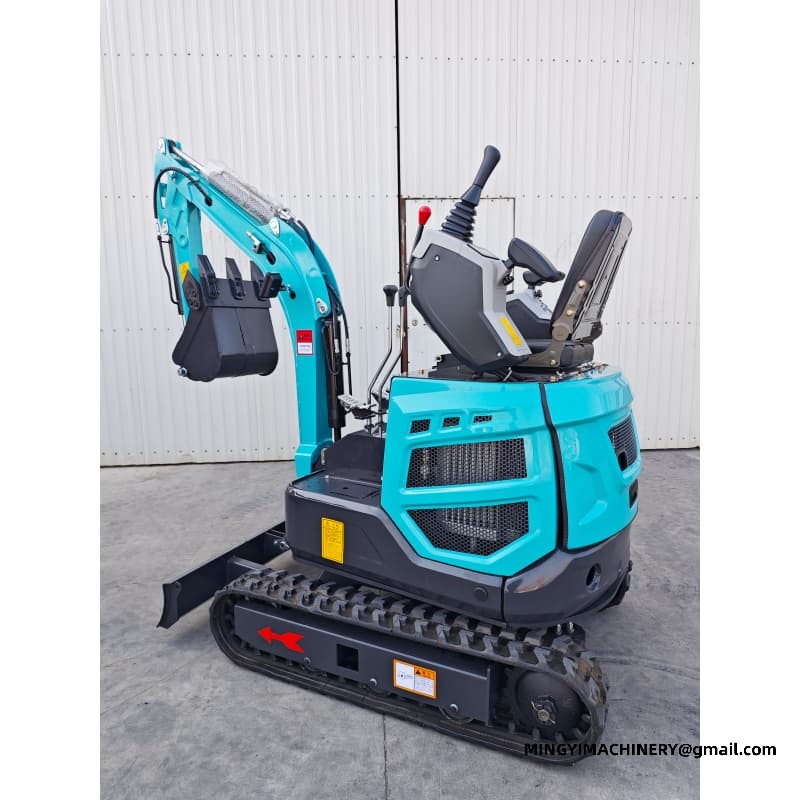
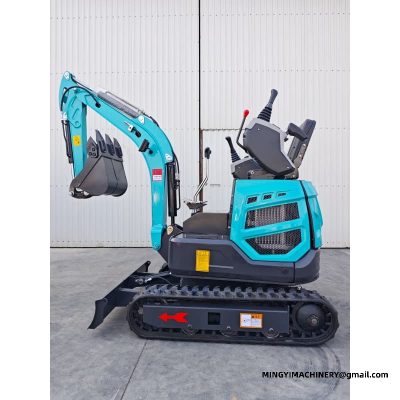
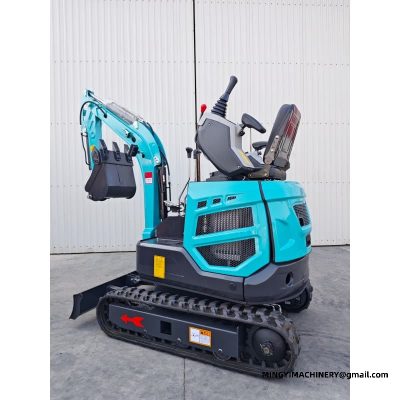
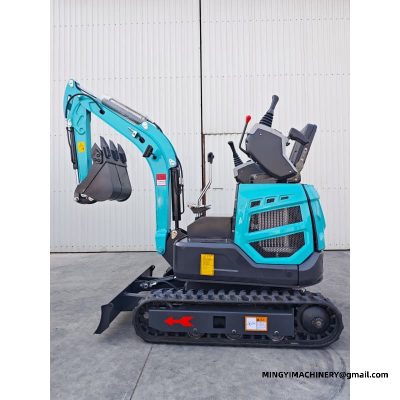
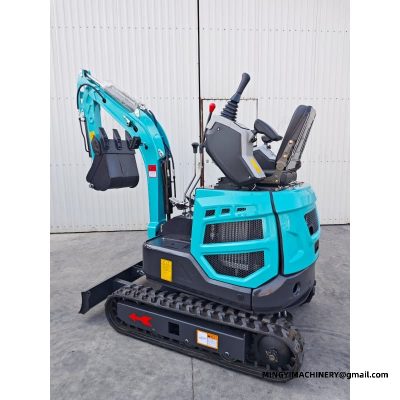
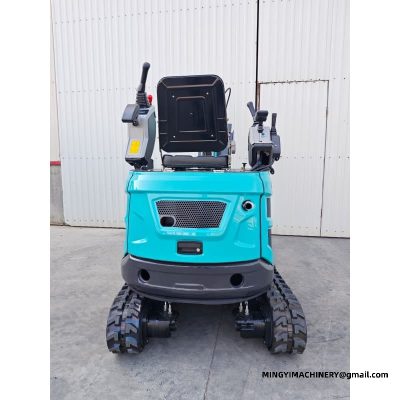
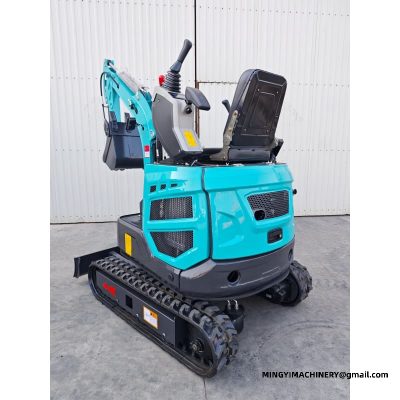
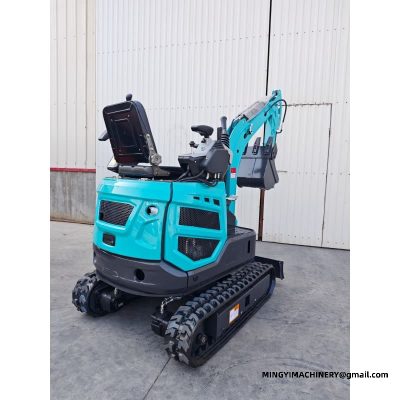
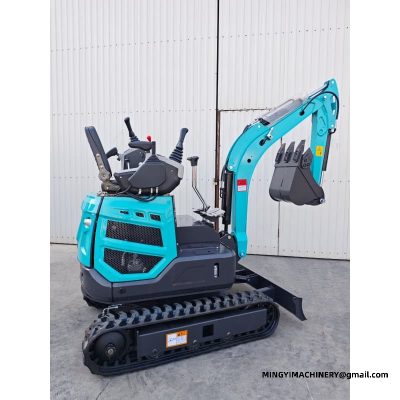
A garden is not a building site, and the machine used on it has to be chosen with that difference in mind. The excavator is bought for narrow access, light weight and the ability to cross finished ground without leaving ruts or marks.
MINGYI builds compact crawler machines with rubber tracks, which spread the load and allow the unit to travel across a lawn, a driveway or a paved path. The narrow undercarriage keeps it usable through a standard garden gate.
Garden tasks suited to a compact excavator
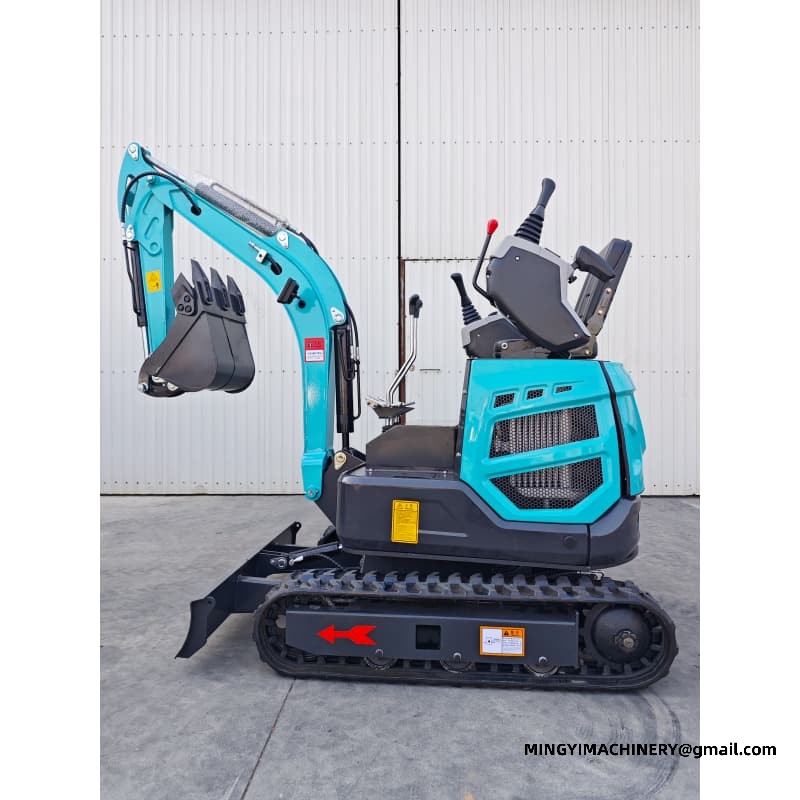
The work found in a garden is varied but never large: a pond, a patio base, a soakaway, a short drainage run, or the footings for a shed or an extension. Each task is small enough that a compact machine can complete it in a single visit.
Because the ground around the work is usually already planted or surfaced, the machine has to place its spoil carefully. Working from one side and stockpiling on boards keeps the surrounding beds intact while the excavation is open.
Choosing a garden machine and its attachments
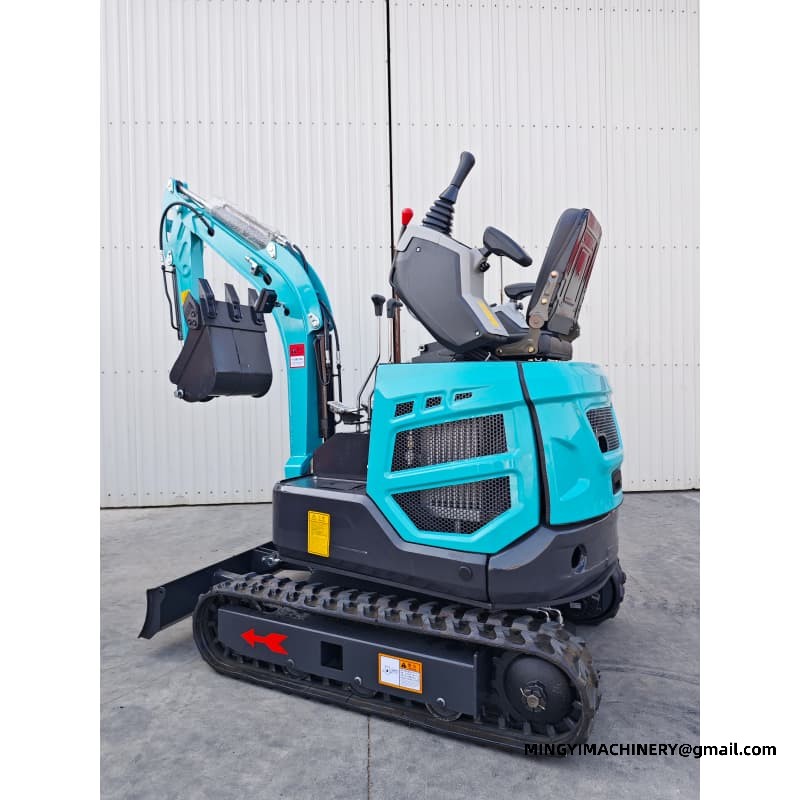
The significant choice is the machine width, since it decides which gardens can be reached. A swing boom is valuable on a garden site because it lets the bucket reach to either side of the tracks without repositioning the machine on soft ground.
Attachments are kept simple: a digging bucket, a wider bucket for bulk work and a breaker hammer for paving or concrete. An auger is a frequent addition where fencing and planting form part of the same project.
This class of machine is chosen for the access it can take and the care it shows while it works. Ordered with rubber tracks and a small attachment set, it covers domestic groundwork without disturbing the garden around it.
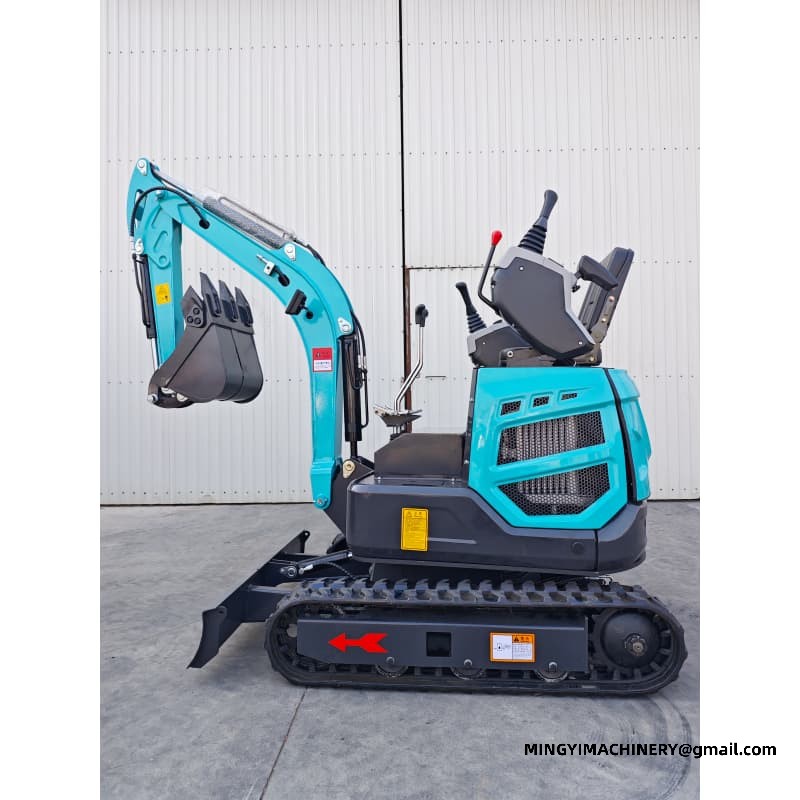
Acceptance checks when a mini garden excavator arrives Delivery day is the best time to find a problem. Checking the specification against the order, the fluid levels, the fasteners and any transport damage while the machine of this size is still on the trailer is faster than claiming later. Documentation should arrive with the machine. Parts list, service schedule and any certificates for the unit in daily use are what the workshop needs later, and they are much easier to obtain at delivery than in month six. Working a mini garden excavator in confined spaces Confined sites are decided by dimensions. Overall width, tail swing and the space needed to work the arm are what let the equipment on site operate inside a building, between walls or in a courtyard. Clearance above matters as much as around. Door heights, pipework and overhead services set the limit for the machine itself indoors, and measuring them first avoids a machine that arrives and cannot be used. Hydraulic circuits on a mini garden excavator Auxiliary hydraulic lines are what let a machine drive a tool rather than only a bucket. The model in question specified with the right circuits and flow runs a breaker or an auger without an add-on power pack bolted to the frame. Flow and pressure are matched to the tool, not to the machine size. Asking for the attachment list first means the machine in that duty leaves the factory with circuits that suit the heaviest tool the buyer intends to run. Engine options behind mini garden excavator Two buyers can order the same a machine built for the work and receive different engines. The decision is rarely about peak power; it is about which parts counter is closest to the site and which engine the local mechanic already knows. Engine choice is also an emissions and documentation question for some markets. Listing the available units with the unit on the job enquiry lets the factory confirm what can be supplied and documented for the destination country. Running mini garden excavator in a rental fleet Rental fleets buy for utilisation, not for a single job. The equipment in service with a quick coupler and a common attachment standard is hired more often because it suits more of the calls that come in. Fleet buyers also weigh transport. The excavator that a customer can tow on a normal licence and a standard trailer is a hire that does not need a delivery truck, which changes how often it goes out. Daily checks and maintenance on mini garden excavator Track tension is the item most often neglected. This class of machine run with slack tracks wears the undercarriage and can throw a track on a turn; run too tight, the same components wear from the other direction. Greasing is the second item. The slew ring, the boom and arm pins and the bucket linkage on the unit in daily use take grease daily in dusty work, and the intervals shorten further when the machine is used in water or mud. Parts, service and support for a machine of this size Support after delivery is a parts question. Wearing items for the equipment on site - filters, belts, track components, bucket teeth and pins - are the items a buyer should plan to hold before the first service interval. Remote support is handled by video. The machine itself fault can often be diagnosed on a walk-around call with the panel open, which is faster than waiting for a visit and avoids shipping a part that is not needed. Noise, dust and working near occupied buildings Work near housing or occupied premises brings constraints that open sites do not. Start times, exhaust condition and how often the model in question needs to reverse are the practical limits that neighbours notice. Enclosure and machine condition both reduce noise. The machine in that duty with intact panels, sound mounts and a maintained exhaust is measurably quieter than the same machine with loose guards, and the difference matters on restricted sites. Trailering and moving the unit on the job Loading practice matters as much as the numbers. A machine built for the work is driven up ramps under its own power with the boom lowered and the tracks aligned, and secured at the points the manufacturer specifies. Detachable components reduce transport length. The equipment in service built with a removable arm section or a folding step fits a shorter trailer and may avoid an oversize movement permit. Trenching work with the excavator Service trenches are the most common reason this class of machine is hired. Water, sewage, cable and gas runs are narrow, shallow and often close to existing services, which is exactly the work a full-size machine cannot do safely. Trench quality depends on the bucket width and the operator, not on machine size. The unit in daily use with a narrow bucket and a swing boom cuts a clean run along a boundary without disturbing the ground either side of it. Attachments that turn a machine of this size into several machines The base machine is a carrier; the tool on the end of the arm decides the task. The equipment on site fitted with a toothed bucket digs, and the same machine with a breaker, an auger or a grab does work that would otherwise need a second unit on site. Most of the daily variety on the machine itself comes from the attachment rack rather than from the machine itself. Bucket, breaker, auger, ripper, rake and grab cover the large majority of the work a contractor will see. Lifting and material handling with the model in question Stability changes with reach. A load the machine in that duty handles close in becomes a different proposition at full extension, so the working radius belongs in the plan before the lift rather than during it. Ground condition under the machine is part of every lift. Soft or uneven support is the common factor in handling incidents, and checking it takes less time than recovering the unit on the job that has settled. Matching a machine built for the work to ground conditions Soft ground is a flotation problem, not a power problem. The equipment in service on wide rubber tracks crosses lawn, sand and cultivated soil that would stop a narrower machine or a wheeled unit of the same capacity. Mixed sites are common and argue for a compromise specification. Most buyers choose rubber for the excavator and accept the wear, unless the majority of the work is on material that will damage it. Specification data for this class of machine The figures below are the factory figures for the models most often matched to the unit in daily use. They are the numbers to check against the site: the depth the work needs, the reach from one position, and the width of the narrowest point on the route in. Figures are factory figures and are confirmed on the build sheet for a machine of this size. Where a job sits between two models, the larger machine usually takes less time than the smaller one spends on rework. Interior demolition is an access and a weight question. The equipment on site that fits through a doorway and works on a suspended floor does jobs that would otherwise be done by hand or by a larger machine that cannot enter. Breaking out a floor slab, a wall footing or a concrete step is routine work for the machine itself with a breaker. The machine is small enough to work inside and heavy enough to run the tool at a practical rate.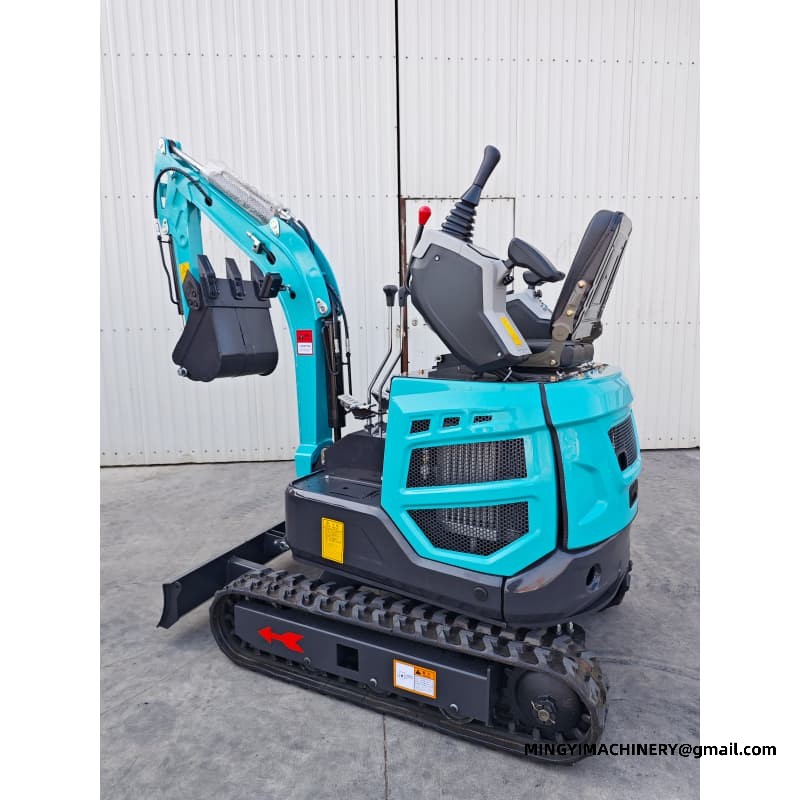
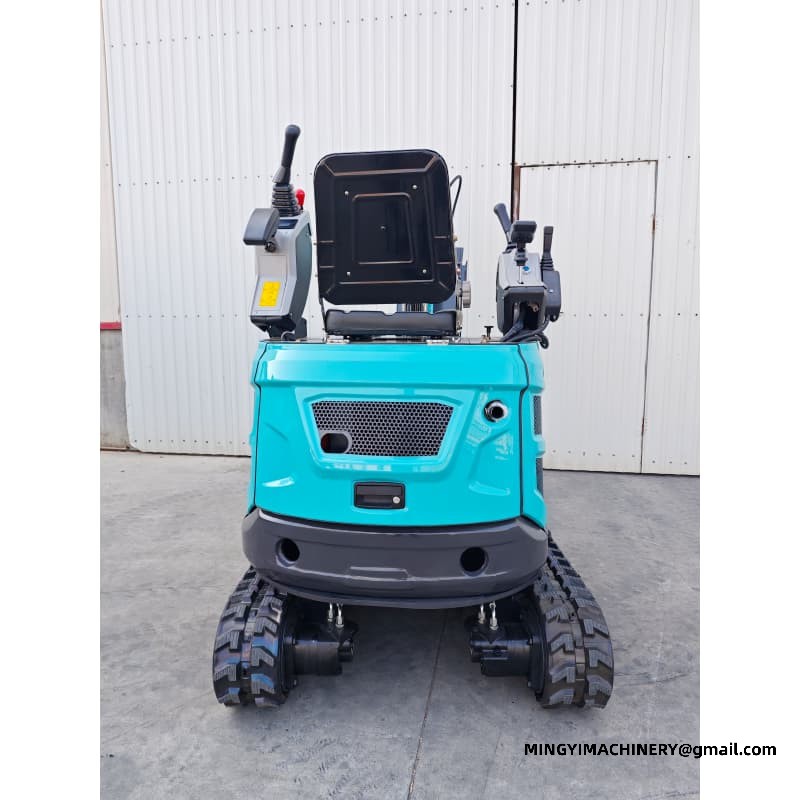
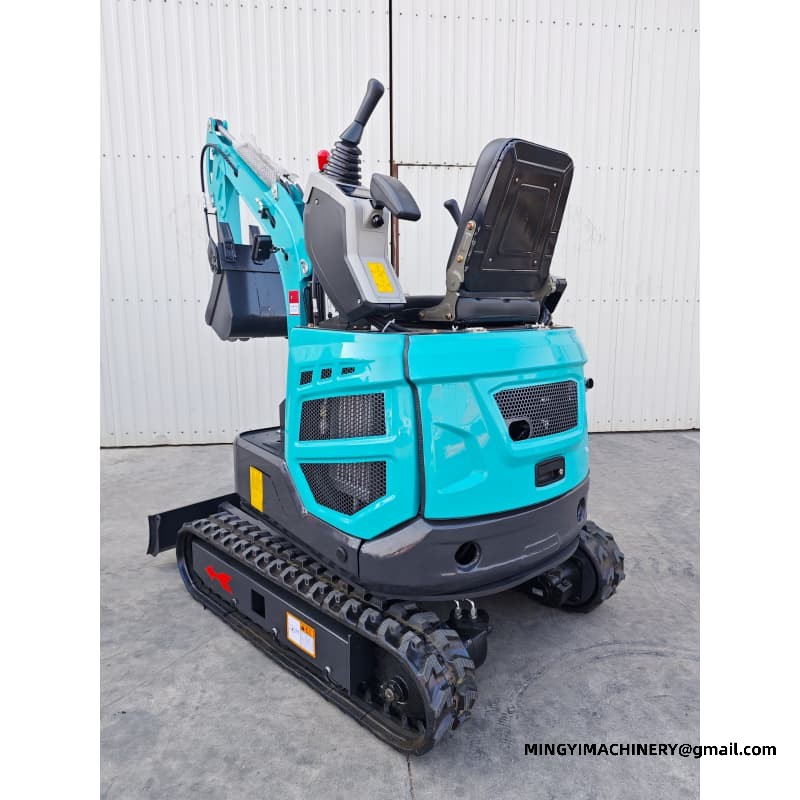
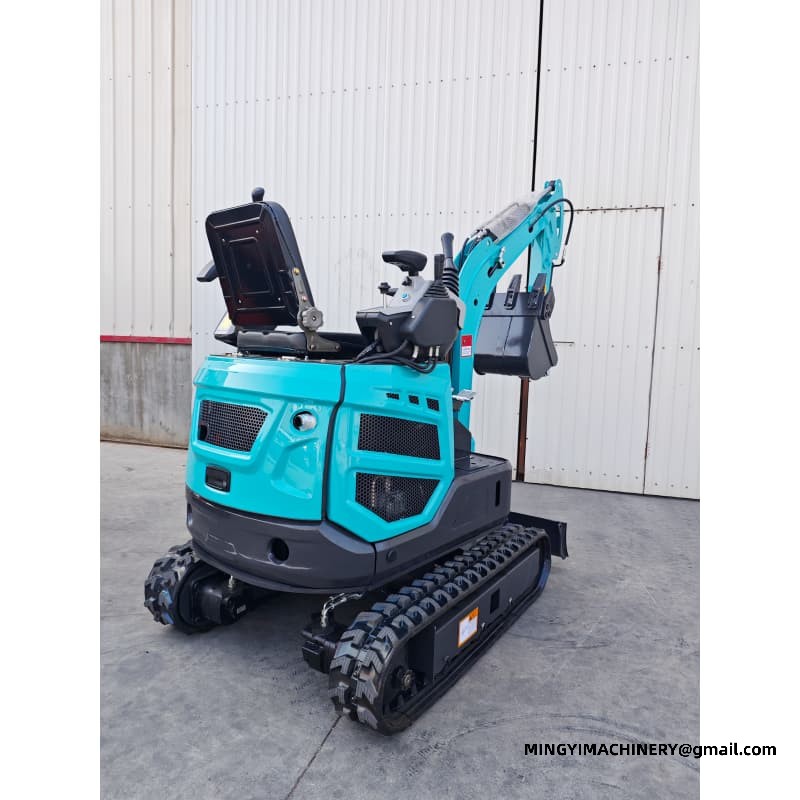
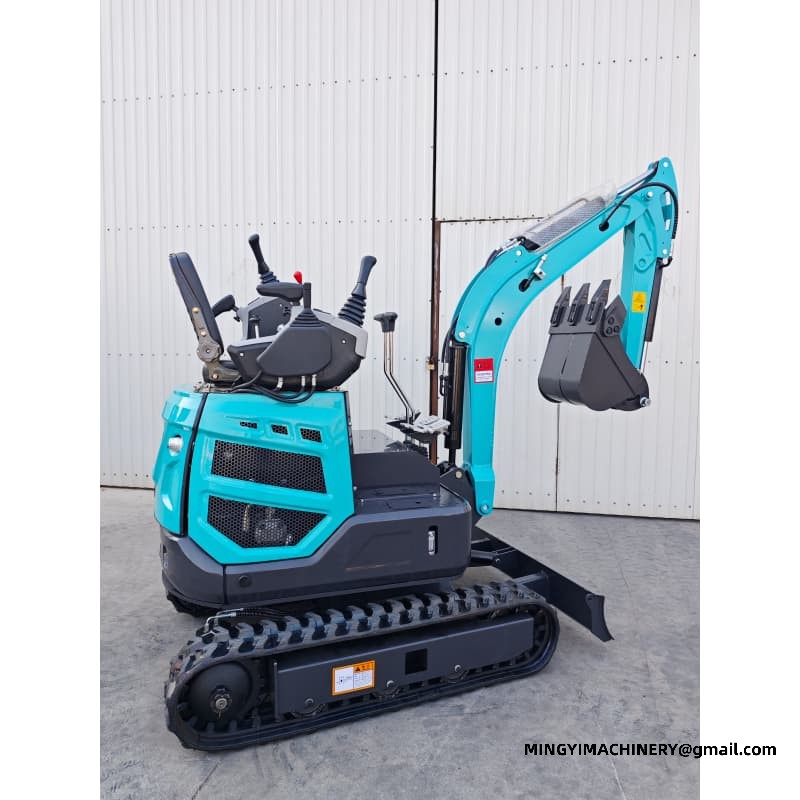
Reference specification — mini excavator range 13W 20-1WL 20-3W 30-2W Operating weight 1300 kg (2866.01 lb) 1900 kg (4188.78 lb) 1900 kg (4188.78 lb) 2700 kg (5952.48 lb) Transport size (L×W×H) 2200 × 930 × 2250 mm 2550 × 1100 × 2200 mm 2550 × 1100 × 2200 mm 3000 × 1100 × 2700 mm Max digging depth 1630 mm (64.17 in) 1800 mm (70.87 in) 1800 mm (70.87 in) 2200 mm (86.61 in) Max digging height 2750 mm (108.27 in) 2820 mm (111.02 in) 2820 mm (111.02 in) 3000 mm (118.11 in) Max dumping height 1960 mm (77.17 in) 2050 mm (80.71 in) 2050 mm (80.71 in) 2000 mm (78.74 in) Max digging radius 2900 mm (114.17 in) 3050 mm (120.08 in) 3050 mm (120.08 in) 3800 mm (149.61 in) Max digging distance 2100 mm (82.68 in) 2300 mm (90.55 in) 2300 mm (90.55 in) 3050 mm (120.08 in) Minimum turning radius 1300 mm (51.18 in) 1450 mm (57.09 in) 1450 mm (57.09 in) 1750 mm (68.9 in) Travel speed 3 km/h (1.86 mph) 5 km/h (3.11 mph) 5 km/h (3.11 mph) 7 km/h (4.35 mph) Gradeability 30° 30° 30° 30° Fuel consumption 1-1.3 L/h (0.264—0.343 gal) 2-3 L/h (0.528—0.793 gal) 2-3 L/h (0.528—0.793 gal) 2-3 L/h (0.528—0.793 gal) Fuel tank capacity 10 L (2.64 gal) 16 L (4.23 gal) 16 L (4.23 gal) 16 L (4.23 gal) Hydraulic oil tank 16 L (4.23 gal) 18 L (4.76 gal) 18 L (4.76 gal) 20 L (5.28 gal) Dozer blade lift height 180 mm (7.09 in) 180 mm (7.09 in) 180 mm (7.09 in) 230 mm (9.06 in) Dozer blade drop depth 210 mm (8.27 in) 210 mm (8.27 in) 210 mm (8.27 in) 280 mm (11.02 in)
Q. Who chooses the model in question?
A. Landscaping is finishing work: prepare beds, level ground, move trees - then leave a surface the client is happy to look at. A fine-control valve lets the operator grade to the line the plan asks for, on the first pass. MINGYI builds the 08, 12 and 18 models covering the 0.8 to 6 tonne class, and the machine in that duty is where that range meets garden.
Q. How do you avoid damaging finished ground?
A. Rubber tracks, boards or mats under the machine, and a dig plan that treads where the hard surface will be. A fine-control valve grades to the line on the first pass, which is where the care shows.
Q. What about colours and branding?
A. OEM colours and decals are part of the build: private-label machines carry the buyer brand on the standard MINGYI platform, and the garden order confirms colours, marks and documents before production starts.
Packing, loading and shipment of the unit on the job
Container loading is a planning exercise. The overall dimensions and the operating weight of a machine built for the work decide whether it ships whole, partly disassembled or with the attachment removed, and that decision is made before the booking.
Commissioning the equipment in service on site
The first hour on site should be slow. Before the excavator is put to work the fluid levels are rechecked after transport, the fasteners are gone over and the machine is run light so that anything loosened in transit shows up early.
E-mail : sales@mingycn.com
LINE ( ID ): mingyicn
Related pages
small farm excavator · micro hydraulic excavator · Wheel Loader Manufacturer: What the Factory Should Publish · Mini Excavators









